Maintaining cardiovascular health involves more than just avoiding major medical emergencies. Many daily behaviors gradually impact the efficiency of the heart and the integrity of the blood vessels over time. Identifying these patterns early allows for meaningful lifestyle adjustments that can prevent long-term damage. This guide explores thirty common habits that may be silently increasing heart risks for those under the age of fifty.
Sedentary Desk Work

Sitting for prolonged periods without movement slows down the metabolism and affects the body ability to regulate blood sugar levels. This lack of physical activity can lead to the accumulation of arterial plaque over many years. Many professionals find themselves stationary for eight hours or more which places consistent strain on the circulatory system. Incorporating short walks or standing intervals can help mitigate these risks during the workday.
Chronic Sleep Deprivation

A consistent lack of quality sleep is linked to increased inflammation and higher blood pressure levels. The body requires rest to repair tissues and regulate the hormones that control heart function. Individuals who regularly get fewer than six hours of sleep may experience higher levels of stress hormones like cortisol. This physiological burden can eventually weaken the heart muscle and disrupt natural rhythms.
Excessive Sodium Intake

Consuming high amounts of salt causes the body to retain excess fluid and puts additional pressure on the arteries. Many modern diets rely heavily on hidden sodium found in breads and canned goods. This elevation in blood pressure forces the heart to work harder to pump blood throughout the body. Monitoring labels and choosing fresh ingredients can significantly lower the daily intake of this mineral.
Social Isolation

Research indicates that a lack of strong social connections can lead to increased physiological stress responses. People who live in isolation often experience higher rates of inflammation and elevated heart rates. The absence of emotional support can make it more difficult to manage life challenges that impact cardiovascular health. Cultivating a consistent community or support network is vital for long term heart wellness.
Overusing Pain Relievers

Frequent use of non-steroidal anti-inflammatory drugs can lead to an increased risk of heart attack and stroke. These common medications are often taken for minor aches without consideration for their systemic effects on blood pressure. Long term reliance on these pills can alter fluid balance and impact the health of the kidneys. Consulting with a healthcare provider about alternative pain management strategies is often recommended.
Vaping and E-Cigarettes

The inhalation of aerosolized chemicals can cause immediate changes in heart rate and arterial stiffness. While often marketed as a safer alternative to smoking the substances found in many vapes still pose significant risks. These chemicals can damage the lining of blood vessels and trigger inflammatory responses in the chest. Avoiding these products helps protect the cardiovascular system from unnecessary chemical exposure.
Skipping Dental Flossing

Poor oral hygiene is surprisingly linked to an increased risk of heart disease due to the spread of bacteria. Bacteria from infected gums can enter the bloodstream and cause inflammation in the arteries. This process contributes to the buildup of fatty deposits and increases the likelihood of blood clots. Maintaining a rigorous dental routine is an essential component of whole body health.
Ultra-Processed Food Consumption

Diets high in processed meats and packaged snacks often lack essential nutrients and fibers. These foods are typically engineered with additives and unhealthy fats that promote weight gain and insulin resistance. Frequent consumption of these items can lead to metabolic syndrome which is a major precursor to heart failure. Choosing whole foods like vegetables and grains provides the heart with necessary antioxidants.
Ignoring Persistent Stress

High levels of cortisol and adrenaline from ongoing stress can damage the cardiovascular system over many years. When the body remains in a constant state of fight or flight the heart rate stays elevated and blood vessels constrict. This persistent tension makes it difficult for the heart to return to a healthy resting state. Implementing relaxation techniques or professional therapy can help lower these physiological markers.
Binge Drinking

Consuming large amounts of alcohol in a short period can lead to irregular heart rhythms known as arrhythmias. This behavior causes a temporary but sharp spike in blood pressure and weakens the heart muscle over time. Even occasional episodes of heavy drinking can have lasting effects on the electrical system of the heart. Moderation is key to preventing the long term damage associated with alcohol toxicity.
Energy Drink Reliance

High concentrations of caffeine and stimulants in energy drinks can trigger rapid heartbeats and high blood pressure. These beverages often cause the heart to work much faster than necessary while the body is at rest. Young adults who consume these drinks regularly may be putting undue stress on their cardiovascular systems. Relying on natural energy sources like sleep and balanced nutrition is a safer alternative.
Air Pollution Exposure

Living in areas with high levels of fine particulate matter can cause these particles to enter the bloodstream directly through the lungs. This exposure triggers systemic inflammation and can accelerate the development of atherosclerosis. People in urban environments may face a higher risk due to constant exposure to traffic exhaust and industrial emissions. Using air purifiers and spending time in green spaces can offer some protection against these environmental factors.
Weight Fluctuations

Frequently losing and regaining weight places significant stress on the heart and the metabolic system. This cycle often results in the loss of lean muscle mass and the gain of visceral fat around the organs. These changes can negatively impact cholesterol levels and blood pressure stability. Aiming for a sustainable and steady weight management plan is more beneficial than pursuing rapid results.
Evening Screen Time

The blue light emitted from smartphones and tablets disrupts the production of melatonin which is essential for sleep. Poor sleep quality resulting from this disruption is a known contributor to hypertension and heart strain. Using screens late at night keeps the brain in an active state when it should be preparing for rest. Establishing a digital curfew can improve sleep hygiene and support better cardiovascular health.
Not Monitoring Blood Pressure
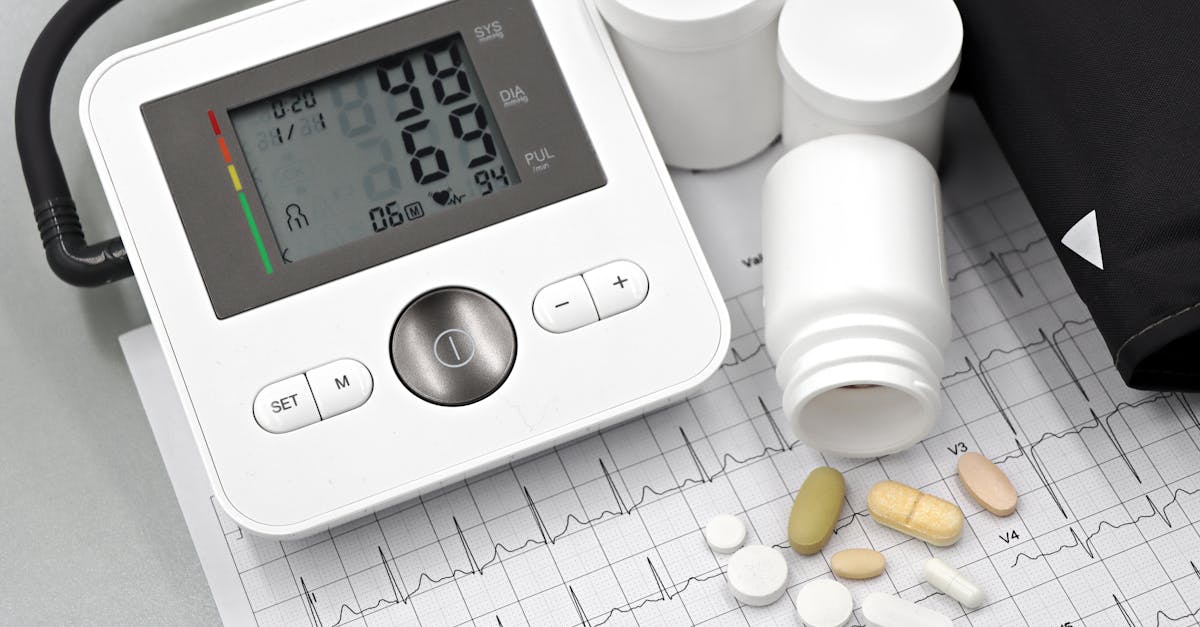
Hypertension is often called a silent killer because it frequently presents no obvious symptoms while damaging the heart. Failing to check blood pressure regularly means that many people remain unaware of their risk until a major event occurs. Knowing these numbers allows for early intervention through diet or lifestyle changes. Routine screenings are essential for catching issues before they become permanent problems.
Hidden Added Sugars

Many low fat products and condiments contain large amounts of sugar to improve their flavor. High sugar intake leads to weight gain and increases the risk of developing type two diabetes. This condition significantly raises the likelihood of heart disease by damaging the blood vessels over time. Reading nutrition labels carefully can reveal the true sugar content of common pantry items.
Chronic Loneliness

Feeling lonely for long periods can be as damaging to the heart as smoking several cigarettes a day. The psychological distress associated with loneliness triggers inflammatory pathways that harm the cardiovascular system. People without meaningful connections often have higher resting heart rates and elevated blood pressure. Engaging in community activities or volunteer work can help bridge the gap for those living alone.
Neglecting Mental Health

Conditions like depression and anxiety are closely linked to an increased risk of heart attacks. These mental health challenges can lead to unhealthy behaviors such as poor diet or lack of exercise. The physical toll of persistent low moods can also manifest as chronic inflammation within the body. Seeking professional support is a vital step in protecting both the mind and the heart.
Driving for Short Commutes

Choosing to drive for distances that could easily be walked reduces the daily opportunity for light cardio activity. This habit contributes to a sedentary lifestyle and increases exposure to traffic related stress and pollution. Regular walking helps maintain a healthy weight and keeps the heart muscle strong. Incorporating more steps into the daily routine is a simple way to improve vascular health.
High Caffeine Consumption

While moderate caffeine is generally safe excessive amounts can lead to jitters and an increased heart rate. People who consume multiple cups of coffee or several sodas a day may experience heart palpitations. This overstimulation can interfere with sleep and raise blood pressure levels in sensitive individuals. Transitioning to herbal teas or decaf options can help manage these effects.
Overtraining Without Rest

Pushing the body to extreme physical limits without allowing for recovery can strain the heart. Excessive endurance training can sometimes lead to changes in the heart structure or rhythm issues. The body needs time to repair tissue and adapt to the stress of exercise for optimal health. Balancing intense workouts with rest days ensures the heart remains resilient and strong.
Inadequate Potassium Intake

Potassium is a vital mineral that helps regulate the electrical signals in the heart and manage blood pressure. Diets that are low in fruits and vegetables often lack sufficient amounts of this essential nutrient. Low potassium levels can lead to muscle weakness and irregular heartbeats in some cases. Consuming bananas and leafy greens is an easy way to support healthy heart function.
Secondhand Smoke Exposure

Inhaling smoke from others can be nearly as damaging as smoking yourself because it contains the same toxic chemicals. This exposure irritates the lining of the heart and promotes the formation of dangerous blood clots. Long term exposure increases the risk of coronary heart disease even in non smokers. Ensuring that home and work environments are smoke free is crucial for heart protection.
Irregular Sleep Schedules

Going to bed and waking up at wildly different times each day disrupts the body internal clock. This inconsistency can lead to metabolic issues and higher levels of systemic inflammation. The heart benefits from a regular rhythm that allows for predictable periods of rest and activity. Maintaining a consistent sleep schedule helps the body regulate blood pressure more effectively.
Ignoring Snoring

Loud snoring can be a sign of obstructive sleep apnea which causes the body to stop breathing periodically during the night. This condition drops oxygen levels and puts immense strain on the cardiovascular system every night. Over time this can lead to heart failure or a significant stroke if left untreated. Consulting a doctor about snoring can lead to treatments that protect the heart.
Frequent Dining Out

Restaurant meals are typically higher in calories and saturated fats than food prepared at home. These meals often contain larger portions which encourage overeating and weight gain. Frequent diners may also consume more hidden sugars and sodium than they realize. Cooking at home allows for better control over ingredients and portion sizes.
Chronic Dehydration

When the body is dehydrated the blood becomes thicker and the heart must work harder to circulate it. This increased viscosity can lead to higher blood pressure and a faster resting heart rate. Staying properly hydrated helps maintain blood volume and ensures efficient nutrient delivery to the cells. Drinking water consistently throughout the day is a basic but essential heart health habit.
Heavy Red Meat Consumption

A diet high in red and processed meats is linked to higher levels of saturated fat and cholesterol. These substances can build up in the arteries and restrict blood flow over many years. Replacing some red meat with plant based proteins or fish can improve the overall health of the heart. Choosing leaner cuts and smaller portions also helps reduce the risk of cardiovascular disease.
Skipping Physical Exams

Missing annual checkups prevents doctors from identifying early warning signs of heart trouble. Many cardiovascular issues are manageable when caught in the early stages through blood work or exams. These visits are the primary way to track cholesterol and glucose levels over time. Regular medical oversight is an important proactive measure for long term wellness.
Suppressing Emotions

Bottling up feelings of anger or sadness can lead to increased physiological tension and stress on the heart. The effort required to hide emotions can raise heart rates and blood pressure levels. Finding healthy outlets for emotional expression helps maintain a balanced internal environment. Open communication and stress management are key to a healthy cardiovascular system.
Please share your thoughts in the comments.