
Your immune system works around the clock to protect you from illness, infection, and everyday threats your body encounters without you even noticing. Many of the habits that undermine this defense system are so routine that they rarely raise concern, yet their cumulative effects can be significant over time. Understanding what quietly chips away at your immunity is the first step toward making smarter, more protective choices for your long-term health.
Poor Sleep

Sleep is the period when your body performs critical immune maintenance, producing proteins called cytokines that help fight infection and inflammation. Consistently getting fewer than seven hours disrupts this process and reduces the number of protective cells your body can deploy. Over time, chronic sleep deprivation has been linked to a measurably slower recovery from common illnesses. Even a few nights of poor sleep each week can throw off the hormonal balance that keeps immune responses sharp and effective.
Chronic Stress

When the body remains in a prolonged state of stress, it produces elevated levels of cortisol, a hormone that suppresses immune function when sustained over long periods. This suppression affects the production of white blood cells and impairs the body’s ability to respond to new threats efficiently. Ongoing psychological stress has been shown to increase susceptibility to respiratory infections and slow wound healing. The immune system essentially operates in a reduced capacity when stress becomes the baseline rather than an occasional state.
Sedentary Lifestyle

Regular physical movement encourages the circulation of immune cells throughout the bloodstream, helping them detect and respond to pathogens more effectively. When the body remains largely inactive day after day, this circulation slows and immune surveillance becomes less efficient. A largely desk-bound routine also contributes to chronic low-grade inflammation, which can interfere with normal immune signaling over time. Even moderate activity like daily walking has been shown to support immune function in measurable ways compared to complete inactivity.
Processed Foods

Diets heavy in ultra-processed foods tend to be low in the vitamins, minerals, and antioxidants the immune system relies on for basic function. High sugar intake in particular has been shown to temporarily impair the ability of white blood cells to destroy harmful bacteria. Excessive consumption of refined carbohydrates and artificial additives can also disrupt the gut microbiome, which plays a central role in regulating immune responses. A consistently poor diet creates nutritional gaps that leave the immune system without the raw materials it needs to operate effectively.
Alcohol Consumption

Regular alcohol intake interferes with the immune system on multiple levels, disrupting the gut barrier, impairing white blood cell production, and slowing the inflammatory response that protects against infection. Even moderate drinking over extended periods has been associated with reduced immune resilience compared to abstaining entirely. Alcohol also depletes key nutrients including zinc and vitamin B6, both of which are essential for immune cell development and function. The liver, which plays an important supporting role in immunity, becomes increasingly burdened when alcohol consumption is habitual.
Dehydration

Water is essential for producing lymph, the fluid that carries white blood cells and nutrients to tissues throughout the body. When you are chronically mildly dehydrated, lymphatic circulation slows and the body becomes less efficient at flushing out toxins and waste products. Mucous membranes in the nose and throat, which serve as a physical barrier against pathogens, also dry out and become less effective when hydration is insufficient. Many people underestimate how consistently falling short on daily water intake can quietly tax their body’s natural defenses over months and years.
Smoking

Tobacco smoke contains thousands of toxic compounds that directly damage the cells lining the respiratory tract, one of the immune system’s primary physical barriers. Regular smoking impairs the function of natural killer cells and reduces the production of immunoglobulin A, an antibody that plays a key role in mucosal immunity. Smokers experience higher rates of respiratory infections, slower recovery times, and a greater risk of complications from illnesses that would be mild in non-smokers. The immune damage accumulates with continued exposure and does not fully reverse without an extended period of cessation.
Loneliness

Social isolation has a measurable physiological impact, triggering inflammatory responses and altering the expression of genes involved in immune function. Research has consistently shown that people with weak social connections experience higher rates of infection and recover more slowly than those with strong support networks. Loneliness activates the body’s threat response systems in a way that keeps immune function suppressed at a low level over time. The relationship between emotional wellbeing and immune health is well-established enough that social connection is now considered a genuine factor in physical resilience.
Skipping Sunlight

Vitamin D, which the body produces through sun exposure, is essential for activating immune defenses and regulating the inflammatory response. Many people living in northern climates or spending most of their time indoors develop low vitamin D levels without realizing it, a deficiency directly linked to increased susceptibility to infections. Insufficient sun exposure has also been associated with higher rates of autoimmune conditions, suggesting a broader regulatory role for this nutrient. Even brief daily outdoor time can make a meaningful difference in maintaining the vitamin D levels your immune system depends on.
Gut Neglect

Approximately seventy percent of the immune system resides in the gut, making digestive health one of the most influential factors in overall immune function. A diet lacking in fiber, fermented foods, and diverse plant sources leads to a reduced and less varied gut microbiome over time. This reduction in microbial diversity weakens the immune system’s ability to distinguish between harmless substances and genuine threats, sometimes triggering inappropriate responses. Regularly neglecting gut health through poor diet or unnecessary antibiotic use gradually erodes one of the body’s most important immune regulation systems.
Overusing Antibiotics

Taking antibiotics more frequently than necessary does not just address bacterial infections; it also wipes out beneficial bacteria that support immune function in the gut. The resulting disruption to the microbiome can persist for months and leaves the body more vulnerable to opportunistic infections and digestive disturbances. Overuse also contributes to antibiotic resistance, which is a broader health concern, but the immediate personal cost is a less balanced and less resilient immune environment. Using antibiotics only when clinically necessary and supporting microbiome recovery afterward is an important but often overlooked aspect of immune maintenance.
Skipping Breakfast

The body’s immune cells depend on consistent fuel to maintain their activity levels, and skipping the morning meal leaves them without adequate energy during a key period of daily function. Missing breakfast has been associated with higher levels of cortisol in the morning, which as noted earlier has a suppressive effect on immune signaling. A nutritionally incomplete start to the day also contributes to erratic blood sugar patterns that create metabolic stress throughout the hours that follow. Regular, balanced morning nutrition supports both energy stability and the steady function of immune defenses.
Mouth Breathing
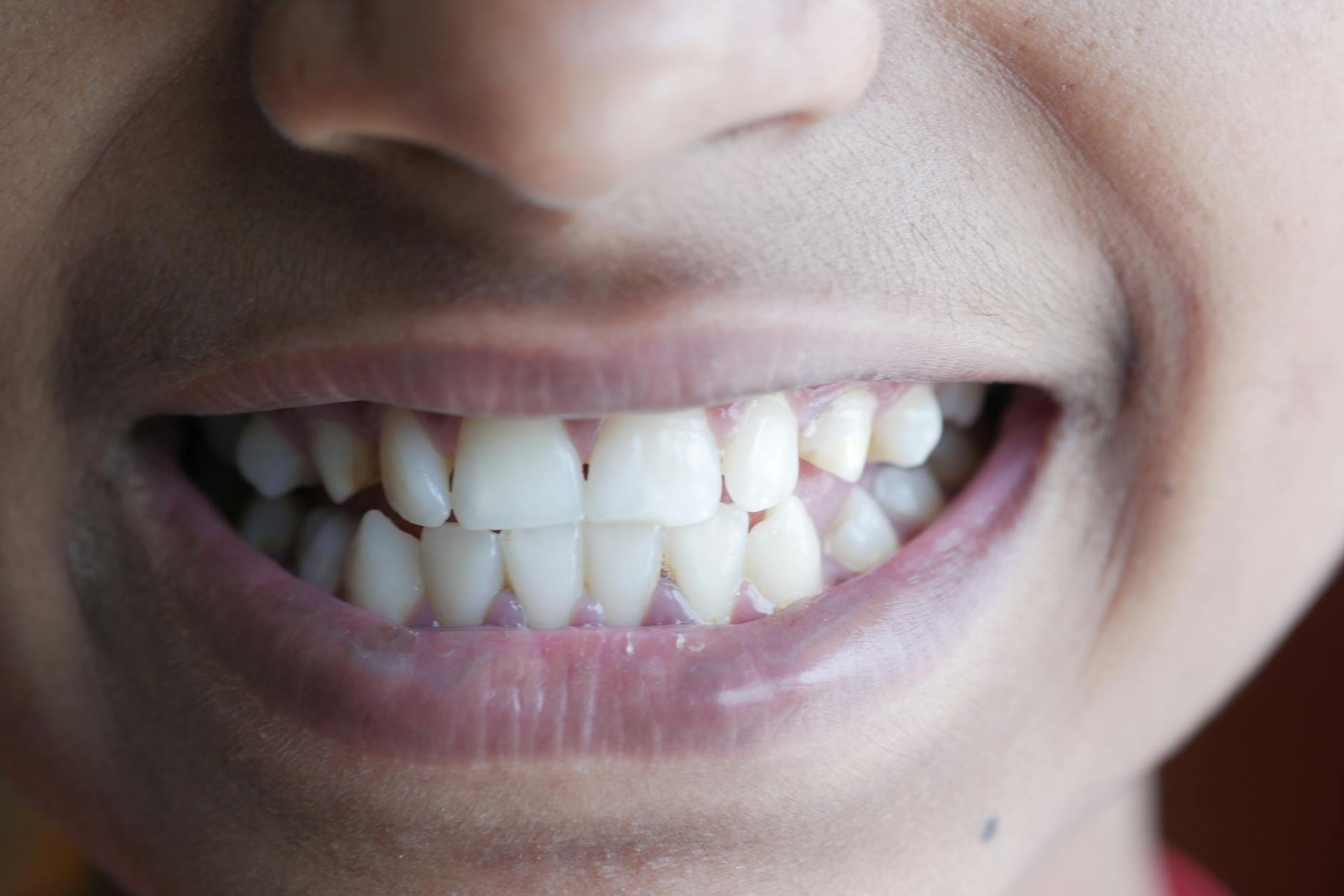
Nasal breathing filters, warms, and humidifies incoming air, removing many pathogens before they reach the lungs, while mouth breathing bypasses these defenses entirely. Habitual mouth breathing, which can develop from nasal congestion, poor posture, or simple habit, exposes the throat and airways to unfiltered air and higher pathogen loads. It also tends to reduce nitric oxide levels in the body, a compound that plays a role in modulating immune responses and fighting certain viruses and bacteria. Over time, this seemingly minor habit can meaningfully reduce the first line of defense your respiratory system provides.
Overtraining

While moderate exercise supports immunity, pushing the body too hard without adequate recovery sends it into a state of physiological stress that temporarily suppresses immune function. Athletes who train intensively without sufficient rest frequently experience what is known as the open window effect, a period after intense exertion when susceptibility to infection is noticeably elevated. Overtraining also elevates cortisol levels and depletes important micronutrients faster than they can be replenished through a normal diet. Consistent overexertion without rest days or nutritional support gradually erodes the immune resilience that moderate training was building.
Poor Posture

Chronic poor posture compresses the chest cavity and restricts breathing patterns, reducing the oxygen availability that immune cells need to function optimally. It also places mechanical stress on the spine and surrounding tissues, contributing to low-grade inflammation that the immune system must continuously manage. Shallow breathing resulting from a hunched posture can impair lymphatic drainage, slowing the removal of waste products and reducing the efficiency of immune surveillance. The cumulative physical strain of years of poor posture creates a subtle but real burden on the systems responsible for keeping the body healthy.
Late-Night Eating

Eating large meals close to bedtime disrupts the circadian rhythms that govern a wide range of biological processes including immune regulation. The body’s repair and immune maintenance functions that occur during sleep are partially interfered with when the digestive system is still actively processing food. Late-night eating has also been associated with poorer sleep quality, creating a chain reaction that compounds its negative effects on immunity over time. Keeping meals to earlier evening hours allows the body to enter sleep in a more metabolically settled state, better positioned for overnight immune work.
Screen Overexposure

Excessive screen time, particularly in the evening, suppresses melatonin production through blue light exposure, disrupting the sleep cycle and by extension the overnight immune maintenance that depends on it. Prolonged screen use also tends to accompany sedentary behavior, increased stress from news and social media, and reduced time spent on restorative activities like outdoor movement and social connection. The combination of these compounding effects makes excessive screen exposure one of the more broadly damaging modern habits for long-term immune health. Reducing evening screen time and introducing regular screen-free periods during the day supports both sleep and the broader conditions immune function requires.
Negative Self-Talk

Persistent negative thinking activates stress response pathways in the brain, leading to elevated cortisol and the immune suppression that follows prolonged stress hormone exposure. Research in psychoneuroimmunology has shown that psychological states including pessimism and self-criticism are associated with measurably weaker immune responses and slower recovery from illness. The mind-body connection is well-documented enough that habitual patterns of negative self-perception have a genuine physiological cost beyond their emotional impact. Cultivating more balanced and constructive thought patterns is not just a mental health strategy but also a meaningful investment in physical resilience.
Ignoring Allergies

Untreated or poorly managed allergies keep the immune system in a state of chronic low-level activation, constantly responding to perceived threats like pollen or dust that do not pose real danger. This sustained activation draws on immune resources and can create a state of functional exhaustion that leaves the body less capable of responding effectively to genuine threats. Persistent allergic inflammation also compromises the integrity of mucous membranes, weakening a key physical barrier against infection. Addressing allergies proactively rather than tolerating their symptoms allows the immune system to redirect its energy toward more critical defensive functions.
Neglecting Hydration Habits

Relying on coffee, sugary drinks, or alcohol to meet daily fluid needs leaves the body in a state of chronic mild dehydration that impairs nearly every physiological process including immune function. These beverages often act as diuretics or introduce compounds that place additional demands on the liver and kidneys, organs that support immune health through waste filtration. Establishing consistent hydration habits throughout the day rather than drinking reactively when thirst appears helps maintain the fluid balance that lymphatic and immune systems depend on. Making water the primary daily beverage is a foundational habit that supports immune function in ways that are easy to overlook until the deficit becomes significant.
Which of these habits surprised you most? Share your thoughts in the comments.