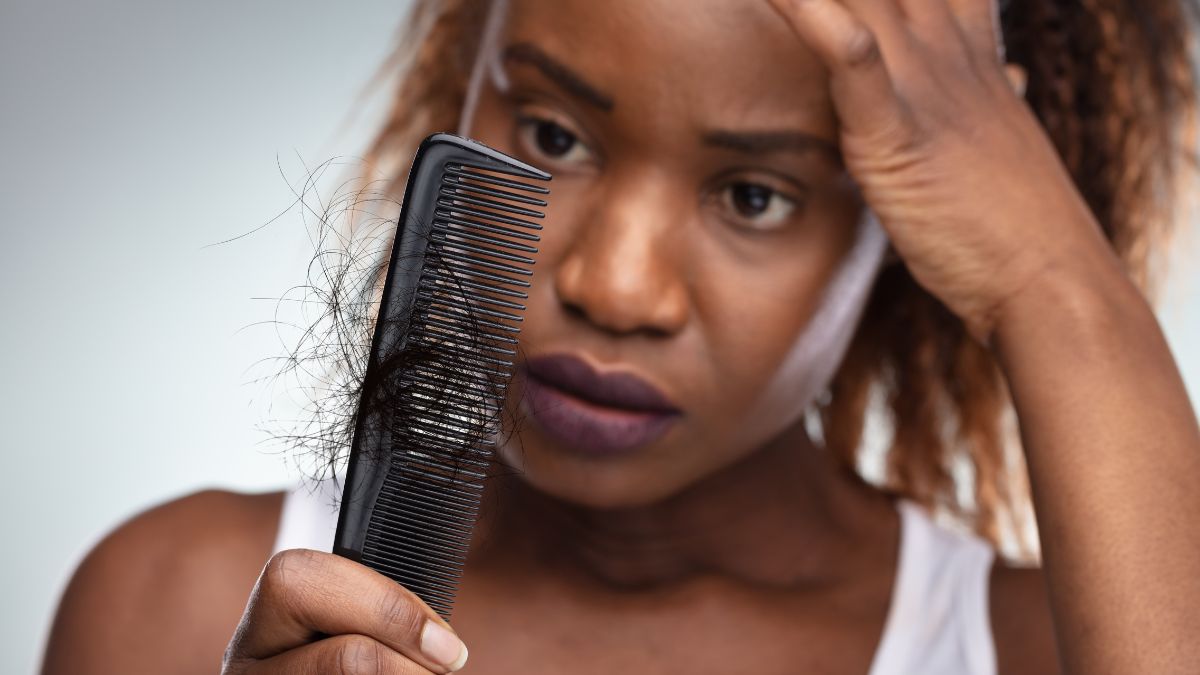
Hair loss is one of those frustrating concerns that often creeps up gradually, leaving many people wondering what went wrong. The culprit is rarely just genetics or age. Everyday habits that seem completely harmless are frequently the hidden drivers behind thinning strands and increased shedding. Understanding these triggers is the first step toward protecting the health and density of your hair.
Wearing Tight Hairstyles Daily
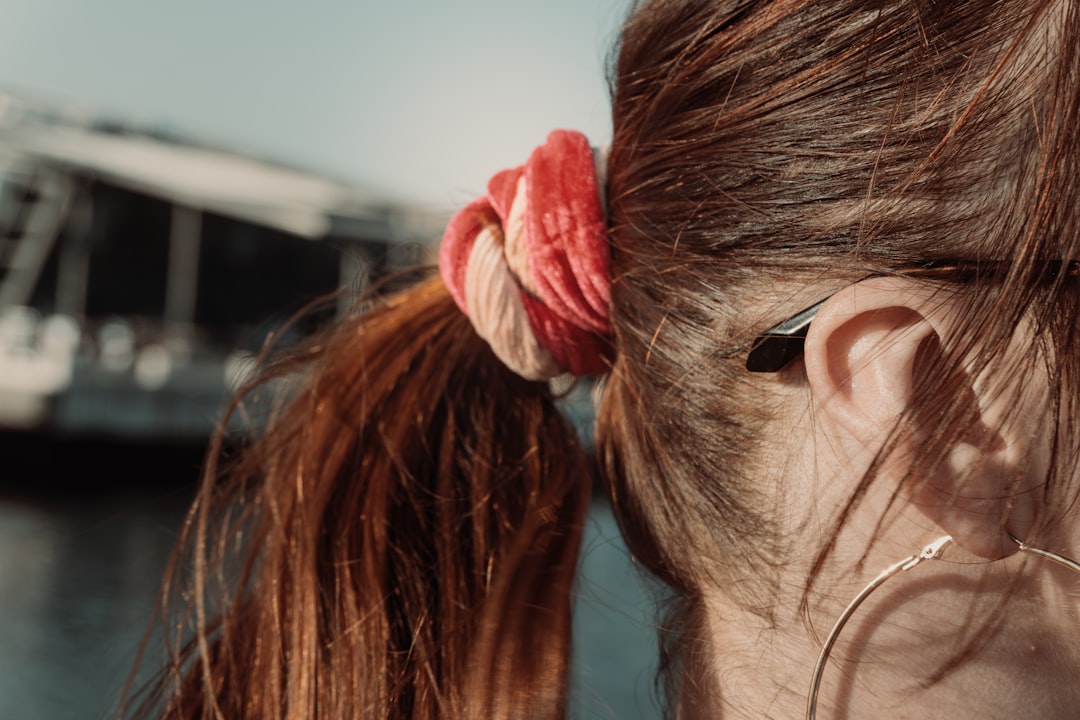
Ponytails, braids, and buns pulled tightly against the scalp create a condition known as traction alopecia. The repeated mechanical stress on the hair follicles weakens them over time and causes gradual but permanent damage. This type of hair loss typically appears along the hairline and temples first. Rotating hairstyle tension and opting for looser styles several days a week can significantly reduce the risk.
Overwashing Your Hair
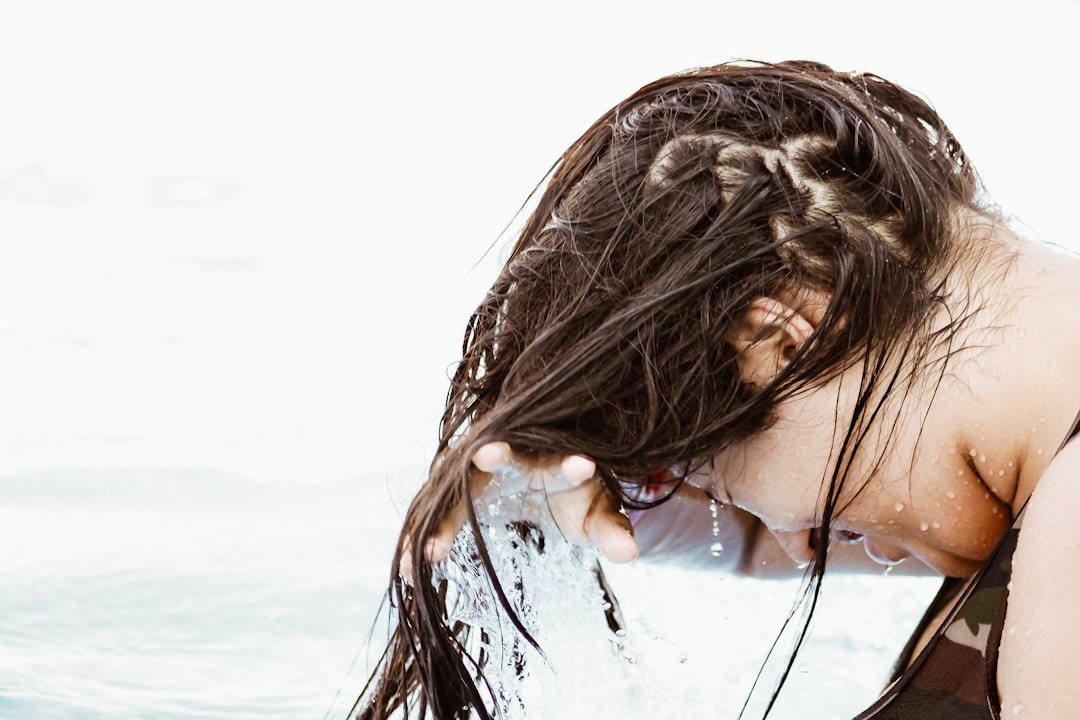
Washing hair every single day strips the scalp of its natural sebum which plays a key role in maintaining follicle health. Without adequate moisture the scalp becomes dry and irritated leading to increased breakage and shedding. Frequent washing also disrupts the natural hair growth cycle by placing constant stress on the shaft. Most hair types benefit from washing two to three times per week at most.
Using Very Hot Water in the Shower
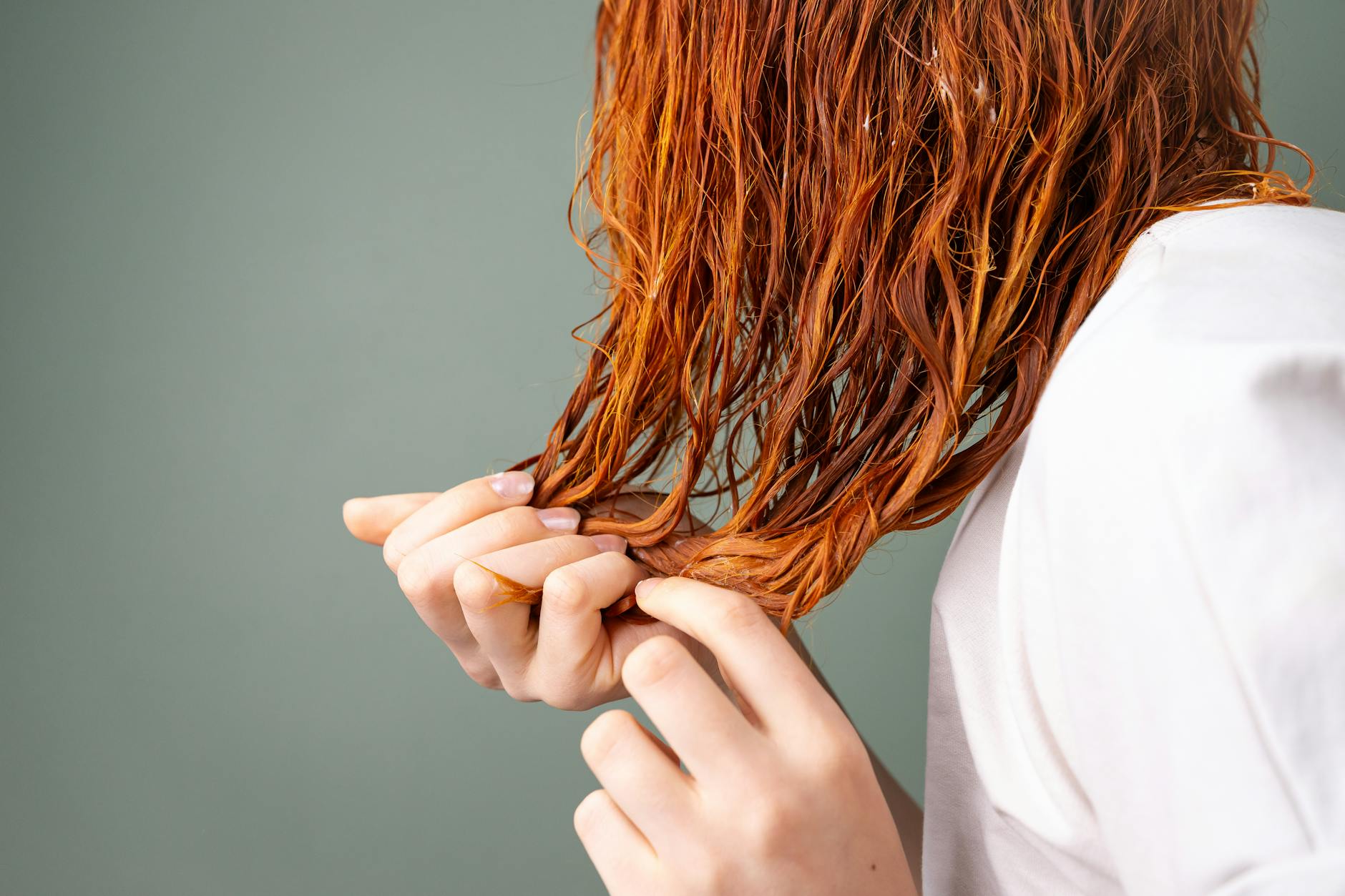
Hot water opens the hair cuticle aggressively and leaches out essential proteins and moisture from each strand. Over time this thermal damage makes hair brittle weak and highly prone to breakage close to the scalp. Scalp capillaries can also become dilated and inflamed with repeated hot water exposure affecting circulation to the follicles. Rinsing with cool or lukewarm water is a simple adjustment that makes a measurable difference.
Crash Dieting or Severe Caloric Restriction
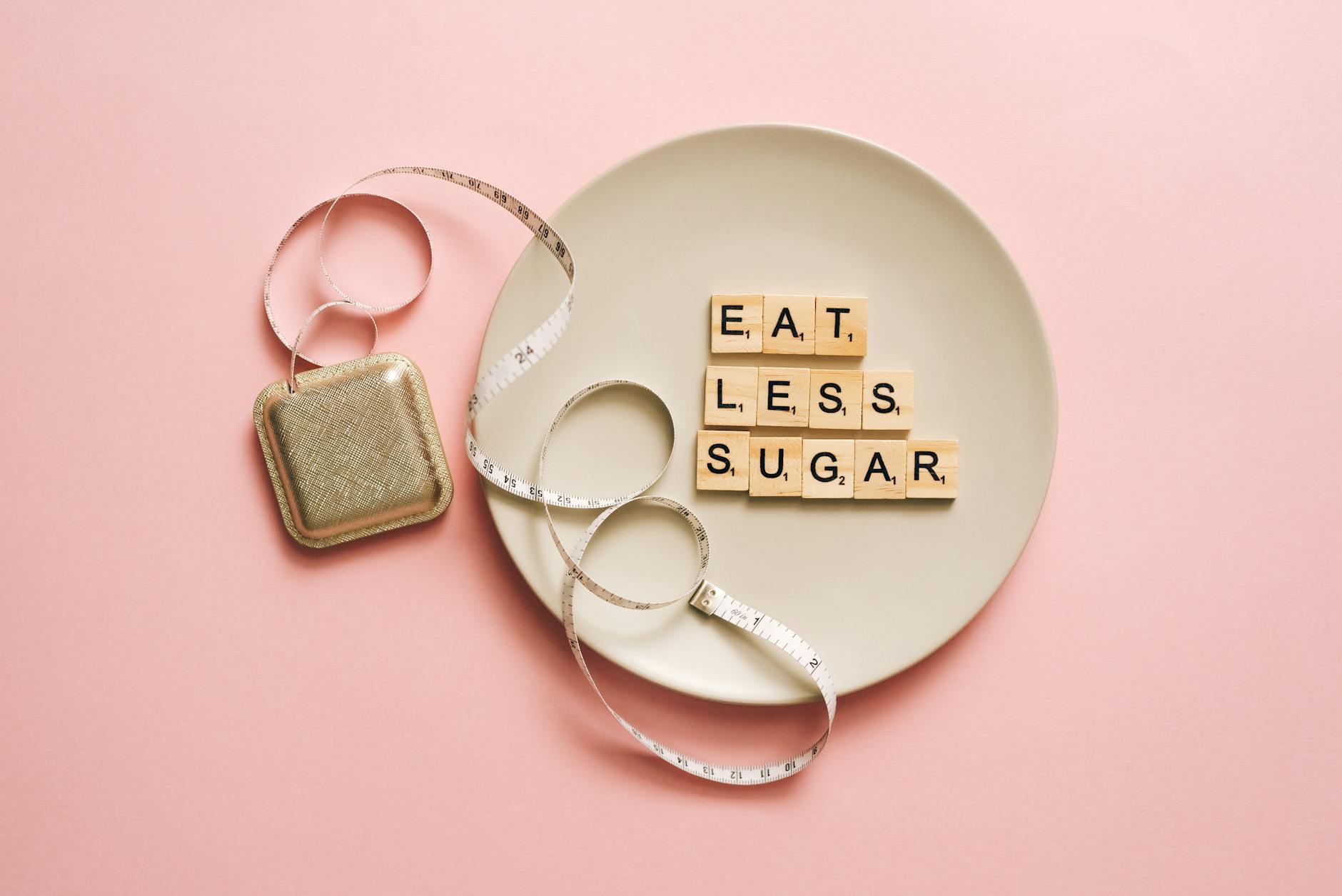
The body treats hair growth as a non-essential function and redirects nutrients away from follicles during periods of extreme caloric deficit. This triggers a condition called telogen effluvium where large numbers of hairs shift simultaneously into the shedding phase. Iron zinc biotin and protein are among the first nutrients depleted during restrictive eating patterns. The hair loss often becomes noticeable two to three months after the dietary restriction begins.
Skipping Protein in Your Diet
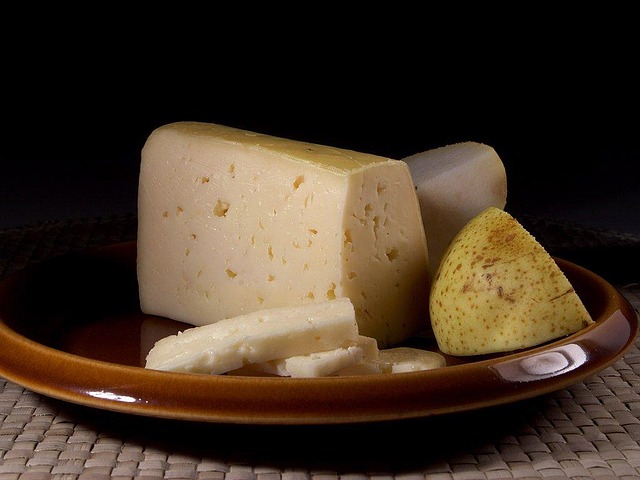
Hair is composed almost entirely of a protein called keratin and inadequate dietary protein directly impairs its production. When protein intake is consistently low the body rations available amino acids toward vital organ functions rather than hair follicle activity. This results in weaker thinner strands that shed earlier than they should in the growth cycle. Ensuring adequate daily protein through whole food sources supports healthy hair regeneration from the inside out.
Chronic Stress

Prolonged psychological stress elevates cortisol levels which disrupt the hormonal environment that hair follicles depend on to function properly. High cortisol has been shown to suppress the activity of hair follicle stem cells and push follicles prematurely into the resting phase. The resulting shedding can be diffuse across the entire scalp making it particularly alarming to notice. Stress management practices directly benefit hair retention alongside overall health.
Poor Sleep Habits
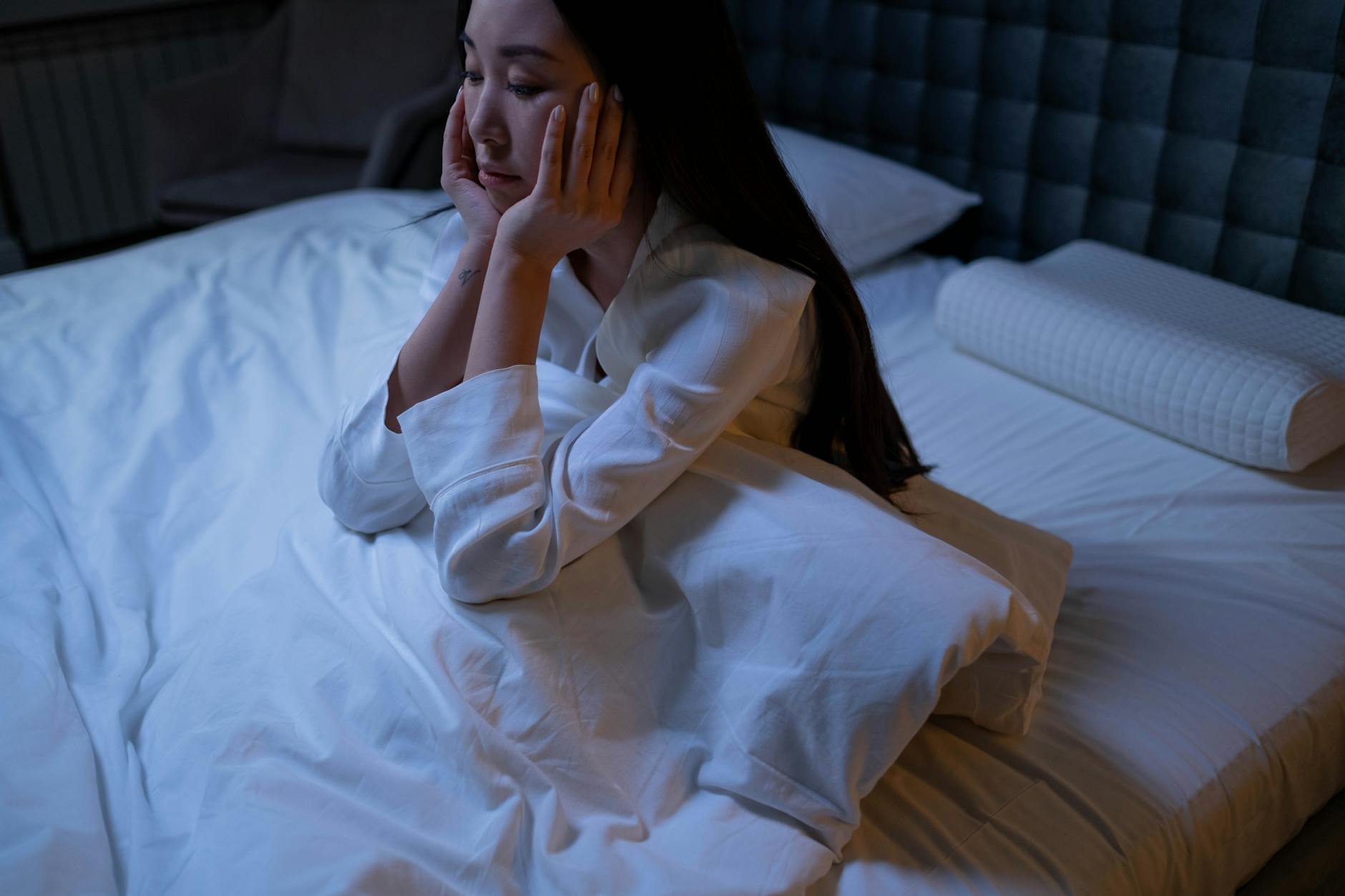
During deep sleep the body produces growth hormone which plays a key role in cell regeneration including that of hair follicle cells. Consistently sleeping fewer than seven hours disrupts this repair process and creates systemic inflammation that can impair follicle health. Sleep deprivation also elevates stress hormones which compounds the negative effect on the hair growth cycle. Quality and duration of sleep are both important factors in maintaining hair density.
Overstyling With Heat Tools
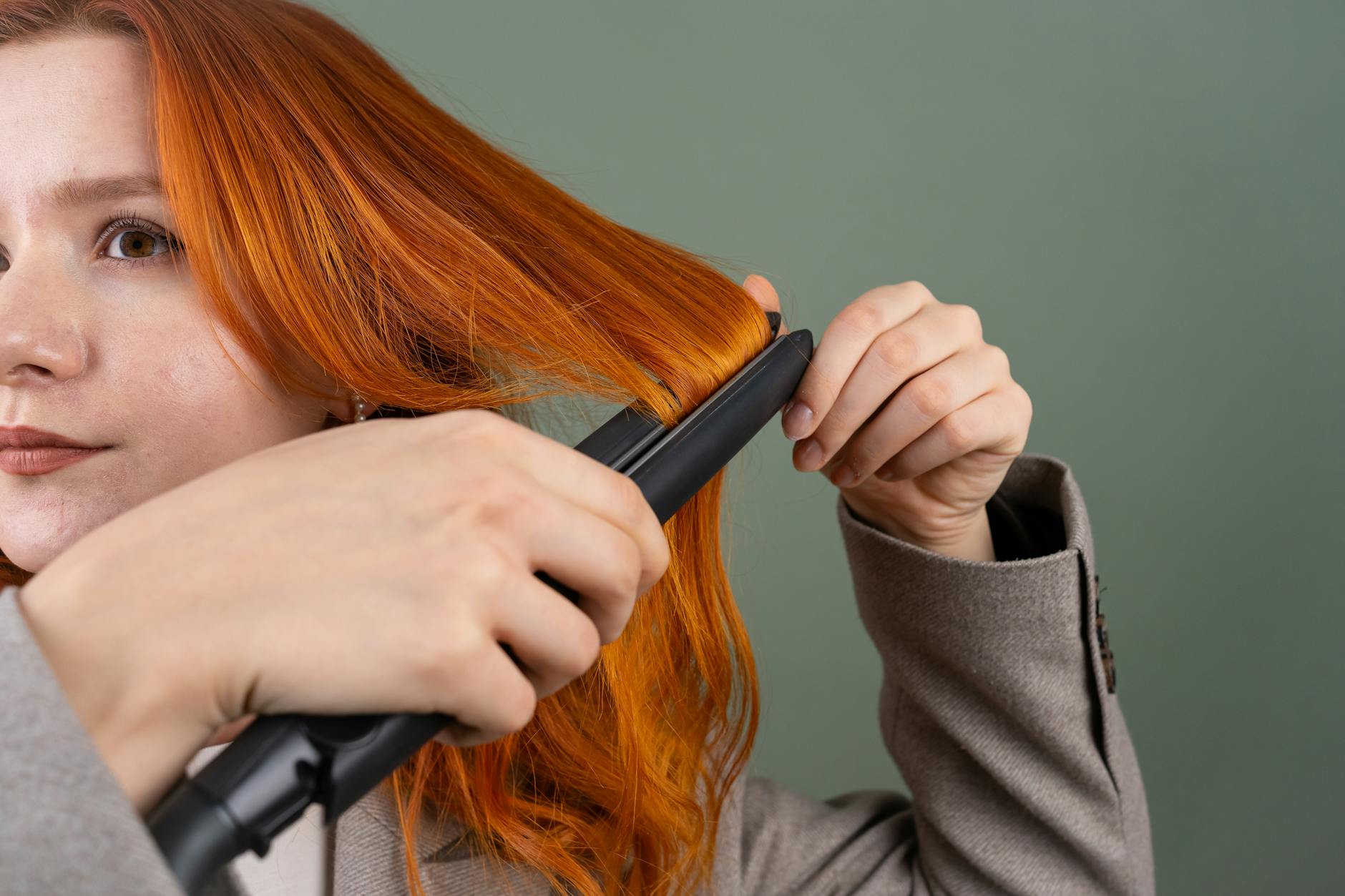
Daily use of flat irons curling wands and blow dryers subjects hair to temperatures that denature the keratin structure of each strand. The cuticle layer lifts and cracks under repeated thermal exposure making hair fragile and prone to snapping at or near the root. Cumulative heat damage weakens the overall integrity of the hair shaft over months of regular use. Incorporating heat-free styling days and always using a thermal protectant reduces this damage substantially.
Brushing Hair Aggressively When Wet
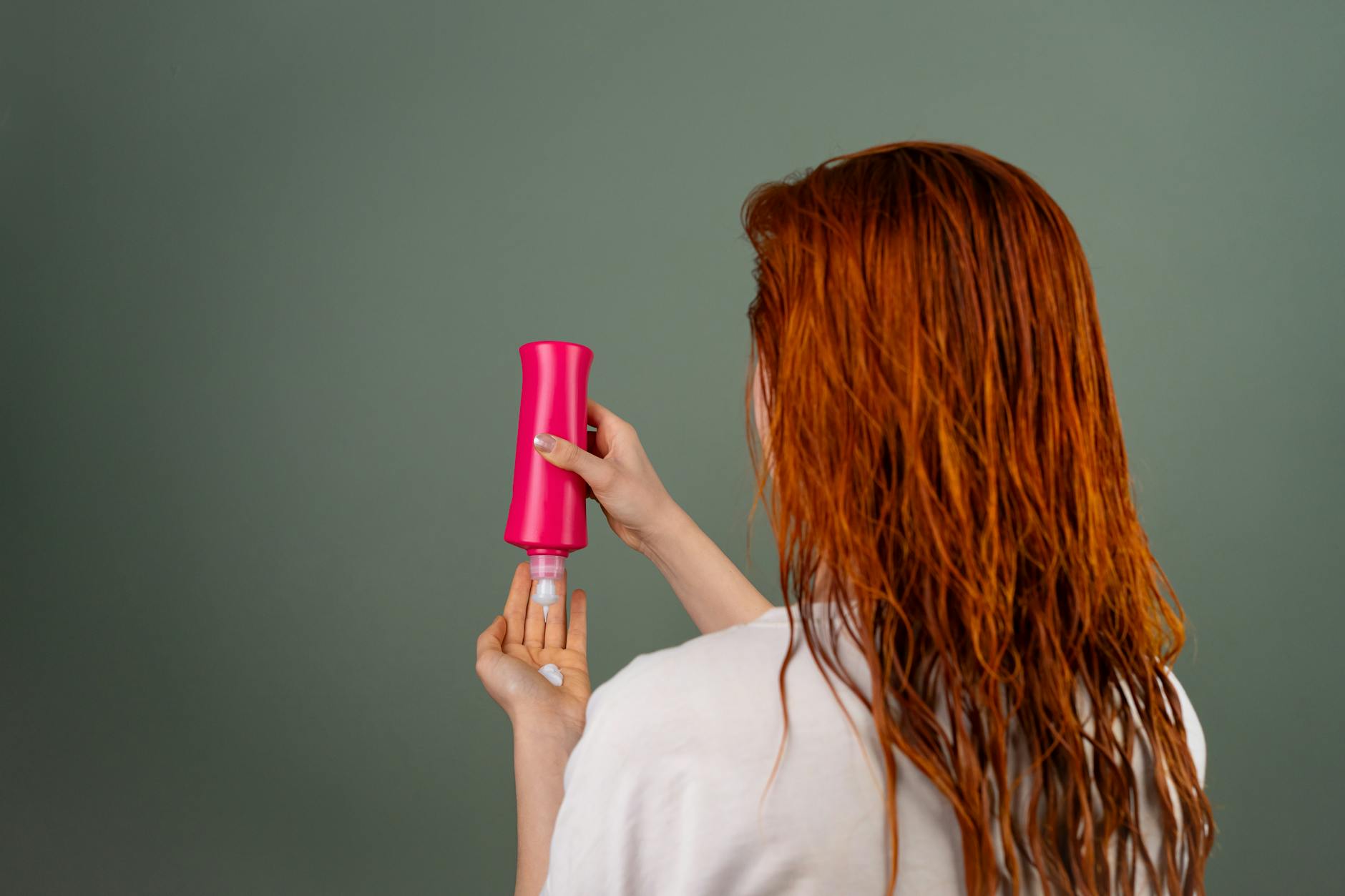
Wet hair is in its most vulnerable state because water causes the shaft to swell and the bonds holding the structure together to temporarily weaken. Brushing forcefully through tangles while wet generates significant mechanical stress that snaps strands throughout their length. This type of breakage is often mistaken for root-level hair loss but accumulates visibly over time. Using a wide-tooth comb and detangling gently from ends to roots is the correct approach.
Ignoring Scalp Health
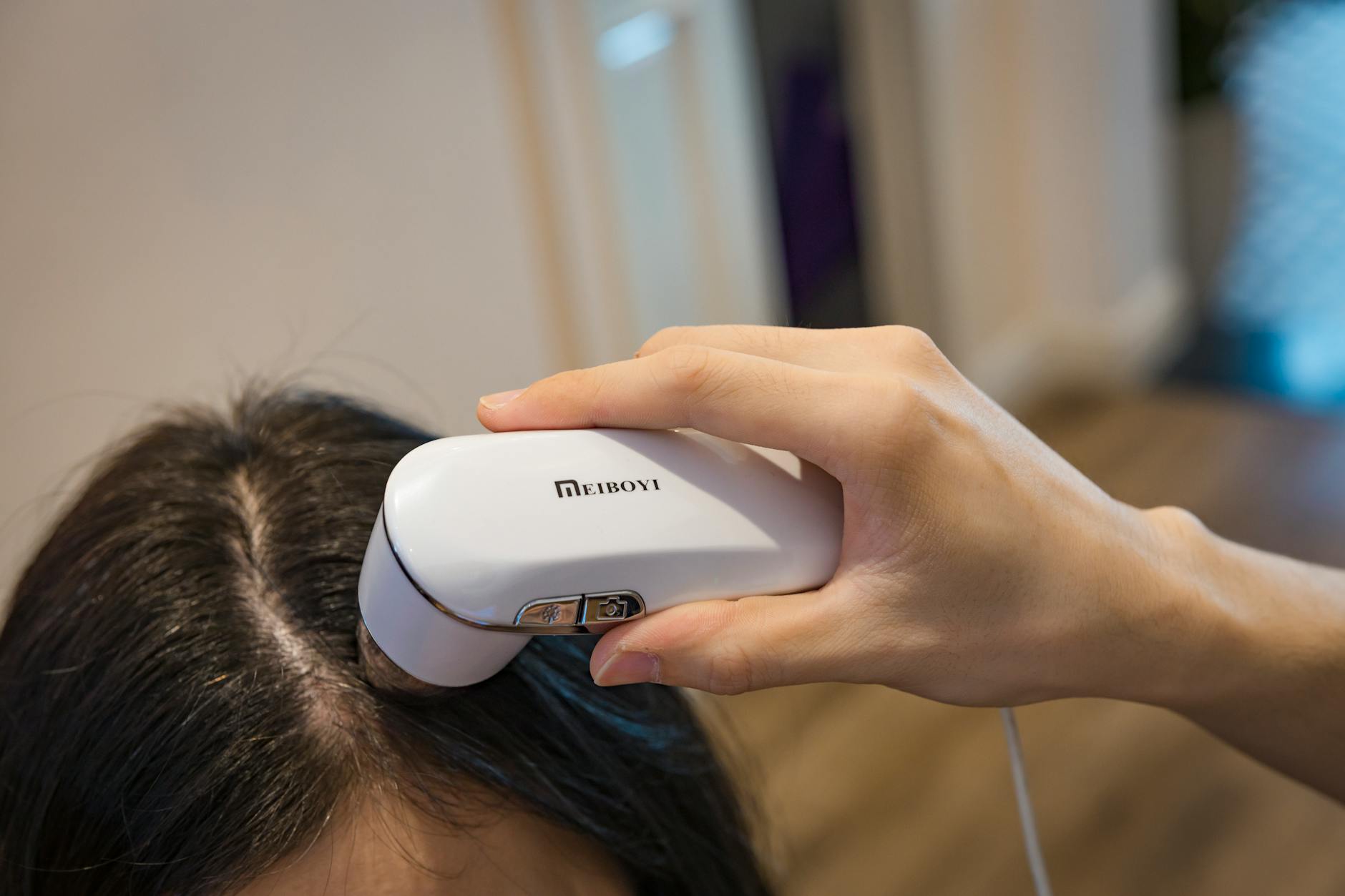
A congested or inflamed scalp creates an environment where follicles struggle to produce healthy hair. Product buildup excess sebum and untreated conditions like dandruff or seborrheic dermatitis can block follicle openings and impair the growth cycle. The scalp is skin and requires the same level of care and attention given to the skin on the face. Regular gentle exfoliation and targeted scalp treatments can meaningfully improve the conditions for hair growth.
Elastic Hair Ties With Metal Clasps

The small metal crimp on standard elastic hair ties catches and tears the hair cuticle every time the tie is removed. Repeated snagging creates micro-damage along the shaft that weakens hair and causes breakage over time especially at the point where the tie sits. This is a particularly common cause of mid-length and ends breakage that can make hair appear thinner overall. Switching to seamless fabric ties or spiral hair coils eliminates this source of damage entirely.
Nutritional Deficiencies

Deficiencies in iron vitamin D zinc and B vitamins are among the most commonly identified nutritional contributors to hair thinning. Iron deficiency in particular is a leading cause of diffuse hair loss in women as ferritin levels directly influence the hair follicle cycle. These deficiencies often develop silently over months before hair symptoms become apparent. A blood panel can identify specific deficiencies that can then be addressed through diet or supplementation.
Smoking

Smoking reduces blood circulation to the scalp which limits the delivery of oxygen and nutrients that follicles require to sustain active hair growth. The toxins in cigarette smoke have also been shown to damage the DNA of hair follicle cells and increase oxidative stress in the scalp tissue. Hormonal disruptions caused by smoking further compound the negative impact on the hair growth cycle. Hair thinning associated with smoking tends to be progressive and worsens with the duration of the habit.
Alcohol Consumption
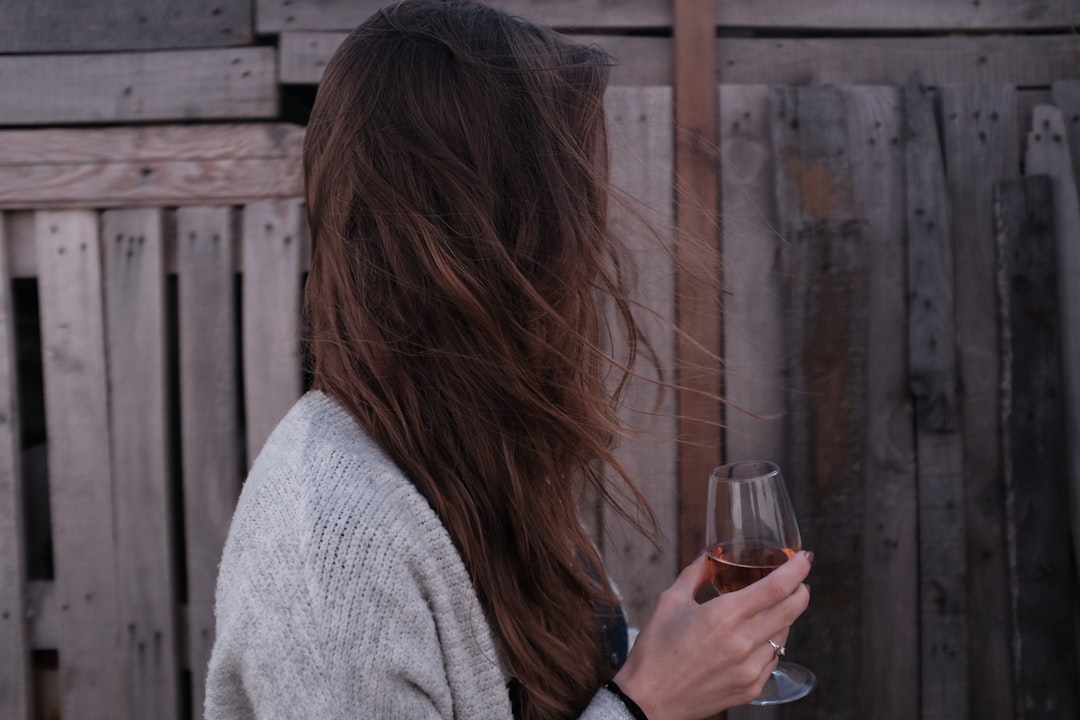
Regular alcohol consumption depletes the body of key hair-supporting nutrients including zinc iron and a range of B vitamins through its diuretic effect. Alcohol also disrupts protein synthesis which directly undermines the production of keratin needed to build the hair shaft. Dehydration caused by alcohol intake affects the scalp environment reducing its ability to support healthy follicle function. Reducing alcohol intake has been linked to noticeable improvements in hair thickness and shedding rates over time.
Hormonal Contraceptives
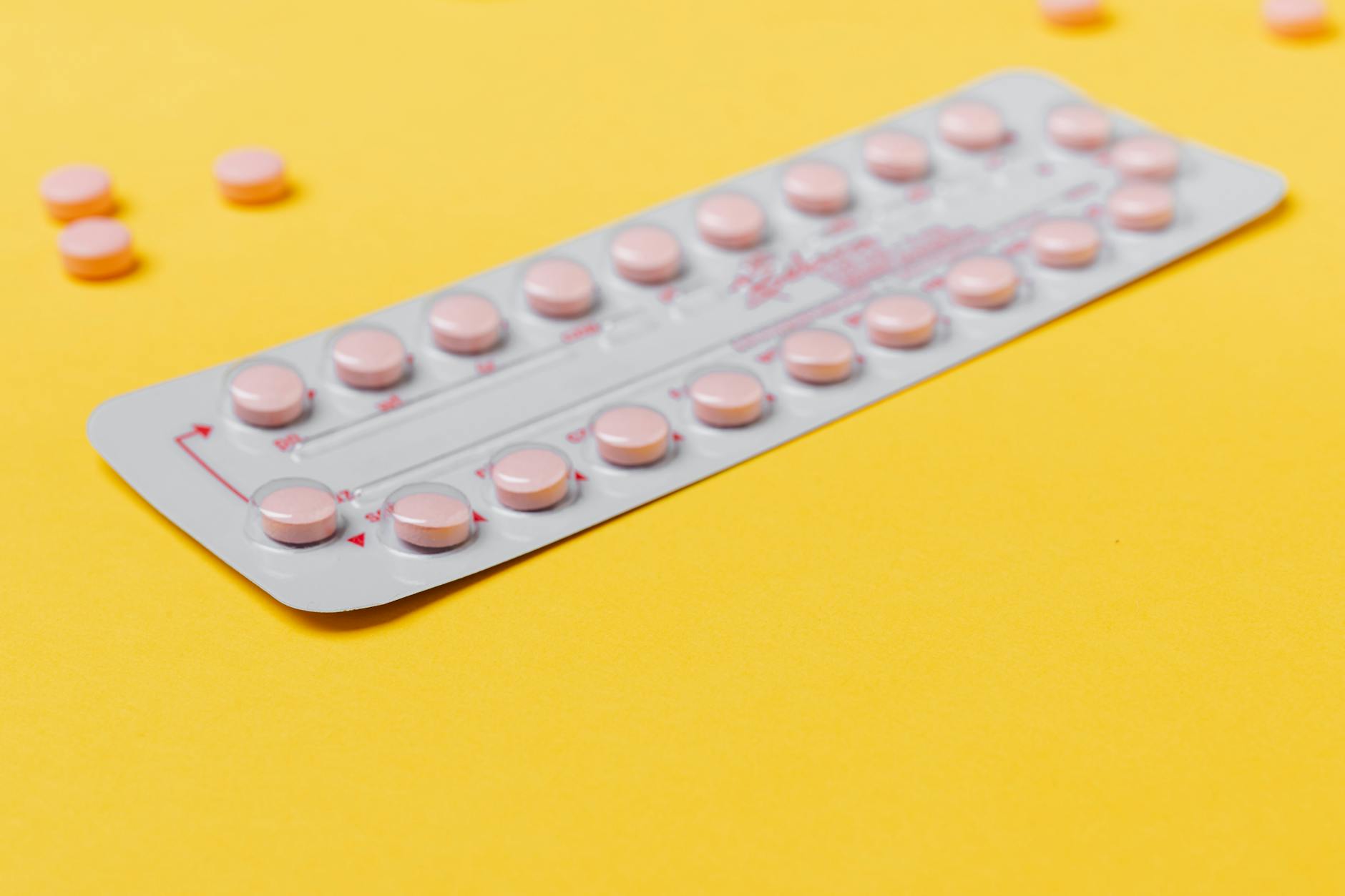
Certain oral contraceptives with high androgenic activity can trigger or accelerate hair loss in individuals who are genetically predisposed to follicle sensitivity. Androgens shrink hair follicles progressively causing the hair produced to become finer and shorter with each growth cycle. The effect is not always immediate and may become apparent months after starting or stopping a particular contraceptive. Consulting a healthcare provider about low-androgen contraceptive alternatives is advisable for those experiencing unexplained hair thinning.
Excessive Sun Exposure

Prolonged and unprotected UV exposure degrades the protein structure of the hair shaft and oxidises the melanin within it making strands weaker and more fragile. The scalp skin itself can become chronically inflamed from sun damage which disrupts the follicle environment and impairs normal hair cycling. UV radiation has also been shown to reduce the tensile strength of individual hair fibers increasing their susceptibility to mechanical breakage. Wearing hats or applying UV-protective hair products during extended outdoor exposure helps preserve both strand integrity and scalp health.
Overusing Dry Shampoo
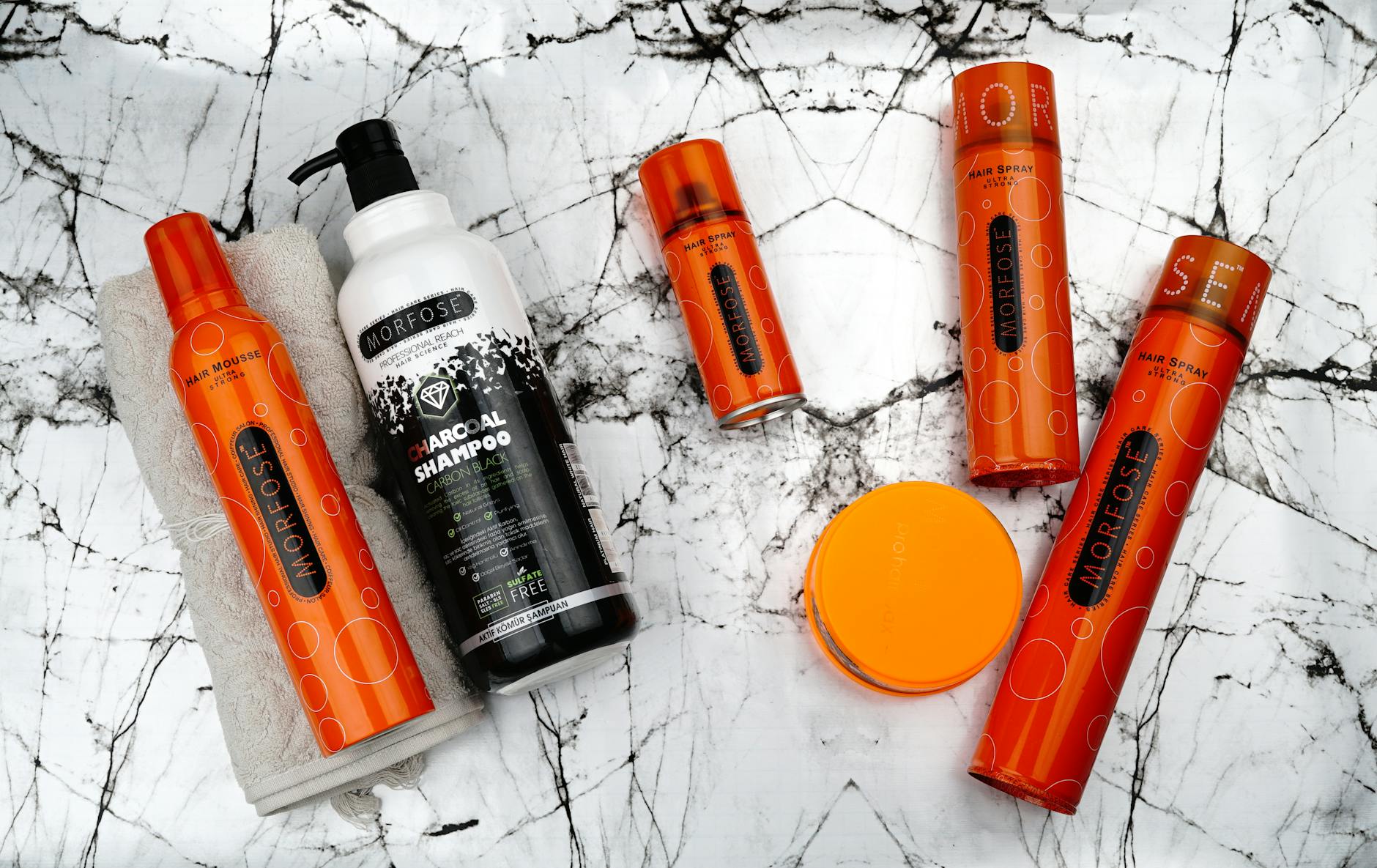
Dry shampoo works by absorbing excess oil on the scalp but regular overuse leads to significant product buildup that accumulates around the follicle opening. This buildup can clog follicles and create an environment that promotes inflammation and inhibits healthy hair growth. Many dry shampoos also contain alcohol and aerosol chemicals that dry out the scalp and contribute to flaking over time. Using dry shampoo no more than two days in a row and thoroughly cleansing the scalp between uses prevents these negative effects from developing.
If any of these habits sound familiar share your own experiences and hair care discoveries in the comments.