Many individuals unknowingly compromise the health of their hair through daily routines that seem harmless on the surface. Understanding the subtle ways damage occurs is the first step toward reclaiming strength and shine for your locks. Small adjustments to your washing, styling, and sleeping habits can yield significant improvements over time. This guide highlights common errors that might be preventing you from achieving your best hair days.
Hot Water Showers

Scalding water strips natural oils from the scalp and leaves hair dry and brittle. This intense heat weakens the hair follicles over time and causes color to fade much faster than cool water does. Washing with lukewarm water allows the cuticles to remain sealed and preserves essential moisture within the strands. Finishing your routine with a cold rinse helps lock in shine and reduces frizz significantly.
Rough Towel Drying
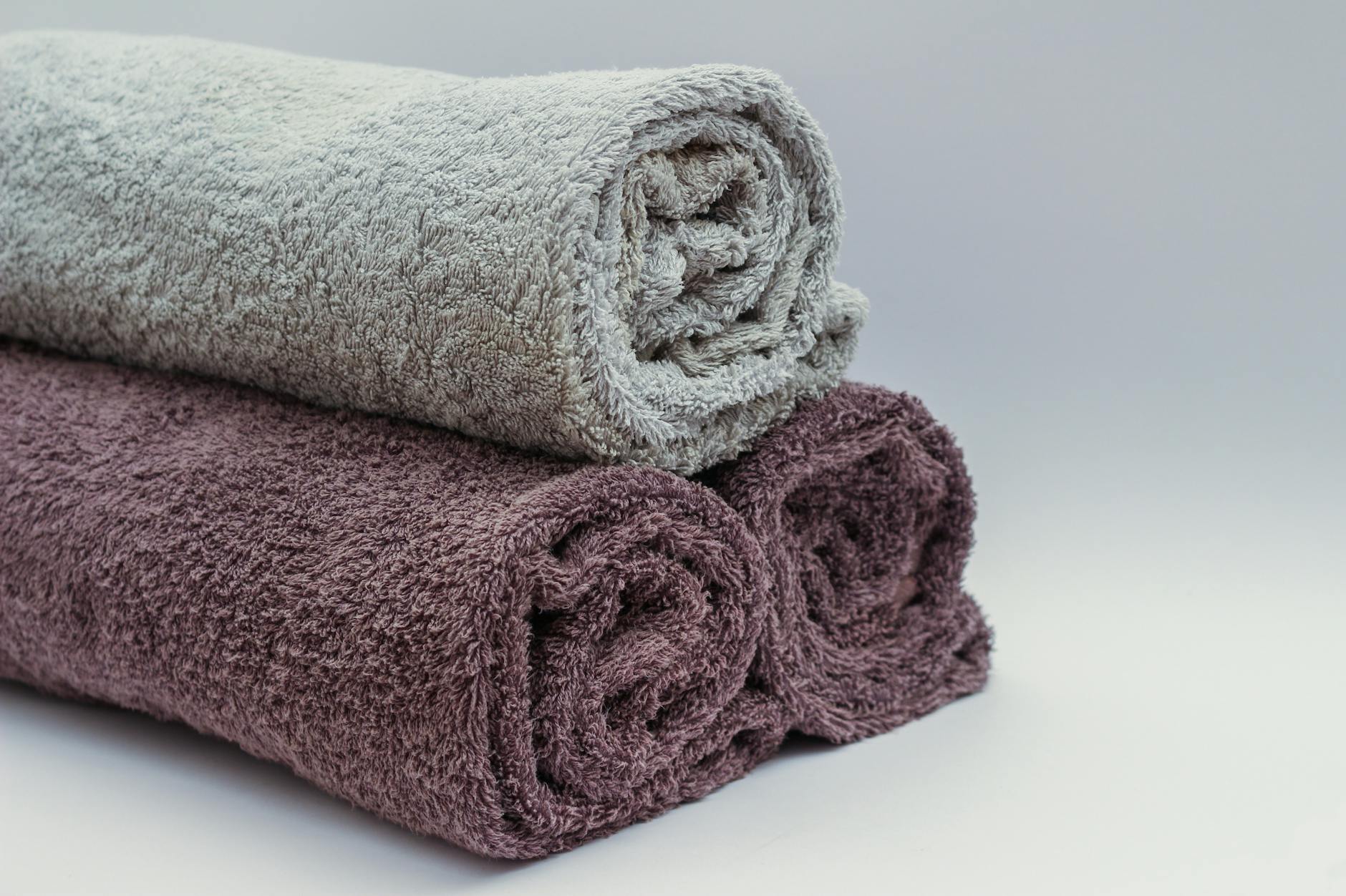
Vigorously rubbing wet hair with a standard terry cloth towel causes significant friction and breakage. Wet strands are in their most fragile state and are highly susceptible to snapping under mechanical stress. Using a microfiber towel or an old cotton t-shirt creates a smoother surface that absorbs water without roughening the cuticle. Gently squeezing out excess moisture rather than rubbing ensures the structural integrity of the hair remains intact.
Brushing Wet Hair

Running a standard brush through soaking wet hair stretches the strands beyond their elastic limit and causes them to snap. Hair acts like a rubber band when wet and requires careful handling to avoid permanent deformation. Using a wide-tooth comb or a brush specifically designed for wet detangling minimizes tension on the shaft. Starting from the ends and slowly working your way up to the roots prevents compounding knots and reduces mechanical damage.
Tight Hairstyles

Wearing high ponytails or tight buns daily places excessive tension on the hairline and can lead to traction alopecia. The constant pulling stresses the follicles and may cause receding hairlines or thinning around the temples over time. Alternating between loose styles and wearing hair down gives the scalp a necessary recovery period. Using soft scrunchies or spiral ties instead of elastic bands with metal clasps further protects against breakage.
Skipping Heat Protectant

Applying direct heat from styling tools without a protective barrier literally cooks the hair fiber from the inside out. High temperatures vaporize the moisture within the cortex and create bubbles that permanently weaken the structure. A quality heat protectant spray seals the cuticle and distributes heat more evenly across the surface. This simple step prevents split ends and keeps hair looking healthy despite regular styling.
Dirty Hair Tools

Brushes and combs collect dust, oil, dead skin cells, and product residue that create a breeding ground for bacteria. Using dirty tools redeposits this grime back onto clean hair and can lead to scalp irritation or infections. Cleaning your brushes with warm soapy water and removing loose hair once a week ensures optimal hygiene. Clean tools perform better and prevent hair from looking greasy immediately after washing.
Overwashing

Scrubbing the scalp every single day can disrupt the natural microbiome and strip away protective sebum. The scalp often overcompensates for this dryness by producing even more oil which creates a vicious cycle of greasiness. Most hair types benefit from washing every two to three days to maintain a healthy moisture balance. Dry shampoo can help extend the life of a blowout without the need for a full wash.
Cotton Pillowcases

Traditional cotton fabric acts like velcro against delicate hair strands as you toss and turn during sleep. This abrasion leads to breakage and split ends while the fabric absorbs moisture from the hair shaft. Silk or satin pillowcases provide a slippery surface that allows hair to glide smoothly without snagging or tangling. Switching bedding materials is a simple adjustment that preserves hairstyles longer and maintains hydration.
Ignoring Scalp Care

Healthy hair growth starts at the roots but many people focus solely on the mid-lengths and ends. Product buildup and dead skin can clog hair follicles and stifle healthy growth if not removed regularly. Incorporating a gentle scalp scrub or an exfoliating brush into your routine stimulates blood circulation. A clean and stimulated scalp environment promotes thicker and stronger hair production.
Conditioning Roots
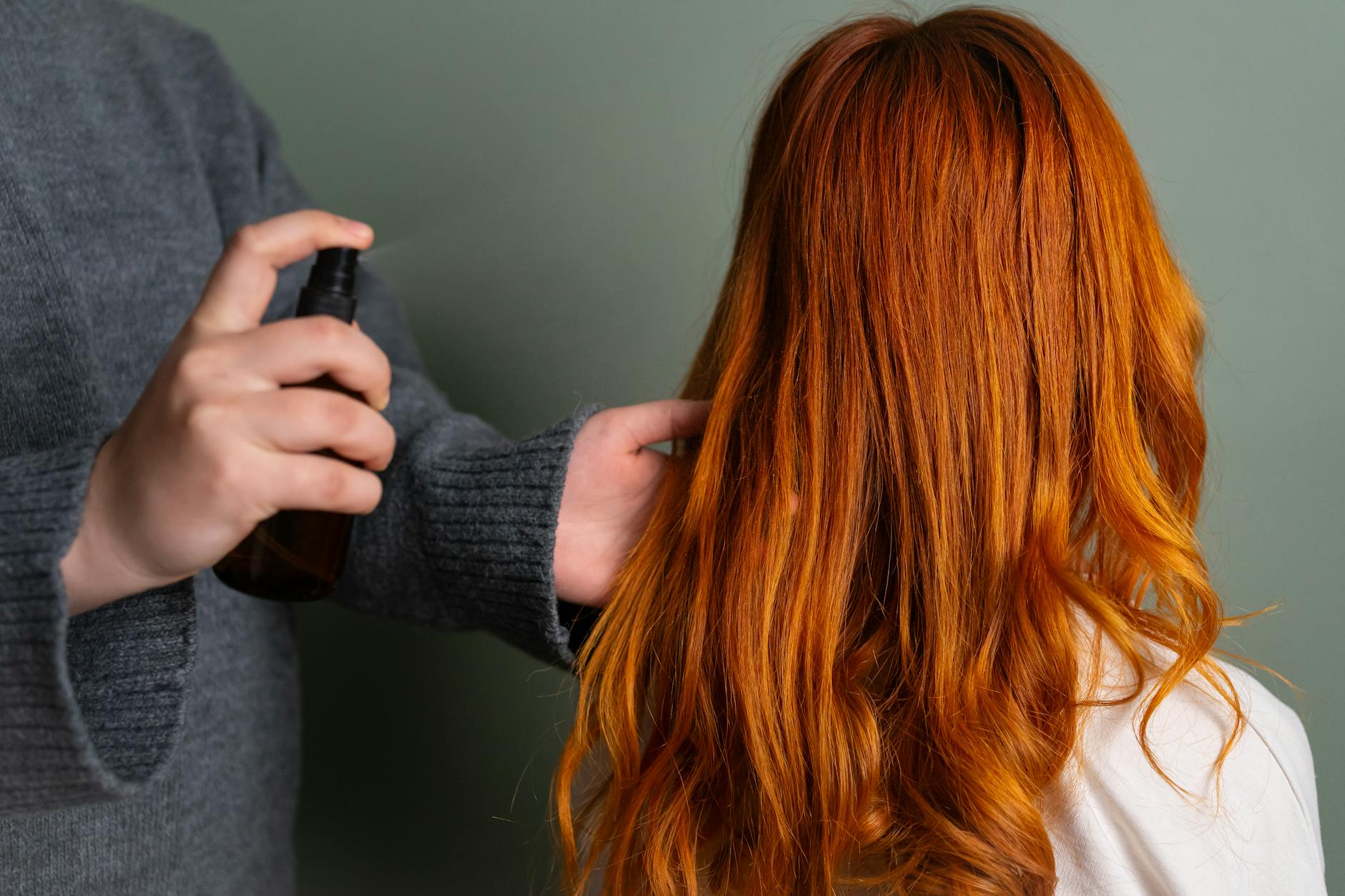
Applying heavy conditioner directly to the scalp weighs down fine hair and leads to a flat and greasy appearance. The scalp produces sufficient natural oils to keep the roots moisturized without external help. Conditioners are formulated to repair and hydrate the older parts of the hair shaft found at the mid-lengths and ends. Focusing product application on the bottom two-thirds of the hair ensures volume at the crown and hydration where it counts.
Dry Shampoo Overuse
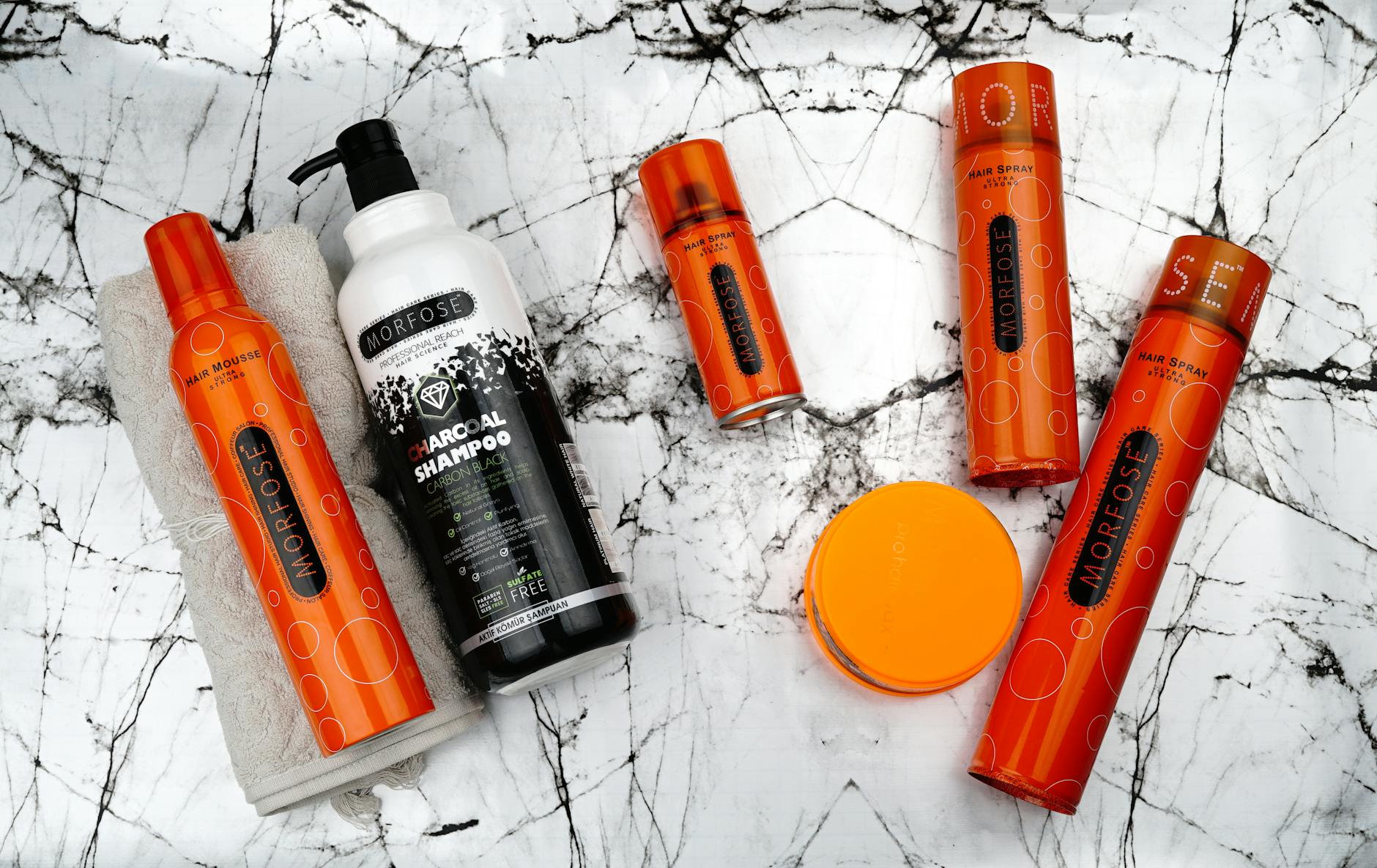
Rellying too heavily on dry shampoo leads to powder accumulation that clogs follicles and creates inflammation. This buildup can block new hair growth and cause the scalp to become dry and itchy over time. It should be used as a temporary refresher rather than a permanent substitute for a proper wash. Alternating dry shampoo use with regular cleansing ensures the scalp remains breathable and healthy.
Sun Exposure

Ultraviolet rays degrade the protein structure of hair just as they damage the skin. Prolonged sun exposure creates free radicals that oxidize color and leave hair feeling like straw. Wearing a hat or using hair products containing UV filters provides a physical barrier against radiation. Protecting your hair during summer months prevents the premature aging and brittleness associated with photo-damage.
Chlorine Pools
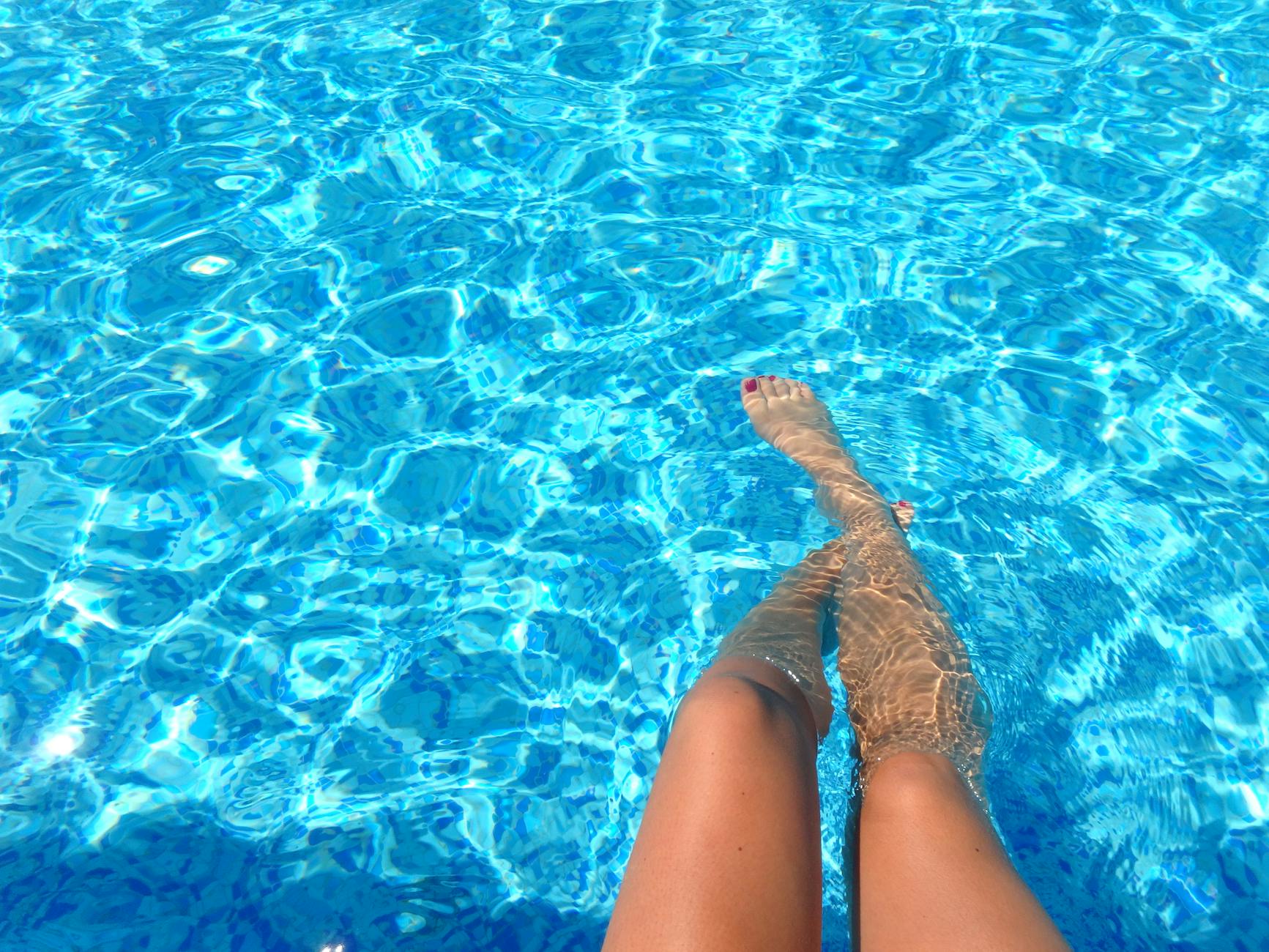
Pool chemicals are designed to kill bacteria but they also strip hair of its natural protective oils. Blonde hair often turns green due to mineral oxidization while other textures become excessively dry and unmanageable. Wetting hair with fresh water before swimming limits the amount of chlorinated water the strands can absorb. Rinsing immediately after leaving the pool helps neutralize chemical residues and restores pH balance.
Delaying Trims
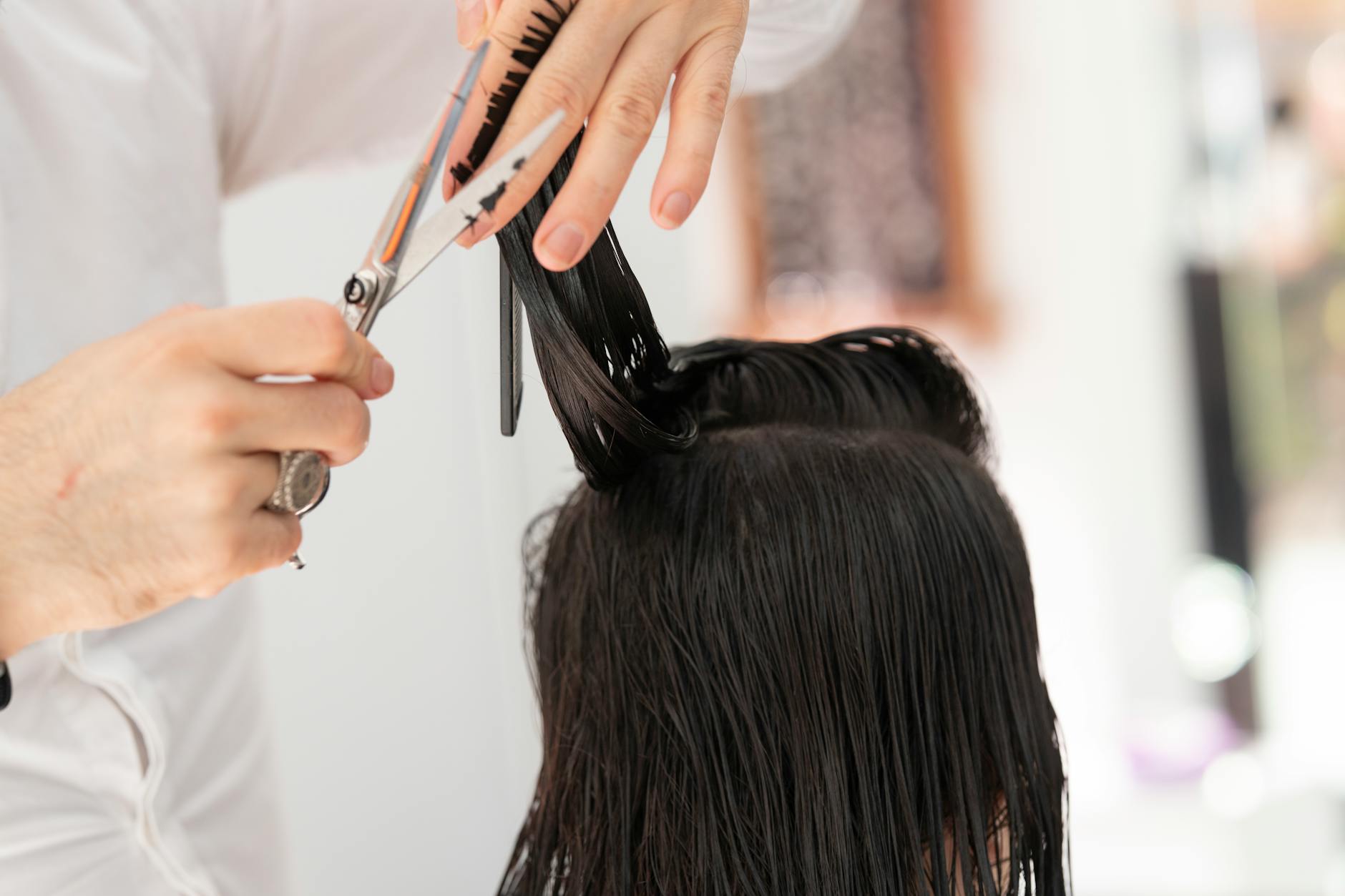
Avoiding the salon in an effort to grow hair longer often results in the opposite effect due to split ends. Split ends can travel up the hair shaft and cause breakage much higher than the original damage point. Getting a dusting or micro-trim every few months keeps the ends blunt and stops the fraying process. Regular maintenance actually helps retain length by preventing the need for a significant chop later.
Aggressive Detangling

Ripping through knots with brute force causes immediate mechanical damage and snaps strands unnecessarily. Patience is required when working through tangles to preserve the cuticle layer. Applying a detangling spray or leave-in conditioner provides slip that makes the process much smoother. Gently teasing apart stubborn knots with fingers before using a tool saves considerable amounts of hair.
Wrong Brush Type

Using a boar bristle brush on wet hair or a fine-tooth comb on thick curls can be disastrous for hair integrity. Different hair textures and conditions require specific tools to minimize stress on the fiber. Boar bristles are excellent for distributing oils on dry straight hair while wide-tooth combs suit curly textures best. Selecting the correct tool for your specific hair type reduces friction and prevents unnecessary hair loss.
High Heat Settings
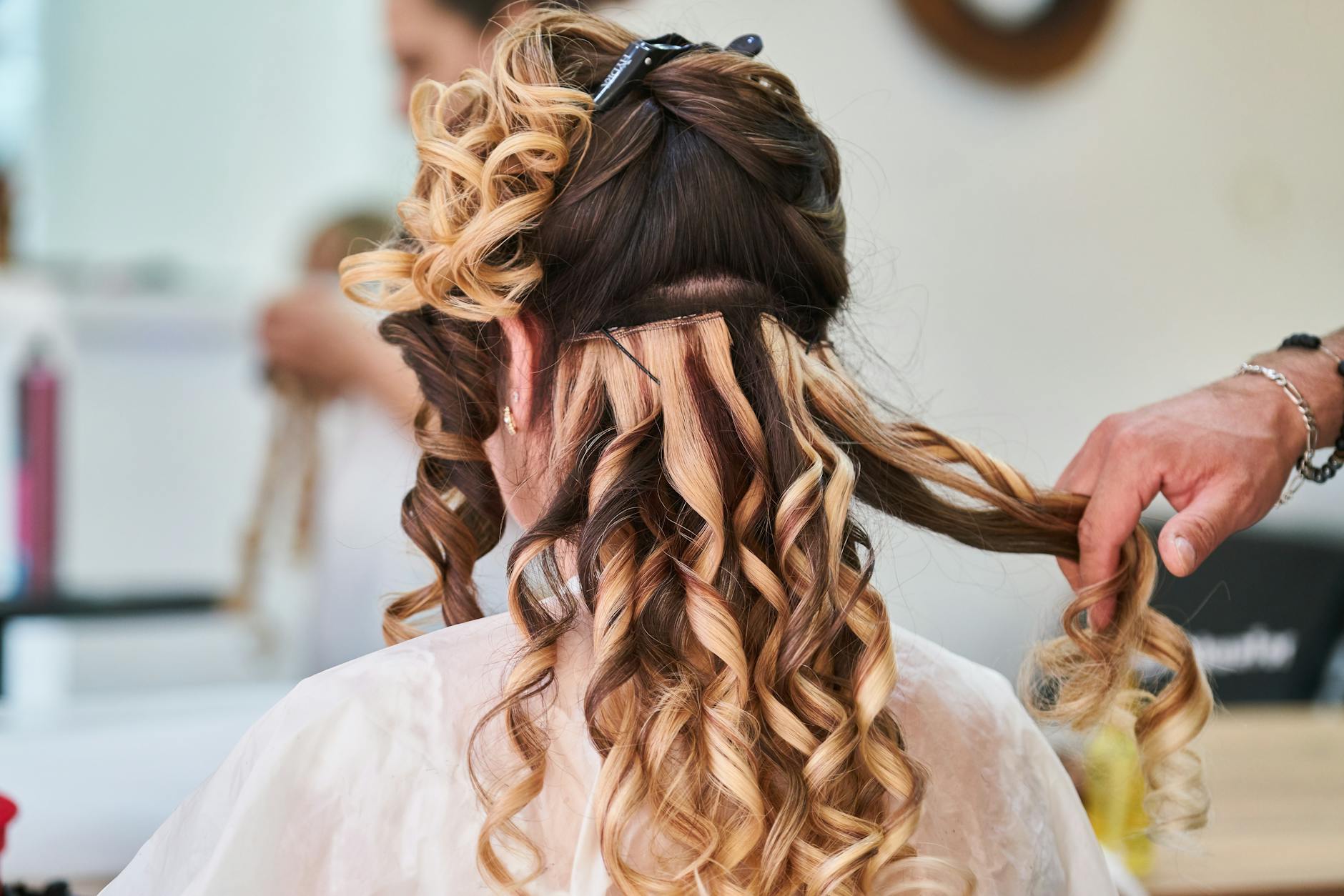
Cranking styling tools to their maximum temperature setting is rarely necessary and causes rapid protein denaturation. Most hair types can be effectively styled at lower temperatures that do not compromise the structural bonds. Keeping irons below 365 degrees Fahrenheit or 185 degrees Celsius is generally considered safe for maintaining hair health. Lower heat preserves color vibrancy and prevents the toasted smell associated with burnt hair.
Chemical Overprocessing
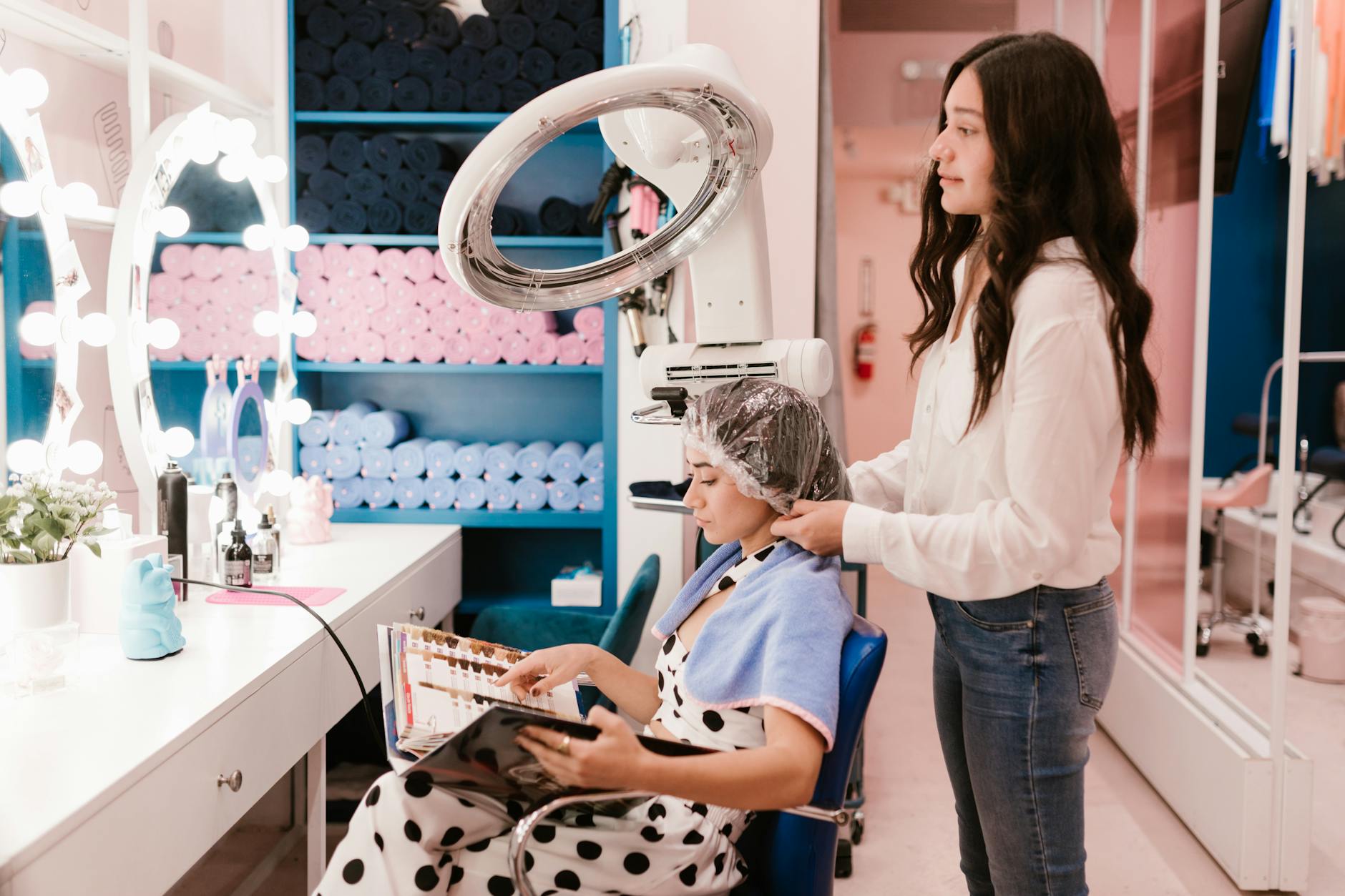
Subjecting hair to frequent bleaching, relaxing, or perming sessions breaks down the disulfide bonds that give hair its strength. Overlapping chemical treatments creates a mushy texture that is prone to snapping even with light handling. Allow ample time between chemical services for the hair to recover and regain some structural integrity. Professional bond-building treatments can help mitigate some damage but cannot fix completely fried hair.
Poor Nutrition

Hair is a non-essential tissue and the body will divert nutrients to vital organs first if there is a deficiency. diets lacking in protein, iron, and essential vitamins often result in shedding and dullness. Consuming a balanced diet rich in leafy greens, nuts, eggs, and lean meats supports robust follicular activity. Internal health is directly reflected in the shine and density of your hair.
Smoking

Nicotine restricts blood vessels and reduces the flow of oxygen and nutrients to the hair follicles. The toxins found in cigarette smoke can also damage the DNA of hair follicle cells and lead to premature graying. Smokers often experience thinner hair and slower growth rates compared to non-smokers. Quitting smoking improves circulation throughout the body and can help revitalize hair growth cycles.
Constant Touching

Habitually twisting, twirling, or running fingers through hair transfers dirt and oils from hands to strands. This constant mechanical manipulation creates friction that frays the cuticle and creates localized breakage. The added oil creates a greasy look that necessitates more frequent washing and styling. keeping hands off your hair allows styles to last longer and keeps the cuticle smooth.
Unlined Wool Hats

Wool is a coarse fiber that creates friction and snaps hair strands when they rub against the material. The fabric is also highly absorbent and can wick essential moisture away from hair during cold winter months. Wearing a silk or satin bonnet underneath a wool hat protects the hair from rough fibers. This simple layering trick prevents the dreaded hat hair frizz and breakage.
Skipping Deep Conditioner

Daily conditioners provide surface-level smoothing but often lack the ingredients for deep internal repair. Hair that is styled or colored needs intensive hydration treatments to restore elasticity and manageability. Incorporating a hair mask into your routine once a week delivers concentrated nutrients to the cortex. Regular deep conditioning prevents brittleness and keeps hair soft to the touch.
Using Old Hair Ties
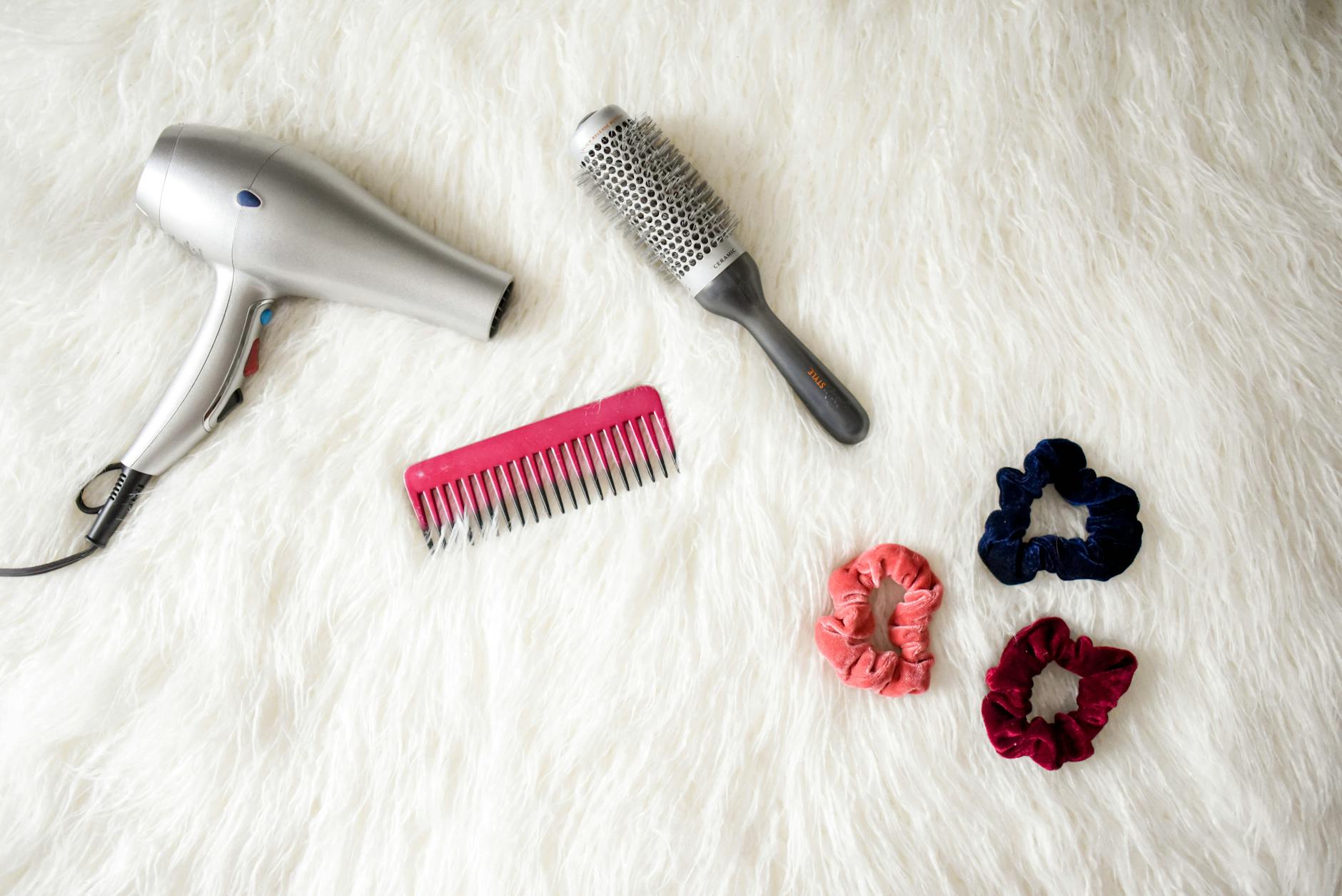
Elastic bands that have lost their covering expose rubber or metal parts that snag and tear hair. Using these damaged accessories pulls out healthy strands every time you remove a ponytail. Inspecting hair ties regularly and discarding any that show signs of wear protects your hair from unnecessary damage. Fabric-covered scrunchies or seamless elastic bands are much safer alternatives for daily use.
Ignoring Water Quality

Hard water contains high levels of calcium and magnesium that bond to the hair shaft and create a mineral buildup. This buildup blocks moisture from entering and leaves hair feeling waxy, dry, and unmanageable. Installing a showerhead filter creates softer water that rinses products away cleanly. Using a clarifying shampoo or an apple cider vinegar rinse occasionally helps remove stubborn mineral deposits.
Please share your thoughts on which of these habits you plan to break first in the comments.