Productivity is rarely a result of innate talent or sheer luck but rather the outcome of intentional habits cultivated over time. High achievers distinguish themselves by adopting specific behaviors that streamline their focus and eliminate wasted energy. These individuals understand that consistency beats intensity and therefore structure their days to maximize efficiency without leading to burnout. The difference between a procrastinator and a productive person often lies in the small choices made from the moment they wake up until they go to sleep. Implementing even a few of these disciplined routines can transform a chaotic schedule into a streamlined path toward success.
The Two-Minute Rule

This simple strategy suggests that any task taking less than two minutes should be completed immediately. It prevents small chores like answering a quick email or filing a document from piling up into an overwhelming mountain of work. Acting instantly creates a sense of momentum that carries over into larger and more complex projects throughout the day. Productive individuals use this habit to keep their mental workspace clear of minor distractions. The immediate completion of small tasks provides quick dopamine hits that encourage further action.
Strategic Time Blocking

Allocating specific chunks of time for distinct activities ensures that every hour has a designated purpose. This method prevents the day from being consumed by reactive tasks like constantly checking messages or browsing the web. Professionals often schedule their most demanding cognitive work during their peak energy windows to ensure maximum output. Treating these time blocks as non-negotiable appointments protects focus from external interruptions. It transforms a vague to-do list into a concrete and actionable daily schedule.
The Eisenhower Matrix

Decision fatigue significantly hampers productivity so high performers use frameworks to prioritize effectively. This matrix categorizes tasks into four quadrants based on their urgency and importance to filter out unnecessary noise. Productive people focus their energy on important but not urgent tasks to prevent future crises and drive long-term growth. They delegate urgent but unimportant matters to others whenever possible to preserve their own bandwidth. This systematic sorting clarifies what truly deserves attention and what can be disregarded.
Early Morning Wake Up

Rising before the rest of the world offers a period of solitude that is ideal for deep work and preparation. This quiet time allows individuals to exercise or plan their day without the immediate demands of emails and notifications. Successful people often use these hours to establish a proactive mindset rather than starting the day in a reactive state. The sense of accomplishment gained from a productive morning routine sets a positive tone for the ensuing hours. Consistency in wake-up times also regulates the circadian rhythm for better overall energy levels.
Single-Tasking

Multitasking is often a myth that leads to fragmented attention and increased error rates in complex work. Highly productive individuals commit to doing one thing at a time with their full concentration. This approach allows them to enter a state of flow where high-quality work is produced at a faster rate. Focusing on a single objective reduces the cognitive load required to switch contexts repeatedly. The result is a deeper level of engagement and a significant reduction in mental fatigue.
Digital Decluttering
A disorganized digital environment can be just as distracting as a messy physical desk. Efficient workers regularly organize their computer files and unsubscribe from unnecessary email lists to minimize visual noise. They limit the number of open browser tabs to focus solely on the task at hand. Notifications are frequently disabled during work sessions to prevent the constant ping of interruptions. Keeping technology streamlined ensures it remains a tool for productivity rather than a source of distraction.
Eat That Frog

Tackling the most difficult or intimidating task first thing in the morning eliminates the anxiety of procrastination. This concept relies on the idea that willpower is highest at the start of the day. Completing a major challenge early provides a massive psychological boost and makes the rest of the day feel manageable. It prevents the looming dread of an unfinished project from draining mental energy throughout the afternoon. Productive people know that momentum is easier to maintain once the hardest hurdle is cleared.
Daily Exercise

Physical activity is not just for bodily health but acts as a crucial reset for the brain. Engaging in regular exercise increases blood flow and oxygen to the brain which enhances cognitive function and focus. High achievers prioritize their workouts as non-negotiable appointments because they recognize the return on investment in mental clarity. Even a short walk can break a cycle of stagnation and spark new creative ideas. Movement releases endorphins that combat stress and improve overall mood and resilience.
Meal Preparation

Deciding what to eat three times a day consumes valuable mental energy that could be better spent on creative problem solving. preparing meals in advance ensures that nutritious food is readily available without the need for daily decision-making. This habit prevents the energy slumps associated with poor dietary choices or skipping meals entirely. It also saves significant time during the work week that would otherwise be spent cooking or waiting for takeout. Consistent nutrition stabilizes blood sugar levels to maintain steady focus throughout the day.
Mindfulness Meditation

Taking time to sit in silence trains the brain to observe thoughts without getting swept away by them. Regular meditation practice strengthens the prefrontal cortex which is responsible for focus and impulse control. Productive individuals use this tool to reduce stress and prevent emotional reactivity from derailing their progress. It allows them to reset their attention span after periods of intense concentration. A clear and calm mind is far more efficient at processing information than a cluttered one.
The Pomodoro Technique

Working in focused intervals followed by short breaks maintains high energy levels over long periods. The standard structure involves twenty-five minutes of work followed by a five-minute break to prevent burnout. This method instills a sense of urgency that combats procrastination by breaking work into manageable sprints. Productive people use the timer as an external accountability tool to stay on track. Regular pauses allow the brain to rest and assimilate information before the next bout of effort.
Goal Visualization

Visualizing the successful completion of a goal prepares the brain to recognize opportunities that lead to that outcome. High performers spend time each morning mentally rehearsing their key tasks and desired results. This practice bridges the gap between abstract ambition and concrete daily actions. It generates the motivation required to push through difficult periods or tedious work. Seeing the end result clearly makes the necessary steps to get there feel more purposeful.
Quality Sleep Hygiene

Sleep is the foundation upon which all cognitive performance and emotional regulation is built. Productive people prioritize seven to nine hours of rest and maintain a consistent sleep schedule even on weekends. They create a wind-down routine that avoids screens to ensure high-quality deep sleep. Adequate rest improves memory consolidation and problem-solving abilities significantly. Sacrificing sleep for work is recognized as a false economy that ultimately degrades performance.
Batching Emails
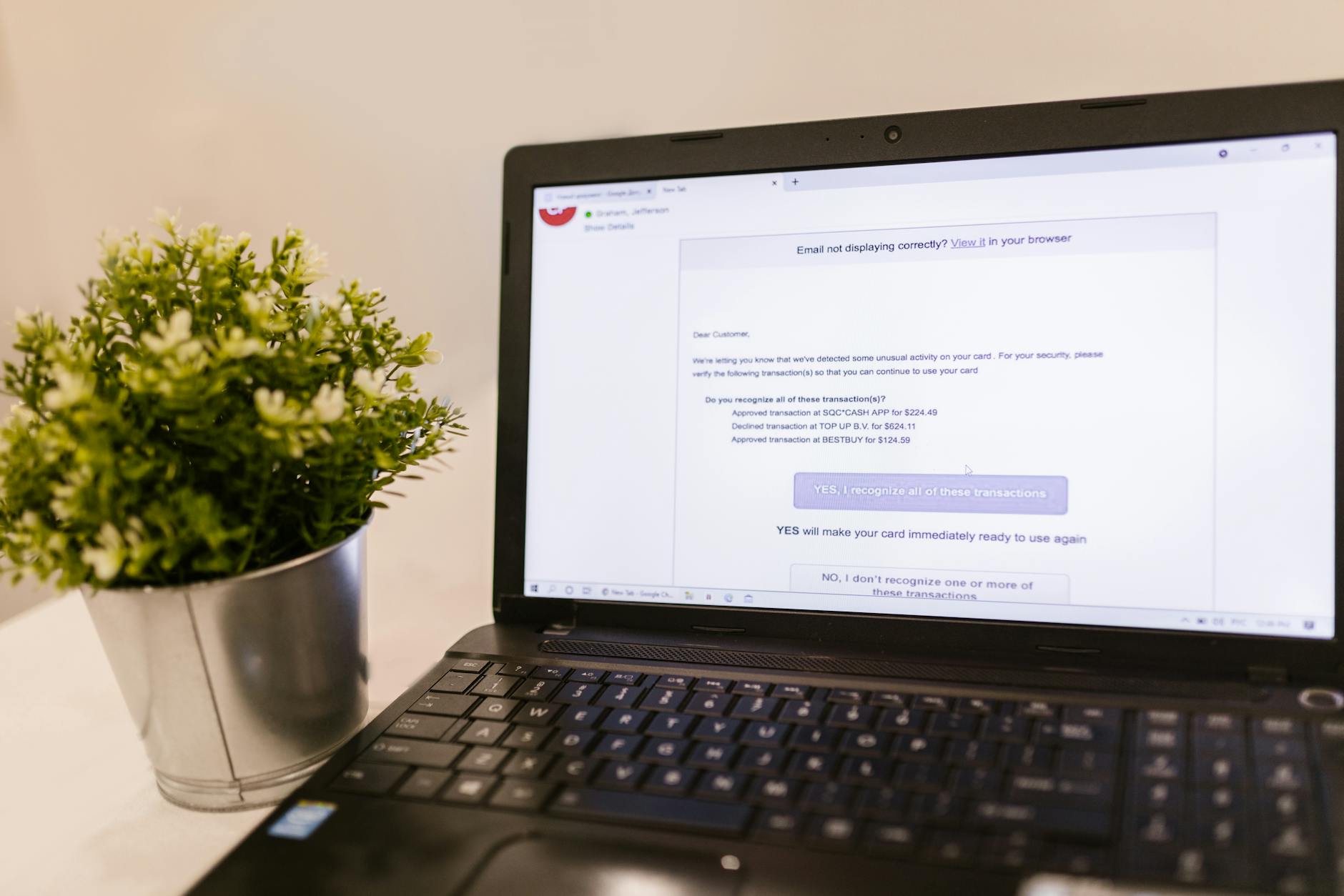
Checking email incessantly creates a reactive loop that destroys the ability to focus on deep work. Efficient individuals set specific times during the day to process their inbox and ignore it otherwise. This prevents the constant shifting of attention that occurs with every incoming notification. Grouping similar administrative tasks together reduces the friction of starting and stopping different types of work. It allows communication to be handled efficiently without letting it dictate the entire day’s schedule.
Cold Showers

Exposure to cold water is used by some to shock the system into a state of heightened alertness. This practice increases heart rate and oxygen intake to provide an immediate energy boost. It requires a moment of mental discipline to step into the cold which builds resilience against discomfort. The physiological response can improve circulation and reduce muscle inflammation after exercise. Starting the day with a small act of bravery sets a precedent for tackling difficult tasks.
Strategic Breaks

Working continuously without pause leads to diminishing returns and eventual exhaustion. Smart workers step away from their desks to stretch or look out a window to refresh their mental state. These intentional pauses allow the subconscious mind to work on problems in the background. They prevent the physical stiffness and eye strain associated with prolonged sedentary work. Returning to a task after a brief respite often brings a fresh perspective and renewed energy.
Weekly Reviews

Reflecting on the past week allows individuals to see what was accomplished and what needs adjustment. This review process highlights patterns in behavior that may be hindering progress or causing delays. Productive people use this time to celebrate small wins and recalibrate their goals for the upcoming week. It ensures that daily actions remain aligned with broader long-term objectives. Continuous self-monitoring prevents drifting off course for extended periods.
Delegating Tasks
Trying to do everything personally is a common trap that limits scalability and effectiveness. High achievers identify tasks that can be handled by others and assign them accordingly. This frees up their time to focus on high-value activities that leverage their unique skills. Delegation empowers team members by entrusting them with responsibility and fostering their growth. It changes the role of the individual from a bottleneck into a strategic facilitator.
Creating Checklists

Relying on memory for complex procedures invites error and increases mental strain. Checklists ensure that every necessary step is completed in the correct order every time. Pilots and surgeons use them for safety while productive professionals use them for consistency. This tool reduces the cognitive load required to perform routine tasks and frees up brainpower for creative work. It provides a visual record of progress that can be incredibly satisfying to complete.
Journaling

Writing down thoughts and ideas helps to declutter the mind and process complex emotions. This habit provides a safe space to articulate anxieties that might otherwise lead to procrastination. Productive individuals often use journals to track their gratitude and clarify their intentions. It serves as a record of personal growth and a repository for creative insights. putting pen to paper forces a slower pace of thought that promotes deeper reflection.
Deep Work Sessions

Deep work involves professional activities performed in a state of distraction-free concentration. These sessions push cognitive capabilities to their limit and produce high-value output. Productive people fiercely protect these hours from meetings and interruptions. They understand that superficial work can be done anytime but deep work requires peak mental resources. This habit is often the primary driver of career advancement and skill mastery.
Saying No

Guarding one’s time requires the ability to decline requests that do not align with current priorities. High performers understand that every commitment they accept is a rejection of something else. They politely turn down low-value opportunities to preserve space for what truly matters. This boundary prevents the calendar from becoming cluttered with obligations that serve others but not oneself. The ability to say no is a critical skill in maintaining focus and balance.
The Eighty Twenty Rule

The Pareto Principle states that eighty percent of results come from twenty percent of efforts. Productive individuals relentlessly analyze their activities to identify and double down on that top twenty percent. They eliminate or outsource the low-impact activities that consume time without delivering significant value. This analytical approach ensures that energy is directed where it yields the highest return. It shifts the focus from being busy to being effective.
Accountability Partners

Sharing goals with a trusted peer increases the likelihood of follow-through significantly. Knowing that someone else is checking in creates a social pressure that combats laziness. Productive people seek out mentors or colleagues who challenge them to maintain high standards. These partnerships provide support during setbacks and celebrate victories together. The external perspective helps to identify blind spots that self-reflection might miss.
Continuous Learning

Stagnation is the enemy of productivity so high achievers dedicate time to acquiring new skills. They read books or take courses to stay ahead of industry trends and improve their methodology. This habit keeps the mind sharp and introduces new tools that can speed up workflow. Learning fosters adaptability which is essential in a rapidly changing professional landscape. It turns curiosity into a competitive advantage.
Gratitude Practice

Focusing on what is going well cultivates a positive mindset that fuels motivation. Productive people take time to acknowledge the resources and support they have available. This shifts the internal narrative from scarcity to abundance and reduces anxiety. A grateful outlook improves relationships with colleagues and reduces workplace friction. It builds emotional resilience that helps individuals bounce back quickly from failures.
Networking Strategically

Building a strong professional network opens doors to resources and information that speed up success. Efficient individuals focus on quality connections rather than collecting a high volume of contacts. They approach networking with a mindset of generosity and look for ways to help others first. This builds a reservoir of goodwill that can be tapped when assistance is needed. Strategic relationships often provide shortcuts to solving complex problems.
Financial Planning

Financial stress is a major distraction that can derail focus and creativity. Productive people manage their finances proactively to ensure stability and peace of mind. They automate savings and bill payments to reduce the number of decisions they need to make each month. Having a clear financial runway allows them to take calculated risks in their career. Economic security provides the mental freedom to focus fully on work.
Hydration

Dehydration leads to fatigue and headaches which directly impact cognitive performance. High achievers keep water within arm’s reach and sip it consistently throughout the day. This simple habit maintains energy levels and supports overall brain health. It prevents the sluggishness that is often mistaken for hunger or tiredness. Staying hydrated is one of the easiest biological hacks for sustaining productivity.
Workspace Organization

A clutter-free physical environment reduces visual distractions and promotes mental clarity. Productive individuals ensure that every item on their desk has a specific purpose and place. They spend a few minutes at the end of each day tidying up to prepare for the next morning. This ritual signals the brain that the work day is over and helps with psychological detachment. An organized space invites focus and reduces the friction of starting work.
Limiting Social Media

Social media platforms are engineered to capture and hold attention which makes them productivity killers. disciplined workers often delete these apps from their phones or use blockers during work hours. They schedule specific times for social engagement rather than checking feeds impulsively. This restriction prevents the comparison trap that can lower self-esteem and motivation. reclaiming this time can add hours of productive capacity to the week.
Power Napping

A short nap of twenty minutes can restore alertness and improve performance more effectively than caffeine. Productive people use naps strategically to combat the mid-afternoon energy dip. They keep these rest periods short to avoid sleep inertia and grogginess. This habit resets the brain’s information processing capabilities. It is a tool for sustaining high energy through a long day.
Setting Deadlines

Parkinson’s Law states that work expands to fill the time available for its completion. High performers impose artificial deadlines on themselves to create a healthy sense of urgency. This forces them to focus on the essential elements of a task and ignore perfectionism. Meeting these self-imposed targets builds confidence and keeps projects moving forward. It prevents procrastination by making the end point immediate and tangible.
Accepting Imperfection

Perfectionism often leads to paralysis where nothing gets finished because it is not yet flawless. Productive individuals aim for excellence but understand when a product is good enough to ship. They prioritize completion over endless refinement to maintain momentum. This mindset allows them to iterate based on feedback rather than guessing at perfection in a vacuum. It reduces the anxiety associated with sharing work with the world.
Sunday Planning

Preparing for the week ahead on Sunday evening eliminates the Monday morning scramble. This session involves reviewing the calendar and setting top priorities for the coming days. It allows the subconscious mind to process the upcoming schedule during sleep. Productive people start their week with a clear roadmap rather than reacting to whatever lands in their inbox. This proactive stance reduces stress and increases weekly output.
Walking Meetings

Taking meetings on the move combines physical activity with professional collaboration. This habit breaks the monotony of sitting in a conference room and stimulates creative thinking. Productive teams use walking meetings for brainstorming or one-on-one check-ins. It encourages concise communication as the meeting naturally ends when the walk is over. The change of scenery can often lead to breakthroughs in perspective.
Automating Repetitive Tasks

Technology offers countless tools to handle routine processes without human intervention. Smart workers use software to automate invoicing or scheduling and data entry. This investment of time upfront saves hundreds of hours in the long run. It eliminates the possibility of human error in mundane tasks. Automation frees up mental bandwidth for high-level strategy and creative work.
Reflection and Review

Regularly stopping to assess what is working and what is not is crucial for improvement. Productive people journal or meditate on their performance to identify areas for growth. They are honest with themselves about where they wasted time or lost focus. This feedback loop allows for course correction before bad habits become ingrained. It turns every day into a learning opportunity.
Reducing Decision Fatigue

Making too many choices exhausts the brain and leads to poor decision-making later in the day. High achievers simplify their lives by wearing similar clothes or eating the same breakfasts. They routinize the trivial aspects of their day to save their willpower for important work challenges. This conservation of mental energy ensures that they remain sharp when it counts. Simplifying options is a key strategy for sustained high performance.
Positive Self-Talk
The internal dialogue creates the reality in which a person operates. Productive individuals consciously replace self-doubt with affirming and encouraging language. They view challenges as opportunities to learn rather than threats to their competence. This resilience keeps them moving forward when things get difficult. A supportive inner voice is a powerful asset in the pursuit of ambitious goals.
Tell us which of these habits you plan to implement first in the comments.