Landing a desirable rental in a competitive market takes more than a good income and a friendly smile. Landlords and property managers talk to one another more than most renters realize, and a damaged reputation can follow an applicant from one building to the next. Certain behaviors raise immediate red flags during the screening process, while others surface only after move-in and leave a lasting mark on a rental history. Understanding what pushes a tenant onto an informal blacklist is the first step toward protecting access to the best apartments on the market. These twenty habits are the ones most likely to close doors before they ever open.
Late Rent
Paying rent after the due date is one of the fastest ways to sour a relationship with a landlord. Most lease agreements include a grace period, but repeatedly relying on it signals financial instability or a lack of respect for contractual obligations. Property managers share tenant histories through screening services and professional networks, meaning a pattern of late payments follows an applicant long after they move on. Even a single instance of genuinely late payment that leads to a formal notice can appear on a rental history report. Consistent on-time payment is the single most important habit any renter can maintain.
Noise Complaints
Tenants who generate repeated noise complaints create headaches for property managers and damage the living environment for everyone nearby. Loud music, late-night gatherings, and disruptive arguments are among the most commonly cited reasons landlords choose not to renew a lease. Many buildings maintain internal records of complaint logs, and a history of disturbances is often shared when a reference is requested. Even in buildings without strict quiet-hour policies, chronic disruptions signal a disregard for community standards. Neighbors notice, management notices, and the reputation that follows can be difficult to shake.
Pet Deception

Bringing an unauthorized pet into a rental unit is considered a serious breach of trust by most landlords and property managers. Many applicants assume a small or quiet animal will go undetected, but building staff, neighbors, and routine inspections frequently reveal the truth. Beyond the lease violation itself, the discovery creates doubt about what other terms might be quietly ignored. Damage caused by undisclosed pets is rarely covered by a standard security deposit, leaving the landlord to absorb repair costs. This particular habit is one of the most commonly cited reasons a tenant is flagged across multiple properties.
Subletting Illegally
Renting out a unit or a room without the landlord’s written permission is a lease violation in virtually every standard rental agreement. Some tenants turn to short-term rental platforms to offset costs without informing the property owner, which exposes both parties to insurance and liability complications. Landlords who discover unauthorized subletting frequently pursue eviction, which becomes a permanent part of a tenant’s rental record. The reputational damage extends beyond a single property, as eviction records are visible to future landlords during the screening process. Even informal arrangements with friends or family members can constitute a violation if they are not disclosed and approved.
Poor References

When a landlord calls a previous property manager and receives a lukewarm or negative response, the application typically ends there. References who hesitate, speak in vague terms, or mention specific incidents communicate far more than they may explicitly say. Tenants who burned bridges with previous landlords through disputes, damages, or poor communication are often left without credible references to offer. Some applicants attempt to use personal contacts as fake landlord references, a practice that experienced property managers frequently detect through verification calls. A strong reference is one of the most valuable assets a renter can carry into a competitive application process.
Lease Disputes
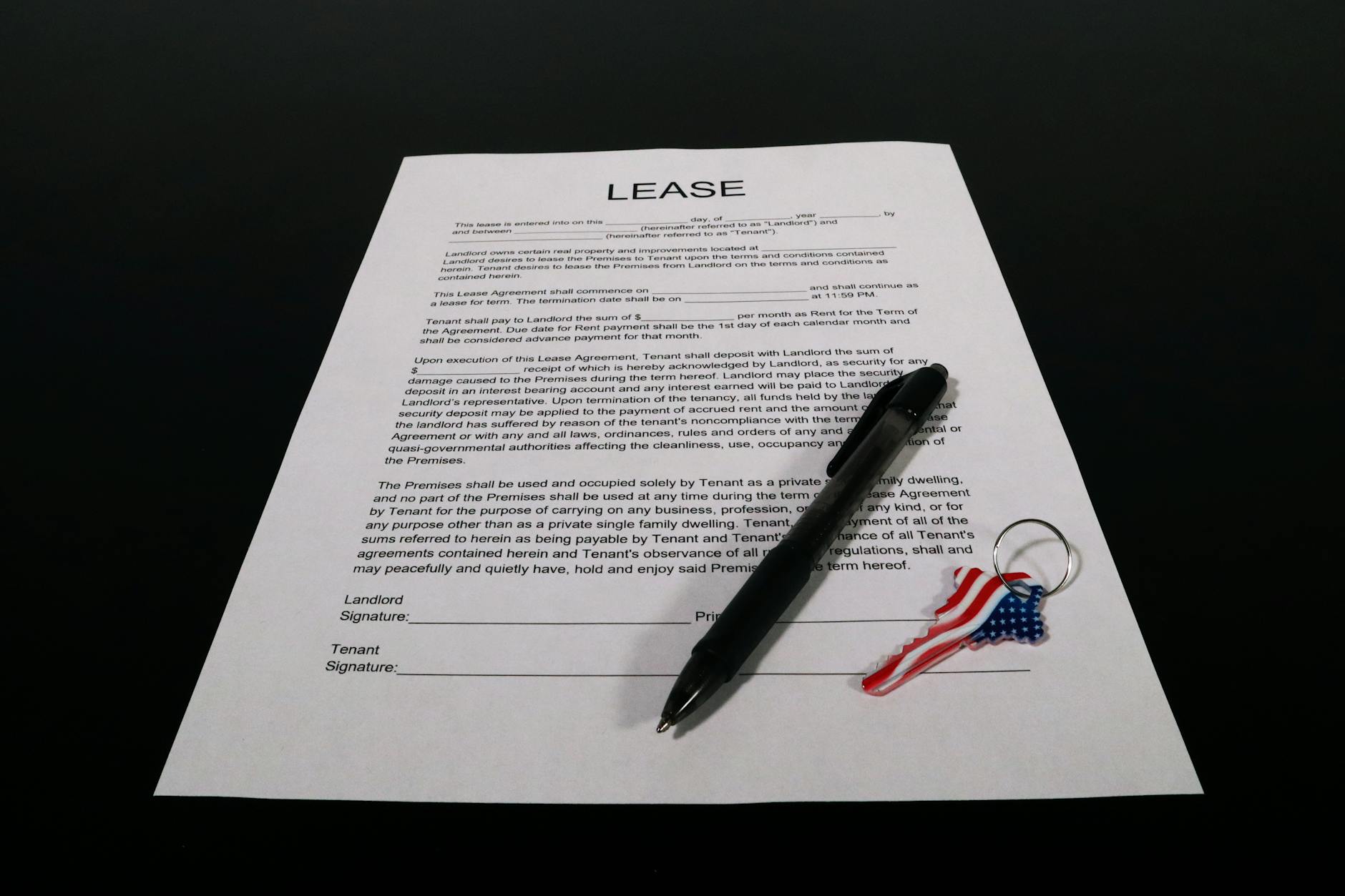
Tenants who frequently challenge lease terms, threaten legal action over minor issues, or engage in prolonged disputes create significant administrative burdens for property managers. While tenants have legitimate legal rights that deserve to be exercised when genuinely necessary, a pattern of combative communication is noted and remembered. Many landlords document correspondence with difficult tenants and share relevant context when contacted for references. The distinction between advocating for reasonable repairs and manufacturing conflict over minor matters is one that experienced landlords recognize quickly. A reputation for being unnecessarily contentious can close doors in buildings managed by the same company or ownership group.
Property Damage
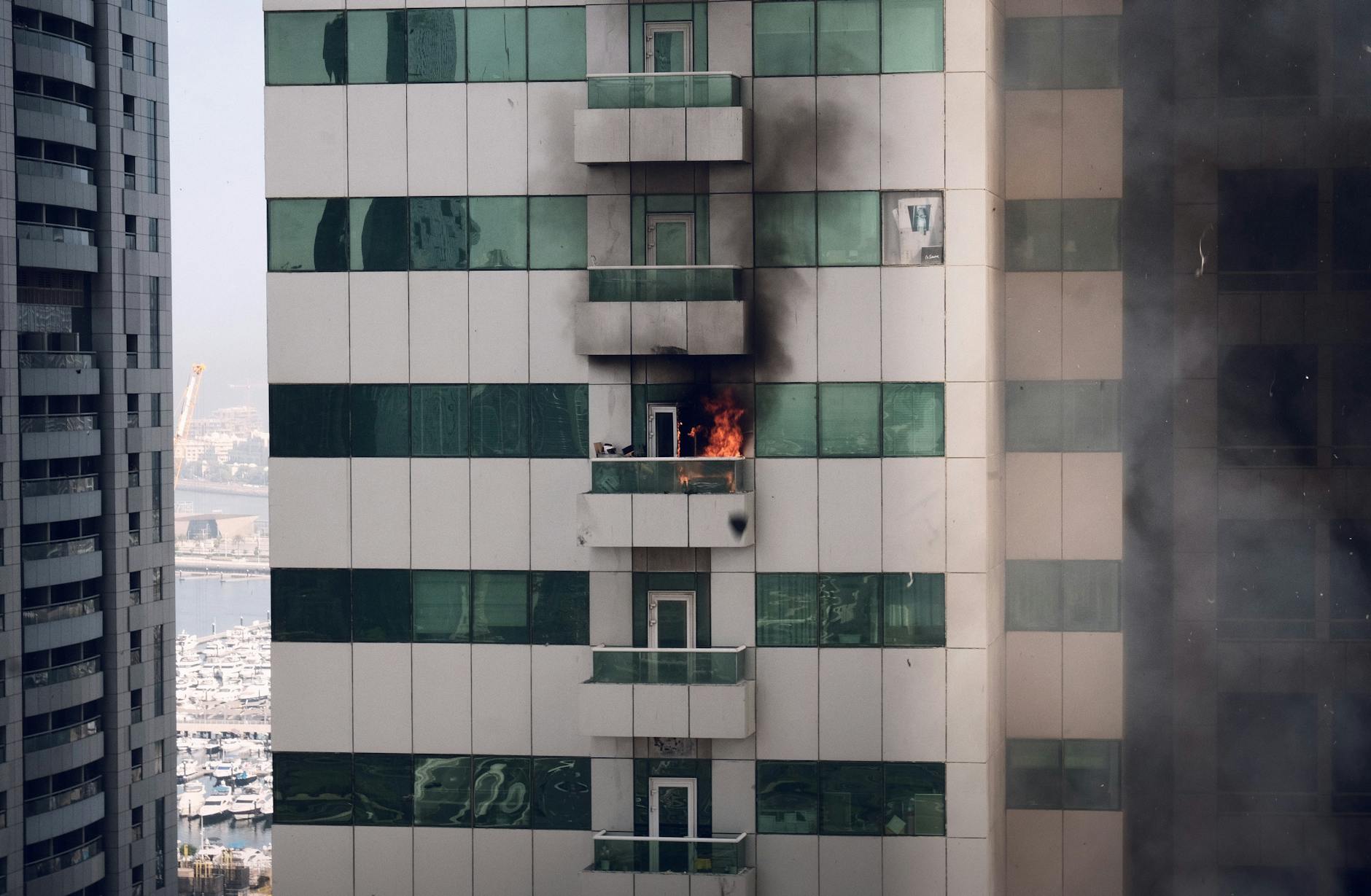
Causing damage beyond normal wear and tear is one of the clearest ways to end up on an informal do-not-rent list. Holes in walls, broken fixtures, stained carpets, and damaged appliances are expensive to repair and leave a property in worse condition than it was received. Landlords who must pursue a former tenant for repair costs beyond the security deposit are unlikely to provide a positive reference or remain silent when asked. Some property damage is unintentional, but failing to report it promptly and honestly compounds the problem significantly. Transparency when an accident occurs goes a long way toward preserving a landlord relationship.
Cleaning Neglect

Allowing a rental unit to fall into consistently unsanitary conditions creates problems that extend well beyond the tenancy itself. Accumulated grime, mold encouraged by poor ventilation habits, and pest attractants like food waste can cause structural damage and health hazards over time. Routine inspections, which many leases permit with proper notice, frequently reveal the true condition of a unit. A deeply neglected apartment at move-out signals to future landlords that the tenant cannot be trusted to maintain a property responsibly. The cost of professional deep cleaning and pest remediation is often deducted from security deposits and documented in move-out reports.
Utility Tampering
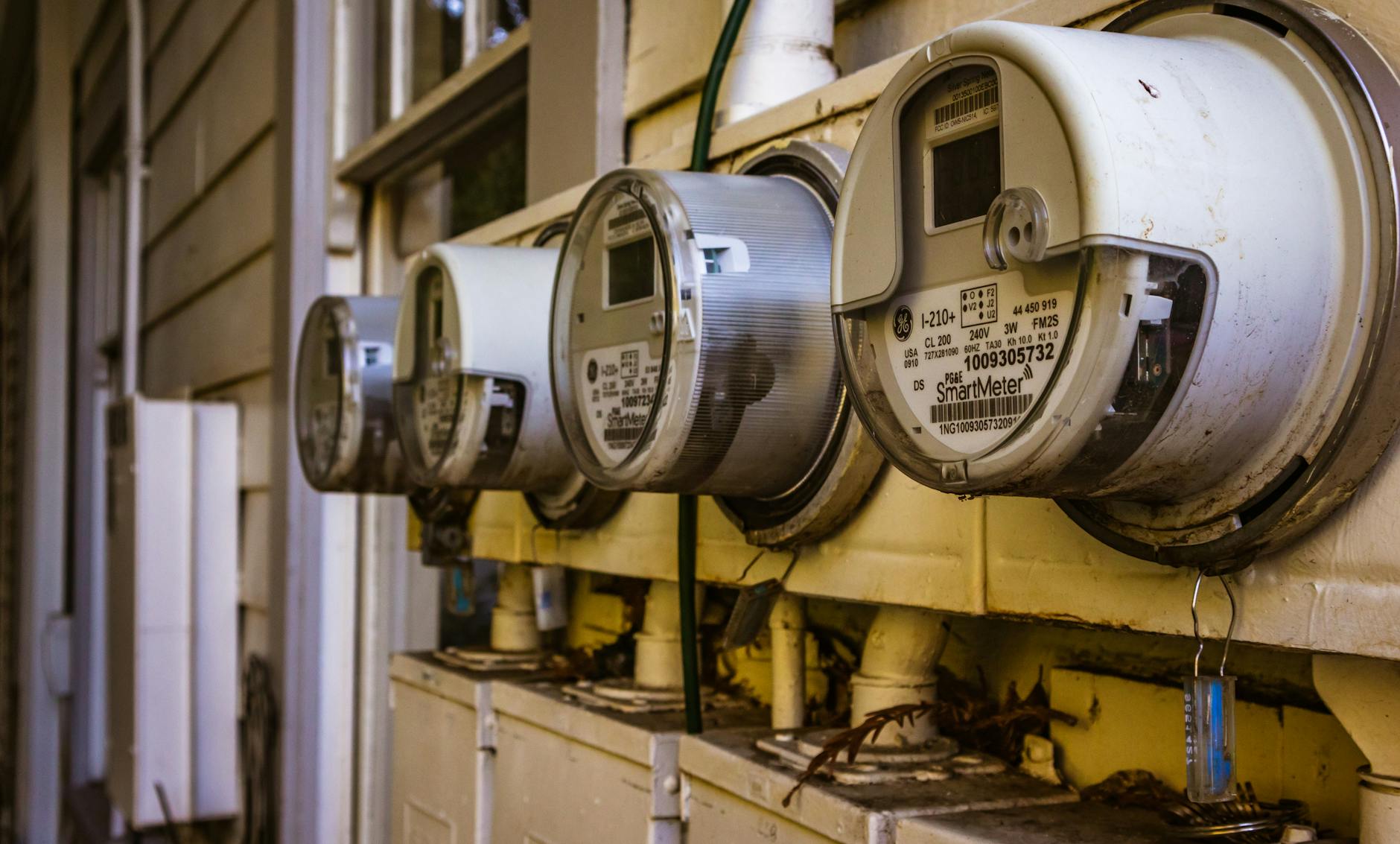
Interfering with utilities, tampering with meters, or making unauthorized alterations to electrical or plumbing systems is both a lease violation and a legal matter in most jurisdictions. Some tenants attempt to reduce bills by bypassing systems in ways that create serious safety hazards for the entire building. Landlords who discover tampering have strong grounds for immediate eviction, and the documentation created during that process becomes part of a permanent rental record. Insurance companies may also become involved when tampering leads to property damage, adding a financial and legal layer to the situation. This category of violation is taken especially seriously in multi-unit buildings where one tenant’s actions affect many others.
Abandoned Leases
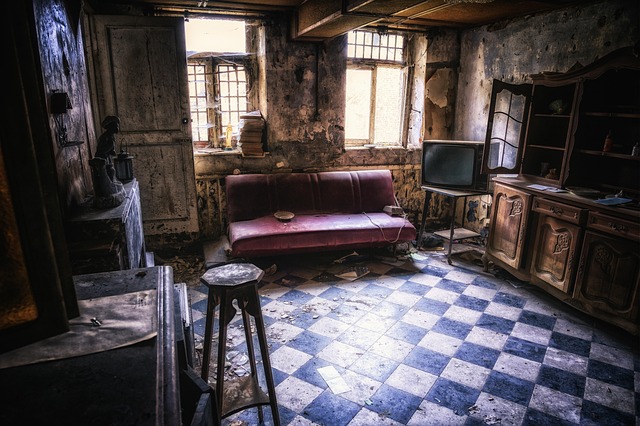
Walking away from a lease before the agreed-upon end date without proper notice or legal justification leaves a landlord in a difficult financial position and a tenant with serious consequences. Breaking a lease creates a debt obligation in most cases, and unpaid balances sent to collections appear on credit reports reviewed during future applications. Even in situations where a tenant genuinely needs to relocate, the manner in which the departure is handled makes a significant difference. Communicating early, working with the landlord to find a replacement tenant, and settling any outstanding balances demonstrates responsibility. Landlords who are left scrambling after an abandoned lease rarely forget the experience.
HOA Violations

In buildings governed by a homeowners association, tenants are generally expected to comply with the same rules as owner-occupants. Violations related to parking, common area use, decorations, or noise reflect on the landlord who owns the unit and can result in fines directed at the property owner. Landlords who receive repeated HOA complaints about a tenant are highly motivated to reclaim possession of the unit at the earliest opportunity. A history of HOA-related conflicts can be particularly damaging in desirable buildings where standards are actively enforced. Tenants who familiarize themselves with association rules from the start avoid becoming an unwanted liability for the owner.
Unauthorized Renovations

Painting walls without permission, removing fixtures, installing shelving that requires significant drilling, or making any structural modification without written approval is a common lease violation that landlords take seriously. Even changes made with the best intentions and high-quality materials can conflict with the landlord’s design preferences or building codes. Restoration to original condition is typically required and often imperfectly executed, leaving the landlord with repair costs. Some improvements that seem minor to a tenant are considered permanent alterations under the lease, creating a legal dispute at move-out. Always requesting written approval before changing anything beyond furniture placement is the only safe approach.
Smoking Indoors

Smoking inside a non-smoking unit is among the most damaging habits a tenant can have from a property management perspective. Nicotine residue penetrates walls, ceilings, flooring, and HVAC systems in ways that require costly professional remediation to address. The smell is nearly impossible to fully eliminate without repainting every surface and replacing certain materials, making turnover significantly more expensive. Landlords who discover evidence of indoor smoking at move-out frequently pursue legal action to recover restoration costs beyond the deposit. A non-smoking clause is one of the most commonly enforced provisions in modern residential leases.
Complaint Patterns
Tenants who file excessive or frivolous complaints about neighbors, building conditions, or management place a significant burden on property staff and poison the relationship over time. While legitimate concerns absolutely deserve to be raised promptly and clearly, a pattern of complaints over minor or imagined issues creates a difficult dynamic. Property managers document interactions with tenants, and a file full of unsubstantiated or petty grievances contributes to a decision not to renew. In multi-unit buildings, tenants who create tension with neighbors through complaint-driven conflicts earn a negative reputation that spreads through management networks. Being known as a reasonable and measured communicator is far more valuable to a rental reputation than winning small disputes.
Pest Introduction

Inadvertently or knowingly introducing pests such as bed bugs, cockroaches, or rodents into a rental unit is a serious issue that carries lasting consequences. Infestations originating from one unit can spread rapidly through shared walls and plumbing systems, affecting dozens of neighboring residents. Landlords bear the cost of professional extermination and are legally required in most jurisdictions to address infestations regardless of origin. Tenants identified as the source of a building-wide pest problem are rarely welcomed back and are frequently flagged in landlord networks. Reporting a suspected infestation immediately upon discovery, rather than hoping it resolves on its own, is the responsible course of action.
Parking Abuse

Consistently parking in unauthorized spaces, blocking other residents or visitors, or ignoring posted parking rules creates ongoing conflicts with neighbors and management alike. In buildings where parking is allocated and monitored, repeat violations result in formal warnings that are logged and considered during lease renewal discussions. Landlords in shared communities receive complaints from affected residents, placing them in the position of mediator for a problem that could easily be avoided. Some parking violations in private lots carry towing fees and fines that reflect poorly on the associated tenant’s unit. Respecting the shared infrastructure of a building is a basic expectation that carries more weight than many tenants assume.
Lease Falsification
Providing false information on a rental application, whether about income, employment, rental history, or personal references, is considered fraud and is taken extremely seriously by property managers. Modern screening processes cross-reference documents, contact employers directly, and verify rental history through third-party services, making falsification easier to detect than many applicants expect. When discrepancies are discovered after move-in, landlords have grounds for immediate lease termination. The reputational damage extends beyond a single rejection or eviction, as the details are frequently shared within professional management networks. No desirable apartment is worth the long-term consequences of misrepresenting personal information during the application process.
Guest Overstays
Allowing guests to stay beyond the limits outlined in the lease agreement is a violation that many tenants underestimate. Most standard leases specify the maximum consecutive number of nights a non-tenant may occupy the unit, and exceeding that threshold converts a guest into an unauthorized occupant. Neighbors and building staff frequently notice extended guest presences, and landlords who are informed of the situation have grounds for formal action. Beyond the lease issue, long-term guests who are not on the lease create liability and insurance complications for the property owner. Communicating openly with a landlord about extended stays before they become a problem is always the better approach.
Inspection Refusal

Refusing or repeatedly obstructing legally required property inspections creates immediate tension with landlords and raises suspicion about what is being concealed. Most leases include provisions allowing inspections with reasonable advance notice, typically between 24 and 48 hours, and denying access without valid reason constitutes a breach of contract. Landlords who face persistent obstruction from a tenant are legally entitled to pursue lease termination in most jurisdictions. Beyond the legal implications, a tenant who refuses inspections signals to the property manager that something problematic may be happening inside the unit. Welcoming routine inspections with transparency is one of the simplest ways to demonstrate reliability as a long-term renter.
Social Media Oversharing

Publicly posting detailed complaints about a landlord, building, or neighbors on social media is a habit that follows a tenant’s rental reputation in ways that were not possible a generation ago. Property managers and landlords increasingly search applicant names online as part of informal screening, and posts that reveal a pattern of conflict, entitlement, or destructive behavior are frequently discovered. Even posts intended as humor or venting can be interpreted as evidence of how a tenant handles disputes and frustrations. Screenshots circulate within professional networks, and a tenant who publicly embarrassed a previous landlord may find that reputation has preceded them. Handling grievances through direct and professional communication rather than public platforms protects both the relationship and the rental future.
What habits have you encountered as a renter or landlord? Share your thoughts in the comments.