Your eyes work hard every single day, and the small choices you make on a regular basis can have a lasting impact on how well they function as you age. Many people are unaware that seemingly harmless daily habits are quietly contributing to declining vision and long-term eye damage. Understanding which behaviors put your eyes at risk is the first step toward protecting one of your most important senses. The habits listed below are far more common than most people realize, and the damage they cause can be gradual enough to go unnoticed until it becomes serious.
Staring at Screens Without Breaks

Digital eye strain is one of the most widespread vision problems of the modern era, affecting people of all ages who spend long hours in front of phones, computers, and televisions. When you focus on a screen for extended periods, your blink rate drops significantly, which dries out the surface of the eye and causes irritation. This constant close-up focus forces your eye muscles to work harder than they are designed to sustain over long periods. Over time, this chronic strain can contribute to worsening nearsightedness and persistent discomfort. Implementing regular screen breaks throughout the day is essential for reducing the cumulative damage.
Rubbing Your Eyes Frequently

Rubbing your eyes may feel satisfying in the moment, but this habit puts significant mechanical pressure on delicate eye structures. The repeated friction can break tiny blood vessels on the surface of the eye, leading to chronic redness and irritation. In individuals who already have thinner corneas, habitual rubbing has been linked to a progressive condition called keratoconus, where the cornea gradually thins and bulges outward. The hands also carry bacteria and allergens that are easily transferred to the eyes during rubbing, increasing the risk of infection. Finding the underlying cause of eye discomfort and treating it directly is a far safer approach.
Sleeping in Contact Lenses
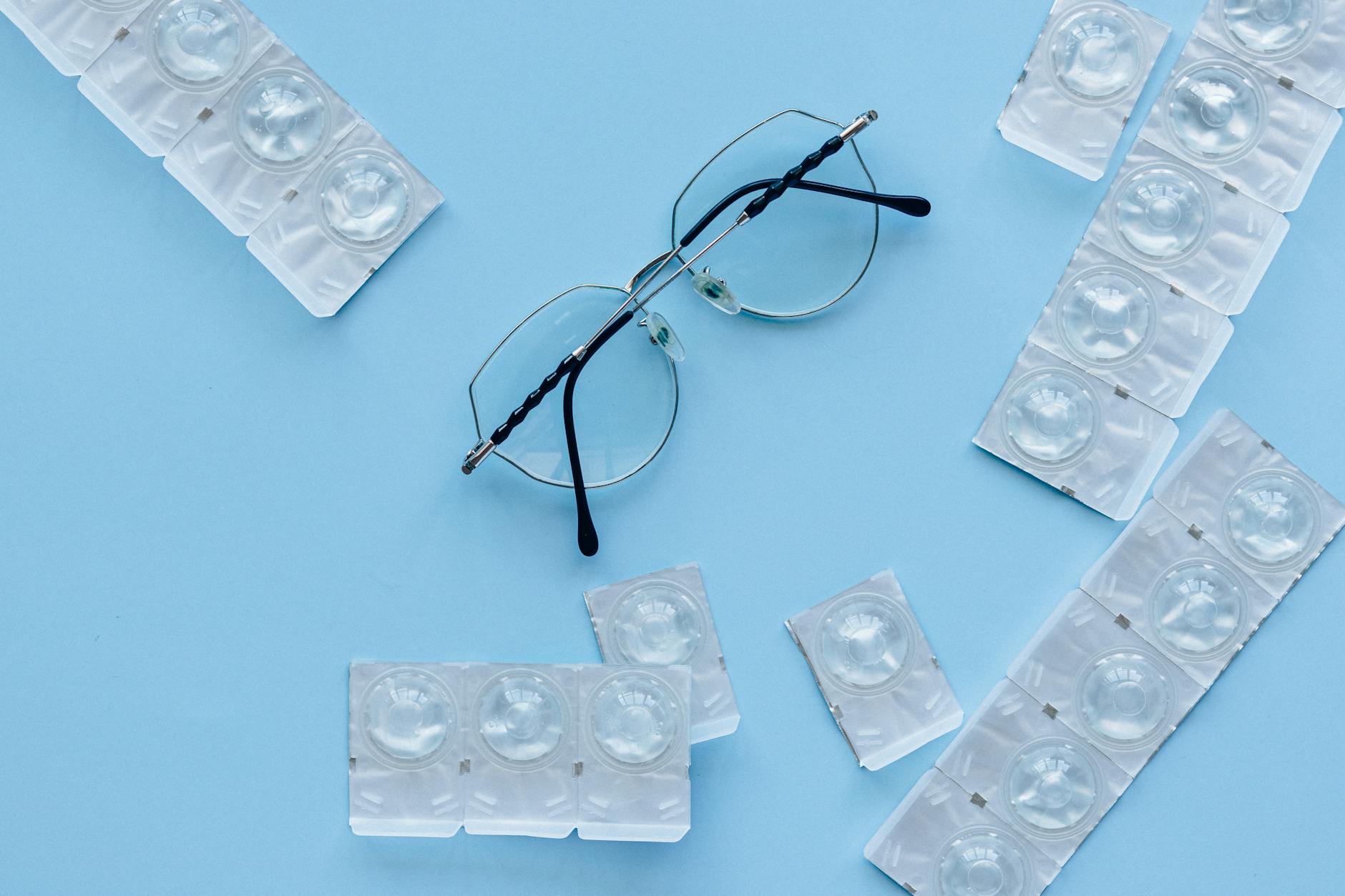
Wearing contact lenses while sleeping dramatically reduces the amount of oxygen that reaches the cornea, which depends on open-air exposure during waking hours to stay healthy. This oxygen deprivation creates conditions where harmful bacteria can multiply rapidly on the lens surface and in the surrounding tissues. Extended overnight wear has been strongly associated with serious corneal infections, some of which can cause permanent scarring and vision loss. Even lenses marketed as safe for overnight use carry a significantly higher infection risk when worn continuously. Removing lenses every evening and following proper hygiene protocols protects the eye from preventable long-term damage.
Skipping Sunglasses Outdoors

The sun emits ultraviolet radiation year-round, and the eyes are just as vulnerable to UV damage as the skin. Chronic UV exposure is a well-established contributing factor to the development of cataracts, a clouding of the eye’s natural lens that progresses over decades. It also accelerates the growth of pterygium, a tissue overgrowth on the white of the eye that can eventually distort vision if left unchecked. Many people only reach for sunglasses on bright summer days, leaving their eyes unprotected during overcast conditions when UV rays still penetrate cloud cover. Quality sunglasses with full UV400 protection should be worn consistently whenever you are outdoors.
Reading in Poor Lighting
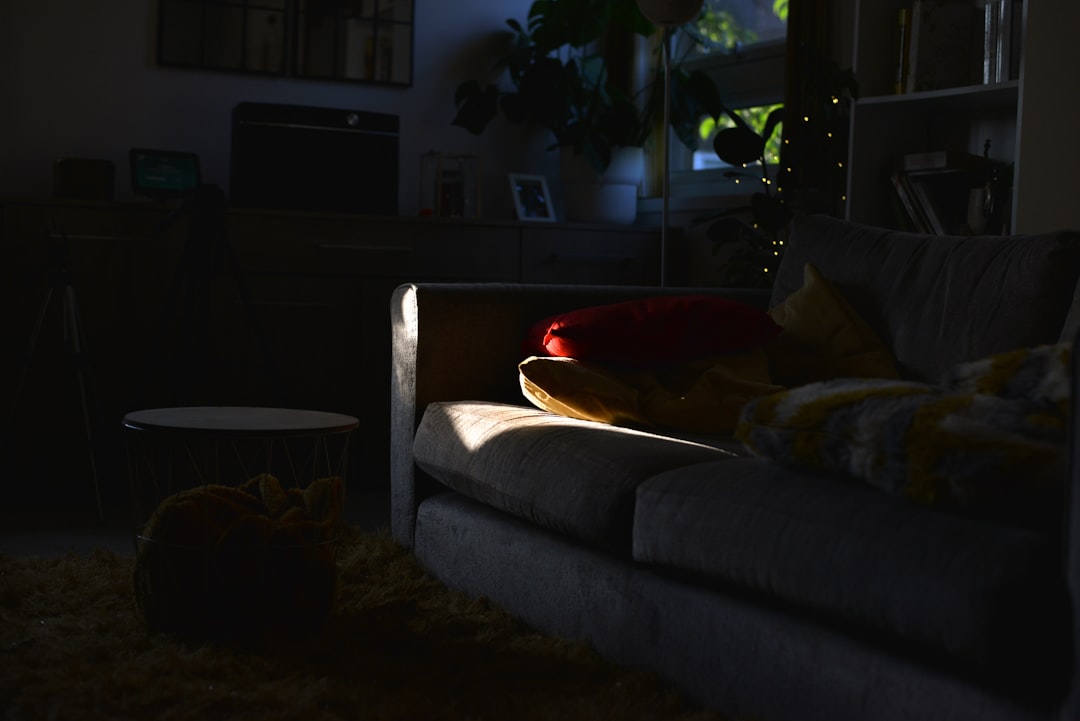
Straining to read in dim environments forces the eyes to work much harder to process visual information, leading to significant fatigue and tension in the surrounding muscles. While low light does not directly damage the retina, the strain it creates can cause headaches, blurred vision, and difficulty refocusing on distant objects. Over time, persistent eye muscle fatigue can contribute to the progression of refractive errors, particularly in children and young adults whose eyes are still developing. Many people underestimate how inadequate their reading light actually is, especially when using warm-toned bulbs that create a cozy but visually demanding environment. Bright, cool-toned lighting positioned to minimize glare on the reading surface significantly reduces this daily burden on the eyes.
Smoking Cigarettes

The chemicals in cigarette smoke are toxic to nearly every part of the human body, and the eyes are no exception. Smokers face a dramatically higher risk of developing age-related macular degeneration, a leading cause of irreversible central vision loss in adults over fifty. The toxins in smoke reduce blood flow to the optic nerve and retina, depriving these structures of the oxygen and nutrients they need to function properly. Cataracts also develop earlier and more aggressively in smokers compared to non-smokers, often requiring surgery at a younger age. Quitting smoking at any point in life reduces the risk of these conditions and slows the progression of damage that has already begun.
Eating a Poor Diet
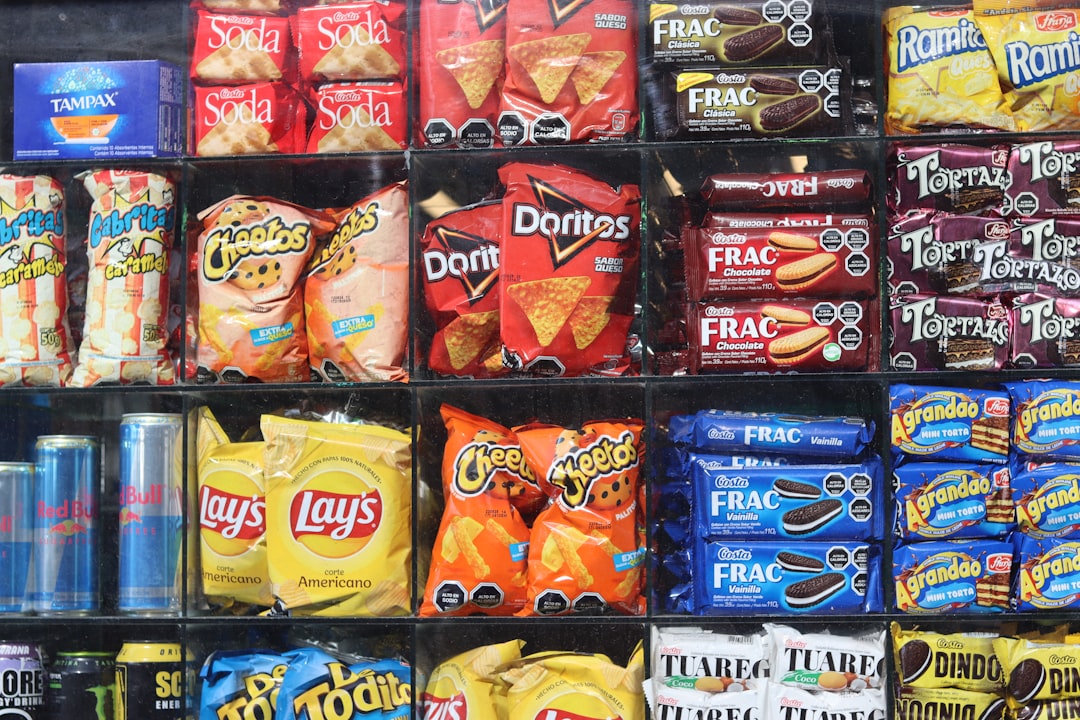
The eyes rely on a steady supply of specific nutrients to maintain their structure and function over a lifetime. Diets that are low in antioxidants such as lutein, zeaxanthin, vitamins C and E, and omega-3 fatty acids leave the retina and lens more vulnerable to oxidative damage. A consistent diet high in processed foods and sugar has been linked to an increased risk of diabetic retinopathy, a condition in which high blood sugar levels damage the tiny blood vessels inside the eye. Leafy greens, oily fish, nuts, and brightly colored vegetables provide the building blocks the eye needs for long-term resilience. Treating nutrition as an investment in your visual health is one of the most sustainable ways to protect your eyesight.
Ignoring Dry Eye Symptoms
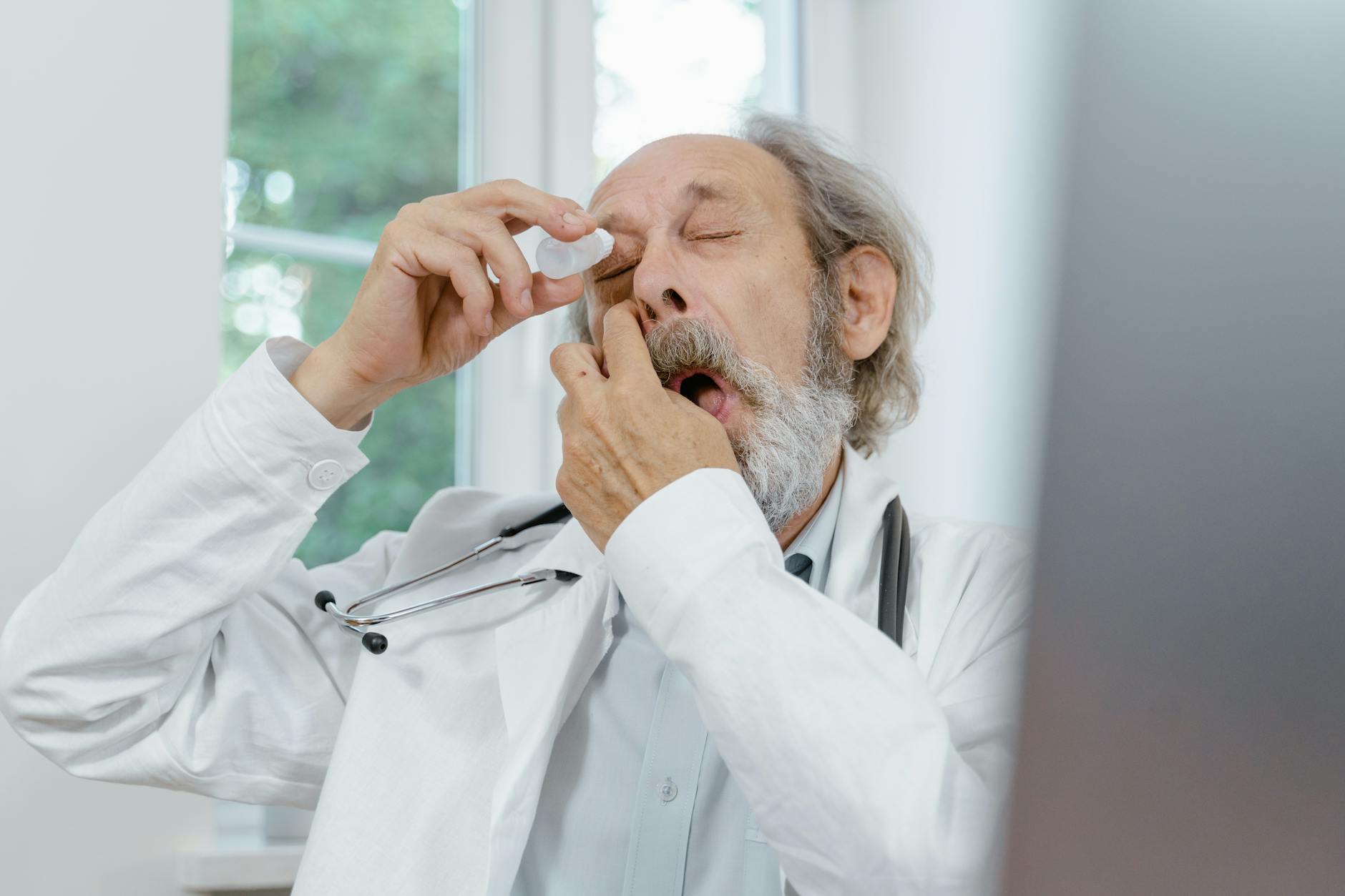
Dry eye is frequently dismissed as a minor nuisance, but allowing it to persist without treatment can cause progressive damage to the ocular surface. The tear film that coats the eye serves as its primary protective and lubricating layer, and when it breaks down, the corneal surface becomes exposed to friction and environmental irritants with every blink. Chronic dryness creates micro-abrasions on the cornea that, over time, can lead to scarring and increased light sensitivity. Many people unknowingly worsen their dry eye by relying on over-the-counter drops that contain preservatives, which can themselves irritate the eye with frequent use. Consulting an eye care professional early allows for targeted treatment that prevents the condition from causing lasting structural damage.
Not Wearing Protective Eyewear
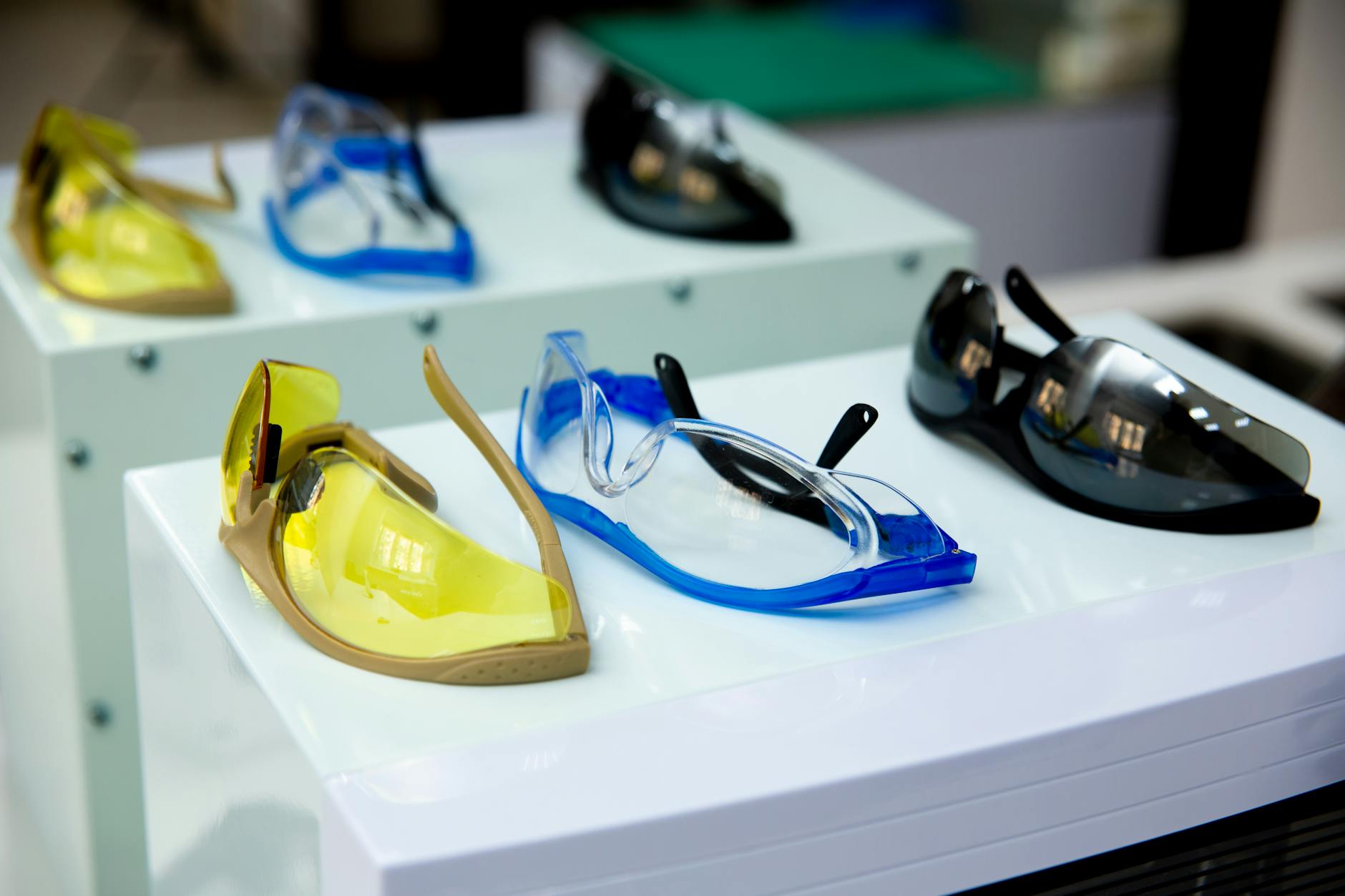
Thousands of eye injuries occur every year in workplaces and home environments where protective eyewear is readily available but rarely used. Flying debris, chemical splashes, and sharp objects pose serious threats during activities like woodworking, yard maintenance, and home repairs. Even sports that seem low-risk carry the potential for blunt trauma that can detach a retina or damage the optic nerve. A single unprotected incident can cause vision loss that no corrective procedure can fully reverse. Wearing appropriate safety glasses or goggles whenever there is a meaningful risk of eye exposure takes only seconds and prevents a lifetime of consequences.
Excessive Alcohol Consumption
Regular heavy drinking takes a measurable toll on the visual system through multiple interconnected mechanisms. Alcohol depletes the body of B vitamins, particularly thiamine, which plays a critical role in maintaining the health of the optic nerve. Chronic deficiency can lead to a condition called toxic optic neuropathy, in which the nerve gradually loses its ability to transmit clear visual signals to the brain. Heavy drinkers also experience more rapid progression of cataracts and are at greater risk for age-related macular degeneration over time. Reducing alcohol intake supports not just systemic health but the long-term preservation of functional vision.
Using Expired Eye Drops or Makeup
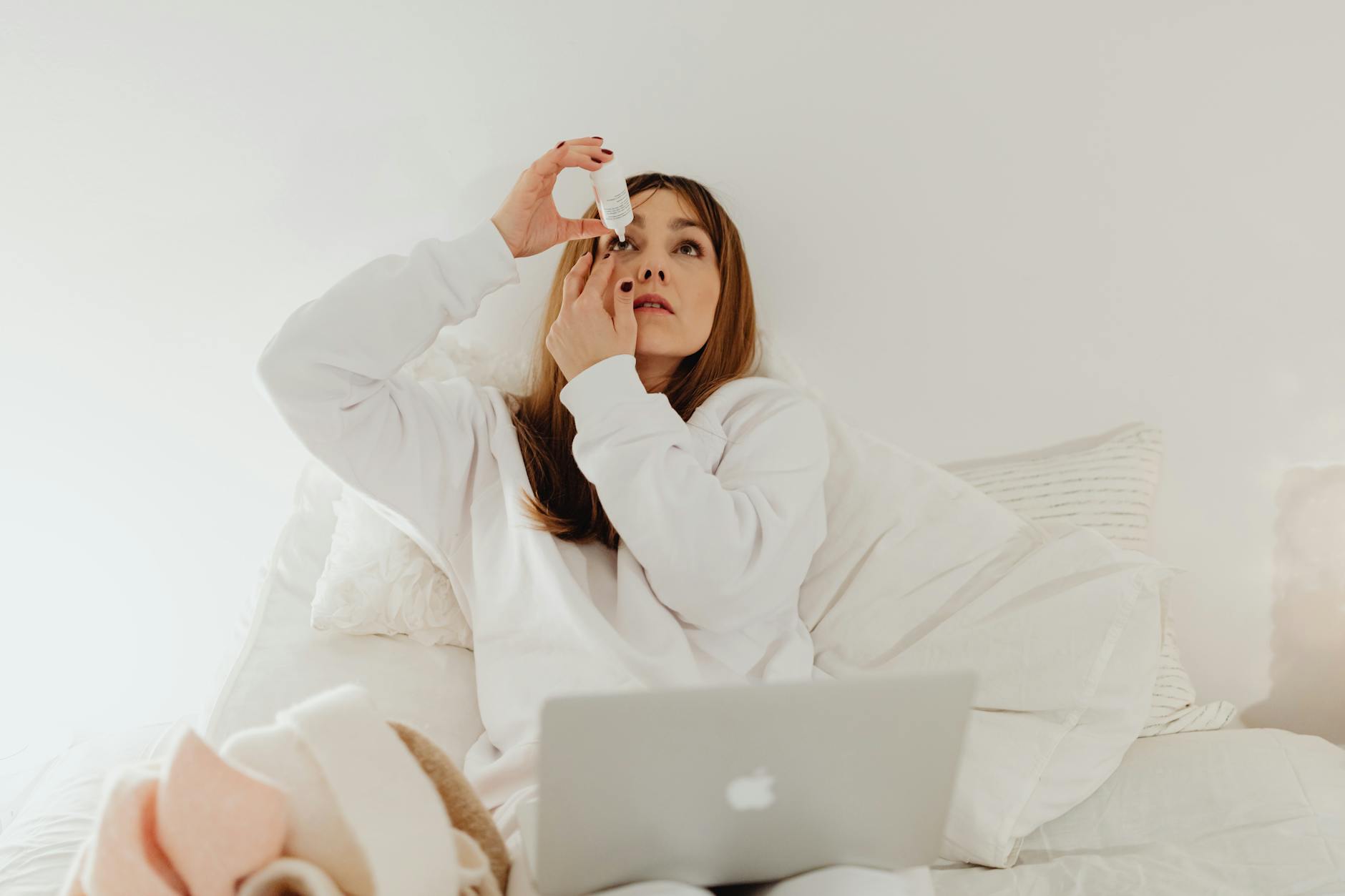
Eye products have expiration dates for important safety reasons, and using them past those dates introduces real risks to ocular health. Preservatives in eye drops break down over time, allowing bacterial contamination to develop inside the bottle and be introduced directly to the eye’s surface. Mascara, eyeliner, and eye shadow accumulate bacteria with every use, and products older than three months carry a meaningful risk of causing conjunctivitis or more serious infections. Many people hold on to eye products for far longer than recommended, especially makeup that was expensive or difficult to find in a specific shade. Regularly replacing eye products and never sharing them with others eliminates a preventable but surprisingly common source of eye infections.
Skipping Annual Eye Exams
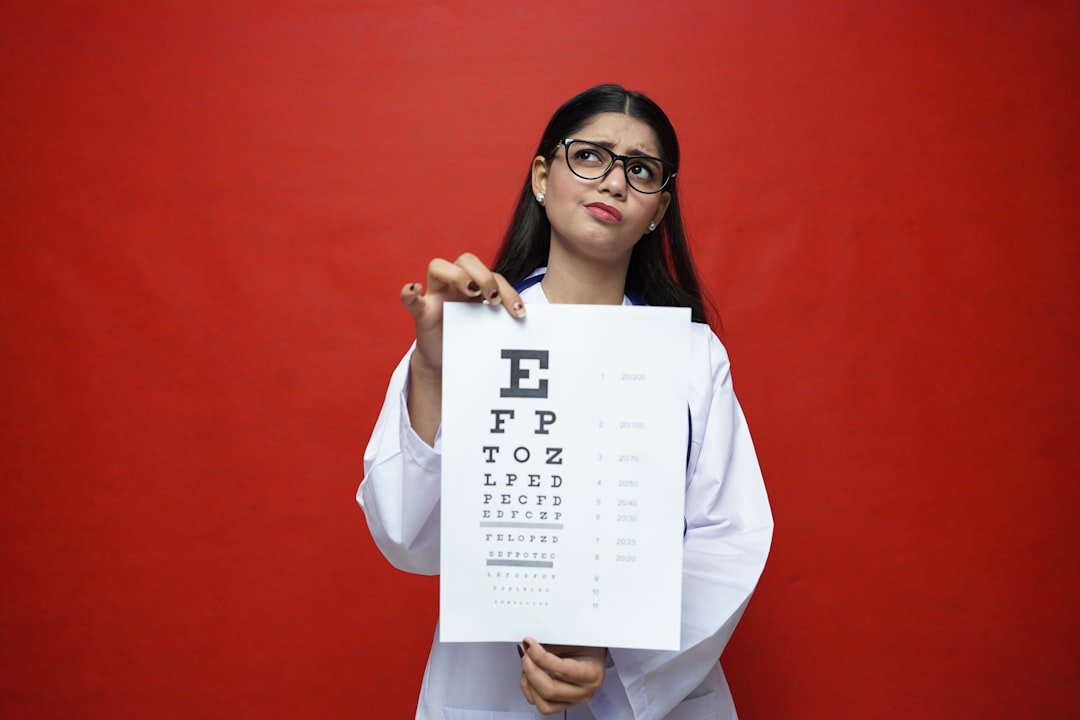
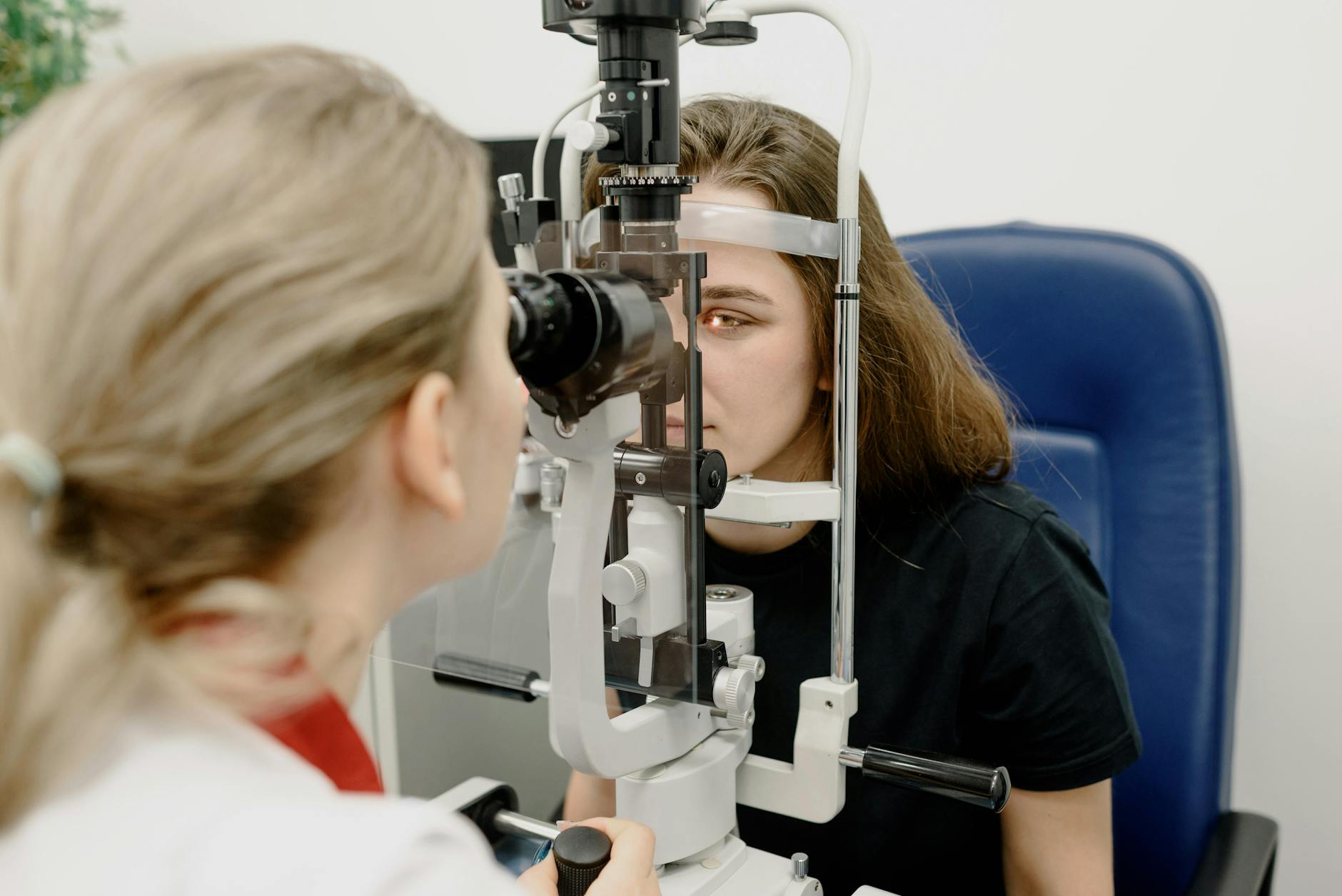
Many serious eye conditions, including glaucoma, diabetic retinopathy, and early-stage macular degeneration, produce no noticeable symptoms in their earliest stages when treatment is most effective. Without regular comprehensive eye exams, these conditions can advance silently until vision loss becomes permanent and irreversible. Eye exams also detect changes in prescription that, when left uncorrected, force the eyes to compensate through chronic strain. Many people only visit an eye doctor when something is noticeably wrong, by which point preventable damage has already occurred. Annual exams are the single most reliable way to catch problems early and adjust care accordingly.
Prolonged Exposure to Blue Light at Night
The blue light emitted by screens and certain artificial lighting is particularly disruptive when encountered in the hours before sleep. While blue light itself does not cause permanent structural damage in normal amounts, its cumulative effect on circadian rhythms indirectly impacts eye health by disrupting the restorative sleep the eyes depend on each night. During deep sleep, the eyes replenish their tear film, reduce inflammation, and allow muscles that have been in sustained contraction all day to fully relax. People who consistently sleep poorly due to blue light exposure often develop chronic dry eye, increased light sensitivity, and greater difficulty maintaining focus. Using night mode settings on devices and avoiding screens in the final hour before bed significantly reduces this disruption.
Wearing the Wrong Prescription

Using an outdated or incorrect lens prescription forces the eyes to work against their natural refractive state, generating constant muscular effort to compensate for the mismatch. This sustained effort causes fatigue, persistent headaches, and can temporarily worsen visual clarity even when the glasses are removed. In growing children, wearing an incorrect prescription can interfere with the normal development of the visual system and accelerate the worsening of refractive errors. Adults who wear the wrong prescription over long periods often experience a gradual increase in eye strain-related symptoms that they incorrectly attribute to aging. Updating prescriptions regularly ensures the eyes are always working under supported conditions rather than fighting to see clearly.
Dehydration
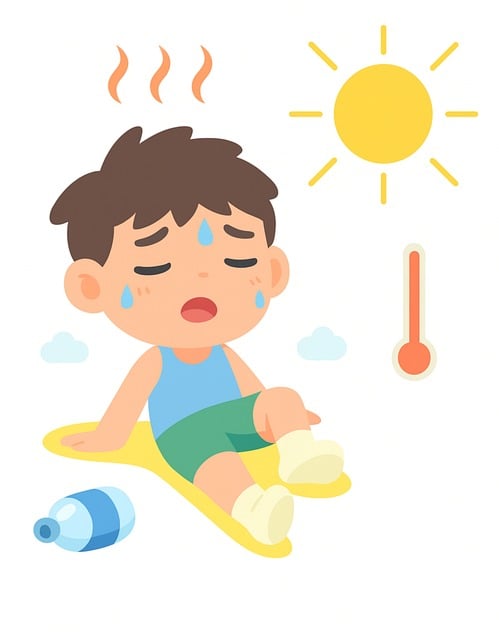
The body requires adequate hydration to produce the volume and quality of tears necessary to keep the eyes lubricated throughout the day. When fluid intake is consistently low, tear production decreases and the existing tear film becomes more concentrated and less effective at coating the ocular surface evenly. This results in dryness, irritation, and a gritty sensation that worsens over the course of the day as hydration continues to drop. Chronic dehydration also affects the concentration of nutrients delivered to the avascular structures of the eye through surrounding fluids. Drinking sufficient water daily is among the simplest and most overlooked contributions you can make to maintaining comfortable, healthy vision.
High Blood Pressure Left Unmanaged

Chronically elevated blood pressure places enormous stress on the delicate blood vessels that supply the retina, gradually damaging their walls and reducing their ability to deliver oxygen efficiently. Over time, this condition, known as hypertensive retinopathy, can cause bleeding within the eye, swelling of the optic nerve, and patches of visual field loss that may be permanent. Because the retinal blood vessels are among the smallest and most fragile in the entire body, they reflect damage from systemic hypertension long before it becomes apparent elsewhere. Many people are unaware their blood pressure is elevated until an eye exam reveals telltale changes in the retinal vasculature. Managing blood pressure through lifestyle adjustments and appropriate medical care protects not only cardiovascular health but long-term vision as well.
Spending Too Much Time Indoors

Research conducted over several decades has consistently found that children and adults who spend little time outdoors face higher rates of myopia development and progression. Natural daylight stimulates the release of dopamine in the retina, which plays a regulatory role in controlling the growth of the eye and keeping it from elongating excessively. When the eye elongates too much, the focal point of incoming light falls in front of the retina rather than directly on it, resulting in nearsightedness that often worsens over time. Outdoor time of at least two hours per day has been shown to meaningfully slow myopia progression in children who are already affected. Prioritizing regular time outside is a straightforward and underutilized strategy for protecting long-term visual health.
Overlooking Diabetes Management
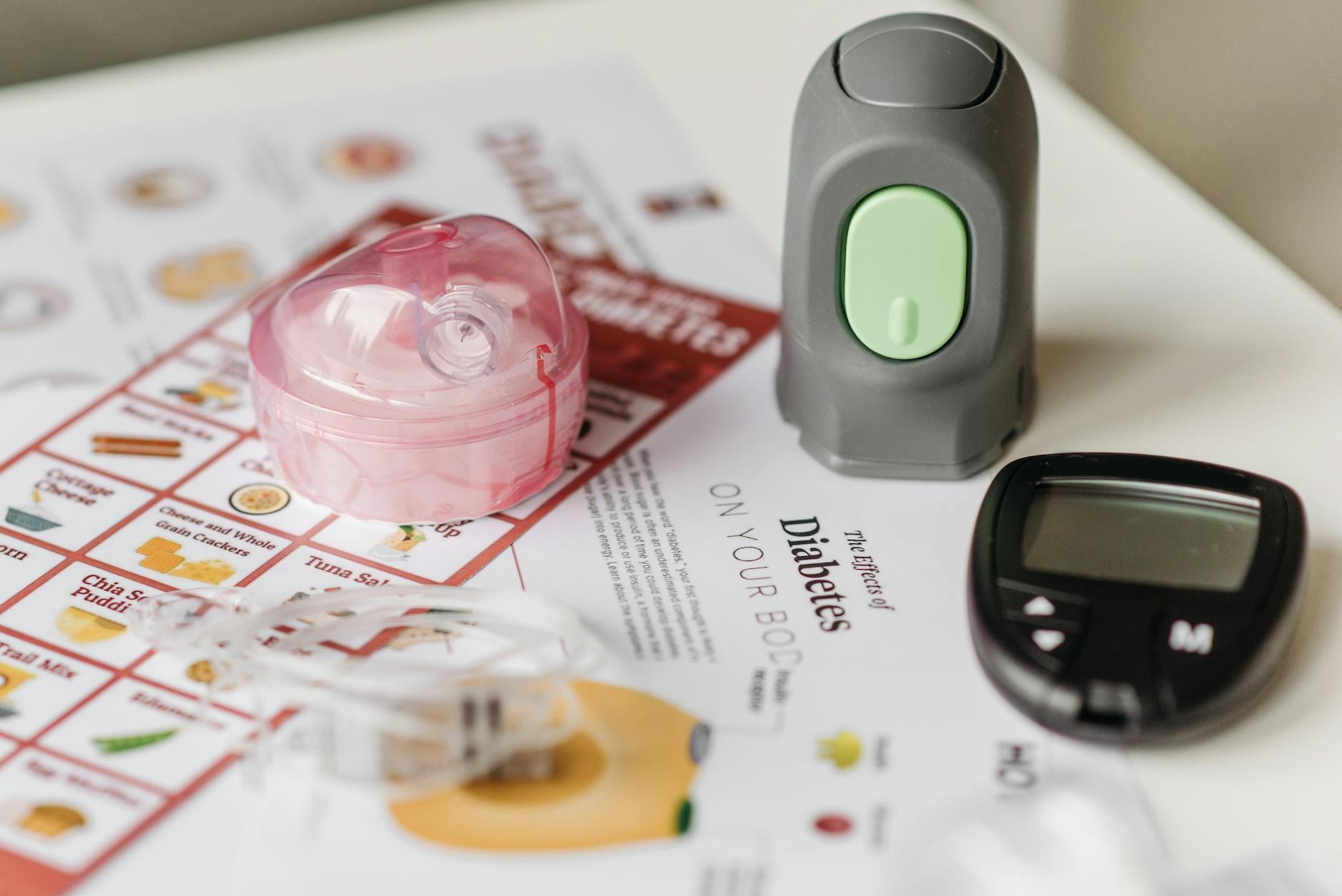
Diabetes is one of the leading causes of preventable blindness worldwide, primarily through its effects on the tiny blood vessels that nourish the retina. When blood sugar levels remain poorly controlled over months or years, these vessels weaken and leak fluid into the retinal tissue, distorting and eventually destroying the light-sensitive cells. Early diabetic retinopathy often produces no symptoms, meaning many people do not realize the damage is occurring until it has reached an advanced stage. Regular dilated eye exams, tight blood sugar control, and early intervention with laser or injection therapy can preserve vision even when disease is already present. Treating diabetes as an eye health issue, not just a metabolic one, is essential to avoiding one of its most devastating complications.
Holding Devices Too Close to the Face
The habit of holding phones, tablets, and books closer than twelve inches from the face places the focusing muscles of the eye under sustained and intense contraction. This near-work demand, particularly when maintained for hours each day without relief, is strongly associated with the development and worsening of myopia in children and young adults. The eyes are not designed for prolonged close-up focus at very short distances, and the muscles responsible for that accommodation can become chronically fatigued and slow to relax when shifting to distance viewing. The recommended minimum distance for reading and device use is typically sixteen inches, with farther distances preferred when possible. Developing awareness of viewing distance and correcting the habit early reduces one of the most significant controllable risk factors for long-term vision decline.
Poor Sleep Habits
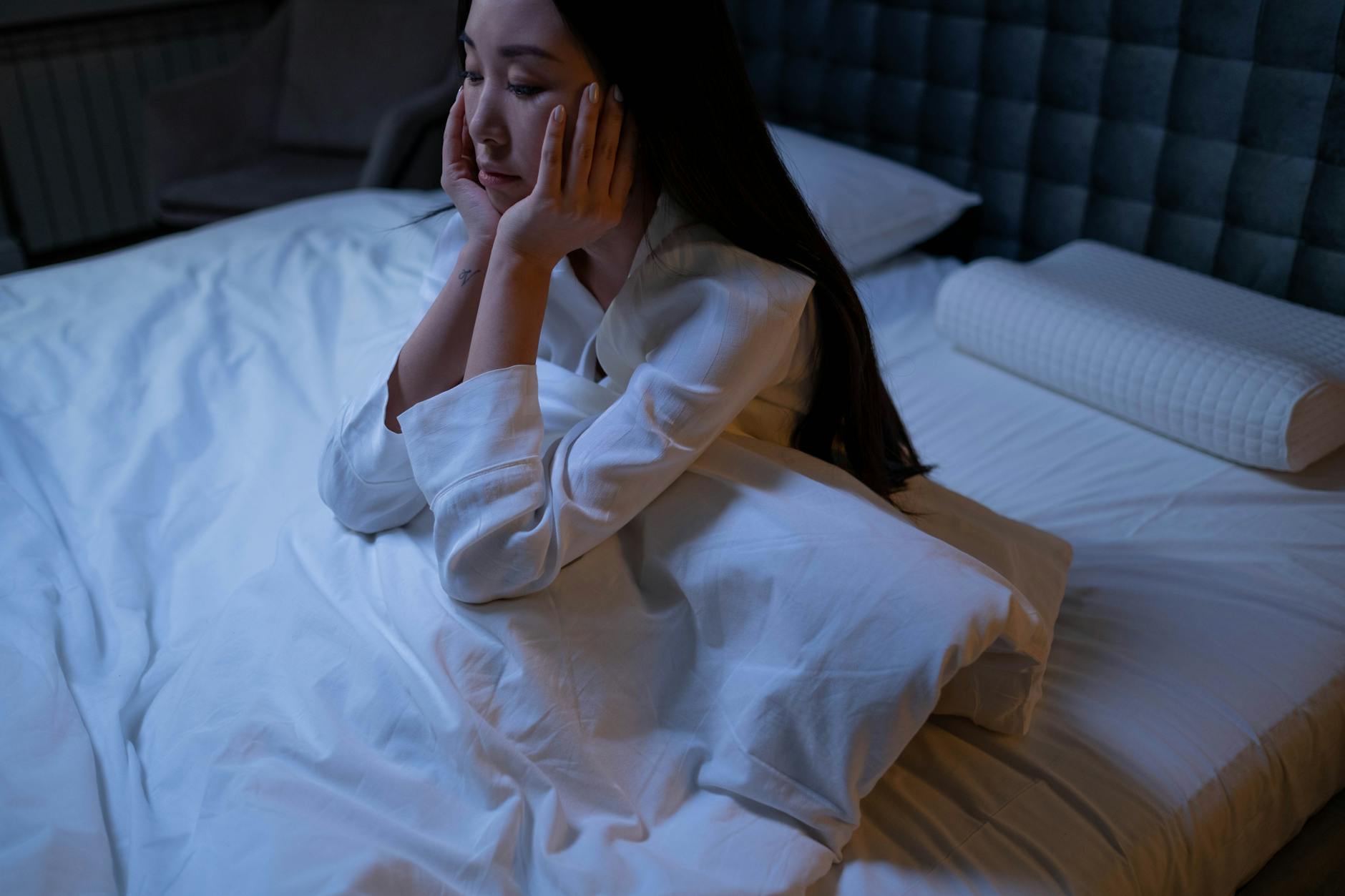
Sleep is when the body carries out the majority of its repair and recovery processes, and the eyes are among the greatest beneficiaries of consistent, high-quality rest. During sleep, the cornea receives increased oxygen, inflammation in ocular tissues is reduced, and the muscles responsible for focusing and tracking are given their only true rest period. Chronic sleep deprivation has been associated with increased intraocular pressure, a significant risk factor for glaucoma, as well as worsening dry eye and reduced visual processing speed. People who routinely sleep fewer than six hours per night often report difficulty with focus, light sensitivity, and blurry vision that compounds over time. Prioritizing seven to nine hours of uninterrupted sleep each night is one of the most powerful and cost-free habits you can adopt for lasting eye health.
Share your thoughts on which of these habits you are working to change in the comments.