Air travel brings together hundreds of strangers in an enclosed space for hours at a time, and certain passenger behaviors make the experience genuinely unpleasant for the cabin crew working hard to keep everyone comfortable and safe. Flight attendants are trained professionals who see the full spectrum of human behavior at 35,000 feet, and some habits stand out as particularly offensive or inconsiderate. From hygiene oversights to outright rudeness, these behaviors test the patience of even the most seasoned crew members. Understanding what frustrates flight attendants most can go a long way toward making flights more pleasant for everyone on board.
Bare Feet
Walking around the cabin or visiting the lavatory in bare feet is one of the most cringe-worthy things a passenger can do on a flight. The floors of aircraft cabins are rarely as clean as they appear, and the lavatory floor in particular harbors bacteria and moisture from multiple sources. Flight attendants frequently witness passengers padding down the aisle without shoes and find it deeply unhygienic. Keeping footwear on throughout the flight is a basic courtesy that protects both the passenger and everyone around them.
Overhead Bins
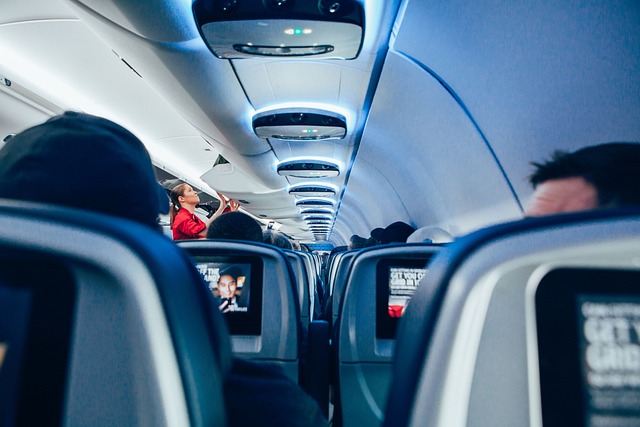
Passengers who hoard overhead bin space by placing bags horizontally or stuffing oversized carry-ons into compartments far from their seats create enormous logistical headaches for the crew. Flight attendants spend significant time during boarding reorganizing luggage to accommodate everyone fairly. Some travelers place items in the first available bin rather than the one above their assigned seat, leaving those nearby with nowhere to store their belongings. This seemingly small act of selfishness cascades into delays and frustration for the entire cabin.
Drink Orders
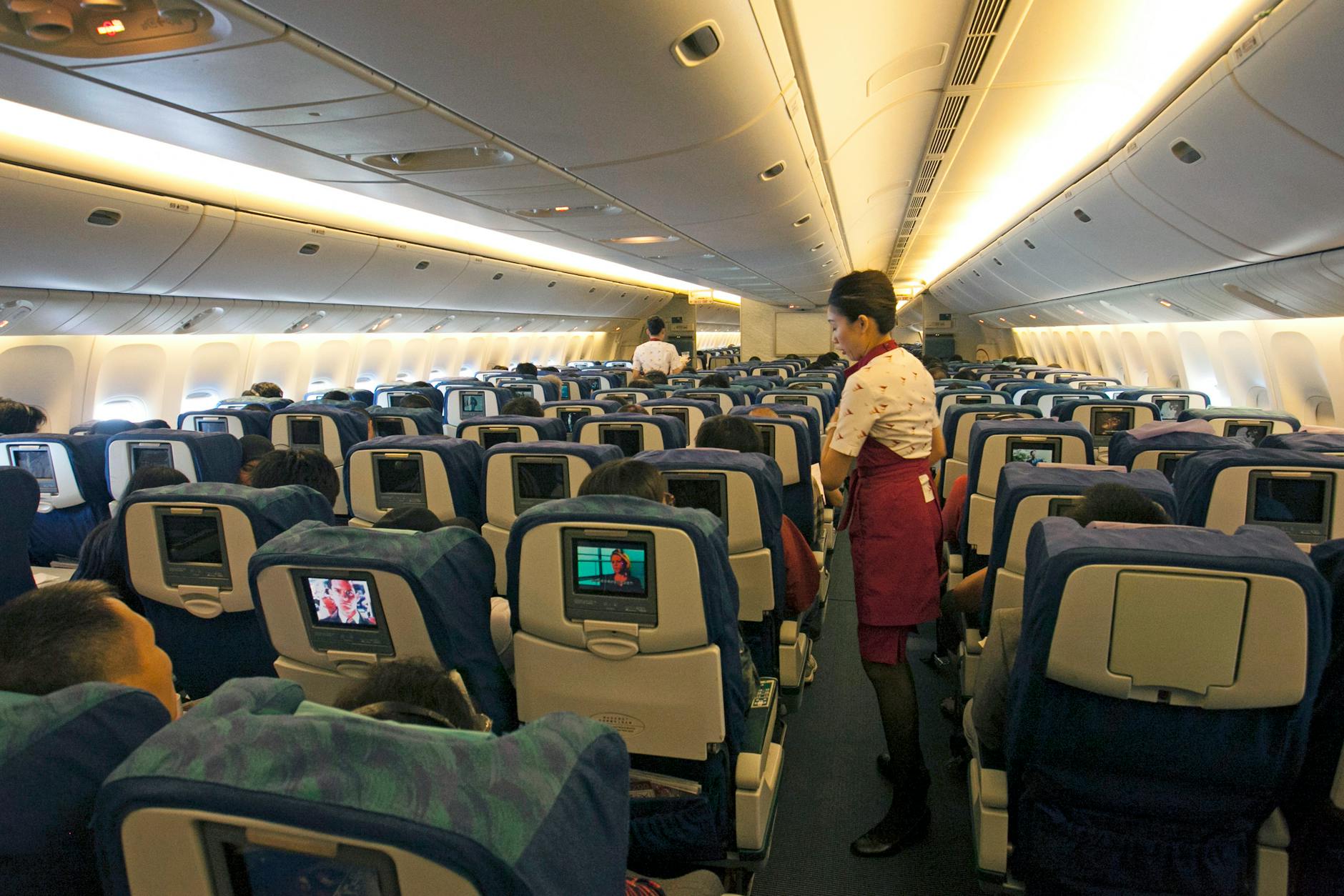
Waiting until the beverage cart reaches a row before launching into a lengthy and undecided drink order frustrates flight attendants who are managing a full cabin with limited time. Passengers who ask for multiple items, change their minds repeatedly, or request elaborate combinations slow down the entire service. The crew is working efficiently to reach every row before descent begins, and indecision at the cart disrupts that rhythm significantly. Knowing what you want before the trolley arrives is a small but meaningful act of consideration.
Lavatory Habits
Leaving the lavatory in a state of disarray after use is a habit that genuinely disgusts cabin crew and fellow passengers alike. Water splashed across every surface, paper towels left on the floor, and other forms of mess are discovered repeatedly throughout a flight. Flight attendants are not responsible for deep-cleaning facilities mid-flight, yet they often find themselves tidying up after adults who leave the space worse than they found it. A moment of basic tidiness before exiting the lavatory makes an enormous difference for everyone who follows.
Armrest Battles
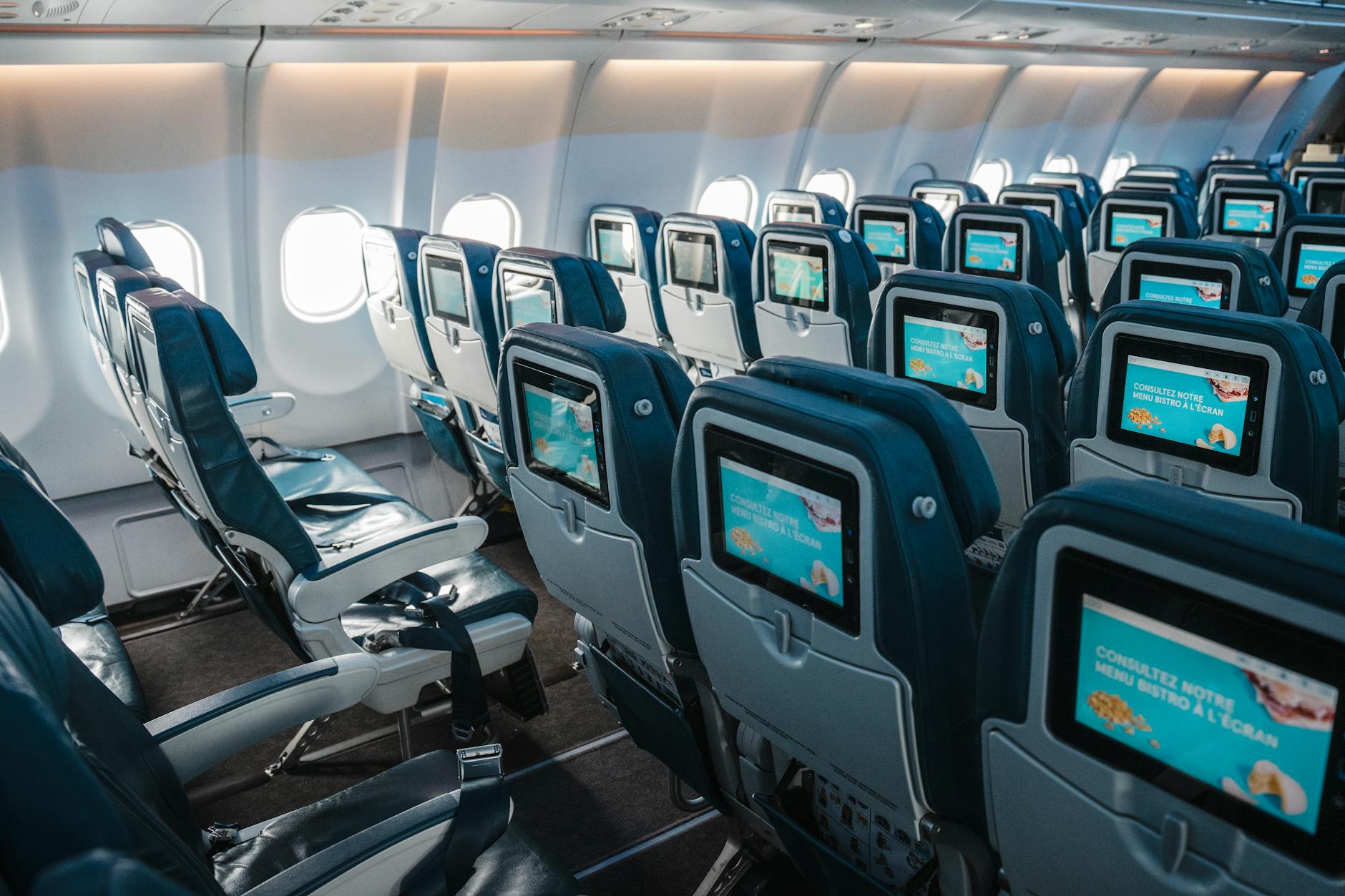
Claiming both armrests while a neighbor sits squeezed into their seat without any space is a selfish habit that flight attendants observe constantly. The unspoken etiquette of air travel generally gives middle seat passengers first right to the shared armrests, yet aisle and window travelers frequently ignore this entirely. Crew members often have to mediate uncomfortable disputes that arise from this simple lack of awareness. Sharing the limited space available is a fundamental aspect of being a considerate travel companion.
Call Button
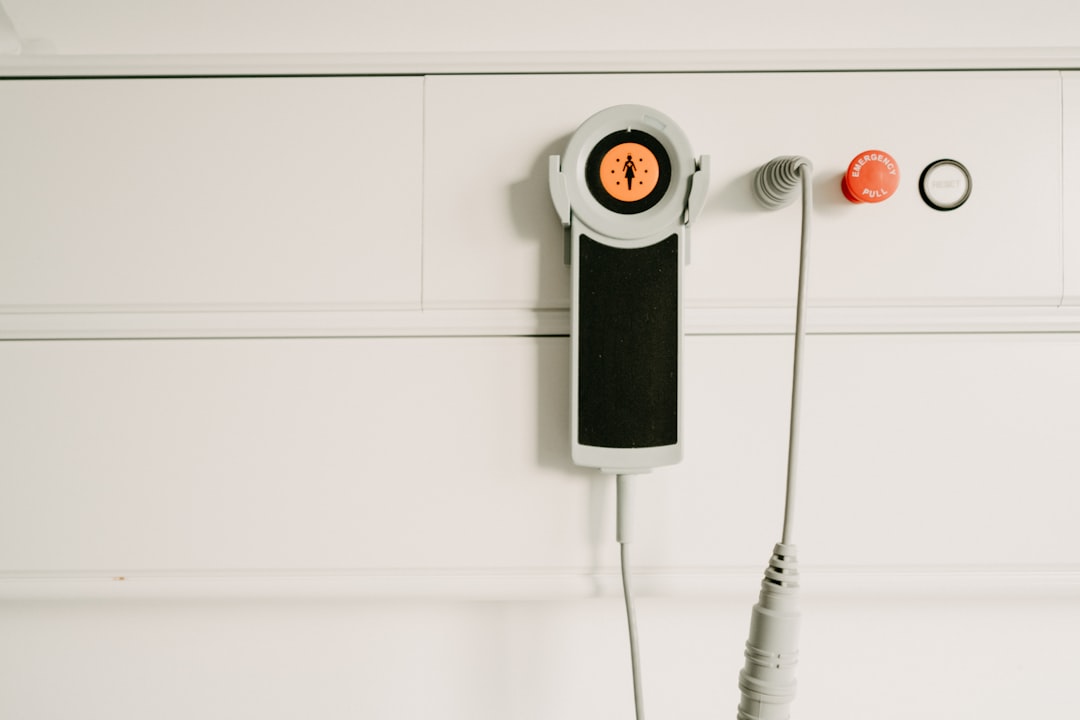
Using the call button to summon flight attendants for requests that could easily wait until the next service pass is a habit that wears on cabin crew throughout a long flight. The button exists for genuine needs and emergencies, not as a personal concierge service for snacks, additional pillows, or idle curiosity. On busy flights, a single unnecessary call can delay a crew member from attending to a passenger with a real need. Using discretion about when to press the button reflects a basic respect for the crew’s time and responsibilities.
Reclining Seats
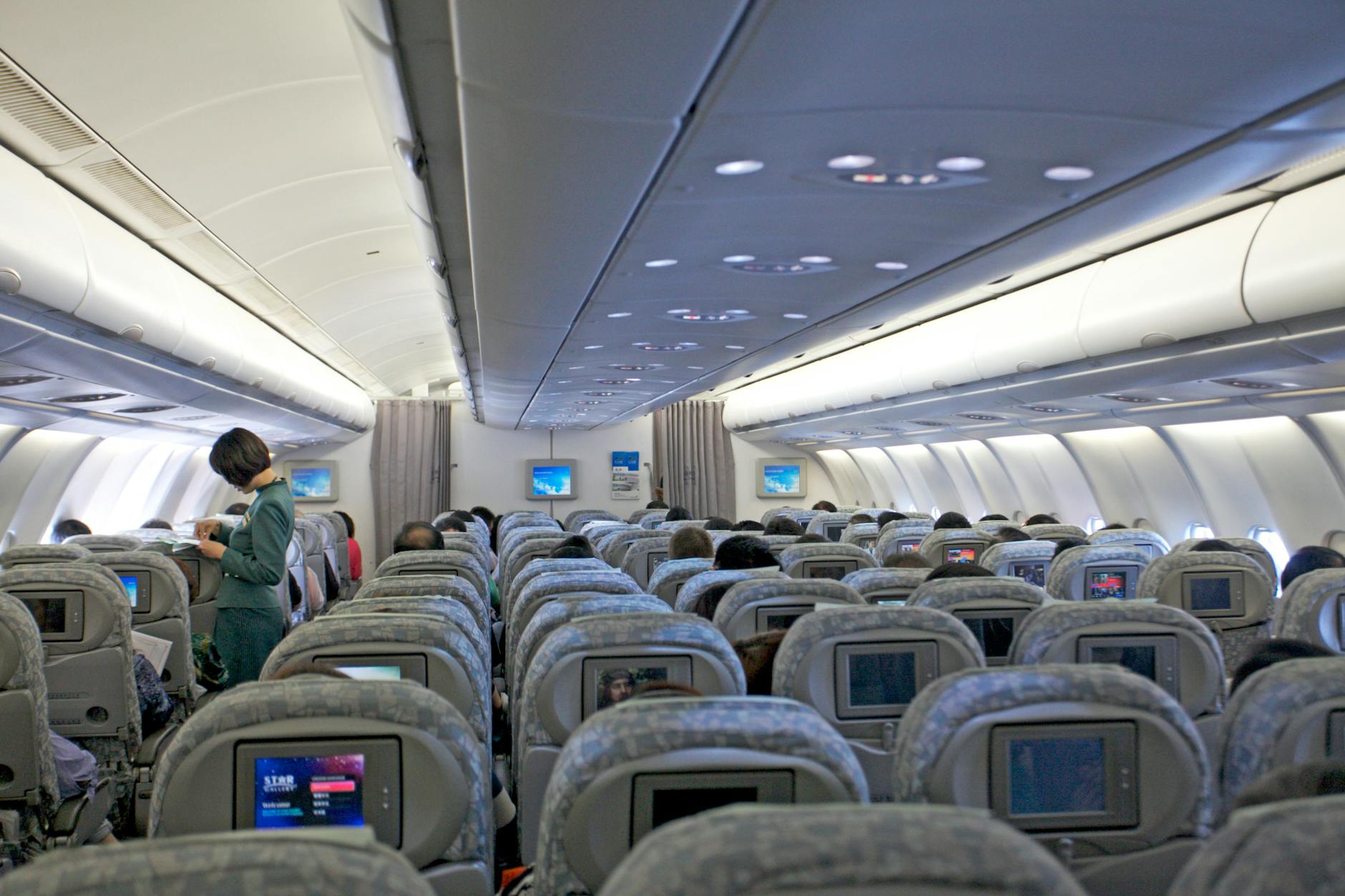
Slamming the seat back into full recline immediately after takeoff without any awareness of the person sitting behind is a habit that generates complaints and confrontations throughout every flight. Passengers who recline abruptly can spill drinks, disturb sleeping travelers, and crush the knees of those with longer legs. Flight attendants are then placed in the awkward position of mediating disputes between passengers over just a few inches of space. Being mindful of the timing and speed of reclining is a small gesture that prevents significant discomfort.
Phone Speakers
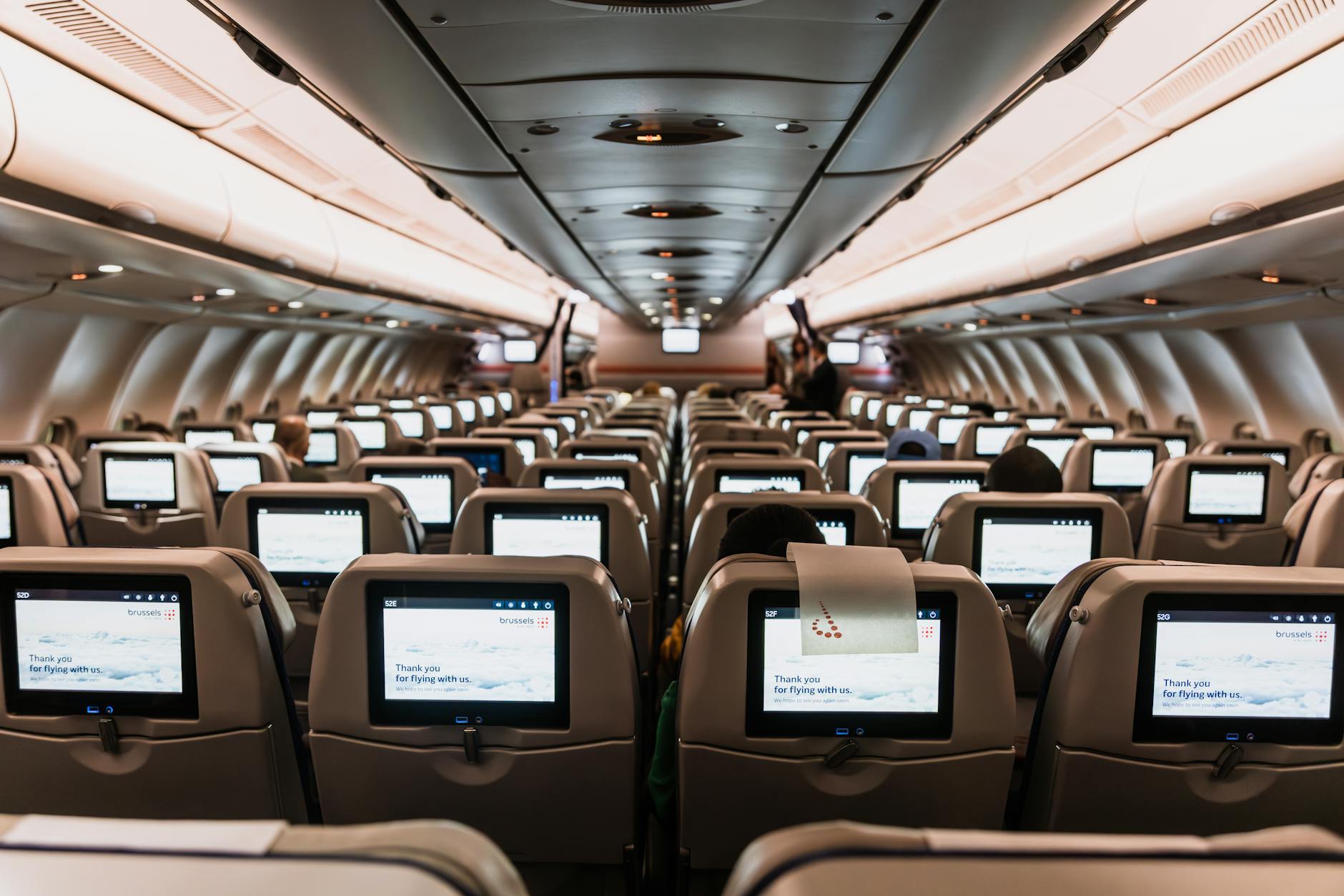
Playing audio content through phone speakers in an enclosed cabin forces everyone within earshot to share in entertainment they never chose. Tinny music, loud video content, and speaker phone conversations fill the cabin with noise that passengers find grating and unavoidable. Flight attendants regularly field complaints from neighboring rows before having to politely ask the offending passenger to use headphones. Bringing a pair of earphones is one of the simplest preparations any traveler can make before boarding.
Sock Removal
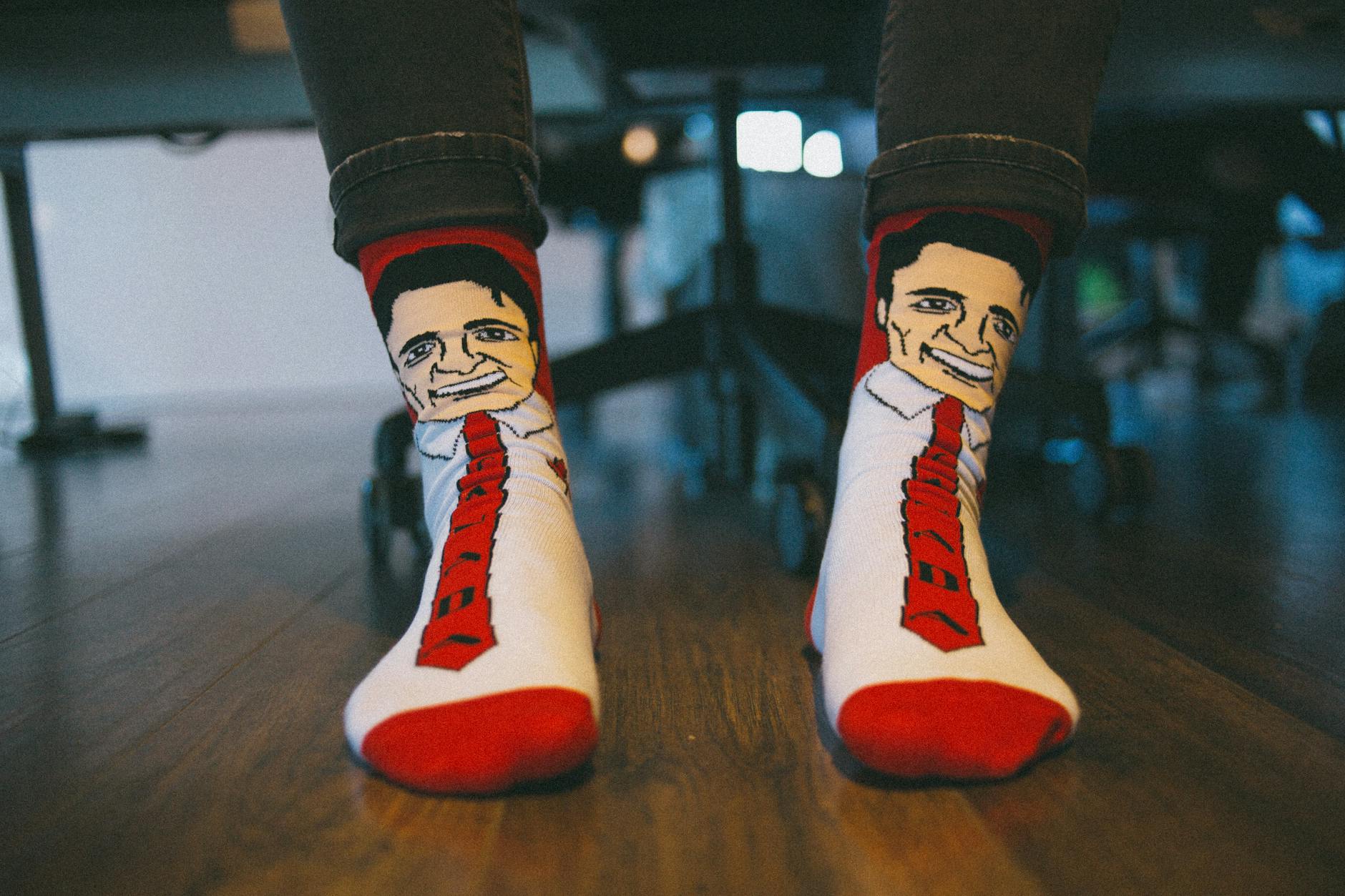
Taking off socks mid-flight and airing out bare feet in the direction of neighboring passengers or the aisle is a habit that elicits genuine disgust from crew members and fellow travelers alike. The confined air circulation of a pressurized cabin means odors travel quickly and linger throughout the flight. Flight attendants who walk the aisle encounter this repeatedly and have very little recourse beyond a polite but awkward request. Keeping feet covered throughout the journey is a basic standard of hygiene in shared public spaces.
Gate Lice
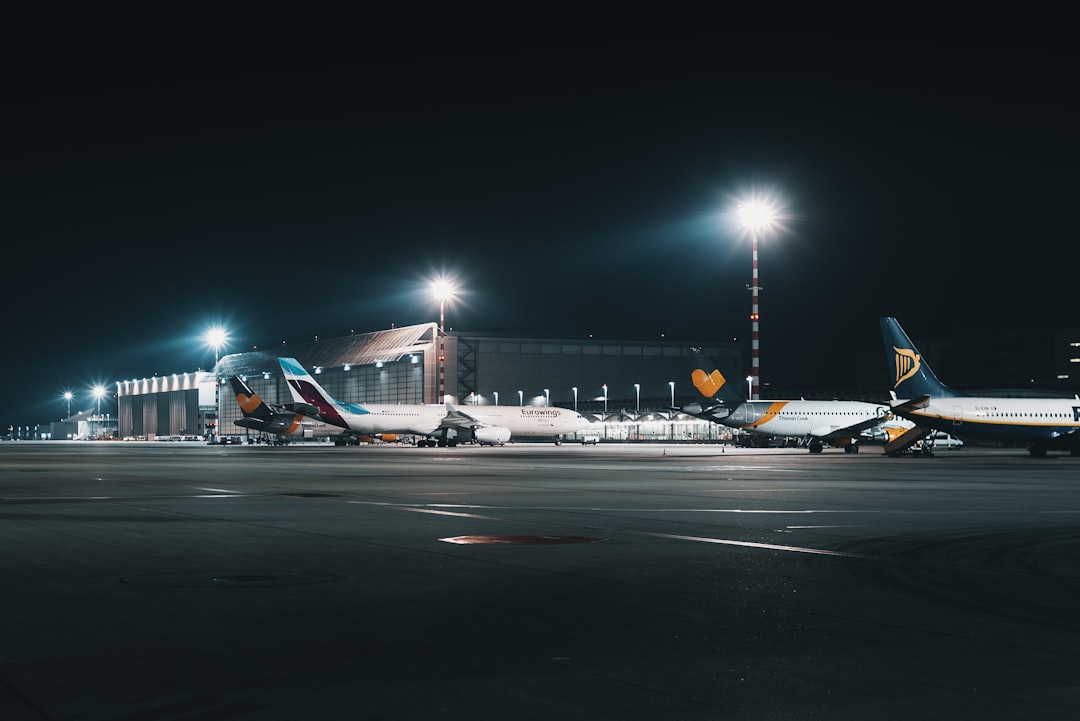
Crowding the boarding gate the moment an announcement begins, regardless of the boarding zone called, creates chaotic bottlenecks and slows the entire process for everyone. Flight attendants observing from the jet bridge watch as passengers from zones four and five press forward before zone one has even boarded. This behavior contributes to delayed departures and frayed tempers before the flight has even begun. Waiting for the correct zone to be called is a straightforward practice that keeps the boarding process orderly and efficient.
Trash Habits
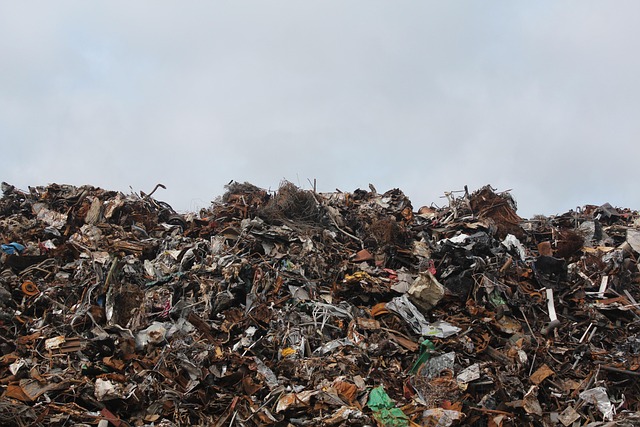
Leaving garbage stuffed into seat pockets, scattered across the tray table, or pushed onto the floor at the end of a flight is a habit that places an unfair burden on cabin crew during the tight turnaround between flights. Flight attendants are expected to prepare the aircraft quickly for the next group of passengers, and excessive mess left behind extends that process considerably. Some travelers treat the cabin as a disposable space simply because they are not the ones responsible for cleaning it. Collecting personal waste and handing it to crew during service passes takes minimal effort and makes a real difference.
Drunk Passengers

Passengers who consume alcohol excessively before boarding and then request continued service in the air create serious challenges for flight attendants trained to manage intoxication carefully. Serving visibly inebriated travelers is something crew members are legally and professionally obligated to refuse, yet doing so often triggers hostility and confrontation. Intoxicated passengers disturb neighboring travelers, require increased monitoring, and occasionally escalate situations that compromise cabin safety. Moderating alcohol consumption before and during a flight is both a personal responsibility and a matter of respect for the crew.
Personal Grooming
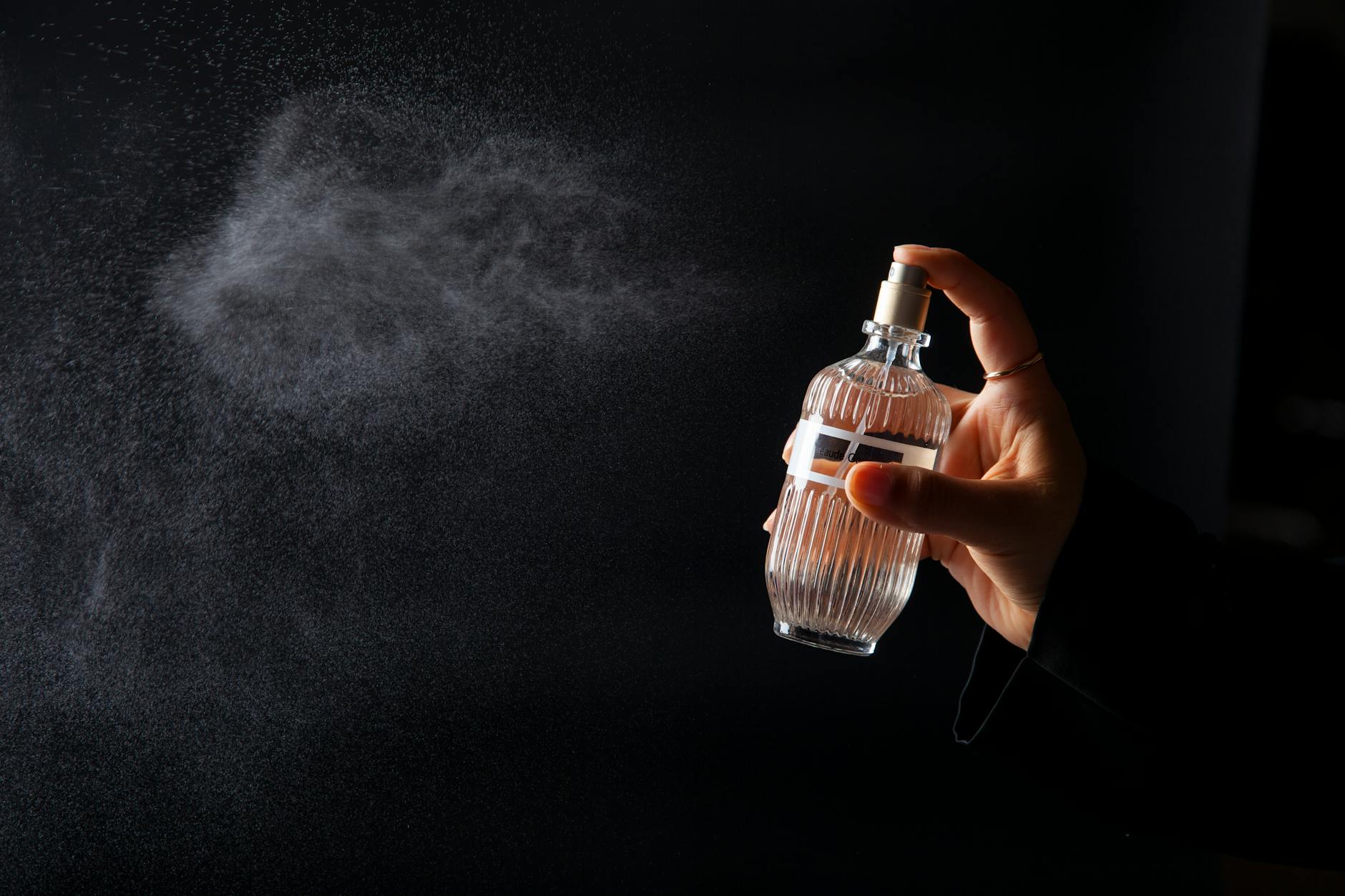
Clipping nails, applying strong perfume, or conducting elaborate grooming routines in the confined space of an aircraft cabin is a habit that catches flight attendants and nearby passengers completely off guard. The sounds, smells, and debris associated with personal grooming in public are amplified in the tight quarters of economy class. Cabin crew must maintain professionalism even when confronted with behavior that they find genuinely inappropriate in a shared environment. Grooming tasks of any significance should be completed before boarding or reserved for the privacy of the lavatory.
Ignoring Safety
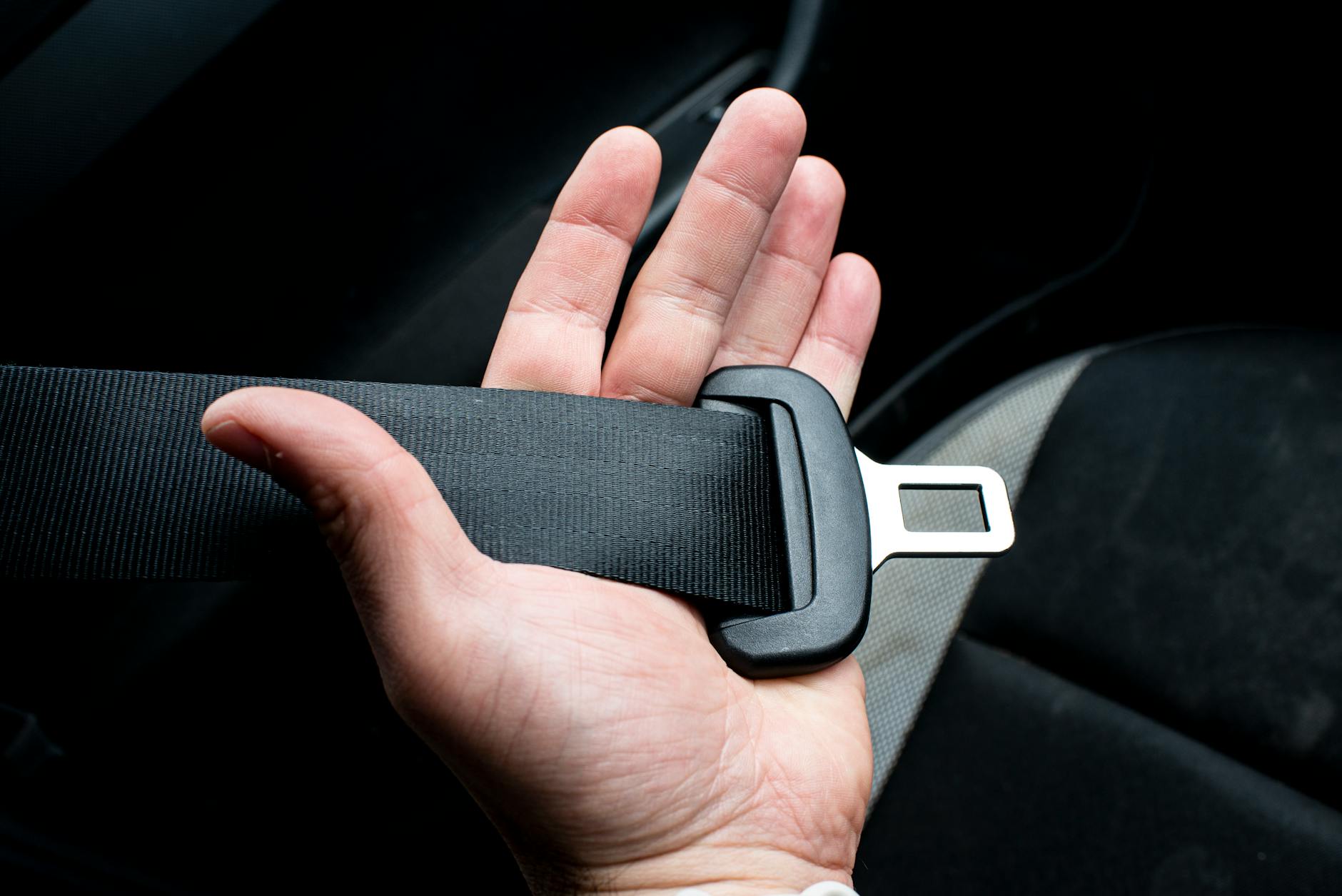
Passengers who remove seatbelts the moment the aircraft begins its descent or ignore the fasten seatbelt sign during turbulence create genuine safety concerns that flight attendants must address directly. Crew members are required by aviation regulations to enforce seatbelt compliance, meaning they must interrupt their duties to repeatedly remind non-compliant travelers. Turbulence can occur suddenly and with significant force, and an unbelted passenger becomes a danger not only to themselves but to those around them. Following seatbelt instructions promptly and without resistance is one of the most important courtesies a traveler can extend to the crew.
Invasion of Space
Reaching across a neighboring passenger, placing items on someone else’s tray table without asking, or allowing children to kick the seat ahead repeatedly are all forms of space invasion that flight attendants observe on nearly every flight. Crew members are placed in uncomfortable positions when they must address these boundary violations on behalf of frustrated passengers who feel unable to speak up for themselves. The close quarters of air travel demand a heightened awareness of how one’s movements and habits affect those immediately nearby. Treating the physical boundaries of neighboring passengers with consistent respect is the foundation of considerate air travel.
Which of these habits have you witnessed or experienced on a flight? Share your thoughts in the comments.