Most of us know FOMO, the fear of missing out, because it shows up everywhere from social media to everyday chatter. FOBO is its quieter cousin, and it can be just as powerful. The term stands for fear of a better option, and it describes the uneasy feeling that something better is always around the corner. When that worry kicks in, even simple choices can start to feel strangely high stakes.
Writer, podcaster, and speaker Patrick McGinnis explains FOBO as the anxiety that a superior alternative will appear, making it hard to commit to any option in front of you. He coined both FOBO and FOMO back in 2004 while he was a student at Harvard, and he has described FOBO as a kind of illness of abundance. In a world where everything is on demand, it is easy to keep doors open for too long. The result is often hesitation, overthinking, and a nagging sense that settling is risky.
Life coach and entrepreneur Tomas Svitorka says FOBO can feel like freezing when you are faced with multiple decent choices, from picking a meal to choosing a vacation spot. In more serious situations, it can shape decisions about jobs and relationships, because the mind keeps whispering, what if there is something even better. That extreme risk avoidance can turn into analysis paralysis, where research and comparison replace action. McGinnis likens it to hitting snooze repeatedly, delaying the moment you have to get up and move forward.
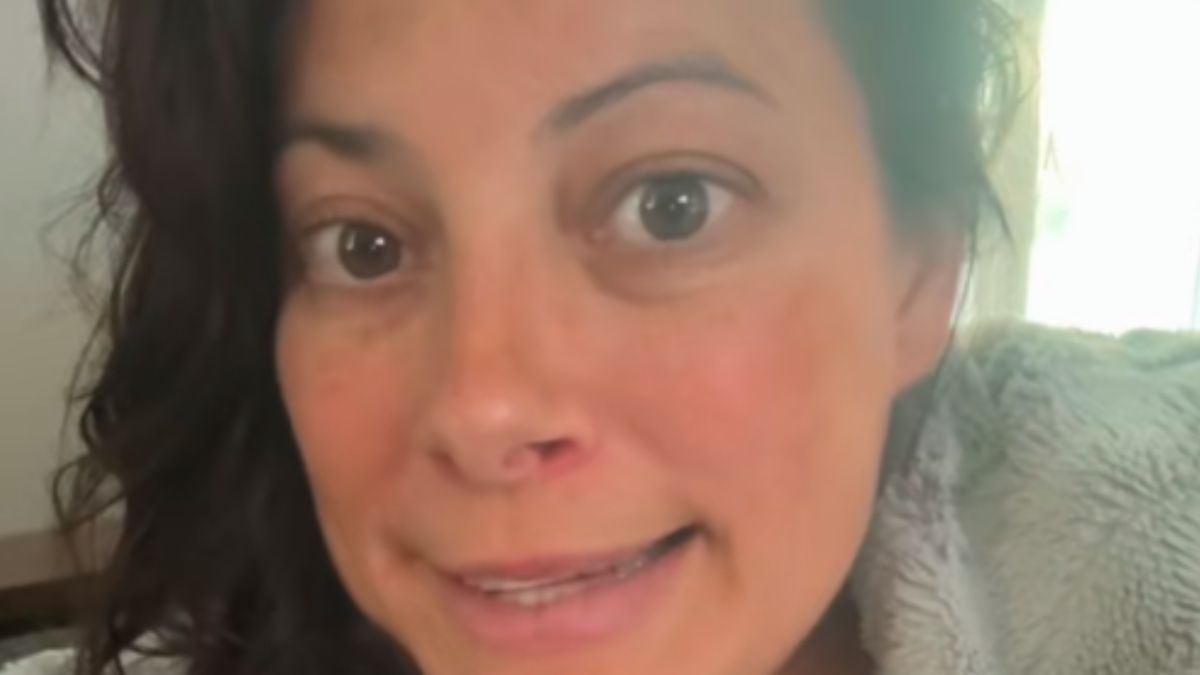
@leahhwoodss has anyone else heard or used this acronym lol #fomo #fobo ♬ original sound – Leah Woods
The ripple effects can reach beyond the person struggling to decide. McGinnis warns that FOBO can strain friendships, family ties, and romantic relationships when others start to feel like they are being kept as a backup plan. Therapist Becky Stuempfig points to modern overload as fuel for the problem, like endless podcast choices or a store shelf packed with dozens of nearly identical products. She notes that while decision fatigue is common, it becomes harmful when it blocks progress and steals joy from everyday life.
Therapist Racine Henry adds that FOBO can be linked to anxiety, past experiences tied to a wrong choice, or learned patterns at home. Psychologist Patricia Dixon says constant second guessing can raise stress and exhaustion, and it can feed anxiety or depression by making it hard to enjoy what you already have. The upside is that FOBO is workable when you shift how you view choices. Dixon suggests treating decisions as right for the moment, not perfect forever, and Stuempfig recommends narrowing options early to two or three while accepting that a little regret is normal.
Have you noticed FOBO showing up in your own choices, and what helps you finally commit when the options feel endless? Share your thoughts in the comments.