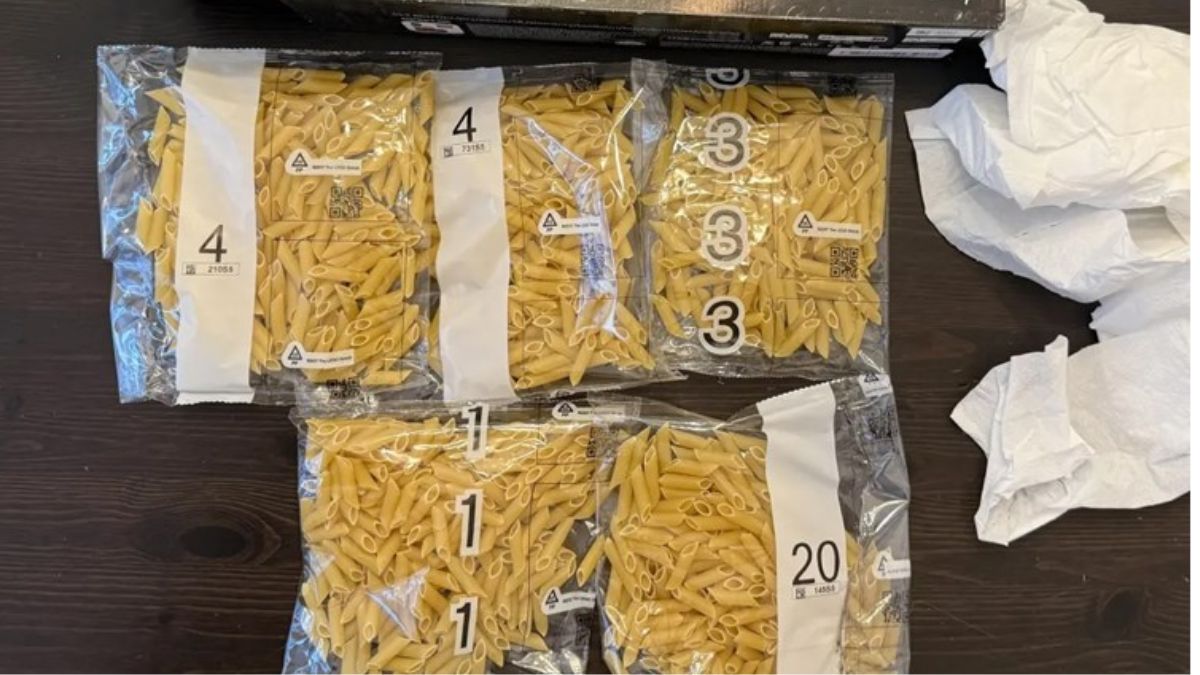
A viral Reddit post has reignited widespread outrage over return fraud, and this time the culprit hiding inside a LEGO box was a bag of uncooked pasta. A user going by the handle r/Bernardowss shared a photo on Reddit showing five factory-sealed LEGO bags filled not with bricks but with raw penne, placed beside the box for the Star Wars Venator-Class Attack Cruiser set. The image quickly spread across the platform, drawing thousands of comments and fueling a familiar debate about the darker side of online retail returns. “I ordered a new LEGO set and instead got dinner,” the original poster joked in the caption.
After the user confirmed he had purchased the set through Amazon, fellow Reddit users wasted little time theorizing about what had happened. The prevailing suspicion was that a previous buyer had purchased the same set, swapped out the bricks for pasta of a similar weight, and returned the doctored package to fool Amazon’s return processing system. It is widely known that warehouse workers at large fulfillment centers are often too overextended to thoroughly inspect every returned item, a gap that bad actors have reportedly learned to exploit when the deception is executed convincingly enough.
One commenter zeroed in on a particularly unsettling detail. “What’s especially diabolical is that they went to the trouble of using the original LEGO bags,” the user noted, pointing out that whoever carried out the swap had taken care to make the contents look as authentic as possible. The weight of dried pasta can closely mimic that of a bag of plastic bricks, and when a sealed box is shaken, the sound the pasta makes is apparently convincing enough to pass a casual inspection. Most shoppers, the theory goes, would not notice anything was wrong until they were sitting on the floor ready to build.
As reported by Daily Dot, this kind of scheme is far from a new phenomenon. In December 2025, TikTok user @lindsayharlak documented a similar discovery after purchasing a LEGO set at Target, finding pasta where the pieces should have been. Earlier that same year, a Reddit user reported opening a set to find a plastic bag stuffed with spiral pasta inside. And as far back as September 2024, another buyer received what turned out to be a mix of actual LEGO bricks and pasta, suggesting the scam has been evolving in its execution over time.
@lindsayharlak @LEGO @target I would like some answer to this birthday gift shenanigans 😅! Pretty sure someone broke into my gift!! Has anyone else had this happen to them?!? ##lego##target##scammed##viral##foryoupage ♬ original sound – Lindsay Harlak
Amazon sellers have also weighed in on the issue, with at least one commenter claiming firsthand experience on the other end of this type of fraud. “My brother and I sell LEGO on Amazon and occasionally have very expensive sets returned filled with cereal or missing every minifigure,” wrote user u/bigbobo33. “We always check returns, but sometimes Amazon just puts them back up for sale without even sending them to us to inspect first. I assume that’s what happened here,” he added. His account reflects a broader frustration among third-party sellers who find themselves absorbing losses from fraudulent returns that the platform’s automated systems fail to catch.
Despite the frustration at the heart of the story, the Reddit thread managed to generate its fair share of wordplay. “This is a LEGO set that will really make you use your noodle,” wrote one commenter, leaning into the double meaning of the word noodle as both pasta and slang for brain. “You can tell it was returned because the box is a little al dente,” added another. A third simply signed off with “Pasta la vista,” turning the whole sorry situation into an opportunity for some genuinely inspired puns.
LEGO sets have contained so many unexpected items in fraudulent returns over the years that collectors’ forums now routinely warn buyers to weigh sealed boxes against official weights listed on fan databases before assuming the contents are intact. The Venator-Class Attack Cruiser set at the center of this particular story retails for around $200, making it an attractive target for anyone looking to score a high-value return. LEGO, for its part, has over 3,700 unique brick elements in production at any given time, meaning a convincing fake would require a pretty committed fraudster with a very particular sense of humor about Italian cuisine.
Have you ever received a tampered or fraudulent product from an online order? Share your experience in the comments.