We all try to make choices that support our longevity, from drinking more water to cutting out sugar. However, the wellness industry is often fueled by trends that lack long-term medical nuance. What looks like a discipline of steel on Instagram can sometimes translate to excessive strain on your internal biological systems.
The reality is that the dose makes the poison. Many habits celebrated as the pinnacle of health can backfire if taken to extremes or applied without understanding your specific physiology. Below are 20 common “healthy” habits that might be silently damaging your organs, backed by medical research and expert warnings.
1. Drinking Gallons of Water (Overhydration)
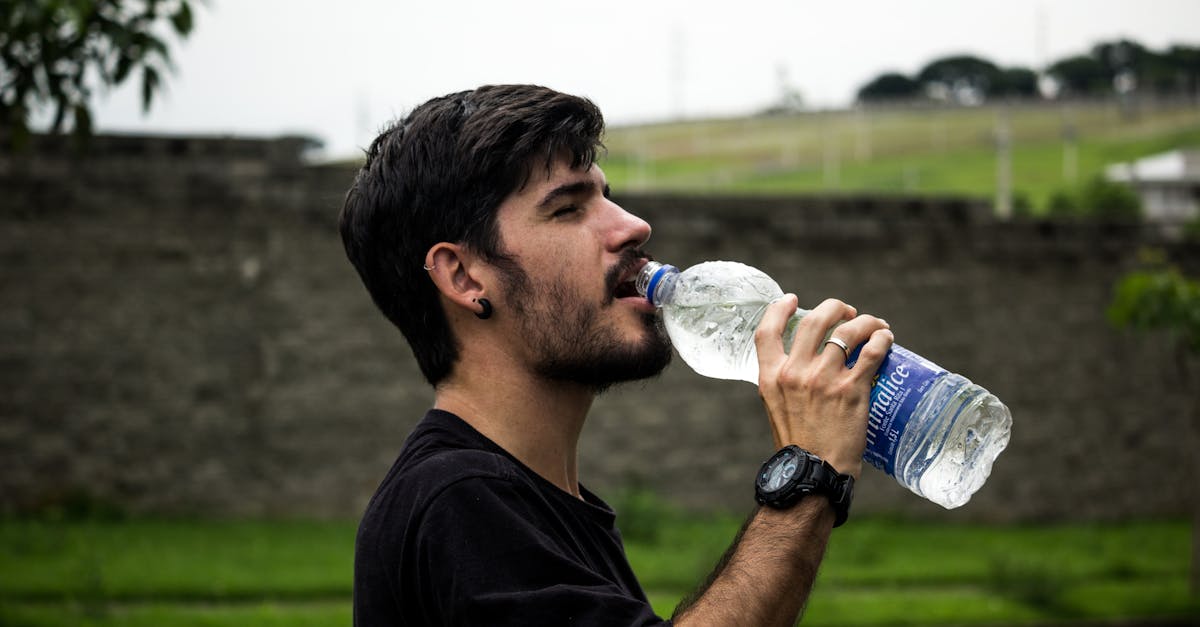
While hydration is critical, drinking excessive amounts of water can lead to a dangerous condition called hyponatremia. This occurs when the sodium levels in your blood become critically diluted, causing cells to swell. Dr. Joshua Scott, a primary care sports medicine specialist at Cedars-Sinai, warns that “drinking more than you need… almost certainly does not improve your workout” and can actually be fatal if it overwhelms the kidneys’ ability to filter fluid.
When your kidneys cannot flush out the excess water fast enough, the extra fluid ends up in your cells, including your brain cells. This can lead to confusion, seizures, and organ stress. The “8 glasses a day” rule is a guideline, not a minimum requirement for everyone; listen to your thirst rather than forcing fluids.
2. Daily Green Smoothies
Spinach and kale are superfoods, but consuming them in massive liquid quantities every day can overload your kidneys with oxalates. A study published in the American Journal of Kidney Diseases highlighted a case where a “green smoothie cleanse” caused acute oxalate nephropathy (kidney injury) in a patient.
Oxalates bind with calcium to form crystals, which can turn into painful kidney stones. If you have a history of kidney issues, rotating your greens and avoiding daily “mega-doses” of raw spinach is crucial to prevent silent kidney damage.
3. “Heart-Healthy” Red Wine

The myth that a glass of red wine is a health tonic is being dismantled by modern hepatology. Dr. Saurabh Sethi, a Harvard-trained gastroenterologist, warns that for the liver, “no amount of alcohol is safe.” While resveratrol has antioxidant properties, the alcohol content requires the liver to work overtime to filter toxins, leading to inflammation and fatty liver disease over time.
The World Health Organization (WHO) has stated that the cancer risks associated with alcohol often outweigh potential cardiovascular benefits. Relying on wine for heart health is a risky trade-off that can silently accelerate liver fibrosis.
4. Taking Herbal Supplements
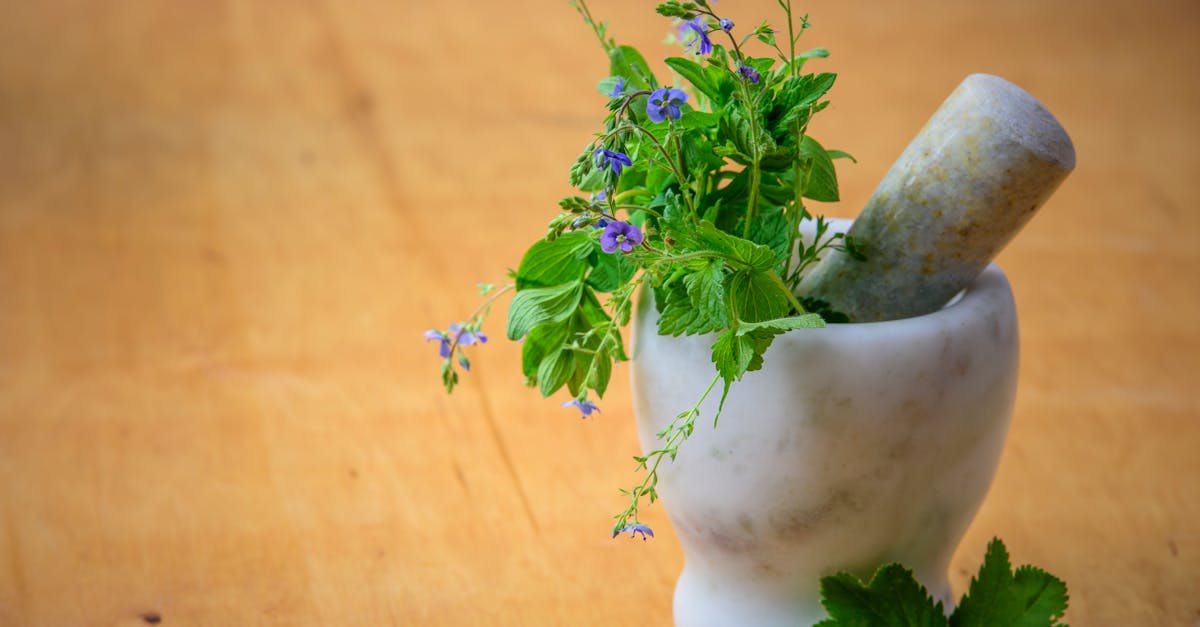
“Natural” does not mean safe. The Drug-Induced Liver Injury Network has reported a rise in liver damage cases linked to herbal supplements, particularly green tea extract and weight-loss boosters. A review by the American College of Gastroenterology noted that concentrated green tea extract can be hepatotoxic, leading to acute liver failure in rare cases.
Because supplements are not regulated as strictly as drugs, they can contain concentrated doses that your liver struggles to process. Dr. Robert Fontana of the University of Michigan highlights that many liver injuries are traced back to multi-ingredient nutritional supplements that consumers assumed were harmless.
5. Going Gluten-Free (Without Celiac Disease)
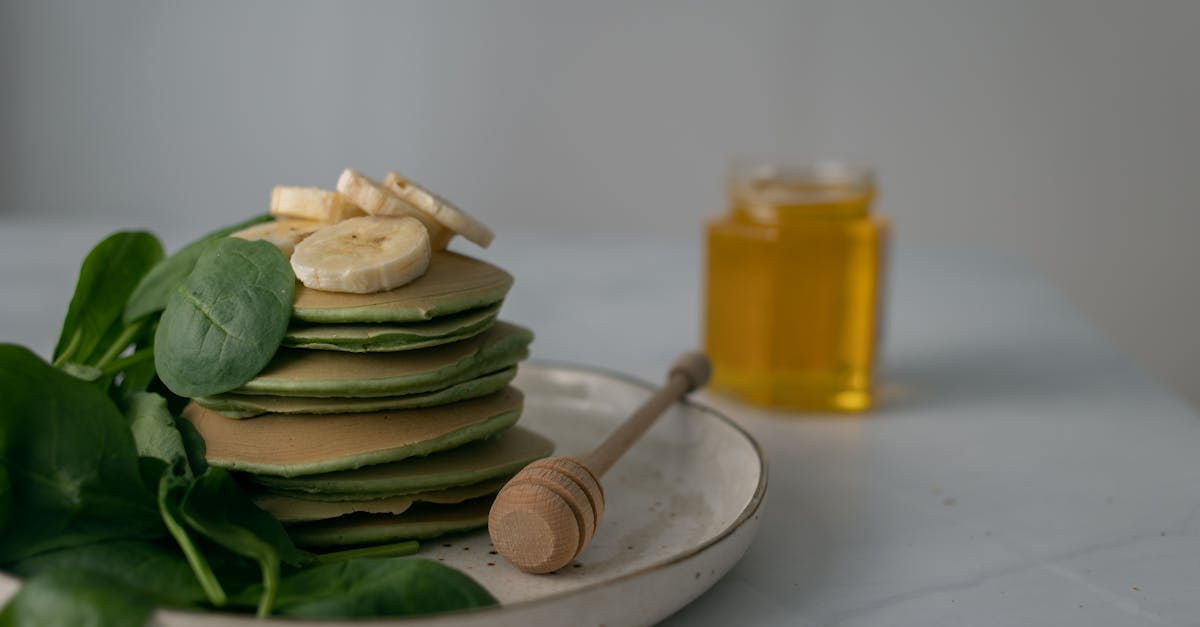
If you don’t have Celiac disease, swapping whole grains for processed gluten-free alternatives can expose you to higher levels of heavy metals. Research from Dartmouth College found that people on a gluten-free diet had elevated levels of arsenic and mercury in their urine, largely because rice (a known arsenic absorber) is the primary substitute in gluten-free flours.
Furthermore, gluten-free processed foods are often lower in fiber and higher in sugar and fats to improve texture. This can negatively impact your cardiovascular system and lead to nutrient deficiencies if not carefully managed with whole foods like quinoa or buckwheat instead of just rice flour.
6. Probiotic Overload

Taking high-dose probiotics to “heal your gut” can sometimes have the opposite effect. Dr. Satish Rao from Augusta University led a study linking probiotic use to “brain fog” and significant bloating. The study found that in some people, probiotics can cause bacteria to colonize the small intestine (SIBO) rather than the colon, producing D-lactic acid which is toxic to brain cells.
Instead of popping a daily pill, gastroenterologists often recommend fermented foods like sauerkraut or kefir. These provide a more balanced bacterial diversity without the risk of monoculture overgrowth that can disrupt your digestive organ function.
7. Drinking Scalding Hot Tea
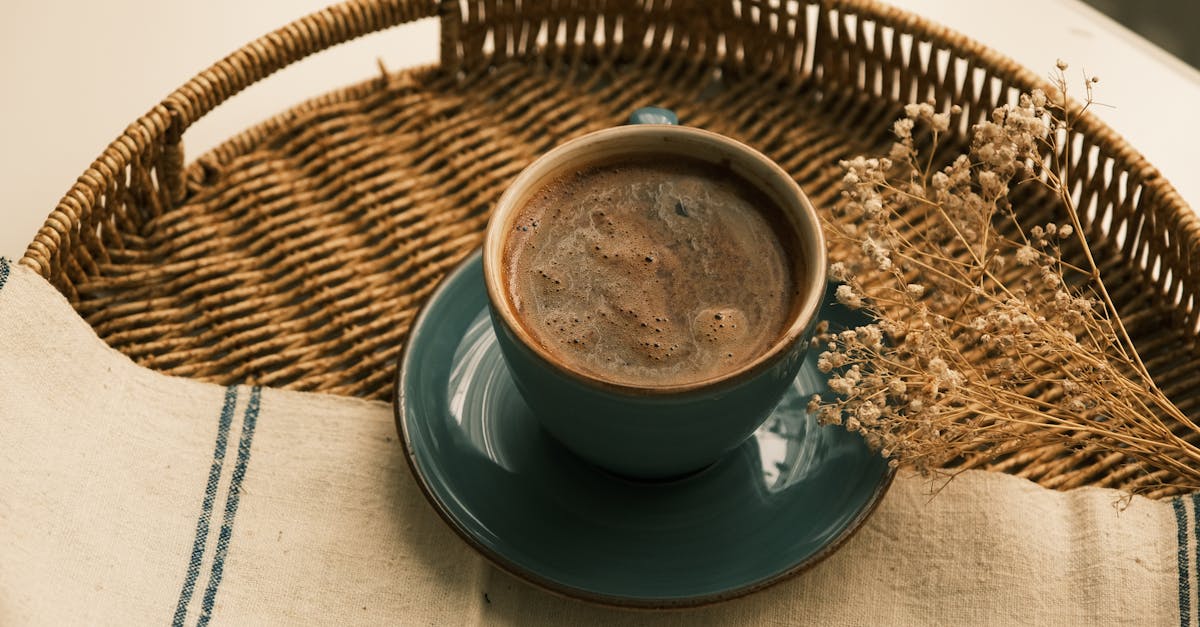
While tea is packed with antioxidants, the temperature matters. The International Agency for Research on Cancer (IARC), part of the WHO, has classified very hot beverages (above 149°F or 65°C) as a “probable carcinogen.” Regularly scalding your esophagus can cause thermal injury that may lead to esophageal cancer.
A study in the Annals of Internal Medicine confirmed that drinking “burning hot” tea is associated with a higher risk of esophageal squamous cell carcinoma. Let your tea cool down for a few minutes to protect the delicate lining of your esophagus.
8. Extreme High-Intensity Exercise (HIIT)

Pushing your body to the limit without rest can trigger rhabdomyolysis, a condition where damaged muscle tissue breaks down rapidly, releasing a protein called myoglobin into the bloodstream. This protein is toxic to the kidneys and can cause acute kidney failure.
The Cleveland Clinic reports that “rhabdo” is increasingly common among beginners who jump into intense CrossFit or spin classes too aggressively. Dark, tea-colored urine after a workout is a major red flag that your kidneys are struggling to filter muscle breakdown products.
9. Low-Fat Diets

Cutting out fat entirely was a 90s trend that persists, but your gallbladder suffers for it. When you don’t eat fat, your gallbladder doesn’t receive the signal to contract and release bile. This bile sits stagnant, becoming sludge that can eventually crystallize into gallstones.
According to Imperial College Healthcare, rapid weight loss combined with a very low-fat diet is a primary risk factor for gallstone formation. Healthy fats like olive oil and avocado are necessary to keep the biliary system flowing and healthy.
10. Preventive Use of NSAIDs
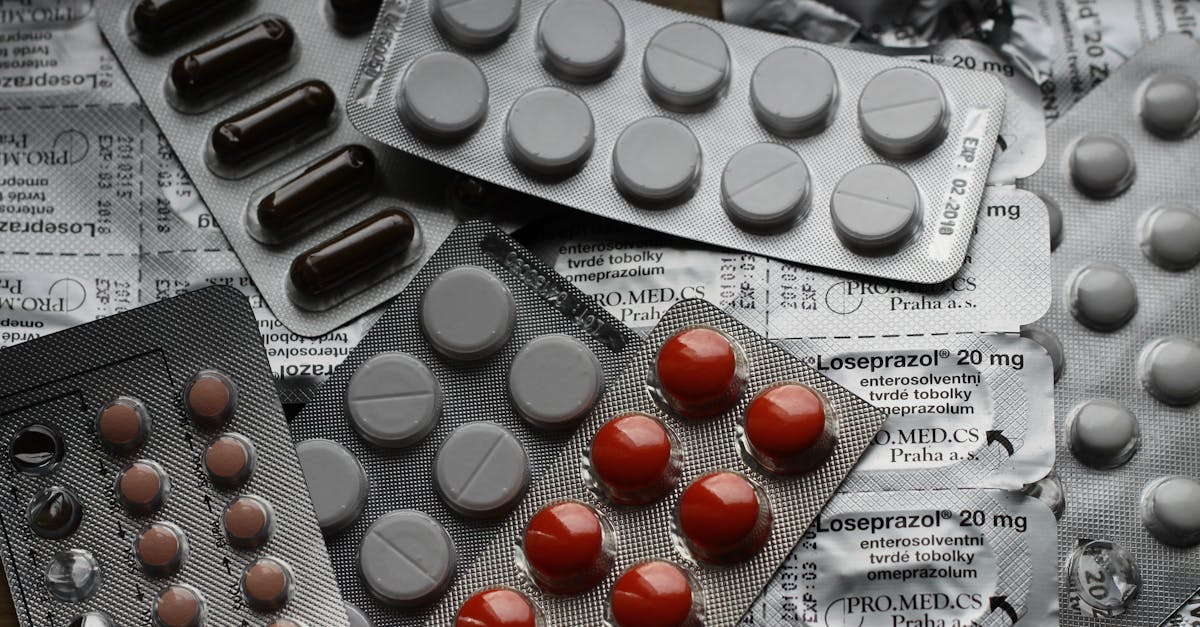
Some people take Ibuprofen or Naproxen before workouts or for minor aches “just in case.” However, chronic use of Non-Steroidal Anti-Inflammatory Drugs (NSAIDs) restricts blood flow to the kidneys and strips away the protective lining of the stomach.
The FDA has strengthened warnings that non-aspirin NSAIDs increase the chance of a heart attack or stroke and can lead to ulcers and kidney toxicity. Relying on these pills as a daily wellness habit poses a significant threat to your renal and digestive organs.
11. Megadosing Vitamin C

Vitamin C is water-soluble, leading many to believe you can’t overdose. However, your body metabolizes vitamin C into oxalate. A study in JAMA Internal Medicine found that men who took high doses of Vitamin C (1,000 mg or more) had a twofold increased risk of developing kidney stones.
While an orange or two is healthy, synthetic megadoses force the kidneys to filter and excrete high levels of acidic waste. This increases the burden on the kidneys and raises the likelihood of painful stone formation.
12. Colon Cleanses and Detox Teas
Products promising to “flush” your colon often contain harsh laxatives like senna. Using these regularly can lead to electrolyte imbalances and dehydration, which stresses the heart and kidneys. The Mayo Clinic advises against colon cleansing, noting it can increase the risk of bowel perforation and infection.
Your liver and kidneys are your body’s natural detoxifiers. Artificial cleanses can disrupt the natural microbiome and even cause the colon to lose its muscle tone, leading to long-term dependency on laxatives.
13. The Keto Diet (Long-Term)
The Keto diet is effective for weight loss, but “dirty keto” (high in bacon, butter, and processed meats) can overload the liver and increase LDL cholesterol. The American College of Cardiology has discussed how high-fat diets can lead to a spike in “bad” cholesterol, potentially increasing heart disease risk.
Furthermore, the liver must work harder to metabolize the high fat intake, which can exacerbate issues for those with underlying fatty liver disease. A balanced approach with plant-based fats is less stressful on your cardiovascular and hepatic systems.
14. Zero-Calorie Sweeteners
Switching to diet soda to save calories might harm your gut microbiome. Research indicates that non-nutritive sweeteners like saccharin and sucralose can alter the gut bacteria in a way that induces glucose intolerance, a precursor to diabetes.
A study by the Weizmann Institute of Science showed that these sweeteners could change the composition of gut bacteria, which plays a role in liver health and metabolism. The chemical stress on the liver to process these artificial compounds is another concern for long-term health.
15. Excessive Protein Intake
The “more protein is better” mentality is popular in gym culture, but it taxes the kidneys. The body produces ammonia when breaking down protein, which the liver turns into urea for the kidneys to excrete. For those with even mild, undiagnosed kidney reduction, high-protein diets can accelerate damage.
The National Kidney Foundation warns that excessive protein generates a high acid load, which the kidneys must buffer. Over time, this hyperfiltration can cause wear and tear on the delicate nephrons (filtering units) of the kidneys.
16. Totally Eliminating Salt
While high salt is bad, zero salt is also dangerous. Sodium is an essential electrolyte required for nerve and muscle function. Severe salt restriction can lead to hyponatremia and put stress on the heart by triggering the renin-angiotensin-aldosterone system, which can paradoxically raise blood pressure in some people.
A large-scale study published in The Lancet suggested that extremely low sodium intake was associated with an increased risk of cardiovascular events and death, just like extremely high intake. Balance is key for heart and kidney stability.
17. Holding Your Urine

Nurses, teachers, and truck drivers often hold their urine for hours, but this habit can damage the bladder and kidneys. Ignoring the urge to void can stretch the bladder muscle, leading to incomplete emptying and increased risk of urinary tract infections (UTIs).
The Urology Care Foundation warns that if urine backs up toward the kidneys (reflux), it can cause kidney infections and scarring. “Training” your bladder to hold more than it should is not a sign of health; it is a stressor on your urinary system.
18. Sunbathing for “Optimal” Vitamin D

Vitamin D is vital, but baking in the sun to get it damages the body’s largest organ: the skin. UV radiation causes DNA damage to skin cells, which accumulates over time. The American Academy of Dermatology states there is no “safe” way to tan.
The damage to the skin’s cellular structure increases the risk of melanoma, which can metastasize to internal organs. Dermatologists recommend getting Vitamin D from diet or supplements rather than prolonged UV exposure.
19. Excessive Fiber Consumption
Fiber is essential, but suddenly increasing intake to 50g+ a day (often via supplements or “fiber-fortified” snacks) can cause intestinal blockages and severe bloating. This mechanical stress can obstruct the bowel, leading to serious complications requiring surgery.
Duke Health experts note that adding too much fiber too quickly without enough water can turn the fiber into a cement-like substance in the intestines. This causes distress to the colon and interferes with the absorption of key minerals like iron and calcium.
20. Coconut Oil “Everything”
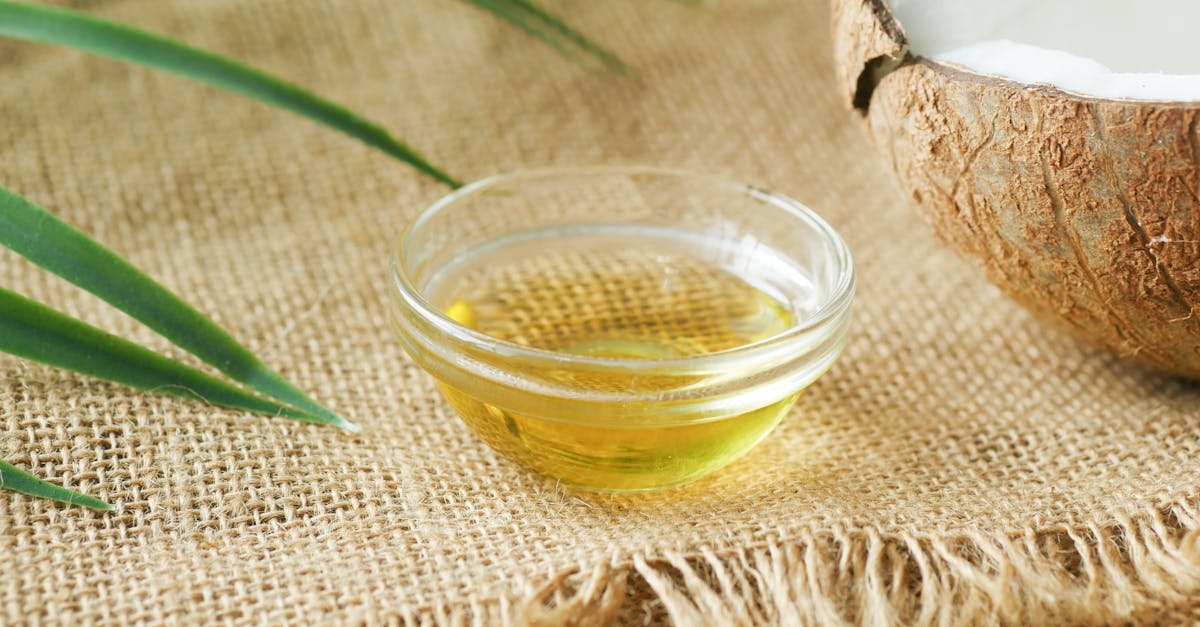
Coconut oil has been hailed as a miracle cure, but it is 80-90% saturated fat. The American Heart Association (AHA) issued an advisory against its unrestricted use, noting it raises LDL (bad) cholesterol levels, which can clog arteries and strain the heart.
While it may be fine in moderation, treating it as a “health food” to be added to coffee and smoothies in large amounts can contribute to atherosclerosis. The heart and vascular system generally prefer unsaturated fats found in olive oil and nuts.