When trying to shed pounds, dietary fat is usually one of the first things people rush to eliminate. Nutrition experts, however, warn that this approach can actually backfire, since healthy fats play a vital role in a well-rounded diet. Nutrition and fitness advisor Lacey Baier spoke about this common misconception in an interview with SheFinds, stressing that fat is not the true enemy of weight management. As she put it, “Contrary to popular belief, fats alone do not cause body fat accumulation — excess calories and poor food choices make the difference.” Baier added that incorporating the right kinds of fat can actually support hormone regulation, keep blood sugar stable, and help people feel satisfied for longer.
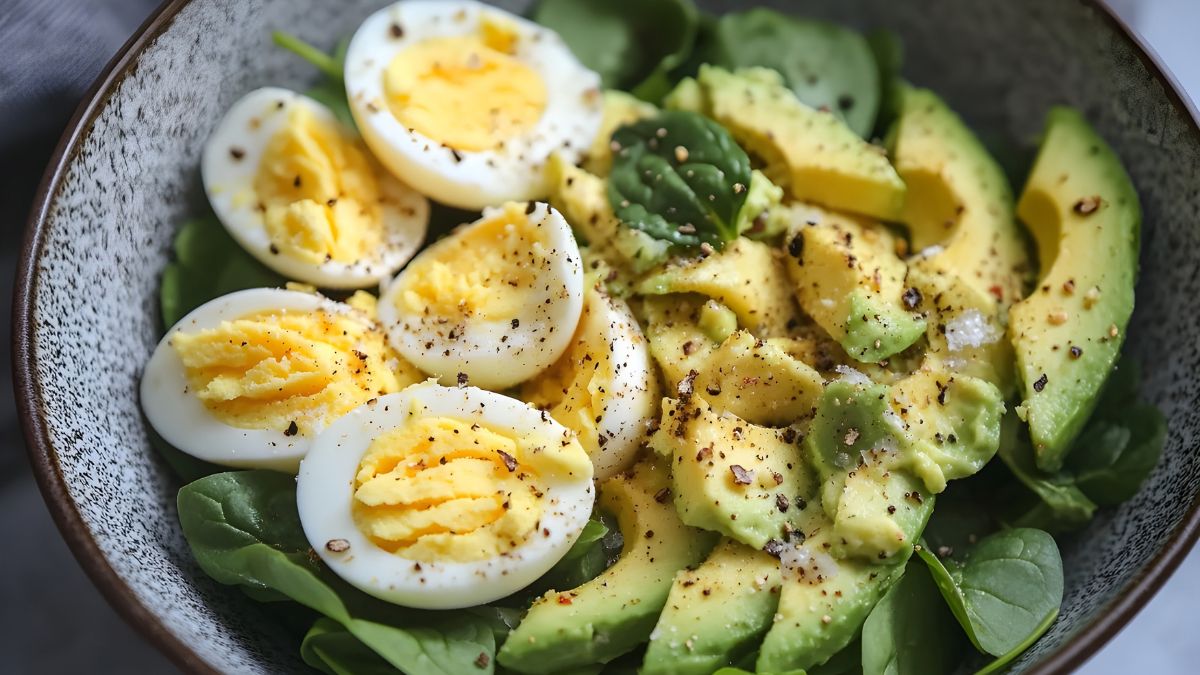
Avocado tops the list as one of the most effective fat-rich foods for those looking to slim down. It is loaded with monounsaturated fats and dietary fiber, a combination that works together to slow the digestive process. Baier explained that “fiber and fats together slow digestion and help you stay fuller longer, reducing the need for snacking later.” This more stable digestive pace can also prevent the sharp blood sugar spikes and crashes that often lead to unnecessary cravings. She recommends adding a quarter to half an avocado to whole grain toast, salads, or grain bowls for an easy daily boost.
Extra virgin olive oil is another powerhouse when it comes to weight-friendly fats, and it has long been a cornerstone of heart-healthy eating. It is packed with antioxidants and monounsaturated fats that support metabolic health, making it far more than just a cooking staple. According to Baier, olive oil “improves flavor and satiety, making whole foods more enjoyable and easier to incorporate into the diet long-term.” She suggests using about one tablespoon in homemade salad dressings or drizzling it over roasted vegetables. This small addition can make healthy eating more sustainable without requiring major lifestyle overhauls.
Chia seeds may be tiny, but their impact on fullness is anything but small. Rich in omega-3 fatty acids and fiber, these seeds have a unique ability to absorb liquid and expand significantly once consumed. Baier noted that chia seeds “absorb liquid and expand in the stomach, increasing feelings of fullness and supporting digestive health.” Because of this, they allow people to feel satisfied while taking in fewer total calories throughout the day. Stirring a tablespoon into oatmeal, yogurt, or a smoothie is one of the easiest ways to put them to work.
Fatty fish like salmon rounds out the omega-3 picture while also delivering a high-quality protein punch. Protein is especially important during weight loss because it helps preserve lean muscle mass, which in turn keeps the metabolism running efficiently. Baier explained that “proteins help preserve muscle mass during weight loss, while omega-3 fatty acids support metabolic balance and reduce inflammation.” She recommends eating fatty fish two to three times a week as a reliable strategy for maintaining a strong, fat-burning metabolism over time.
When it comes to snacking, whole nuts such as almonds, walnuts, and pistachios are among the best options available. They combine healthy fats, fiber, and plant-based protein in a compact, convenient package. Baier pointed out that “their crunchy texture and whole structure promote feelings of fullness and help prevent blood sugar drops that can trigger cravings.” A small handful makes a practical between-meal snack, though portion awareness is important since nuts are calorie-dense. Rounding out the list are whole eggs, which Baier champions for their combination of fat-soluble vitamins, antioxidants, and protein from both the yolk and the white. She noted that “the combination of protein and fats increases feelings of fullness and helps stabilize blood sugar, especially for breakfast,” making eggs one of the most effective ways to start the day on the right foot.
From a broader nutritional standpoint, dietary fats are classified into several categories including saturated, unsaturated, and trans fats. Monounsaturated and polyunsaturated fats, which include the omega-3 fatty acids found in chia seeds and fatty fish, are widely considered beneficial for cardiovascular and metabolic health. Omega-3 fatty acids specifically have been studied extensively for their anti-inflammatory properties and their role in supporting brain function. Extra virgin olive oil, a staple of the Mediterranean diet, is one of the most well-researched plant-based fat sources and has been associated with reduced risk of heart disease in multiple large-scale studies. The Mediterranean diet itself, which heavily features these types of foods, is consistently ranked among the healthiest dietary patterns in the world by nutritional researchers. Avocados are botanically classified as a fruit and are native to south-central Mexico, and their commercial popularity has exploded globally over the past two decades largely due to growing awareness of their nutritional profile.
If any of these fat-rich foods are already part of your routine or if you have a favorite way to include them in your meals, share your experience in the comments.