Not every dog is equally easy to work with, and nobody understands that better than someone who has spent years training thousands of animals. Will Atherton, a well-known dog trainer with a large following on TikTok, has worked with dogs and their owners across a wide range of breeds throughout his career. Drawing on that extensive hands-on experience, he recently put together a list of the three breeds he finds most challenging and draining to handle. His observations have sparked a great deal of conversation among dog lovers and professional trainers alike.
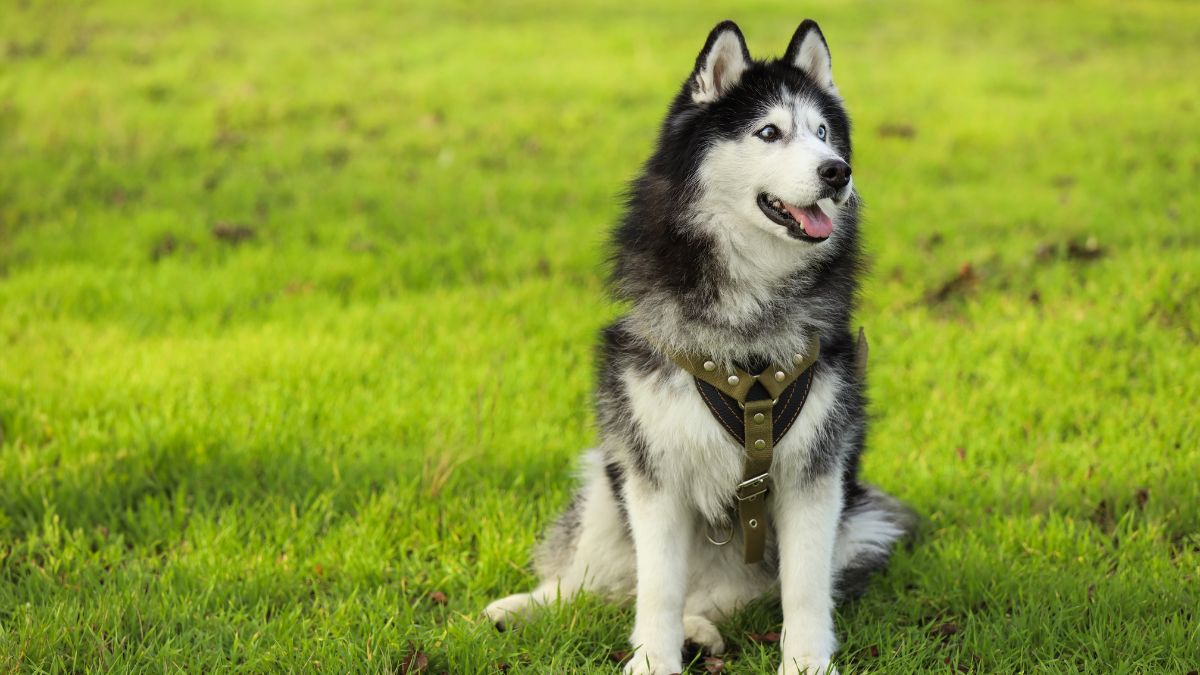
Topping Atherton’s list is the Siberian Husky, a breed he openly admits makes him uneasy the moment he sees one on his schedule. “I always sigh when I realize I’m going to be working with a Siberian Husky,” he shared, calling the experience both frustrating and remarkably demanding. According to him, these dogs operate on an entirely different wavelength than most other breeds. “In my experience, Siberian Huskies are almost like cats, they have almost no desire to please their owner. They know exactly what they want, and the only thing that matters to them is getting it, regardless of any commands,” he explained.
Part of the problem, Atherton believes, is a deep mismatch between what Huskies were bred to do and what most owners actually expect from them. These dogs were originally developed to run up to 31 miles a day while pulling heavy sleds through brutal winter conditions. “And then we bring them home and expect them to be perfectly happy with a 20-minute walk around the block,” he pointed out. That gap between their natural instincts and their daily domestic reality often shows up as destructive or vocal behavior. “They are incredibly dramatic, which makes them even harder and, honestly, more exhausting to work with. I would never choose to have a dog like that,” he concluded.
The second group Atherton identified as particularly problematic is the broad family of poodle mixes, commonly referred to as “-poo” breeds, which includes popular options like the Cockapoo and the Cavapoo. Interestingly, he does not place the blame on the dogs themselves when it comes to this category. “I think people who choose these breeds often make a critical mistake — they project human emotions and personalities onto their dogs, and that can lead to serious behavioral problems down the line,” he explained. In other words, the challenge with these breeds is frequently less about the animals and more about the unrealistic expectations their owners bring to the relationship.
Rounding out Atherton’s list is the Caucasian Shepherd, also commonly referred to as the Central Asian Shepherd, a breed he describes as extraordinarily demanding from a training standpoint. “Fortunately, they are very rare, so I’ve only had the chance to work with a handful of them,” he commented. Despite their relative rarity in most parts of the world, these dogs are widely regarded among professionals as one of the most formidable breeds a trainer can encounter, largely due to their fierce independence and powerful guarding instincts.
Understanding why certain breeds are harder to train comes down to breeding history. Dogs developed to work closely alongside humans, such as Border Collies or Labrador Retrievers, tend to be highly responsive to commands because cooperation was literally bred into them over many generations. Breeds developed for independent tasks, like sled pulling, livestock protection, or solo hunting, were instead selected for their ability to make decisions without human input, which naturally makes them less interested in taking direction.
Siberian Huskies were originally bred by the Chukchi people of northeastern Siberia, who relied on them as high-endurance working sled dogs capable of covering vast distances in extreme cold. They were introduced to Alaska in the early 1900s during the Nome Gold Rush era, where they quickly became celebrated in sled racing. Despite their wolf-like appearance, they are not considered an aggressive breed, but their stubbornness and boundless energy make them a genuinely poor fit for first-time or inexperienced dog owners.
Poodle mix breeds gained popularity largely because of the Poodle’s reputation for low shedding and being relatively hypoallergenic, making these crosses appealing to allergy sufferers. The Cockapoo, a cross between a Cocker Spaniel and a Poodle, is widely considered one of the first intentional designer dog breeds and traces its origins to the United States in the 1960s. While these dogs are generally affectionate and quite intelligent, their owners’ tendency to treat them as small people rather than dogs can create behavioral patterns that become increasingly difficult to correct with time.
The Caucasian Shepherd is one of the oldest and largest dog breeds in existence, historically developed in the Caucasus mountain region to guard livestock against wolves, bears, and other large predators. Males can weigh anywhere from 110 to well over 200 pounds, and the breed is known for its extraordinary territorial instincts and unwavering loyalty toward its family unit. Their sheer physical size combined with a deeply independent character makes professional training not just a recommendation but essentially a necessity for anyone seriously considering this breed as a pet.
If you have ever owned or trained one of these breeds and have a story to share, let us know your thoughts in the comments.