Dental health in dogs is one of the most frequently overlooked aspects of their overall well-being, even though it plays a critical role in keeping them healthy and comfortable. Just like in humans, untreated tooth and gum issues in dogs can lead to serious pain, bacterial infections, and complications affecting other parts of the body. Veterinarians have long warned that dental disease ranks among the most common health problems seen in dogs, particularly in adults and seniors. Catching the early warning signs is therefore essential for every dog owner.
One of the most recognizable early indicators is persistent bad breath. While a mild odor from a dog’s mouth is fairly normal, an especially strong and unpleasant smell is frequently a sign of tartar buildup, bacterial overgrowth, or developing gum disease. Bacteria accumulate on the teeth and form plaque, which gradually hardens into tartar and becomes a breeding ground for the kinds of microbes responsible for that foul odor. If your dog’s breath has suddenly taken a sharp turn for the worse, a dental checkup is likely overdue.
Changes in eating behavior can also be a telling signal that something is wrong. A dog that normally eats with enthusiasm may start avoiding food altogether, chewing only on one side, or eating much more slowly than usual. Some dogs will take a piece of food into their mouth and then drop it immediately, which is a fairly clear sign that chewing is causing them pain. Refusing hard treats or kibble that they previously loved is another red flag worth paying attention to.
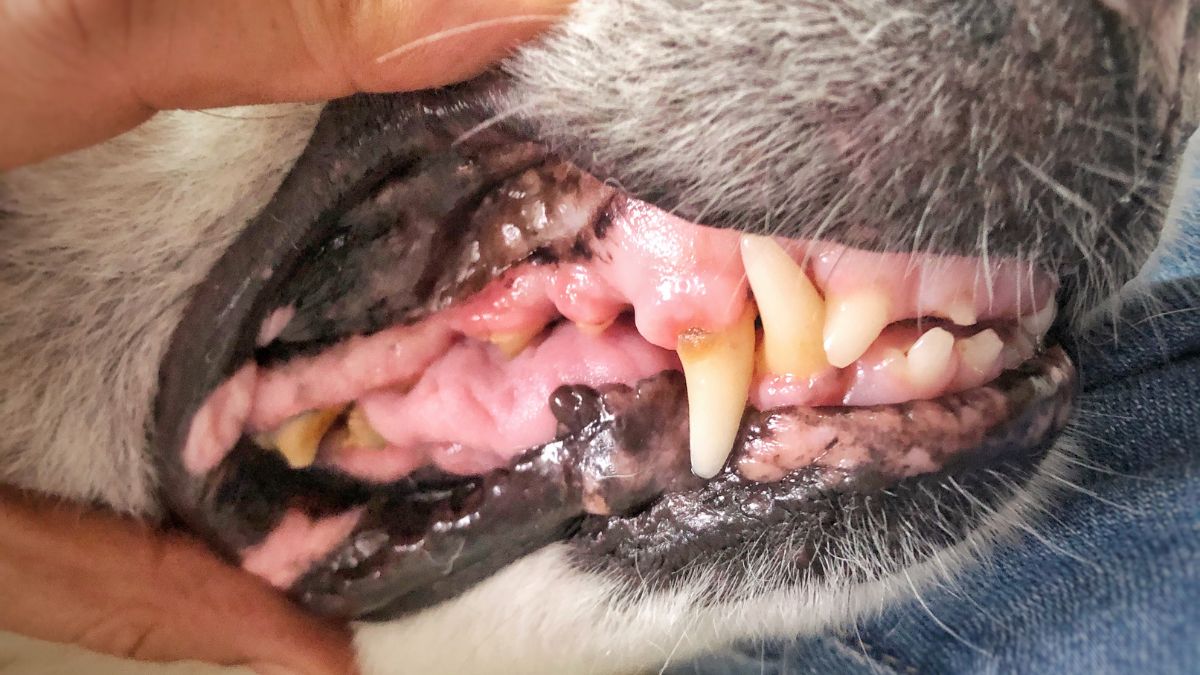
Red, swollen, or bleeding gums are among the more visible symptoms dog owners can spot at home. Gum inflammation, known as gingivitis, is typically one of the earliest stages of dental disease in dogs and is a direct result of plaque irritating the gum tissue. If left untreated, gingivitis can progress into periodontitis, a more serious condition that damages the soft tissue and bone supporting the teeth. In advanced cases, this can lead to loose or lost teeth, which significantly affects a dog’s quality of life and ability to eat comfortably.
Excessive drooling is another symptom that shouldn’t be dismissed. Dogs suffering from tooth pain or an oral infection often produce more saliva than usual, and sometimes a trace of blood can be noticed in that drool. Alongside this, a dog in oral discomfort may repeatedly paw at their mouth or rub their snout along the floor or furniture in an attempt to find relief. Yellowish or brownish deposits visible on the teeth are also a clear indicator of tartar buildup, and in more advanced situations, visibly cracked or wobbly teeth may appear along with receding gums that make the teeth look longer than they should.
What many owners don’t realize is that dental disease doesn’t stay confined to the mouth. Bacteria from oral infections can enter the bloodstream and travel to other vital organs, potentially raising the risk of complications involving the heart, liver, or kidneys. This is why veterinary professionals consistently recommend regular dental exams, proper oral hygiene routines at home, and professional tartar removal when necessary. If any of the above signs appear, seeking veterinary advice sooner rather than later can prevent the problem from escalating into something far more serious.
It is worth knowing that periodontal disease is considered the most widespread clinical condition in adult dogs, with studies estimating that the vast majority of dogs over the age of three already show some degree of gum disease. The condition develops in stages, beginning with plaque accumulation and progressing through gingivitis before potentially advancing to full periodontitis. Smaller breeds and brachycephalic dogs, such as bulldogs and pugs, tend to be especially prone to dental issues due to their teeth being more crowded together. At-home dental care, including brushing with dog-safe toothpaste, dental chews approved by veterinary organizations, and water additives, can all help slow plaque development between professional cleanings. Annual veterinary dental check-ups are generally recommended as a baseline standard of care, with some dogs requiring more frequent attention depending on their breed, age, and overall oral health history.
If you have noticed any of these signs in your own dog or have tips on keeping your pet’s teeth healthy, share your experience and thoughts in the comments.