Onion is one of the most widely used ingredients across virtually every cuisine on the planet, yet most people treat it as a single, interchangeable ingredient. The truth is that different types of onions vary significantly in flavor, texture, and ideal cooking application, and reaching for the wrong one can genuinely affect the outcome of a dish. Some varieties are too sharp to eat raw, while others lose their distinct character when exposed to prolonged heat. Understanding these differences is a simple upgrade that pays off every single time you cook.
Yellow onion is the most common variety found in American kitchens and grocery stores, and for good reason. When cooked or sautéed, it develops a sweet, deeply savory quality that forms the backbone of countless recipes. It is the go-to choice for soups, stews, and roasted dishes precisely because it releases natural sugars and umami notes during long cooking times. A beef stew, a tomato-based pasta sauce, or a French boeuf bourguignon would simply taste flat without it. Because yellow onions are also shelf-stable for several weeks when kept in a cool, dry, and dark spot, they are a practical everyday staple.
One of the most rewarding ways to use yellow onion is through caramelization, a slow process that draws out its natural sweetness over low heat. This technique is the foundation of French onion soup, but it also transforms pizzas, burgers, and quiches. The process typically takes 30 to 45 minutes on low heat and cannot be rushed without sacrificing the silky texture and deep golden color. For slow-cooked meat dishes and ragù sauces, yellow onion creates a rich aromatic base that gives the entire dish its body and complexity.
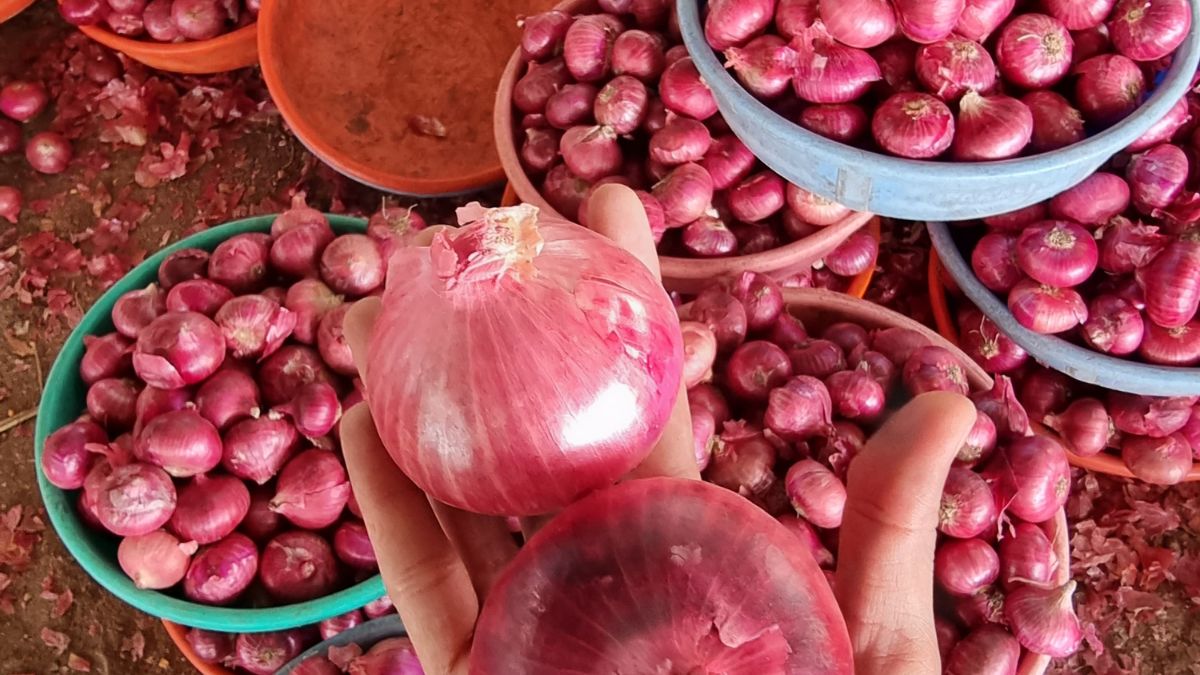
Red onion has a more assertive, slightly sharper flavor than yellow onion, which makes it better suited to raw preparations where it can truly shine. Salads, fresh salsas, sandwiches, and guacamole all benefit from its bold taste and striking purple color. When used in quick-pickled preparations, red onion holds its vibrant hue and crunchy texture exceptionally well, making it a popular garnish for tacos and grain bowls. While it can be cooked, its strong flavor tends to dominate other ingredients in a dish, so it works best when balanced or used in smaller quantities in hot applications.
Shallots, sometimes called echalions, are a smaller and noticeably milder variety with a subtle hint of garlic underneath their onion flavor. They are a staple of French cuisine and are especially prized in refined sauces and vinaigrettes where a delicate allium presence is needed without any harshness. Dishes like omelets, soufflés, and pan sauces for fish or chicken call for shallots because a standard onion would overpower the other flavors. They can also be thinly sliced and used raw in salads when a gentler onion note is preferred.
Green onions, also known as scallions, are harvested before the bulb fully develops and are used almost entirely for their freshness. Their mild, grassy flavor makes them ideal as a finishing ingredient sprinkled over soups, stir-fries, rice dishes, and noodle bowls right before serving. Adding them at the end of cooking preserves their bright green color and delicate taste. They are equally at home as a garnish on a creamy potato soup as they are folded into a wok dish at the last moment to keep things lively and fresh.
Choosing the right onion for a recipe is one of those small decisions that separates competent cooking from truly great cooking. Yellow onion dominates in cooked applications where depth and sweetness are needed, red onion brings bold character to raw and pickled preparations, shallots lend sophistication to sauces and fine dishes, and green onions add brightness wherever a dish needs a finishing touch. Keeping all four varieties on hand gives any home cook a meaningful range of flavor tools at their disposal.
From a broader food science perspective, all culinary onions belong to the Allium genus, the same plant family that includes garlic, leeks, and chives. The distinctive pungency that onions release when cut comes from sulfur compounds that form when the cell walls are broken, and these same compounds transform into sweeter molecules during cooking through a process called the Maillard reaction. Onions have been cultivated for over 5,000 years and appear in ancient Egyptian, Greek, and Roman culinary and medicinal records. They are also nutritionally notable, as they contain antioxidants like quercetin and have been studied for their potential anti-inflammatory properties. Globally, onions rank among the top three most produced vegetables, alongside tomatoes and cabbage, with China, India, and the United States being the largest producers.
If you have a favorite way to use a particular type of onion in your cooking, or a dish where swapping varieties made a real difference, share your experience in the comments.