The smart home industry has constructed one of the most successful marketing narratives of the past decade around the twin promises of convenience and security while simultaneously building the most comprehensive private surveillance infrastructure in human history directly into the domestic spaces where people are most psychologically unguarded. Every device that listens for a wake word, monitors energy consumption, tracks movement through a room, or connects a household appliance to a remote server is generating, transmitting, and storing data in ways that the setup wizard and the privacy policy summary card in the box have no meaningful interest in communicating clearly. Tech companies that produce smart home ecosystems operate within a regulatory environment that has consistently lagged behind the pace of product development and that has allowed the normalization of data collection practices that would be considered extraordinary violations of privacy if they were conducted by any other entity in any other context. The convenience premium that smart home devices deliver is real and in many cases genuinely valuable but it is paid for with a currency that most households have never been asked to consciously evaluate. These are 25 hidden dangers lurking in your smart home devices that the companies selling them have every commercial incentive to downplay.
Always-On Microphones
Smart speakers and voice-activated devices maintain continuous audio monitoring of the domestic environment in order to detect their wake words and the technical boundary between passive listening and active recording is far less clearly defined in practice than manufacturers represent in their marketing materials. Accidental activations triggered by words that phonetically resemble wake words result in audio clips being recorded, transmitted to company servers, and in many documented cases reviewed by human contractors employed to evaluate and improve voice recognition accuracy. The household conversations captured during accidental activations include medical discussions, financial exchanges, intimate disagreements, and interactions involving children and these recordings exist on company servers in formats and for durations that the average consumer has no visibility into. The cumulative audio environment of a home occupied by multiple voice-activated devices represents a surveillance density that has no historical precedent in private domestic life and that was introduced through a product category marketed almost exclusively on the basis of its convenience features.
Data Broker Sales
The data generated by smart home devices including usage patterns, consumption habits, occupancy signals, device interaction logs, and behavioral routines is sold, licensed, and shared with third-party data brokers through the terms of service agreements that users accept during device setup without reading. Data brokers aggregate this information with data from other sources including purchase histories, location data from smartphones, social media behavior, and financial records to construct detailed behavioral profiles that are sold to insurers, employers, marketers, financial institutions, and government agencies without the knowledge or specific consent of the household whose data forms the foundation of the profile. The insurance industry has shown particular interest in smart home data as a source of behavioral underwriting information and several insurers have developed programs that use device data to assess risk profiles in ways that affect premium pricing without the policyholder understanding the basis for the assessment. The commercial ecosystem that smart home data feeds is vast, opaque, and almost entirely invisible to the consumers whose domestic behavior constitutes its primary raw material.
Firmware Vulnerabilities
Smart home devices receive firmware updates that are designed and distributed by manufacturers but that are delivered over networks the consumer controls and through update mechanisms that are inconsistently secured against interception and manipulation by malicious third parties. A firmware update delivered through an insecure channel to a device with insufficient authentication mechanisms can be intercepted and replaced with malicious code that converts a household device into a surveillance tool, a network intrusion point, or a component of a botnet without any visible indication of compromise. Many smart home devices are manufactured with update cycles that end well before the device’s useful physical life concludes and a device that no longer receives firmware updates becomes progressively more vulnerable to exploits that were identified and patched in newer versions but remain present in the abandoned hardware. The device that continues to function perfectly as a thermostat or a doorbell camera may be operating as a compromised network node for months or years after its security support was quietly discontinued.
Network Bridging
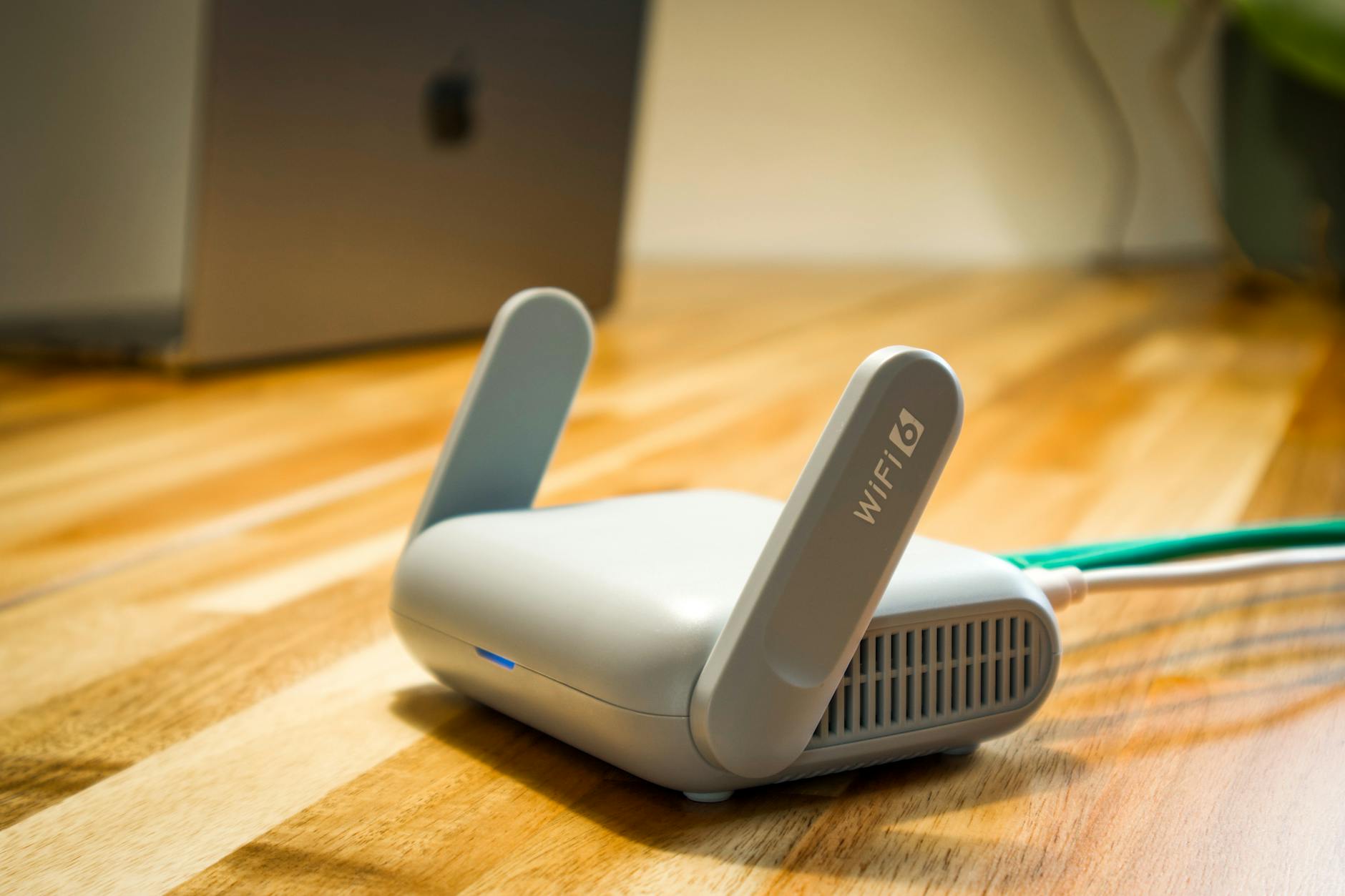
Smart home devices connected to a home network create potential bridging pathways between the consumer-facing network and other connected devices including computers containing sensitive personal and financial information, network-attached storage devices, and other endpoints that the household has never considered as being connected to their smart bulb or their connected coffee maker. Security researchers have demonstrated in multiple documented cases that compromising a low-security smart home device provides a viable entry point into the broader home network and from that position into devices with access to financial accounts, personal files, work documents, and other sensitive information. The network architecture of a typical smart home is not designed with security segmentation as a primary consideration and the default configuration of most consumer routers does not isolate smart home devices from other network traffic in ways that would contain the consequences of a device compromise. The security of the home network is only as strong as its least secured connected device and manufacturers of low-cost smart home hardware have demonstrated consistent willingness to deprioritize security in favor of price competitiveness.
Child Monitoring Risks
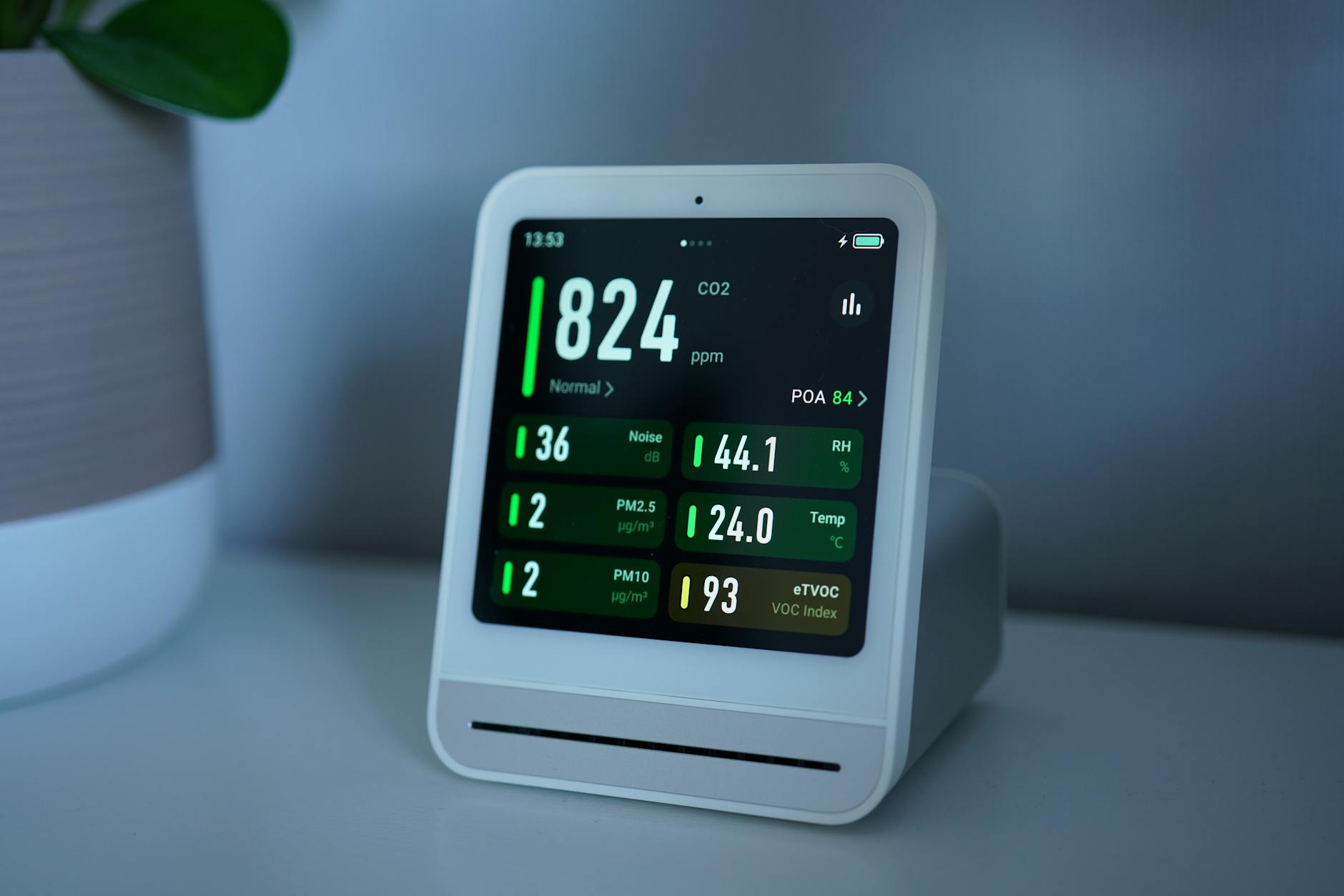
Smart home devices positioned as child safety and monitoring tools including baby monitors, nursery cameras, children’s room sensors, and kid-targeted smart speakers collect and transmit data about minors who have no legal capacity to consent to surveillance and whose data is governed by regulatory frameworks that the industry has shown consistent creativity in circumventing. Security vulnerabilities in baby monitors and nursery cameras are among the most frequently documented categories of smart home device compromise and the cases in which strangers have gained remote access to nursery camera feeds and used the audio capability to speak to children in their bedrooms represent some of the most disturbing documented consequences of smart home security failures. The data collected by child-targeted smart devices including voice recordings of children, behavioral patterns, sleep data, and room occupancy information is subject to the same commercial data practices as adult device data but with additional legal and ethical dimensions that manufacturers routinely minimize in their product communications. Regulatory enforcement of children’s privacy law in the smart device category has been inconsistent and the gap between legal requirement and industry practice in this area remains significant.
Insurance Implications
Smart home device data including energy consumption patterns, occupancy signals, security system interactions, water usage monitoring, and appliance usage logs is being actively sought and in some cases already accessed by insurance companies as behavioral underwriting data that affects coverage decisions and premium calculations in ways that policyholders are not informed about at the point of purchase. A household that installs smart home devices believing they are improving their home management is simultaneously generating a continuous behavioral record that may eventually be used to assess their insurability, calculate their risk profile, or investigate claims in ways that disadvantage them relative to the representations made at the time of policy purchase. The terms under which insurers can access or purchase smart home device data vary by jurisdiction and policy but the commercial incentive for insurers to seek this data is substantial and growing as the volume and behavioral richness of smart home data increases. Consumers who accept smart home device terms of service without understanding the data sharing permissions they contain may be unknowingly creating behavioral documentation that their insurer can access in circumstances they have not anticipated.
Electromagnetic Emissions
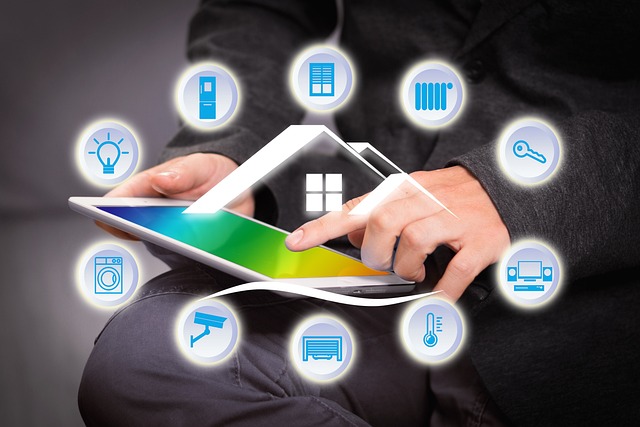
The continuous electromagnetic emissions produced by dense clusters of smart home devices operating across WiFi, Bluetooth, Zigbee, and Z-Wave frequencies in a domestic environment represent a form of chronic low-level exposure that has received substantially less independent research attention than the scale of smart home adoption would warrant. Regulatory exposure limits for electromagnetic radiation from consumer devices were established under testing conditions that do not reflect the cumulative exposure produced by operating dozens of connected devices simultaneously in the confined spaces where people sleep, eat, and spend extended periods. The research on long-term health effects of chronic low-level electromagnetic exposure from consumer devices is genuinely contested and incomplete but the appropriate response to scientific uncertainty about a pervasive environmental exposure is precautionary assessment rather than the commercial dismissal that characterizes most manufacturer communication on the subject. Households with children, pregnant women, and individuals with electromagnetic sensitivity have particular reason to seek independent information rather than relying on the exposure assessments that device manufacturers have an obvious financial interest in minimizing.
Voice Print Collection
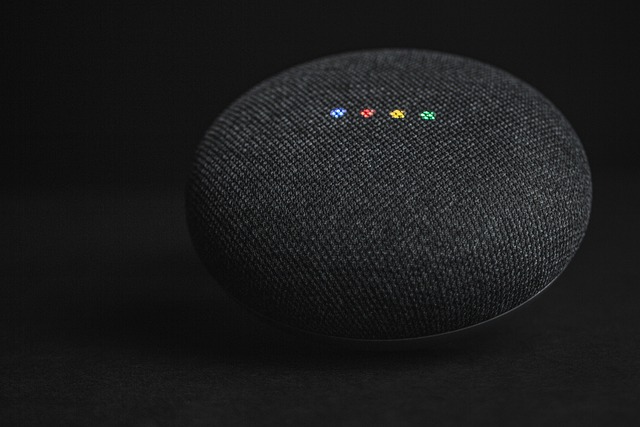
Every interaction with a voice-activated smart home device contributes to the construction of a voice biometric profile that is stored on company servers and that constitutes one of the most personally identifying data types that exists because voice patterns are as individually distinctive as fingerprints and significantly more difficult to change if compromised. The voice biometric data accumulated through years of smart speaker interaction is not merely a record of what was said but a continuously refined model of the speaker’s vocal characteristics that can be used for identity verification, emotional state detection, health condition inference, and authentication purposes in ways that were not disclosed at the time the device was purchased and set up. Voice biometric profiles associated with household members including children are commercially valuable assets that exist on corporate servers subject to the data retention policies, breach vulnerabilities, government access requests, and corporate ownership changes that affect all data held by technology companies. The individual who uses a voice-activated device for several years without incident has nonetheless contributed years of voice biometric data to a corporate asset over whose future use they have no meaningful control.
Third Party Integrations
The smart home ecosystem model depends commercially on the integration of devices from multiple manufacturers through shared platforms and APIs and each integration point represents an expansion of the data access permissions that any single device or platform possesses. When a smart home platform integrates with a third-party application, service, or device category the data sharing that enables the integration typically extends significantly beyond what is necessary for the functional purpose the integration serves. A smart home user who authorizes an integration between their energy monitoring system and a home automation application may be simultaneously granting that application access to occupancy data, device usage patterns, and behavioral routines that are not related to the energy management function they intended to enable. The permission architecture of smart home platform integrations is designed for functionality rather than privacy and the cumulative data access that a fully integrated smart home system grants to the constellation of third parties involved far exceeds what any individual device’s privacy disclosure communicates.
Rental Property Issues
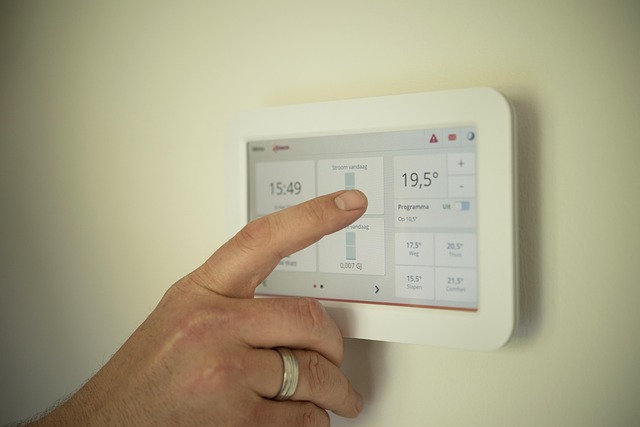
Smart home devices installed by landlords in rental properties create surveillance environments for tenants who have no meaningful ability to audit, disable, or verify the data collection activities of devices they did not choose, whose configurations they cannot access, and whose data transmission they cannot monitor. The legal framework governing landlord installation of smart home devices in rental properties is inconsistently developed across jurisdictions and in many places lags so far behind the technological reality that tenants occupy connected surveillance environments with no clear legal recourse and no disclosure requirements that landlords must satisfy. Short-term rental properties are particularly concerning because smart home devices installed for legitimate operational purposes including entry management, noise monitoring, and utility tracking may be configured to collect data about guests at a level of detail that the platform booking terms do not adequately communicate. The occupant of a smart home environment who did not select the devices, configure the settings, or consent to the data practices has a fundamentally different privacy situation than a homeowner who made those choices and the legal system’s response to this distinction remains dangerously underdeveloped.
Divorce Proceedings
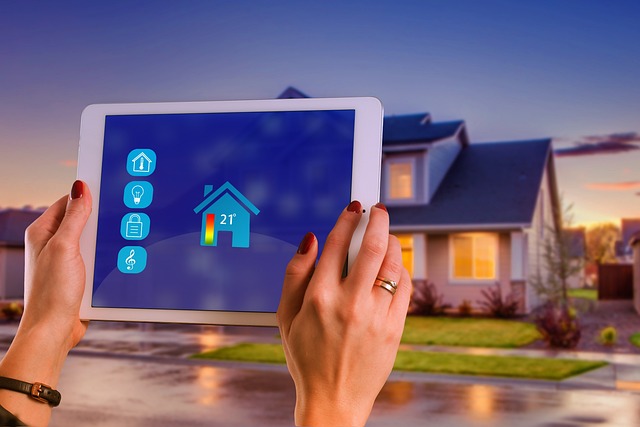
Smart home device data including detailed logs of household occupancy, movement patterns, communication records, device interaction histories, and behavioral routines has begun appearing in divorce and custody proceedings as evidence that one party obtains from shared devices or from accounts to which they retain access after separation. The detailed behavioral record generated by a smart home system can be used to contradict testimony about whereabouts, establish patterns of behavior, document the presence or absence of third parties in the home, and provide grounds for allegations that would otherwise rest entirely on contested personal testimony. A spouse who installs or retains administrative access to smart home devices in a shared residence can access a level of behavioral surveillance of their partner that would constitute illegal wiretapping if conducted through conventional means but that exists in a legal grey area when conducted through legitimately installed consumer devices. The evidentiary and surveillance implications of smart home devices in the context of relationship dissolution are almost entirely absent from the marketing communications and setup materials that accompany these products.
Resale Data Persistence

Smart home devices that are sold, donated, or discarded without thorough factory resetting retain stored credentials, network configurations, usage histories, automation routines, and in some cases cached audio clips and camera footage that are accessible to the subsequent owner with minimal technical effort. The factory reset procedures for many smart home devices are inadequately documented, inconsistently effective, and in some cases technically incapable of removing all stored data from device memory in formats that cannot be recovered through basic forensic techniques. A smart doorbell camera resold through a secondhand marketplace may contain months of video footage of the previous owner’s household members, visitors, delivery schedules, and daily routines in a format that the new owner can access without any authentication beyond physical possession of the device. The data persistence problem in smart home device resale is a documented and widespread vulnerability that manufacturers have addressed inadequately because the solution requires investment in device architecture that does not benefit the manufacturer’s commercial interests.
Government Access
Smart home device data held on company servers is accessible to government agencies through legal process including court orders, warrants, national security letters, and in some jurisdictions administrative subpoenas that do not require judicial oversight and that may be accompanied by non-disclosure requirements preventing the company from informing the user that their data has been accessed. Law enforcement agencies in multiple countries have successfully obtained smart speaker recordings, camera footage, smart meter data, and device usage logs from technology companies in the course of criminal investigations and the legal frameworks governing these requests are significantly less protective of consumer privacy than most users assume. The domestic environment that smart home devices monitor has historically enjoyed the strongest privacy protections in legal tradition and the normalization of connected devices in the home has created a data collection infrastructure that substantially weakens those protections by placing domestically generated information on corporate servers subject to entirely different legal access standards. A household that would never consent to the installation of government monitoring equipment has in many cases voluntarily installed its functional equivalent in the form of a commercially operated smart home ecosystem.
Behavioral Profiling
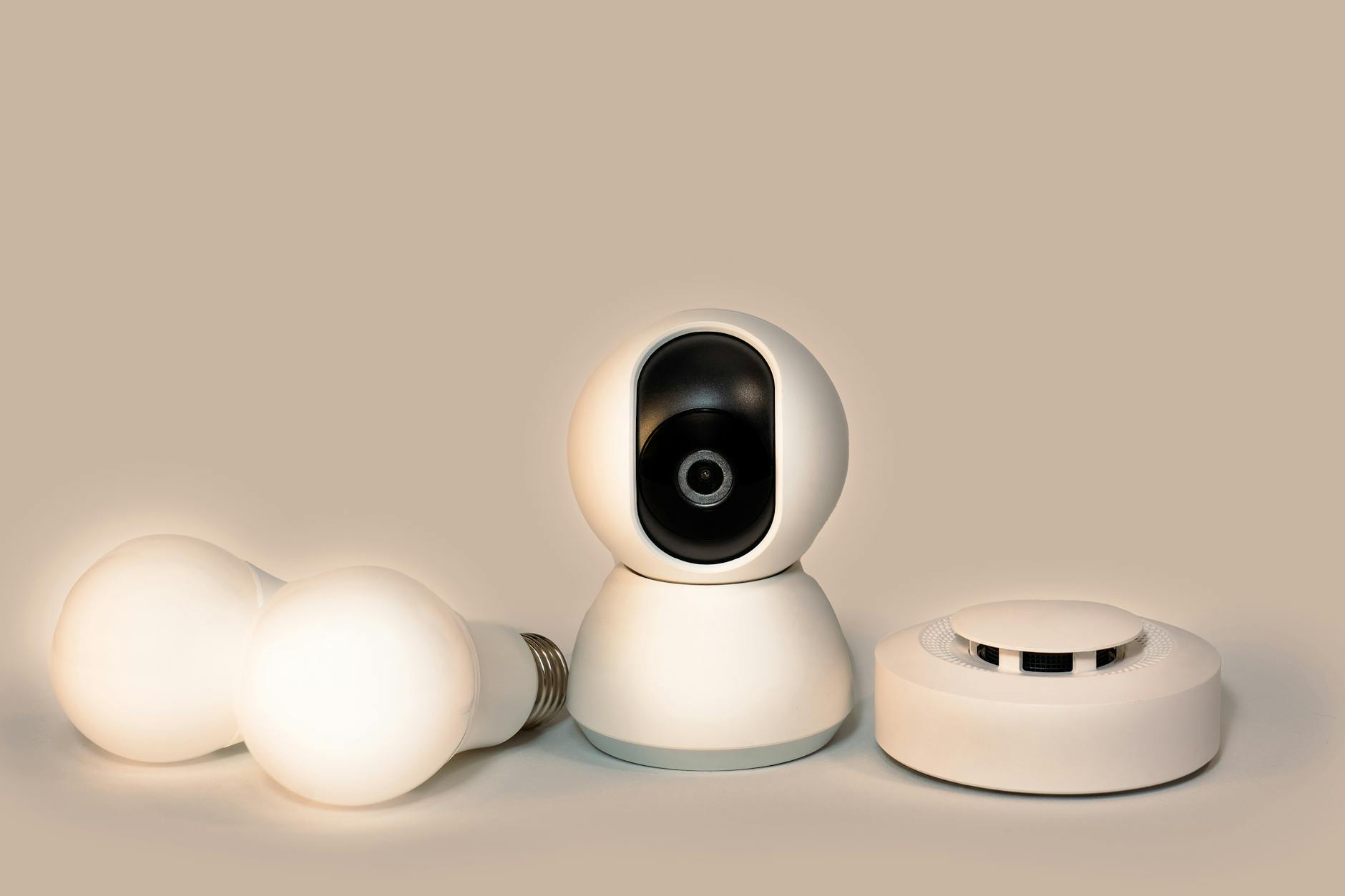
The combination of data streams from multiple smart home devices creates behavioral profiles of extraordinary granularity that reveal sleep patterns, dietary habits, relationship dynamics, health conditions, financial behaviors, social patterns, and psychological states with a reliability and depth that no single data source could approach. An energy monitoring system combined with a smart refrigerator, a connected coffee maker, a fitness tracker integrated with home automation, and a smart television viewing log produces a composite behavioral portrait that is more revealing than most people’s medical records and more predictive than most psychological assessments. This composite behavioral profile is the commercially valuable asset that the smart home ecosystem is designed to generate and the convenience features that consumer marketing emphasizes are the delivery mechanism through which households are induced to contribute to its construction. The companies that hold these profiles have developed their most sophisticated capabilities around extracting commercial value from behavioral prediction and the household that generates the profile is the last entity in the ecosystem to understand what has been built from their domestic data.
Smart TV Surveillance

Smart televisions conduct automatic content recognition by continuously analyzing fragments of whatever is displayed on screen and comparing them against reference databases to identify the content being watched with a precision that extends beyond platform-provided streaming to include cable broadcasts, gaming content, and material played from external devices. This content monitoring capability operates across the entire display output of the television regardless of which input source is active and the viewing behavior data it generates is sold to advertising networks, content companies, political research organizations, and other commercial entities through data broker relationships that are disclosed in privacy policies that manufacturers have no expectation consumers will read. The microphones built into smart televisions for voice control functions are subject to the same accidental activation vulnerabilities as dedicated smart speakers but occupy a position in the home that most households associate with entertainment rather than with surveillance and therefore apply less behavioral caution around. Several manufacturers have been subject to regulatory enforcement actions for undisclosed viewing surveillance practices and have paid settlements that represent a negligible fraction of the commercial value derived from the data collection they were penalized for conducting.
Router Vulnerabilities
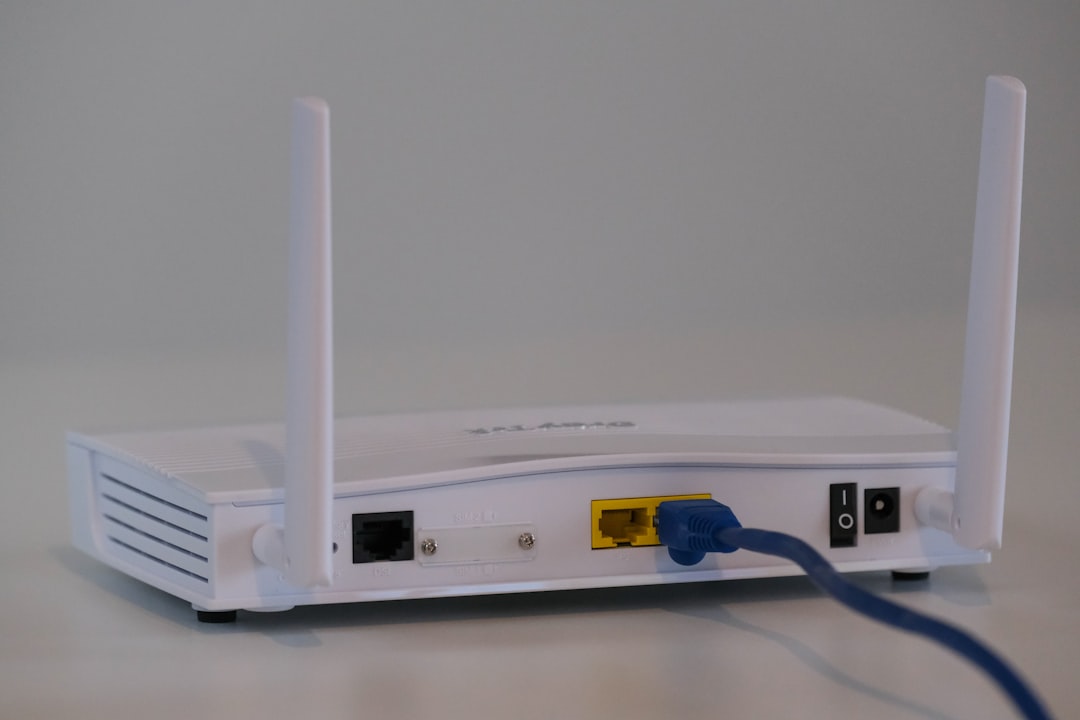
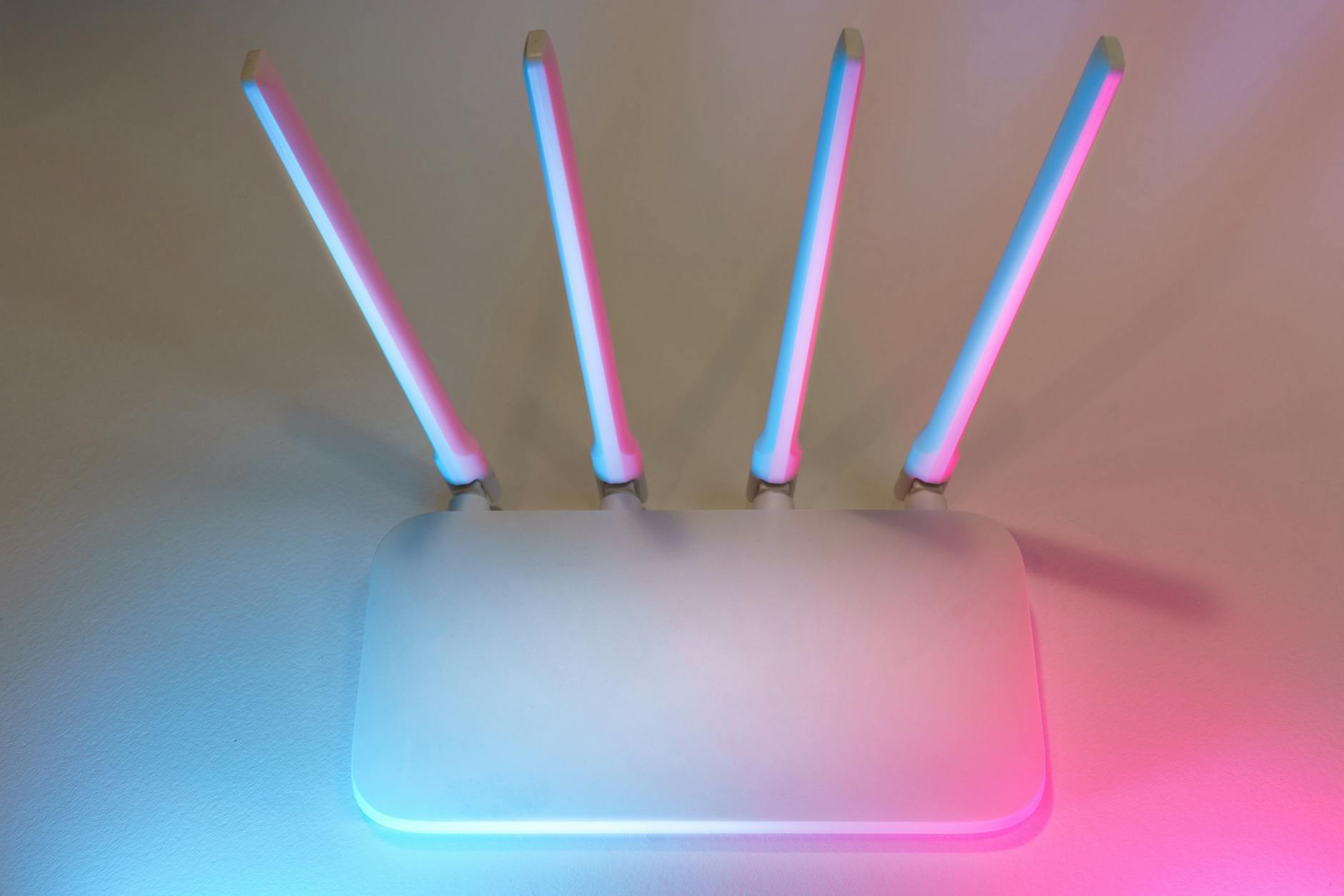
Smart home devices that communicate through the home router expand the attack surface of that router in ways that compound the security vulnerabilities of both the router and the devices simultaneously. Consumer routers are among the least frequently updated pieces of network infrastructure in a typical household and the combination of an outdated router with multiple smart home devices creates a network environment that security professionals consistently identify as presenting unacceptable risk. Many smart home devices communicate using unencrypted or weakly encrypted protocols that allow anyone with access to the local network or to the traffic between the network and the internet to monitor device communications and extract information about household behavior, device configurations, and in some cases authentication credentials. The home router that connects a smart home ecosystem to the internet is the single most consequential security asset in the household’s connected environment and it receives the least attention from both manufacturers and consumers relative to the risk it represents.
Health Data Inference
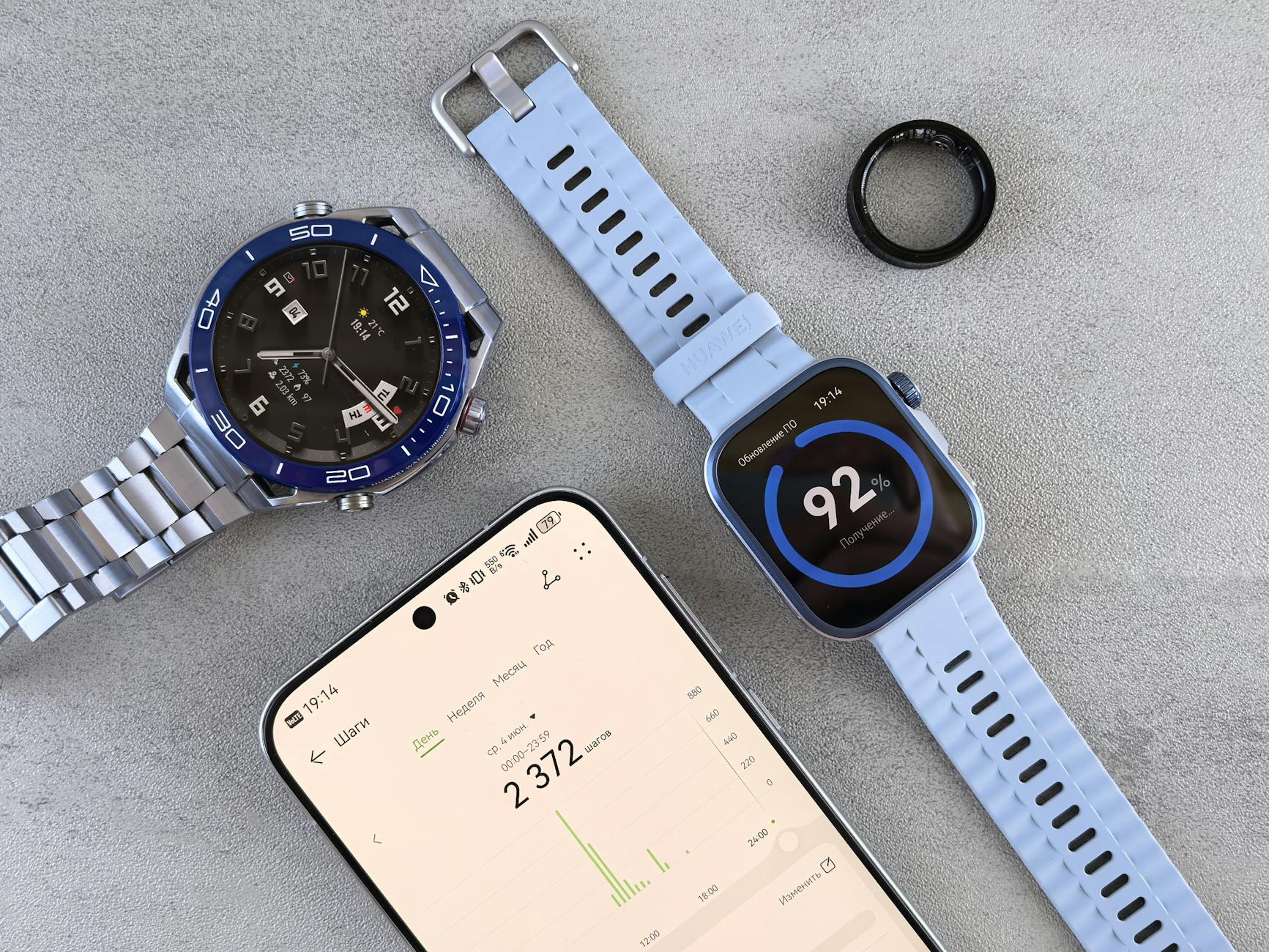
Smart home devices generate data from which health conditions, medication schedules, physical limitations, cognitive changes, and mental health states can be inferred with increasing accuracy as machine learning models trained on population-level smart home data become more sophisticated at identifying the behavioral signatures associated with specific health conditions. Irregular sleep patterns detectable through smart speaker interaction logs, changes in movement patterns visible through smart home sensors, shifts in dietary behavior inferred from smart appliance usage, and alterations in daily routine observable through connected device interactions all carry health information that the household never consciously disclosed. Health information inferred from behavioral data rather than directly reported occupies a regulatory grey area in most jurisdictions because it is technically distinct from medical records despite being functionally equivalent in its sensitivity and its potential for discriminatory use. The insurance, employment, and financial implications of health conditions inferred from smart home behavioral data and incorporated into commercial profiles are a developing area of harm that current regulatory frameworks are not equipped to address.
Obsolescence Vulnerabilities

Smart home devices that have reached the end of their manufacturer-supported life continue to operate in households long after security patches have ceased to be issued, creating permanently vulnerable network nodes that cannot be secured regardless of user behavior and that represent an expanding population of compromised infrastructure within private homes. The planned obsolescence cycle of consumer electronics intersects with the security requirements of networked devices to create a category of product that becomes a liability rather than an asset within a timeframe that is rarely communicated clearly at the point of purchase. A smart home camera purchased four years ago and still functioning perfectly as a camera may be running firmware with dozens of known and publicly documented vulnerabilities that have been exploited in operational attack tools and that will never be patched because the manufacturer has ended support for that hardware generation. The smart home devices that households feel they cannot justify replacing because they still work are frequently the most significant security vulnerabilities in the network environment those households occupy.
Location Data Leakage
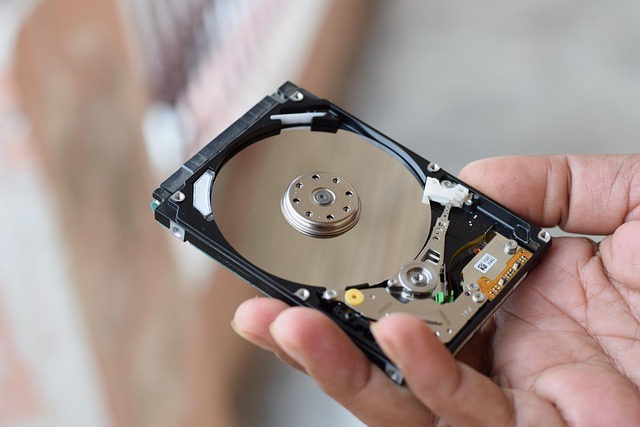
Smart home devices generate location information not only through explicit location services but through the network signatures, usage patterns, and device interaction data that can be used to infer home address, daily schedule, and geographic movements with significant precision by anyone with access to the raw device data or the behavioral profiles built from it. The home address associated with a smart home ecosystem is derivable from multiple data streams that individually appear unrelated to location and the combination of network registration data, device usage timing, energy consumption patterns, and smart speaker interaction logs creates a location profile of the household that extends beyond the home itself to include regular destinations, travel patterns, and absence periods. Location data derived from smart home behavioral patterns is commercially valuable for targeted advertising, real estate marketing, retail location planning, and insurance risk assessment and it flows through data broker networks to these commercial applications without the household’s knowledge of its derivation or its use. The belief that disabling GPS on smart home devices protects location privacy underestimates the sophistication of behavioral location inference that does not require any explicit location service to produce actionable geographic information.
Acoustic Monitoring
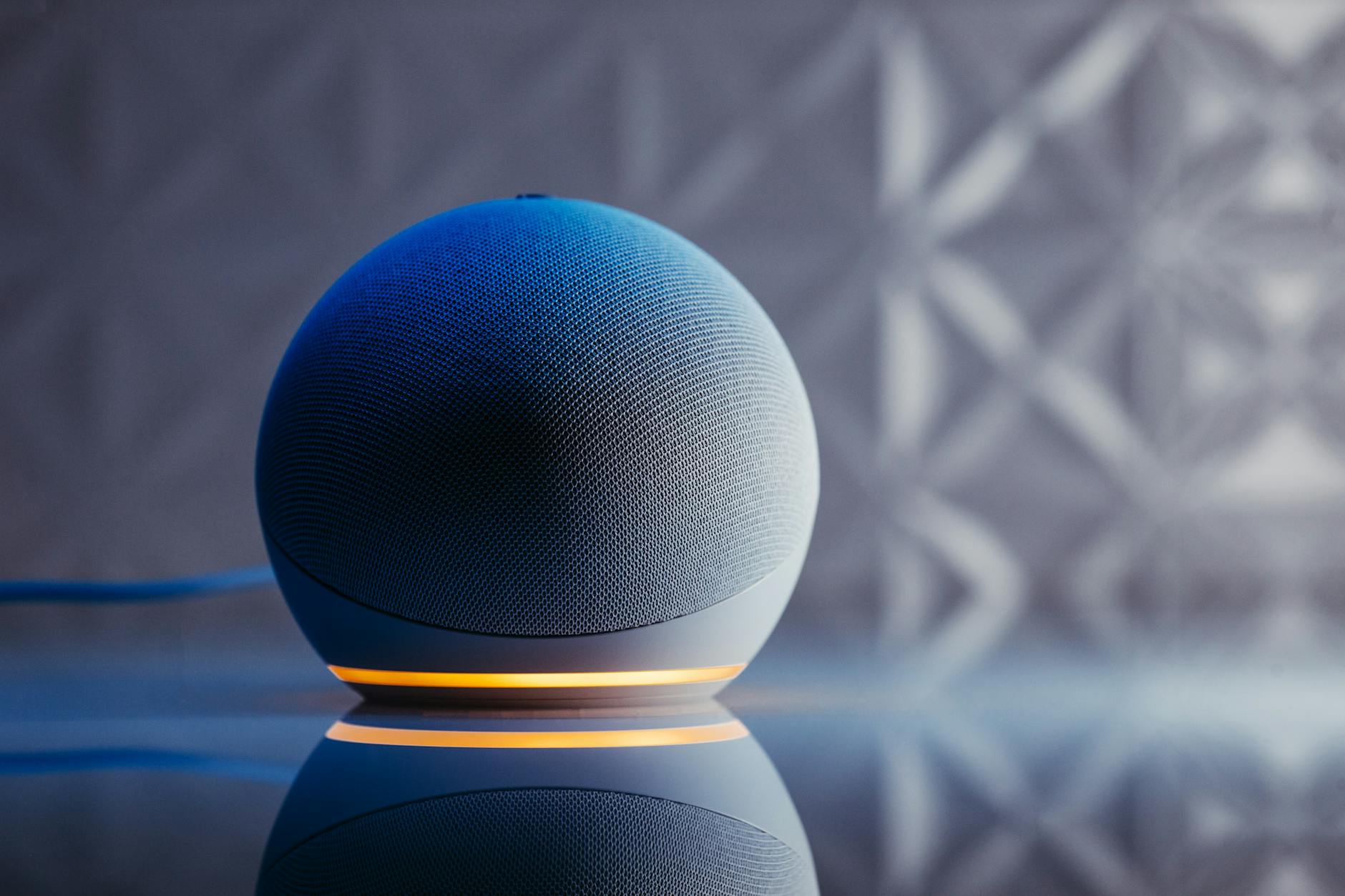
Beyond their intended voice command functionality smart home devices with microphone capabilities conduct passive acoustic monitoring of the domestic environment that produces data about household occupancy, social interaction patterns, emotional states, and physical activities that is commercially and forensically valuable independent of any specific recorded conversation. The sounds of a household including argument patterns, social gathering frequency, television viewing habits, physical movement signatures, sleep and waking cycles, and the acoustic indicators of specific activities create a behavioral portrait that requires no word-level speech recognition to extract significant personal information from. Research has demonstrated that smart home microphone data can be used to infer the number of occupants in a home, their approximate ages, their emotional states during interactions, and their health conditions from acoustic signatures alone without processing the linguistic content of any captured speech. The acoustic monitoring capability of smart home devices operates continuously in the background of domestic life and the data it generates is governed by privacy frameworks designed around the assumption that meaningful surveillance requires intentional recording rather than passive environmental monitoring.
Payment Data Exposure

Smart home devices integrated with payment systems, subscription services, retail ordering capabilities, and financial account connections create exposure pathways for financial data that do not exist in conventional home environments and that are secured to standards that are inconsistently adequate across the range of manufacturers and price points in the smart home market. A smart refrigerator that reorders groceries automatically, a voice assistant that processes one-click purchases, and a smart home hub that manages subscription services are all endpoints in financial transaction chains that create logs, store credentials, and generate behavioral data about purchasing patterns that exists outside the security infrastructure of the financial institutions involved in the transactions. Low-cost smart home devices manufactured without robust security architecture and integrated with payment capabilities represent a category of financial vulnerability that the financial services industry has been slow to communicate clearly to consumers because the convenience narrative serves the commercial interests of the payment networks involved. The financial data generated and stored by payment-integrated smart home devices is subject to the security practices of the device manufacturer rather than the regulatory requirements that govern conventional financial infrastructure.
Social Graph Mapping
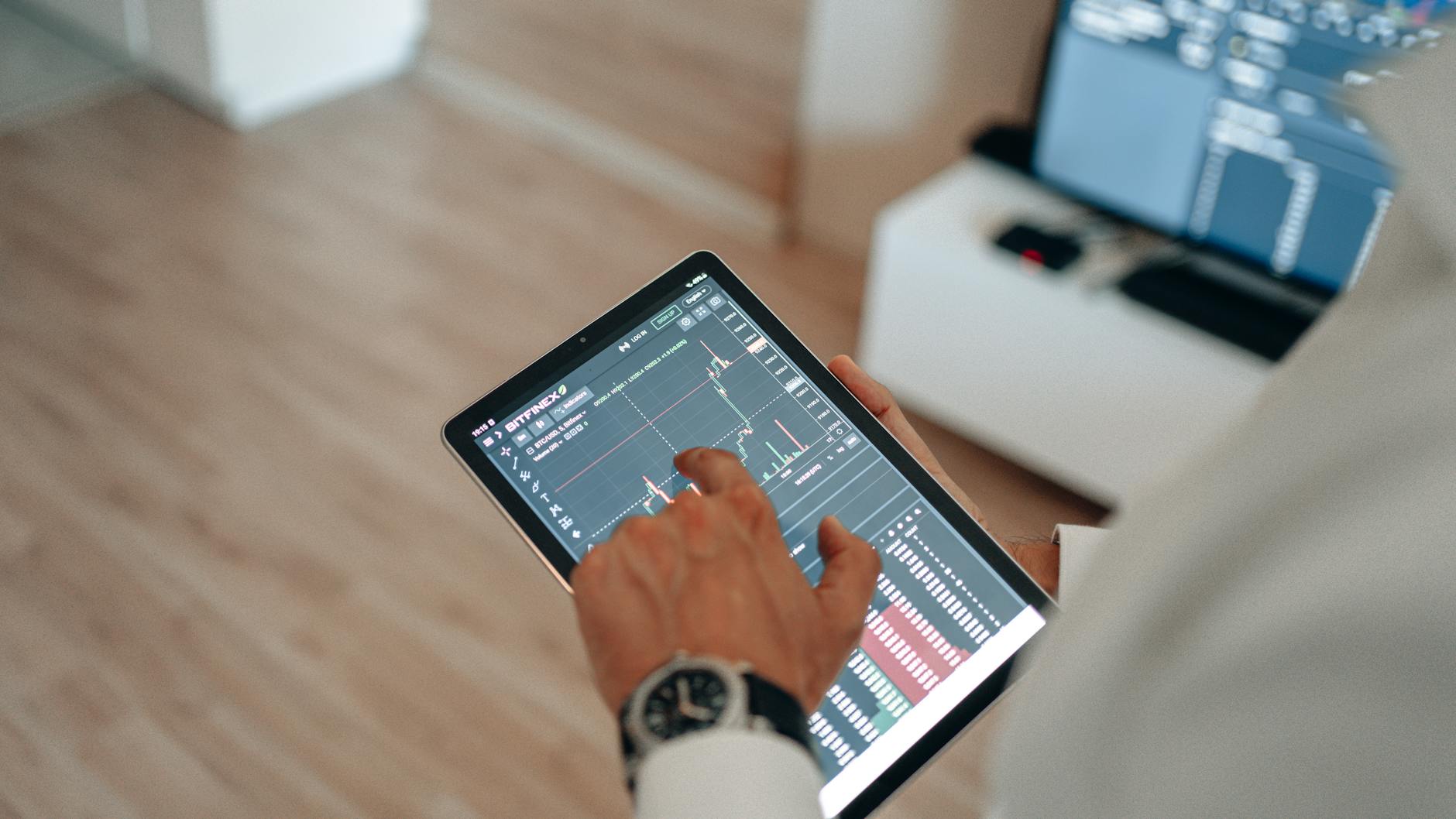
Smart home devices that manage communications, coordinate calendars, integrate with messaging platforms, and control access systems generate data about the social relationships of household members that enables the construction of detailed social graph maps showing the frequency, timing, and nature of interactions with specific individuals and institutions. The social graph information embedded in smart home interaction data reveals relationship patterns, professional contacts, family dynamics, romantic relationships, and social network structure with a comprehensiveness that has historically been available only to intelligence agencies conducting targeted surveillance operations. This social relationship data is commercially valuable for targeted advertising, political messaging, insurance risk assessment, and employment screening and it flows into commercial data ecosystems through the same channels as other smart home behavioral data. Households that have integrated their communications and social coordination into smart home platforms have shared the architecture of their personal relationships with a corporate data infrastructure whose commercial interests in that information are extensive and whose obligations to protect it are minimal.
Predictive Behavioral Modeling
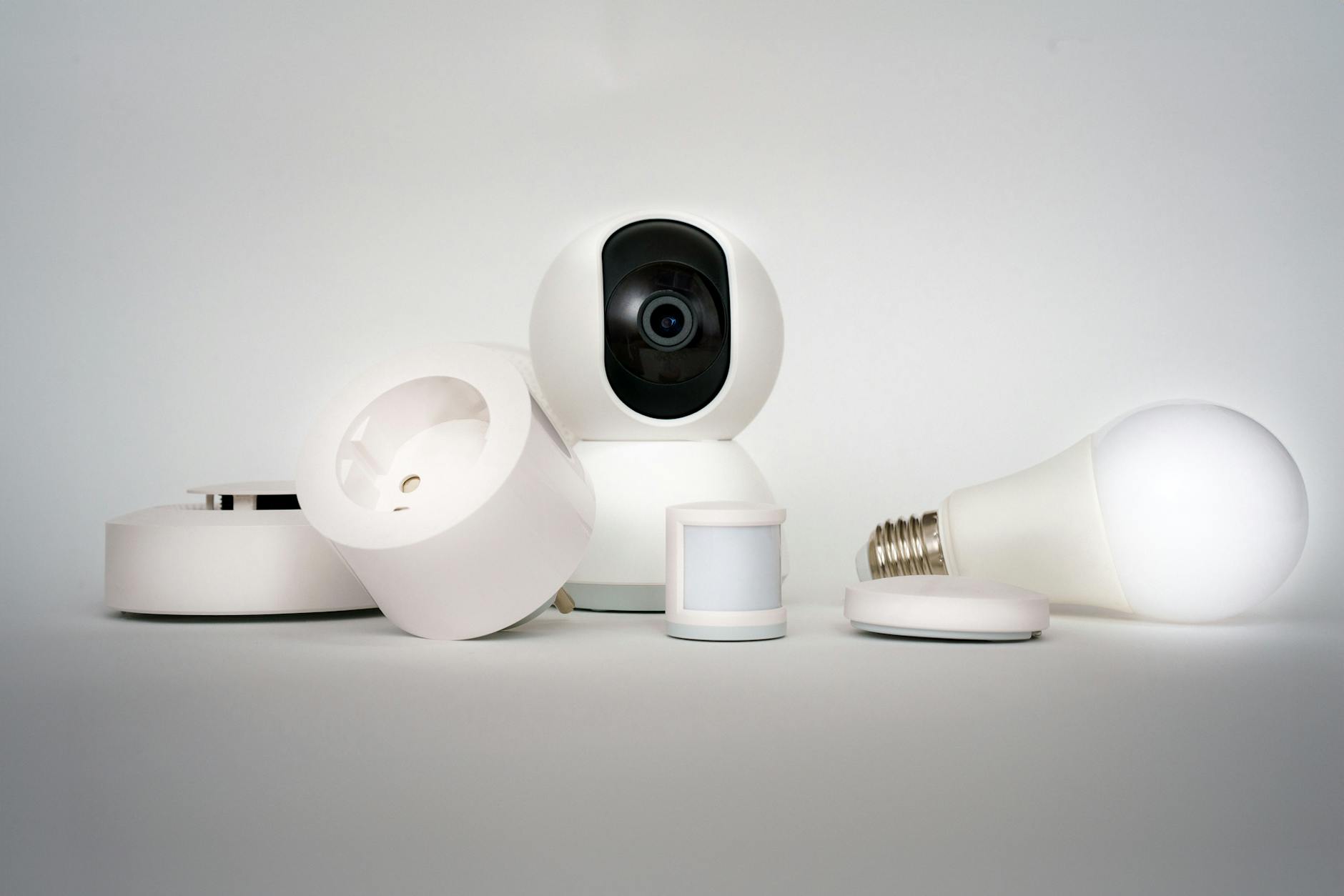
The ultimate commercial application of smart home data is not the optimization of individual household convenience but the construction of predictive behavioral models that can anticipate future actions, preferences, vulnerabilities, and decisions with sufficient accuracy to be commercially exploited before the household is aware of its own future behavior. Predictive models built on smart home behavioral data are used to time marketing communications, price dynamic services, adjust insurance risk assessments, inform credit decisions, and target political messaging at moments of maximum receptivity identified through behavioral pattern analysis. The household that installs a smart home ecosystem in pursuit of convenience is simultaneously enrolling in a continuous behavioral experiment whose outputs are owned entirely by the companies running the infrastructure and whose commercial applications extend indefinitely into the future of the data subject’s life. The predictive behavioral modeling enabled by smart home data represents a fundamental shift in the power relationship between corporations and individuals that the convenience narrative of smart home marketing has been extraordinarily effective at preventing households from recognizing or evaluating.
If any of these vulnerabilities have changed how you think about the connected devices in your own home share your concerns and experiences in the comments.