
The detox water trend has migrated from wellness blogs into mainstream grocery stores, spa menus and social media feeds with a speed that has outpaced any serious scientific scrutiny of the claims attached to it. Infused waters, activated charcoal drinks, alkaline formulations and mineral-heavy concoctions are marketed with the language of medical detoxification while operating in a regulatory space that requires essentially no evidence to support the promises on the label. Hydration researchers and clinical dietitians who work with the underlying science tend to be conspicuously absent from the brands and influencer partnerships promoting these products. The gap between what detox water marketing claims and what the available evidence actually supports is wide enough to conceal some genuinely concerning risks. These are the hidden dangers that hydration experts and clinical practitioners are most likely to raise when asked what worries them about the detox water category.
Activated Charcoal
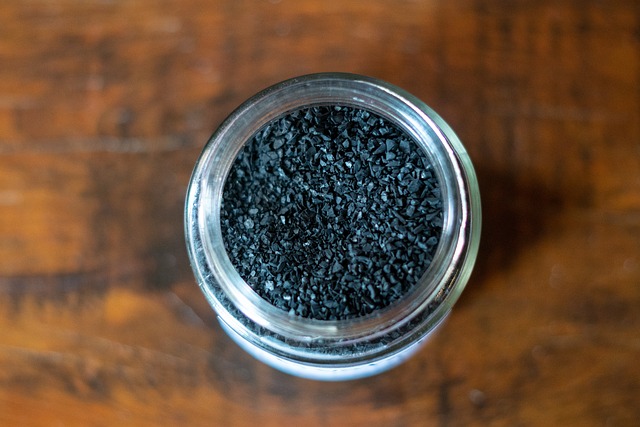
Activated charcoal is a legitimate medical intervention used in emergency settings to manage acute poisoning by binding toxic substances in the gastrointestinal tract before they are absorbed into the bloodstream. The same binding mechanism that makes it useful in a poison control context makes it indiscriminately dangerous in a casual daily consumption context because it binds to nutrients, medications and beneficial compounds with the same efficiency it applies to actual toxins. A person drinking activated charcoal water while taking any oral medication including birth control, blood pressure medication or antidepressants is consuming a product that actively reduces the absorption of that medication to an unpredictable degree. The dosing used in detox water products is not standardized and the interaction risk exists across the entire spectrum from low to high charcoal concentrations. Clinical pharmacists consistently identify activated charcoal beverages as one of the highest-risk trendy wellness products for people on any regular medication regimen.
Alkaline Overconsumption
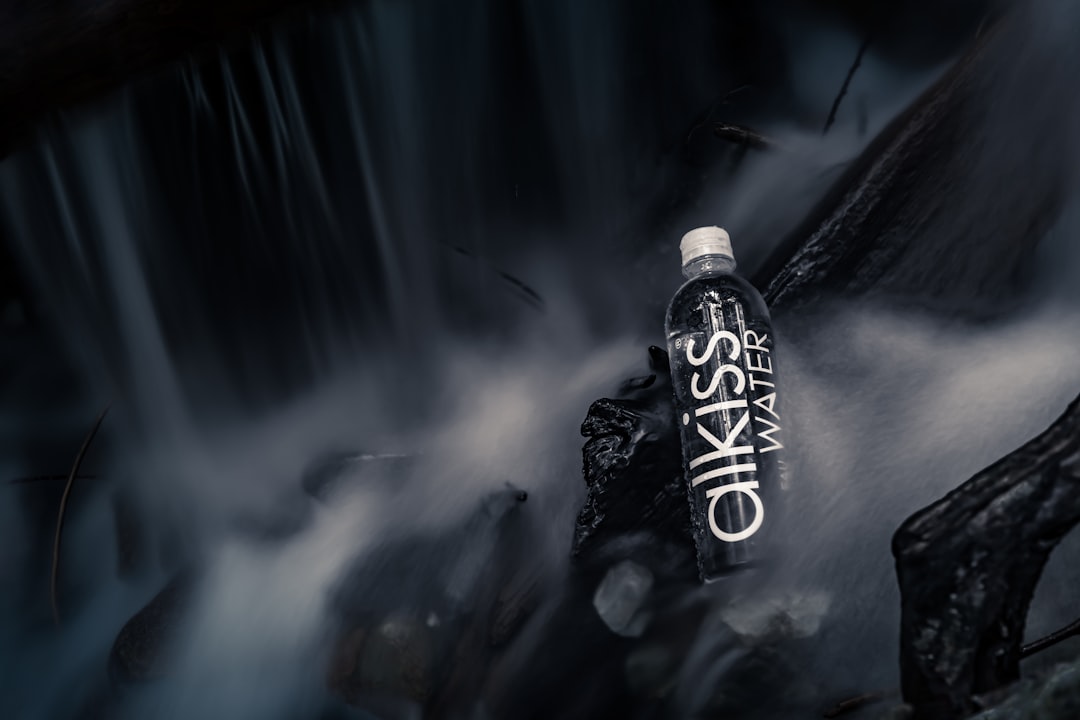
The human body maintains blood pH within a range of 7.35 to 7.45 through a sophisticated buffering system involving the lungs, kidneys and blood chemistry and this regulation occurs independently of the pH of consumed beverages. The marketing premise of alkaline water that drinking high-pH water shifts the body toward a more alkaline state contradicts basic human physiology at the level taught in first-year biology courses. The actual danger emerges not from the alkaline water changing blood pH but from the behavioral pattern of consuming alkaline water in large quantities as a health intervention. Excessive alkaline intake can disrupt the natural acidity of the stomach environment that serves as the primary barrier against ingested pathogens and the first stage of protein digestion. People who replace normal water consumption with large volumes of alkaline water as a dedicated health practice are altering their digestive environment in ways that have not been studied at a longitudinal level in human populations.
Lemon Erosion
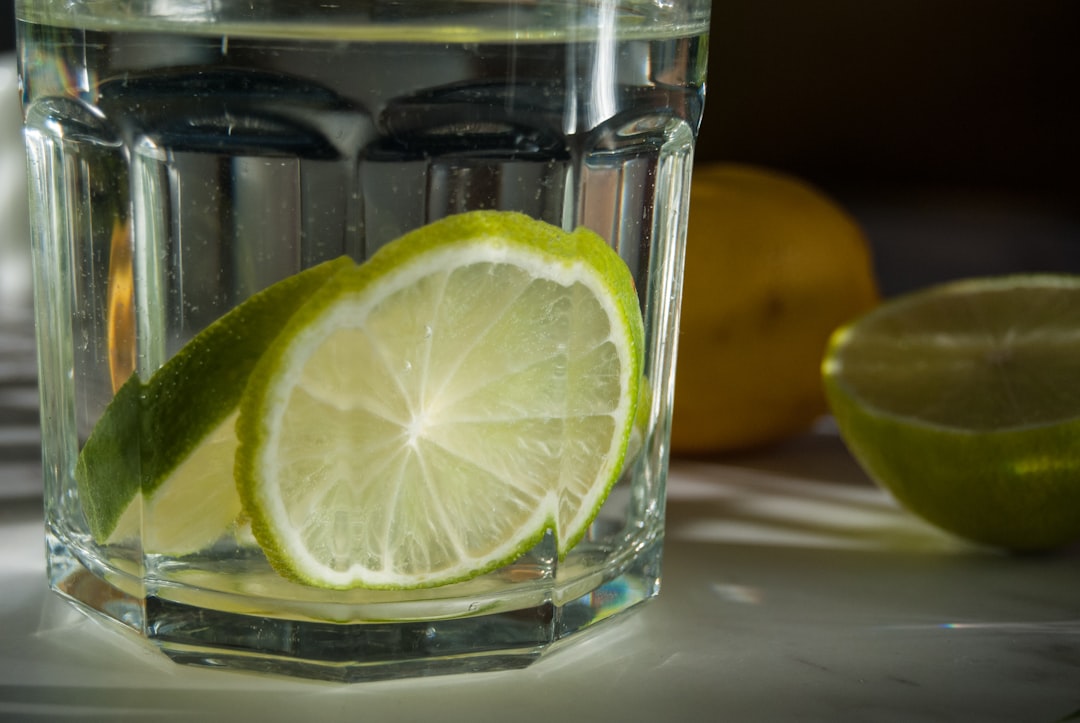
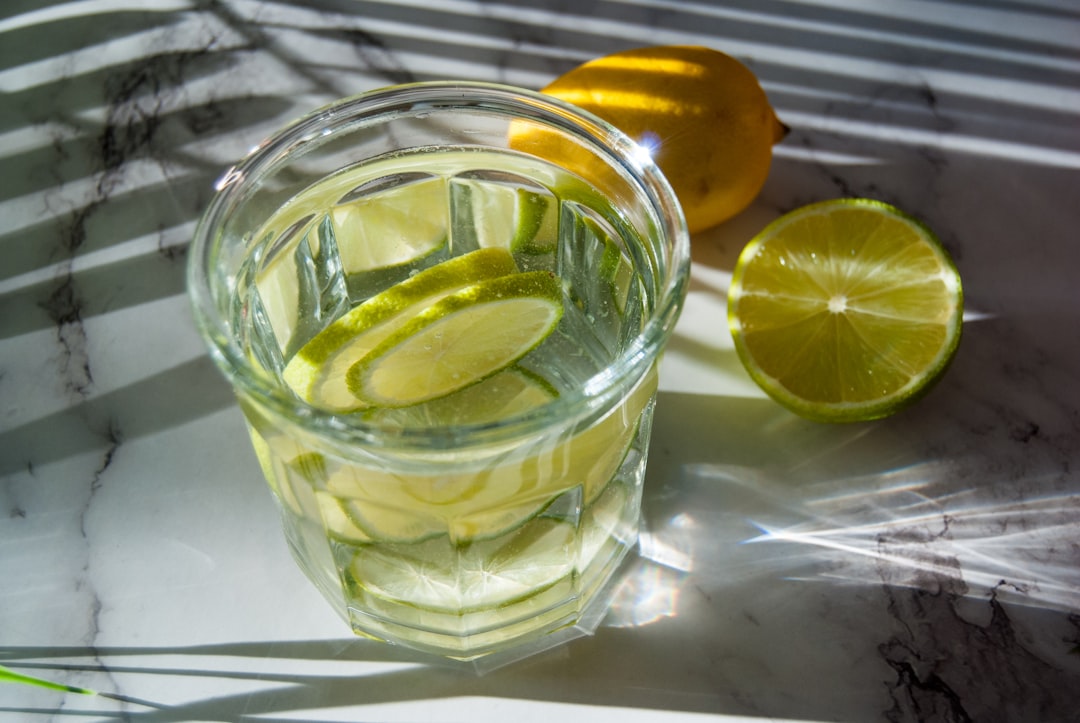
Lemon-infused water is among the most universally recommended detox water formulations and its citric acid content is genuinely beneficial for kidney stone prevention in populations prone to calcium oxalate stones. The danger that hydration practitioners consistently raise is the cumulative effect of frequent citric acid exposure on dental enamel which is the hardest substance in the human body but is irreversibly damaged by prolonged acid contact. A person who sips lemon water throughout the day rather than consuming it quickly at mealtimes exposes their enamel to an extended acid bath that causes progressive demineralization across every hour of daily consumption. Dental erosion from habitual acidic beverage consumption is a documented clinical finding that dentists are increasingly attributing to the wellness water trend rather than carbonated soft drink consumption. The protective behavior of rinsing with plain water after consuming lemon water and waiting 30 minutes before brushing is almost never included in the wellness content that recommends the practice in the first place.
Diuretic Confusion

Several popular detox water formulations include ingredients such as dandelion, cucumber, parsley and certain herbal additions that have documented diuretic effects increasing urine output beyond what plain water consumption would produce. A product marketed as superior hydration that simultaneously increases the rate at which the body excretes water is operating on a contradictory physiological premise that the marketing language never addresses. Consuming a diuretic-containing detox water as a replacement for plain water during physical activity or in hot weather creates a hydration deficit that worsens with the volume consumed rather than improving as the marketing implies. People who attribute increased urination from detox water to the supposed flushing of toxins are misinterpreting a diuretic pharmacological effect as evidence of detoxification. The distinction matters most for older adults, people with kidney conditions and anyone engaging in physical activity where fluid balance has direct performance and safety implications.
Colloidal Silver
Colloidal silver detox waters occupy a fringe but commercially active segment of the wellness water market with products claiming antimicrobial, immune-supporting and detoxifying properties. The scientific and regulatory consensus on colloidal silver as an oral supplement is unusually clear and negative with no demonstrated therapeutic benefit at any dose for any condition in human clinical research. The specific danger of regular colloidal silver consumption is argyria, a permanent and irreversible bluish-gray discoloration of the skin that results from silver particle deposition in tissue and has no treatment. Silver particles consumed orally also interact with antibiotic medications reducing their absorption and effectiveness in a way that creates particular risk during an active bacterial infection. The colloidal silver category continues to grow in wellness retail environments despite regulatory warnings because it falls under the supplement framework that does not require evidence of safety or efficacy before market entry.
Hydrogen Water
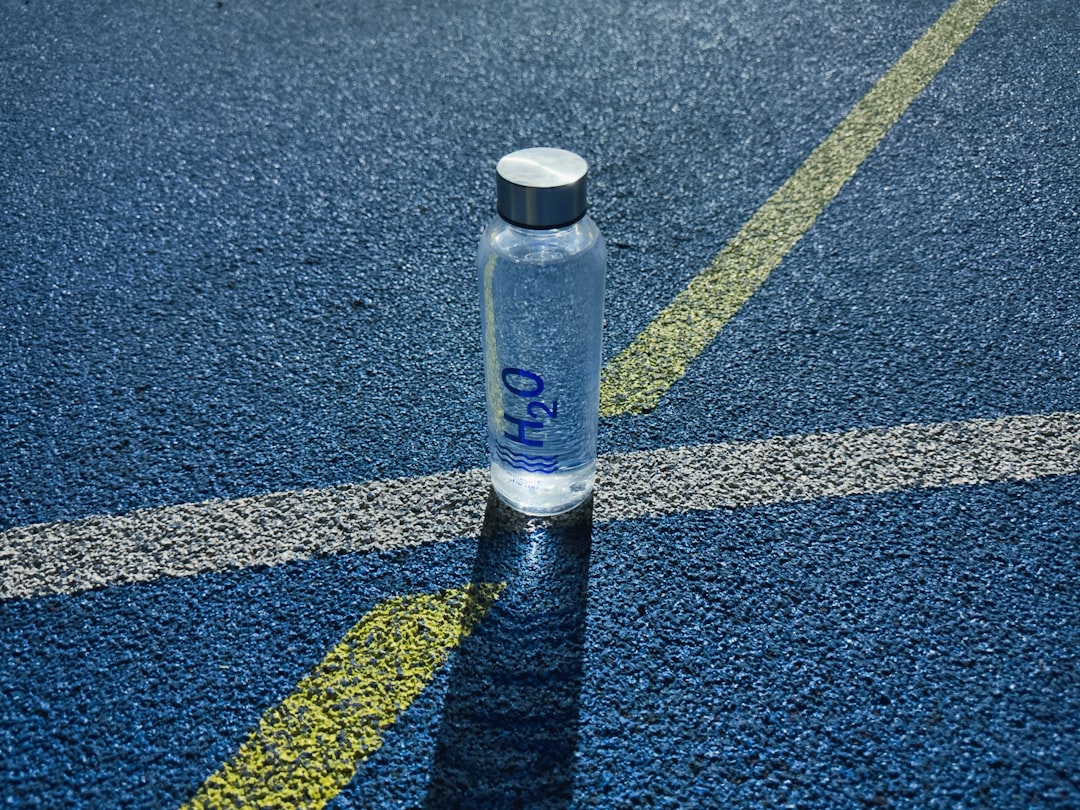
Hydrogen-infused water products represent one of the most recent and rapidly growing segments of the functional water market with premium pricing and claims ranging from athletic performance enhancement to neurological protection. The research base for hydrogen water consists primarily of small studies, animal models and in vitro experiments that have not been replicated at the scale or rigor required to establish clinical recommendations. The practical danger of hydrogen water is not acute toxicity but the financial and behavioral substitution it represents for people who pay premium prices for a product whose benefits remain speculative while believing they are addressing genuine health concerns. Packaging claims on hydrogen water products routinely exceed what any peer-reviewed research supports and the regulatory oversight applied to these claims is minimal. Hydration researchers who follow the hydrogen water literature consistently describe the current evidence as insufficient to justify the product category’s existence at any price point.
Herbal Interactions
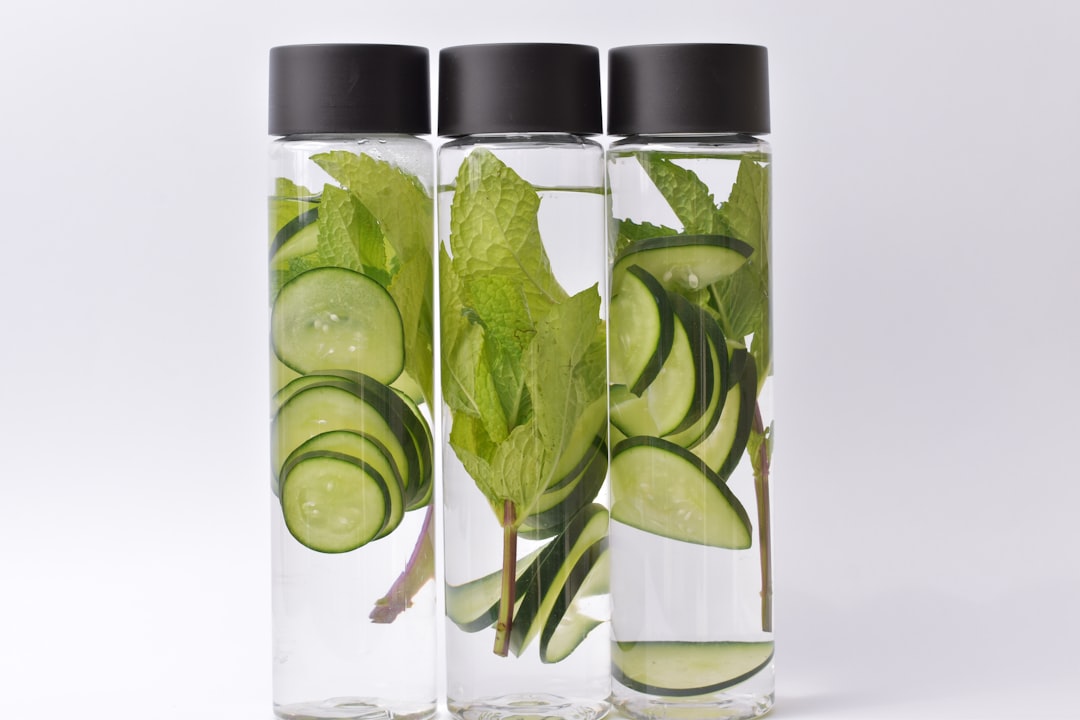
Detox waters infused with herbal ingredients including ginger, turmeric, hibiscus, rosemary, licorice root and various botanical additions contain pharmacologically active compounds that interact with medications and affect physiological processes at sufficient concentrations. Hibiscus water consumed in large quantities has documented blood pressure lowering effects that can produce additive hypotension in people already taking antihypertensive medications. Licorice root infusions consumed regularly raise blood pressure and cause potassium depletion in a pattern that creates cardiovascular risk in populations with normal blood pressure who are consuming the product under the assumption that it is simply flavored water. The dose-response relationship for herbal compounds in infused water is impossible to standardize because infusion time, water temperature, ingredient quantity and the specific plant preparation used all affect the final concentration in ways no consumer can measure. A person treating a detox water infusion as a beverage rather than a herbal preparation is consuming an unquantified pharmacological dose on a schedule determined by thirst rather than clinical guidance.
Kidney Overload
The detox water category is built on the premise that the body requires assistance eliminating waste products and that consuming specific infused waters accelerates this elimination process. The actual organ responsible for filtering blood and eliminating metabolic waste is the kidney and it performs this function continuously and automatically in healthy individuals without requiring any dietary supplementation. High-volume consumption of mineral-rich detox waters adds a processing burden to the kidneys rather than supporting their function by flooding the filtration system with mineral loads beyond what normal dietary intake provides. People with subclinical kidney impairment who are unaware of their reduced filtration capacity are particularly vulnerable to mineral overload from detox water products marketed as kidney-supporting. Nephrologists who treat patients with chronic kidney disease consistently identify unsupervised use of mineral-heavy supplement waters as a risk factor for accelerating the progression of existing impairment.
Sugar Disguise

Commercially produced detox waters sold in bottles occupy a shelf position adjacent to plain water and carry the visual and marketing language of healthy hydration while frequently containing added sugars, natural flavors, honey, agave or fruit juice concentrations that contribute meaningful caloric loads. A consumer who replaces their daily plain water intake with commercially bottled detox water across a week may be consuming the sugar equivalent of several soft drinks while believing they are drinking a superior form of hydration. The natural and wellness framing of detox water sweeteners allows them to escape the cognitive categorization that a consumer would apply to the same sugar content in a conventional beverage. Nutrition labels on detox water products are technically accurate but the serving size framing and the wellness positioning of the product work together to discourage the scrutiny a consumer would apply to a product they understood to be a sweetened drink. Registered dietitians who counsel patients on sugar intake identify detox waters as one of the most consistent sources of unrecognized added sugar in the diets of health-conscious consumers.
Oxalate Loading
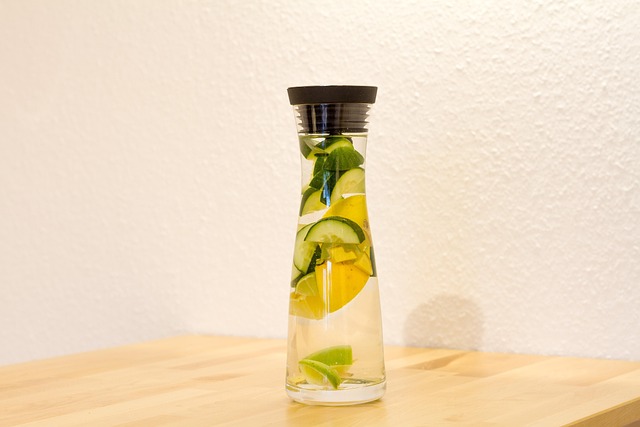
Several of the most popular detox water ingredients including cucumber, spinach, beet, parsley and certain berry additions are high in oxalates which are compounds that bind to calcium during digestion and can contribute to the formation of calcium oxalate kidney stones in susceptible individuals. The population most vulnerable to oxalate loading from detox water includes people who have previously formed kidney stones, people with inflammatory bowel conditions that increase oxalate absorption and people with genetic variants affecting oxalate metabolism. Daily consumption of high-oxalate detox waters by someone in a vulnerable population can meaningfully increase their stone formation risk in a way that manifests months or years later as a kidney stone event rather than an immediate reaction. Urologists who counsel patients after kidney stone events frequently discover regular detox water consumption as part of the patient history and find it was never flagged as a potential contributing factor. The ingredients listed on detox water products contain no oxalate content information and no contraindication language for susceptible populations.
Electrolyte Dilution

Plain water consumed in volumes significantly exceeding actual physiological need dilutes the concentration of sodium and other electrolytes in the bloodstream in a condition called hyponatremia that ranges from mildly symptomatic to life-threatening depending on severity and speed of onset. Detox water trends that encourage drinking large volumes throughout the day as a cleansing practice promote consumption patterns that exceed actual fluid requirements in a significant percentage of participants. The addition of detox ingredients does not protect against hyponatremia and in the case of diuretic-containing formulations may worsen the electrolyte balance disruption that excessive plain water consumption already risks. Endurance athletes and older adults represent the populations at highest risk for exercise-associated hyponatremia but the condition occurs in non-athletic populations who follow aggressive hydration protocols driven by wellness content. Sports medicine physicians who treat hyponatremia cases consistently identify wellness hydration culture as a contributing factor in the prevalence of the condition beyond athletic contexts.
Mold Risk
Fruit and vegetable-infused waters prepared at home and stored in the refrigerator for extended periods create conditions favorable to mold and bacterial growth that the wellness content promoting these preparations almost never addresses. Citrus rind infusions are particularly susceptible because the outer surface of conventionally grown citrus carries pesticide residue, wax coatings and surface microbial populations that are not eliminated by a brief rinse. Infusion vessels with narrow necks or complex geometric shapes that are difficult to clean thoroughly harbor biofilm between uses even when the user believes the vessel is clean. Refrigerated infused water is typically considered safe for 24 to 48 hours before microbial growth on the infused ingredients becomes a meaningful concern but detox water preparation guides routinely suggest storage periods of several days. The aesthetic appeal of a glass pitcher filled with colorful infused water sitting on a refrigerator shelf is not related to the microbiological safety of consuming it on the third or fourth day after preparation.
Pesticide Concentration

Fruits, vegetables and herbs used in detox water infusions release water-soluble surface compounds into the infusion liquid over time and conventional produce that has not been organically certified carries pesticide residue on its surface that participates in this extraction process. A cucumber or strawberry infusion prepared with conventionally grown produce concentrates the water-soluble portion of the surface pesticide load into the drinking water in a way that does not occur when the same produce is eaten whole because the act of eating is brief while the act of infusing is prolonged. The pesticide concentration that results from a multi-hour infusion of non-organic produce is not well characterized in the food safety literature because the preparation method is too recent and too informal to have attracted systematic study. Washing produce before infusing reduces but does not eliminate surface pesticide residue and the infusion process continues to extract whatever remains across the full infusion period. Organic produce eliminates this specific risk entirely and the cost difference is relevant information that detox water content almost never includes.
False Satiety

Detox waters marketed for weight management frequently include ingredients such as apple cider vinegar, grapefruit, cayenne and green tea extract that are claimed to suppress appetite or accelerate metabolism based on a research literature that is far weaker than the marketing language implies. The behavioral risk of consuming a beverage framed as a metabolic aid is that it creates a false sense of having taken a meaningful weight management action that substitutes for the dietary changes that evidence actually supports. A person who drinks a metabolism-boosting detox water before a meal and then eats normally has consumed an additional beverage with negligible metabolic effect while reinforcing a belief that supplementation rather than behavior change drives weight management outcomes. Registered dietitians who specialize in weight management identify the detox water category as a significant source of magical thinking that delays productive engagement with evidence-based approaches. The appetite and metabolism claims on detox water products are regulated as structure-function claims that require no clinical evidence to make and no evidence of efficacy to maintain.
Heavy Metal Sources

Spring waters, mineral waters and well-sourced detox waters from unregulated or minimally regulated sources can contain naturally occurring heavy metals including arsenic, lead, barium and uranium at concentrations that exceed drinking water safety thresholds. The wellness positioning of mineral-rich spring and artisanal waters creates a consumer assumption that natural sourcing implies safety when the chemical composition of natural water sources varies widely and is not inherently safer than treated municipal water. Arsenic occurs naturally in groundwater in many geographic regions at concentrations that exceed the regulatory threshold for drinking water safety and spring waters from affected regions can carry this contamination regardless of their artisanal branding. Regular consumption of a heavy metal-contaminated water source produces accumulative toxicity that manifests over months and years in ways that are extremely difficult to attribute to the specific source without deliberate testing. The detox water category sits in an ironic position where products marketed as facilitating the elimination of toxins from the body may themselves be delivering a consistent dose of genuine toxins.
Vinegar Damage

Apple cider vinegar water has maintained a prominent position in the detox water category for years based on claimed benefits for blood sugar regulation, digestion and weight management that rest on a research base of small and methodologically limited studies. The primary documented risk of regular apple cider vinegar consumption is the same as the risk of lemon water but more severe because acetic acid is more erosive than citric acid at equivalent concentrations. Clinical case reports have documented esophageal erosion and significant dental enamel loss in individuals consuming apple cider vinegar water daily over extended periods at the concentrations commonly recommended in wellness content. The practice of consuming apple cider vinegar shots as a more concentrated alternative to diluted vinegar water elevates this erosion risk substantially and the practice is widely promoted in wellness communities without accompanying dental health warnings. Dentists and gastroenterologists who have treated patients with acid erosion injuries consistently identify apple cider vinegar as the most common wellness product associated with upper gastrointestinal tissue damage.
Pregnancy Risks

Herbal detox water ingredients that are considered benign in healthy non-pregnant adults include several compounds with documented uterotonic, emmenagogue or hormonal effects that are specifically contraindicated during pregnancy. Parsley consumed in large quantities has a documented history of use as an abortifacient and the concentration achievable in a strong herbal infusion approaches pharmacologically relevant doses. Hibiscus has been associated with stimulation of uterine contractions in animal models and is listed as a pregnancy contraindication in several herbal medicine reference databases. Detox water products and recipes that include these ingredients carry no pregnancy warning and are often marketed in the wellness context where health-conscious pregnant women are a primary demographic. Midwives and obstetricians who counsel patients on supplement safety during pregnancy consistently identify herbal infusion waters as a category that patients do not perceive as requiring the same scrutiny they apply to conventional supplements.
Regulatory Gaps
Bottled detox waters sold commercially occupy a regulatory space between food and supplement that allows manufacturers to make implied health claims through product naming, imagery and ingredient highlighting without meeting the evidentiary standard required for explicit medical claims. A product named Liver Cleanse Water or Toxin Flush that contains dandelion and milk thistle is making a clear implied claim about organ function support that would require clinical evidence if stated directly but is legally permissible in its implied form. The facility standards, ingredient verification and contamination testing required for bottled detox water products vary by jurisdiction and are substantially weaker than the standards applied to pharmaceutical products making similar functional claims. Consumers who assume that a commercially sold health beverage has been reviewed for safety and efficacy by a regulatory authority before reaching the shelf are operating on an assumption that does not reflect how the category is actually governed. Public health researchers who study the functional beverage market identify the detox water segment as the area of greatest concern for unsubstantiated health claims combined with meaningful potential for consumer harm.
Medication Timing
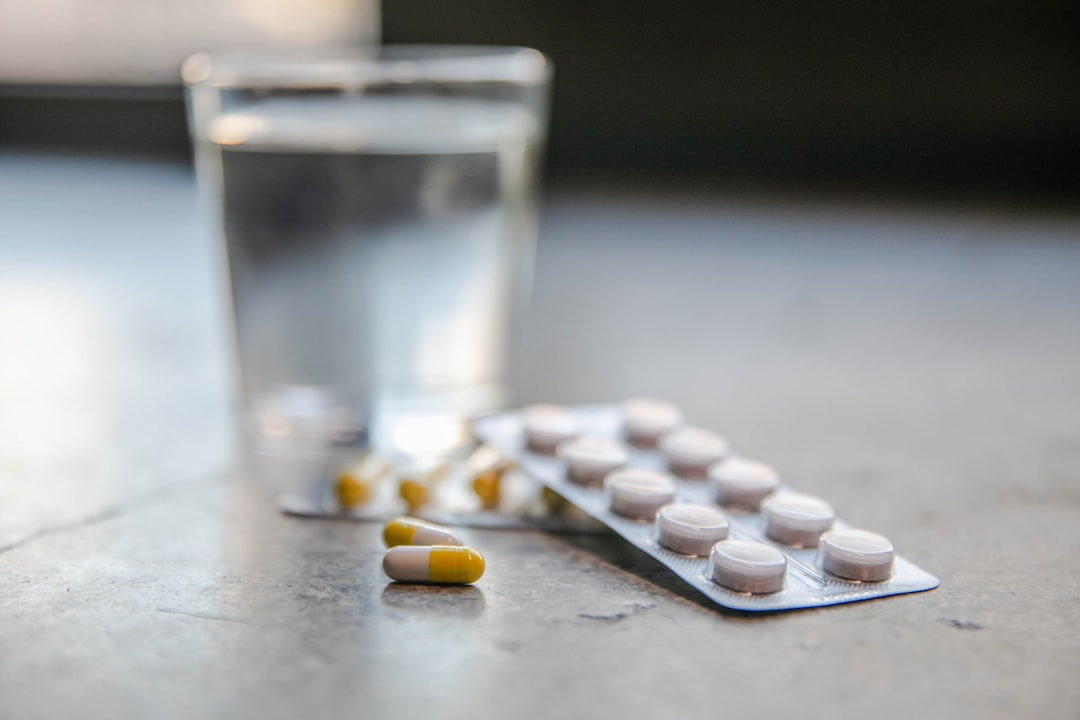
The timing of detox water consumption relative to oral medication administration is a drug interaction variable that almost no patient considers and almost no prescriber addresses because the interaction potential of infused waters is not part of standard medication counseling protocols. Grapefruit compounds present in grapefruit-infused detox water inhibit a critical liver enzyme called CYP3A4 that metabolizes a wide range of common medications including statins, calcium channel blockers, immunosuppressants and certain psychiatric medications. Even small amounts of grapefruit compounds consumed regularly alter the blood concentration of affected medications in ways that can produce toxicity at doses previously well tolerated. The interaction is so well documented in clinical pharmacology that grapefruit warnings appear on the prescribing information for dozens of commonly prescribed drugs. Patients who consume grapefruit detox water daily while taking any of the affected medications are conducting an inadvertent drug interaction experiment whose outcome their prescriber is unaware of and whose consequences they have not been warned about.
Bone Density Effects
Highly acidic detox water formulations consumed as the primary beverage across extended periods have been proposed to influence calcium metabolism in ways that could theoretically affect bone density but the research in this area is disputed and methodologically complex. The more concrete concern identified by sports dietitians involves detox waters that replace dairy or fortified beverages in the diets of people using them for weight management leading to calcium and vitamin D intake reductions that are not offset by anything in the detox water formulation. An adolescent or young adult who substitutes infused detox water for milk as part of a wellness-oriented dietary pattern is reducing calcium intake during the period of peak bone density accrual in ways that have long-term skeletal consequences. The bone density implications of beverage substitution patterns driven by wellness trends are not studied at the longitudinal level required to establish clear causation but the nutritional arithmetic of the substitution is straightforward and concerning. Pediatric dietitians and sports nutritionists who work with young people report increasing frequency of this substitution pattern in their clinical populations.
Thyroid Interference

Raw cruciferous vegetables including kale, broccoli and cabbage contain goitrogenic compounds that interfere with thyroid hormone synthesis by competing with iodine uptake in the thyroid gland. Detox waters infused with raw kale or other raw cruciferous ingredients deliver these goitrogenic compounds in a concentrated liquid form that is consumed in addition to whatever cruciferous vegetables are already present in the diet. The risk is most significant for people with existing thyroid conditions, people with marginal iodine intake and people who combine a high-cruciferous diet with regular goitrogenic detox water consumption. Cooking cruciferous vegetables substantially reduces their goitrogenic activity through heat denaturation of the responsible enzymes but the raw infusion process used in detox water preparation does not produce this reduction. Endocrinologists who manage thyroid patients consistently identify dietary goitrogen exposure as an underappreciated variable in thyroid hormone stability and the detox water pathway for goitrogen delivery is one that most patients would never identify without direct questioning.
Immune Suppression Myth

Detox waters marketed as immune-boosting represent a category claim that immunologists find particularly problematic because the immune system does not benefit from general stimulation and the concept of boosting immune function through beverage consumption has no meaningful basis in immunological science. The immune system is a precisely regulated network that produces pathological outcomes when it is overstimulated in the wrong direction as autoimmune conditions demonstrate and the casual use of immune-boosting language in wellness marketing misrepresents the fundamental nature of immune regulation. A person who consumes immune-boosting detox water while managing an autoimmune condition is consuming a product making claims that are directionally opposite to their therapeutic requirements. The specific ingredients claimed to boost immunity in detox water products including echinacea, elderberry and various antioxidant-rich fruits have research profiles that range from modest and context-specific to entirely absent at the concentrations present in a dilute infusion. Clinical immunologists who are asked about immune-boosting beverages consistently describe the marketing category as scientifically incoherent rather than merely unproven.
Detox Mythology
The foundational premise of the detox water category is that the body accumulates toxins that require dietary intervention to eliminate and this premise is rejected by every relevant medical specialty that has examined it including nephrology, hepatology, gastroenterology and clinical toxicology. The liver and kidneys perform continuous metabolic detoxification as their primary biological function and the specific waste products these organs manage are not influenced by the consumption of infused waters in any direction that has been demonstrated in controlled human research. The word detox in a commercial beverage context is a marketing term rather than a physiological description and its use is legally permissible precisely because it is vague enough to avoid making a specific claim that would require evidence. A consumer who believes their detox water regimen is supporting their body’s elimination of toxins has accepted a premise that no toxicologist, nephrologist or hepatologist would endorse. The persistence of detox mythology in wellness culture despite consistent scientific rejection represents one of the most durable examples of marketing language operating independently of biological reality.
Psychological Dependency

The behavioral pattern surrounding detox water consumption in wellness culture includes elements that clinical psychologists who specialize in health behavior identify as consistent with the profile of orthorexic thinking rather than healthy health consciousness. A person who experiences significant anxiety when unable to access their specific detox water formulation, who judges their daily health status by whether they consumed their protocol and who organizes social and travel behavior around maintaining the regimen is exhibiting a relationship with food and beverage that has moved beyond health-supporting into health-impairing territory. Wellness content that frames detox water as a non-negotiable daily health requirement rather than an optional preference reinforces this dependency framing in its audience. The clinical harm of orthorexic patterns around beverage consumption is underrecognized because the behaviors involved appear superficially health-oriented even as they produce the anxiety, rigidity and social impairment associated with disordered eating patterns. Registered dietitians who specialize in eating behavior identify the detox water category as one of several wellness trends that provide a socially acceptable framework for restrictive and rule-bound relationships with food and drink.
What has your own experience with detox waters or wellness beverages taught you about separating marketing from reality? Share your thoughts in the comments.