From celery juice cleanses to adaptogen lattes and mushroom tonics, the wellness drink industry has exploded into a multi-billion dollar market fueled by social media influence and celebrity endorsements. Many consumers assume that a “natural” or “functional” label automatically means safe and beneficial, but professional bartenders who work closely with ingredients and their effects often tell a very different story. These drinks can carry real risks that go unmentioned on glossy packaging or in sponsored content. Understanding what industry insiders know could save you from unexpected health consequences and wasted money. Here are 25 wellness drinks that experienced bartenders quietly steer clear of, ordered from the most commonly problematic down to the ones worth keeping a cautious eye on.
Kombucha
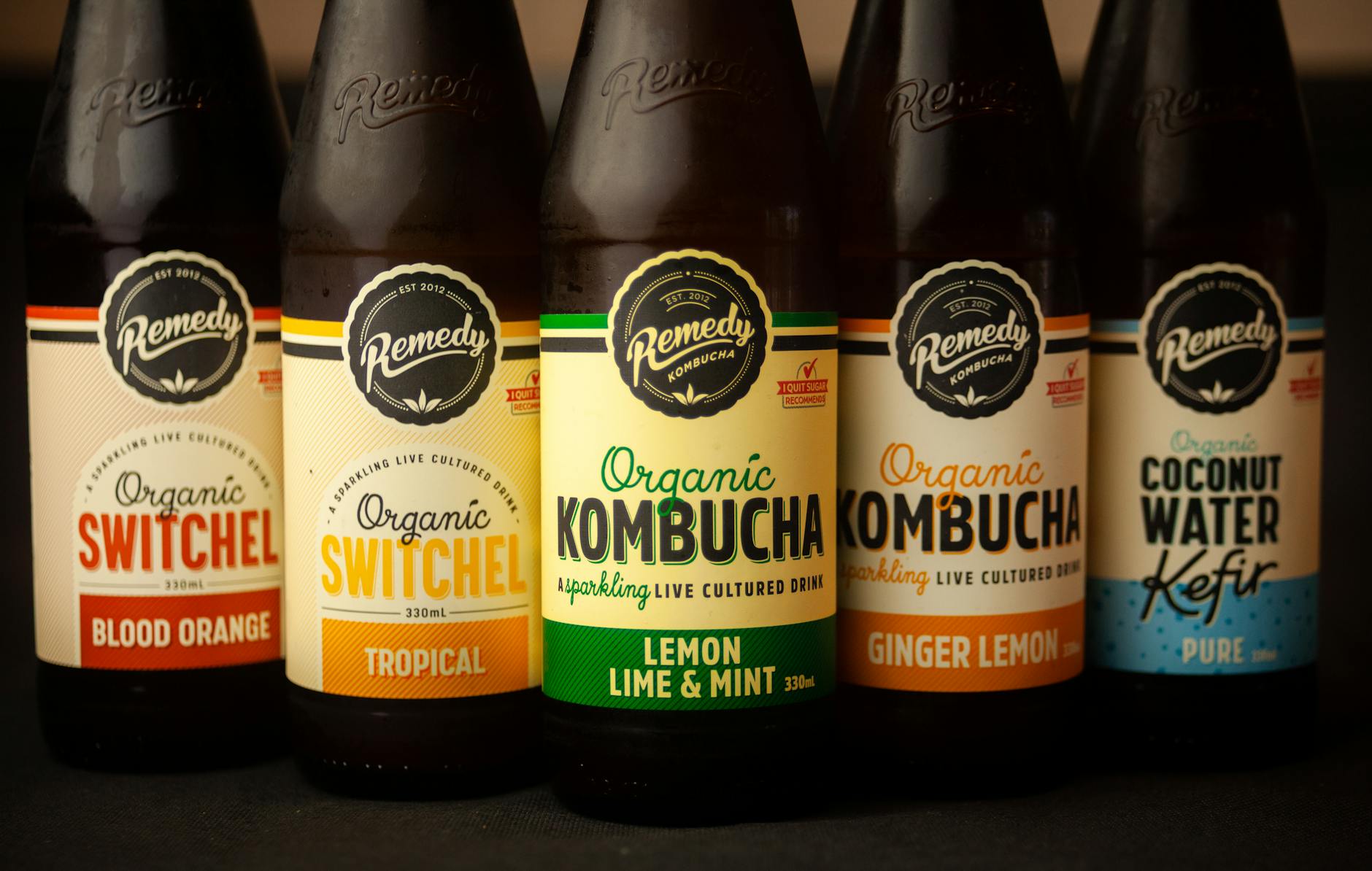
Kombucha is a fermented tea beverage that has gained enormous mainstream popularity as a gut health solution. The fermentation process produces small but real amounts of alcohol and can also generate harmful bacterial contamination if the brewing is not carefully controlled. People with compromised immune systems, pregnant women, and those with certain digestive conditions are frequently advised by medical professionals to avoid it entirely. Unpasteurized commercial versions have been linked to adverse reactions including upset stomach and allergic responses in sensitive individuals. The acidity level is also high enough to cause measurable dental enamel erosion with regular consumption.
Raw Milk Kefir

Raw milk kefir is marketed as a superior probiotic alternative to standard pasteurized dairy kefir due to its richer microbial profile. The absence of pasteurization means it can harbor dangerous pathogens including Salmonella, E. coli, and Listeria, which pose serious risks to vulnerable populations. Regulatory agencies in numerous countries have issued formal warnings or outright bans on the sale of raw dairy products for this reason. The probiotic benefits claimed by proponents are not consistently supported by large-scale clinical research. Pasteurized kefir delivers comparable digestive benefits without the significant microbiological risk.
Celery Juice
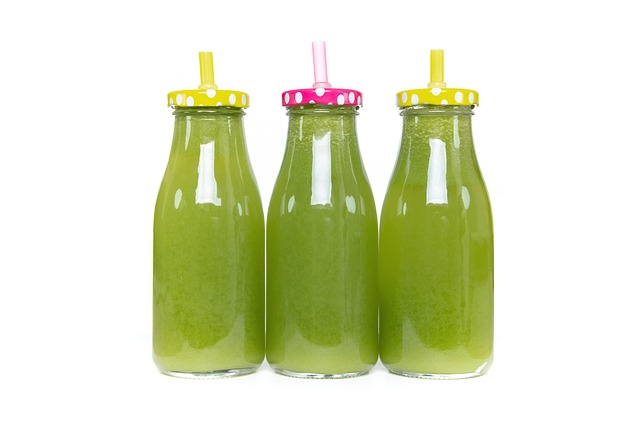
Celery juice became a viral wellness phenomenon largely driven by a single social media personality making bold medical claims without scientific backing. While celery itself is a nutritious vegetable, drinking it in concentrated juice form delivers a significant hit of natural sodium and phthalides that can interact with certain medications including blood thinners. The removal of fiber during juicing eliminates one of the most beneficial components of the whole vegetable. Drinking it exclusively on an empty stomach as recommended by its proponents can trigger acid reflux and digestive discomfort in many people. No peer-reviewed clinical trials have substantiated the sweeping detox and healing claims made by its most vocal advocates.
Activated Charcoal Drinks

Activated charcoal has a legitimate medical use in emergency poison treatment but its migration into trendy black lemonade and detox drinks carries serious overlooked risks. Activated charcoal is indiscriminate in what it absorbs and will bind to prescription medications reducing their effectiveness dramatically. Women taking oral contraceptives who consume these drinks around the same time face a real risk of reduced contraceptive protection. The detox narrative surrounding these products is scientifically misleading as the liver and kidneys handle detoxification without requiring charcoal supplementation. Frequent consumption has also been associated with constipation and nutritional deficiencies.
Aloe Vera Juice

Aloe vera juice is sold in health stores as a digestive aid and anti-inflammatory drink but the full picture is more complicated than the label suggests. The outer leaf of the aloe plant contains aloin, a compound classified as a possible human carcinogen by the National Toxicology Program when consumed in high doses over time. Many commercial products do not adequately clarify whether aloin has been fully removed during processing. Overconsumption has been linked to electrolyte imbalances, diarrhea, and kidney damage in documented medical cases. People taking diuretics or diabetes medications face particular interaction risks that are rarely communicated at the point of sale.
Turmeric Shots
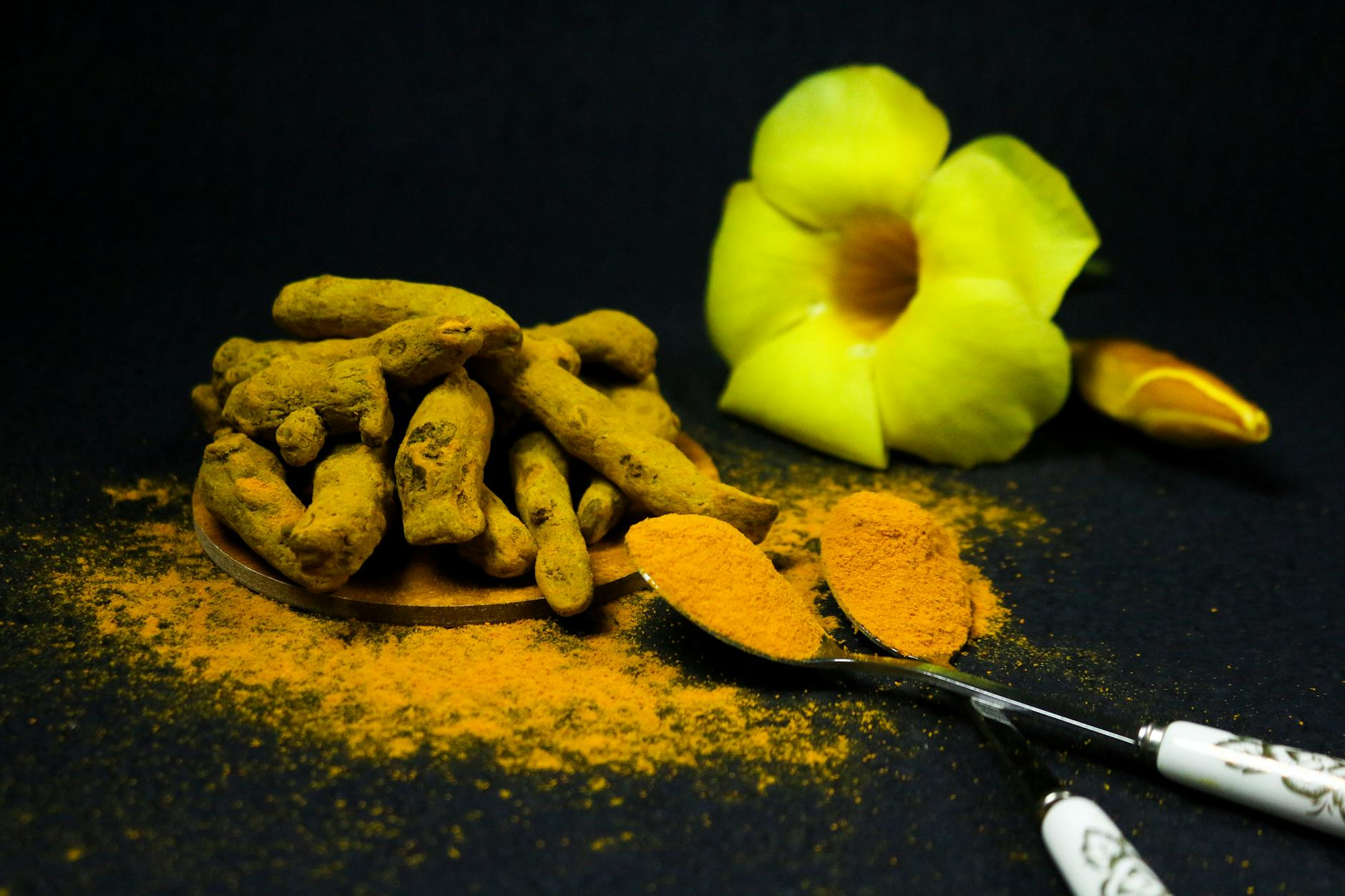
High-concentration turmeric shots have become a staple of juice bar menus positioned as powerful anti-inflammatory tools for everyday consumers. Curcumin, the active compound in turmeric, is poorly absorbed by the body on its own and many products add black pepper extract to enhance bioavailability which itself can alter medication absorption rates. In high doses turmeric acts as a blood thinner and can be problematic for people scheduled for surgery or those already on anticoagulant therapy. There are documented cases of liver injury associated with high-dose turmeric and curcumin supplement consumption. The effective therapeutic doses used in clinical research are typically far higher than what these shots actually contain, making many health claims aspirational rather than evidence-based.
Collagen Drinks
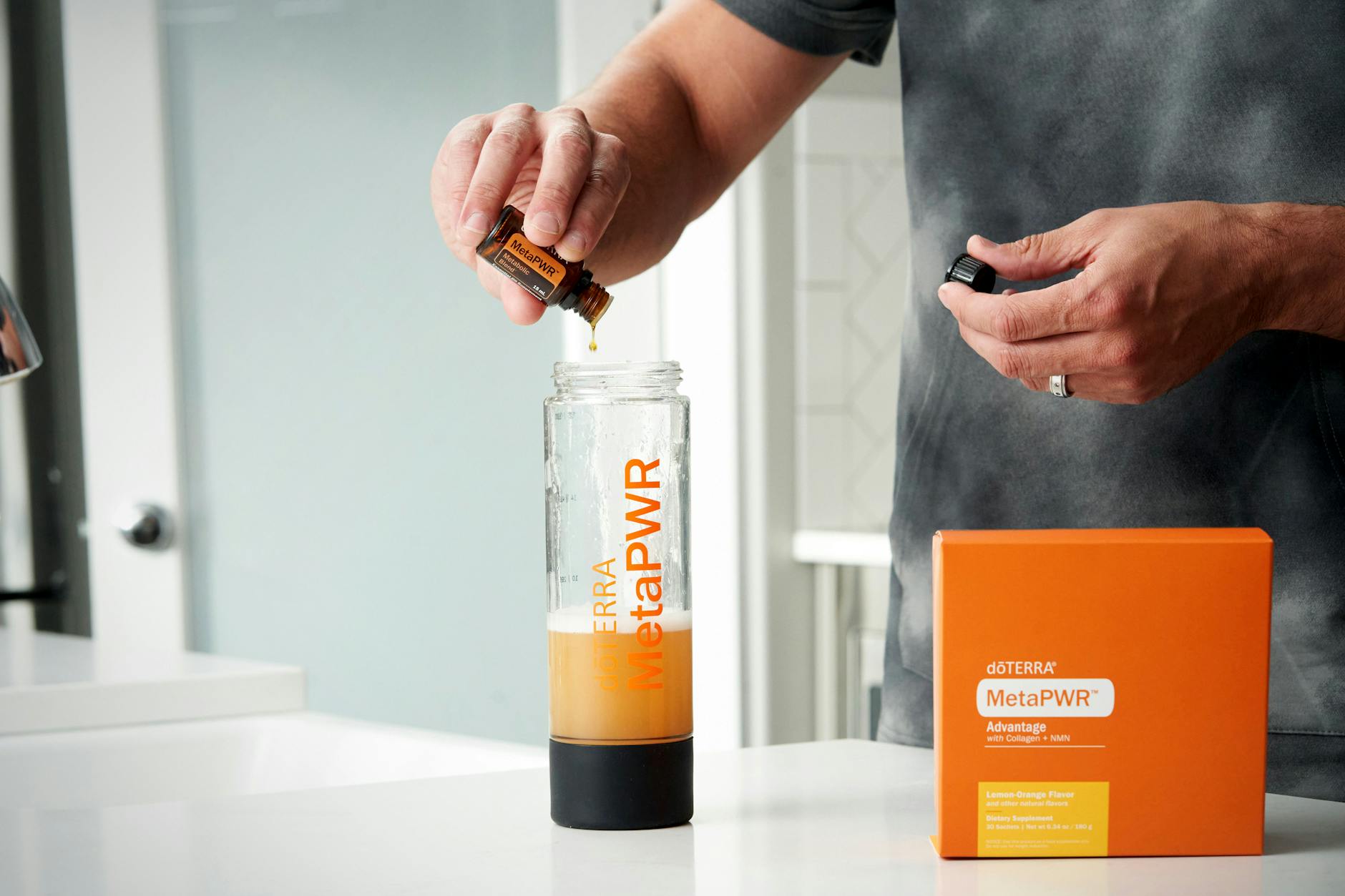
Collagen drinks promise skin elasticity improvements and joint support but the science behind oral collagen consumption is far more nuanced than marketing materials suggest. Collagen is a protein and like all dietary proteins it is broken down into amino acids during digestion, meaning it does not travel intact to skin or joints. Some collagen drinks contain added sugars, artificial flavors, and preservatives that offset any potential benefit. Heavy metal contamination has been found in certain marine-sourced collagen products, a concern that has prompted quality control scrutiny in the supplement industry. Consumers paying premium prices for these products are often receiving benefits that could be achieved more cost-effectively through ordinary protein-rich foods.
Bulletproof Coffee

Bulletproof coffee combines brewed coffee with grass-fed butter and medium-chain triglyceride oil as a high-fat morning meal replacement popular within ketogenic diet circles. The saturated fat load in a single serving is substantial and regular consumption has been associated with measurable increases in LDL cholesterol in clinical observations. Replacing a balanced breakfast with this drink can create nutritional gaps particularly in fiber, vitamins, and minerals that the body requires in the morning. The cognitive enhancement claims made by its creator are not supported by independent randomized controlled trials. People with cardiovascular risk factors or gallbladder conditions are particularly advised to exercise caution.
Hydrogen Water

Hydrogen-infused water is sold in premium packaging with claims that dissolved molecular hydrogen provides antioxidant effects and athletic performance benefits. The fundamental challenge is that hydrogen gas dissipates rapidly from water after the container is opened, meaning much of the claimed active ingredient may be gone before consumption. The volume of hydrogen that can realistically be dissolved in water at safe pressure levels is too small to produce the dramatic effects described in marketing copy. A handful of small studies have shown modest findings but none are large enough or rigorous enough to support the broad wellness claims being made. The price point for hydrogen water is many times that of regular water for benefits that remain scientifically unverified at scale.
Detox Teas
Detox teas are among the most heavily marketed wellness products on social media and consistently among the most concerning to nutrition professionals and medical practitioners. Most contain senna, a powerful laxative herb that is intended for short-term medical use and not for regular daily consumption. Prolonged use of senna-containing teas can cause laxative dependency, electrolyte imbalances, and in severe cases permanent damage to the colon. The weight loss results associated with these products are almost entirely due to water loss rather than fat reduction. Several health authorities around the world have issued formal consumer warnings about specific detox tea products.
Kava Drinks

Kava is a traditional Pacific Island beverage made from the root of the Piper methysticum plant and has recently appeared in kava bars and wellness cafes across Western markets. The active compounds called kavalactones produce sedative and anxiolytic effects, which means kava has real pharmacological activity and genuine interaction risks with medications including antidepressants and benzodiazepines. Long-term or heavy kava consumption has been associated with a condition called kava dermopathy, characterized by scaly skin and yellowing. Serious liver toxicity cases have been reported globally and several European countries have at various points banned or restricted kava products. The combination of kava and alcohol is particularly inadvisable and the two should never be mixed.
Mushroom Coffee

Mushroom coffee blends conventional coffee with extracts from functional fungi including lion’s mane, chaga, and reishi, and is marketed as a smoother and more cognitive-enhancing alternative to regular coffee. Chaga mushrooms have a notably high oxalate content and regular consumption has been linked to kidney stone formation in susceptible individuals. Lion’s mane has shown antiplatelet properties in some studies suggesting potential bleeding risks for those on blood-thinning medications. Reishi can cause digestive upset, skin rashes, and blood pressure fluctuations in some users. The overall evidence base for the cognitive and immune claims made about these products remains preliminary and largely derived from animal studies rather than human trials.
Apple Cider Vinegar Drinks
Apple cider vinegar has been promoted as a digestive aid, blood sugar regulator, and weight management tool and ready-to-drink versions have multiplied across grocery shelves. The high acidity of these drinks can erode tooth enamel significantly particularly when consumed undiluted or sipped slowly over time. There are documented cases of esophageal injury from consuming raw apple cider vinegar, and the bottled drinks vary considerably in their dilution levels. While some small studies suggest modest blood sugar benefits the effect sizes are generally minor and should not replace medical management of conditions like diabetes. People with gastroparesis or acid reflux conditions are advised to avoid acidic drinks of this type entirely.
Chlorophyll Water

Chlorophyll water surged in popularity after widespread social media promotion claiming benefits including skin clearing, body odor reduction, and internal detoxification. The chlorophyll sold in these products and drops is actually chlorophyllin, a semi-synthetic derivative rather than the natural compound found in plants, and the two behave differently in the body. Research on the specific health claims made for chlorophyll water is extremely limited and most cited studies relate to chlorophyllin in very different contexts such as wound healing or aflatoxin reduction. High doses have caused digestive discomfort and there are some concerns about photosensitivity reactions in fair-skinned individuals. The striking green color may make for appealing content but the health narrative substantially outpaces the available evidence.
Bone Broth Drinks

Bone broth has been repackaged from a traditional cooking ingredient into a premium wellness drink with claims touching on gut health, joint support, and skin improvement. Testing of commercial bone broth products has found variable and often low levels of collagen and minerals compared to homemade versions, making the nutritional value of packaged products inconsistent. Some commercial bone broths have been found to contain elevated levels of heavy metals including lead, which leaches from bones during extended cooking particularly in conventionally raised animals. The sodium content in many bone broth drinks is high enough to be a concern for individuals managing blood pressure. The gut-healing narrative built around bone broth is frequently overstated relative to the modest body of clinical evidence currently available.
Spirulina Drinks
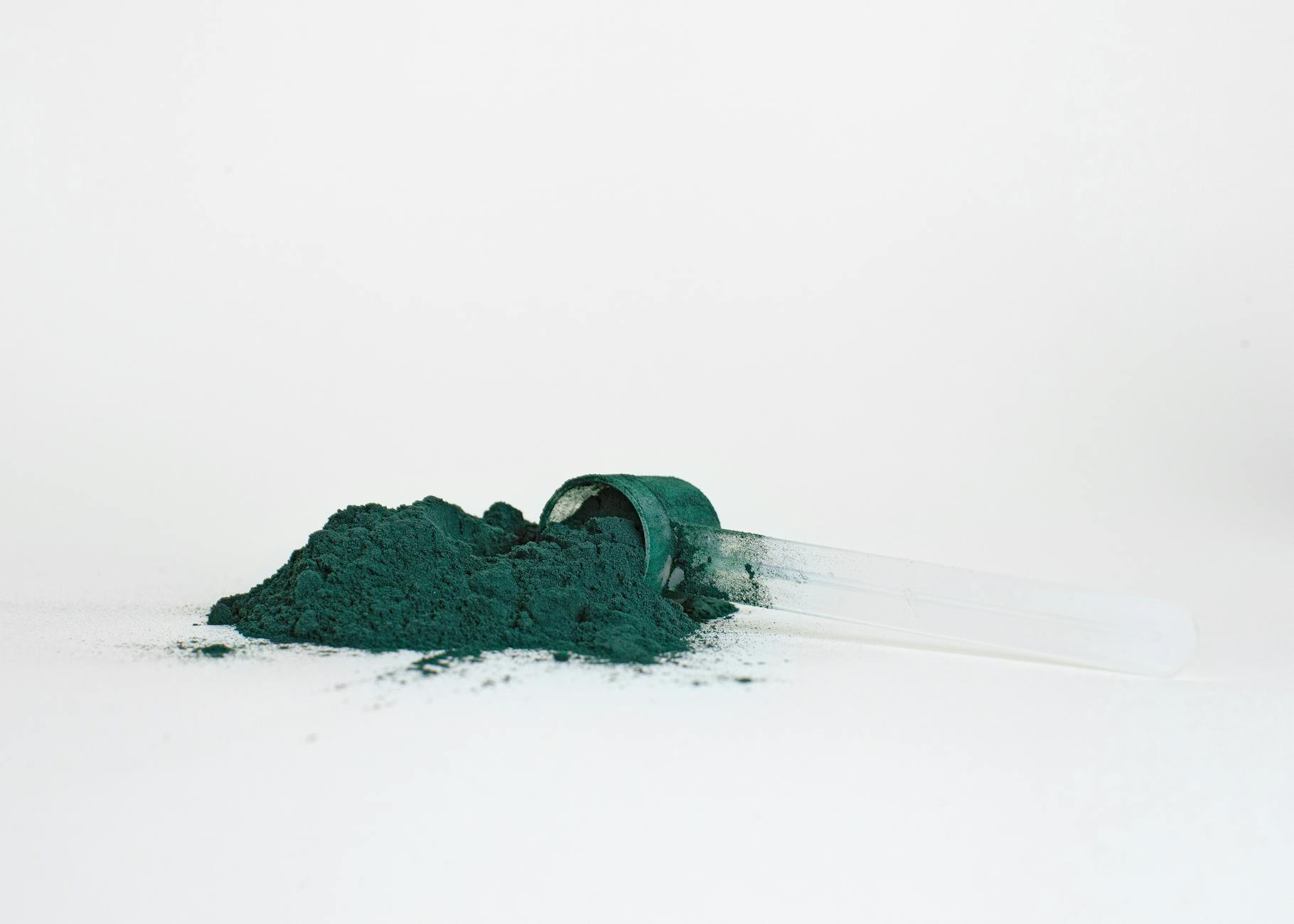
Spirulina is a blue-green algae powder widely added to smoothies and wellness drinks and positioned as one of the most nutrient-dense foods on the planet. Contamination is a significant issue in the spirulina industry as algae readily absorbs heavy metals and toxins from its growing environment and quality control varies widely between suppliers. Some spirulina products have been found to contain microcystins, toxic compounds produced by other cyanobacteria that can contaminate algae cultivation environments. People with phenylketonuria must avoid spirulina entirely due to its phenylalanine content. Those taking immunosuppressant medications should also exercise caution as spirulina has immune-stimulating properties that can work against the intended effect of those drugs.
Wheatgrass Shots

Wheatgrass shots are a longstanding fixture of juice bars and health food culture promoted for their chlorophyll and enzyme content. Mold contamination is a documented problem in wheatgrass cultivation as the warm and moist growing conditions required also favor fungal growth if production hygiene is not rigorously maintained. Wheatgrass grown in soil rather than controlled indoor environments can accumulate soil contaminants and pesticide residues. Some individuals experience nausea, headaches, and hives after consuming wheatgrass, which may indicate sensitivity to grass proteins or mold byproducts. The extraordinary health claims made for wheatgrass including cancer prevention and blood purification have no credible scientific foundation.
Elderflower Cordials

Elderflower cordials and elderberry wellness drinks have surged in popularity particularly as immune-boosting products during cold and flu seasons. Raw elderflowers and elderberries contain sambunigrin, a cyanogenic glycoside that can cause nausea and vomiting if the plant material is not properly processed before consumption. Some artisan and homemade versions of these drinks carry a higher risk of inadequate heat treatment compared to large commercial producers. Elderberry products have shown some evidence of shortening cold duration in limited studies but the immune-stimulating effect may be counterproductive for people with autoimmune conditions. Drug interactions with elderberry and immunosuppressant medications are a legitimate clinical concern that is rarely communicated in wellness retail settings.
Adaptogen Lattes

Adaptogen lattes typically combine plant-based extracts such as ashwagandha, rhodiola, and holy basil with a milk base and are sold as stress-reduction and hormonal balance beverages. Ashwagandha has documented interactions with thyroid medications and sedatives and its regular consumption outside a supervised context can produce unintended hormonal effects. Rhodiola can cause agitation, insomnia, and increased heart rate particularly in individuals who are sensitive to stimulant compounds. The term adaptogen is not a regulated classification and is applied very loosely across the industry to a wide range of botanicals with vastly different safety profiles. Pregnant and breastfeeding women are generally advised to avoid these products as safety data for these populations is largely absent.
Probiotic Shots
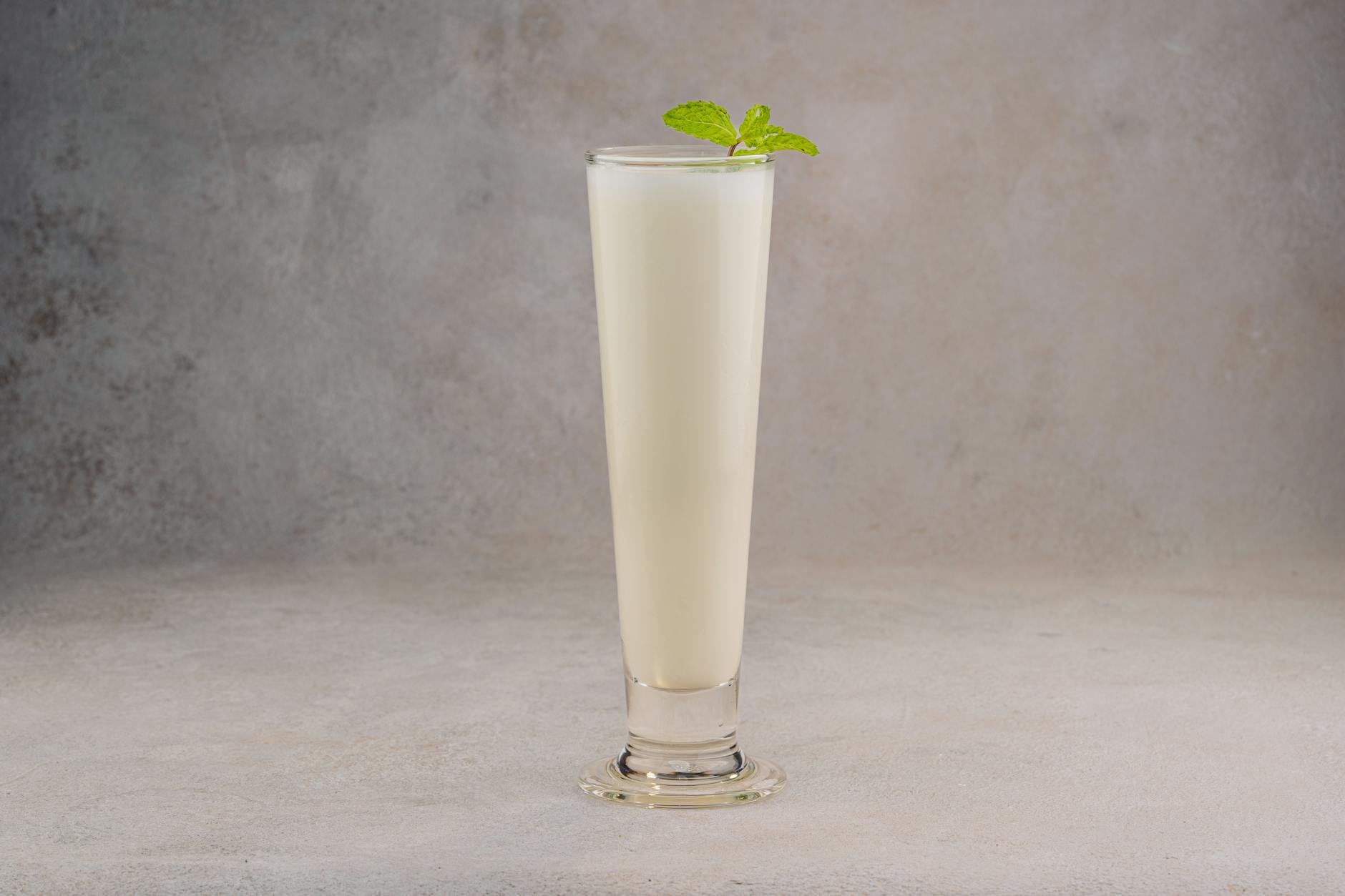
Probiotic shots are small concentrated beverages containing high colony-forming unit counts of bacteria marketed for digestive and immune support. The survivability of probiotic strains through the acidic environment of the stomach and into the intestine varies enormously across products and most companies do not conduct rigorous independent testing to verify viable delivery. In immunocompromised individuals probiotics have caused serious infections including cases of sepsis and fungemia documented in clinical literature. The strains used in commercial products are not regulated as medicines meaning efficacy and safety claims are not subject to the same scrutiny applied to pharmaceutical treatments. Not all strains provide the same benefits and matching a specific strain to a specific condition requires clinical guidance that a wellness shot cannot provide.
Beetroot Juice
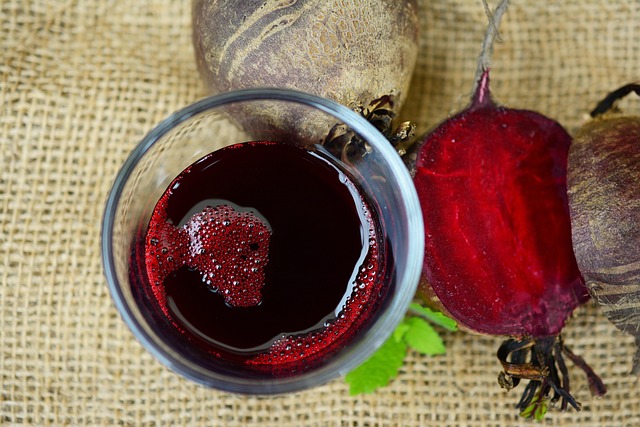
Beetroot juice is promoted extensively in fitness circles for its nitrate content which is said to improve athletic endurance and lower blood pressure. The blood pressure-lowering effect is real and documented which means it carries genuine risk for individuals who already have low blood pressure or who take antihypertensive medications. Beetroot is among the highest-oxalate vegetables available and concentrated juice consumption has been linked to an increased risk of kidney stone formation in those with a history of calcium oxalate stones. The natural betaine content in beets can cause gastrointestinal discomfort including cramping and significant changes in stool and urine color that alarm uninformed consumers. People with hemochromatosis should exercise caution as beetroot can increase iron absorption beyond what their condition allows.
Ginger Shots

Ginger shots are highly concentrated forms of fresh ginger juice taken in small volumes and promoted for their anti-inflammatory and digestive properties. In high doses ginger acts as a blood thinner and regular consumption of concentrated shots can potentiate the effect of anticoagulant drugs including warfarin. There are documented interactions between therapeutic-level ginger consumption and medications for diabetes, heart conditions, and blood pressure. The intense concentration of these shots compared to culinary use of ginger means that gastrointestinal irritation including heartburn and stomach cramping is a common side effect. Consuming them on an empty stomach as many wellness protocols recommend amplifies these digestive effects considerably.
Nootropic Drinks

Nootropic drinks are a newer category of functional beverages containing compounds such as L-theanine, bacopa monnieri, and various synthetic cognitive enhancers alongside caffeine. Many nootropic drinks contain multiple active compounds whose interactions with each other and with commonly used medications have not been studied in combination. The word nootropic is unregulated and appears on products ranging from mildly caffeinated teas to drinks containing racetams and other substances with meaningful pharmacological activity. Bacopa monnieri has known interactions with anticholinergic drugs and can cause digestive side effects at higher doses. The long-term safety data on regular consumption of many synthetic nootropic compounds is simply not available because these ingredients have not been studied over multi-year timeframes in human populations.
Energy Tonics
Herbal energy tonics containing combinations of ginseng, guarana, yerba mate, and proprietary botanical blends occupy a murky space between the supplement and beverage industries with minimal regulatory oversight. The caffeine content in these products is frequently much higher than labeled amounts due to naturally variable concentrations in botanical extracts and inconsistent testing standards. Cardiovascular events including arrhythmias and hypertensive crises have been reported in individuals consuming high-caffeine botanical energy products, particularly in combination with exercise. Guarana and yerba mate contain caffeine and additional stimulant compounds that amplify the total stimulant load beyond what equivalent coffee consumption would deliver. Young adults and individuals with any cardiac history are particularly at risk from the unregulated stimulant combinations these products can contain.
IV Drip Wellness Drinks

A newer category of drinkable products has emerged mimicking the nutrient profile of intravenous drip therapies including high-dose vitamin C, B vitamins, and electrolyte blends. Exceeding the tolerable upper intake levels for fat-soluble vitamins through repeated high-dose consumption can lead to toxicity, with vitamin A and vitamin E toxicity being clinically documented risks. High-dose vitamin C drinks consumed regularly can increase urinary oxalate excretion and contribute to kidney stone formation in susceptible individuals. The bioavailability of nutrients consumed orally is fundamentally different from intravenous administration meaning the premise on which these drinks are marketed is scientifically questionable. Mega-dose B vitamin products have been associated in some studies with an increased risk of certain cancers at supplementation levels well above established dietary recommendations.
Colloidal Silver Drinks

Colloidal silver drinks occupy the most concerning position in the wellness beverage landscape and have attracted formal regulatory warnings from health authorities in multiple countries including the United States Food and Drug Administration. Colloidal silver has no known essential biological function in the human body and is not a nutrient that the body requires or benefits from. The most well-known risk is argyria, a permanent and irreversible bluish-gray discoloration of the skin caused by silver deposits accumulating in tissue. Silver can also impair the absorption of certain antibiotics including tetracyclines and quinolones, which is particularly dangerous during active infection treatment. No credible evidence exists to support any of the immunity, antimicrobial, or disease-fighting claims made for colloidal silver beverages by their manufacturers.
If any of these drinks are part of your current wellness routine, share your experience and questions in the comments.