
Luxury brands are not simply selling products. They are selling a carefully constructed emotional experience designed to make certain consumers feel aspirational longing while positioning others as belonging to an exclusive inner circle. The gap between those who own and those who desire is not accidental. It is the result of decades of refined psychological strategy built into every element of how these brands present themselves to the world. Understanding these tactics does not diminish their power but it does offer a revealing look at how the modern luxury industry operates.
Price Anchoring
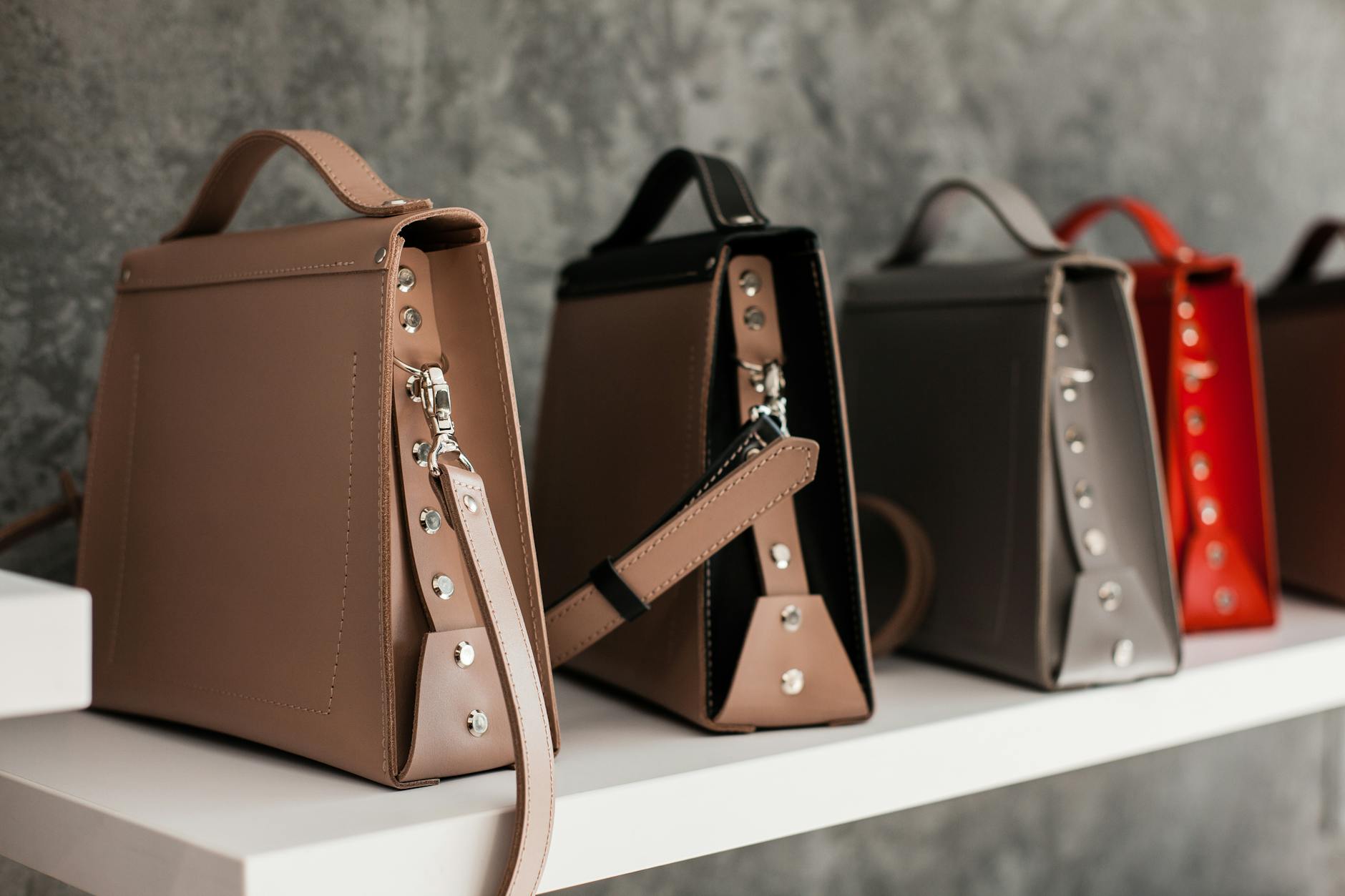
Luxury brands deliberately place extraordinarily expensive items at the front of stores and the top of catalogs to recalibrate what feels like a reasonable price to spend. Once a consumer sees a handbag priced at twenty thousand dollars, a three thousand dollar alternative suddenly registers as sensible and attainable. This psychological reset is known as anchoring and it operates entirely below conscious awareness. The anchor price does not need to sell frequently to be effective. Its purpose is simply to shift the entire perception of value within the shopping environment.
Scarcity Signaling
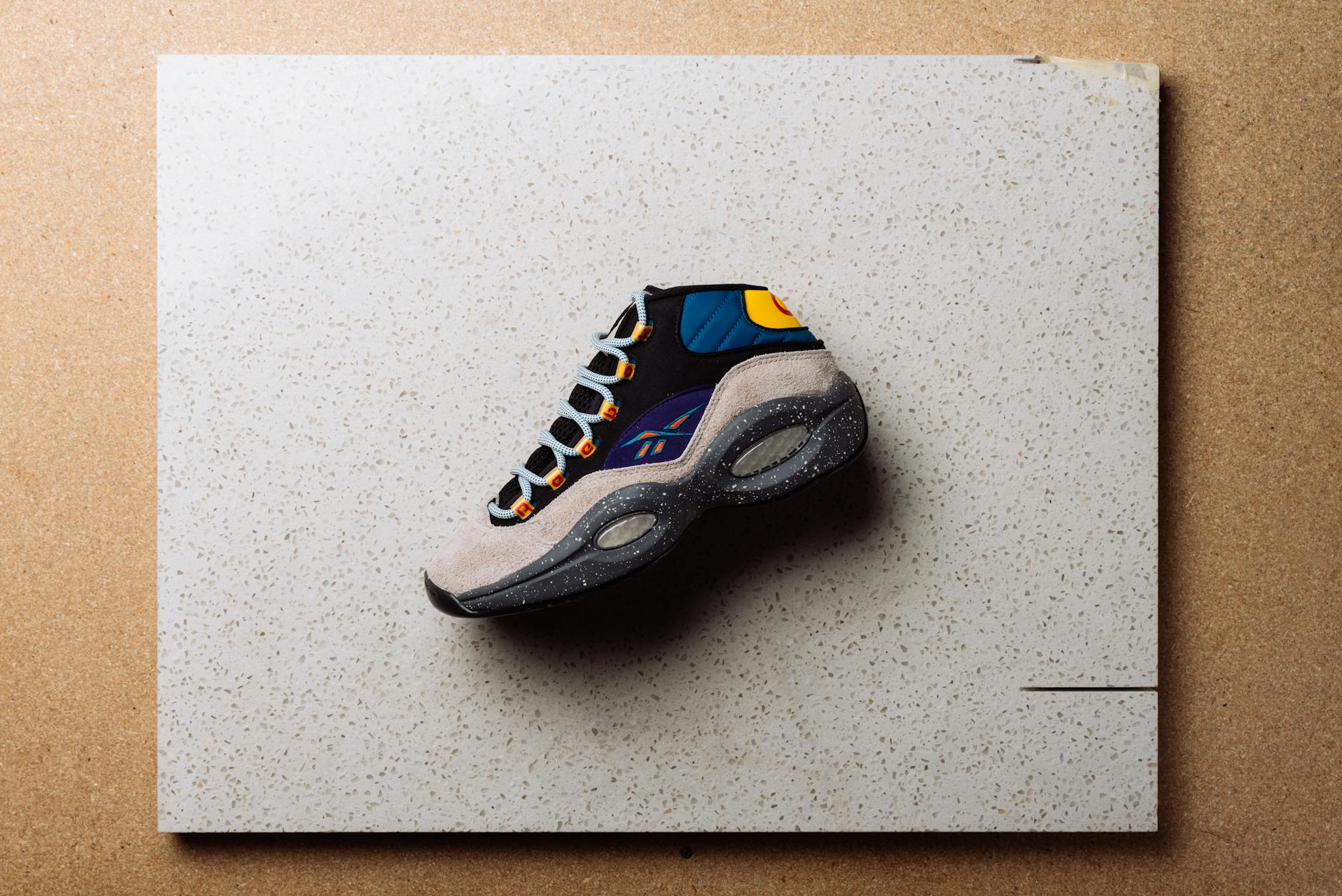
Limited edition releases and deliberately restricted inventory are core tools in the luxury playbook for manufacturing desire. When a brand announces that only two hundred units of a product will ever be produced, it activates a deep psychological fear of missing out in the consumer. This scarcity is frequently artificial rather than a result of genuine production constraints. The effect is to transform a commercial product into something that feels rare and culturally significant. Consumers who secure the item feel elevated while those who do not are left with a lingering sense of lack.
Logo Minimalism

Many top-tier luxury brands have progressively stripped their logos down to near invisibility on their most expensive pieces. This counterintuitive strategy sends a clear message that the wearer is so embedded in elite culture that they need no external validation. The underlying psychological implication is that obvious logos are for those new to wealth who need to announce it. True insiders supposedly recognize quality through subtler signals such as fabric texture or precise stitching. Anyone unfamiliar with these quiet codes is meant to feel excluded from a conversation happening just out of reach.
Retail Architecture
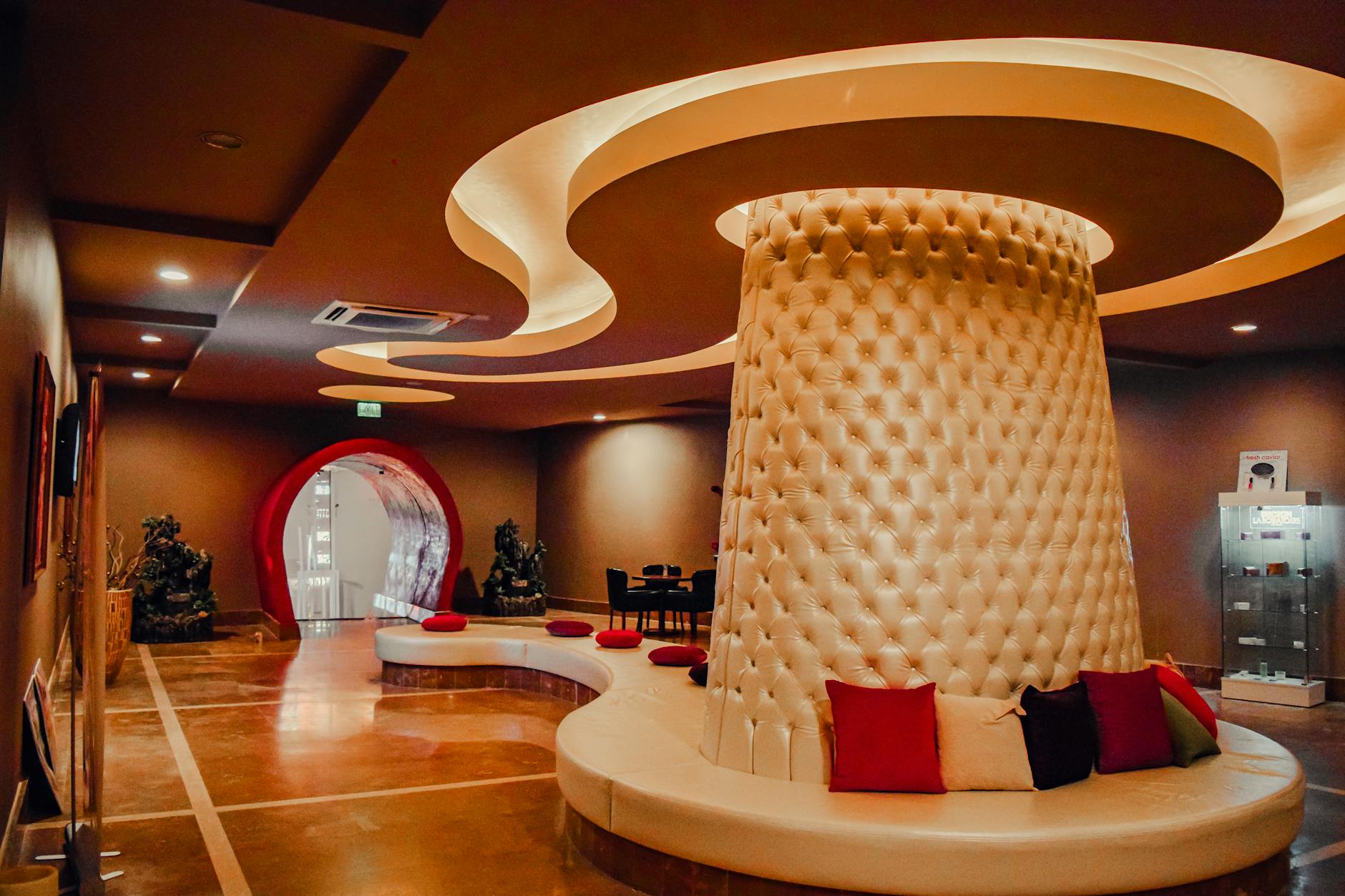
The physical design of luxury boutiques is engineered to produce specific emotional responses in every visitor who enters. Hushed interiors, low lighting, sparse product displays, and immaculately dressed staff all communicate that this is not a space built for casual browsing. The atmosphere is deliberately intimidating to those unaccustomed to it and reassuringly familiar to regular high-spending clientele. Wide spacing between products implies that each item is too precious and important to be crowded near others. The architectural message is clear that not everyone who enters truly belongs there.
Waitlist Culture
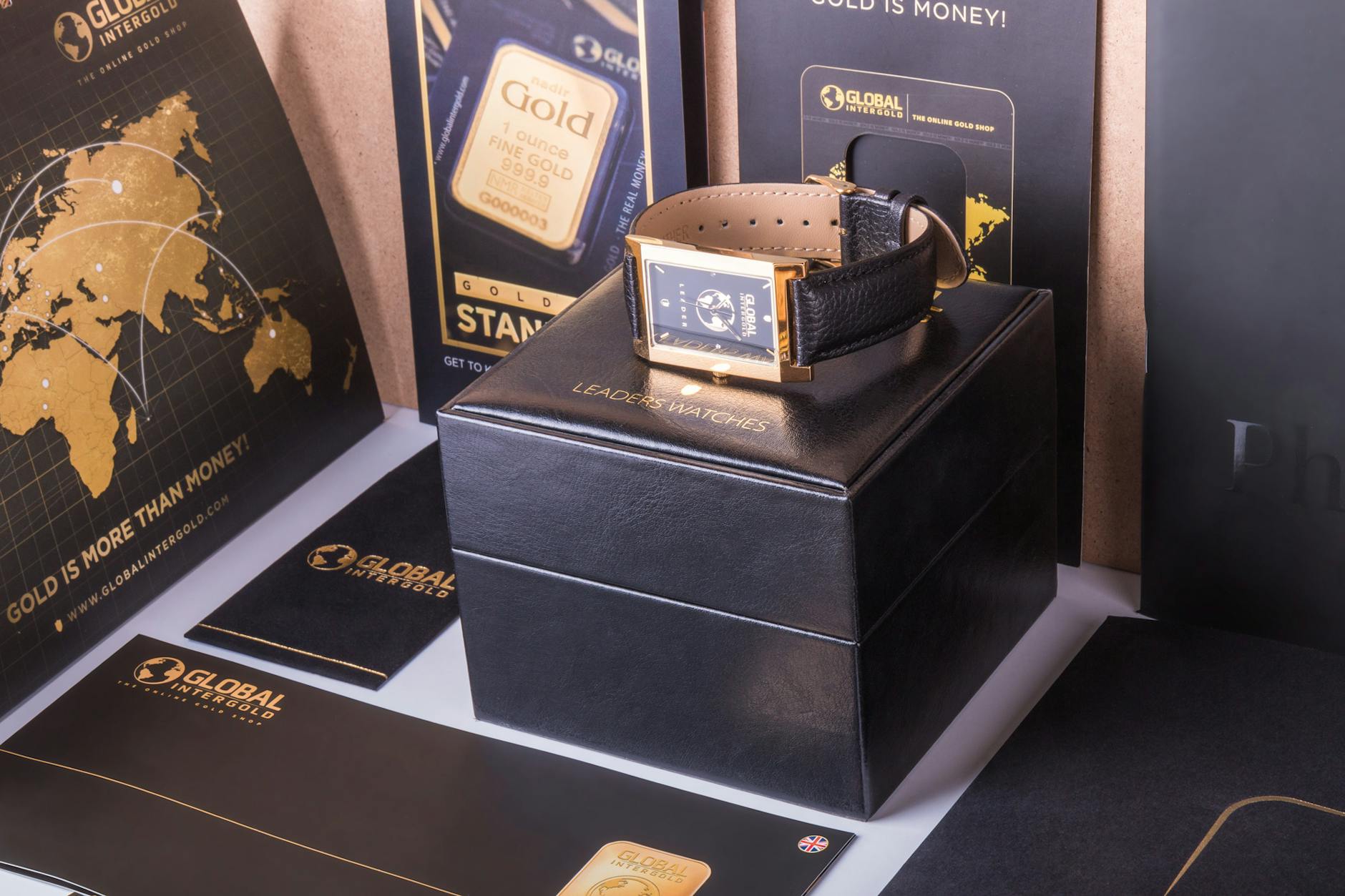
Placing consumers on waitlists for products that are nominally available is a calculated strategy to intensify desire through imposed patience. The act of waiting signals that the consumer has entered a rarefied process reserved for the committed and the worthy. Brands including certain watchmakers and leather goods houses have turned the waitlist into a status symbol in its own right. Being on a list implies proximity to something most people will never access. Those who are not even eligible for a waitlist are positioned even further from the experience the brand is selling.
Aspirational Casting

Luxury advertising consistently features a very narrow physical and social archetype that represents an idealized and largely unattainable lifestyle. The people shown in campaigns are not simply attractive. They inhabit imagined worlds of effortless elegance, inherited confidence, and frictionless wealth. Consumers absorb these images and unconsciously measure their own lives against what they see. The psychological distance between the viewer and the person in the advertisement is the engine that drives desire. Closing that gap even partially through a purchase becomes the emotional reward the brand is offering.
Strategic Neglect
Some luxury brands train their sales staff to appear subtly indifferent toward customers who do not match a certain profile of wealth or familiarity. This calculated coolness is not accidental customer service failure but a deliberate psychological tool. When a shopper feels slightly overlooked or assessed, their desire to prove their belonging intensifies. The effort required to win the attention of a disinterested salesperson can make the eventual purchase feel like a social victory. The brand benefits from having manufactured that emotional journey entirely within its own retail environment.
Heritage Narratives
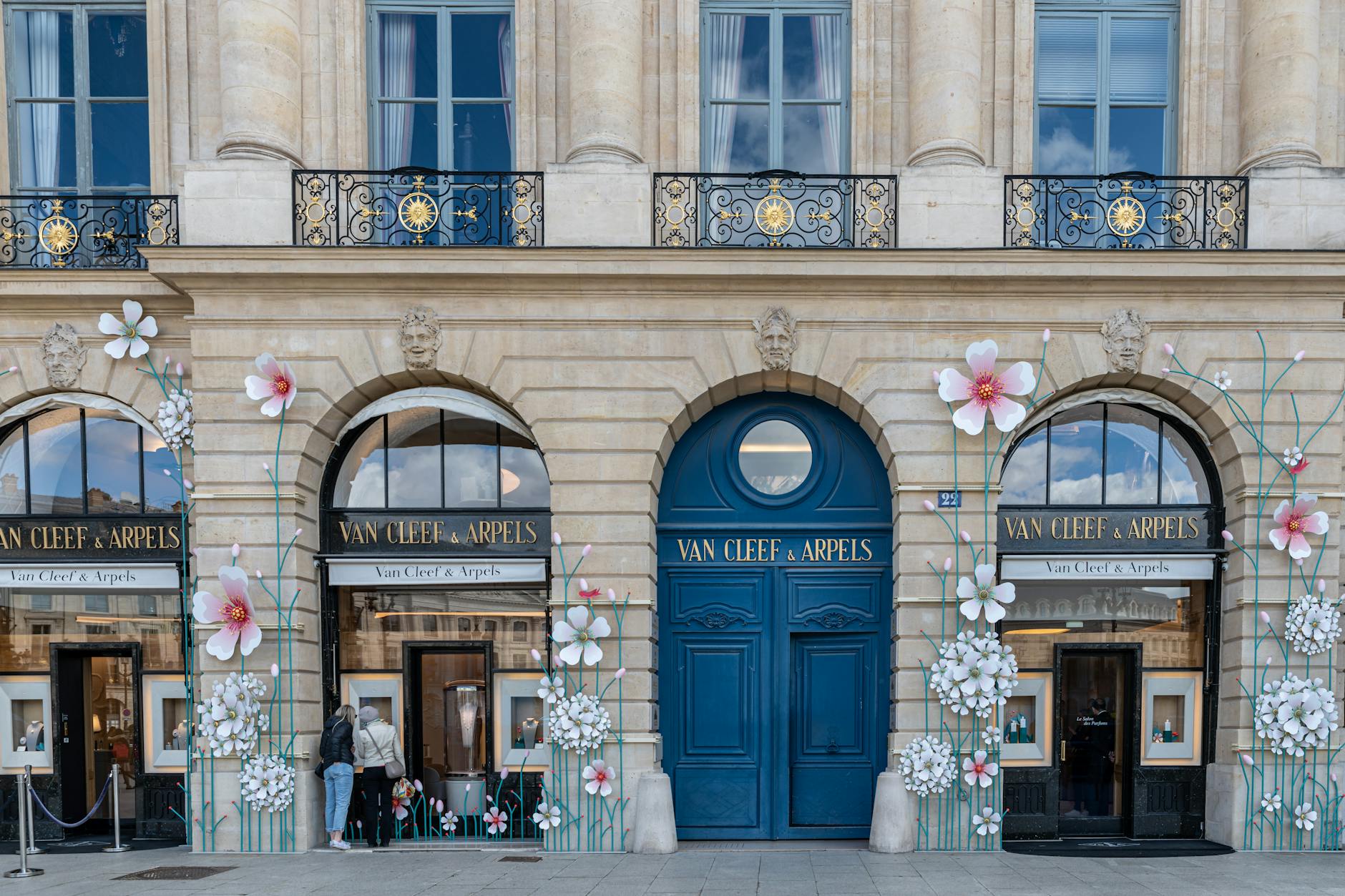
Luxury houses invest heavily in communicating their founding histories, craft traditions, and family dynasties to create a sense of deep cultural legitimacy. A brand established in nineteenth century Paris or Florence carries implied credentials that a newer company cannot replicate regardless of product quality. These narratives position the consumer who buys in as someone participating in a living cultural institution. Those who cannot afford to participate are quietly framed as outside of history and outside of refinement. The heritage story transforms a product purchase into a form of cultural membership.
Packaging Theater

The unboxing experience engineered by luxury brands is designed to create a powerful emotional contrast with everyday consumption. Multiple layers of tissue, weighted boxes, ribbon closures, and the scent of quality materials all communicate that what is inside is categorically different from ordinary goods. This ritual slows the reveal and builds psychological anticipation that amplifies the perceived value of the product itself. The packaging communicates to the buyer and to any observers that something significant has occurred. Consumers who receive standard commercial packaging in their daily lives are meant to register exactly what they are missing.
Celebrity Adjacency

Luxury brands do not simply hire celebrities for advertising. They engineer an ongoing cultural proximity between their products and figures who embody power, talent, or social influence. When a critically acclaimed actress is photographed carrying a particular bag without any visible commercial arrangement, the brand benefits from implied authentic endorsement. Consumers who aspire to the world that celebrity represents absorb the association between the product and that world. The psychological effect is a sense that purchasing the item moves the buyer one step closer to a life that is otherwise entirely out of reach.
Membership Language
Luxury brands carefully use language that implies an existing community of insiders into which only select consumers are invited. Phrases referencing the house, the atelier, or the family suggest a private world with its own customs and hierarchies. Marketing communications often speak directly to an assumed existing relationship rather than introducing the brand to a newcomer. This language makes aspirational consumers feel they are on the outside looking in at a world with its own rules of belonging. The desire to be addressed as an insider rather than a prospect drives significant emotional and financial investment.
Sensory Manipulation
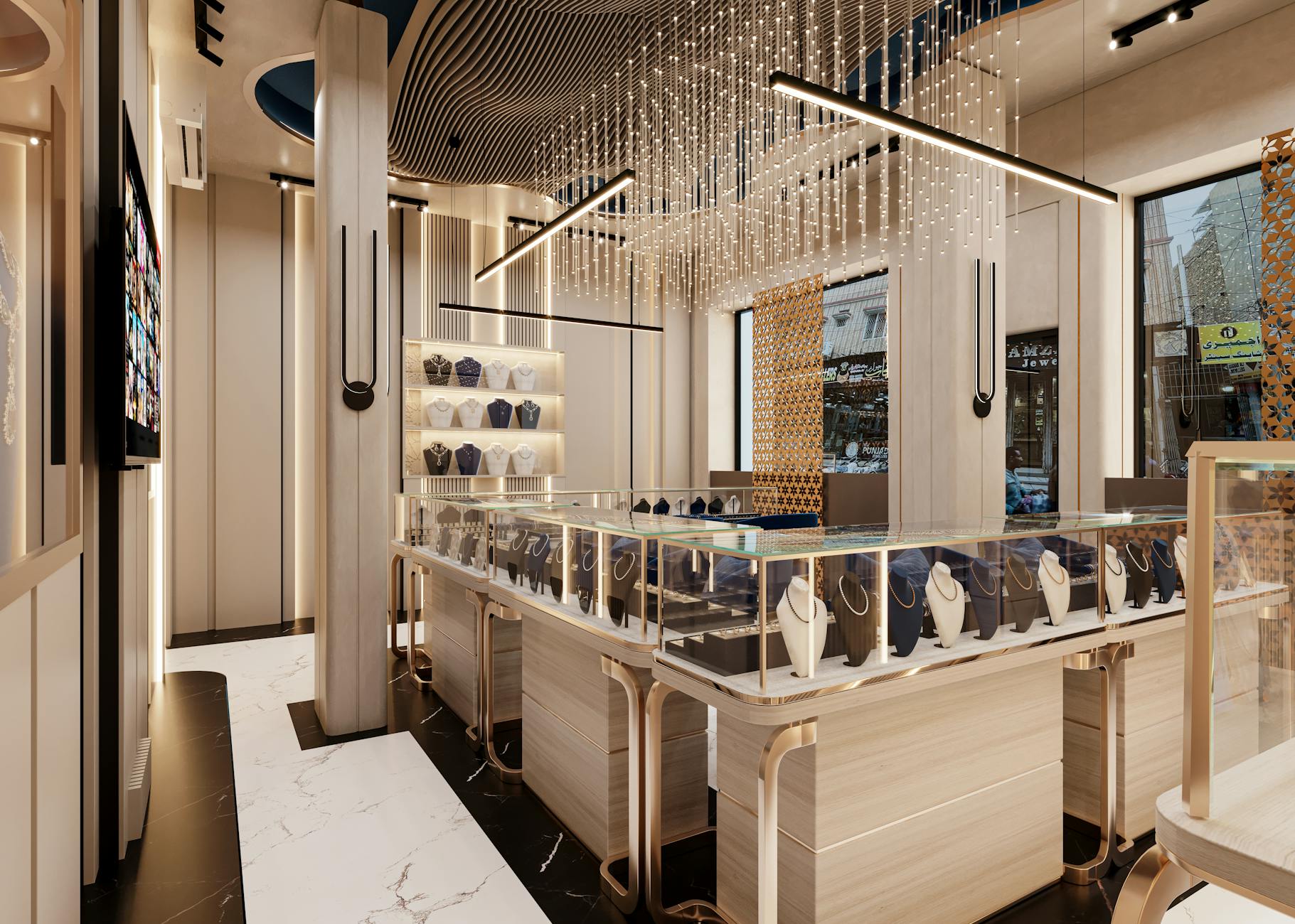
Every sensory detail within a luxury retail environment is calibrated to create a specific and elevated experience that feels entirely unlike everyday life. The temperature of a boutique, the ambient soundtrack, the scent diffused through the ventilation system and the weight of a product in hand are all deliberately chosen. These combined sensory signals bypass rational evaluation and communicate luxury through direct physical experience. Consumers who encounter this environment after spending time in ordinary retail spaces feel the contrast acutely and emotionally. The brand does not need to make any verbal claims about quality when the senses have already delivered that message.
Price Opacity
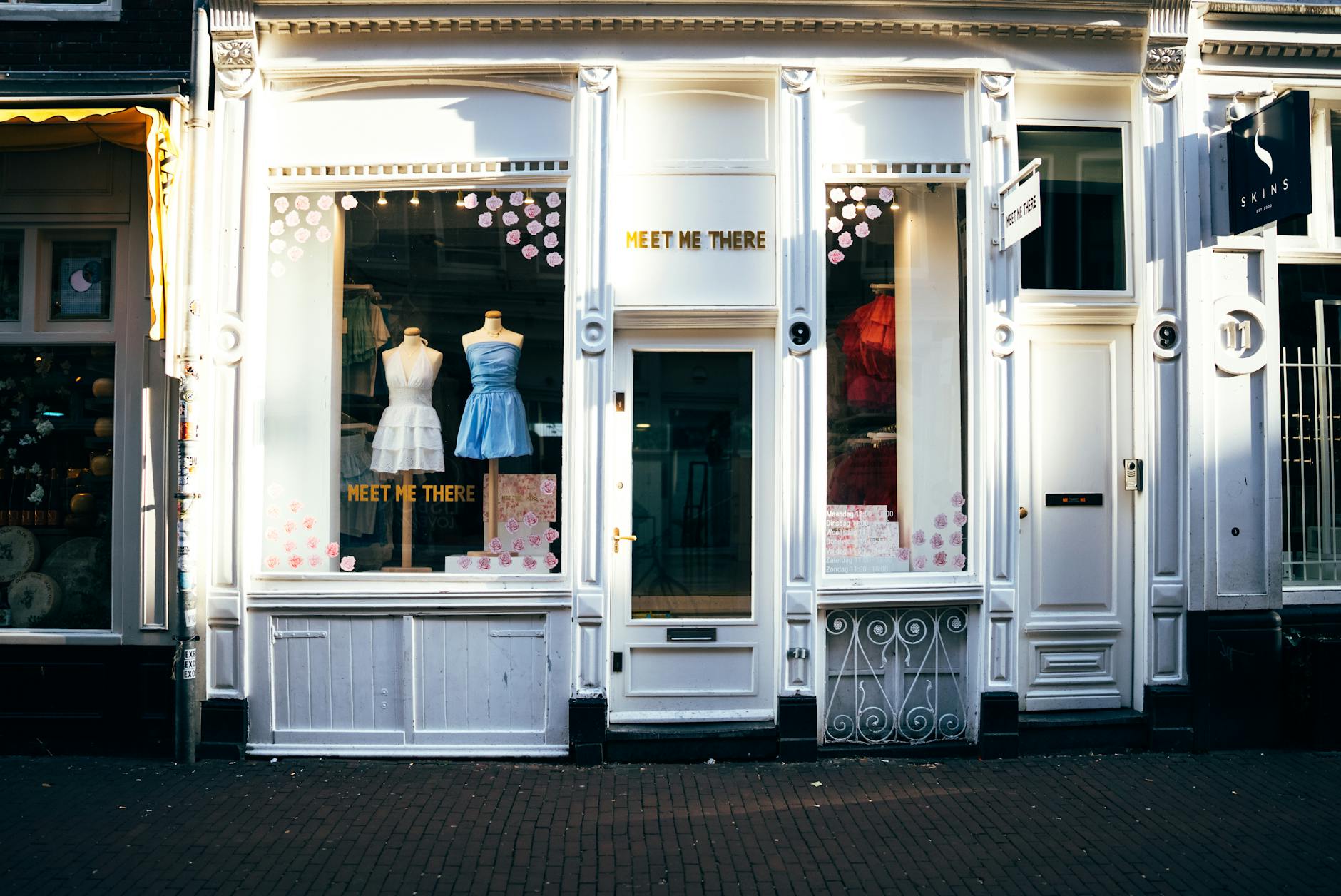
Many luxury brands deliberately withhold pricing from public display, requiring interested consumers to inquire directly with staff or make an appointment to discuss terms. This strategy communicates that the product is in a category where price is a secondary concern for the intended customer. For those who need to ask about cost and then hesitate, the interaction itself becomes a quiet assessment of whether they truly belong in that conversation. The discomfort of not knowing or of reacting visibly to a price serves the brand by reinforcing exactly who this product is and is not for. Financial transparency is a feature of mass market commerce and its absence signals that different rules apply here.
Influencer Gatekeeping

Luxury brands maintain rigid control over which individuals receive products for gifting, lending, or early access in order to preserve the social meaning of their name. The hierarchy of who is invited to a brand event or who receives a pre-launch piece sends clear signals throughout aspirational consumer communities. Followers who observe this system understand implicitly that access is itself a form of currency distributed only among those who have already arrived. This manufactured gatekeeping means that ordinary consumers must purchase their way into a system that insiders enter through social capital. The emotional distance between observer and participant is widened deliberately and continuously.
Color and Material Coding
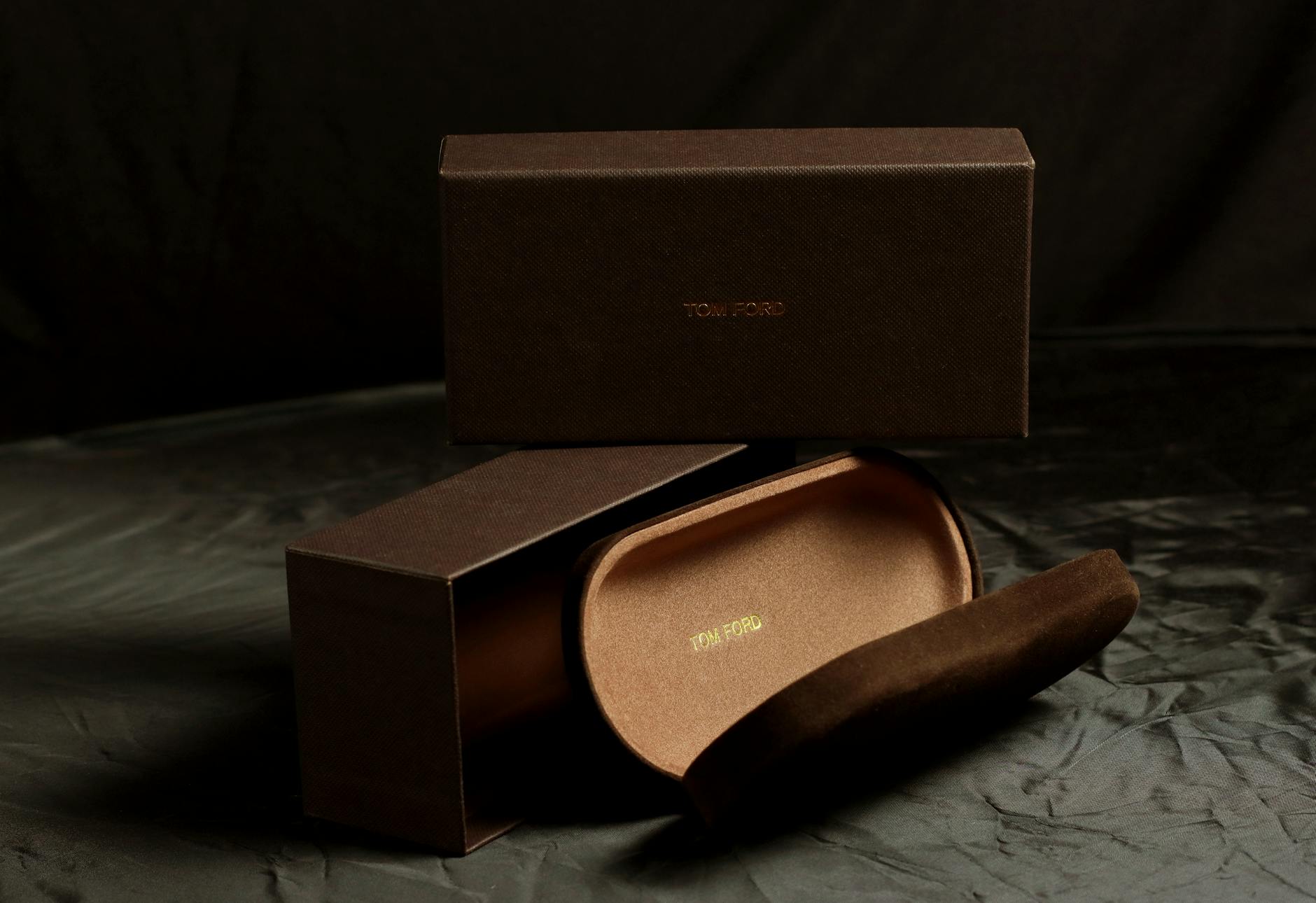
Luxury brands develop proprietary colorways, material finishes, and design signatures that function as an elite visual language recognizable only to those already inside the world. A specific shade of orange on a box or a distinctive canvas pattern communicates instant recognition among initiates while remaining opaque to outsiders. Consumers who recognize these codes feel a quiet pride in their cultural fluency while those who do not register them are excluded without being explicitly told so. The brand does not need to advertise its status when its existing clientele can identify it through shared knowledge. This system rewards loyalty and prior investment while ensuring that newcomers must educate themselves before they can fully belong.
Share your thoughts on luxury brand psychology in the comments.