Retailers and marketers have spent decades studying human psychology, and the tactics they use are far more sophisticated than most shoppers ever realize. From the way a store is physically arranged to the fonts used on a price tag, every detail is carefully engineered to lower resistance and encourage spending. Understanding these hidden mechanisms is the first step toward reclaiming control over purchasing decisions. The following tricks are embedded into everyday shopping experiences so seamlessly that most people never notice them at work.
Charm Pricing
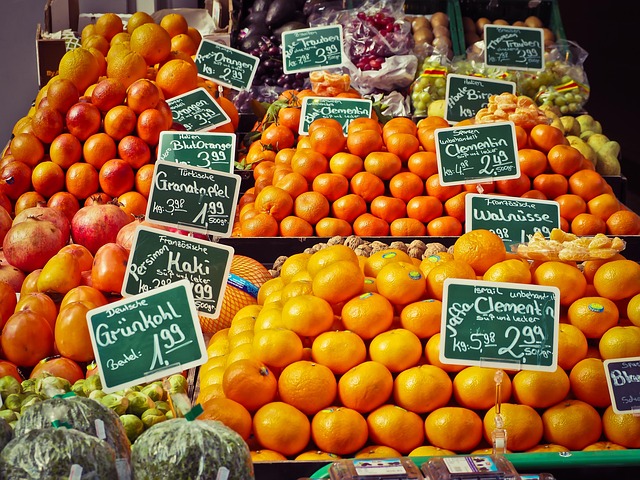
Prices ending in .99 or .95 are among the most well-documented psychological tools in retail history. The human brain processes these figures as significantly lower than the nearest whole number, even when the difference is just one cent. This left-digit anchoring effect means a product priced at $4.99 feels much closer to four dollars than five in the mind of the shopper. Studies consistently show that charm pricing increases sales volume across virtually every product category. Retailers rely on it precisely because consumers rarely stop to question why prices are never rounded up.
Anchor Pricing
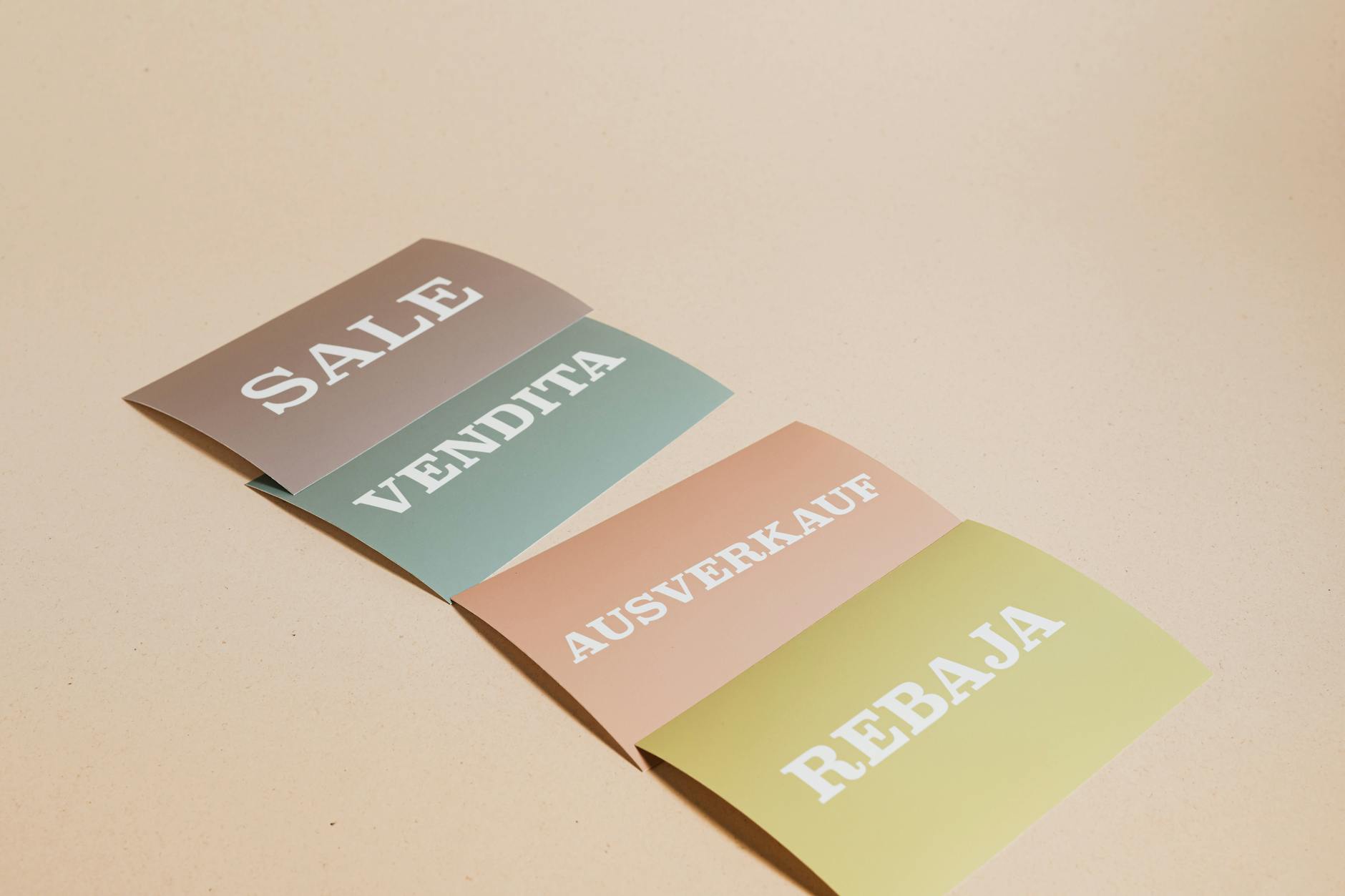
When a product is displayed next to a much higher-priced option, the expensive item serves as a psychological anchor that makes everything else seem like a bargain. This technique is commonly used in restaurants, electronics stores, and fashion retail to shift perception of what constitutes reasonable value. The original or “crossed-out” price shown next to a sale price works on the same principle, making the current price feel like a significant win. Shoppers are essentially being given a reference point that was designed to be rejected, so the target price appears more attractive by comparison. The anchor itself may never have been a realistic selling price at all.
Background Music

The tempo and genre of music playing in a retail environment has a measurable effect on how long customers stay and how much they spend. Slow, relaxing music encourages shoppers to linger, browse more items, and ultimately add more to their cart without feeling rushed. Upbeat music in fast food and casual dining settings speeds up table turnover while still prompting impulse food orders. Research shows that music congruent with a brand’s identity increases the perception of product quality and encourages greater spend per visit. This auditory influence operates almost entirely below the level of conscious awareness.
Strategic Store Layouts
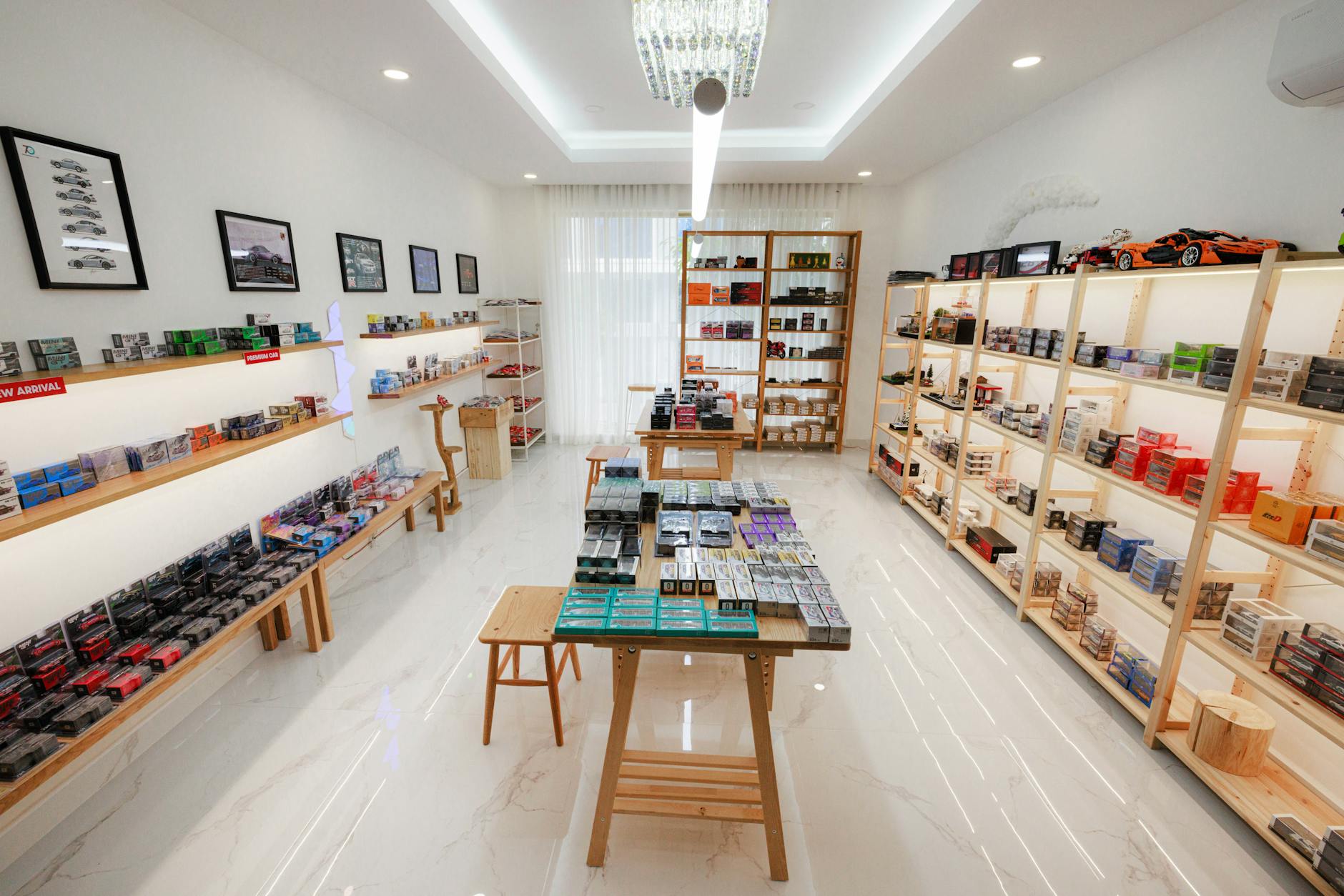
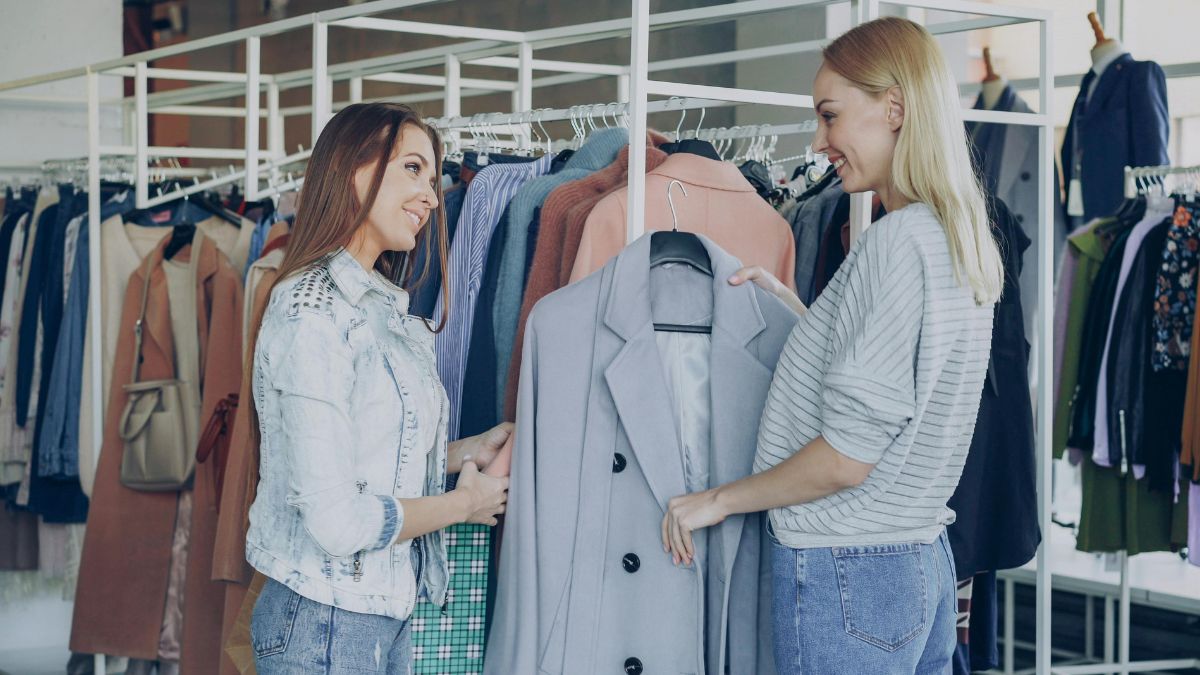
Grocery and big-box stores are deliberately designed so that essential items like milk, bread, and eggs are placed as far from the entrance as possible. This forces shoppers to navigate through the entire store, increasing exposure to non-essential items along the way. End-cap displays positioned at the edges of aisles are premium placement zones that generate dramatically higher impulse purchase rates. The winding, maze-like paths common in stores like IKEA are not accidental but are engineered to maximize time spent inside. Every step of the journey through the store has been optimized to create additional spending opportunities.
Scarcity Messaging
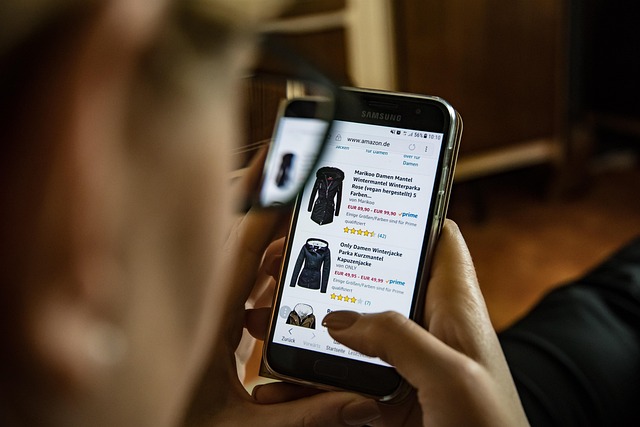
Phrases like “only 3 left in stock” or “limited time offer” trigger a psychological response rooted in loss aversion, one of the most powerful motivators in human decision-making. When people believe something may become unavailable, they place a higher perceived value on it and act more quickly to secure it. Online retailers use countdown timers and low-inventory alerts specifically to override the natural tendency to pause and evaluate a purchase rationally. This manufactured urgency bypasses the reflective part of the brain and activates an almost instinctive grab response. The scarcity is often artificial, but its emotional impact is entirely real.
Free Shipping Thresholds
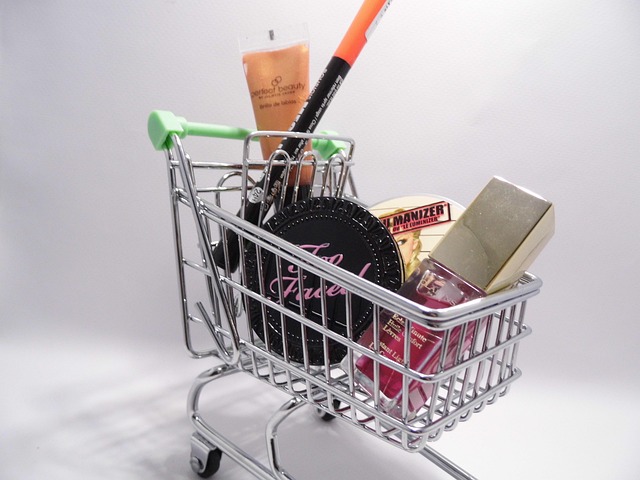
Offering free shipping above a specific cart value is a widely used tactic that reliably increases average order size. When a shopper is told they are just ten dollars away from qualifying, they will almost always add an item to reach that threshold rather than pay the shipping fee. The added item frequently costs more than the shipping would have, making the “savings” illusory. This threshold effect exploits the deep human aversion to paying for something that feels like it should be free. Retailers calibrate the threshold precisely to sit just above the natural average order value of their typical customer.
Loyalty Programs
Reward programs create a sense of obligation and investment that encourages continued and increased spending with a single brand or retailer. Once a customer has accumulated points, the sunk cost effect makes them reluctant to “waste” their progress by shopping elsewhere. The promise of a future reward also makes present spending feel more justified, even when the redemption value of points is a fraction of the money spent. Many programs are tiered intentionally, dangling a higher status level that requires just a little more spend to unlock. Research shows that loyalty program members consistently spend more per transaction than non-members, which is precisely the intended outcome.
Social Proof Displays

Showing that thousands of other customers have purchased or rated a product positively exploits a deeply wired human tendency to follow the behavior of the crowd. Bestseller labels, customer review counts, and “trending now” badges all serve as social validation that reduces the psychological friction of a buying decision. When people are uncertain about a choice, they default to assuming that popularity signals quality and safety. This mechanism is especially effective on first-time buyers who have no personal experience with a brand. Retailers and platforms engineer the visibility of social proof specifically for high-margin products they want to move at volume.
Bundling
Packaging multiple products together into a single price makes it genuinely difficult for the brain to evaluate the individual value of each component. Shoppers tend to perceive bundles as better value even when buying the items separately might cost the same or less. The complexity of mentally unbundling the price creates cognitive friction that most people resolve simply by accepting the bundle as a deal. Software subscriptions, fast food combo meals, and hotel package offers all exploit this same principle of deliberate pricing opacity. The bundle is presented as a convenience, but its primary function is to increase total transaction value.
Color Psychology
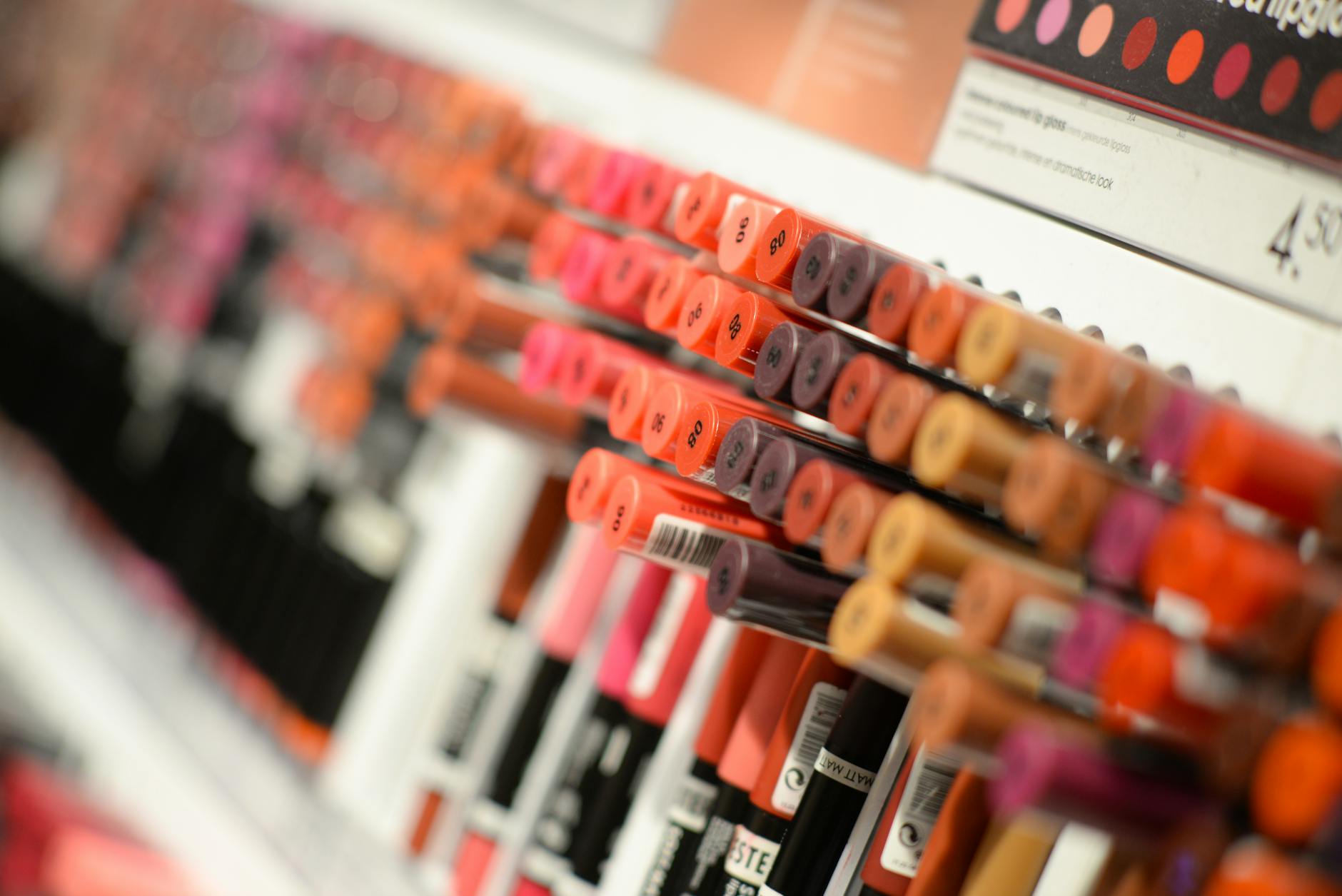
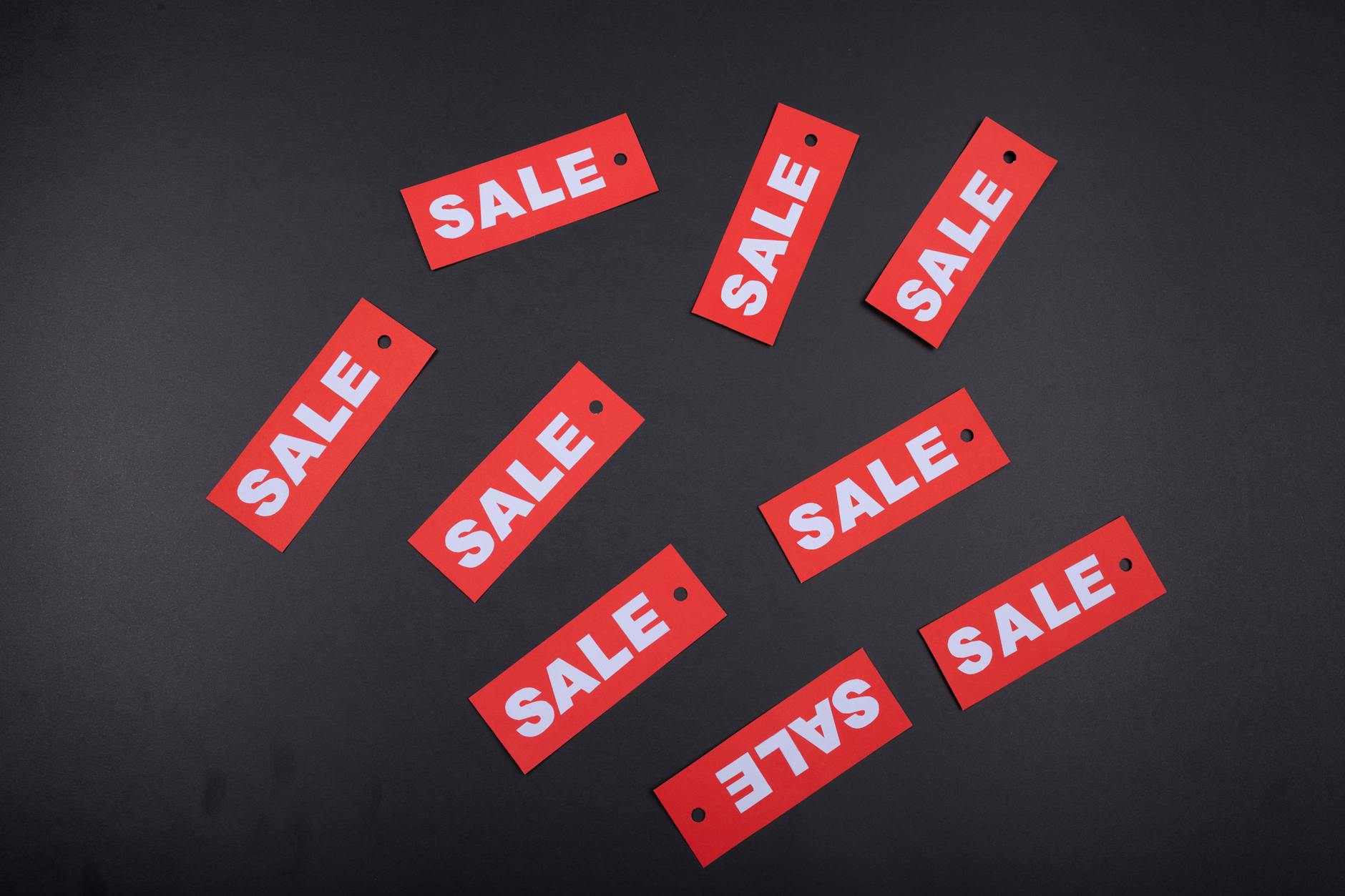
Retail environments use color with great intentionality to influence mood, urgency, and willingness to spend. Red is used extensively in sale signage because it creates physiological arousal and a sense of urgency that accelerates decision-making. Blue tones are associated with trust and reliability, making them common in financial services and premium product branding. Warm lighting and earthy tones in high-end stores create a sense of comfort and quality that primes customers to spend more without questioning price. These choices are not aesthetic preferences but deliberate psychological tools calibrated through consumer research.
The Decoy Effect
When presented with two pricing options, many consumers find the choice genuinely difficult. Introducing a third, clearly inferior option at a price close to the premium choice makes the expensive option appear far more reasonable by comparison. This decoy is never intended to sell in volume but exists purely to reframe how shoppers perceive the relationship between the other two choices. The technique is widely used in magazine subscriptions, software pricing tiers, and cinema concession stands. Once the decoy is in the picture, the majority of buyers shift toward the premium option the retailer most wants to sell.
Sensory Marketing
Physical stores invest heavily in scent, texture, and even temperature to create environments that encourage longer stays and increased purchasing. Research consistently shows that pleasant ambient scent increases the time customers spend in a store and raises the perceived value of products on display. Bakeries pump fresh bread aroma toward entrances not because the bread is baking there but because hunger and comfort are proven spending triggers. Luxury retailers use materials that feel expensive to the touch because tactile quality signals reinforce price perception. When all the senses are engaged positively, the critical evaluation of price becomes secondary to the overall experience.
Digital Dark Patterns
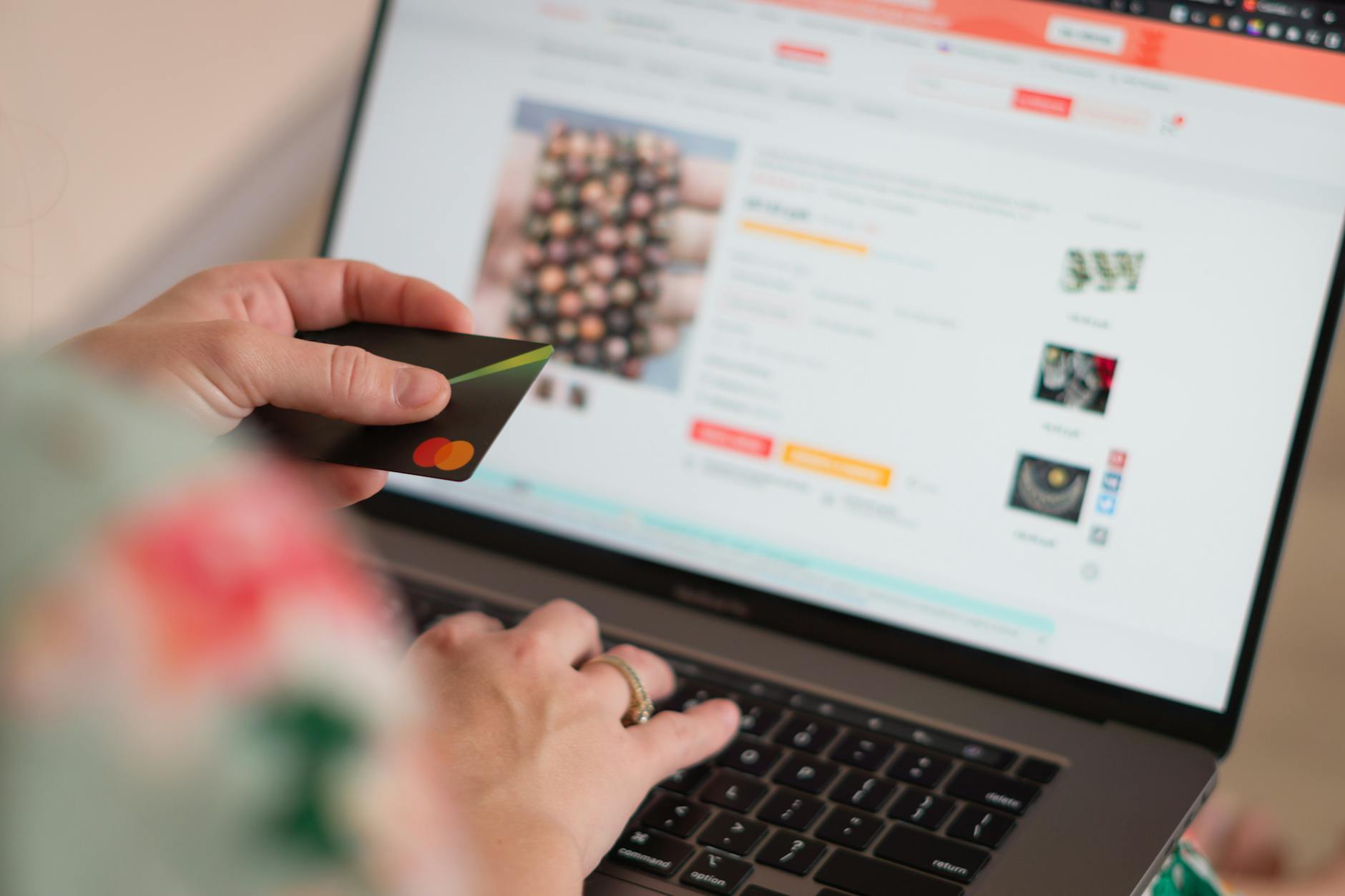
Online shopping platforms use interface design techniques that subtly guide users toward spending more than they intended. Pre-checked boxes that add insurance, accessories, or subscription upgrades are embedded into checkout flows in ways that require active effort to remove. The visual hierarchy of buttons often makes the “accept” option far more prominent than the “decline” option, exploiting default behavior. Progress bars in checkout flows create a sense of commitment that makes shoppers reluctant to abandon a cart even if they have second thoughts. These patterns are not design oversights but intentional choices made to maximize conversion at the cost of consumer autonomy.
Reciprocity Tactics

When a brand offers something for free, whether a sample, a trial, or a gift with purchase, it triggers a deeply ingrained psychological obligation to give something in return. This reciprocity principle is one of the most reliable drivers of consumer behavior across cultures and age groups. Free samples in grocery stores dramatically increase purchase rates of the sampled item compared to any other form of promotion. Cosmetic brands that offer complimentary gifts with a minimum purchase are using the same mechanism to ensure the shopper reaches a specific spend threshold. The gift feels generous, but it is a calculated investment designed to generate a predictable return.
Payment Method Friction
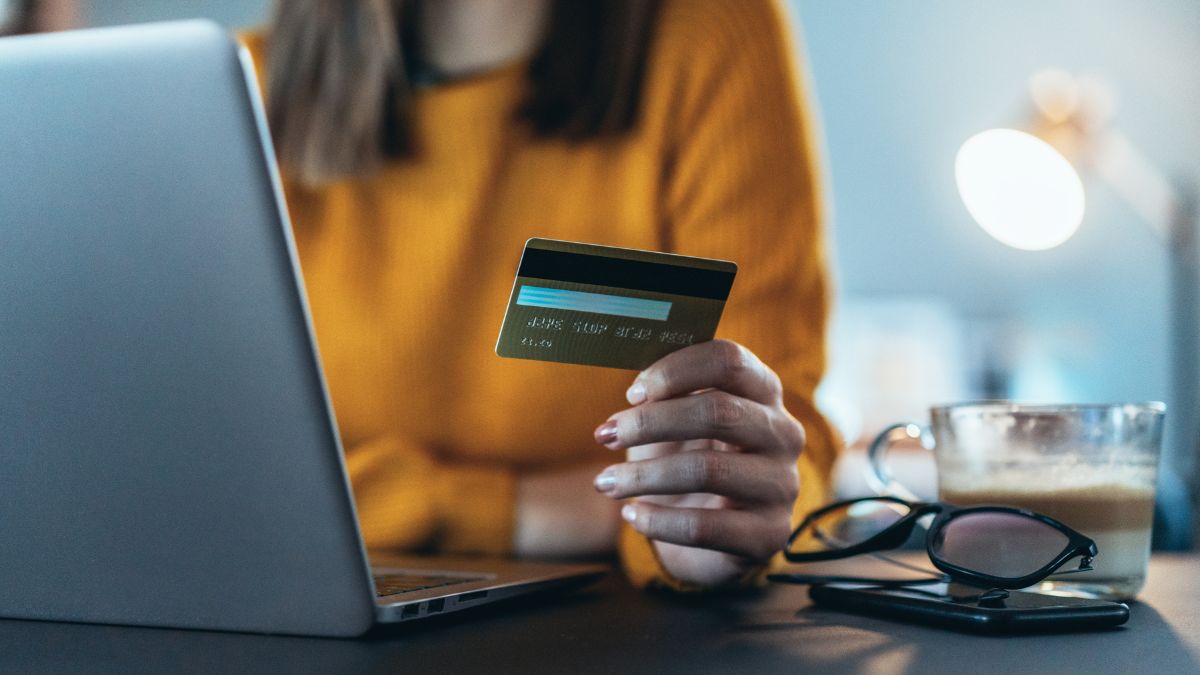
Paying with cash creates a measurable psychological pain response that digital payments almost entirely eliminate. When consumers tap a card or use a phone to pay, the transaction feels abstract and the loss of money is not viscerally registered in the same way. This effect is amplified further with buy-now-pay-later services, which separate the pleasure of acquisition from the discomfort of payment across multiple future installments. Research shows that people consistently spend more when using credit cards compared to cash for identical purchases. The reduction in payment friction is not a consumer convenience but a deliberate feature designed to increase transaction size.
Peak-End Experiences

Retailers and brands carefully engineer the beginning and end of a shopping experience to be the most positive, because human memory disproportionately weights these moments when forming an overall impression. A warm welcome at the door, a complimentary drink in a luxury store, or a satisfying unboxing experience are all designed to create emotional associations that override a rational assessment of whether the purchase was truly worthwhile. Positive emotional peaks make consumers more likely to return, recommend, and spend again without critically evaluating past purchases. The science behind this effect is well-established in behavioral economics and is applied intentionally across hospitality, retail, and e-commerce. How an experience ends matters enormously to future behavior, which is why brands invest heavily in post-purchase communication and packaging.
Loss Aversion Framing
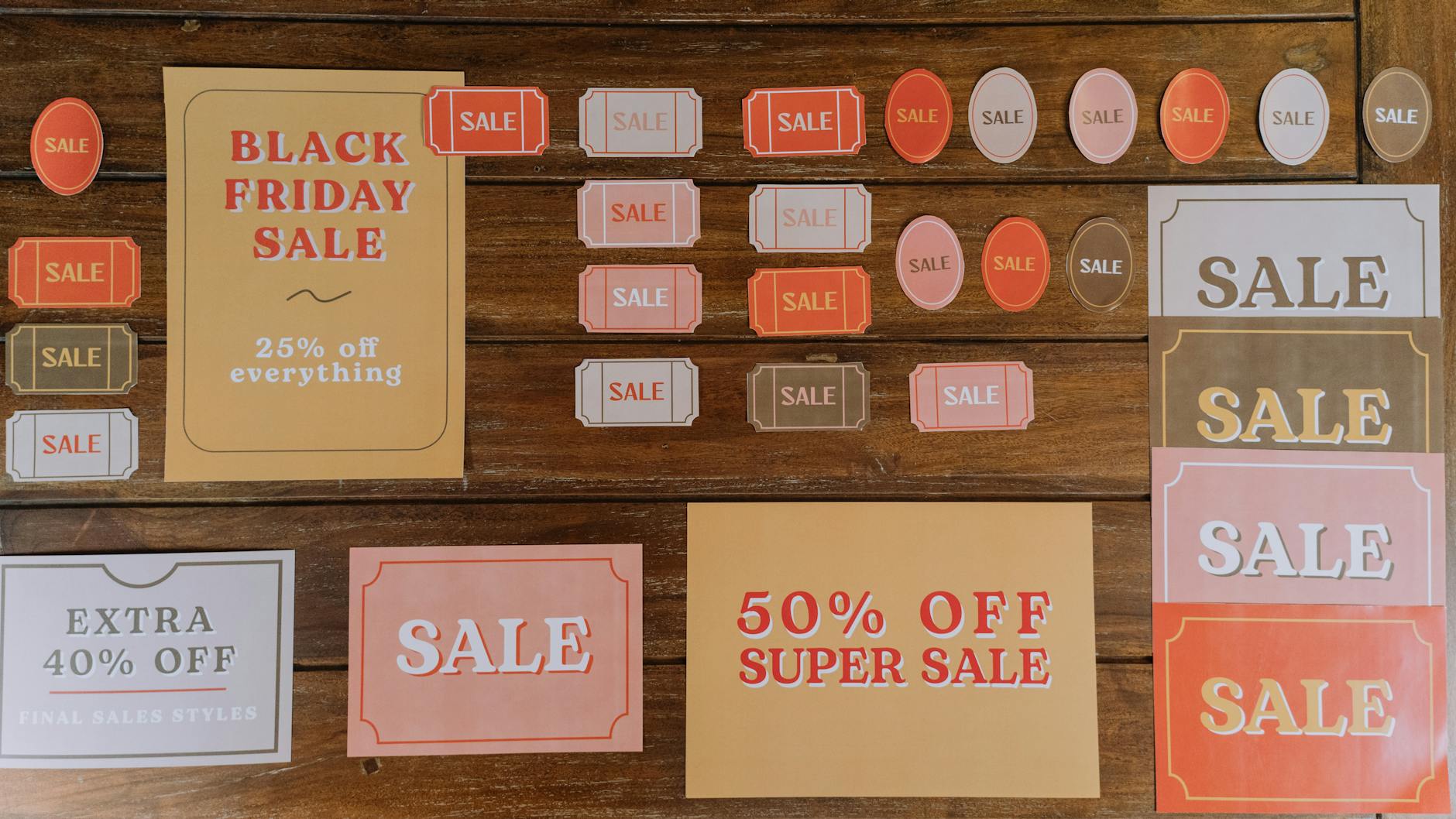
Marketing copy that frames a purchase as preventing a loss is consistently more persuasive than copy that frames it as achieving a gain. Telling a consumer they will “lose out” on a deal, “miss” a discount, or “fall behind” without a product activates a more powerful motivational response than positive framing of equivalent value. This asymmetry in how gains and losses are psychologically processed is one of the most robust findings in behavioral economics. Insurance products, investment platforms, and subscription services are among the heaviest users of loss framing because the stakes feel higher to the consumer. The goal is always to make inaction feel more costly than spending.
Personalization Algorithms
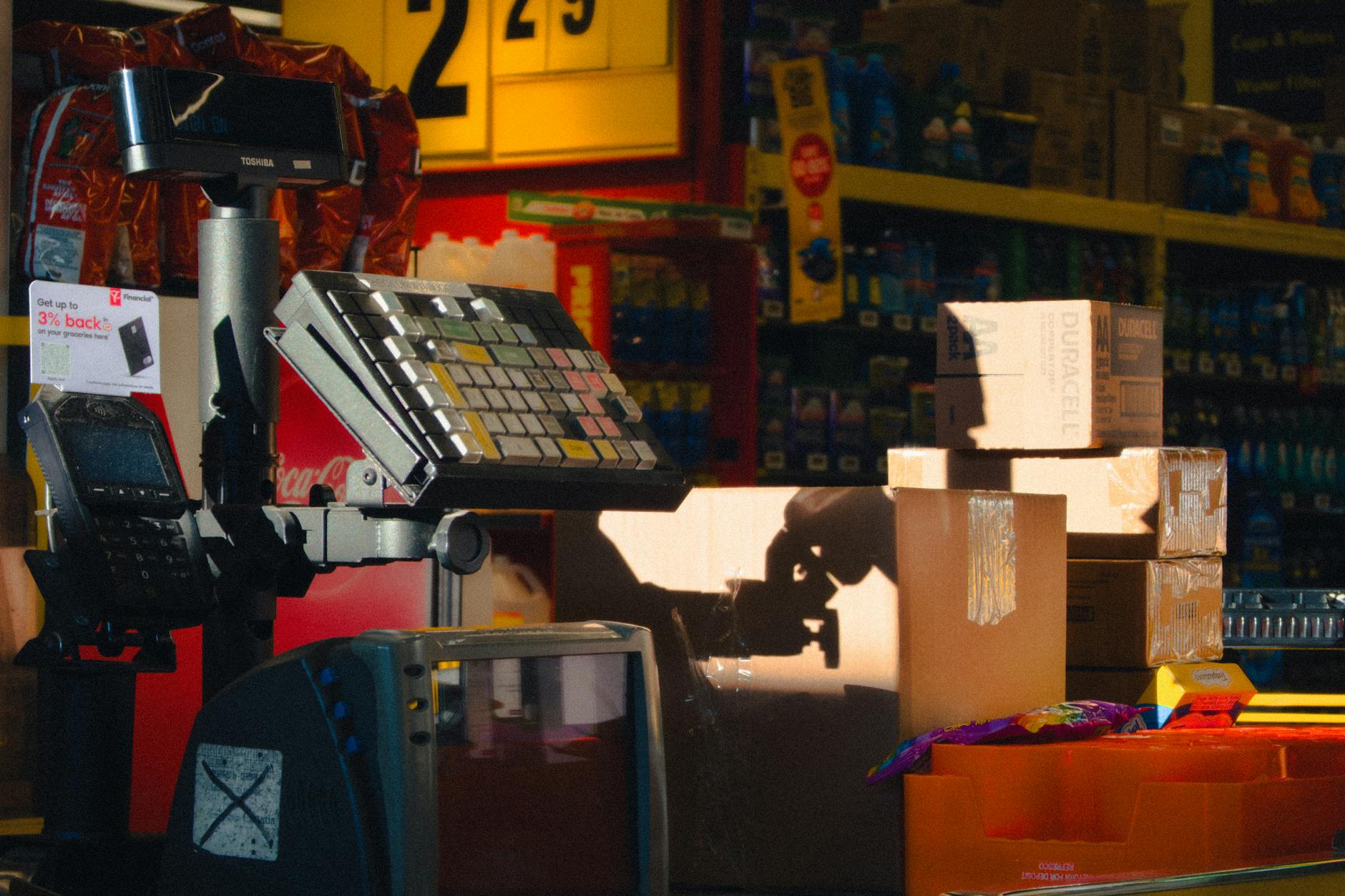
E-commerce platforms and apps use behavioral data to serve product recommendations that feel uncannily relevant to individual tastes and recent thoughts. The precision of these recommendations creates a false sense of serendipity, making it feel as though the platform simply understands the shopper rather than that it is actively engineering desire. Every click, hover, and purchase is fed into models designed to identify the exact moment a consumer is most susceptible to an additional purchase. The experience feels helpful and personalized, but its underlying purpose is to maximize revenue per user session. This level of behavioral targeting has no equivalent in physical retail and represents one of the most powerful spending triggers in modern commerce.
The Foot-in-the-Door Effect

Getting a consumer to agree to a small, low-commitment action significantly increases the likelihood that they will agree to a larger request shortly after. Email sign-ups, free trial registrations, and small first purchases are all used as entry points that make subsequent, larger spending decisions feel consistent with an already-established relationship. Once a person has identified themselves as a customer of a brand, even in a minor way, psychological consistency drives them to continue behaving in ways that align with that identity. Subscription businesses in particular are built on this principle, knowing that the smallest initial commitment dramatically lowers resistance to renewal and upsell. The first yes is always the most important one.
Environmental Crowding Cues
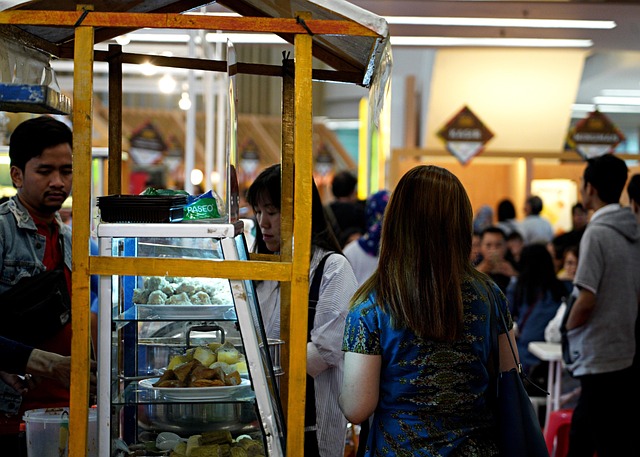
Subtle signals of popularity, such as a busy store, a crowded restaurant, or a product with a worn display shelf, reinforce the social proof effect in a purely physical way. Shoppers interpret busyness as evidence of quality and desirability, making them more willing to pay full price and less likely to question a purchasing decision. Some retailers deliberately create the appearance of high demand by limiting floor stock or engineering queues at certain moments. The perception of scarcity and popularity working together creates a compounding effect on willingness to spend. An empty store, regardless of its actual quality, must work significantly harder to convert a browsing customer into a buyer.
Which of these tactics have you caught yourself falling for? Share your thoughts in the comments.