The hospitality industry is one of the most sophisticated environments in the world when it comes to the psychology of spending. Luxury hotels in particular invest heavily in design research and staff training to create an atmosphere where parting with money feels effortless and even pleasurable. Many of these techniques operate entirely below the level of conscious awareness making them remarkably effective even on well-traveled and financially savvy guests. Understanding how these systems work does not necessarily diminish the experience but it does offer a more informed perspective on what is happening behind the scenes.
Scent Marketing
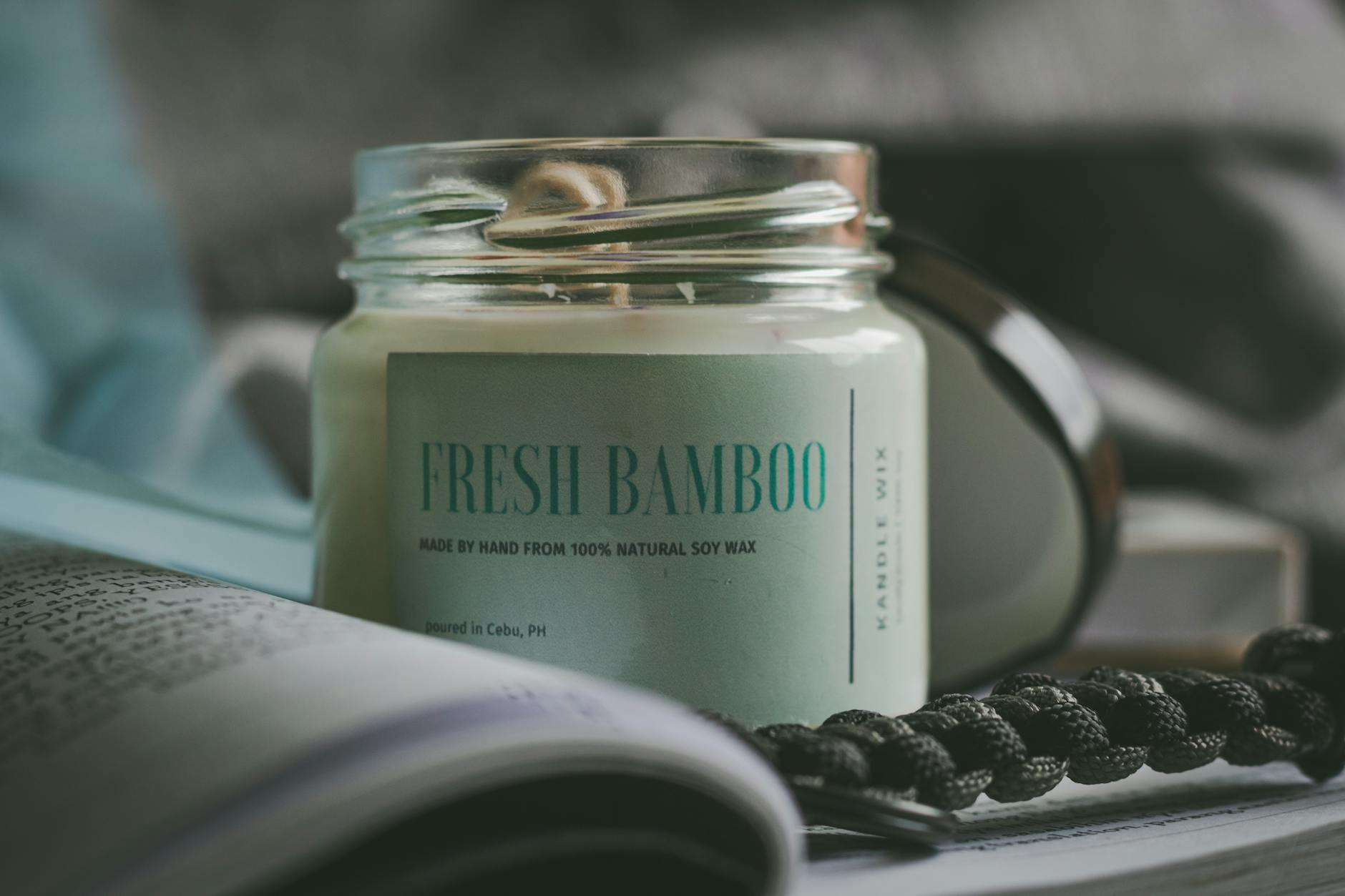
Hotels pump carefully engineered proprietary fragrances through their ventilation systems to create an immediate and subconscious sense of comfort and luxury. Research in consumer psychology consistently shows that pleasant ambient scent increases the amount of time people spend in a space and their willingness to make purchases. Several major hotel chains have commercialized their signature scents by selling candles and room sprays in their retail and online stores. The scent encountered at check-in becomes associated with relaxation and reward which subtly lowers financial guard throughout the stay. Guests rarely identify scent as a factor in their spending behavior despite its documented influence.
Lobby Music
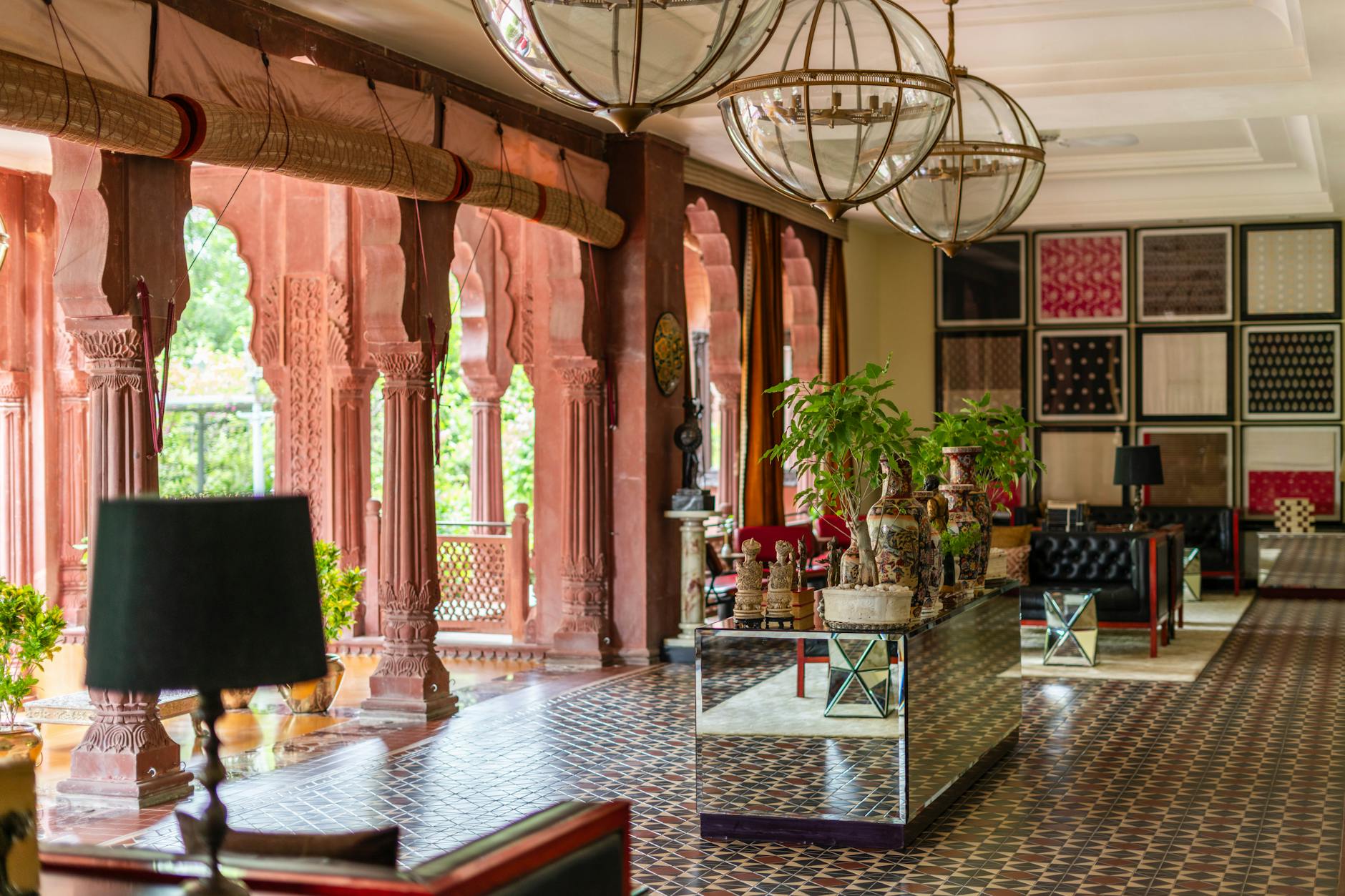
The tempo pitch and genre of music played in hotel lobbies bars and restaurants are selected through deliberate acoustic research rather than aesthetic preference. Slower tempo music causes guests to move more slowly linger longer and order more at food and beverage outlets. Luxury properties frequently commission custom playlists or live performances calibrated to match the spending profile of their target guest demographic. Volume levels are kept low enough to encourage conversation which in turn extends time spent at revenue-generating venues. The entire sonic environment of a hotel is an engineered financial tool disguised as an atmospheric detail.
Minibar Placement
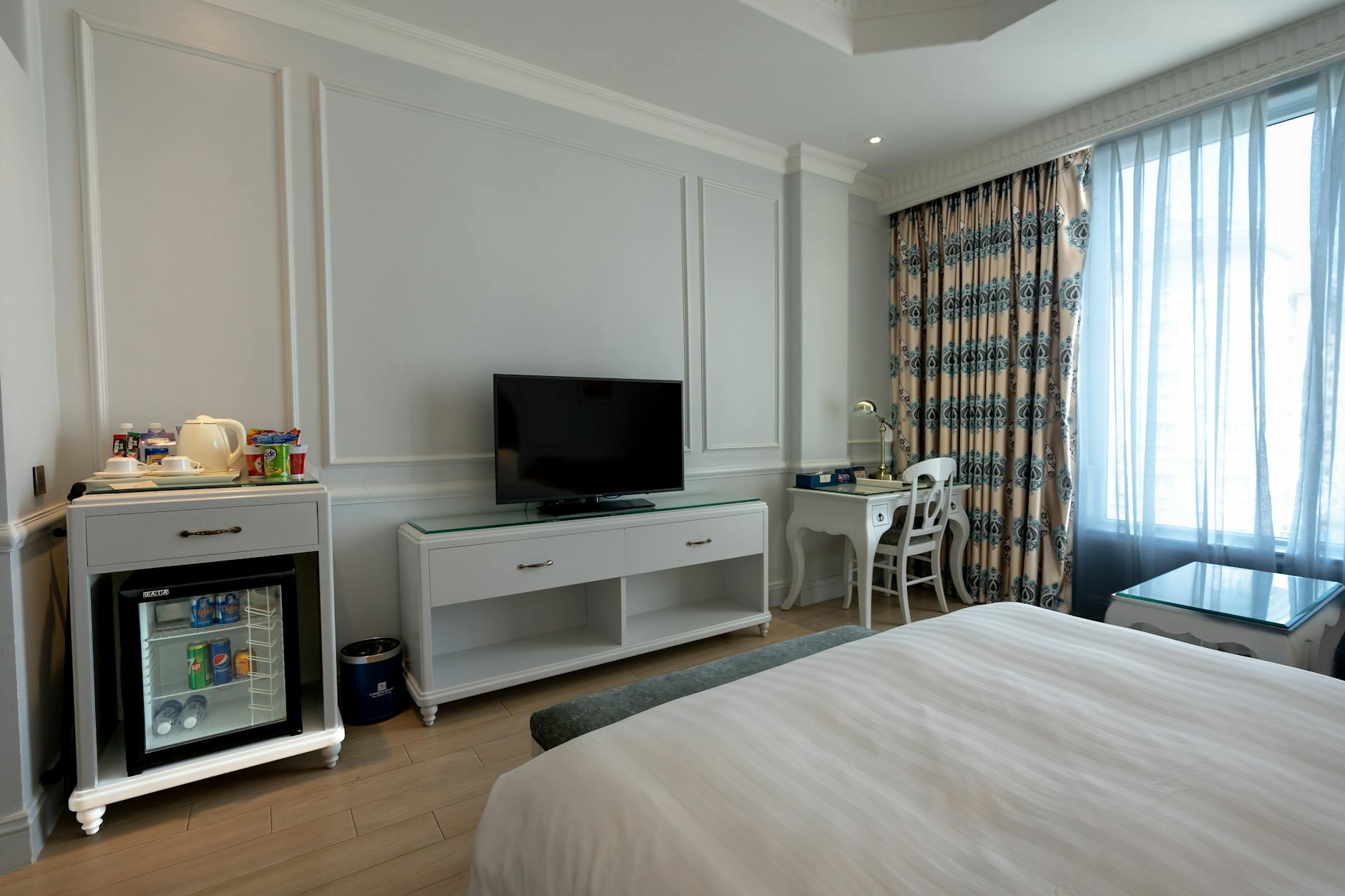
The minibar in a luxury hotel room is almost never positioned in an inconvenient or hidden location by accident. Designers place it at eye level and within arm’s reach of the primary relaxation areas including the bed and the main seating zone. Products inside are arranged with the most visually appealing and impulse-friendly items at the front and center of the display. Lighting inside the minibar is specifically calibrated to make food and beverages appear more fresh and appealing than they would under standard room lighting. Restocking schedules are timed to ensure the minibar appears full and enticing at peak usage hours such as late evening.
Removal of Price Tags
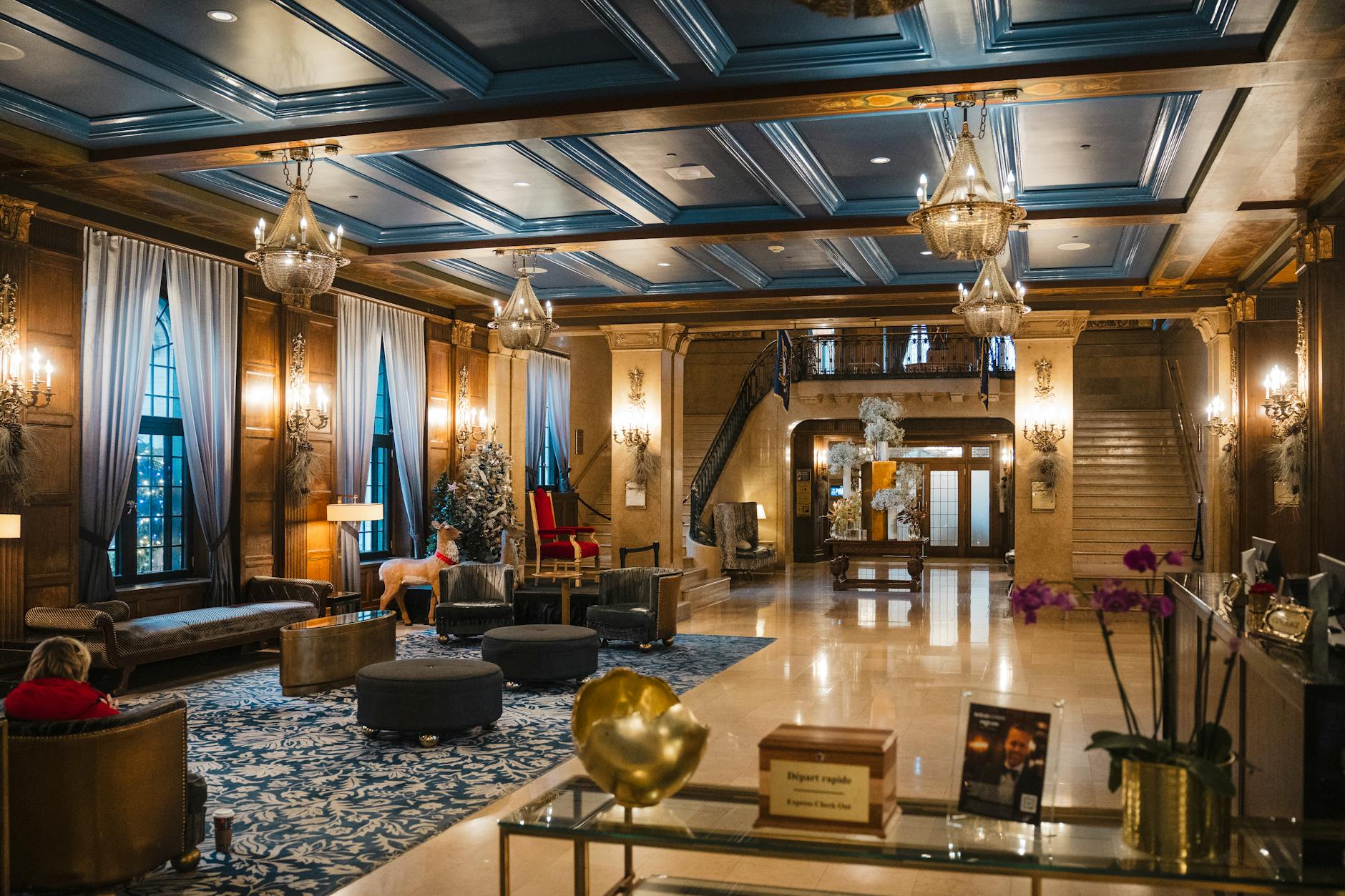
A well-documented practice in luxury hotel restaurants and spa menus involves the deliberate removal or minimization of currency symbols next to prices. Behavioral economics research shows that the presence of a currency symbol activates a pain response in the brain associated with financial loss. Presenting prices as plain numbers rather than formatted costs measurably increases average spend per guest at food and beverage outlets. Some ultra-luxury properties go further by removing prices from certain amenity menus entirely for guests on premium packages. The design of menus in hotel restaurants is a studied discipline with significant revenue implications.
Pool and Spa Proximity
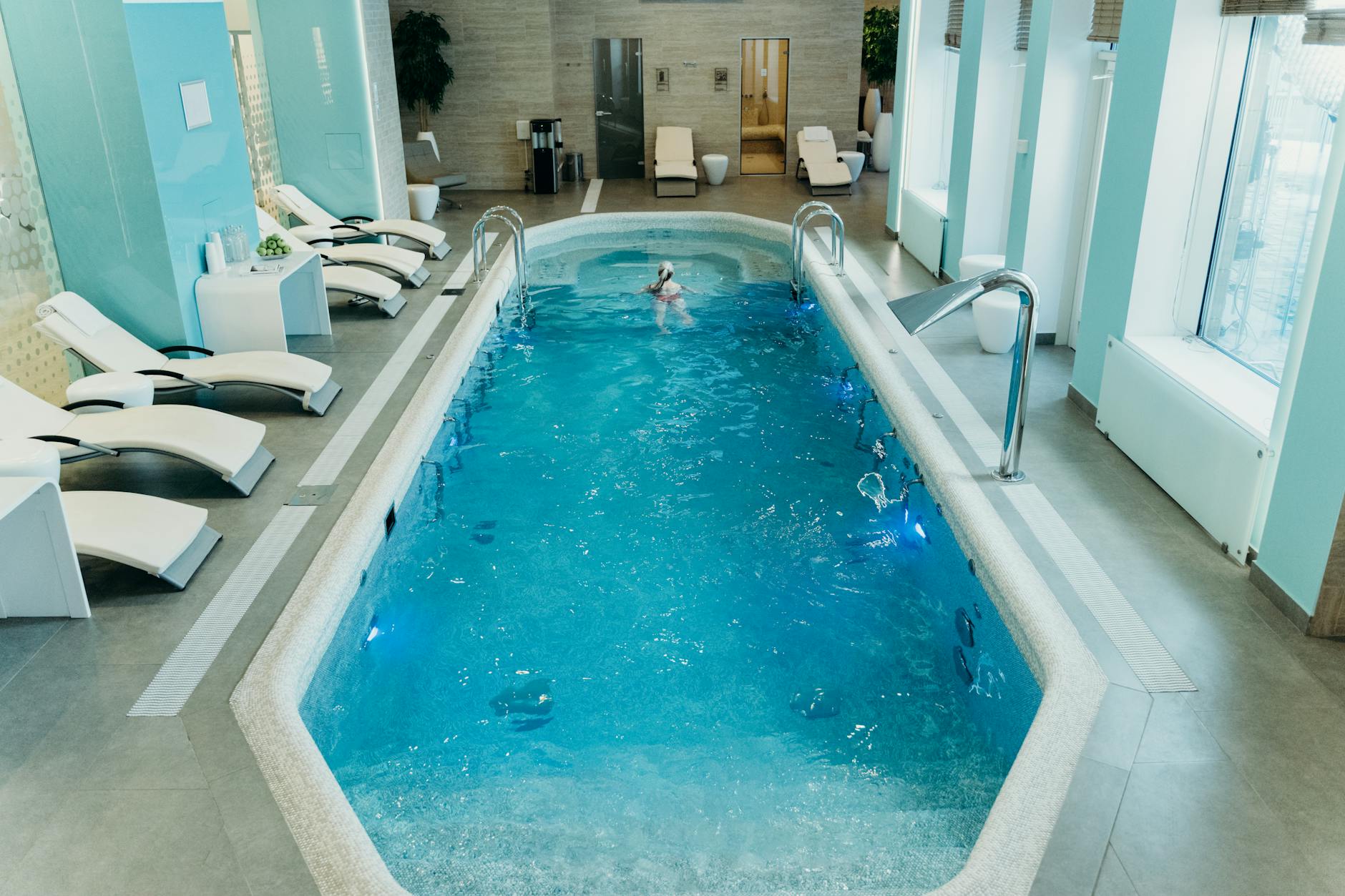
The physical layout of luxury hotels is engineered so that the journey between any two amenities passes through or alongside revenue-generating spaces. Walking from a guest room to the pool typically requires passing the spa reception the poolside bar and at least one dining outlet. This is not an architectural accident but a deliberate circulation strategy developed in close collaboration between hotel designers and revenue managers. Even elevator placements and corridor routes are sometimes adjusted to maximize passive exposure to outlets guests might not have otherwise visited. The goal is to convert an unplanned walk into an unplanned purchase.
Digital Room Controls
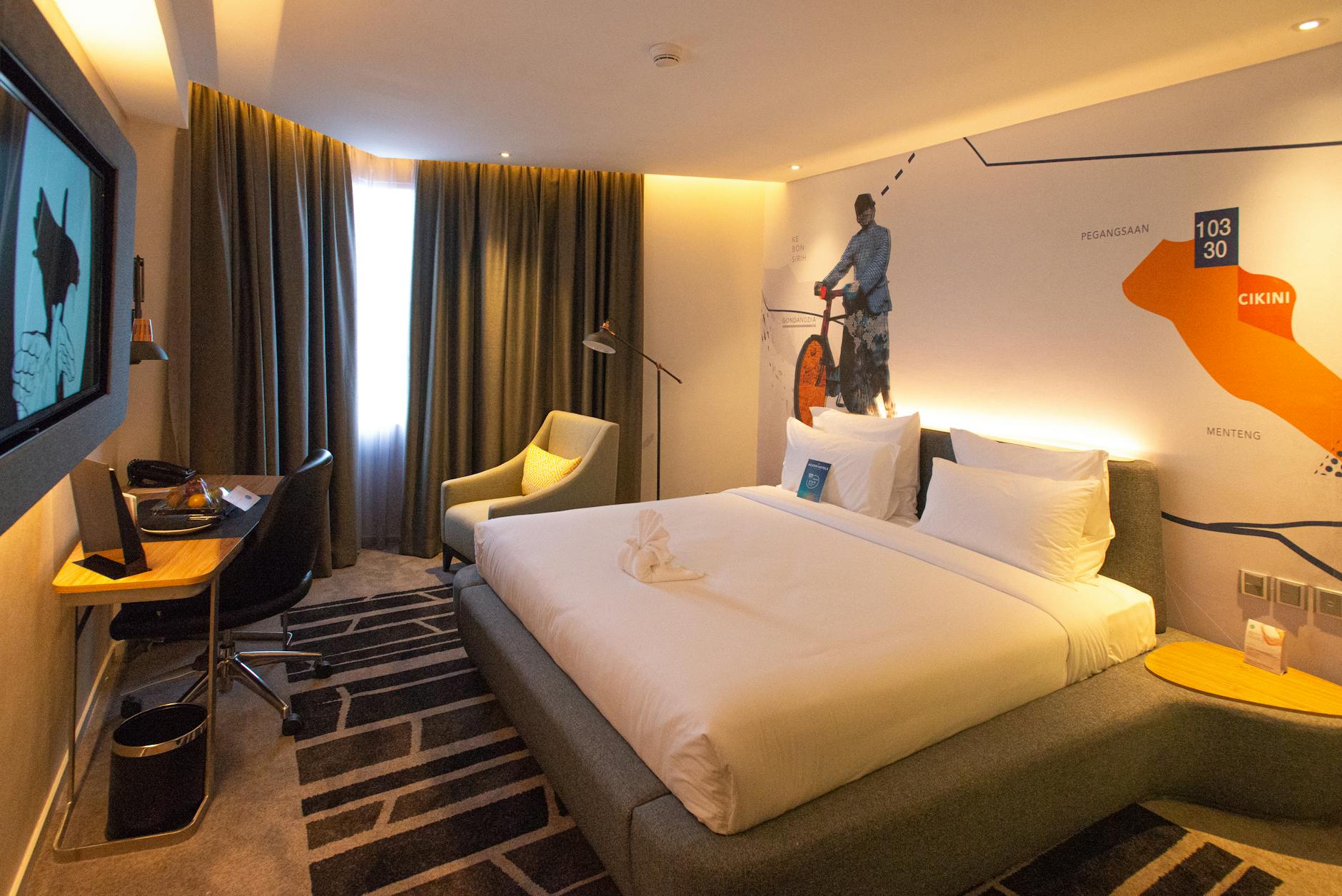
The integration of tablet or app-based room control systems that manage lighting temperature and entertainment also serves as a direct in-room sales channel. Guests interacting with a sleek digital interface to adjust the blinds are one tap away from ordering room service booking a spa treatment or reserving a restaurant table. The friction of making an additional purchase is reduced to almost zero within these systems. Notifications and personalized suggestions appear on these devices at behaviorally optimized moments such as early evening when guests are winding down from daytime activities. The interface is designed to feel like a concierge service while functioning as a point-of-sale terminal.
Towel and Robe Quality
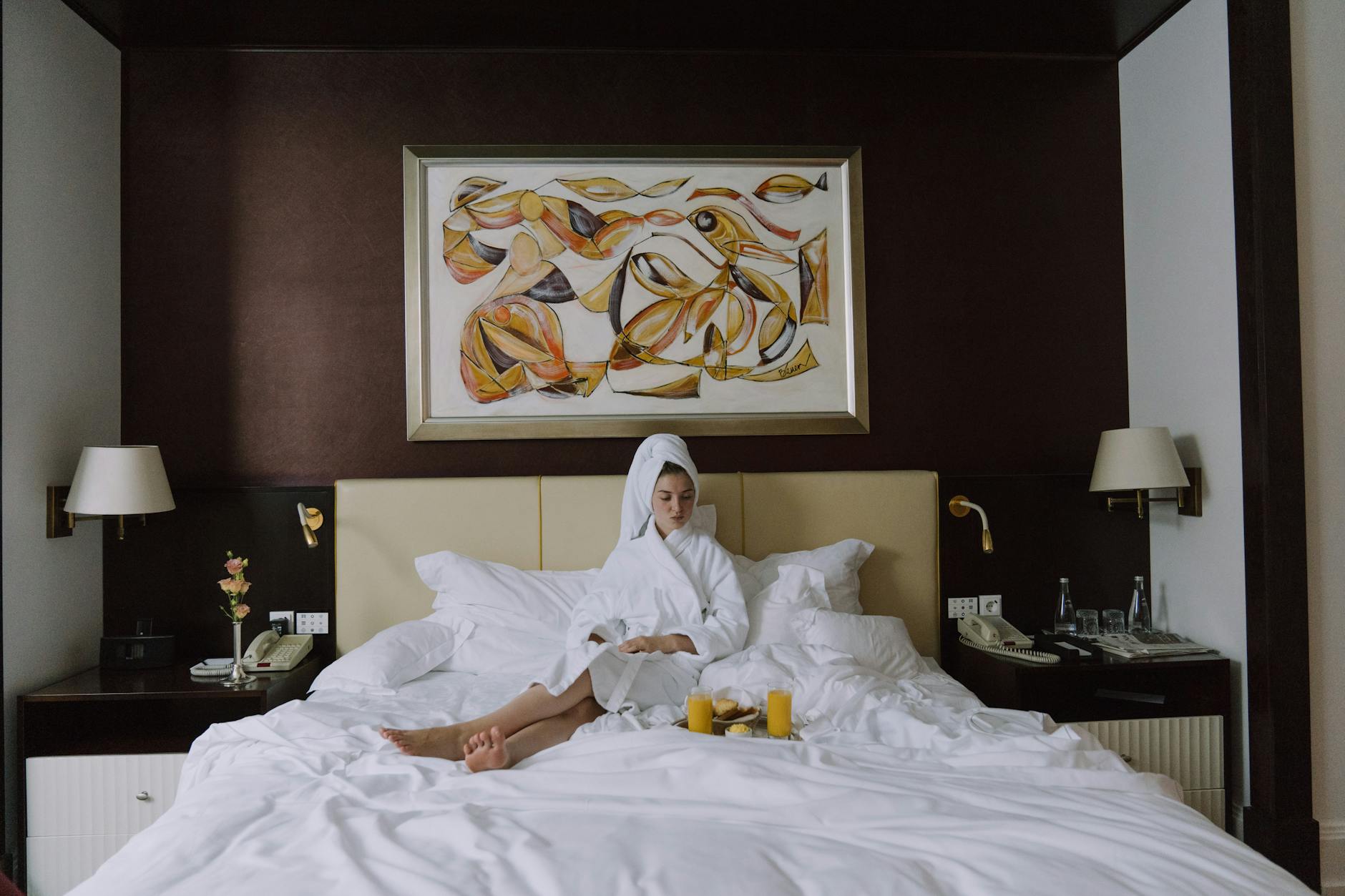
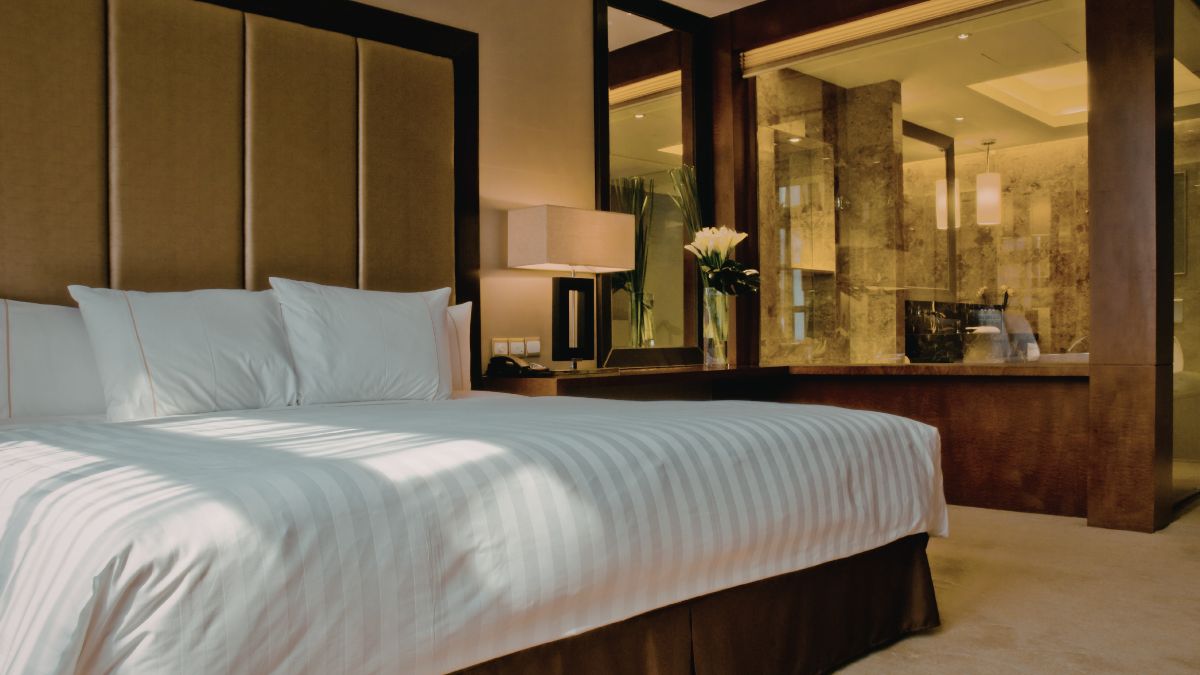
The extraordinary softness and quality of towels robes and bedding in luxury hotels serve an aesthetic purpose but also a calculated commercial one. Guests who fall in love with the physical sensation of these products are directed toward an in-room catalog or QR code linking to a purchase page. Several major luxury brands generate meaningful ancillary revenue from the direct sale of linens robes and toiletry products experienced during a stay. The emotional connection formed between a guest and a physical product during a relaxed and pleasurable moment is one of the most conversion-friendly retail environments that exists. Hotels understand that the bedroom is a uniquely powerful selling floor.
Late Checkout Fees

The standard checkout time at most luxury hotels is set deliberately earlier than the majority of guests would naturally prefer to leave. This creates a widespread demand for late checkout which is then offered as a paid upgrade or a loyalty program benefit designed to incentivize membership sign-ups. Guests who pay for late checkout often extend their use of hotel amenities during those additional hours generating further food beverage and spa revenue. The fee itself is only one part of the financial equation that late checkout creates for the property. Setting an inconveniently early standard departure time is a foundational step in this revenue strategy.
Welcome Amenities
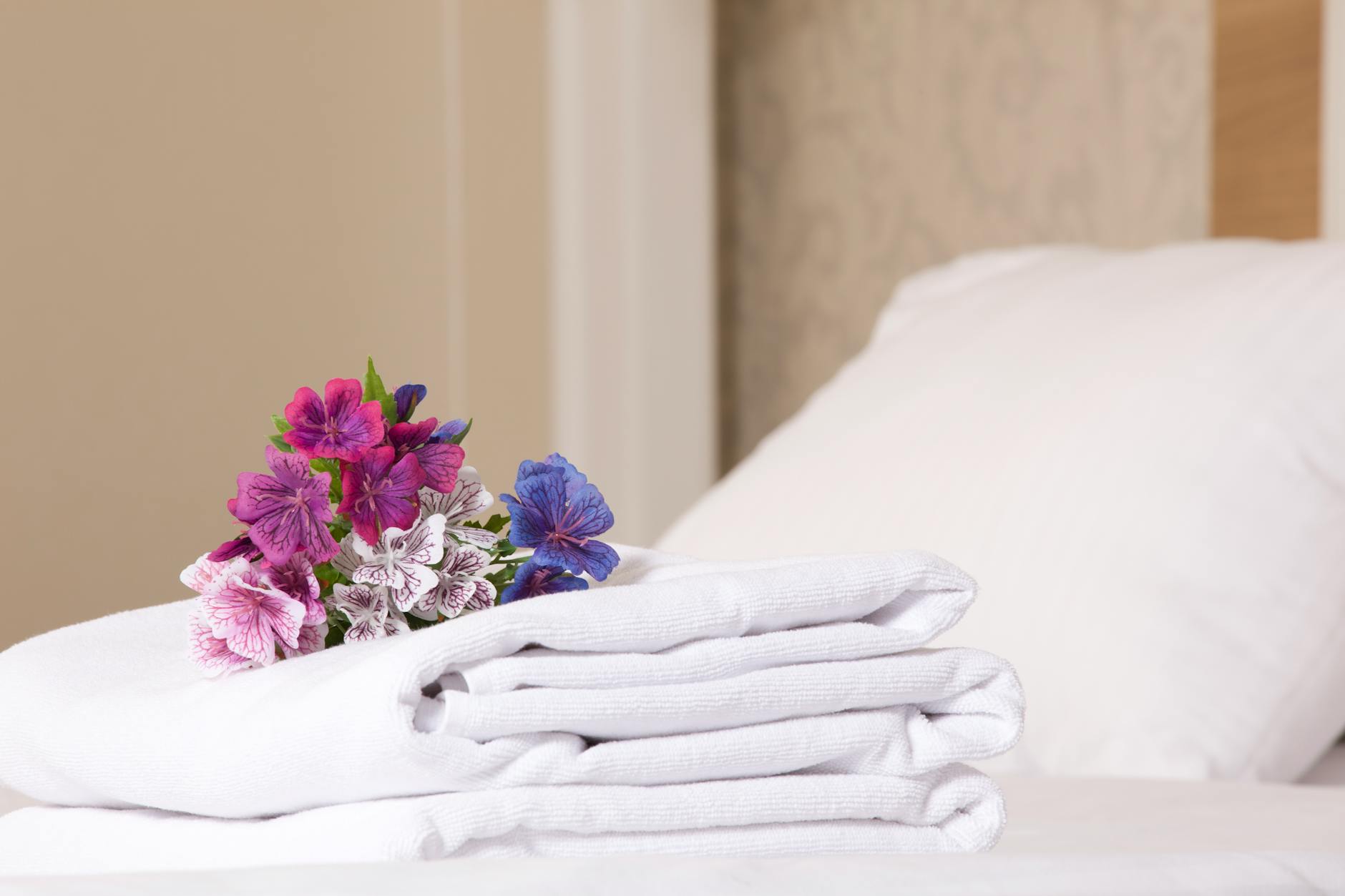
The bowl of fruit the bottle of wine and the handwritten welcome note waiting in a luxury hotel room upon arrival are gestures designed to create an immediate sense of reciprocity in the guest. Psychological research on reciprocity shows that receiving an unexpected gift significantly increases a person’s willingness to spend generously in subsequent interactions. The cost of a welcome amenity to the hotel is a fraction of the additional revenue it reliably generates over the course of a stay. Guests who feel personally welcomed and valued by a property demonstrate measurably higher rates of spa bookings restaurant visits and retail purchases. The welcome gift is an investment with a well-understood return.
Restaurant Reservation Scarcity
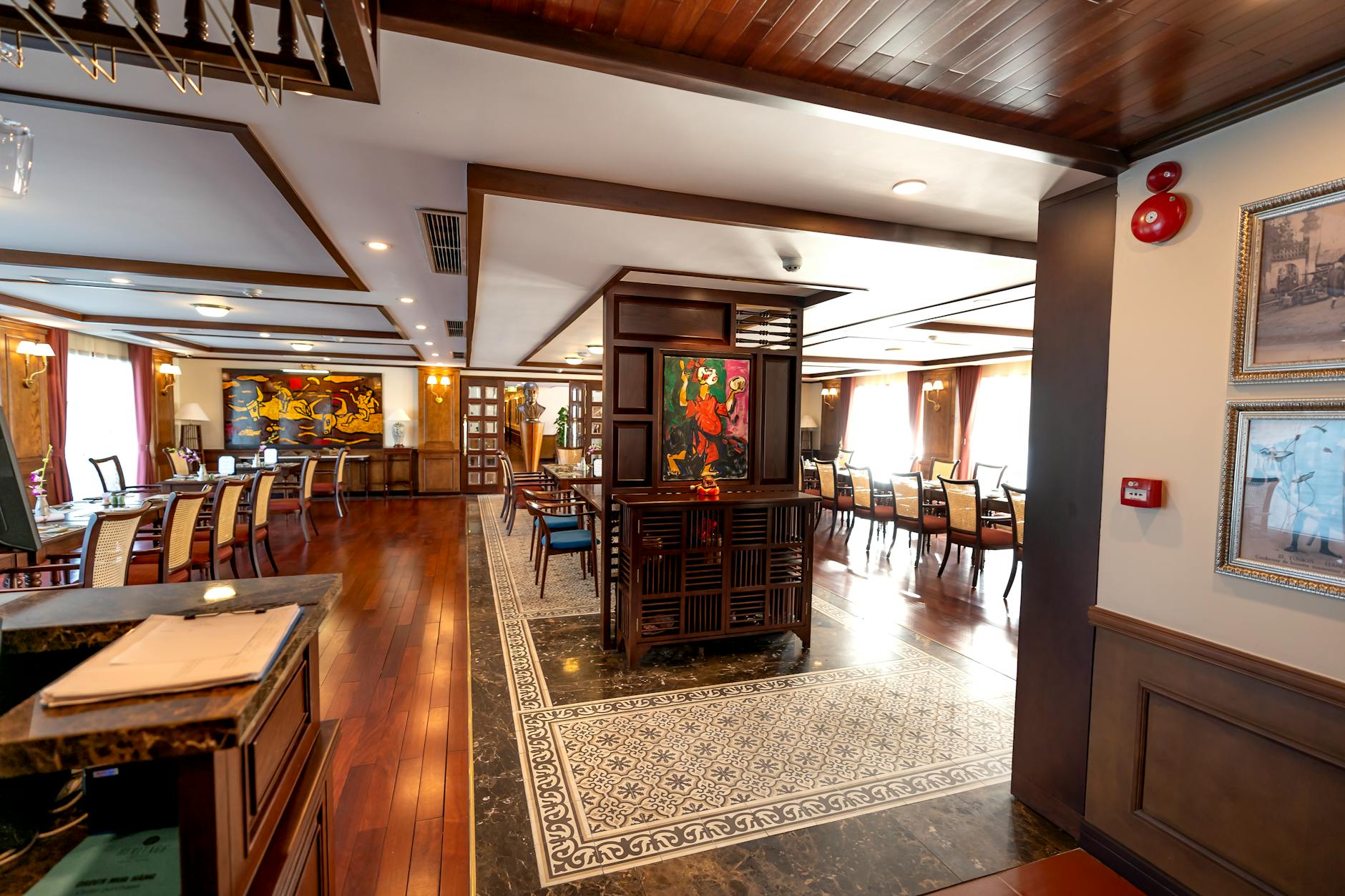
Luxury hotel restaurants frequently operate a reservation system that presents availability as more limited than it actually is at the time of booking. Communicating that only one or two tables remain for a desired time slot triggers a scarcity response that accelerates the decision to commit. Once seated in a premium restaurant environment guests are statistically more likely to order additional courses wine pairings and after-dinner experiences. The act of securing a reservation also increases emotional investment in the dining experience which translates to higher average spend per cover. Perceived exclusivity is a revenue multiplier that luxury properties apply across multiple touchpoints.
Pillow Menu Upsells

The pillow menu offered at many luxury hotels presents itself as a thoughtful wellness amenity but functions as an introduction to a broader upsell ecosystem. Guests who engage with the concept of customizing their sleep environment become more receptive to related offerings such as sleep therapy packages aromatherapy add-ons and premium mattress toppers. The menu itself signals a level of personalization that creates an expectation of bespoke service which guests then actively seek out in other areas of the property. Staff presenting the pillow menu are typically trained to transition naturally into conversations about the hotel spa and wellness program. A simple question about sleep preferences opens a significant commercial conversation.
Checkout Folio Complexity
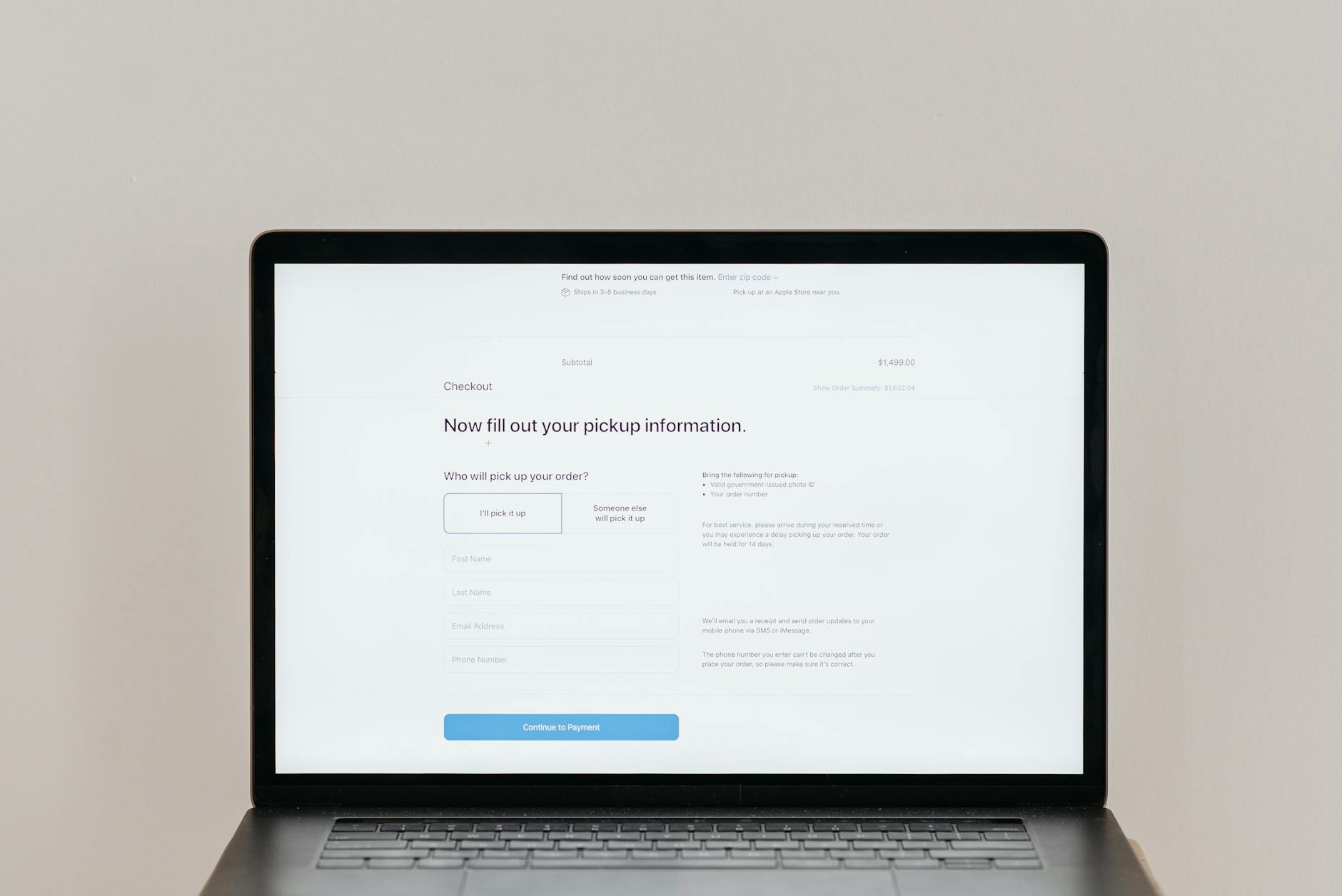
The final billing statement presented at checkout in luxury hotels is frequently formatted in a way that makes individual charges difficult to isolate and question quickly. Itemization uses internal department codes or abbreviated descriptions that are not immediately self-explanatory to a guest reviewing the document under time pressure. Research on checkout behavior shows that guests are far less likely to dispute charges when they are presented in a format that appears professional and comprehensive. The psychological discomfort of appearing petty or uninformed in front of desk staff at a luxury property further reduces the rate of charge queries. Simplified and transparent billing is almost never in the financial interest of a hotel with a complex ancillary revenue structure.
Spa Reception Positioning
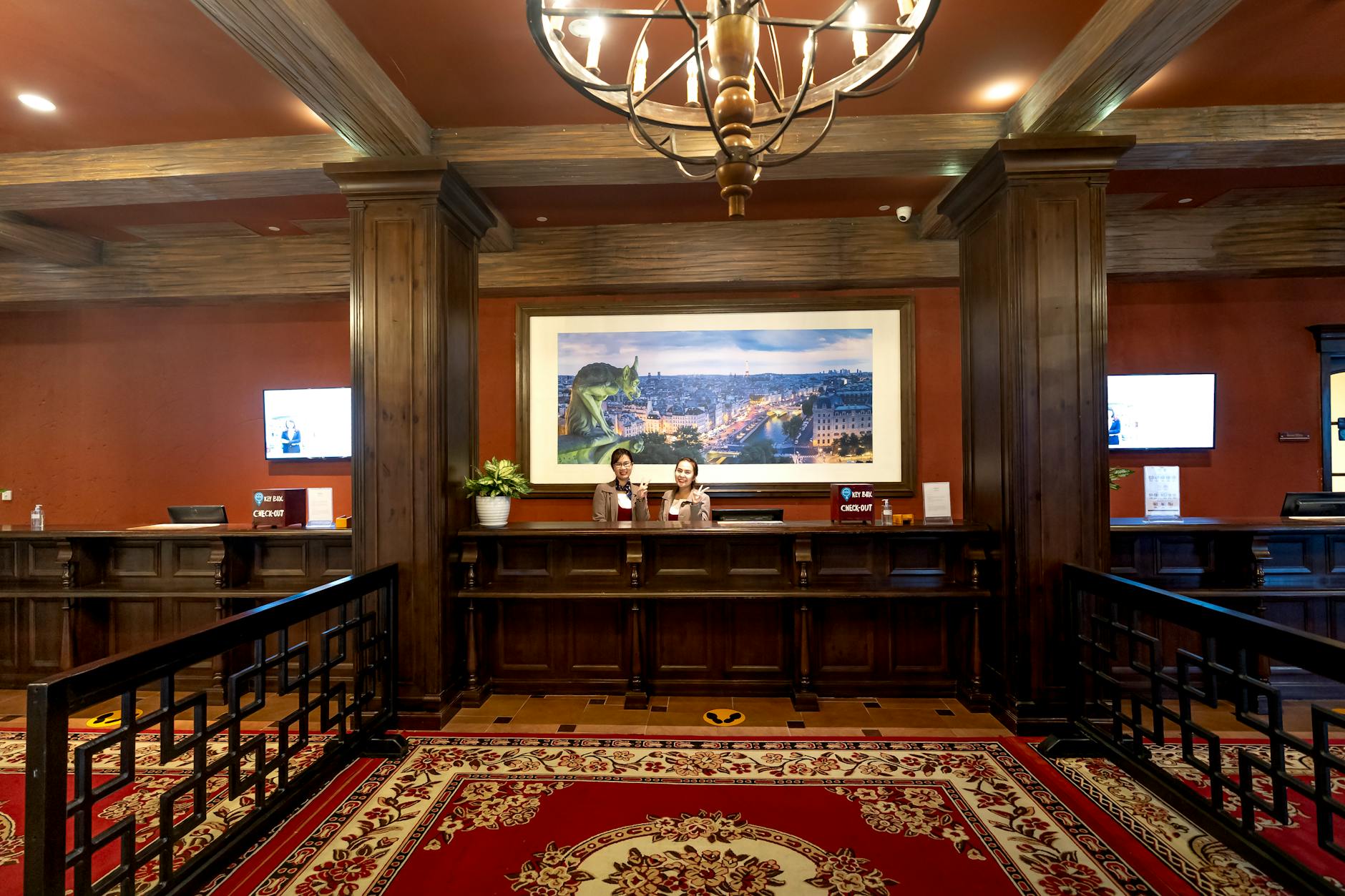
The spa reception desk at most luxury hotels is not located inside the spa but at a visible and accessible point along a primary guest circulation route. Passing the desk triggers awareness of the spa offering even for guests who had no prior intention of booking a treatment. Receptionists at these desks are trained in low-pressure consultative sales techniques that feel more like wellness guidance than commercial pitching. Complimentary tours of the spa facility are offered freely because the conversion rate from toured guest to paying guest is significantly higher than from cold inquiry. The location of the desk transforms passive foot traffic into a warm sales pipeline.
Happy Hour Engineering
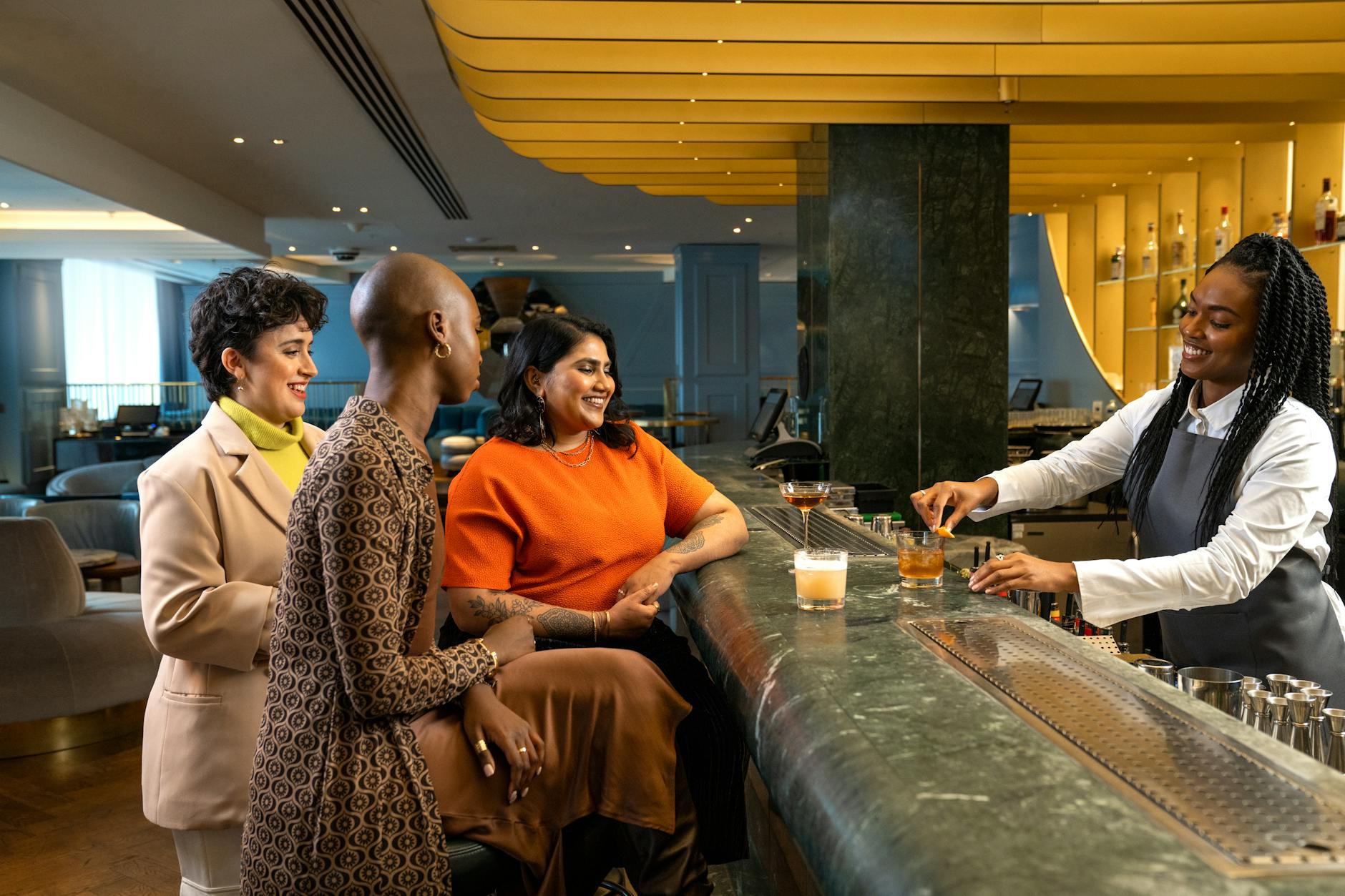
The timing and pricing of happy hour promotions at luxury hotel bars are set to maximize total beverage revenue rather than to offer genuine value to guests. Discounted drink windows are scheduled during the period when guests are transitioning from daytime activities to evening plans and are most likely to stay longer than intended. Once a guest is seated and engaged in a social setting at the bar the transition from discounted to full-price ordering happens gradually and without a clear psychological break. Bar snacks and small plates offered during this window are priced to maintain overall average spend per head. Happy hour functions as a guest acquisition mechanism for the higher-revenue evening service that follows.
Lighting Transitions
The lighting throughout a luxury hotel is programmed to shift gradually across the day in ways that align with commercially desirable guest behaviors at each time period. Bright energizing light in breakfast areas encourages quick turnover and movement toward daytime activities that generate revenue. Warmer and dimmer light in bars and lounges from late afternoon onward slows the pace of movement and encourages guests to settle in and order more. Restaurant lighting is calibrated to make food appear more vibrant and appealing while creating enough intimacy to extend the duration of the meal. Guests experience these transitions as atmosphere without recognizing them as a form of behavioral direction.
Loyalty Program Framing
Luxury hotel loyalty programs are structured to make the accumulation of points feel like a form of savings even when the underlying behavior required to earn meaningful rewards demands significant and consistent spending. The language used around points expiry tier maintenance and redemption options is designed to create urgency and continued engagement rather than genuine financial benefit for the average member. Status tiers are named and described in ways that appeal strongly to identity and social aspiration rather than straightforward value calculation. Members at higher tiers demonstrate consistently higher rates of direct booking ancillary spending and brand advocacy than non-members. The program is as much a behavioral management tool as it is a rewards system.
Printed Collateral Placement
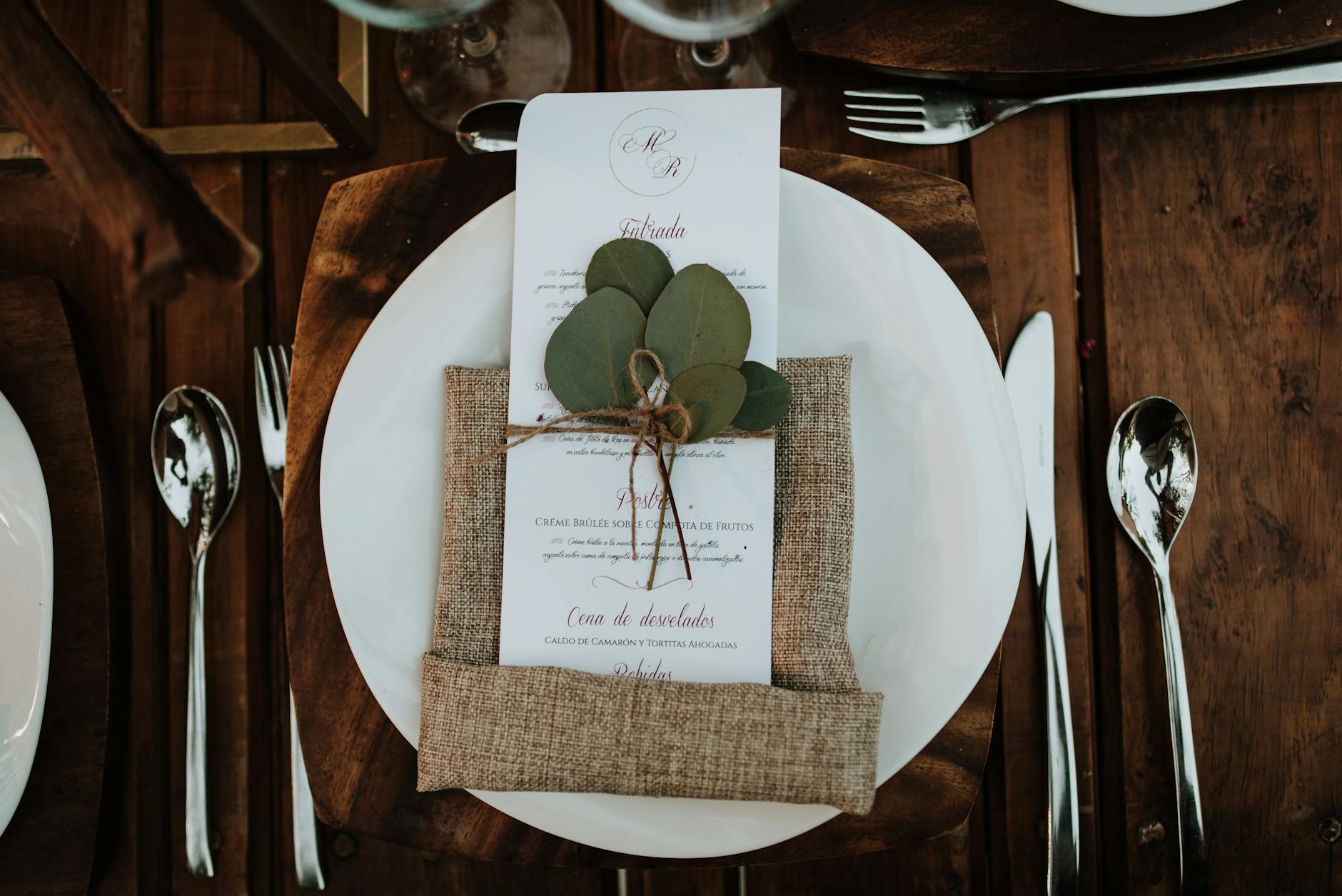
The placement of printed dining menus spa brochures and activity guides within a luxury hotel room is the result of studied interior design rather than casual arrangement. Materials are positioned on bedside tables desks and bathroom counters where guests are most likely to be idle and receptive to browsing. The design quality of these printed pieces is intentionally high to blur the line between lifestyle content and commercial catalog. Reading about a signature treatment or a chef’s tasting menu in a beautifully produced booklet during a quiet moment before sleep is a highly effective form of passive selling. The physical presence of these materials outperforms digital alternatives in converting relaxed browsing into bookings.
Currency Abstraction

Luxury hotels that operate in popular international tourism destinations often encourage guests to settle their accounts in their home currency rather than the local one through a practice known as dynamic currency conversion. The exchange rate applied during this process typically favors the hotel or its payment processor rather than the guest. Guests presented with a familiar currency figure experience less cognitive friction around the transaction than they would when calculating an unfamiliar local amount. The comfort of seeing home currency numbers reduces the scrutiny applied to the total being charged. This financial mechanism generates meaningful revenue for properties with a high proportion of international guests.
Amenity Fee Structures
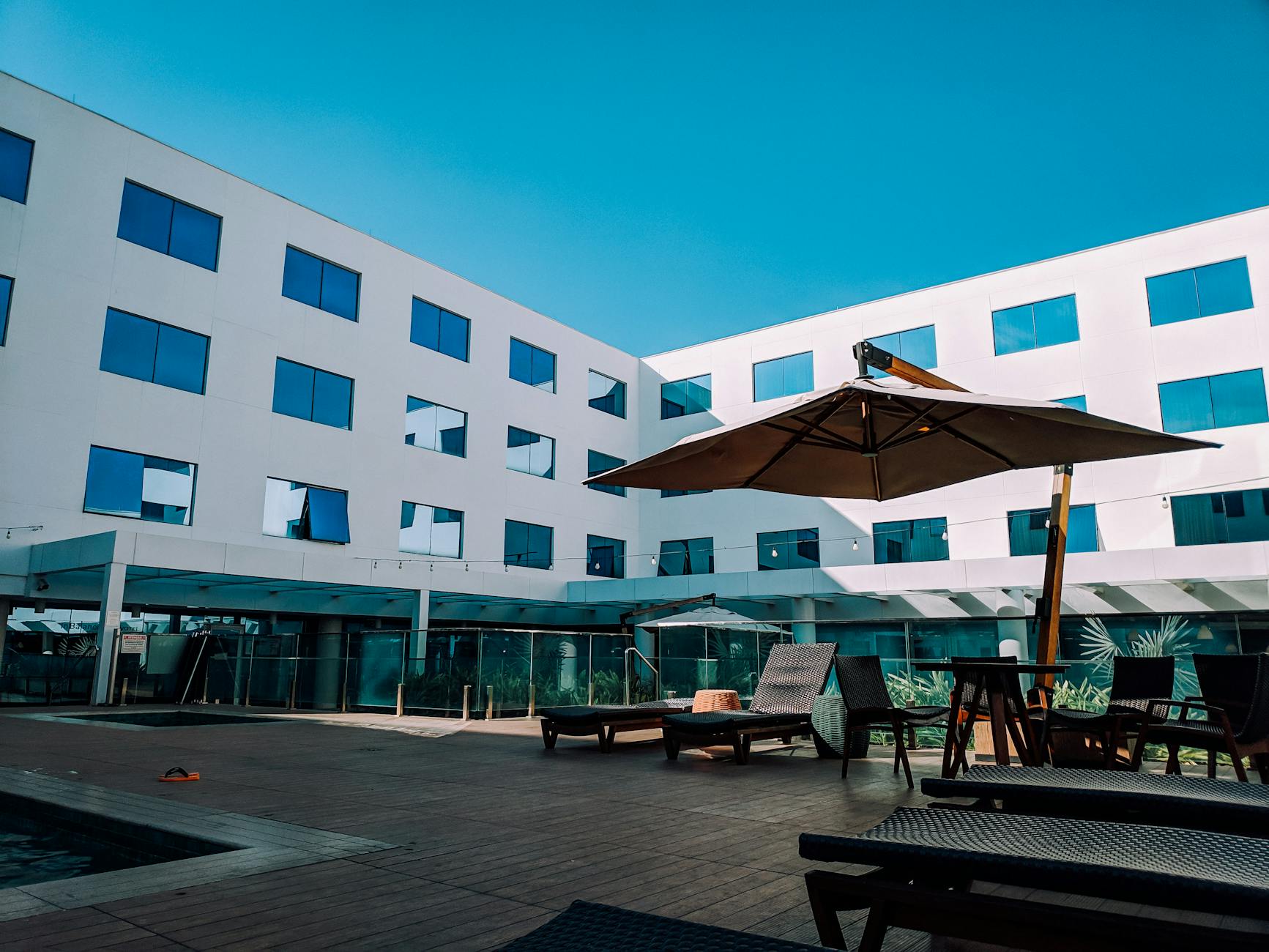
The resort fee or destination fee charged by many luxury properties bundles a collection of amenities that a significant proportion of guests would never choose or use individually. These fees are typically disclosed during the booking process in a way that is technically transparent but practically easy to overlook when focused on the headline room rate. The psychological anchoring effect of the room rate makes the additional fee feel proportionally small even when it represents a substantial daily charge. Amenities included in the bundle are often those with very low marginal delivery costs for the hotel such as wifi or gym access. The fee structure generates reliable revenue from services that would rarely be purchased individually at their bundled equivalent price.
Personal Butler Upsells
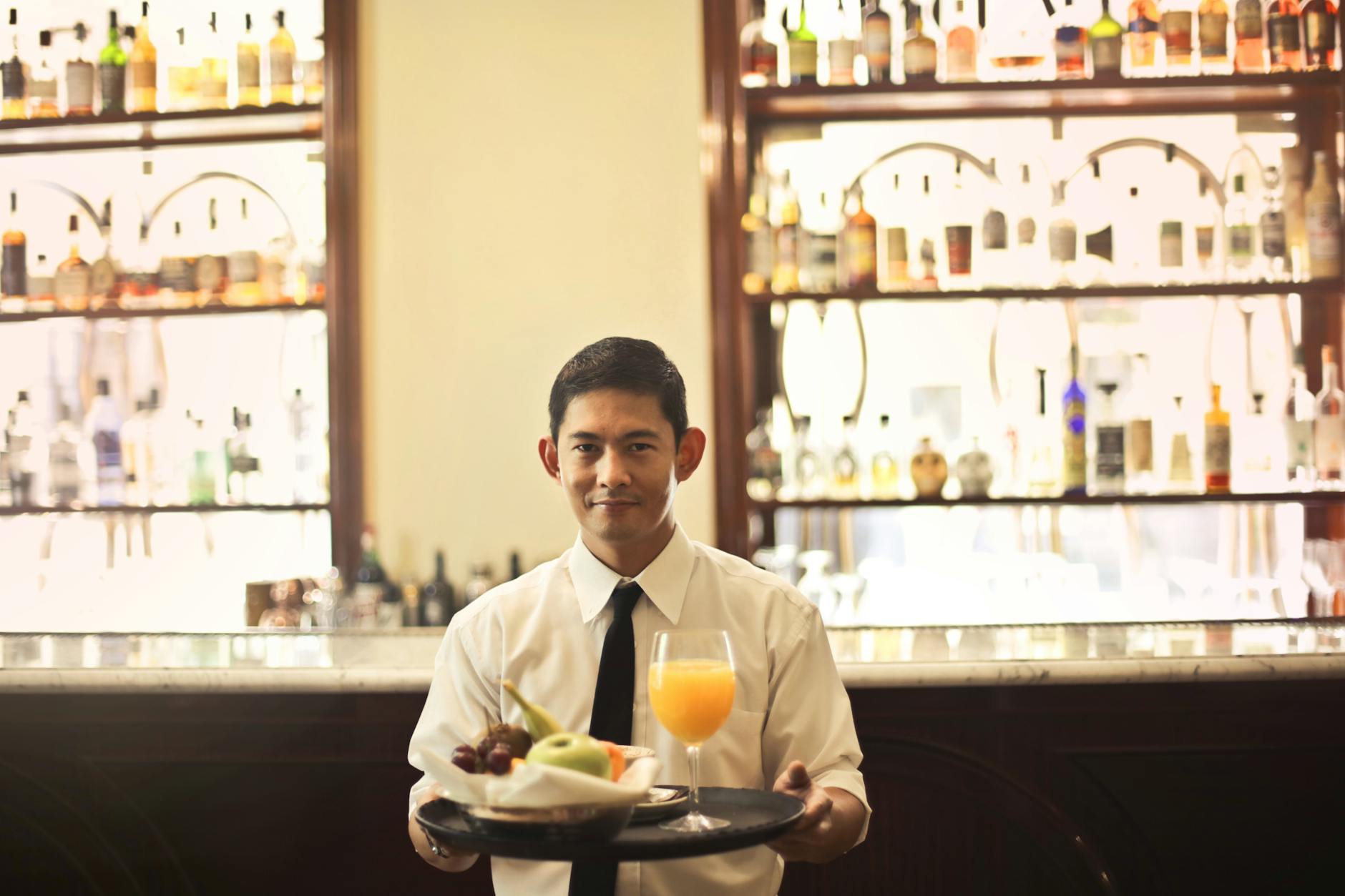
The personal butler or guest relations service offered at the highest tier of luxury hotels is presented as a pure hospitality gesture but is also one of the most effective upsell channels a property operates. A skilled butler builds genuine rapport with a guest over the first few hours of a stay and uses that relationship to introduce additional offerings in a context that feels personal rather than commercial. Suggestions for private dining experiences surprise celebration setups or curated excursions arrive through a trusted human relationship rather than a sales channel. Guests are far more likely to approve expenditure recommended by a person they have connected with than the same expenditure presented through a menu or digital interface. The butler role combines genuine service with a commercially sophisticated function.
Room Upgrade Pricing
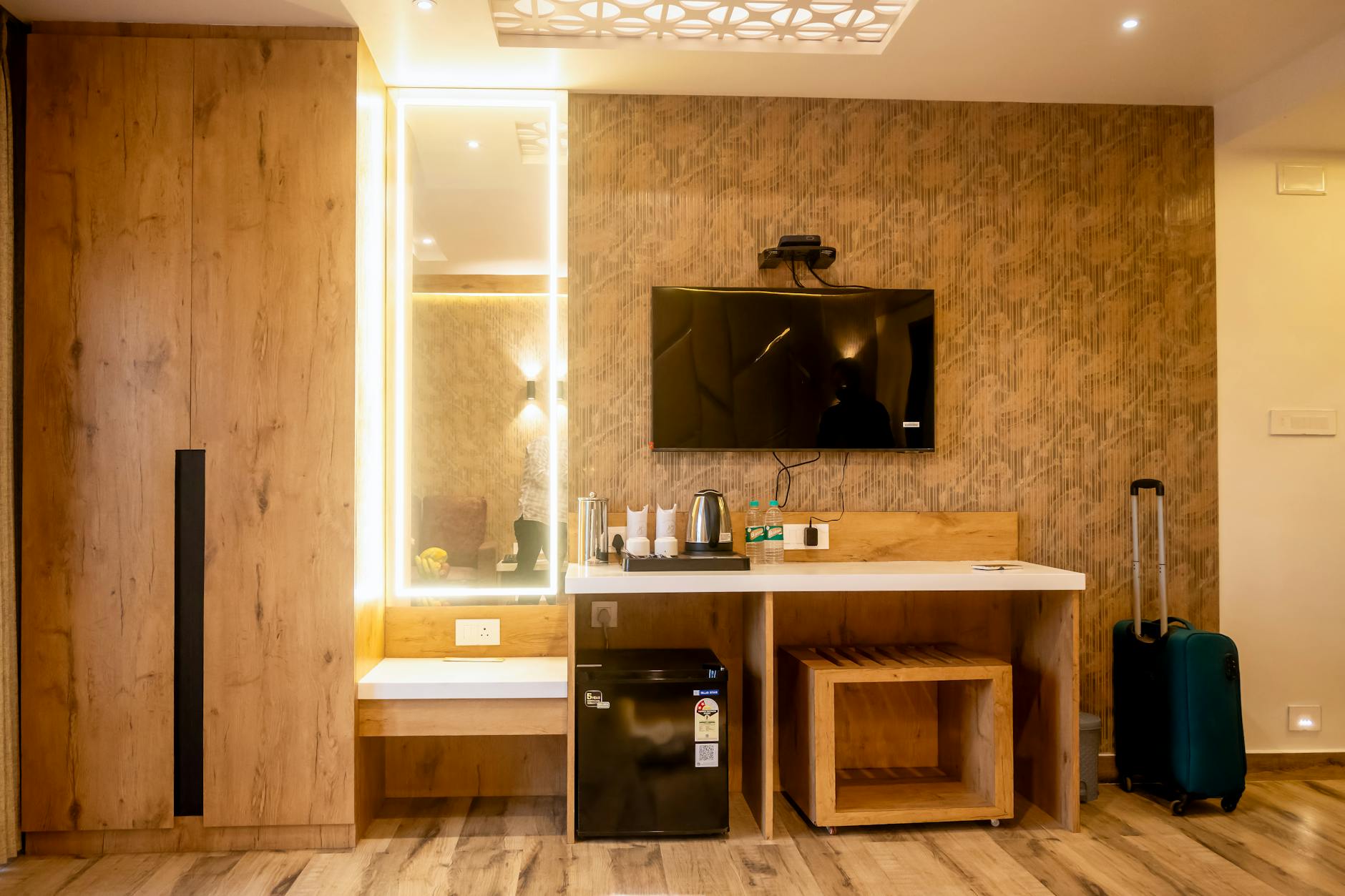
The room upgrade offered at check-in for an additional nightly charge is presented as an exclusive and time-limited opportunity to enhance the stay rather than as a standard commercial transaction. Front desk staff are trained to deliver the upgrade offer in a warm and personalized tone that frames it as a gesture of goodwill toward the guest rather than a revenue initiative. The price point offered at this moment is typically lower than the published rate differential between room categories making it feel like a genuine deal. Guests who accept an upgrade arrive in a higher category room and subsequently demonstrate higher rates of spending across all other hotel outlets. The psychological lift of receiving a better room than booked creates a positive emotional state that reduces financial resistance throughout the stay.
Kids Club Positioning

The children’s club offered at luxury resort properties is genuinely valued by families but its positioning within the resort is also a carefully considered commercial decision. When children are engaged and supervised parents are freed to spend time and money at adult-focused revenue outlets including the spa bar fine dining and retail. Activity schedules at the kids club are timed to align with peak revenue windows at adult amenities ensuring maximum overlap between child engagement and parent spending opportunity. Premium add-on activities within the kids club itself generate direct revenue beyond the base inclusion. The service solves a real guest need while simultaneously unlocking a significant adult spending occasion.
Photography Opportunities

Luxury hotels design photogenic moments and spaces throughout the property with full awareness of the role that social media sharing plays in guest spending behavior. Guests who photograph and share their experience develop a stronger emotional investment in the property which correlates with higher in-stay spending and return visit rates. Branded props backdrops and designated photo moments are strategically placed near food and beverage outlets retail spaces and premium amenity areas. The desire to document and share a beautiful experience creates organic marketing for the hotel while deepening the guest’s personal attachment to the stay. Social sharing is both a commercial tool and a metric that luxury properties monitor with considerable attention.
Express Checkout Avoidance
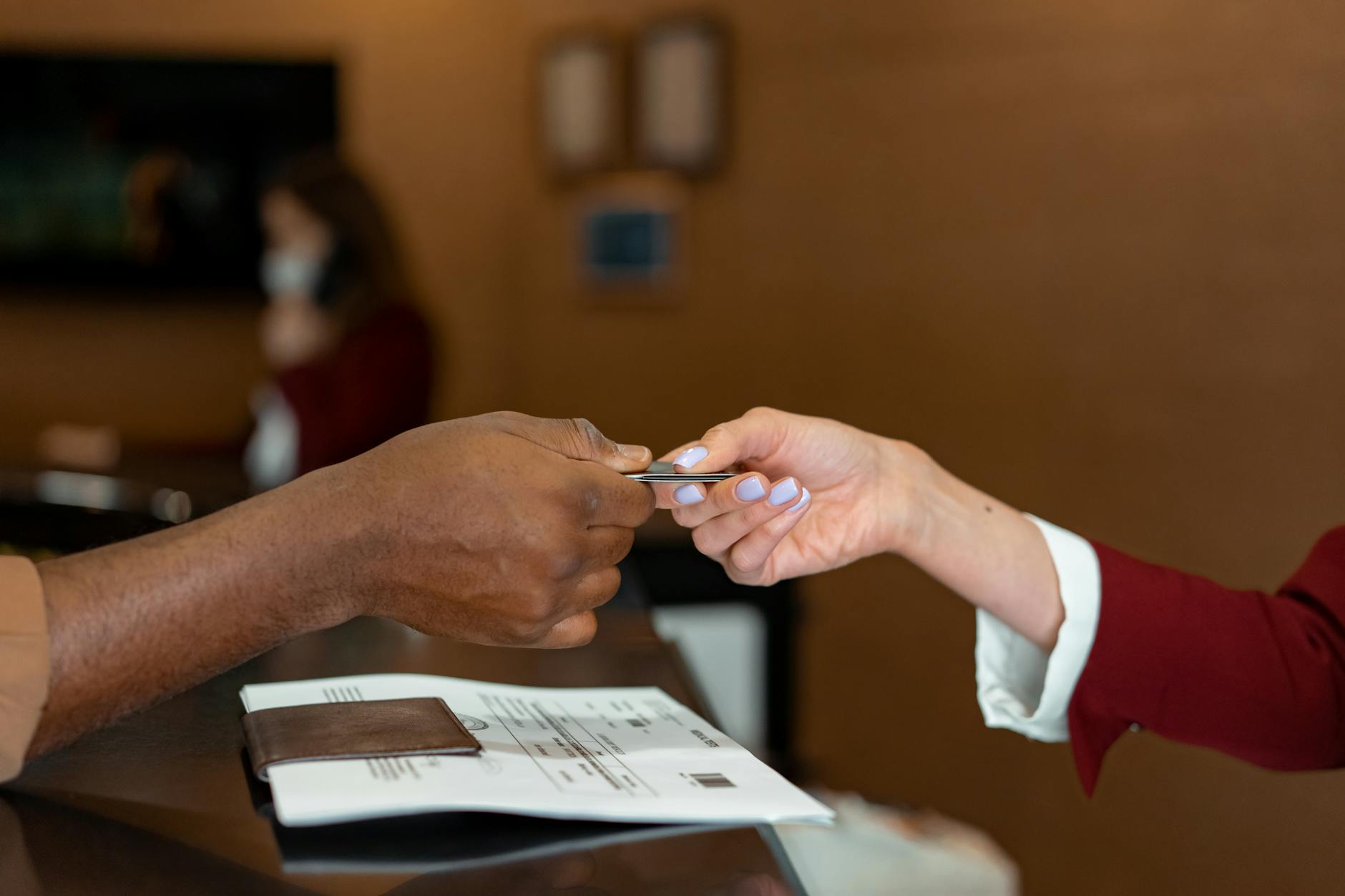
The friction deliberately built into express checkout systems at some luxury hotels is designed to extend the final interaction between a guest and the property’s revenue environment. Encouraging guests to stop by the front desk rather than using a digital checkout option creates one final opportunity for staff to mention future booking incentives spa retail products or branded merchandise. The checkout conversation is a trained touchpoint that follows a script designed to plant seeds for return visits direct bookings and referrals. Guests settling their account in person are also less likely to contest minor charges than those reviewing a bill privately on a phone screen. The face-to-face checkout is retained not for operational reasons but for commercial ones.
Temperature Control Limits
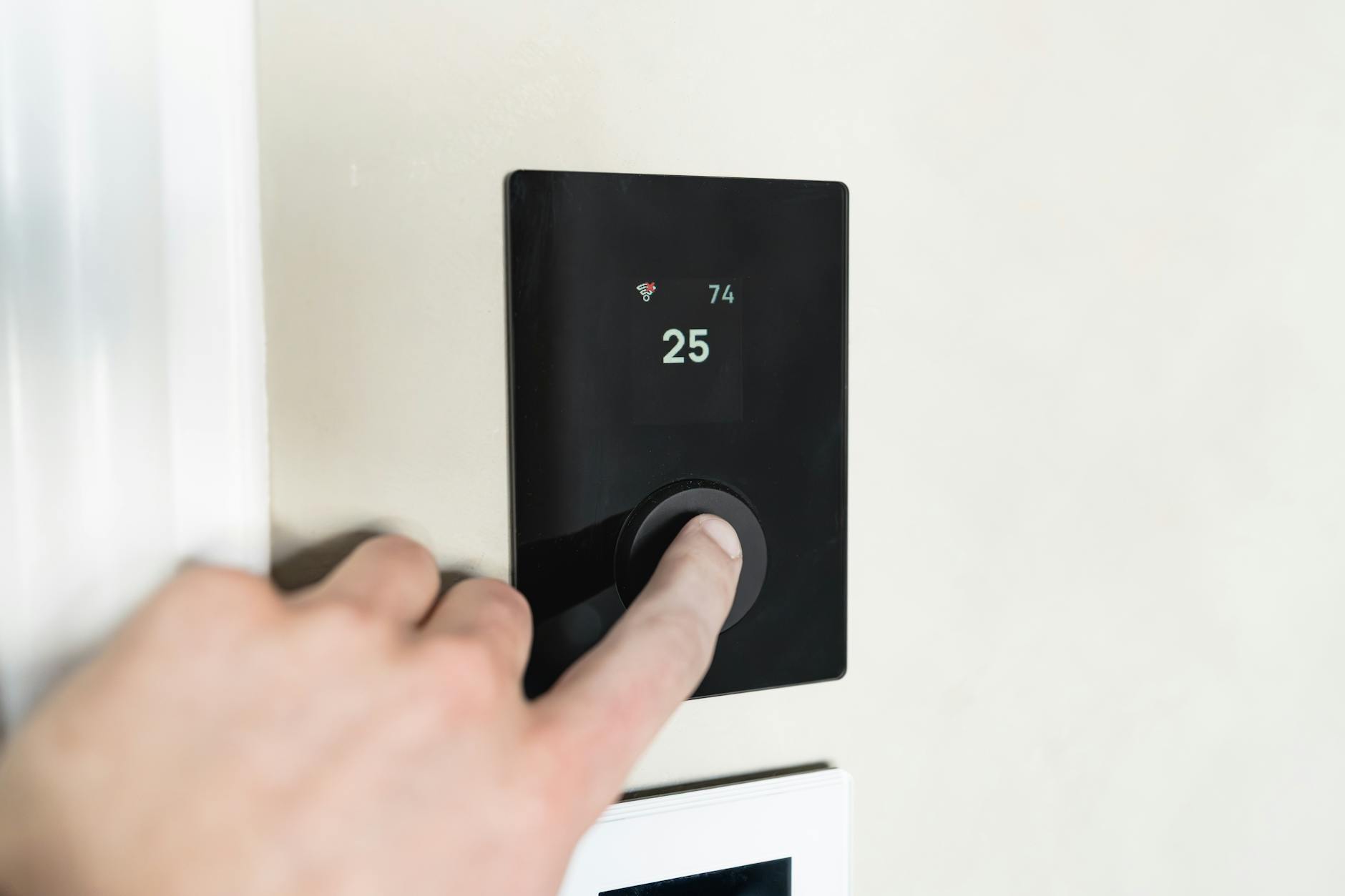
The in-room temperature control systems in many luxury hotels are programmed with a narrower range of adjustment than guests are typically aware of. Keeping room temperatures within a band that is slightly warmer than most guests would independently select has been shown to increase minibar usage ordering of cold beverages and requests for in-room dining. The effect is subtle enough that guests attribute their desire for a cold drink to personal preference rather than environmental design. Temperature management across public spaces follows similar principles with lobbies and corridors kept at levels that make the warmth and comfort of a bar or lounge feel like a welcome relief. Climate within a hotel is an active revenue variable rather than a passive comfort consideration.
If any of these techniques have changed the way you look at your next luxury hotel stay share your own observations and experiences in the comments.