There is something quietly magical about discovering a corner of America where cobblestone streets, centuries-old architecture, and a slow, unhurried pace of life make you feel as though you have stepped off a plane somewhere across the Atlantic. These towns carry deep histories shaped by European settlers who brought their architectural traditions, cultural customs, and culinary sensibilities with them to the New World. From Germanic villages nestled in the Texas Hill Country to colonial seaports along the New England coast, the United States holds an extraordinary collection of places that blur the line between the familiar and the foreign. Whether you are drawn to French Creole balconies, Spanish mission walls, or Dutch-style row houses, these destinations offer a distinctly European atmosphere without the transatlantic flight.
Annapolis
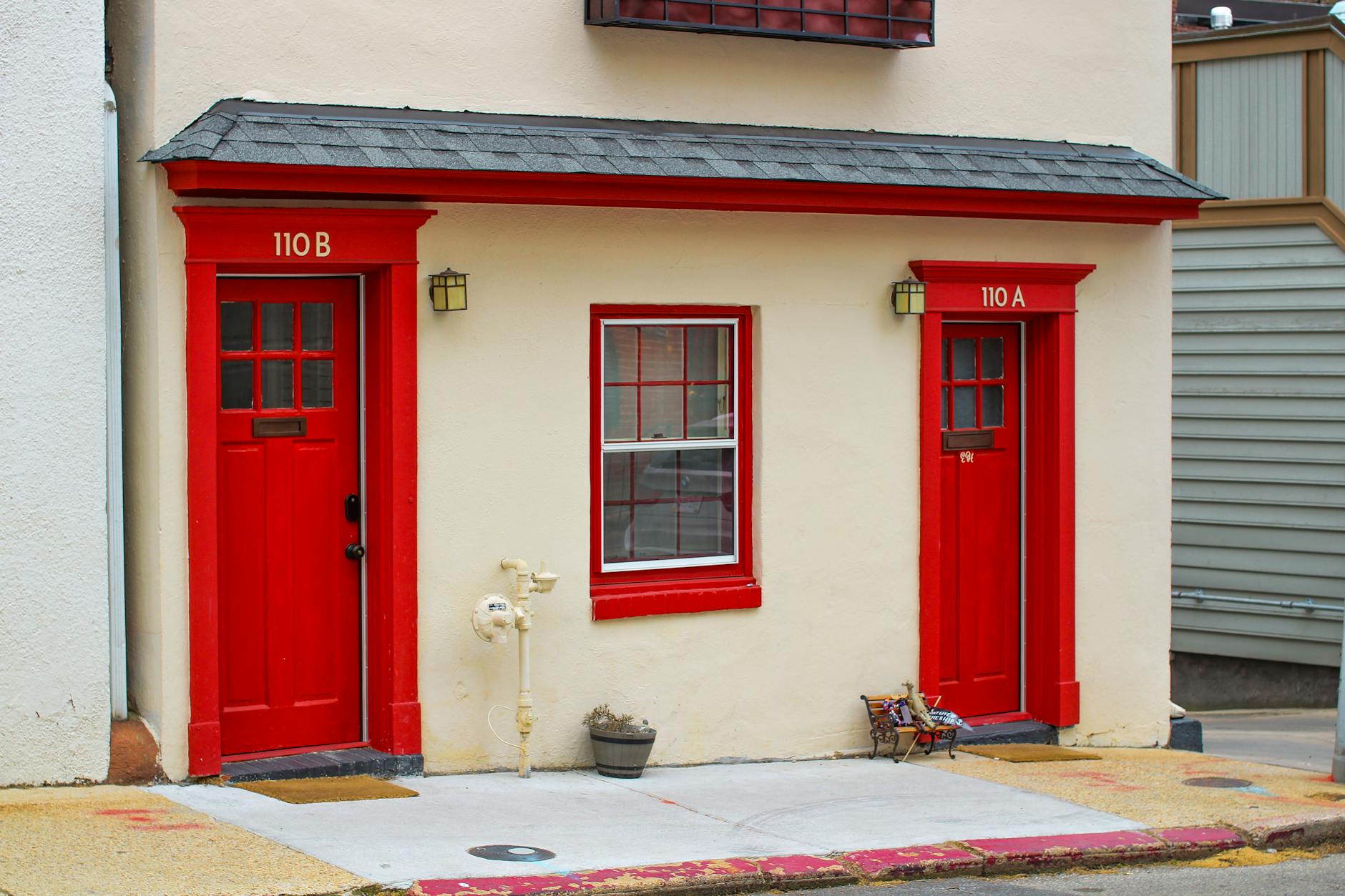
Founded in the seventeenth century, this Maryland capital is often called the sailing capital of the United States and carries an unmistakable resemblance to an English market town. Its historic district is one of the largest in the country, filled with Georgian brick buildings and narrow lanes that wind toward a glittering harbor. The Maryland State House is the oldest state capitol still in continuous legislative use, lending an air of deep civic history to the streets around it. Waterfront pubs, independent bookshops, and flower-adorned doorways complete the picture of a place that feels thoroughly Old World. Annapolis rewards slow exploration on foot, where every alley seems to open onto another beautifully preserved streetscape.
Savannah
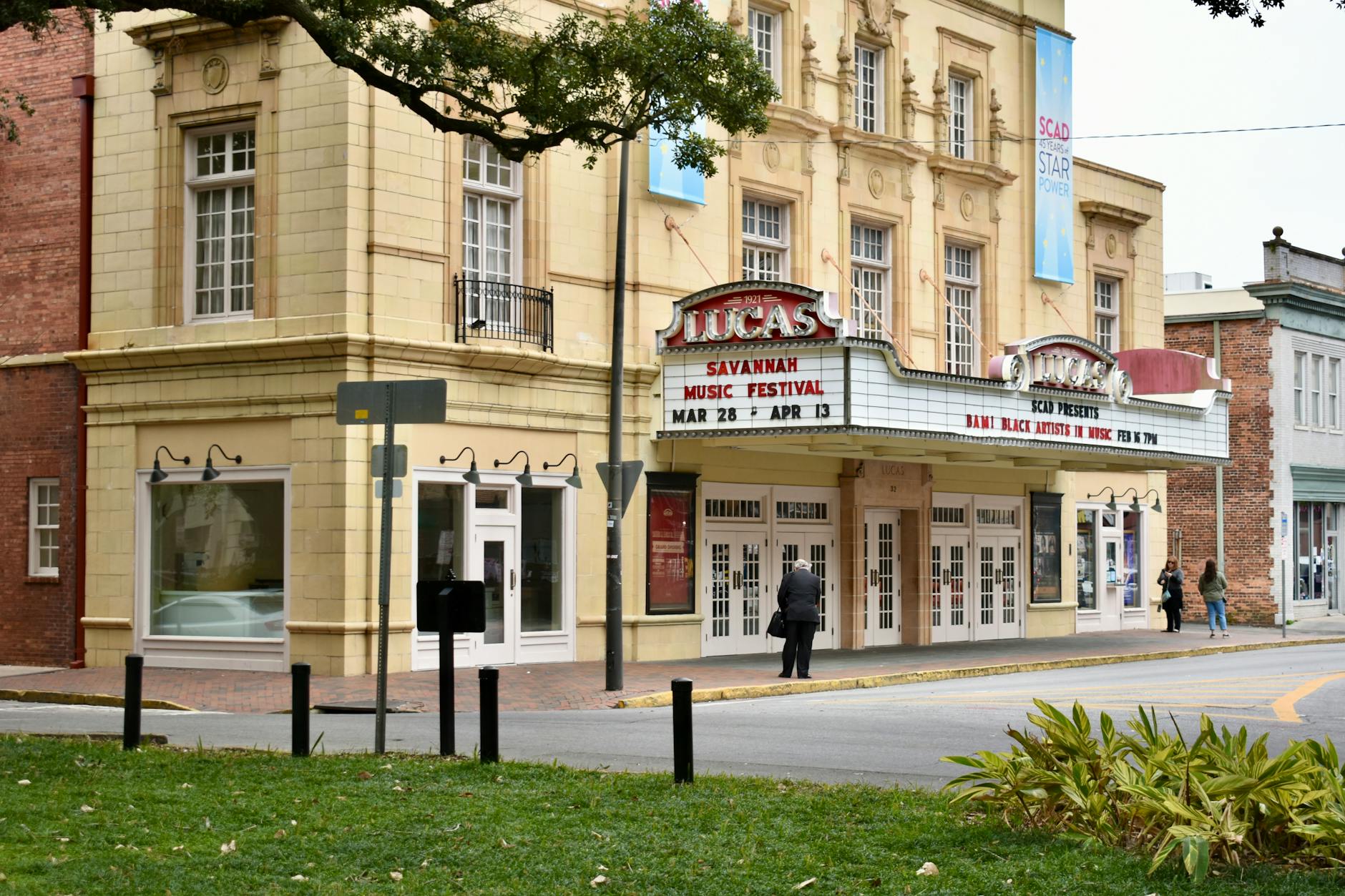
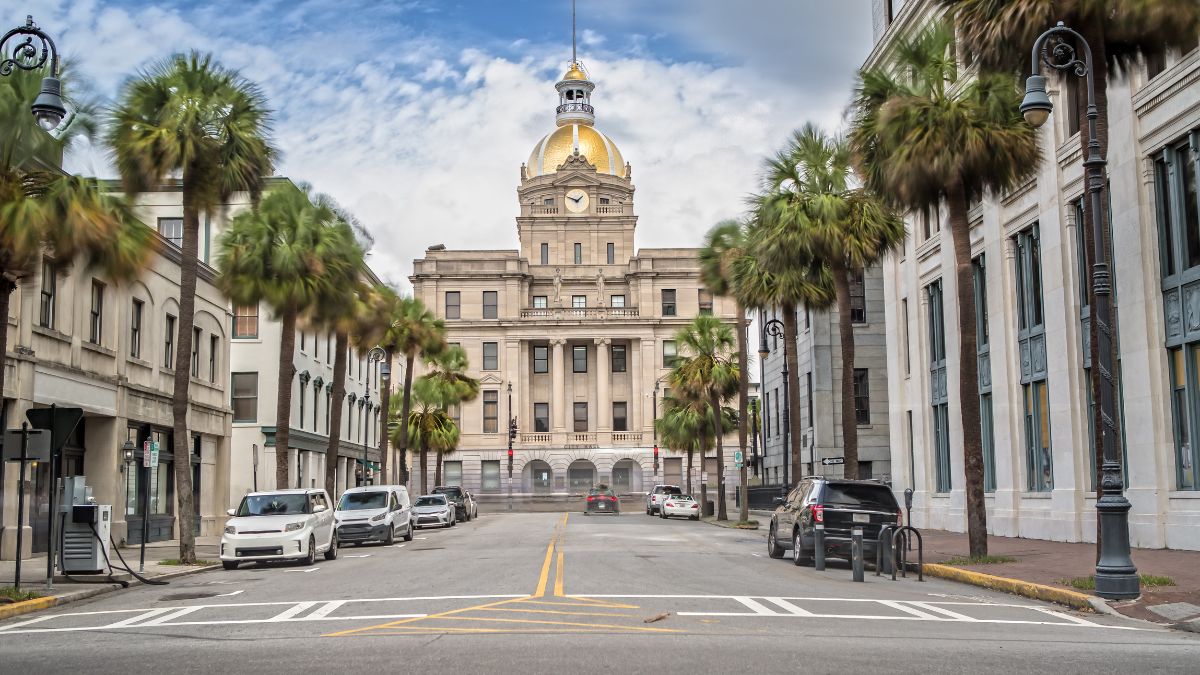
Georgia’s oldest city was laid out in 1733 according to a precise grid of squares that gives it a remarkably European sense of urban planning and civic order. Twenty-two of those original garden squares survive today, shaded by ancient live oaks draped in Spanish moss and surrounded by Regency and Federal townhouses that would not look out of place in London or Dublin. The city’s cobblestone riverside district, known as the Factors Walk, evokes the old trading quarters of a northern European port town. Savannah’s café culture, art galleries, and horse-drawn carriage tours reinforce the sense of a place that takes its history seriously. Few American cities offer such a consistently atmospheric and walkable historic core.
Fredericksburg

Tucked into the Texas Hill Country, this small city was founded in 1846 by German immigrants who recreated the architectural and cultural traditions of their homeland with remarkable fidelity. Walking along Main Street today, visitors encounter half-timbered Sunday houses, Fachwerk-style storefronts, and Lutheran churches that would not look unusual in Bavaria or the Rhine Valley. The town maintains strong German culinary traditions as well, with bakeries, biergartens, and sausage shops lining the central thoroughfare. Fredericksburg also sits at the heart of Texas wine country, adding a Rhineland-like agricultural charm to the surrounding landscape. The combination of Germanic heritage, Hill Country scenery, and a lively local food culture makes this one of the most authentically European-feeling towns in the American South.
Newport
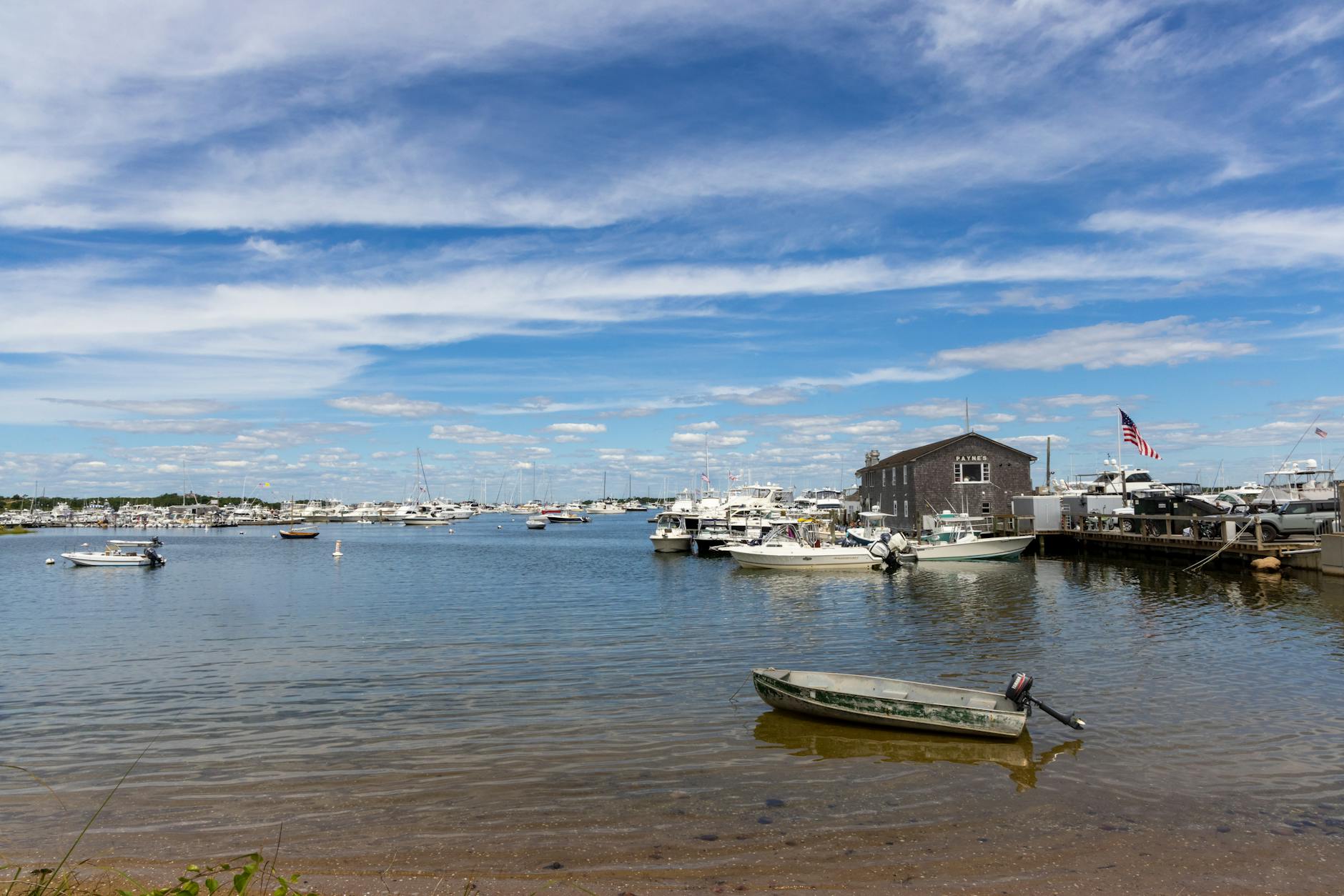
This Rhode Island coastal city built its reputation on extraordinary wealth during the Gilded Age, and the result is a skyline of Gilded Age mansions that draw direct comparisons to the grand estates of the English and French countryside. The Bellevue Avenue corridor is lined with palatial summer cottages modeled after European palaces, including Marble House and The Breakers, both of which are inspired by the architecture of Versailles. Beyond the mansions, Newport’s colonial downtown features some of the best-preserved eighteenth-century streetscapes in New England, with brick lanes and clapboard houses dating back to the 1700s. The harbor, lined with wooden sailing boats and traditional seafood restaurants, carries the feel of a prosperous English sailing town. Newport’s layered history makes it feel like several different European cities compressed into one remarkably compact destination.
St. Augustine
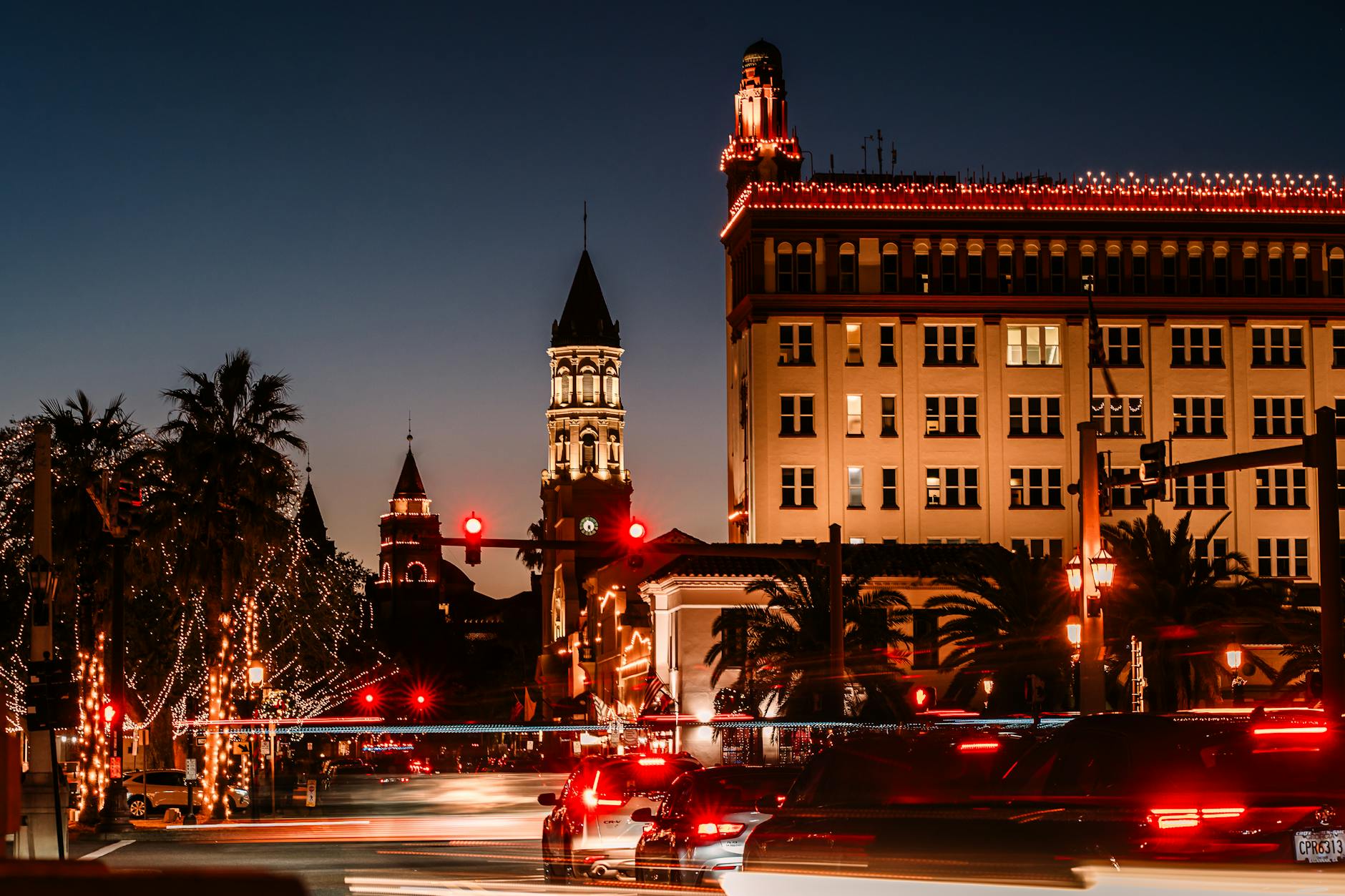
Established by Spanish colonizers in 1565, St. Augustine holds the distinction of being the oldest continuously occupied European settlement in the continental United States. Its historic district is anchored by the imposing Castillo de San Marcos, a seventeenth-century Spanish fortress built from coquina stone that stands as one of the most striking examples of colonial military architecture in the Western Hemisphere. The narrow streets of the colonial quarter are lined with whitewashed buildings, wrought-iron balconies, and flowering courtyards that evoke Andalusia more than Florida. A lively plaza at the city’s center hosts markets and festivals in a tradition that mirrors the town square customs of southern Spain. Few places in America offer such a visceral and complete sense of stepping into the Spanish colonial world.
Galena
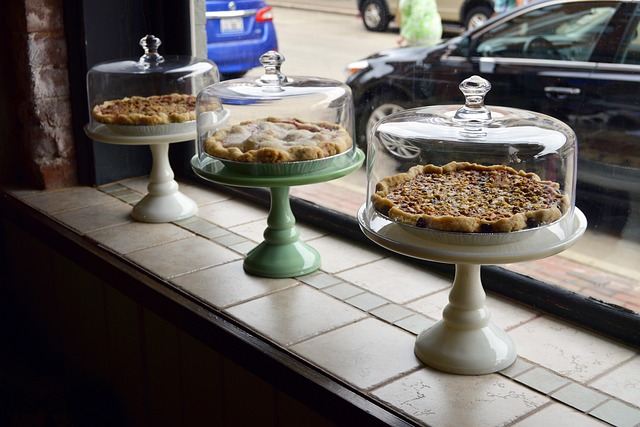
Perched above the Galena River in northwestern Illinois, this remarkably intact nineteenth-century town looks as though it was lifted directly from the English or Welsh countryside and set down among gentle Midwestern hills. The main commercial street is lined with Italianate and Greek Revival brick buildings that have changed very little since the 1850s, when Galena was one of the wealthiest cities in the American Midwest. The surrounding landscape of rolling green hills, limestone bluffs, and winding country roads enhances the sense of being somewhere distinctly European in character. Galena was also home to Ulysses S. Grant, and the town’s connection to Civil War history adds another layer of depth to its already rich sense of place. Antique shops, boutique hotels, and farm-to-table restaurants make it one of the most charming small towns in the entire country.
Natchitoches

Louisiana’s oldest permanent settlement carries an atmosphere unlike almost anywhere else in the United States, blending French Creole, Spanish, and African influences into something that feels closer to the South of France than the American South. The Cane River Creole National Historical Park preserves some of the most significant plantation-era French Creole architecture on the continent, including raised cottages with wide verandas and intricate ironwork. The downtown brick riverfront district is lined with gas lanterns and historic storefronts that date back to the early nineteenth century. Natchitoches is also famous for its meat pies and its spectacular Christmas Festival of Lights, both of which reflect the enduring vitality of its French heritage. Visitors who wander its quieter streets often describe the experience as closer to strolling through Provence than touring the American Deep South.
Bethlehem
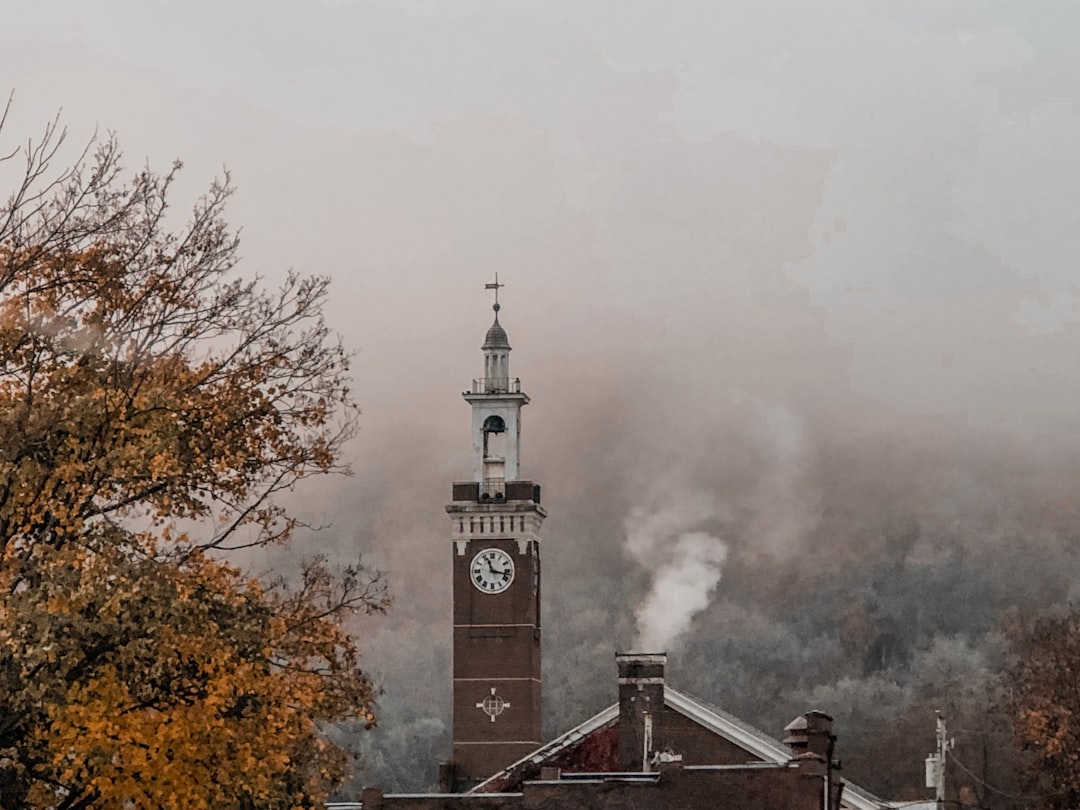
Founded by Moravian settlers from central Europe in 1741, this Pennsylvania city retains a remarkably intact collection of original Germanic architecture in its historic district. The Moravian settlement along Church Street features stone buildings and simple, elegant chapels that reflect the austere and deeply spiritual architectural tradition of the Bohemian and Moravian reformers who built them. The city hosts one of the oldest Christmas markets in the United States, modeled directly on the Christkindlmarkt traditions of Germany and Austria. Bethlehem Steel’s industrial legacy adds a contrasting layer of rugged history, but it is the Moravian quarter that gives the city its European soul. Walking through the original settlement on a quiet morning, with its stone lanes and church bells, is an experience that genuinely transports visitors across centuries and continents.
Cape May
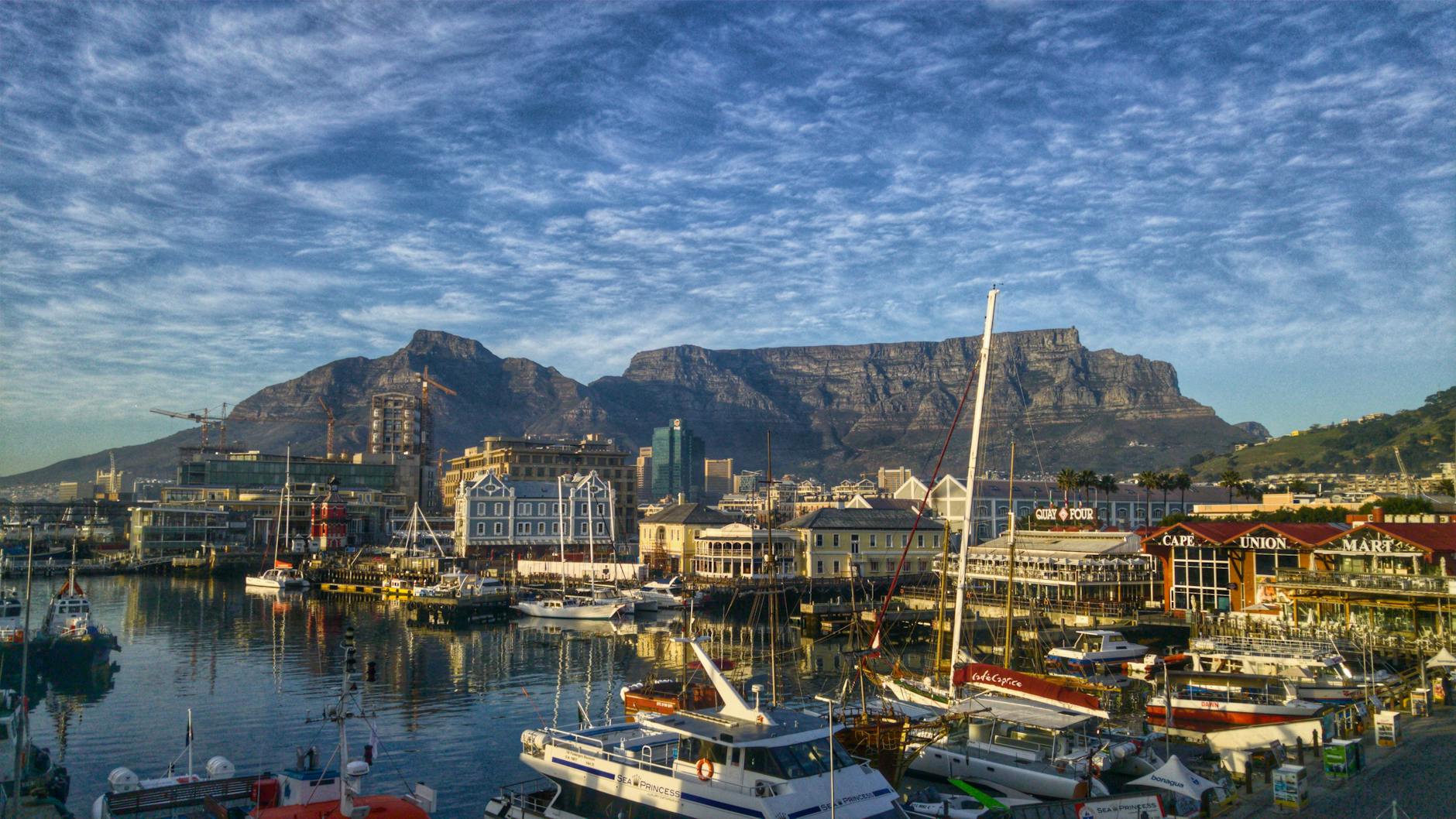
Situated at the southernmost tip of New Jersey, Cape May is the most intact Victorian seaside resort in the United States and bears a striking resemblance to the great Victorian coastal towns of southern England. The entire city is designated a National Historic Landmark, and its streets are lined with hundreds of ornate gingerbread houses painted in elaborate period color schemes. The town’s pedestrian-friendly promenade, horse-drawn trolleys, and tea rooms reinforce the sense of a nineteenth-century English seaside holiday. Cape May’s beaches are clean and uncrowded by New Jersey standards, and the pace of life is refreshingly gentle compared to more commercial resort towns. Architectural walking tours here are genuinely breathtaking, revealing an almost unbroken streetscape of High Victorian splendor.
Ste. Genevieve
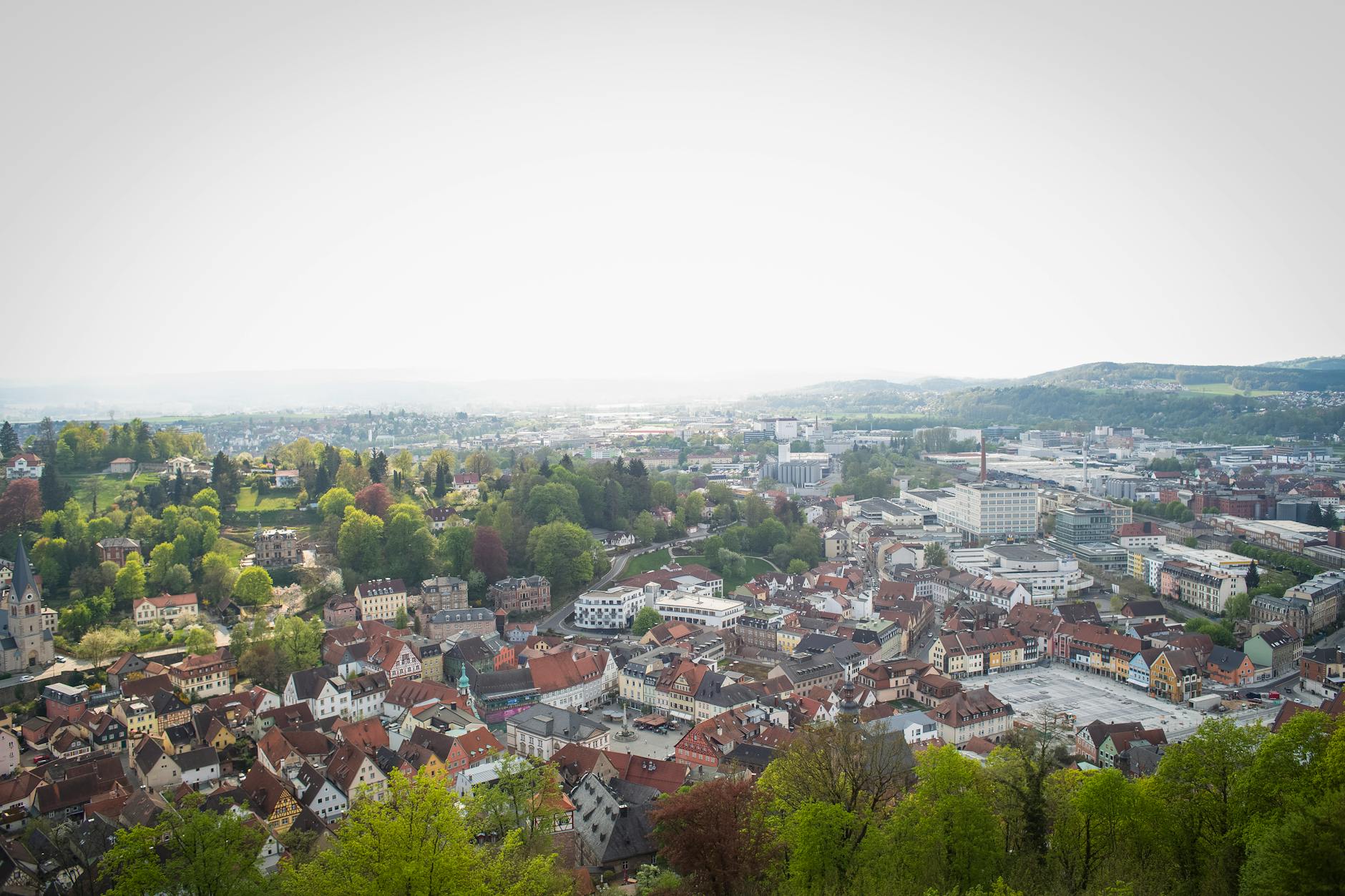
Missouri’s oldest European settlement, founded by French Canadians around 1735, preserves the largest collection of French Creole vertical log architecture in North America. The historic district contains dozens of original Creole houses with wide wraparound galleries, low-pitched roofs, and raised foundations that reflect the practical and aesthetic sensibilities of eighteenth-century French colonial culture. Walking through its quiet residential streets, visitors encounter a landscape of enormous historic trees, stone fences, and painted wooden shutters that evoke rural Normandy or the Loire Valley. The town sits above the Mississippi River and retains the intimate, village-scale atmosphere of a place that has never been overrun by tourism or commercial development. Ste. Genevieve is genuinely one of the most overlooked and authentically European-feeling destinations in the entire American Midwest.
Eureka Springs

Hidden in the Ozark Mountains of Arkansas, Eureka Springs is a Victorian spa town built entirely on hillsides so steep that its streets were never designed for automobiles, giving it a pedestrian scale and intimacy that strongly recalls towns in the Swiss Alps or the Pyrenees. The entire downtown historic district is listed on the National Register of Historic Places, and its winding streets are packed with Victorian Gothic cottages, ornate stone churches, and independent shops that have operated for generations. The town was founded in 1879 around a series of spring-fed waters believed to have healing properties, a tradition it shares with the great European spa towns of the nineteenth century. Art galleries, live music venues, and craft breweries now animate its historic core without compromising its extraordinary architectural character. Eureka Springs rewards visitors who abandon the car entirely and simply wander, discovering new views and hidden staircases at every turn.
Leavenworth
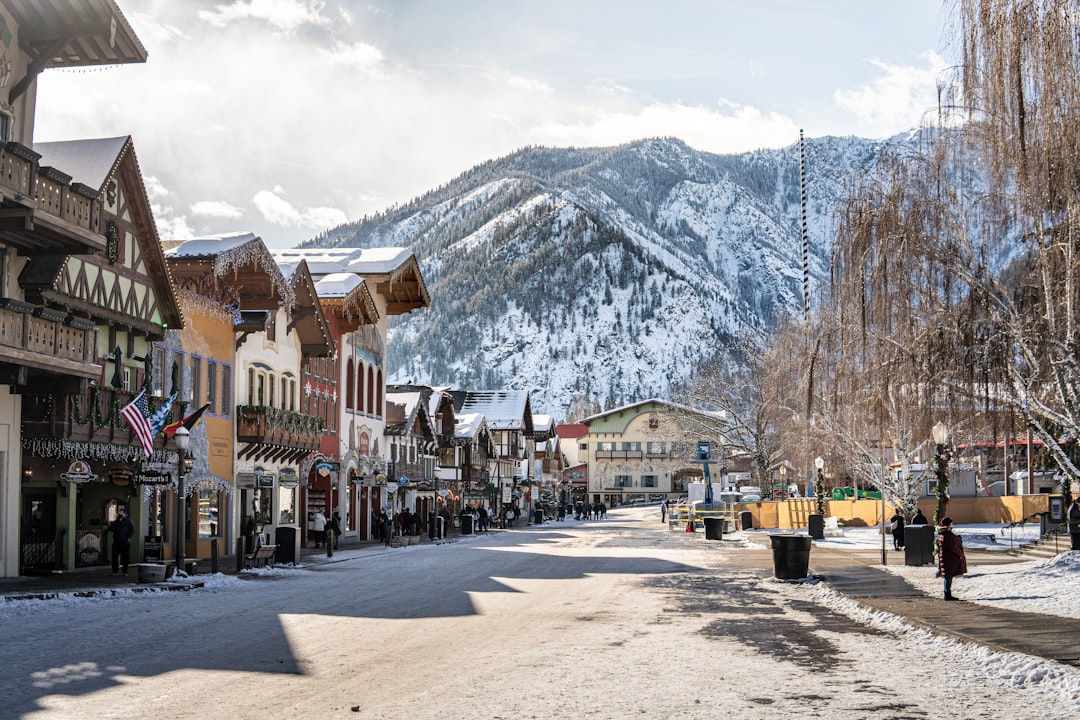
Nestled in the Cascade Mountains of Washington State, Leavenworth underwent a remarkable transformation in the 1960s when the town reinvented itself as a Bavarian Alpine village, and the result is a destination that is now genuinely indistinguishable from a small town in the German or Austrian Alps. Every building in the commercial district is required by local ordinance to conform to Bavarian architectural standards, resulting in a consistent streetscape of painted murals, carved wooden balconies, and steep chalet rooflines. The surrounding landscape of snowcapped peaks, pine forests, and a rushing river reinforces the alpine atmosphere in a way that feels entirely natural rather than forced. Leavenworth hosts Oktoberfest, a Christmas Lighting Festival, and a Maifest that draw visitors from across the Pacific Northwest. The town’s commitment to its Bavarian identity extends to its restaurants, breweries, and specialty shops, making the overall experience surprisingly immersive.
Marblehead
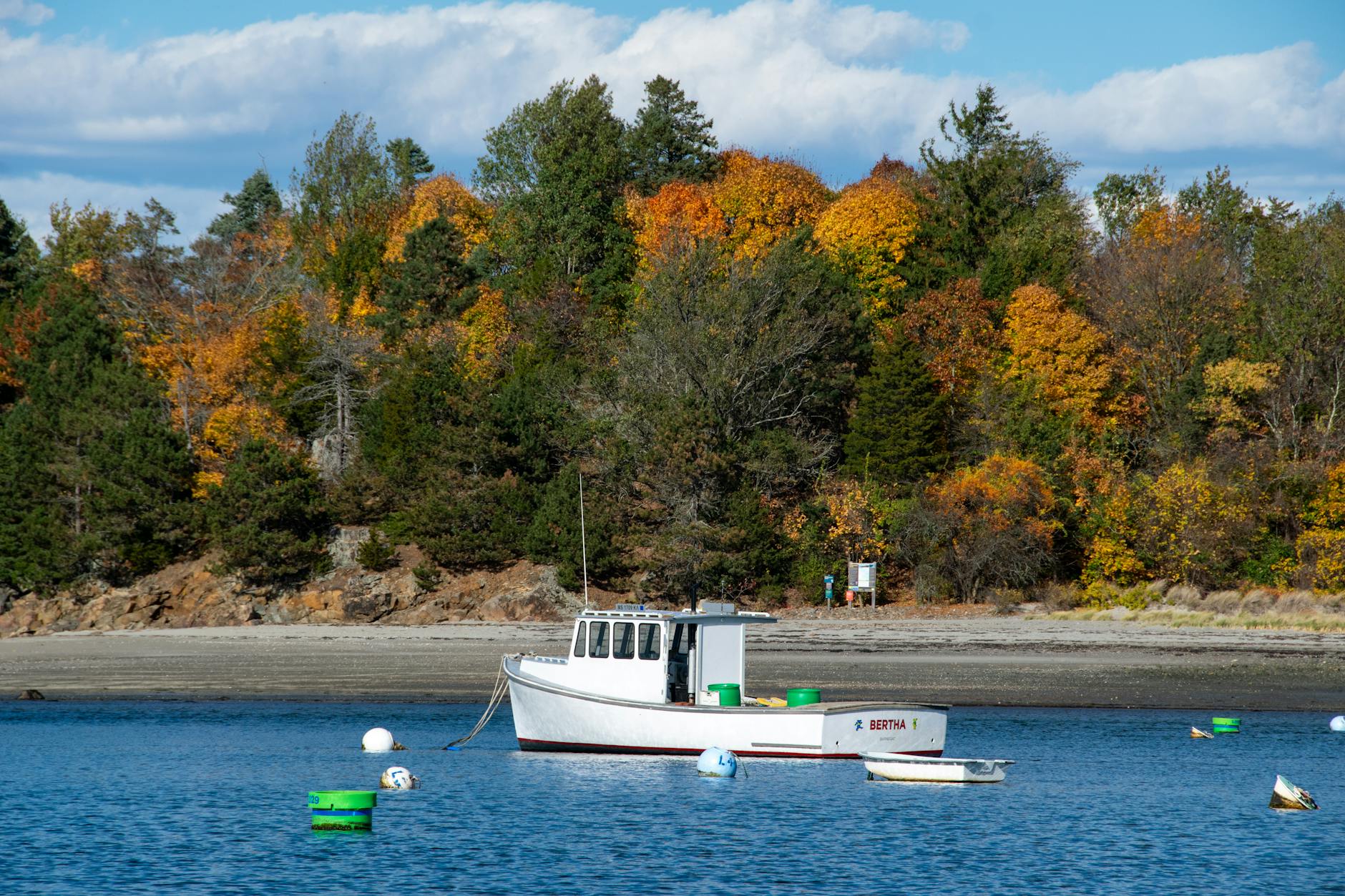
This small harbor town north of Boston is one of the most authentically English-feeling communities in New England, with a colonial streetscape of narrow lanes, gambrel-roofed houses, and a working waterfront that has changed remarkably little since the seventeenth century. Marblehead was one of the most important fishing and maritime trading towns in colonial America, and its old town retains the dense, organically arranged street pattern of an English port village rather than the planned grid of later American settlements. The town’s harbor is still filled with wooden sailboats and traditional working vessels, adding to the sense of a place where the sea and the past remain deeply intertwined. Historic homes dating back to the 1640s are still occupied as private residences, giving the neighborhood an authentic lived-in quality that carefully preserved museum districts often lack. On a gray Atlantic morning with fog rolling in off the water, Marblehead is as close to Cornwall or Devon as anywhere in the United States.
New Harmony
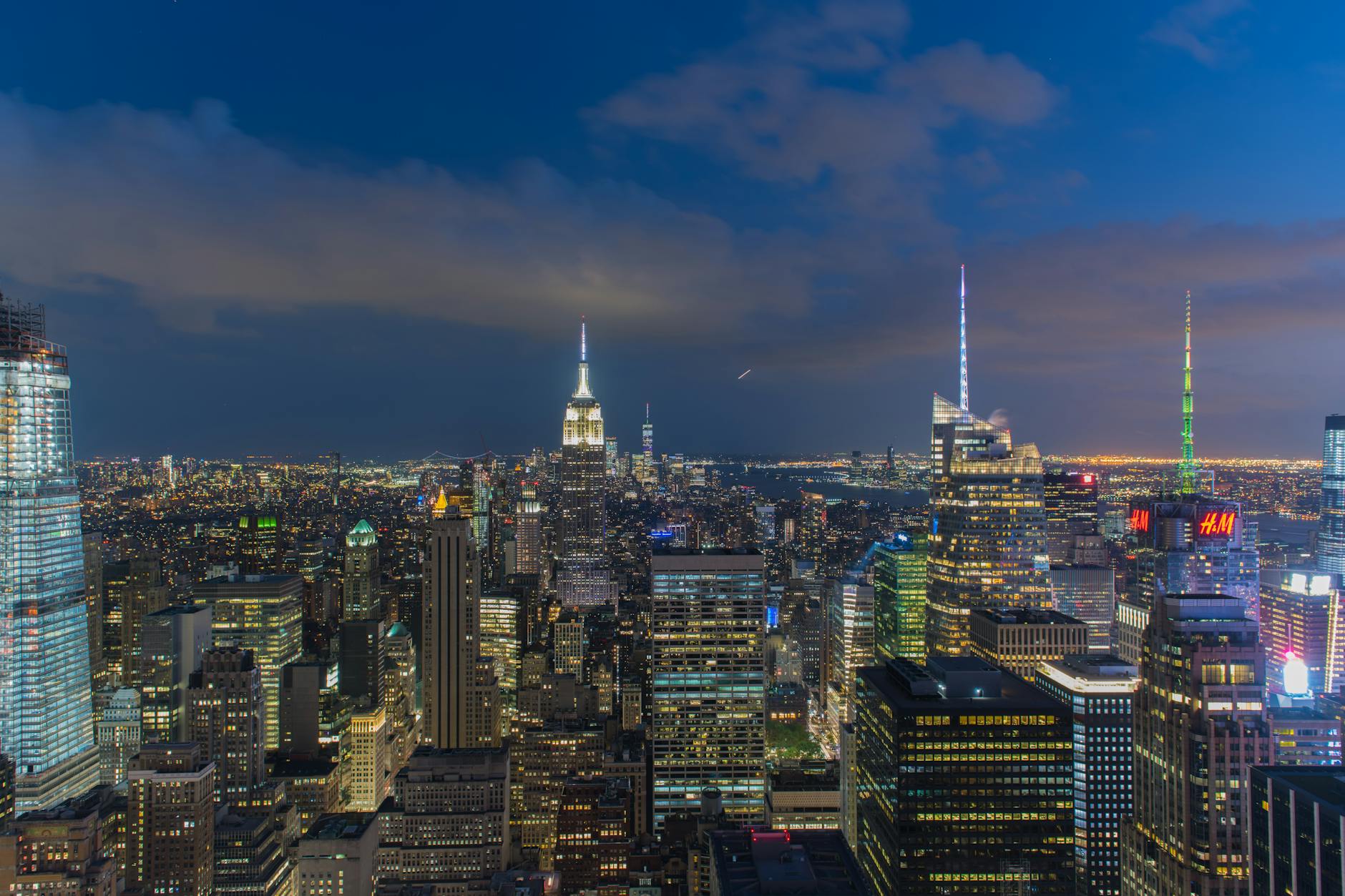
Founded twice by European utopian communities, first by German Harmonists in 1814 and then by Welsh and English social reformers in 1825, this small Indiana town carries a philosophical and architectural depth that is entirely disproportionate to its size. The surviving Harmonist buildings are constructed from handmade brick and golden sandstone in a simple, dignified style that reflects the community’s German pietist roots and its rejection of ornamental excess. New Harmony sits along the Wabash River in the flat agricultural landscape of southwestern Indiana, but its shaded streets and historic structures give it the intimate, contemplative atmosphere of a Quaker village in the English countryside. The town is now managed largely as a historic and cultural destination, with sculpture gardens, a reconstructed labyrinth, and thoughtfully curated museums. Few places in America carry such a concentrated and genuinely moving sense of European idealism transplanted into the New World.
Hermann
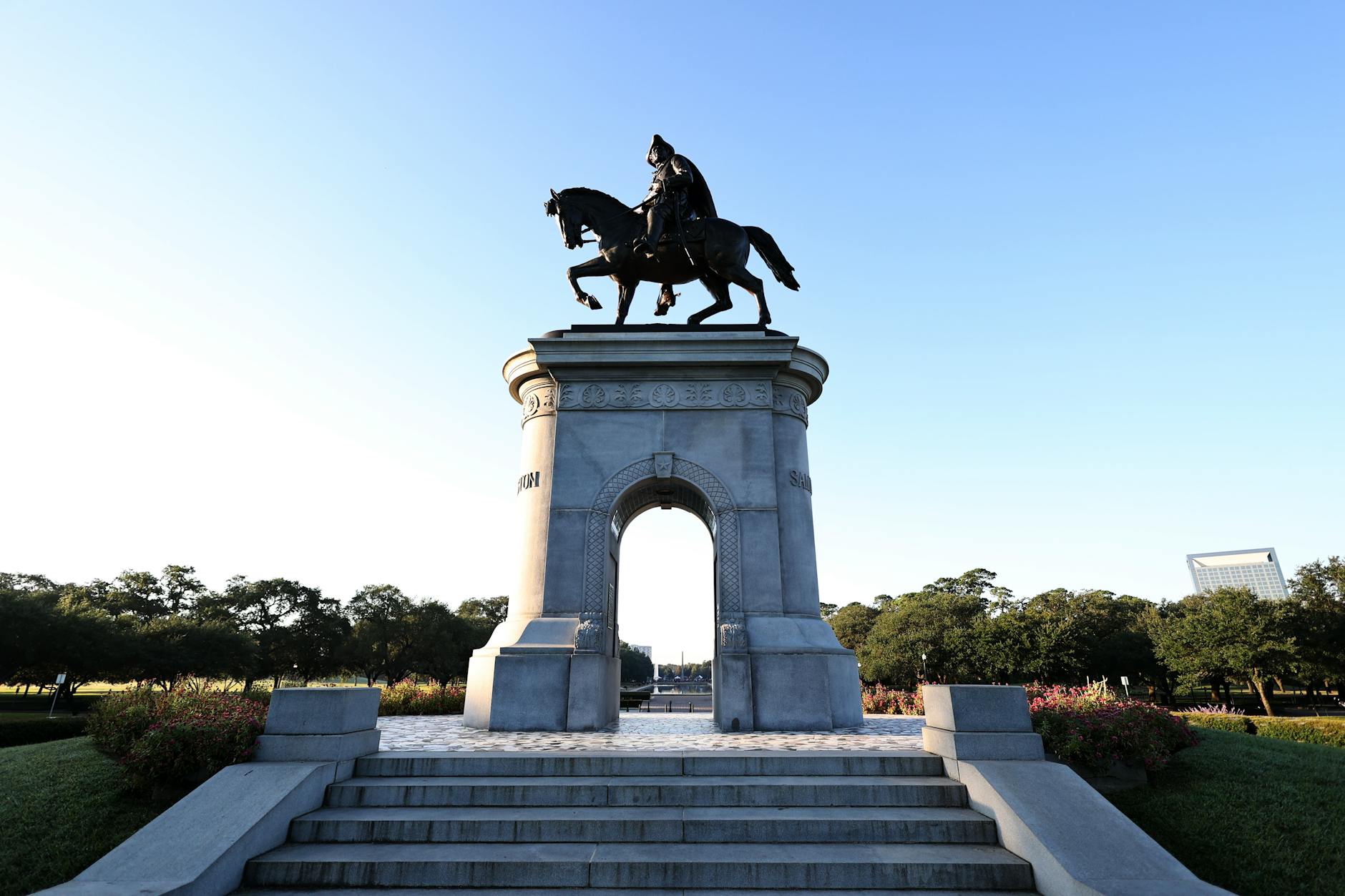
Established in 1836 by the German Settlement Society of Philadelphia with the explicit goal of creating a town that would preserve German language and culture in America, Hermann in Missouri remains one of the most thoroughly Germanic communities in the country. The town sits in a river valley along the Missouri River that German settlers specifically chose because it reminded them of the Rhineland, and the landscape of vine-covered hillsides and limestone bluffs still makes that comparison easy to understand. Hermann’s historic district is lined with brick Federal and German vernacular buildings housing wineries, bakeries, and antique shops that maintain strong ties to the original settler traditions. The annual Oktoberfest celebration draws tens of thousands of visitors and ranks among the largest in the United States. Walking Hermann’s streets on a quiet weekday morning, with its steepled churches and immaculate brick storefronts, is an experience that feels unmistakably Rhenish.
Bardstown
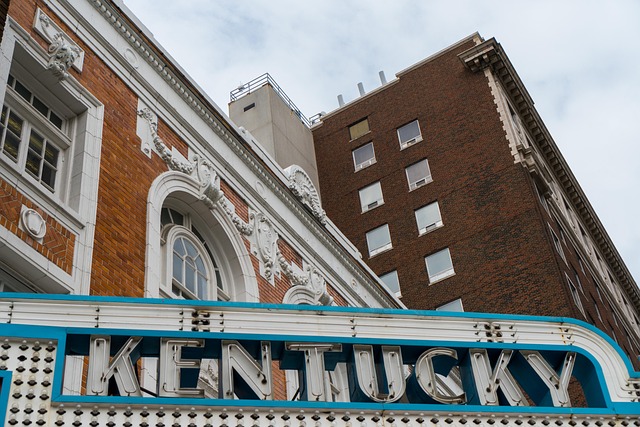
Known as the Bourbon Capital of the World, this Kentucky town also happens to possess one of the most beautifully preserved Federal and Georgian streetscapes in the American South, giving it the composed and dignified atmosphere of a prosperous English market town from the early nineteenth century. The courthouse square is anchored by a Greek Revival county courthouse surrounded by brick commercial buildings and church steeples that give the downtown skyline a distinctly English provincial character. My Old Kentucky Home State Park preserves Federal Hill, an elegant Federal-style plantation house that was the inspiration for Stephen Foster’s famous song and that would not look out of place in the English Home Counties. The surrounding landscape of horse farms, stone fences, and rolling bluegrass pasture deepens the English countryside feel considerably. Bardstown also maintains a lively culinary and craft distilling scene that gives it the kind of food and drink culture associated with a thriving English market town.
Madison
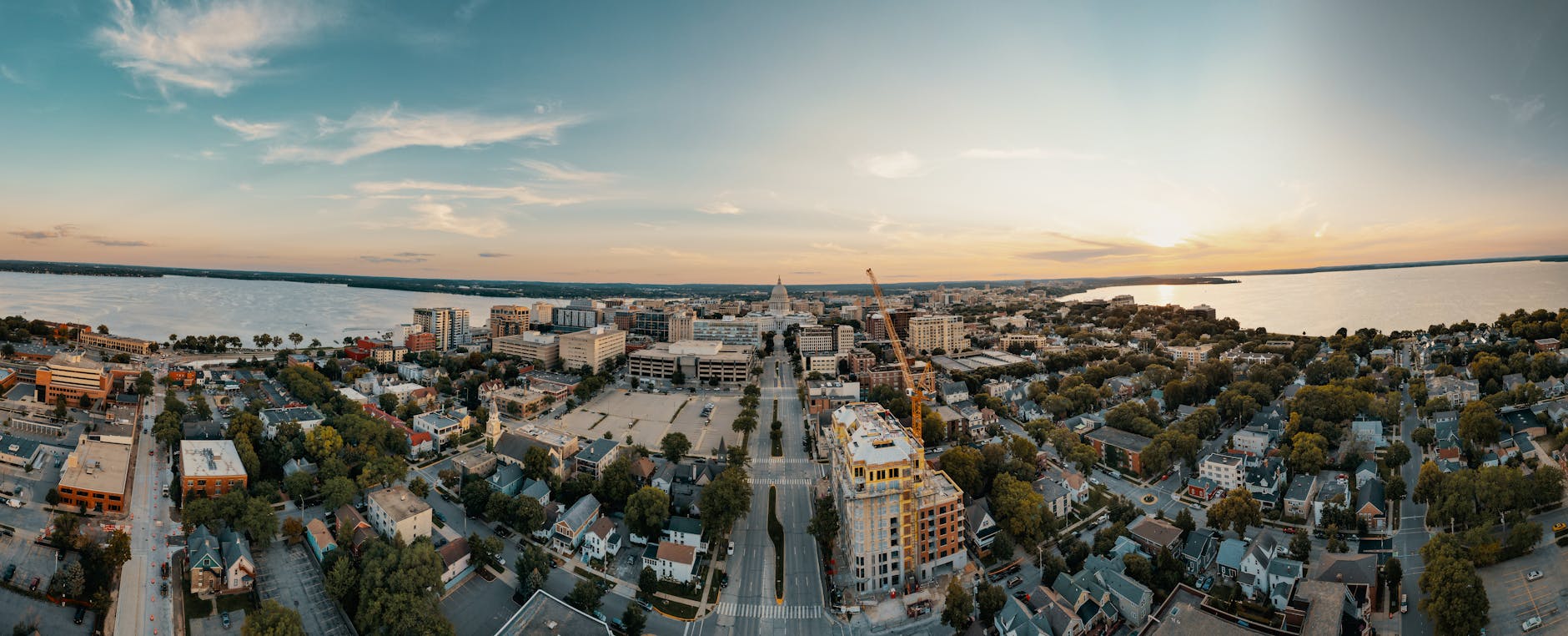
Perched above the Ohio River in southeastern Indiana, Madison is widely regarded by architectural historians as the most complete example of an early nineteenth-century American river town, and its streets of Federal, Greek Revival, and Italianate architecture carry a dignity and scale that strongly recalls the Georgian and Regency towns of the English Midlands. The entire downtown historic district covers more than a hundred city blocks and contains one of the highest concentrations of antebellum architecture in the entire country. Stately brick mansions with fanlighted doorways, cast-iron storefronts, and beautifully proportioned church facades line the streets in an unbroken procession of architectural quality. The town’s position above the river, with its steep hillsides and river vistas, adds a topographical drama that enhances the sense of being somewhere genuinely historic and European in character. Madison is one of those American towns that architecture lovers return to repeatedly, always finding new details to admire in its astonishingly intact streetscape.
Tarrytown

Situated on the eastern bank of the Hudson River just north of New York City, Tarrytown and its neighbor Sleepy Hollow occupy a stretch of the Hudson Valley that Washington Irving famously described as having more of the look of old Europe than almost anywhere in America. The area is anchored by Lyndhurst, a magnificent Gothic Revival mansion set above the river in a landscape of wooded bluffs that is almost indistinguishable from the great country estates of the English countryside. The Dutch colonial heritage of the Hudson Valley is still visible in the area’s place names, church architecture, and historic stone farmhouses that dot the riverbanks. Tarrytown’s walkable village center, independent bookshops, and riverfront cafés give it a relaxed and cultured atmosphere that recalls a prosperous town on the Rhine or the Thames. The entire stretch of river between Tarrytown and Cold Spring ranks among the most scenically and historically European-feeling landscapes in the northeastern United States.
If you have visited any of these towns or have a favorite European-feeling American destination of your own, share your thoughts in the comments.