Maintaining cognitive health requires consistent engagement in activities that challenge various neural pathways. Neurologists emphasize the importance of novelty and complexity when choosing leisure pursuits to enhance neuroplasticity. The brain behaves much like a muscle because it strengthens through regular and varied exercise. Engaging in stimulating hobbies can delay cognitive decline and improve memory retention significantly. This list explores diverse activities proven to stimulate gray matter and promote long-term mental agility.
Learning a New Language

Acquiring a second language forces the brain to recognize complex patterns and negotiate new grammatical structures. This intense cognitive process strengthens connections between neurons and increases the volume of white matter. Studies consistently link bilingualism to a delayed onset of dementia symptoms in older adults. The constant switching between vocabulary sets improves executive function and focus over time. Regular practice requires memory recall that keeps the hippocampus active and healthy.
Playing a Musical Instrument
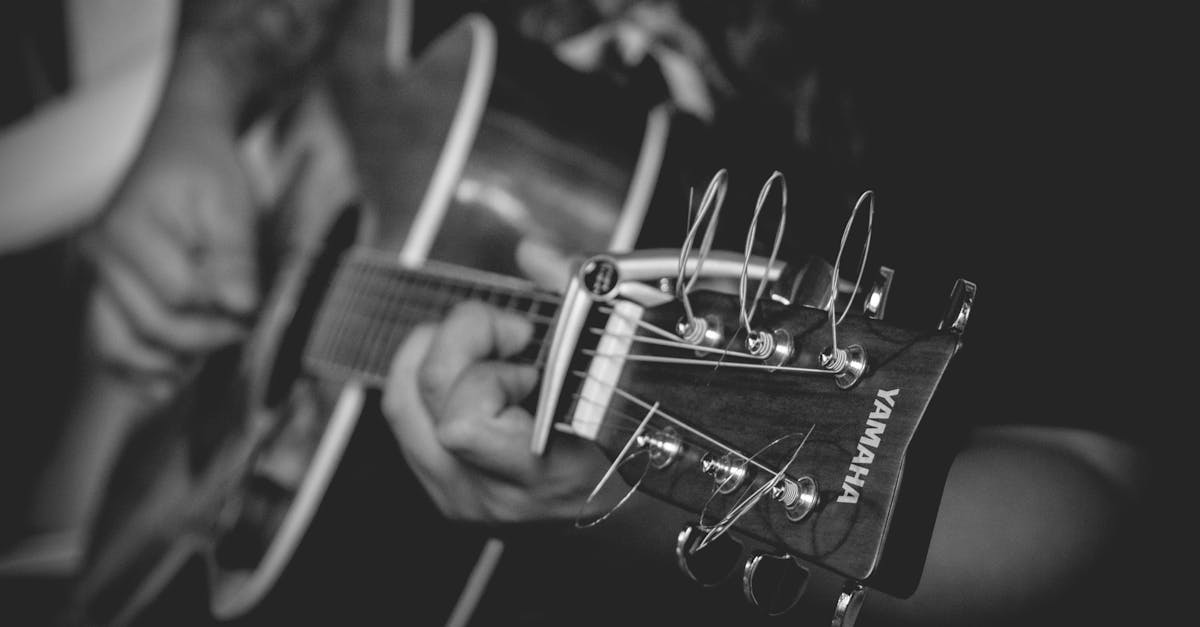
Mastering an instrument engages almost every area of the brain simultaneously including the visual and auditory cortices. This activity improves the corpus callosum connection which facilitates communication between the left and right hemispheres. Musicians often demonstrate superior memory retention and executive functioning skills compared to non-musicians. The discipline required to practice fine motor skills translates to better neural efficiency. Reading sheet music also trains the brain to process information rapidly and accurately.
Ballroom Dancing

Dancing integrates physical movement with the mental challenge of memorizing complex steps. This combination increases blood flow to the brain while simultaneously taxing the memory centers. Making split-second decisions about positioning improves spatial awareness and reaction speed. The social aspect of partner dancing provides an additional layer of cognitive protection against decline. Regular participation has been shown to reduce the risk of Alzheimer’s disease significantly.
Reading Fiction

Immersing oneself in a narrative requires the brain to construct detailed mental simulations of the story. This process engages the areas responsible for language reception and sensory processing. Readers often experience increased connectivity in the left temporal cortex which persists even after closing the book. Navigating complex plotlines improves working memory and analytical thinking skills. This hobby serves as a powerful stress reducer that preserves overall brain health.
Chess

This ancient game is renowned for demanding intense concentration and strategic foresight. Players must visualize potential moves and anticipate opponent responses several steps in advance. This mental workout utilizes both sides of the brain and improves problem-solving capabilities. Regular matches stimulate the growth of dendrites which are responsible for transmitting neural signals. High levels of engagement with chess have been associated with improved pattern recognition.
Gardening

Tending to a garden involves a surprising amount of executive planning and sensory awareness. Gardeners must track planting schedules and understand the specific needs of different plant species. The physical activity increases heart rate and promotes healthy circulation to the brain. Interacting with nature lowers cortisol levels and reduces inflammation that can damage neural tissue. The tactile stimulation of working with soil keeps the sensory cortex sharp.
Knitting

The rhythmic and repetitive motion of knitting induces a state of relaxation similar to meditation. Following complex patterns requires sustained attention and mathematical calculation. This craft engages fine motor skills and hand-eye coordination which stimulates the motor cortex. Completing a project provides a sense of accomplishment that releases dopamine. The need to count stitches and correct errors keeps the mind alert and focused.
Meditation

Practicing mindfulness physically alters the structure of the brain by increasing gray matter density. Regular sessions strengthen the prefrontal cortex which is responsible for decision making and emotional regulation. This habit reduces the size of the amygdala and thereby lowers stress responsiveness. Meditation improves focus and the ability to process information efficiently. It serves as a foundational practice for maintaining cognitive clarity into old age.
Cooking New Cuisines

Experimenting with unfamiliar recipes engages the senses of smell and taste which are directly linked to memory. The process requires multitasking and precise timing to ensure all elements are ready simultaneously. Measuring ingredients involves mathematical thinking and careful estimation. Learning about different ingredients and techniques builds new neural pathways through novelty. This hobby provides immediate sensory rewards that reinforce the learning process.
Traveling

Navigating a new environment forces the brain to adapt rapidly to unfamiliar stimuli. Travelers must solve problems and overcome communication barriers in real time. Exposure to different cultures and landscapes stimulates creativity and cognitive flexibility. The logistical planning involved in a trip exercises executive function and organizational skills. Even short trips can disrupt routine and spark new neural connections.
Tai Chi

This martial art emphasizes slow and controlled movements that require intense focus. Practitioners must memorize long sequences of forms which exercises spatial memory. The practice combines physical balance with mental concentration to improve overall coordination. Tai Chi has been shown to increase brain volume and improve cognitive test scores. It serves as a gentle form of exercise suitable for maintaining brain health at any age.
Crossword Puzzles

Solving word puzzles challenges the brain to retrieve vocabulary from long-term memory. The activity requires lateral thinking to decipher clues and find intersecting answers. Regular engagement with crosswords delays the onset of accelerated memory decline. This hobby keeps the language centers of the brain active and robust. It serves as a convenient daily workout for verbal fluency and recall.
Creative Writing

Constructing a story or essay requires the organization of abstract thoughts into coherent sentences. Writers must maintain focus on narrative structure and character development simultaneously. This creative exertion stimulates the frontal lobe and enhances communication skills. The practice of expressing emotions through words can improve emotional intelligence. Regular writing preserves vocabulary and grammatical knowledge.
Photography

Composing a photograph requires keen observation and an understanding of light and geometry. Photographers must make technical decisions about aperture and shutter speed rapidly. This visual pursuit enhances spatial reasoning and attention to detail. Reviewing and editing images engages the artistic and analytical sides of the brain. The hobby encourages a mindset of curiosity and exploration.
Woodworking
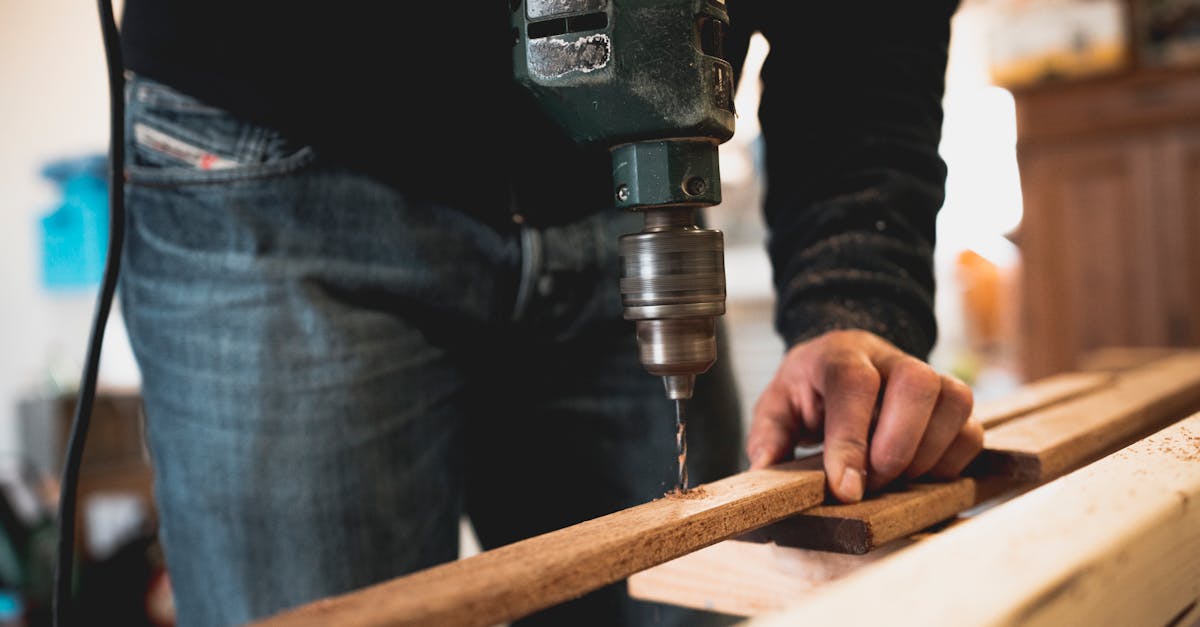
Crafting objects from wood demands precise measurement and spatial visualization. Woodworkers must plan sequential steps to assemble complex structures. The use of tools requires steady hands and intense focus on safety. This constructive hobby provides tactile feedback and improves fine motor dexterity. Solving structural problems during the build process exercises critical thinking.
Pottery

Throwing clay on a wheel requires a unique synchronization of hand movements and sensory feedback. The artist must constantly adjust pressure and speed to shape the material. This tactile experience stimulates the somatosensory cortex effectively. Planning the glazing and firing process involves chemical knowledge and foresight. Pottery fosters a creative state of flow that reduces anxiety and clears the mind.
Calligraphy

The art of beautiful writing demands extreme patience and control over fine motor movements. Practitioners must focus intently on the angle and pressure of the pen. This discipline improves hand-eye coordination and visual attention. Learning different scripts involves memorizing shapes and stroke orders. The meditative nature of the strokes promotes mental calmness.
Hiking

Navigating natural terrain requires constant adjustments to balance and proprioception. Hikers must remain alert to trail markers and changing environmental conditions. The physical exertion drives oxygen-rich blood to the brain to support neural health. Being in nature restores attention span and reduces mental fatigue. This activity combines physical endurance with cognitive spatial mapping.
Bird Watching

Identifying birds requires the memorization of visual markings and auditory calls. Watchers must remain observant and patient for long periods. This hobby sharpens visual processing speed and pattern recognition. Categorizing different species engages the organizational systems of the brain. The pursuit encourages outdoor activity and interaction with the environment.
Strategy Video Games
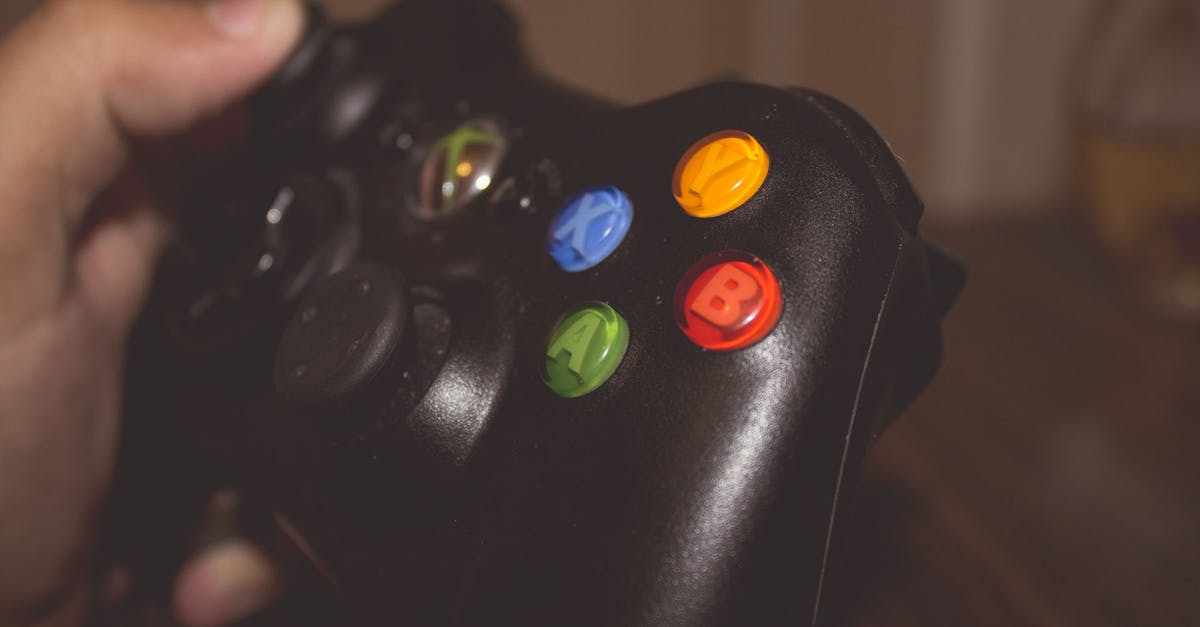
Playing complex strategy games requires resource management and long-term planning. Gamers must adapt to changing scenarios and make rapid decisions under pressure. This interactive media improves cognitive flexibility and multitasking abilities. Many games require spatial navigation and map reading skills. Moderate play can enhance visual attention and problem-solving speed.
Yoga

Performing yoga poses requires concentration on body alignment and breathing. The practice integrates physical balance with mental mindfulness. Yoga increases the levels of GABA in the brain which calms neural activity. Regular sessions improve spatial memory and mood regulation. The discipline encourages a strong mind-body connection.
Scrabble

Competing in this word game forces players to access their mental lexicon under constraints. Players must calculate scores and strategize board placement simultaneously. This activity exercises verbal memory and mathematical skills. The social component adds a layer of unpredictable interaction. Regular play maintains vocabulary size and retrieval speed.
Swimming

The complex movements of swimming require bilateral coordination of the limbs. This aerobic exercise significantly boosts blood flow and oxygen delivery to the brain. Swimmers must focus on breathing patterns and stroke technique constantly. The sensory environment of water provides unique stimulation for the brain. Regular swimming promotes the release of neurotrophic factors that repair brain cells.
Coding

Learning a programming language involves mastering a new system of logic and syntax. Coders must troubleshoot errors by analyzing code structure systematically. This analytical process strengthens problem-solving skills and attention to detail. Building software requires the ability to visualize abstract processes. The continuous learning required in technology keeps the brain adaptable.
Origami

Folding paper into intricate shapes requires precise finger movements and 3D visualization. The artist must follow sequential instructions carefully to achieve the final result. This craft improves spatial reasoning and fine motor control. The repetitive nature of the folds can be soothing and meditative. Origami challenges the brain to transform a flat material into a complex object.
Volunteering
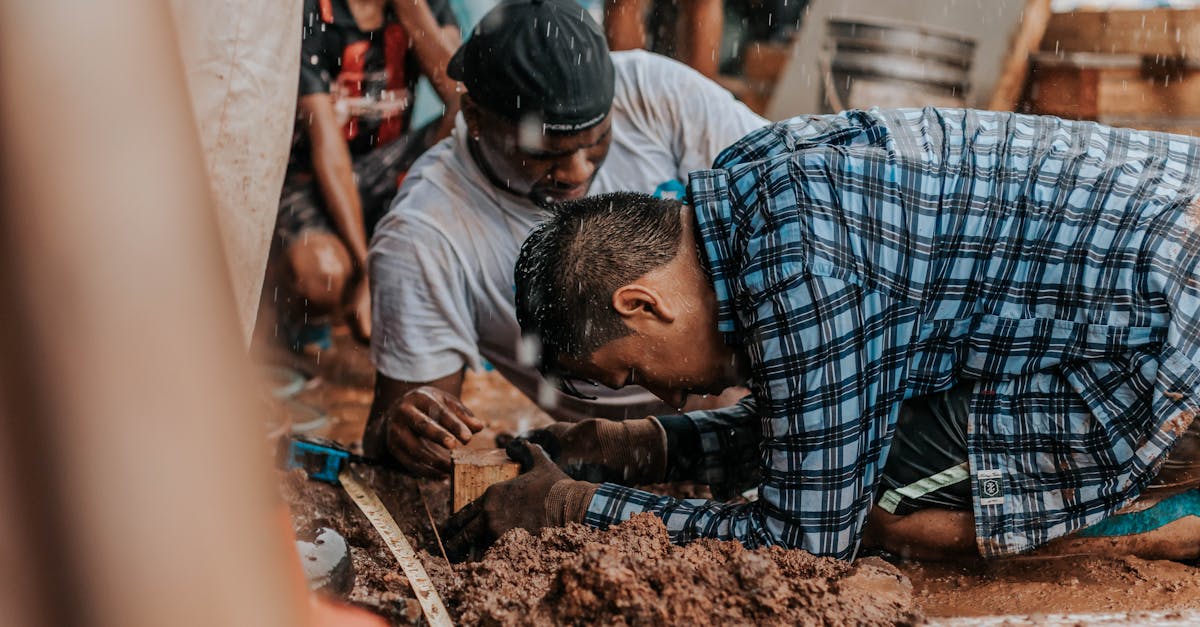
engaging in social work requires empathy and the ability to understand diverse perspectives. Volunteers must often solve logistical problems and work within a team. This social engagement protects against isolation and cognitive decline. The sense of purpose derived from helping others boosts emotional health. Navigating social dynamics exercises the emotional centers of the brain.
Choral Singing

Singing in a group requires listening to others while maintaining personal pitch and rhythm. Choristers must read music and follow the direction of a conductor simultaneously. This multitasking engages the auditory and visual systems intensely. Deep breathing techniques used in singing oxygenate the blood effectively. The communal experience releases oxytocin and enhances social bonding.
Genealogy

Researching family history involves hunting for clues and verifying historical data. Genealogists must organize vast amounts of information and spot connections between records. This investigative work exercises analytical and organizational skills. Learning about history provides context and stimulates intellectual curiosity. The construction of family trees requires logic and deductive reasoning.
Jigsaw Puzzles

Assembling a puzzle forces the brain to sort visual information by color and shape. The player must scan for specific pieces and visualize where they fit in the larger image. This activity improves short-term memory and visual-spatial reasoning. The success of finding a fit triggers dopamine production. Puzzles provide a complete brain workout that is both relaxing and stimulating.
Table Tennis

This fast-paced sport requires rapid visual tracking and split-second reaction times. Players must anticipate the spin and trajectory of the ball instantly. This intense focus activates the prefrontal cortex and the hippocampus. The game improves hand-eye coordination and overall reflexes. It is often called high-speed chess due to the tactical thinking involved.
Sudoku

Filling in the grid requires pure logical deduction without the need for general knowledge. The player must hold multiple possibilities in working memory while scanning rows and columns. This number puzzle improves concentration and pattern recognition. Regular practice enhances the ability to make decisions based on elimination. It serves as a focused mental exercise that excludes outside distractions.
Learning Braille

Studying this tactile writing system rewires the brain to process information through touch. The learner must associate specific raised patterns with letters and words. This process expands the somatosensory cortex and builds new neural pathways. It challenges the brain to utilize a sensory channel often neglected in reading. Mastery requires significant focus and memorization.
Public Speaking

Preparing and delivering a speech requires the organization of complex ideas into a persuasive narrative. The speaker must manage anxiety while monitoring audience reaction in real time. This high-pressure activity strengthens executive function and memory recall. It challenges the brain to multitask between speaking and observing. Regular practice improves verbal fluency and cognitive confidence.
Museum Visiting

Exploring exhibits exposes the brain to new information and artistic concepts. Visitors must process visual data and read educational text to understand the context. This immersive learning environment stimulates curiosity and critical thinking. Navigating the layout of a museum exercises spatial orientation. The novelty of the experience promotes synaptic plasticity.
Amateur Astronomy

Observing the night sky requires learning to identify constellations and planetary movements. Astronomers must understand the mechanics of telescopes and celestial navigation. This hobby expands knowledge of physics and spatial relationships. Visualizing the scale of the universe stretches the imagination. The patience required for observation improves focus and attention span.
Learning Sign Language

Communicating with hands involves mastering a visual-spatial grammar system. Learners must focus on facial expressions and body language as part of the syntax. This language acquisition improves reaction time and peripheral vision. It engages the visual cortex differently than spoken language does. The practice enhances cognitive flexibility and manual dexterity.
Geocaching

Hunting for hidden containers combines outdoor navigation with puzzle solving. Participants must use GPS coordinates and clues to locate the cache. This modern treasure hunt exercises spatial reasoning and problem-solving skills. The activity encourages physical movement and exploration of new areas. It requires attention to detail to spot camouflaged items.
Flower Arranging

Creating floral compositions requires an understanding of balance and color theory. The artist must visualize the final structure while trimming and placing stems. This aesthetic pursuit stimulates the visual and sensory areas of the brain. The process induces a meditative state that lowers stress levels. Handling delicate plant materials improves fine motor sensitivity.
Bridge

Playing this card game involves complex bidding systems and partnership communication. Players must memorize cards played and calculate probabilities constantly. This rigorous mental exercise is linked to higher cognitive functioning in seniors. The social interaction required adds to the brain benefits. Mastery takes years and ensures continuous learning.
Acting

Participating in theater requires the memorization of lines and blocking instructions. Actors must interpret emotional cues and embody different perspectives. This empathy training stimulates the emotional processing centers of the brain. The need to react spontaneously to other actors improves cognitive flexibility. Performance anxiety management strengthens emotional regulation.
Mental Math

Performing calculations without tools forces the brain to rely on working memory. The practitioner must hold numbers in mind while performing operations. This habit strengthens the parietal lobes which handle numerical processing. It improves overall focus and mental agility in daily tasks. Regular practice makes the brain more efficient at processing data.
Drawing
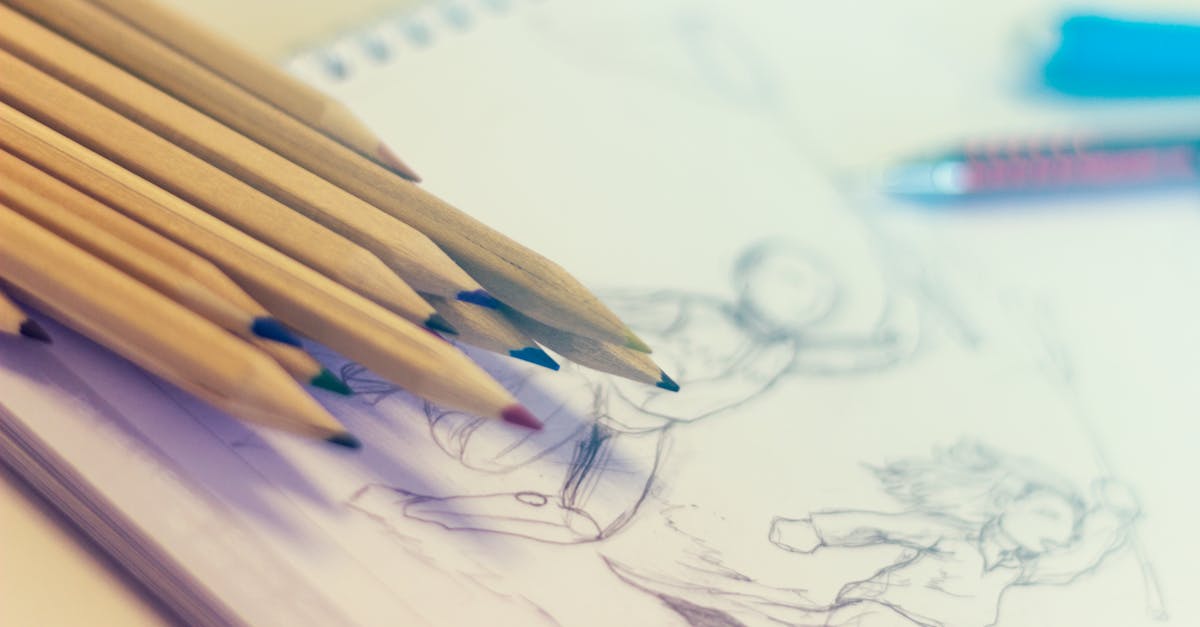
Sketching an object requires the brain to translate a three-dimensional reality onto a two-dimensional surface. The artist must observe relationships between lines and shadows carefully. This visual-motor integration strengthens the connection between perception and action. Drawing engages the right hemisphere and promotes creative problem solving. It encourages the brain to see details that are usually ignored.
Learning Magic Tricks

Mastering illusions requires precise dexterity and the ability to direct audience attention. Magicians must memorize sequences and perform them flawlessly under scrutiny. This performance art improves coordination and social intelligence. Understanding the psychology behind the trick exercises analytical thinking. The challenge of learning secrets keeps the brain inquisitive.
Sculpting

Working with clay or stone involves subtraction or addition of material to reveal a form. The sculptor must constantly visualize the finished piece within the raw material. This spatial challenge engages the motor cortex and visual systems. The physical effort required builds stamina and focus. It provides a tactile creative outlet that reduces stress.
Playing Go

This ancient board game is known for its simple rules but infinite strategic possibilities. Players must recognize patterns and balance local battles with global influence. The game is arguably more complex than chess and stimulates deep intuitive thinking. It improves concentration and the ability to accept trade-offs. Regular play changes the structure of white matter in the brain.
Scrapbooking

Organizing photos and mementos requires layout planning and storytelling. The crafter must make aesthetic decisions about color and composition. This activity reinforces episodic memory by revisiting past events. The creative aspect engages the artistic centers of the brain. It serves as a relaxing way to preserve personal history.
Restoration

Repairing antique items requires knowledge of mechanics and historical materials. The restorer must problem-solve to fix damage without ruining the original character. This detailed work improves fine motor skills and patience. It involves research and learning about past manufacturing techniques. The satisfaction of fixing something boosts cognitive reward systems.
Jewelry Making
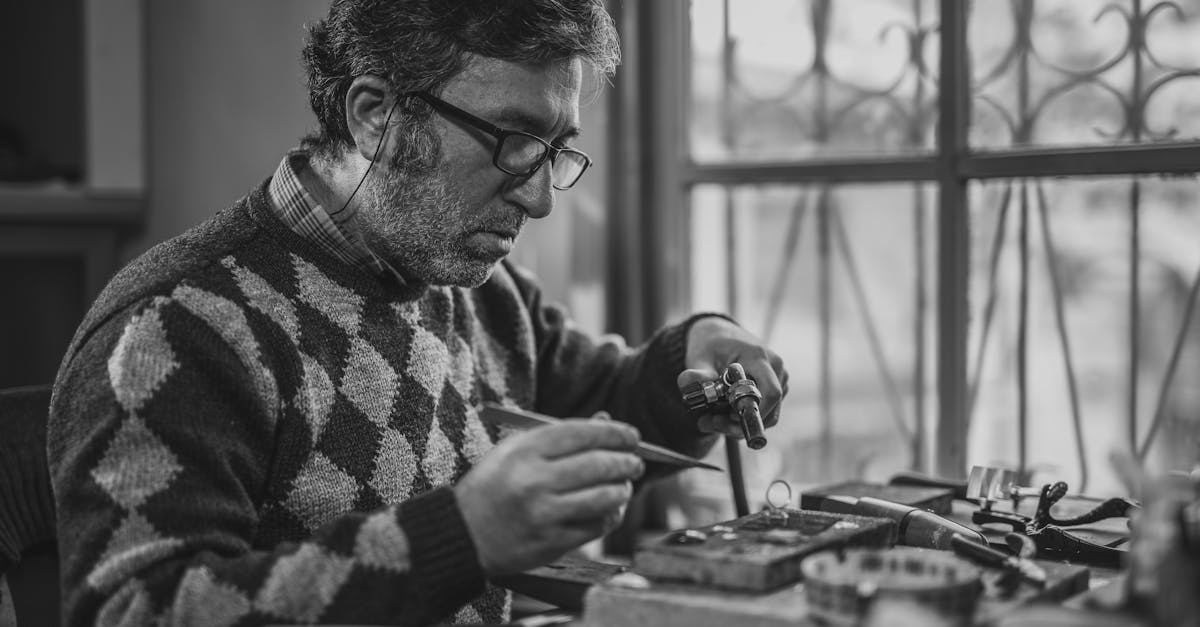
Designing and assembling jewelry involves manipulating very small components. The maker must plan patterns and use tools with extreme precision. This activity refines fine motor control and hand-eye coordination. Visualizing the final design exercises spatial imagination. The focus required creates a calming flow state.
Orienteering
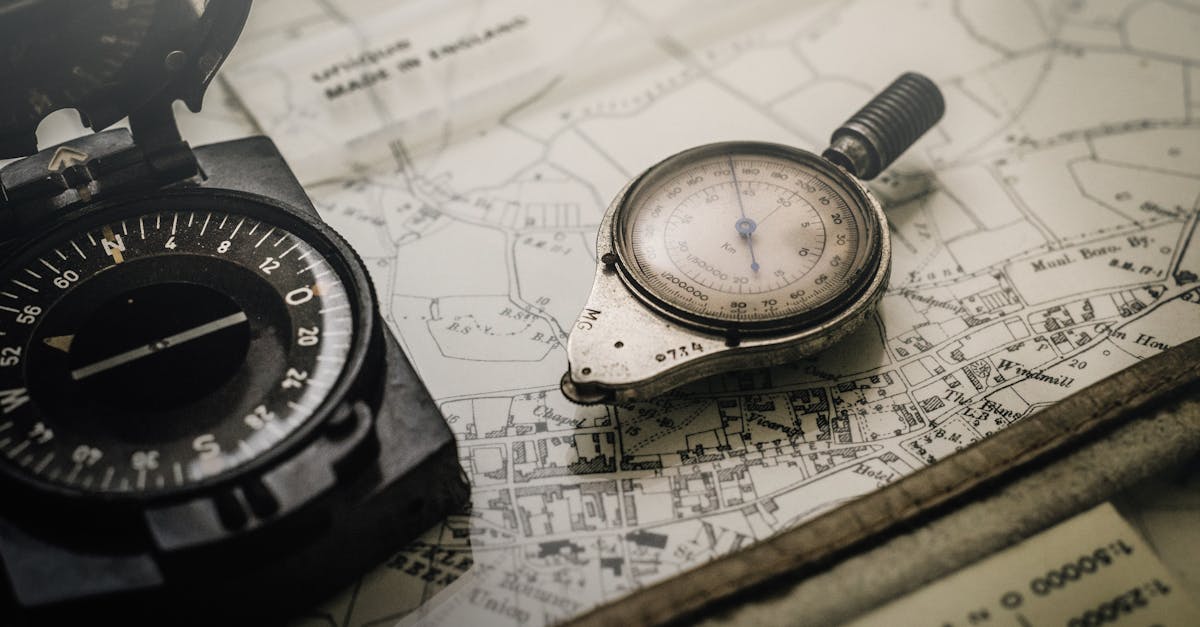
Navigating unfamiliar terrain with a map and compass requires rapid decision making. Participants must translate two-dimensional map data into the three-dimensional world while running. This sport combines intense physical exercise with cognitive load. It improves spatial memory and navigational skills significantly. The need to adjust routes on the fly exercises mental flexibility.
Juggling
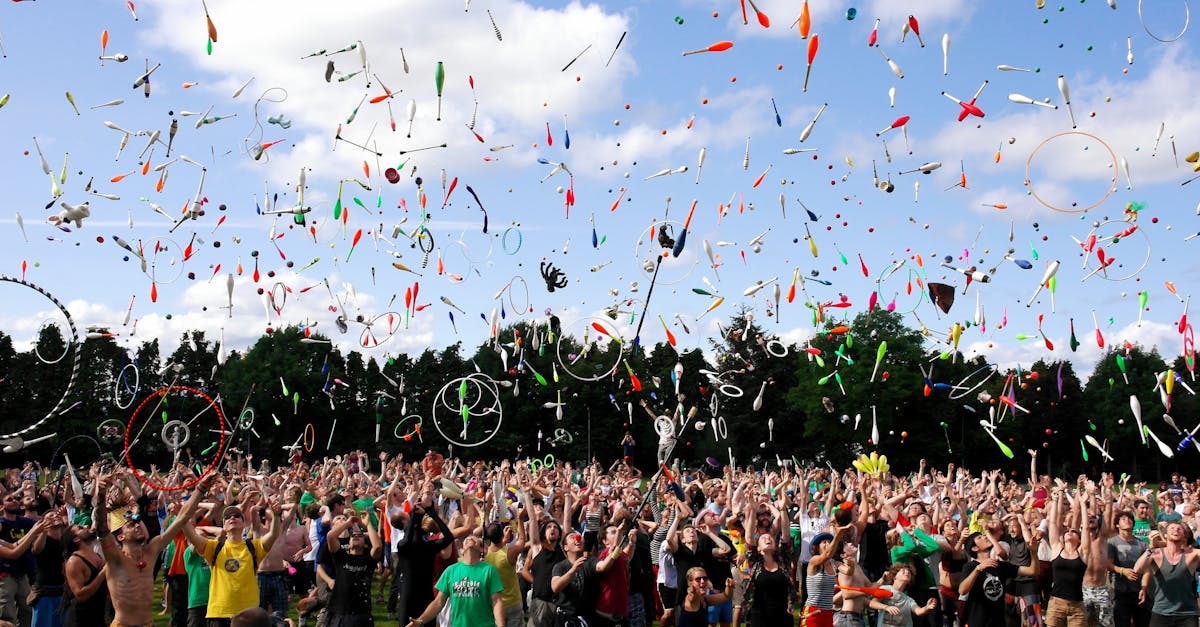
Keeping multiple objects in the air requires rhythm and peripheral vision. Jugglers must anticipate the trajectory of balls and coordinate hand movements perfectly. This activity increases the amount of gray matter in the visual motion complex. It improves reaction time and bimanual coordination. The challenge of adding more objects ensures continuous brain adaptation.
Please share your thoughts in the comments regarding which of these hobbies you plan to try next.