Coffee lovers and tea enthusiasts alike are noticing a subtle shift on cafe menus these days. One particular Japanese roasted green tea called hojicha is showing up more frequently in orders and gaining fans who appreciate its gentle profile. Unlike the bold and vibrant matcha that has dominated for years, this drink brings a toasted warmth that feels comforting and approachable. It comes from the same Camellia sinensis plant yet offers a completely different experience thanks to how the leaves are handled after harvest.
The leaves for hojicha are picked later in the season during summer or fall when they have fully matured. Producers steam them first to stop oxidation and then roast them over charcoal or in modern equipment which turns the color to a soft yellowish brown. This roasting process lowers the caffeine and reduces the natural bitterness from catechins while allowing starches to develop a pleasant mild sweetness. Experts like Jeff Champeau from Rishi Tea describe it as a classic Japanese roasted green tea that aids digestion and leaves a warm aftertaste perfect for sipping after a meal. Tomoko Honda from Ippodo Tea Co. notes that in Japan it is traditionally enjoyed plain with hot water without any additions.
In contrast matcha relies on young tender shoots shaded before harvest to boost its bright green hue and higher levels of amino acids and caffeine. Hojicha feels lighter and less intense which makes it appealing for those who want flavor without the jolt or grassy notes. Many people find the roasted flavors range from nutty hints of hazelnut and cream to deeper espresso like tones or even dark chocolate depending on the roast level. Some varieties from Ippodo carry a lovely caramel sweetness that pairs beautifully with milk.
@sonnatea not a fan of matcha? give hojicha a try here's a guide on the difference between matcha and hojicha #matcha #hojicha #sonnatea ♬ Jazz Bossa Nova – TOKYO Lonesome Blue
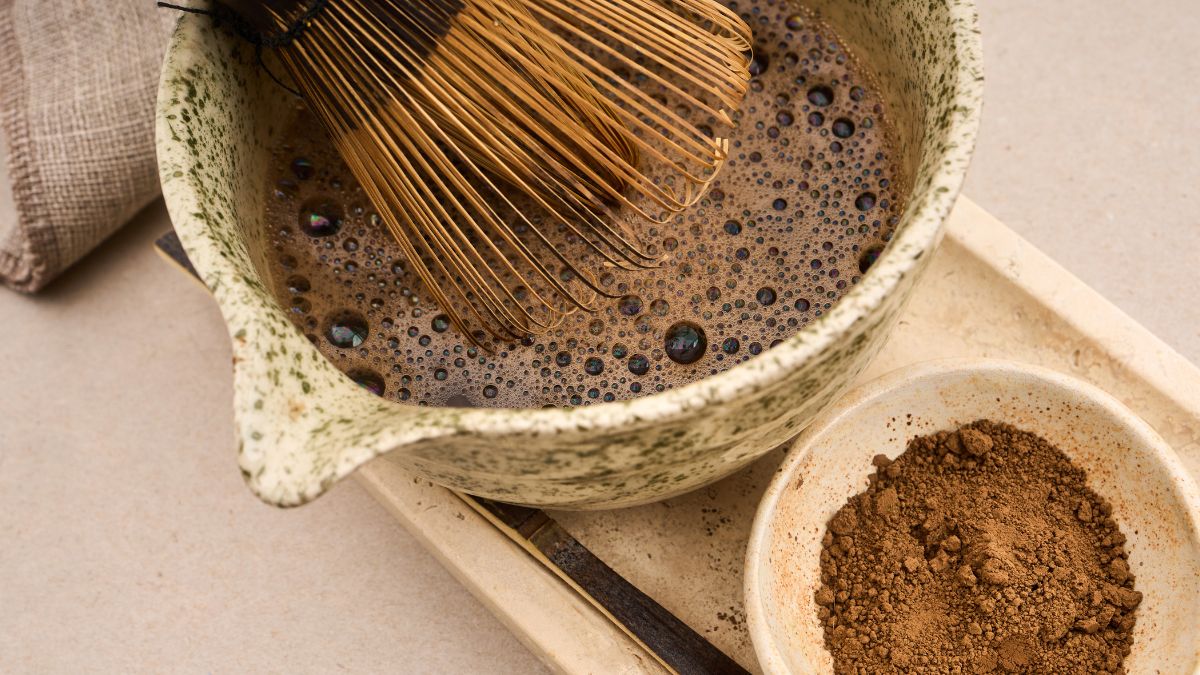
Cafe owners are embracing hojicha powder which has only recently become more available and versatile. Baristas whisk it with hot water and top it with frothed milk to create smooth lattes or blend it into iced versions for refreshing drinks. You can also spot it in desserts ice creams and even cocktails which expands its reach beyond a simple cup of tea. This innovation has helped the drink catch on quickly especially as interest in Japanese flavors continues to grow worldwide. While matcha still leads in many spots hojicha is carving out its own loyal following among customers seeking something calmer yet equally satisfying.
Availability has improved too with loose leaf hojicha appearing in specialty health food stores at reasonable prices and the powder form costing a bit more due to its concentrated use. At home it is easy to prepare by steeping the leaves in hot water for a straightforward brew or shaking the powder for a latte style treat. The lower caffeine makes it suitable for afternoon sipping without disrupting sleep later on. Its gentle cleansing effect on the palate also positions it as an ideal closer to a hearty lunch or dinner.
@oliwiagorska Vanilla Cinnamon Hojicha latte🤎 @oromatcha #oromatcha#matcha#hojicha#fy#dc ♬ Real Love Baby – Father John Misty
As more cafes experiment with roasted teas hojicha stands out for its balance and depth. It delivers a toasty comfort that feels both familiar and new at the same time. The drink celebrates the art of Japanese tea making while adapting effortlessly to modern tastes and creative preparations. Whether enjoyed hot or cold it brings a sense of calm that many find refreshing in a world full of intense flavors.
What do you think about trying hojicha the next time you visit your favorite cafe. Share your thoughts in the comments.