Home remedies have been passed down through generations as trusted alternatives to conventional medical treatment, but not all folk wisdom deserves a place in the modern medicine cabinet. Some of these practices are not merely ineffective but genuinely hazardous, capable of causing serious injury, chemical burns, organ damage, or life-threatening complications. The remedies on this list are widely circulated online and in family traditions despite posing real and documented medical dangers. Understanding why these treatments are harmful is essential for making safer choices when illness or injury strikes.
Hydrogen Peroxide
Hydrogen peroxide is frequently used to clean wounds at home, yet medical professionals have long advised against this practice. Rather than promoting healing, it damages healthy tissue cells and slows the recovery process significantly. Applying it to deep wounds can introduce air bubbles into the bloodstream, a condition known as an embolism, which is potentially fatal. Even diluted concentrations can cause irritation, blistering, and delayed wound closure. What seems like thorough disinfection is actually working against the body’s natural repair mechanisms.
Turpentine

Turpentine has historically been consumed in small amounts or applied to the skin as a folk remedy for everything from parasites to colds, a practice that remains dangerously common in certain communities. It is a toxic industrial solvent that causes severe chemical burns to the mouth, throat, and stomach lining when ingested. Kidney and liver damage are documented consequences of internal exposure, and even skin contact can cause painful irritation and systemic absorption. Inhaling its fumes alone can trigger respiratory distress and neurological symptoms. No therapeutic benefit has ever been established that justifies this level of risk.
Raw Garlic Poultices
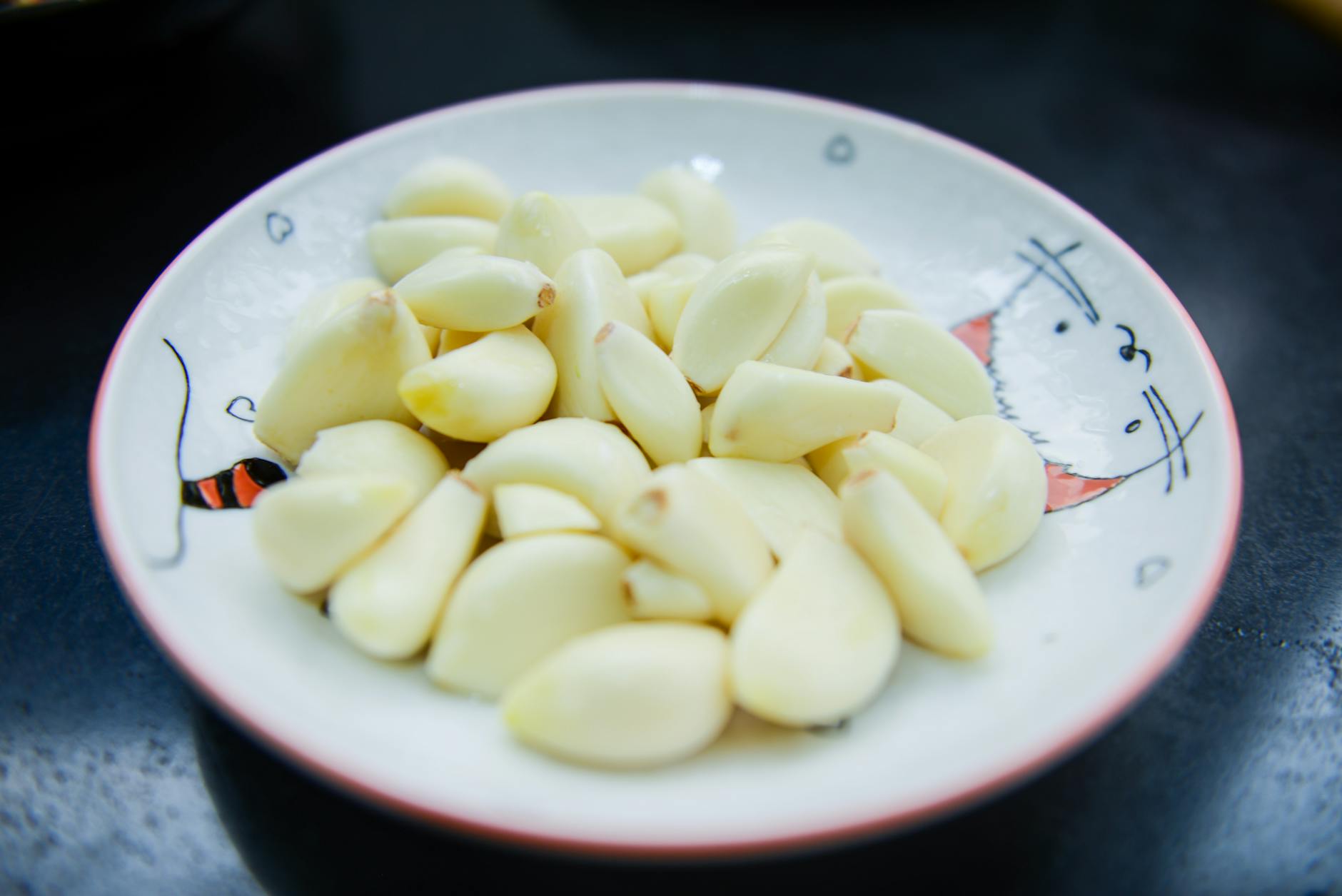
Applying raw garlic directly to the skin is promoted in natural health circles as a treatment for infections, nerve pain, and even cancer. Allicin, the active compound in raw garlic, is a potent irritant that causes contact dermatitis and chemical burns within minutes of prolonged skin contact. Cases of second-degree burns requiring hospital treatment have been reported from this remedy alone. Placing garlic inside body cavities as a home treatment for infections creates further risk of severe mucosal damage. The antibacterial properties of garlic do not translate into a safe topical application.
Bleach Baths
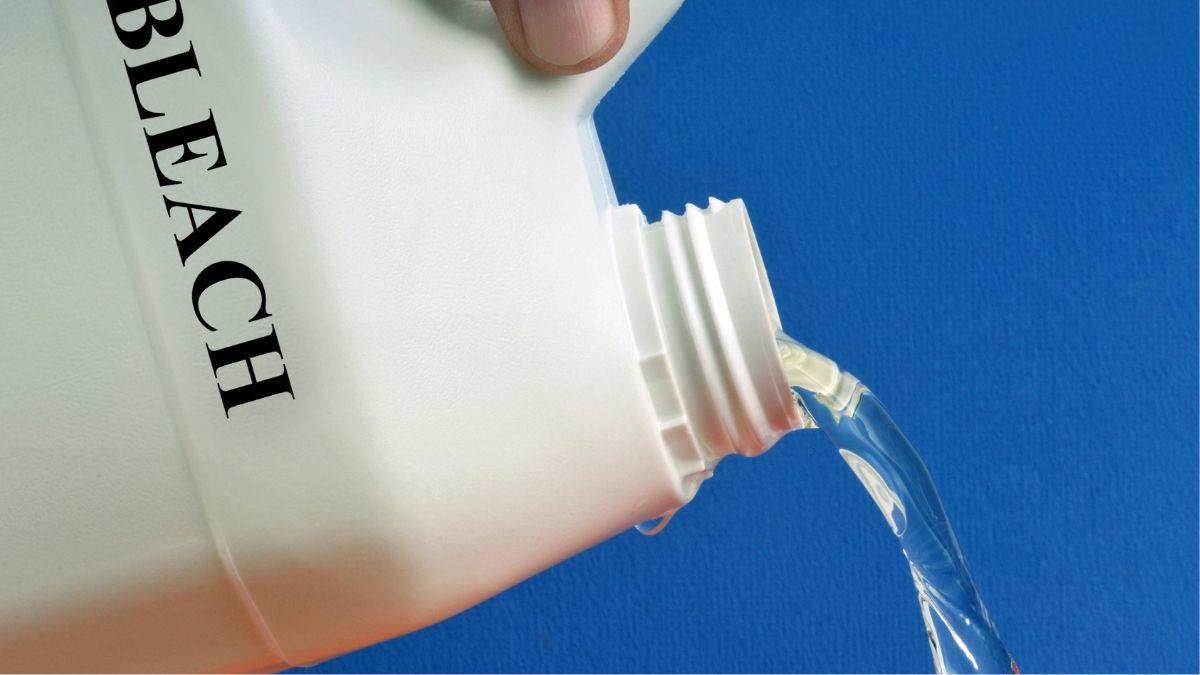
Highly diluted bleach baths are sometimes recommended by dermatologists for specific chronic skin conditions under strict medical supervision, yet many people attempt far stronger concentrations at home. Undiluted or poorly diluted bleach causes immediate chemical burns to the skin, eyes, and respiratory tract. Mixing bleach with other household products such as ammonia or vinegar produces toxic chloramine gas, which can be fatal in an enclosed space. People who attempt to treat skin infections or rashes with full-strength bleach risk permanent scarring and systemic poisoning. This remedy should never be attempted without direct medical guidance and precise dilution instructions.
Urine Therapy
Urine therapy involves drinking one’s own urine or applying it topically as a supposed cure for skin conditions, infections, and various chronic diseases. Human urine contains metabolic waste products that the body has already filtered out as harmful or unnecessary, meaning reintroducing them serves no beneficial purpose. Drinking urine can cause dangerous electrolyte imbalances and, in cases of existing infection, reintroduces bacteria directly into the digestive system. Applied to broken or irritated skin, it can worsen infections rather than resolve them. There is no credible scientific evidence supporting any therapeutic claim associated with this practice.
Activated Charcoal Overdose
Activated charcoal is used in emergency medicine to treat certain types of poisoning, but its unsupervised use at home as a detox remedy or self-administered overdose treatment is genuinely dangerous. When taken in excessive quantities or at the wrong time, it can bind to and block absorption of essential medications and nutrients the body actually needs. Improper ingestion carries a serious risk of aspiration into the lungs, leading to aspiration pneumonia. It is completely ineffective against many common poisons including alcohol, lithium, and caustic substances, meaning it provides false reassurance in true emergencies. Only trained medical professionals can determine when and how it should be administered safely.
Colloidal Silver

Colloidal silver is marketed as an antimicrobial supplement and remedy for infections, immune deficiencies, and even viral illness. Internal consumption causes a permanent and irreversible skin discoloration called argyria, which turns the skin a distinctive blue-grey color that cannot be treated or reversed. Beyond cosmetic consequences, colloidal silver interferes with the absorption of certain antibiotics and medications, potentially reducing their effectiveness at critical moments. It has no established role in human biochemistry and is not a recognized nutrient or essential mineral. Regulatory bodies in multiple countries have issued warnings against its use as a medical treatment.
Castor Oil Packs

Castor oil packs placed on the abdomen are promoted in alternative medicine communities for liver detoxification, cyst reduction, and digestive complaints. While castor oil itself is a recognized laxative, the packs can cause skin sensitization and allergic contact dermatitis in many users. More dangerously, people sometimes use this remedy as a substitute for investigating symptoms that may signal serious underlying conditions such as appendicitis, ovarian cysts, or bowel obstruction. Applying heat to the abdomen in cases of undiagnosed inflammation can accelerate the progression of dangerous conditions. Relying on this remedy in place of medical evaluation has led to delayed diagnoses with serious consequences.
Boiling Water Steam
Leaning over a bowl of boiling water to inhale steam is a widespread home remedy for congestion and respiratory infections. Direct contact with steam at boiling temperature causes immediate and severe thermal burns to the face, eyes, nasal passages, and airway. Children are particularly vulnerable to serious scalding injuries from this practice, which accounts for a notable number of pediatric emergency admissions in colder months. The steam from plain water provides no documented antimicrobial benefit beyond temporary moisture to congested airways. The risk of burn injury far outweighs any short-term comfort the practice may provide.
Essential Oil Ingestion
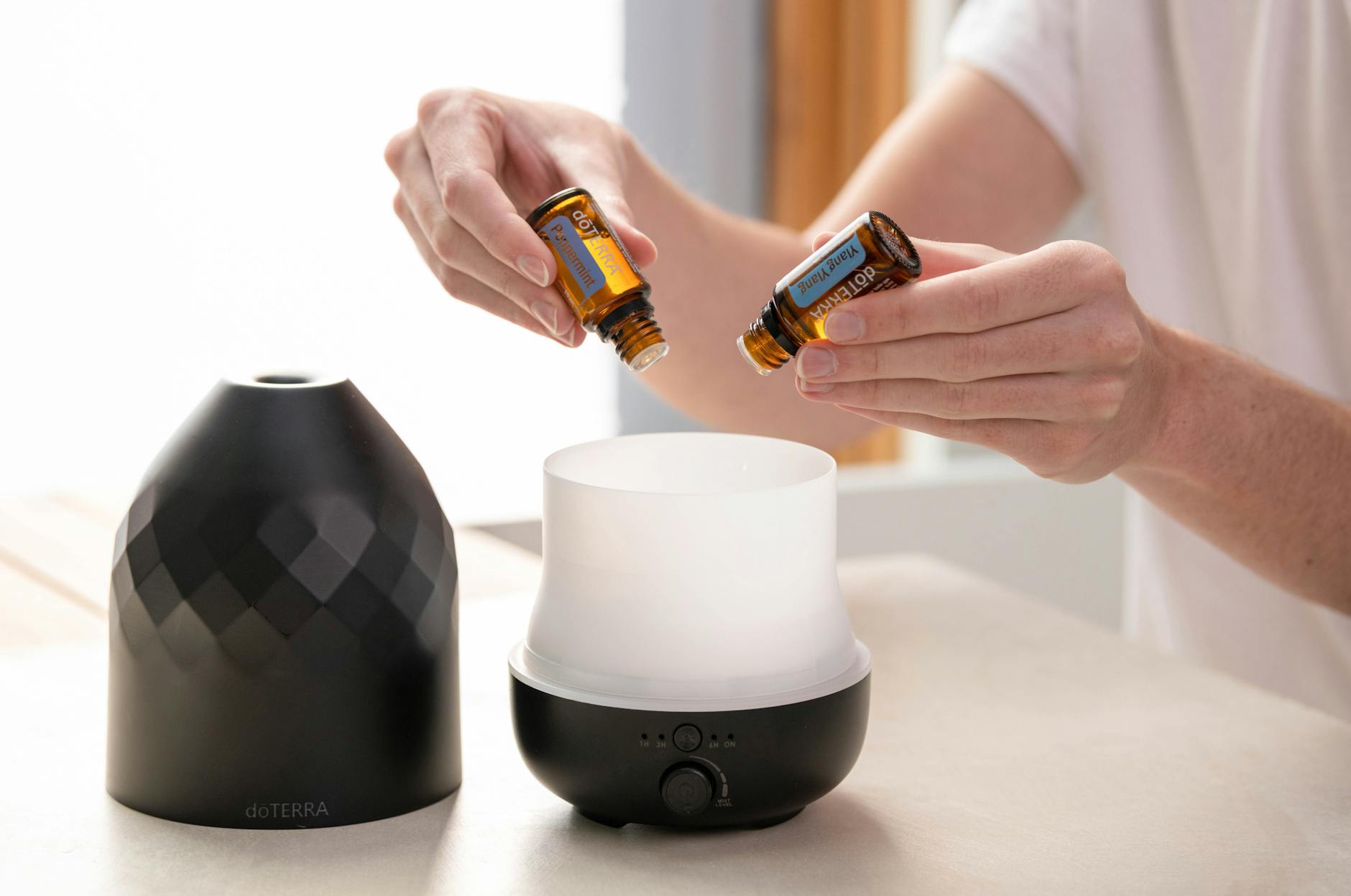
Many essential oils are promoted online as internal remedies for infections, digestive problems, and hormonal imbalances, yet most are toxic when swallowed. Oils such as eucalyptus, pennyroyal, tea tree, and wintergreen contain compounds that cause seizures, liver failure, and respiratory arrest even in small doses. Children are especially at risk, as quantities as small as a few millilitres of certain oils have caused fatalities. Applying undiluted essential oils to the skin without a carrier oil causes chemical burns and systemic absorption of concentrated plant compounds. These products are not regulated as medicines and are produced without the safety standards applied to pharmaceutical treatments.
Wet Socks Treatment

The wet socks treatment involves wearing cold wet socks beneath wool socks overnight to stimulate circulation and break a fever, a practice rooted in hydrotherapy traditions. In otherwise healthy adults it is unlikely to cause direct harm, but in people with circulatory disorders, diabetes, or compromised immune systems it can lead to hypothermia, frostbite-like tissue damage, and worsening infection. Applying cold to a feverish body in an uncontrolled way can also trigger shivering that raises the core body temperature further rather than reducing it. For infants and elderly individuals, the risk of dangerous heat loss during this treatment is particularly significant. The practice delays appropriate medical attention for fevers that may require diagnosis and treatment.
Raw Potato Poultices
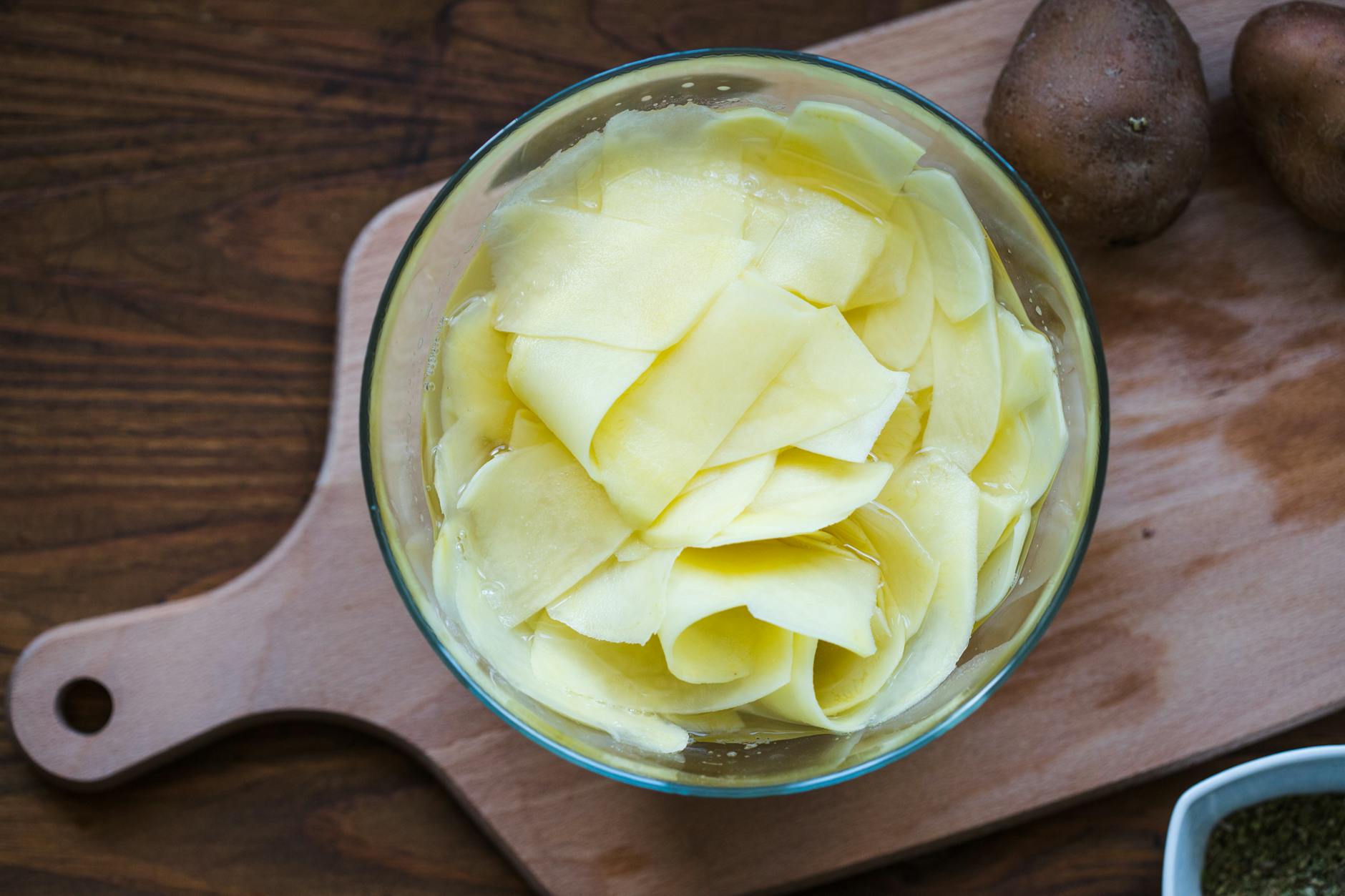
Raw potato slices or mashed potato poultices are applied to burns, bruises, and skin infections in various folk traditions as a soothing anti-inflammatory remedy. Placing raw potato on open wounds introduces bacterial contamination from soil-borne organisms including those responsible for serious skin infections. The starch content creates a moist environment that can actually accelerate bacterial growth rather than preventing it. Burns treated with food-based poultices often develop infections that require hospitalization and, in some cases, surgical intervention. Medical treatment for burns should begin with cool running water followed by prompt professional assessment.
Oil Pulling with Unrefined Oils

Oil pulling involves swishing oil around the mouth for extended periods as a remedy for oral infections, systemic detoxification, and even chronic disease. Unrefined or improperly sourced oils can contain mould, bacteria, and rancid compounds that introduce rather than eliminate pathogens in the mouth. If the oil is accidentally swallowed during the process, it carries oral bacteria directly into the digestive system in concentrated form. The practice has been linked to cases of lipoid pneumonia when oil is inadvertently aspirated into the lungs. While limited benefits for gum health have been suggested in some preliminary research, the remedy carries meaningful risks when practiced with contaminated or inappropriate oils.
Kerosene Ingestion
Kerosene has been used as an oral remedy for intestinal parasites, coughs, and infections in various parts of the world and persists in some communities as a transmitted folk treatment. It is a petroleum product that causes immediate and severe chemical burns to the mouth, oesophagus, and stomach upon ingestion. Aspiration into the lungs during swallowing or vomiting produces chemical pneumonitis, a form of lung inflammation that can be fatal. Even small quantities cause systemic toxicity affecting the liver, kidneys, and central nervous system. Poison control centers in multiple countries continue to receive calls about kerosene ingestion specifically because of its persistent reputation as a folk remedy.
High-Dose Vitamin Supplementation

Self-prescribing very high doses of vitamins, particularly fat-soluble ones such as vitamins A, D, E, and K, is increasingly common among those seeking to boost immunity or treat chronic conditions. Unlike water-soluble vitamins that are excreted when consumed in excess, fat-soluble vitamins accumulate in body tissues and organs over time. Vitamin A toxicity causes liver damage, bone loss, and in pregnant women, severe fetal abnormalities. Excessive vitamin D supplementation leads to hypercalcemia, a dangerous elevation of calcium in the blood that causes kidney stones, cardiac arrhythmias, and organ damage. Supplementation at therapeutic levels should always be guided by blood testing and professional medical advice rather than self-diagnosis.
Have you ever tried a home remedy that surprised you with its risks? Share your experiences and questions in the comments.