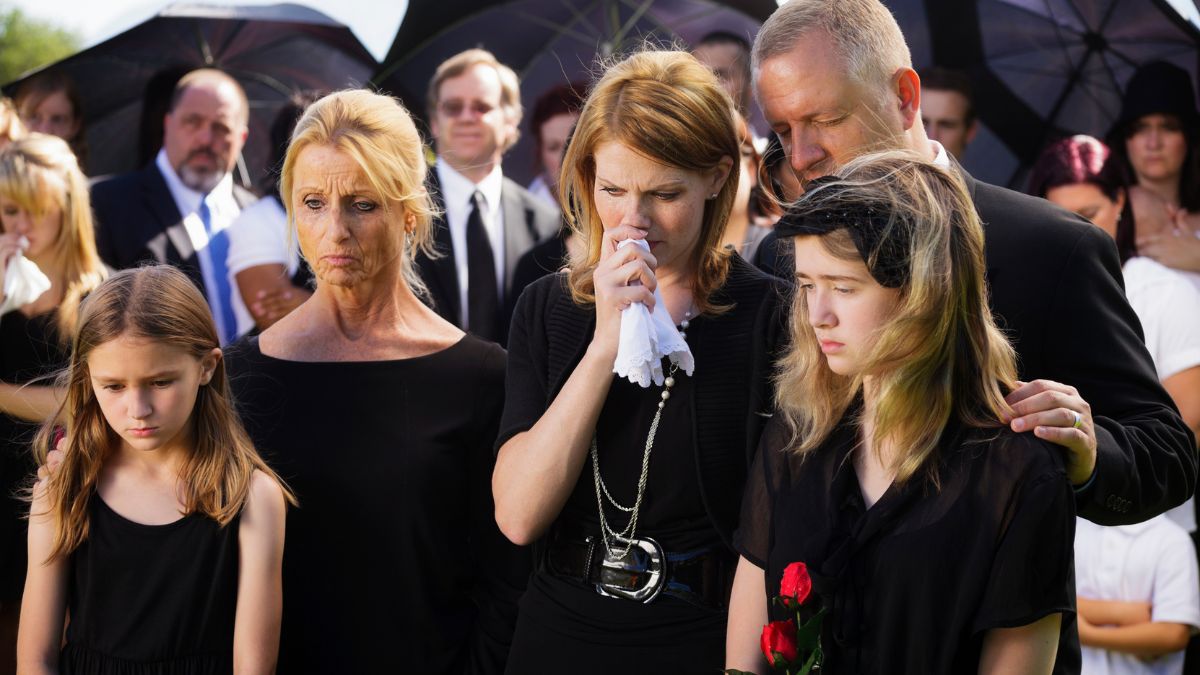
Funerals are among the most emotionally charged events a family will ever navigate together, and the way people behave during them can leave scars that last for decades. Grief has a way of stripping away social filters and exposing long-buried tensions, turning a moment meant for collective mourning into a flashpoint for conflict. The behaviours on this list have been documented repeatedly as causes of serious and lasting family fractures. Understanding them can help mourners act with greater awareness and compassion during one of life’s most fragile moments.
Public Arguing

Arguments that break out in front of other mourners at a funeral create a deeply uncomfortable atmosphere that guests never forget. Raised voices during a eulogy or at the graveside transform a sacred space into a stage for unresolved grievances. Those present often feel forced to take sides, which fractures the broader family network far beyond the original dispute. The person being buried is powerless to witness the destruction of the family bonds they spent a lifetime building.
Will Reading
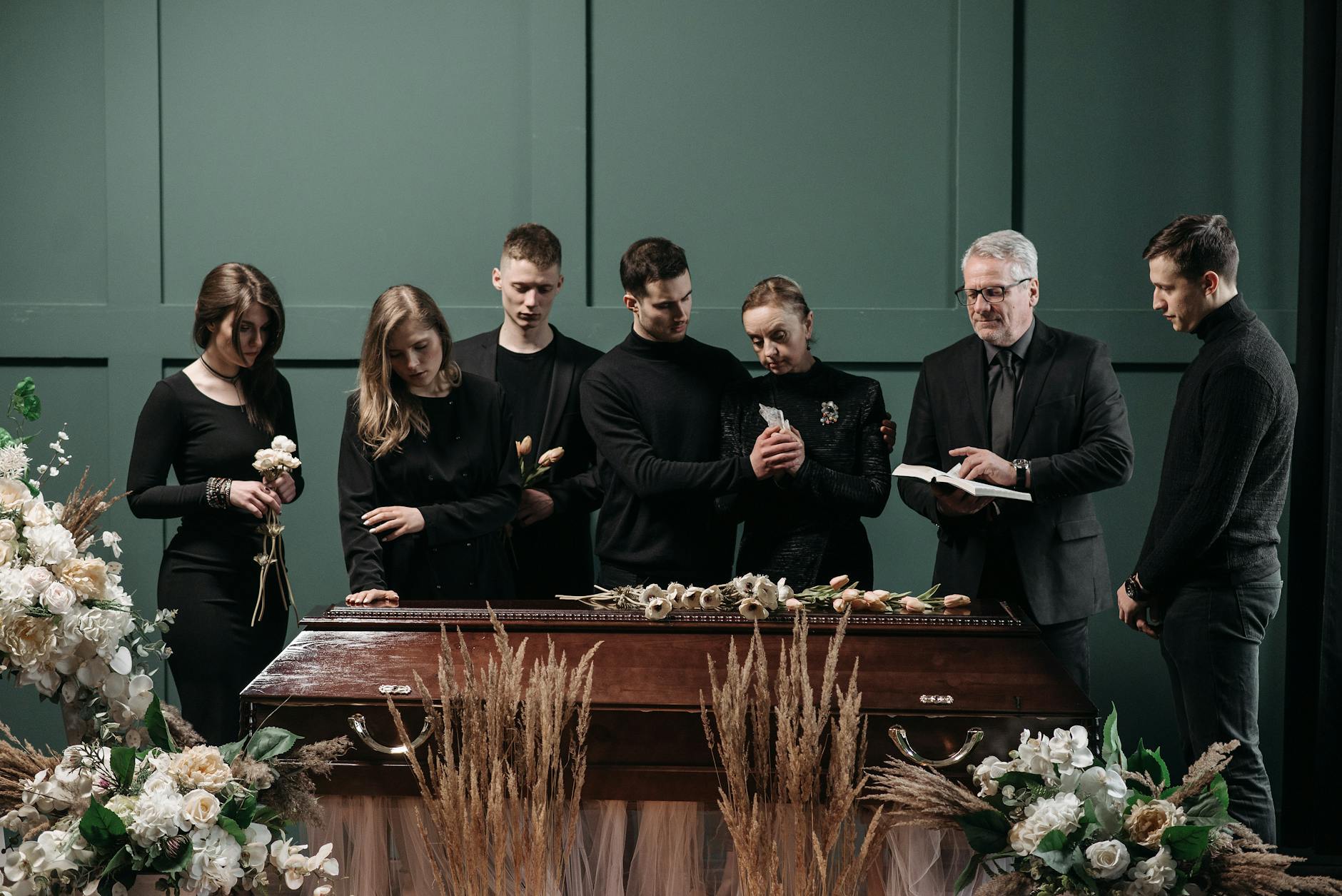
Bringing up inheritance matters at or immediately after a funeral is one of the most consistently cited causes of permanent family estrangement. When money and property enter the grieving space too soon, they overshadow the emotional purpose of the gathering entirely. Suspicions about financial manipulation can calcify quickly into lasting resentment between siblings and other relatives. The funeral becomes remembered not for the person lost but for the conflict that erupted in their name.
Phone Photography

Taking unsolicited photographs of the deceased or the grieving family without permission is widely considered a serious breach of respect. These images can be shared on social media before close relatives have even been notified of the death. Family members who discover such posts often feel a profound sense of violation that permanently alters their relationship with the person responsible. The act signals a fundamental disregard for the boundaries of grief that many find unforgivable.
Eulogy Hijacking
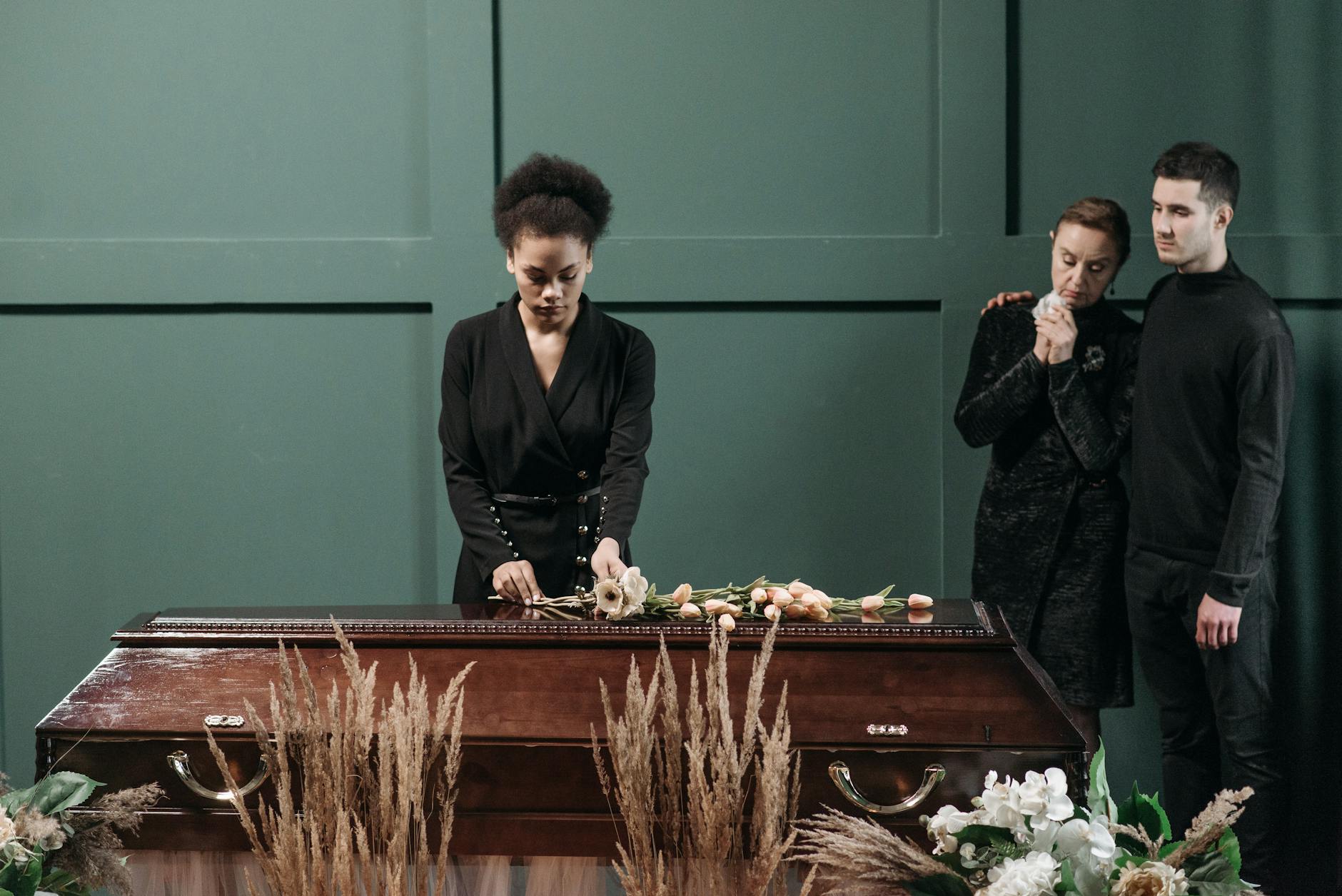
Delivering a eulogy that centres the speaker’s own feelings or grievances rather than honouring the deceased causes immediate and lasting harm. Some individuals use the platform to air old resentments, expose family secrets or deliver thinly veiled criticisms of other relatives. Guests are held captive through the discomfort with no means of escape or rebuttal. The memory of the moment tends to define how the family views that individual for years to come.
Alcohol
Arriving at a funeral visibly intoxicated signals a profound lack of respect for the deceased and those who loved them. Drunk mourners are unpredictable and frequently become the catalyst for confrontations that would not otherwise occur. Their behaviour forces sober family members into a management role at a moment when they are already emotionally depleted. Stories of intoxicated conduct at funerals are retold at family gatherings for generations and permanently colour the reputation of those involved.
Exclusion
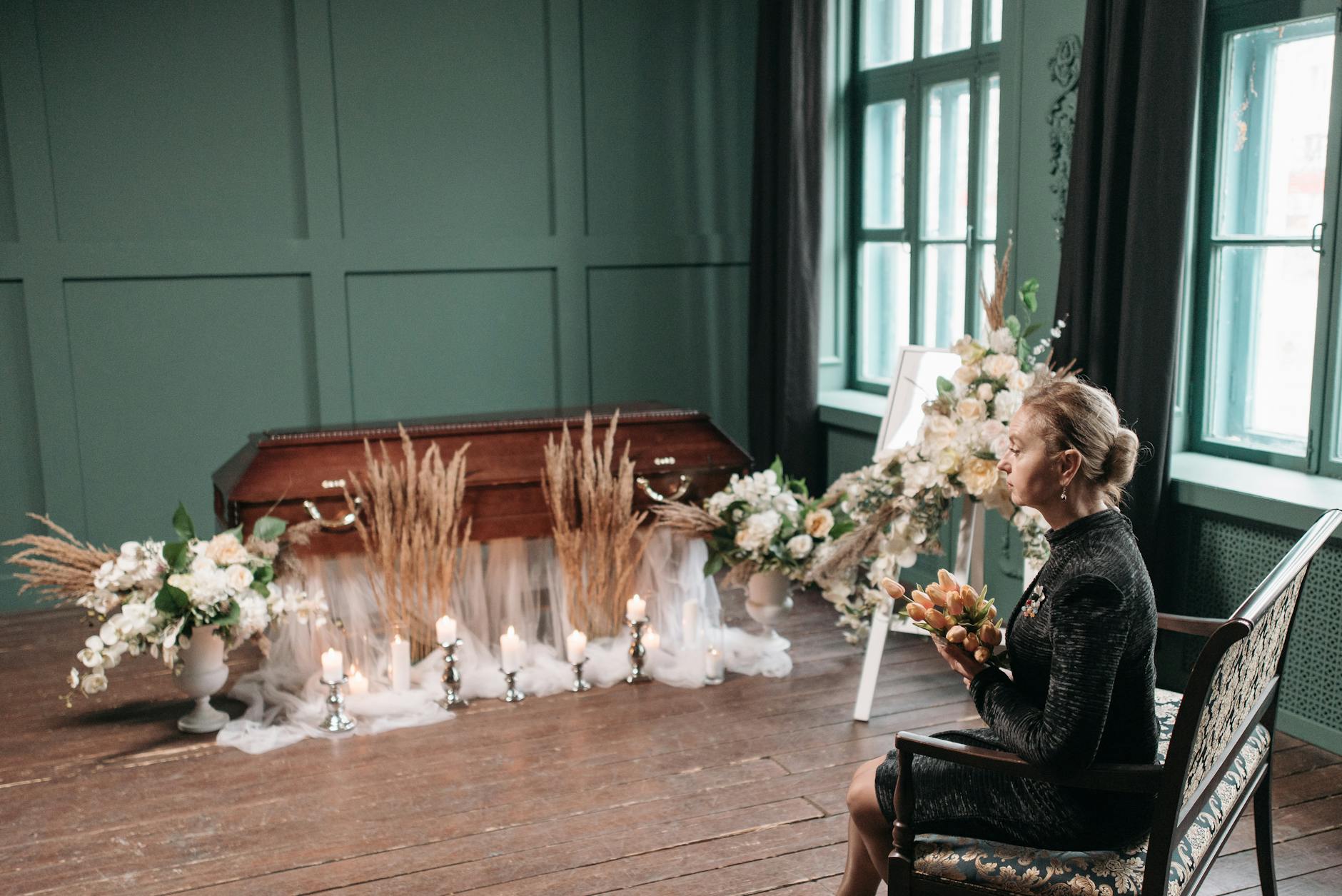
Deliberately excluding certain family members from funeral arrangements or notifications is an act of control that causes deep and lasting wounds. Those who are left out of the burial of a parent or sibling often describe the experience as a grief they cannot fully process or move past. The excluded party frequently spends years seeking explanations that are never honestly given. This single act has ended more sibling relationships than almost any other behaviour on this list.
Social Media Posts

Announcing a death on social media before all close family members have been personally informed is a modern source of profound family rupture. Discovering that a parent or sibling has died through a Facebook post is a trauma layered on top of grief. The person who posts often believes they are sharing important news efficiently without understanding the damage they are causing. The hurt generated by this act tends to be long-lasting precisely because it cannot be fully undone.
Outfit Choices
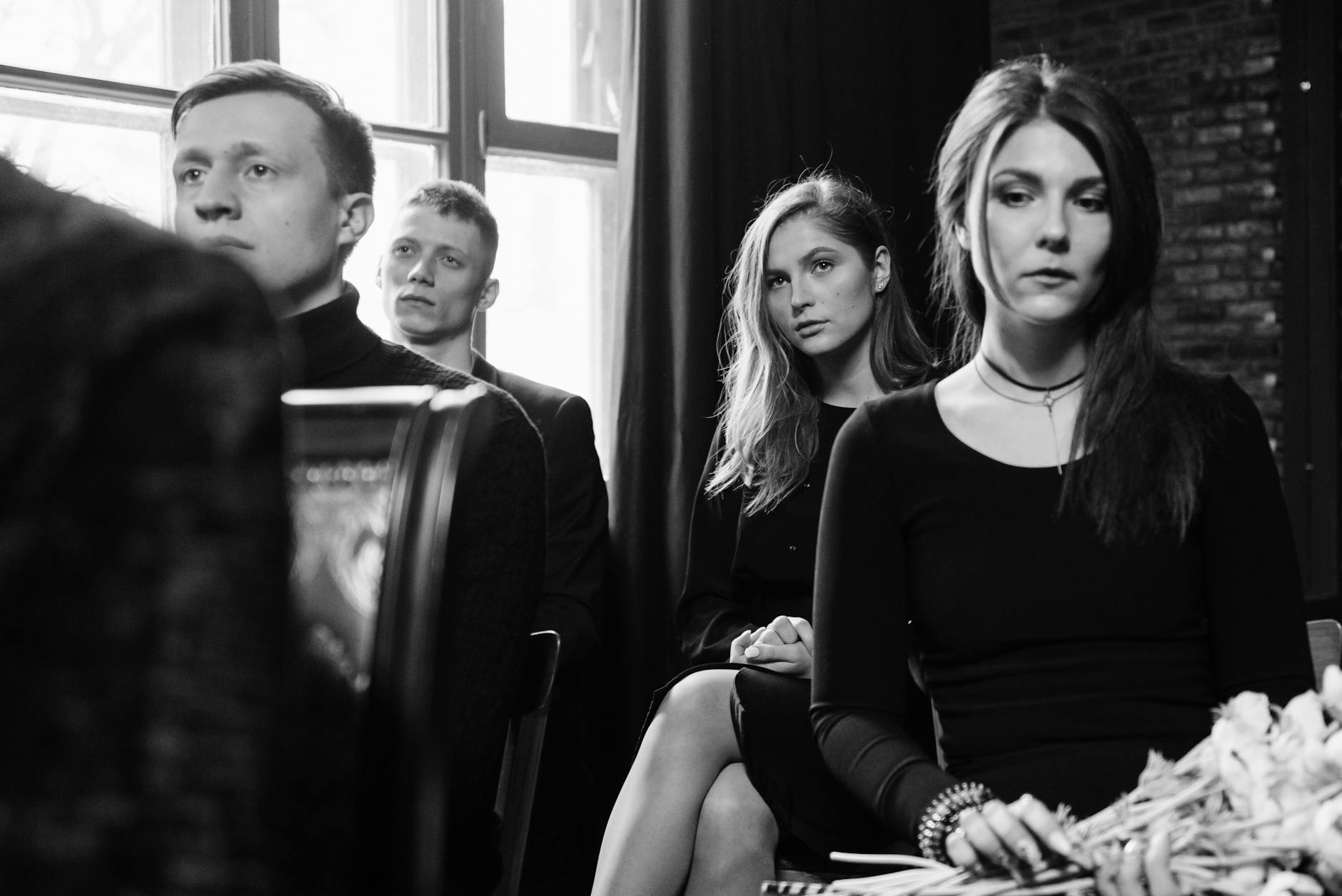
Arriving at a funeral in clothing that is visibly inappropriate signals to the family that the mourner does not take the occasion seriously. Extremely casual dress or overtly provocative clothing draws attention away from the purpose of the gathering. Family members in acute grief are particularly sensitive to signals of disrespect during this period. The image of an inappropriately dressed relative is one that tends to stay lodged in the memory of the bereaved long after the funeral ends.
Absences
Choosing not to attend the funeral of a close family member without a clear and genuine reason is widely interpreted as a statement of contempt. The absence is noted by everyone present and discussed extensively in the days and weeks that follow. Grief has a way of amplifying perceived slights and an unexplained absence during bereavement is rarely forgotten or fully forgiven. Relationships that survive the absence often carry a quiet fracture beneath the surface that never fully heals.
Inheritance Seizure
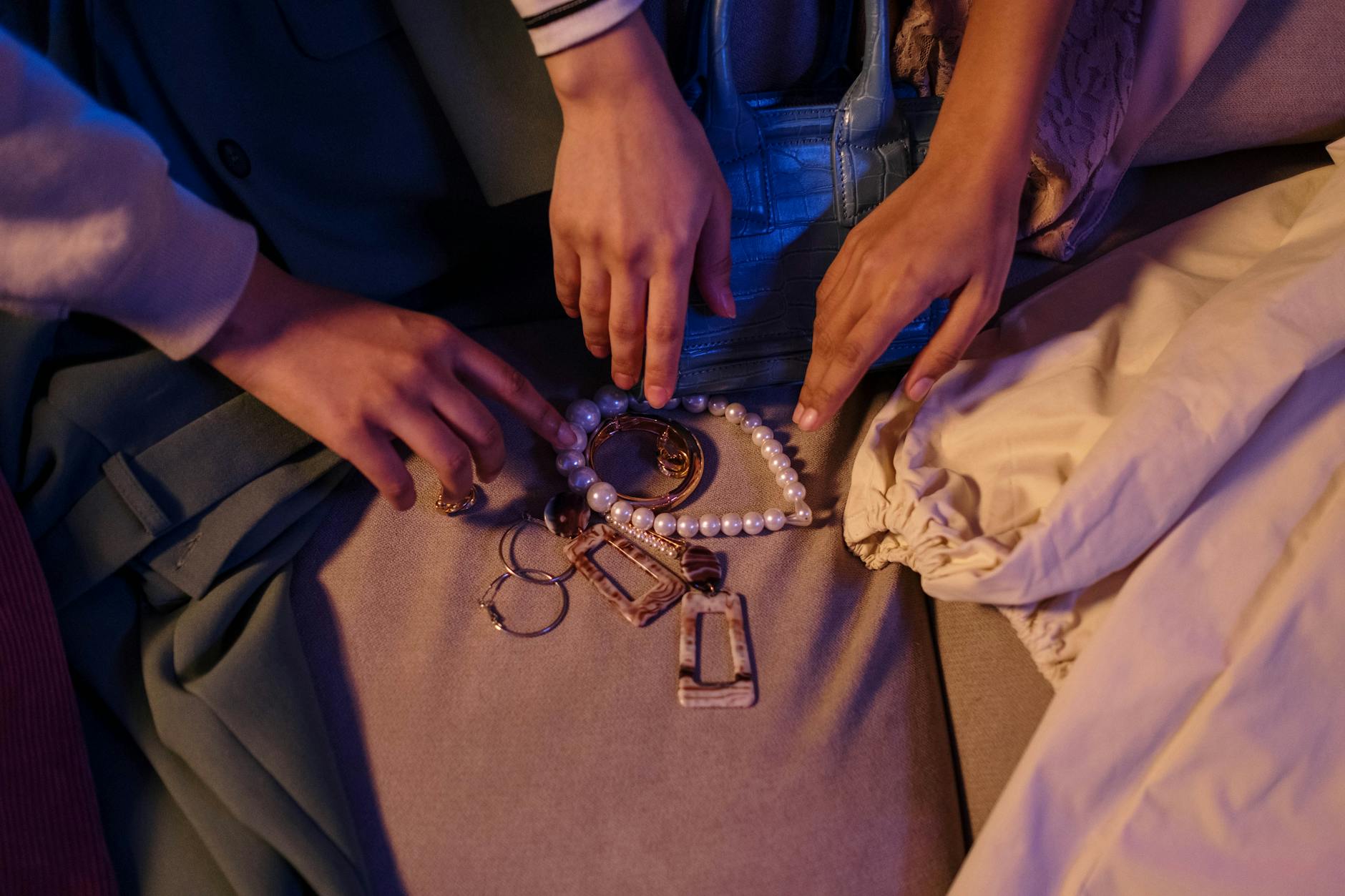
Removing personal belongings or valuables from the deceased’s home before other family members have had a chance to be involved is a form of informal theft that destroys trust. It signals premeditation and a willingness to act against the family’s collective interests during the most vulnerable possible moment. Those who discover missing items often spend years consumed by the injustice of the loss. The financial value of what was taken rarely matters as much as what the act itself reveals about the person who did it.
Estranged Partners
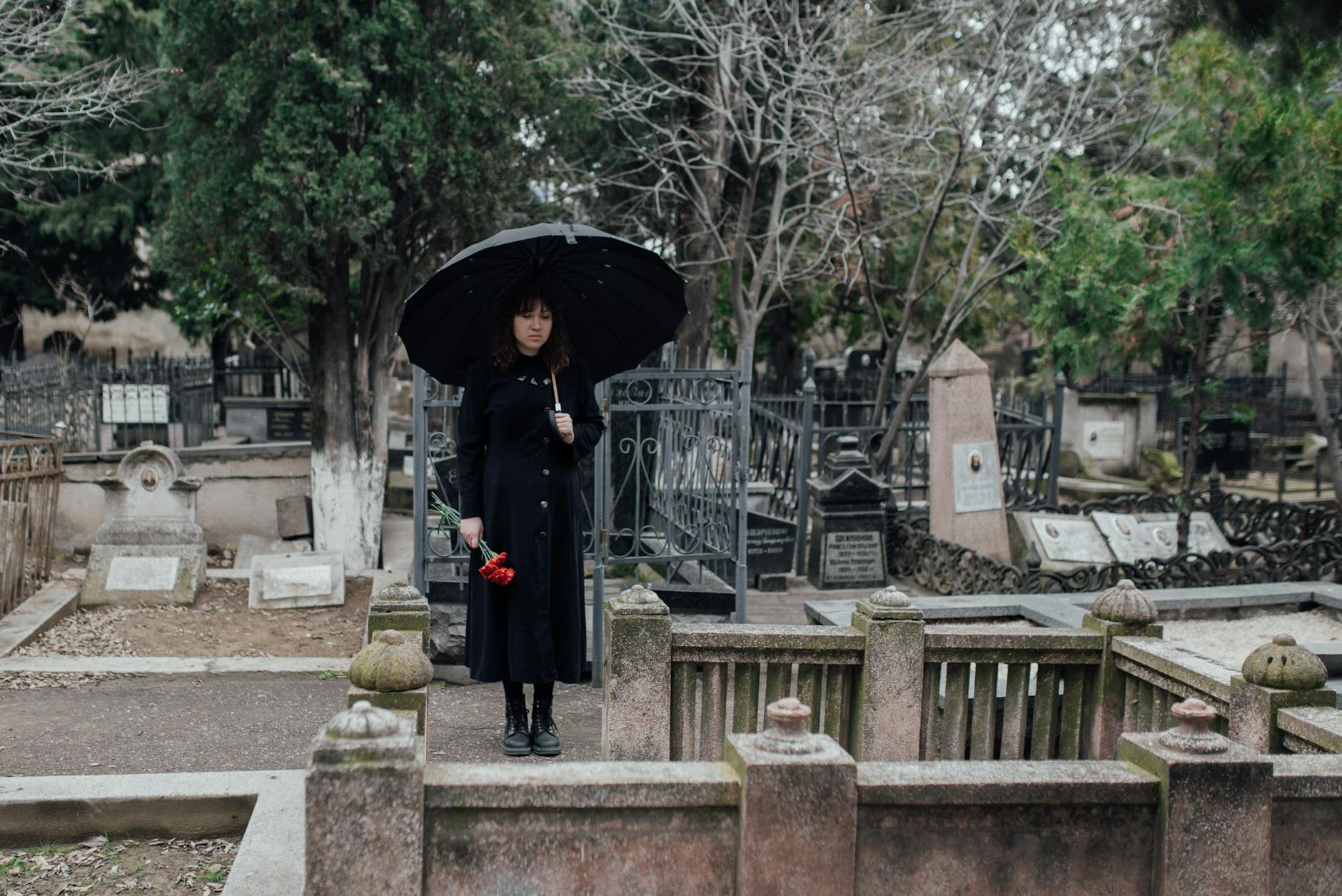
Former partners who attend a funeral without the blessing of the immediate family can introduce a deeply destabilising presence into the grieving space. Their attendance can reopen old wounds related to divorce or separation and shift the emotional focus of the day. Family members who feel their boundaries have been ignored by an uninvited ex-partner often direct their grief outward as anger. The resulting conflict can permanently damage relationships between those who welcomed the ex and those who felt betrayed by their presence.
Secret Revelations

Using the heightened emotional atmosphere of a funeral to disclose long-kept family secrets causes damage that echoes far beyond the day itself. Revelations about affairs, hidden children or financial betrayals land with particular devastation when mourners are already emotionally defenceless. The person receiving the information has no space or capacity to process it appropriately in that setting. The funeral becomes permanently associated with the shock of discovery rather than with the person who died.
Favouritism Speeches
Eulogies or informal remarks that visibly favour one branch of the family over another create resentment that festers quietly for years. Describing one sibling as devoted while ignoring another’s equal contribution is a slight that is felt acutely by those overlooked. The public nature of the setting means the humiliation is witnessed by extended family and friends who carry the story forward. Perceived favouritism at a funeral often confirms suspicions that have existed for years and removes any remaining motivation for reconciliation.
Pet Bringing

Bringing pets to a funeral without prior arrangement and explicit permission from the organising family is an act that many mourners find jarring and disrespectful. Allergies and phobias among guests are a practical concern but the symbolic message is equally significant. It communicates that the owner’s personal comfort takes priority over the solemnity of the occasion. Family members who are already managing complex emotions often direct their frustration at the pet owner in ways that outlast the day.
Latecomers
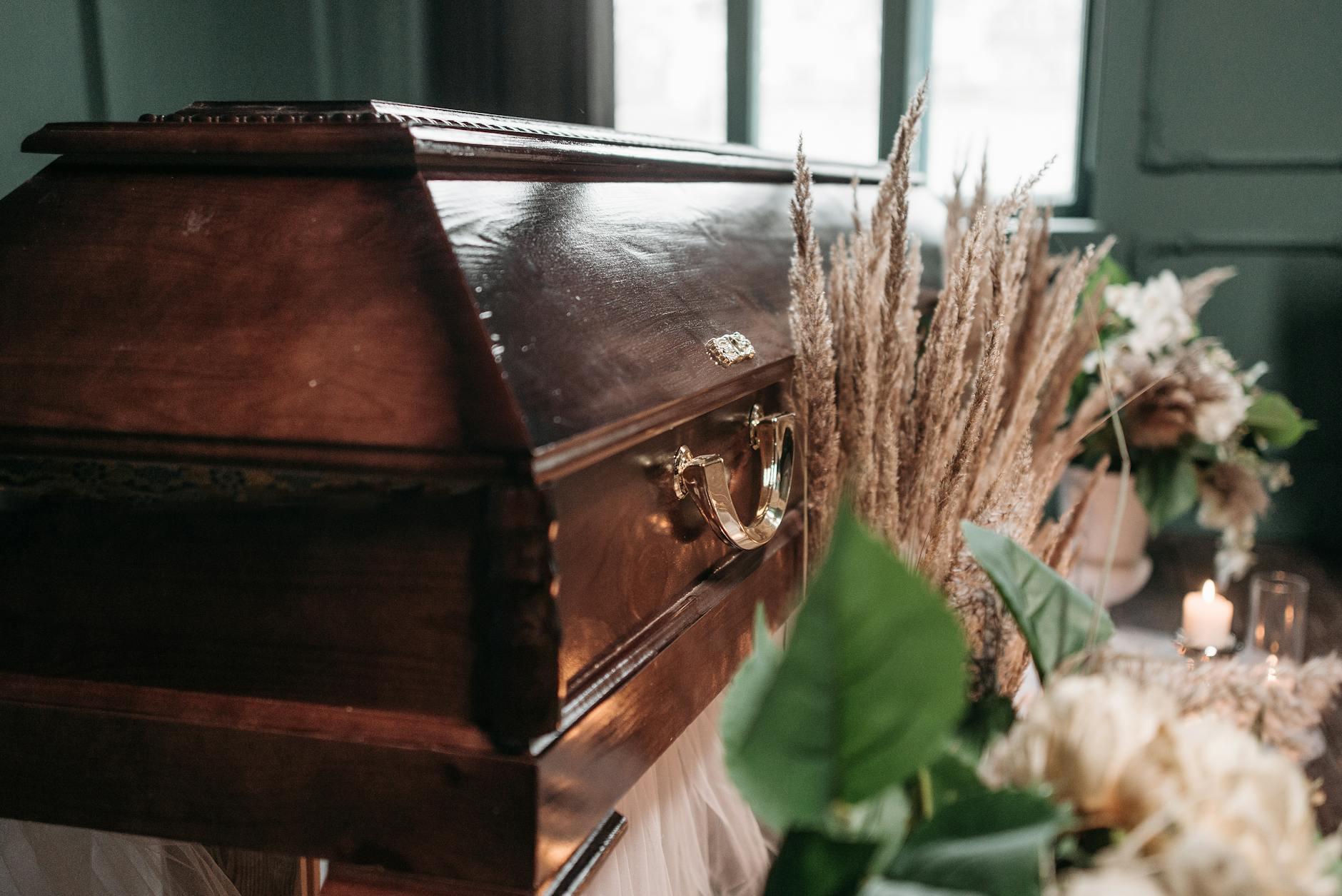
Arriving significantly late to a funeral service disrupts the gathered mourners and draws unwanted attention at the most solemn moments. When the latecomer is a close family member the disruption carries an additional emotional weight that is difficult to ignore. The family is forced to process feelings of abandonment alongside their existing grief. Explanations offered after the fact frequently fail to repair the impression that punctuality was simply not a priority.
Competitive Grieving
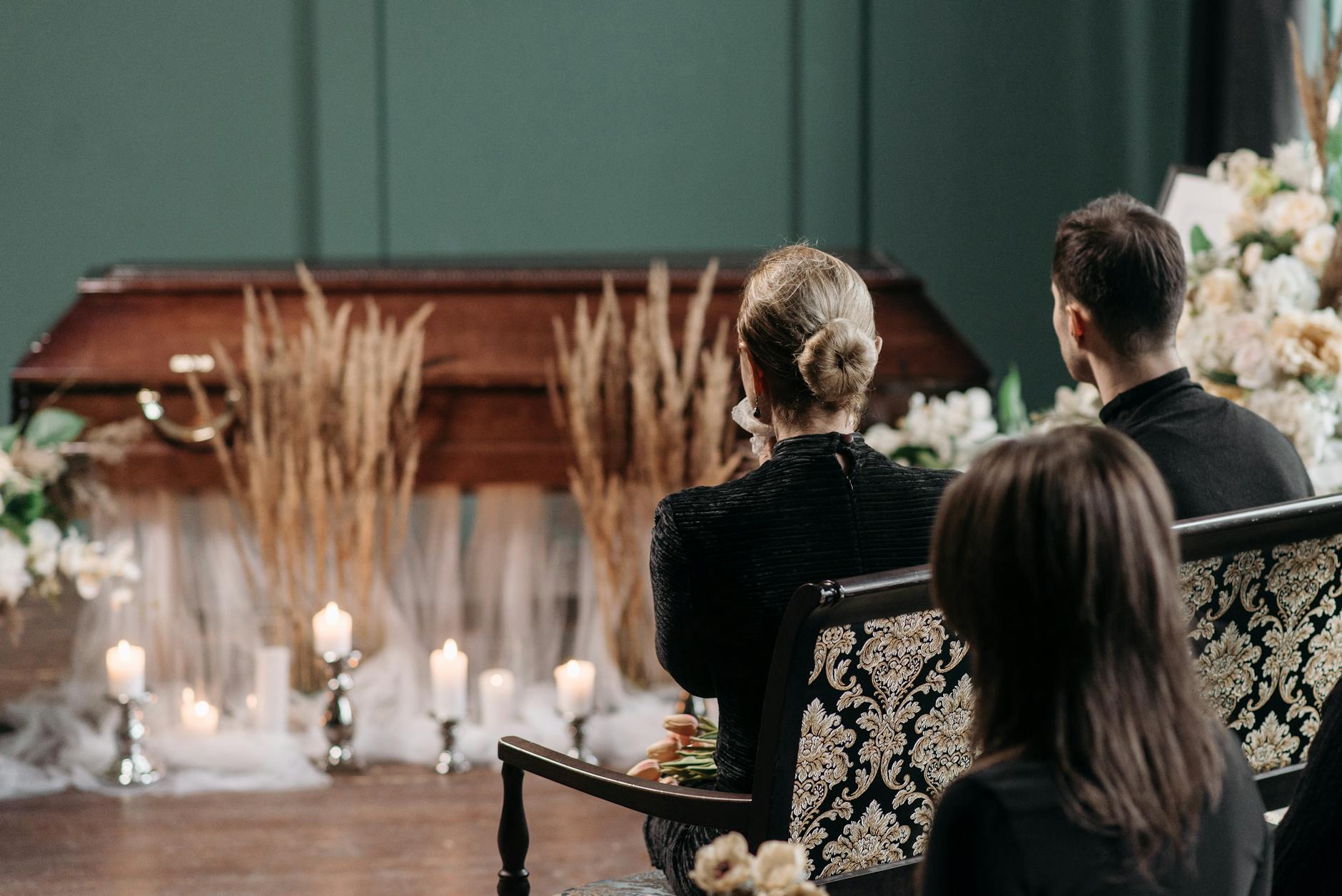
Performing grief in a way that demands more attention or validation than the immediate family receives is a behaviour that triggers deep resentment. Making repeated public declarations about personal devastation while failing to support those closest to the deceased positions the mourner as the centre of a story they do not own. Other family members who observe this pattern feel their own more legitimate grief being displaced and minimised. The behaviour is rarely forgotten because it exposes a level of self-centredness that is difficult to reconcile with love for the person who died.
Political Debates

Funerals that devolve into political or ideological debates among relatives leave mourners feeling that the death has been instrumentalised. These conversations often begin under the guise of harmless small talk and escalate quickly in the absence of normal social boundaries. The bereaved family is left managing conflict on a day when they had neither the energy nor the desire to do so. The association between the political antagonist and the pain of that day becomes difficult to separate in the years that follow.
Catering Complaints

Loudly criticising the food or arrangements at a funeral reception places an additional burden on those who organised the event under significant emotional strain. Planning a funeral involves dozens of decisions made while in active grief and perfection is neither possible nor the point. Public complaints signal a failure to recognise the effort and pain invested in the occasion. Those who organised the service tend to remember clearly who expressed gratitude and who chose instead to criticise.
Memory Erasure
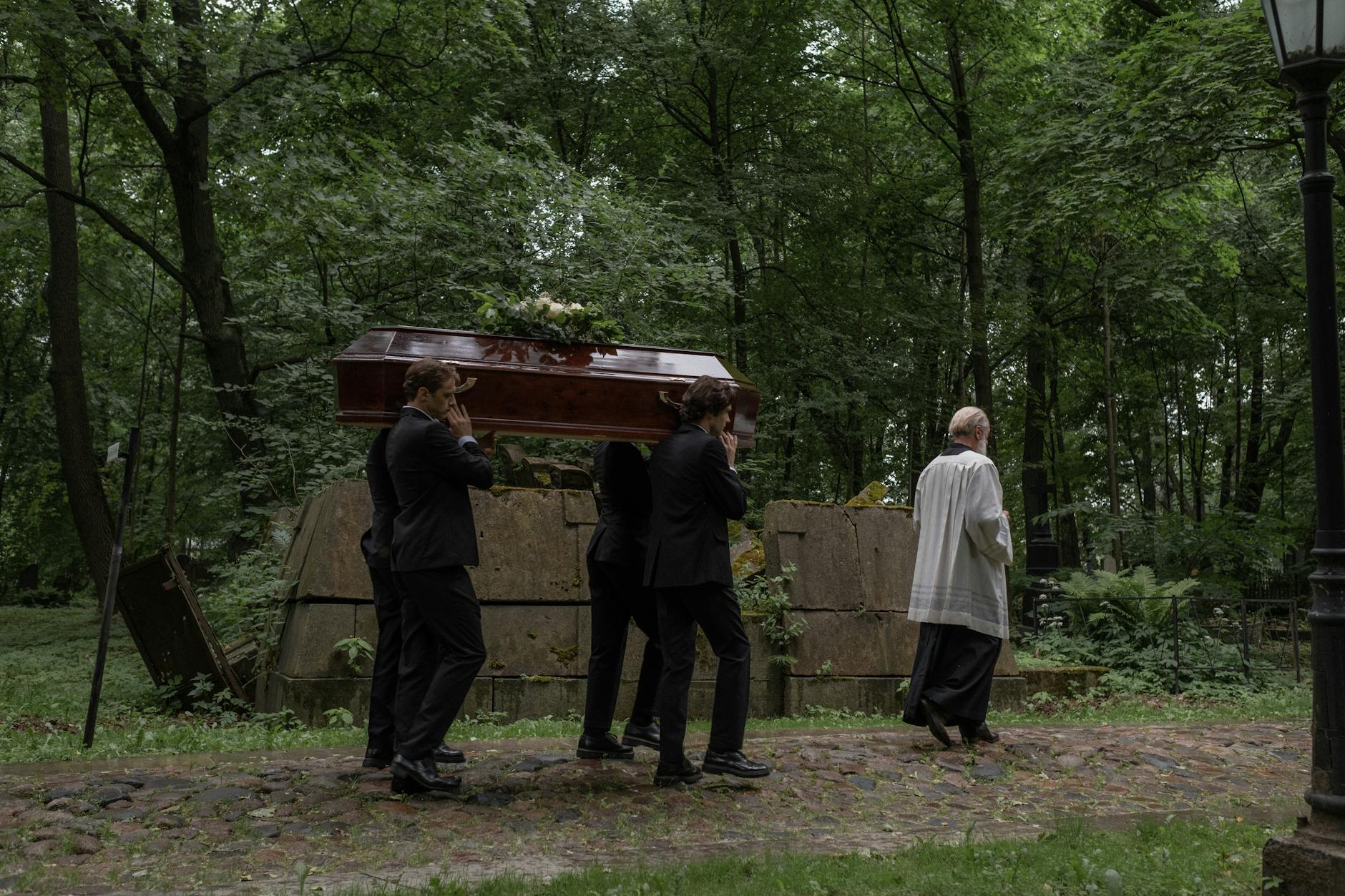
Attempting to control the narrative of who the deceased was by dismissing or contradicting other people’s memories causes profound hurt. Not every family relationship with the departed was identical and different people hold different truths about the same person. Invalidating a relative’s personal memories of the deceased is an act of emotional aggression at its most harmful moment. The person whose memories are dismissed often disengages from the family network permanently as a result.
Ex Reconciliation
Using a funeral as an opportunity to rekindle a romantic relationship with a grieving family member is widely considered a profound misreading of the situation. The vulnerability of grief can make people susceptible to gestures that would be unwelcome under normal circumstances. Family members who witness these overtures tend to feel protective of the person being approached and hostile toward the one making the advance. The attempt leaves a lasting stain on how the family perceives the individual responsible.
Intrusiveness
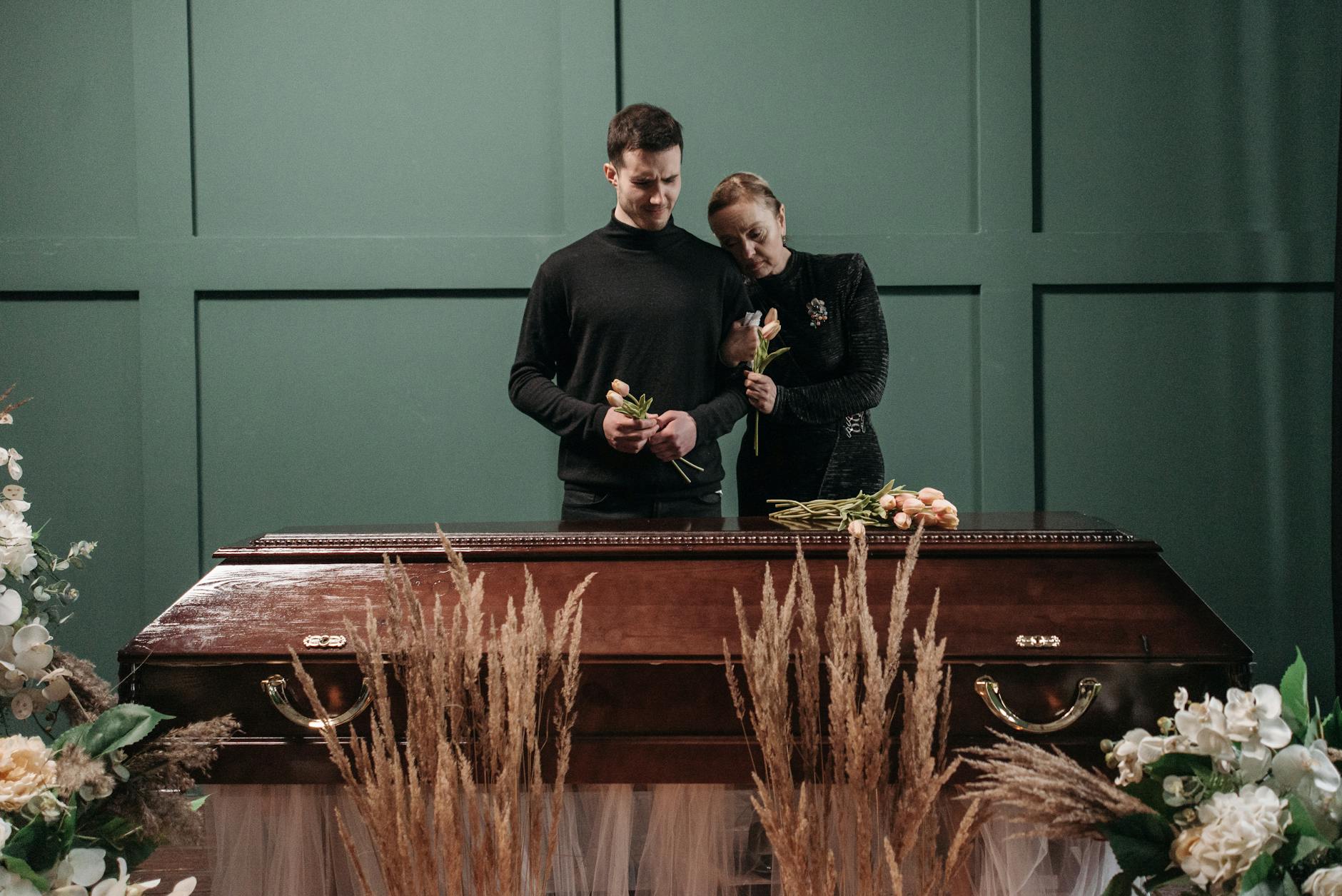
Demanding access to the deceased’s personal space or private belongings under the guise of helping is a behaviour that triggers immediate and justified suspicion. Well-meaning intrusion is difficult to distinguish from opportunistic intrusion and the family under grief tends to assume the worst when boundaries are pushed. Being asked to justify the privacy of a deceased parent’s bedroom or personal papers is an experience mourners find deeply violating. The person who pushes these boundaries is rarely extended the benefit of the doubt in the aftermath.
Photography Sales

Sharing or in any way monetising images or details from a private funeral service is a modern form of exploitation that has caused serious and permanent family ruptures. The rise of social media has created circumstances in which intimate moments of loss are made public without consent. Family members who discover their grief has been shared for engagement or attention frequently describe the experience as a secondary bereavement. Trust once broken in this particular way is almost impossible to rebuild.
Storytelling Ambush
Using the captive audience of a funeral gathering to tell long personal anecdotes that only loosely relate to the deceased derails the shared purpose of the occasion. These stories often reveal more about the teller’s desire for attention than their relationship with the person who died. Other mourners grow quietly resentful of the time taken from more meaningful tributes and expressions of loss. The teller is often entirely unaware of the negative impression they are creating in a room full of grieving people.
Financial Demands
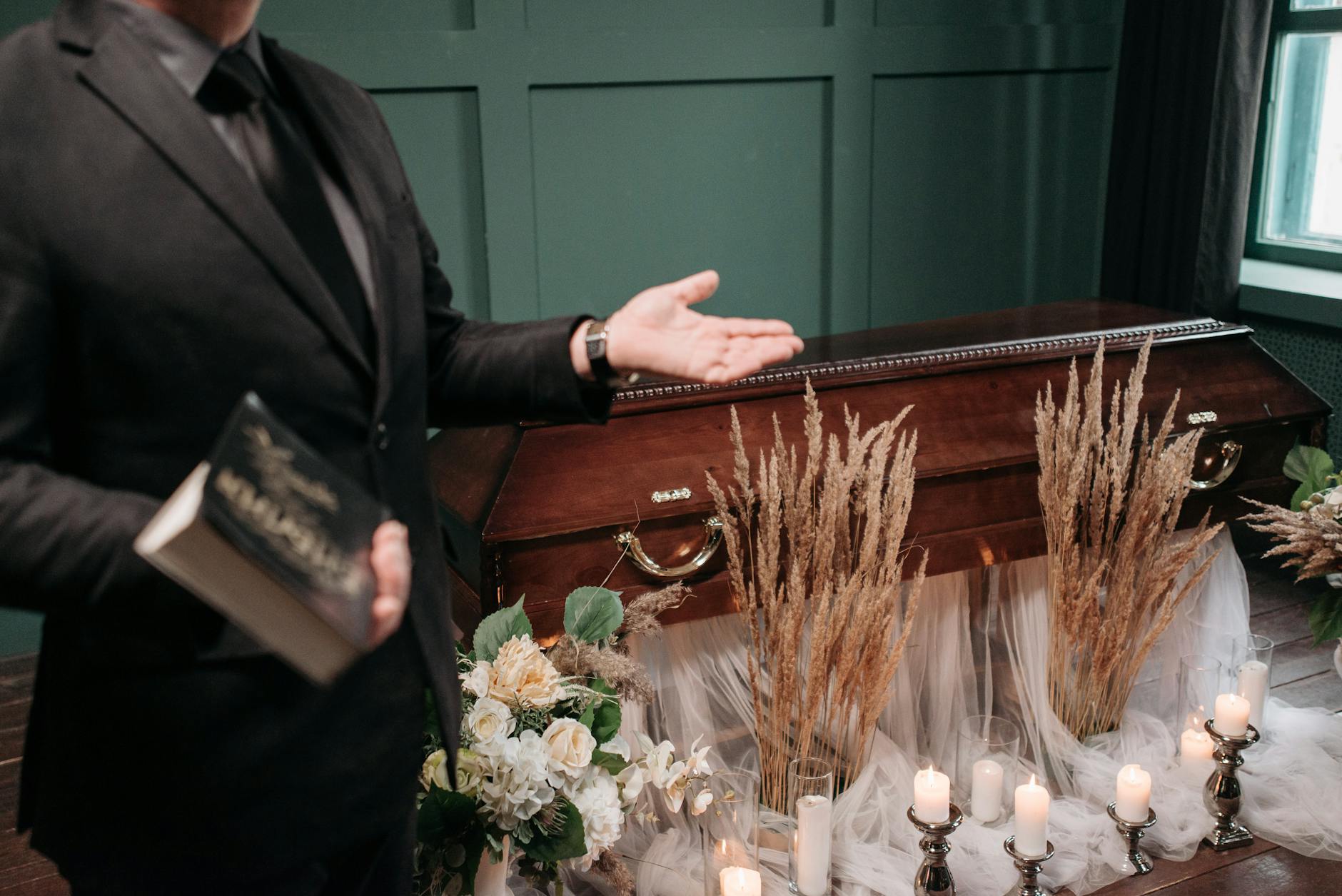
Approaching grieving relatives at a funeral to discuss outstanding debts or financial matters is an act of timing so poor that it reads as deliberate cruelty to those on the receiving end. The association between financial pressure and the worst day of a family’s year is one that proves nearly impossible to move past. Even when the debt is legitimate the message sent by that choice of moment is one of profound indifference to grief. Relationships severed in this way are almost never repaired because the original act is simply too damaging to forgive.
Stepfamily Exclusion
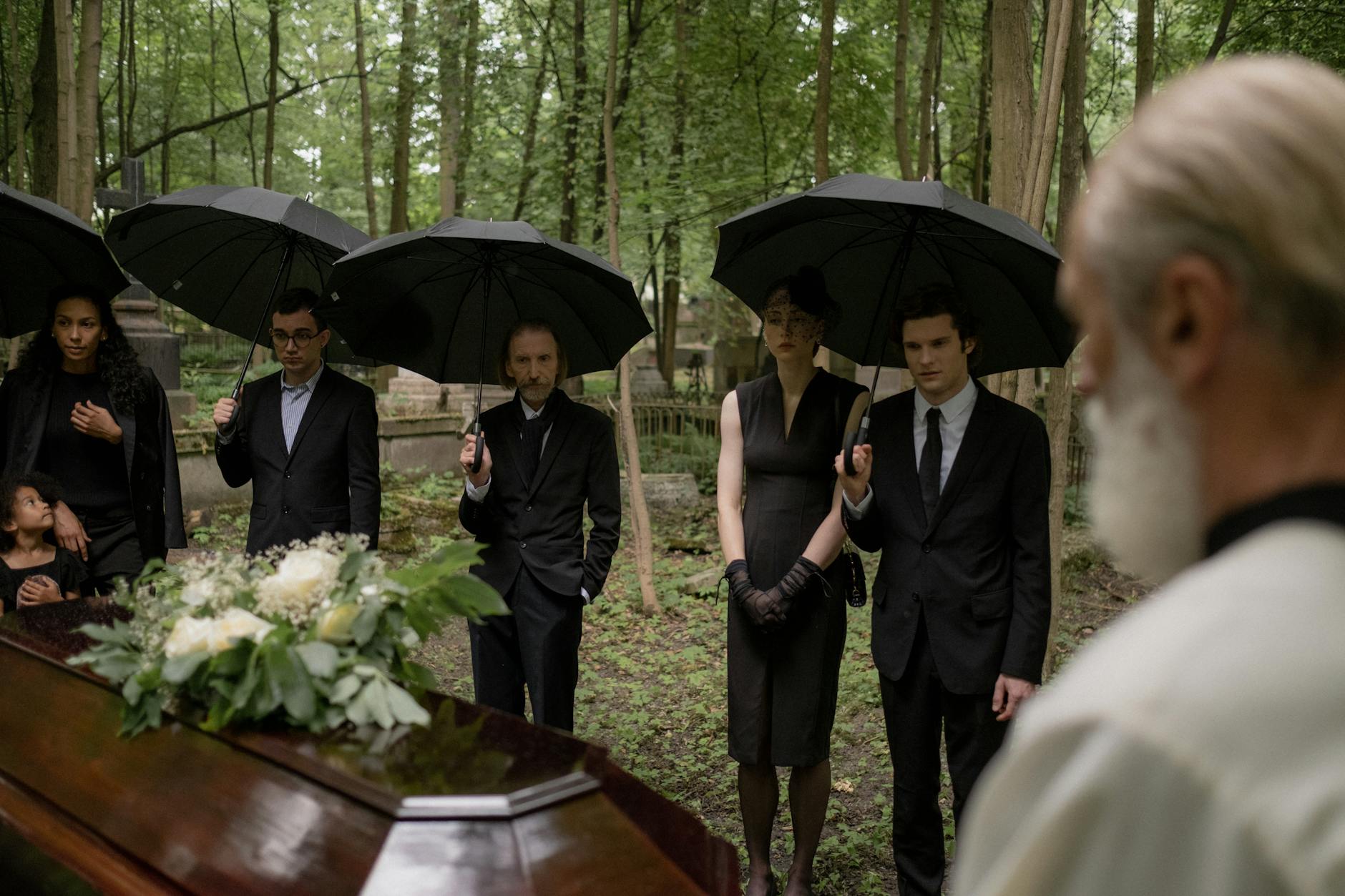
Excluding stepchildren or step-relatives from visible roles in the service in front of the wider family creates a public statement of rejection at the most painful possible time. Blended families already navigate complicated dynamics and a funeral is one of the moments when inclusive gestures matter most. Those who are visibly sidelined during a service for a parent figure they loved carry that wound for the rest of their lives. The family members who engineered the exclusion rarely anticipate the depth of the estrangement it will create.
Have you witnessed any of these behaviours at a family funeral and how did it affect your relationships? Share your experiences in the comments.