The idea of being watched inside your own home once belonged to science fiction, but the reality of modern connected living has made it an everyday concern. Dozens of ordinary objects now carry microphones, cameras, and data-collecting sensors that most people never think twice about. Some of these devices collect information openly as part of their design, while others do so in ways that are far less transparent. Understanding which household items have the potential to gather data is the first step toward making more informed decisions about your privacy at home. Take a close look around your living space because what you find might genuinely surprise you.
Smart Speaker
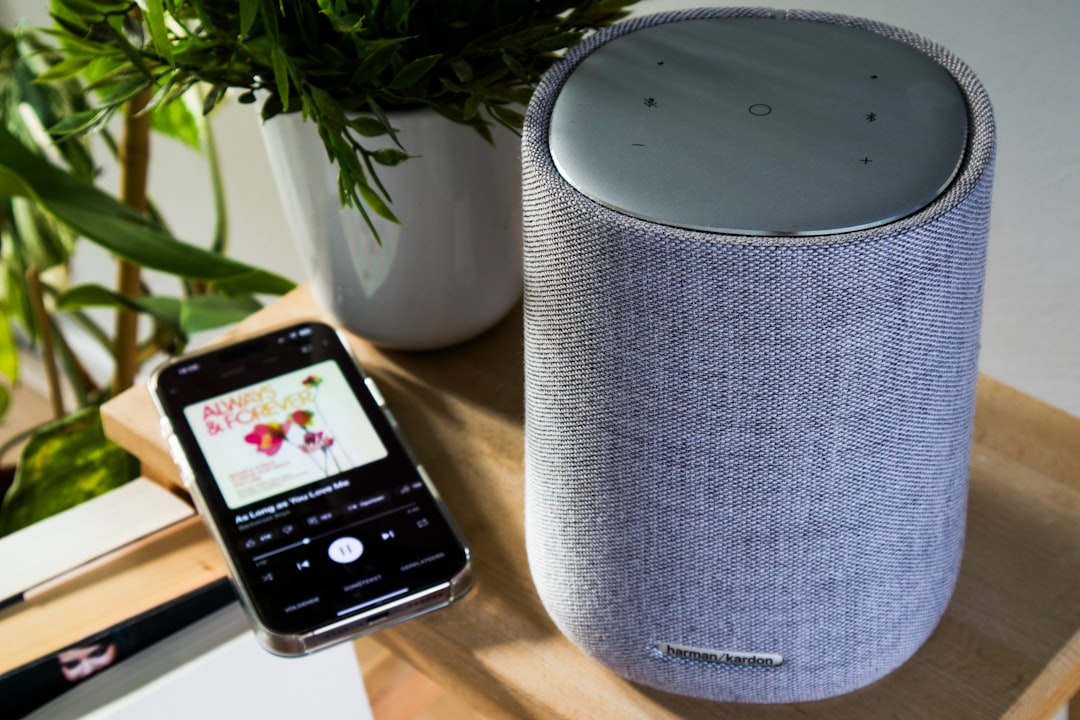
These compact devices are designed to listen for a wake word at all times, which means their microphones are essentially always active. Recordings triggered by accidental activation are often stored on remote servers and may be reviewed by company employees for quality assurance purposes. Many users are unaware of how to access or delete their voice history through the associated app. Adjusting privacy settings and regularly clearing stored recordings are two of the most effective ways to reduce your exposure.
Smart TV

Modern televisions come equipped with automatic content recognition technology that monitors what you watch and sends that data back to manufacturers and advertisers. Built-in cameras on some models can capture visual information from your living room without any obvious indicator light alerting you. Microphones embedded in the remote or the television itself can pick up nearby conversations even when the device appears to be off. Reviewing your TV’s privacy settings and disabling features you do not use is a straightforward way to limit data collection.
Robot Vacuum
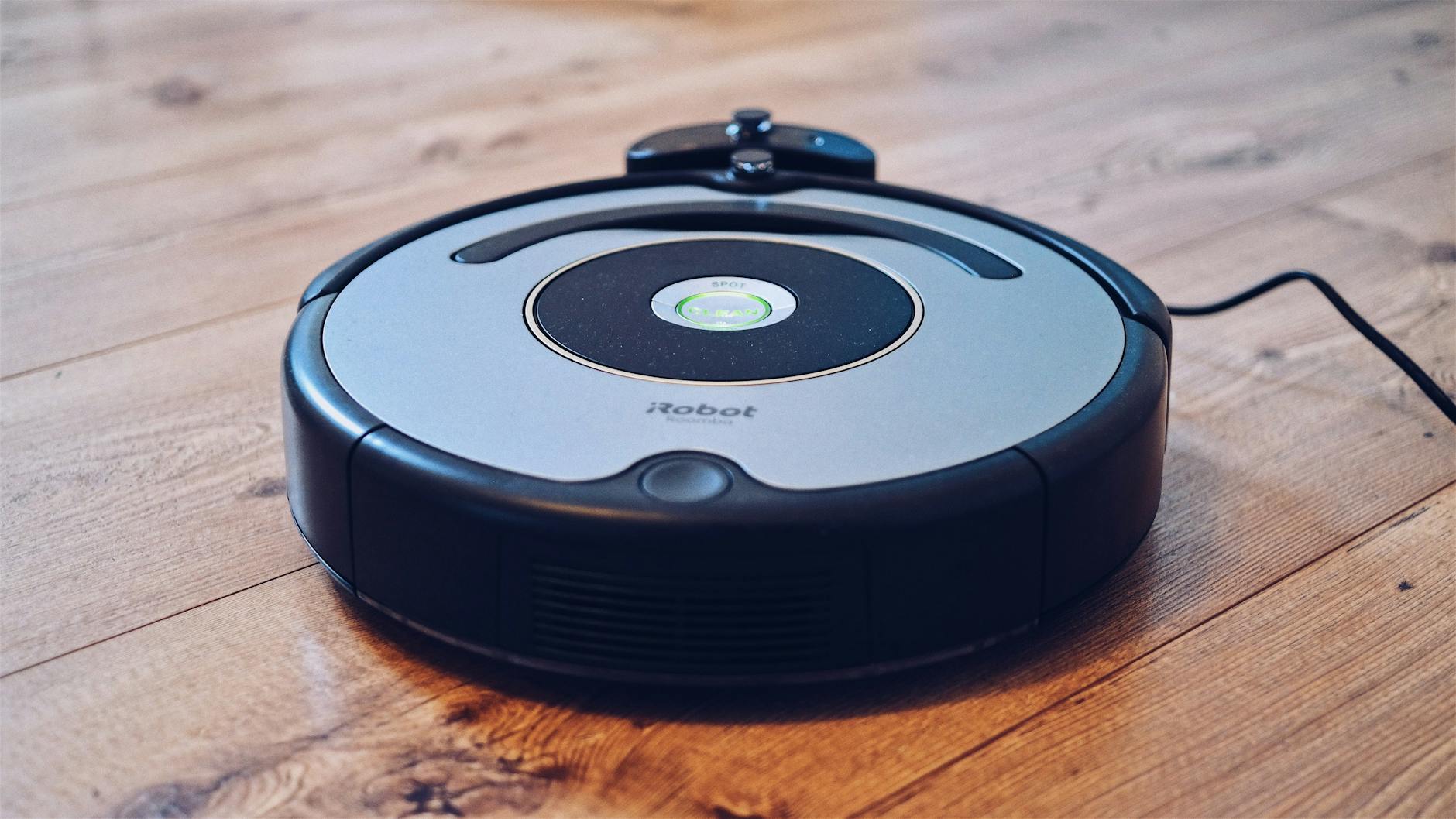
These autonomous cleaning devices build detailed maps of your home’s layout in order to navigate efficiently between rooms. That spatial data is transmitted to cloud servers and stored alongside usage patterns tied to your account. Some models are also equipped with cameras that capture images during cleaning cycles for navigation purposes. Privacy advocates have raised concerns about the potential for this floor plan data to be shared with or sold to third parties.
Baby Monitor
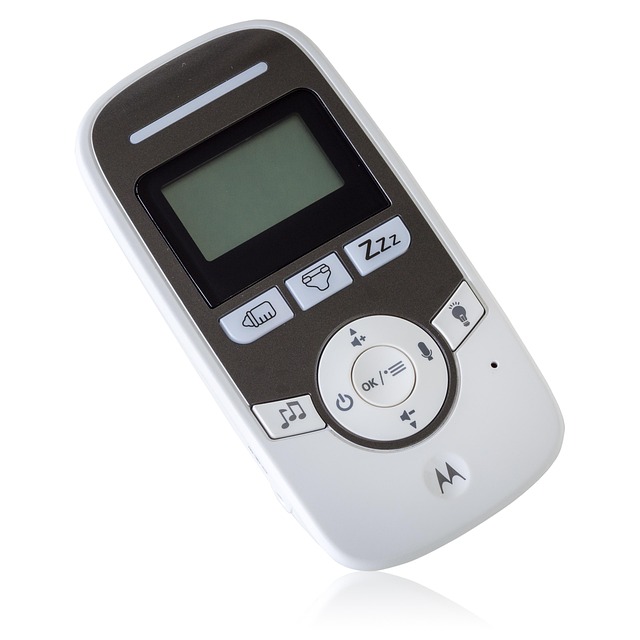
Wireless baby monitors connected to home Wi-Fi networks are among the most frequently exploited smart home devices by outside hackers. Weak default passwords and outdated firmware create vulnerabilities that can allow unauthorized access to the camera and audio feed. A compromised monitor gives an intruder a live view of one of the most private spaces in a home. Keeping firmware updated and using strong unique passwords dramatically reduces the risk of unauthorized access.
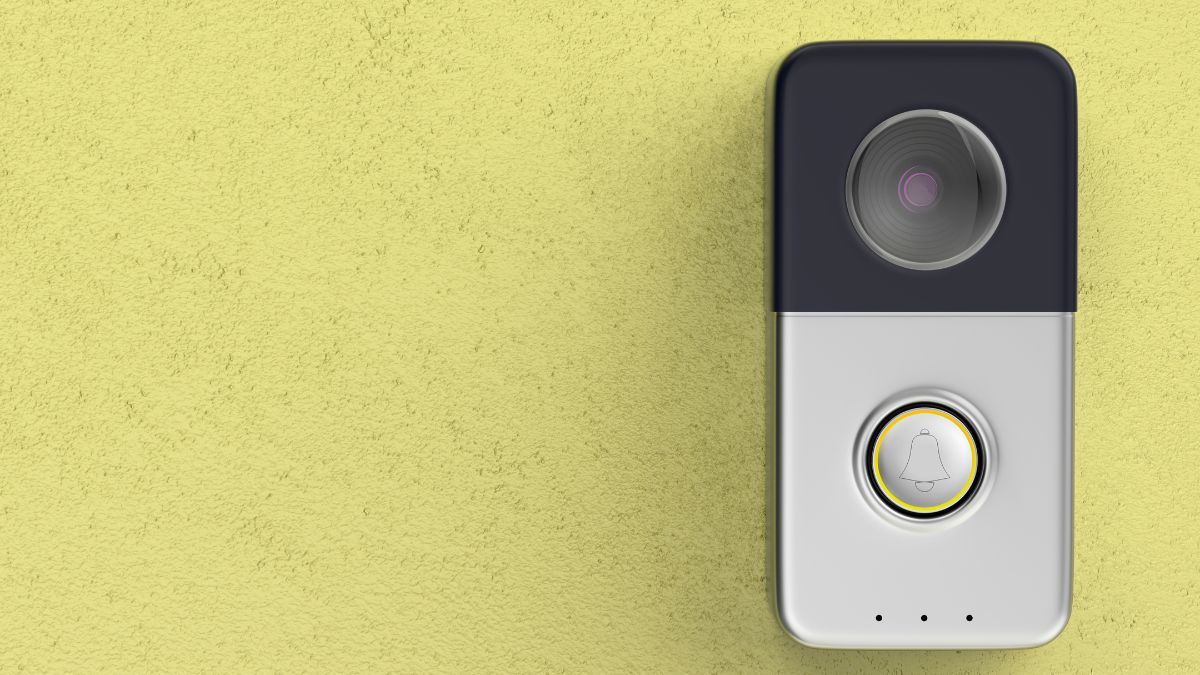
Smart Doorbell
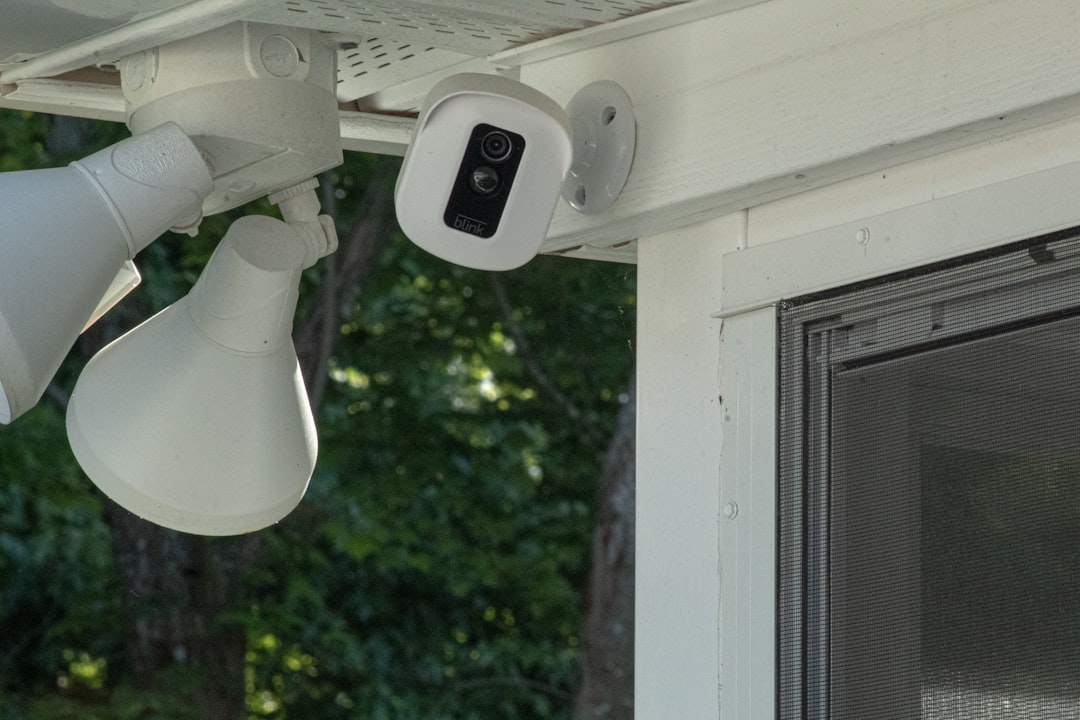
Video doorbells record continuous or motion-triggered footage of the area surrounding your front door throughout the day and night. This footage is typically stored in the cloud and may be accessible to the device manufacturer under certain legal or policy conditions. Some companies have faced scrutiny for sharing doorbell footage with law enforcement without explicit user consent. Understanding your device’s data sharing policies and adjusting retention settings gives you greater control over who can access your recordings.
Laptop Webcam
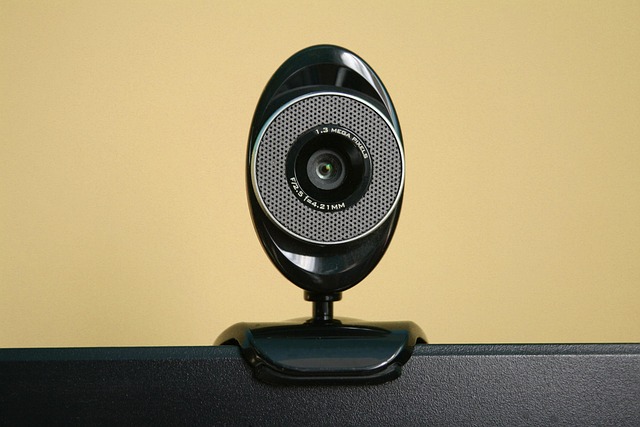
The built-in camera on most laptops can be activated remotely by malware without triggering any visible indicator light on some older models. Sophisticated spyware has been used by cybercriminals and in some documented cases by institutional actors to access webcams without user knowledge. A simple physical webcam cover is one of the most affordable and effective privacy measures available to any laptop user. Running reputable security software and keeping your operating system updated further reduces the likelihood of unauthorized camera access.
Smart Thermostat
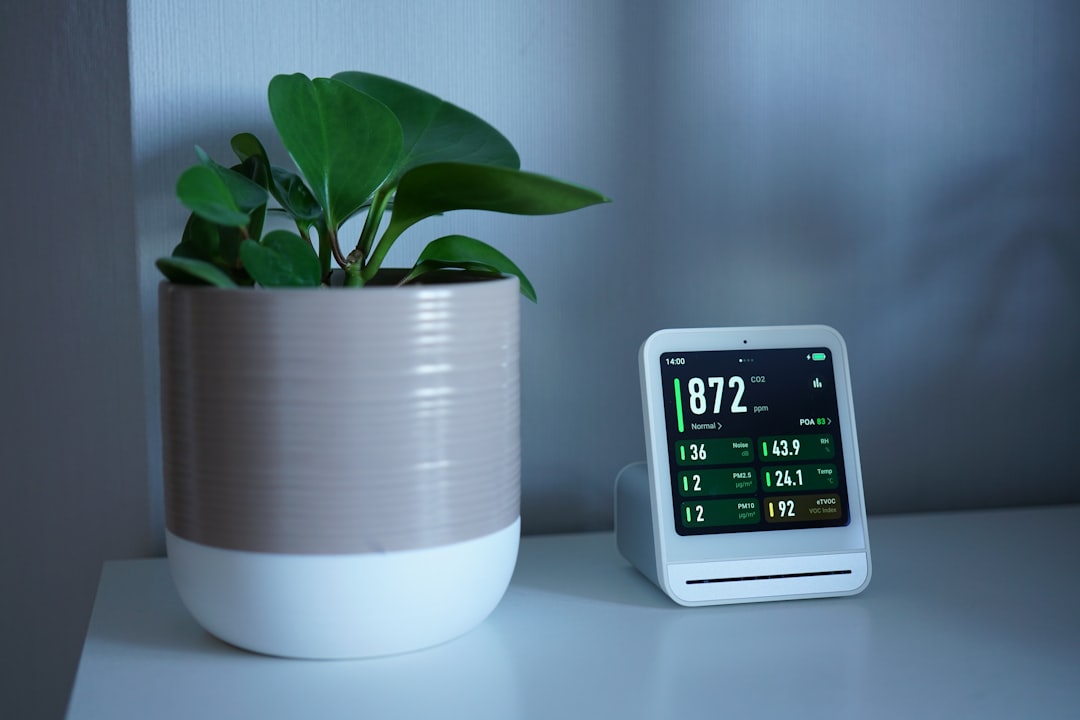
Learning thermostats track your daily schedule in fine detail in order to anticipate when you are home, asleep, or away. This behavioral data paints a surprisingly intimate picture of your household routines and is stored on the manufacturer’s servers. Some devices share anonymized usage data with energy companies or third-party analytics firms as outlined in lengthy terms of service documents. Reading the privacy policy of your thermostat’s manufacturer and opting out of data sharing programs where possible is worth the effort.
Gaming Console
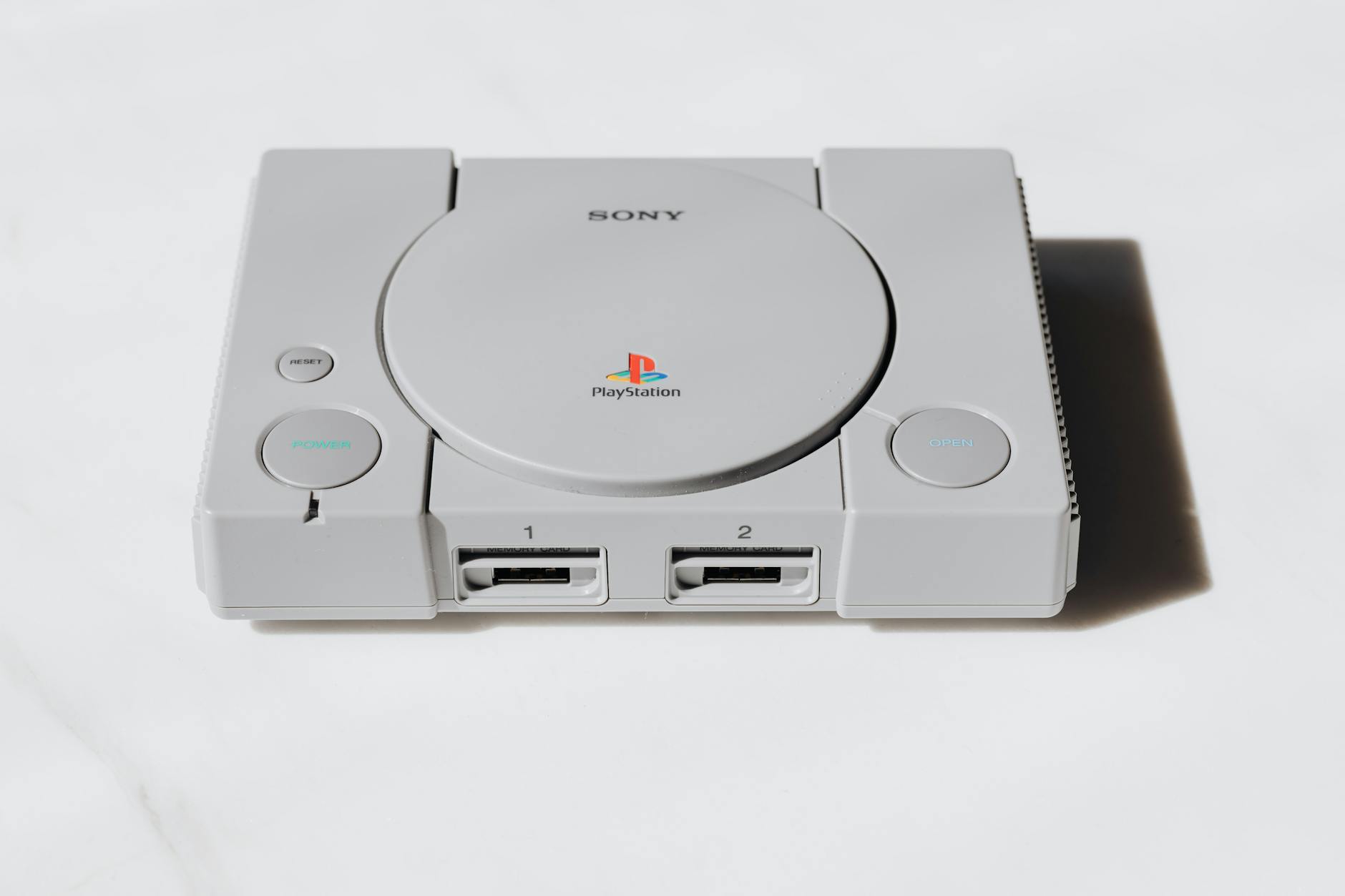
Modern gaming consoles are equipped with microphones, cameras, and always-on connectivity that enable voice commands and video chat features. Usage data including game playtime, purchase history, and online activity is routinely collected and linked to your account profile. Some consoles remain in a low-power listening state even when not in active use in order to respond to voice activation commands. Disabling features you do not use and reviewing your account’s privacy settings helps limit the amount of personal data being gathered.
Smart Refrigerator
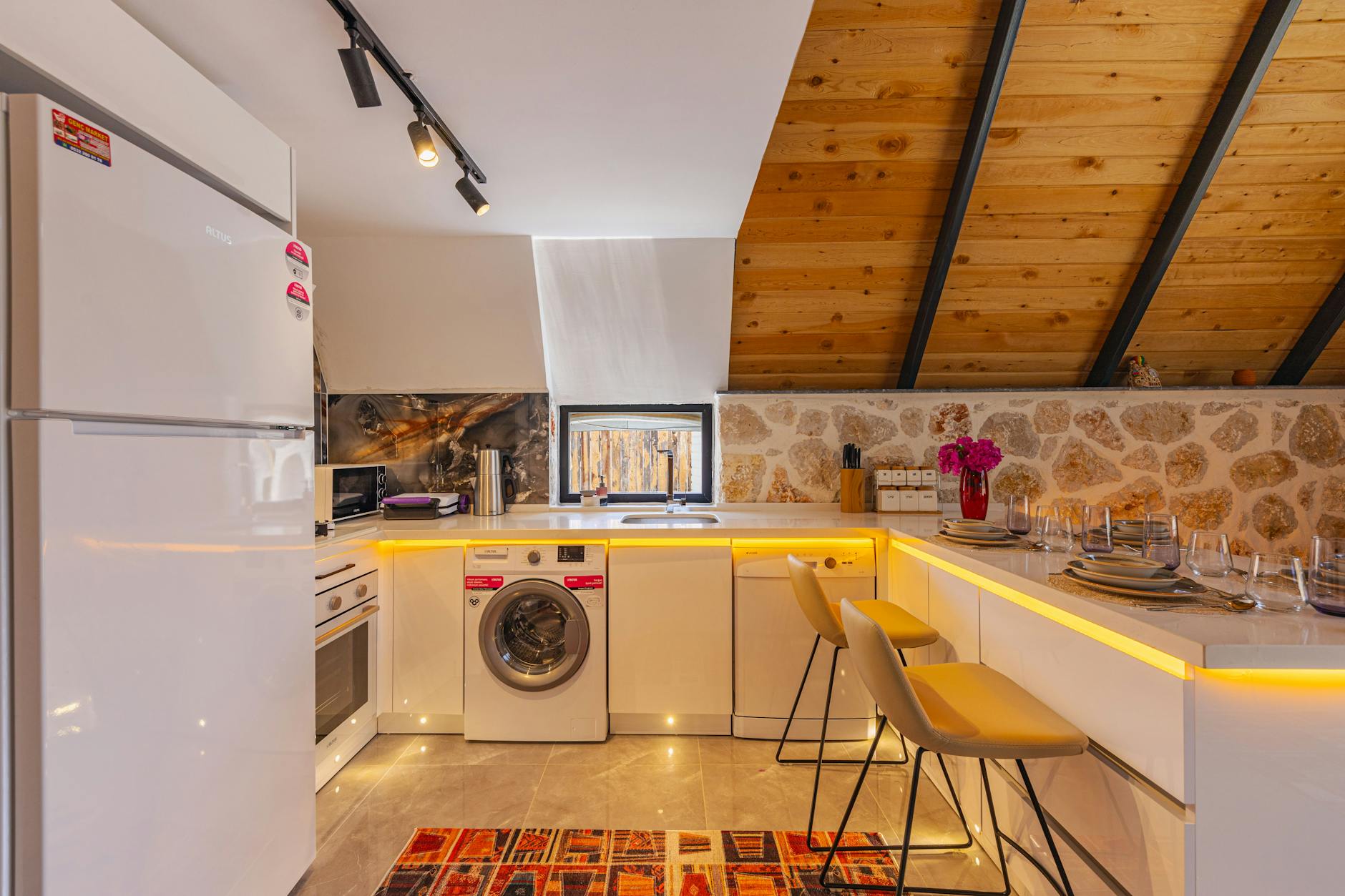
High-end connected refrigerators can track the items stored inside them, monitor usage patterns, and connect to grocery ordering services. Internal cameras capture images of your food supply at regular intervals and transmit them to cloud storage accessible through a smartphone app. Some models collect data about your dietary habits and household consumption rhythms over time. These appliances represent an often-overlooked entry point in the network of connected devices operating within a smart home.
Fitness Tracker
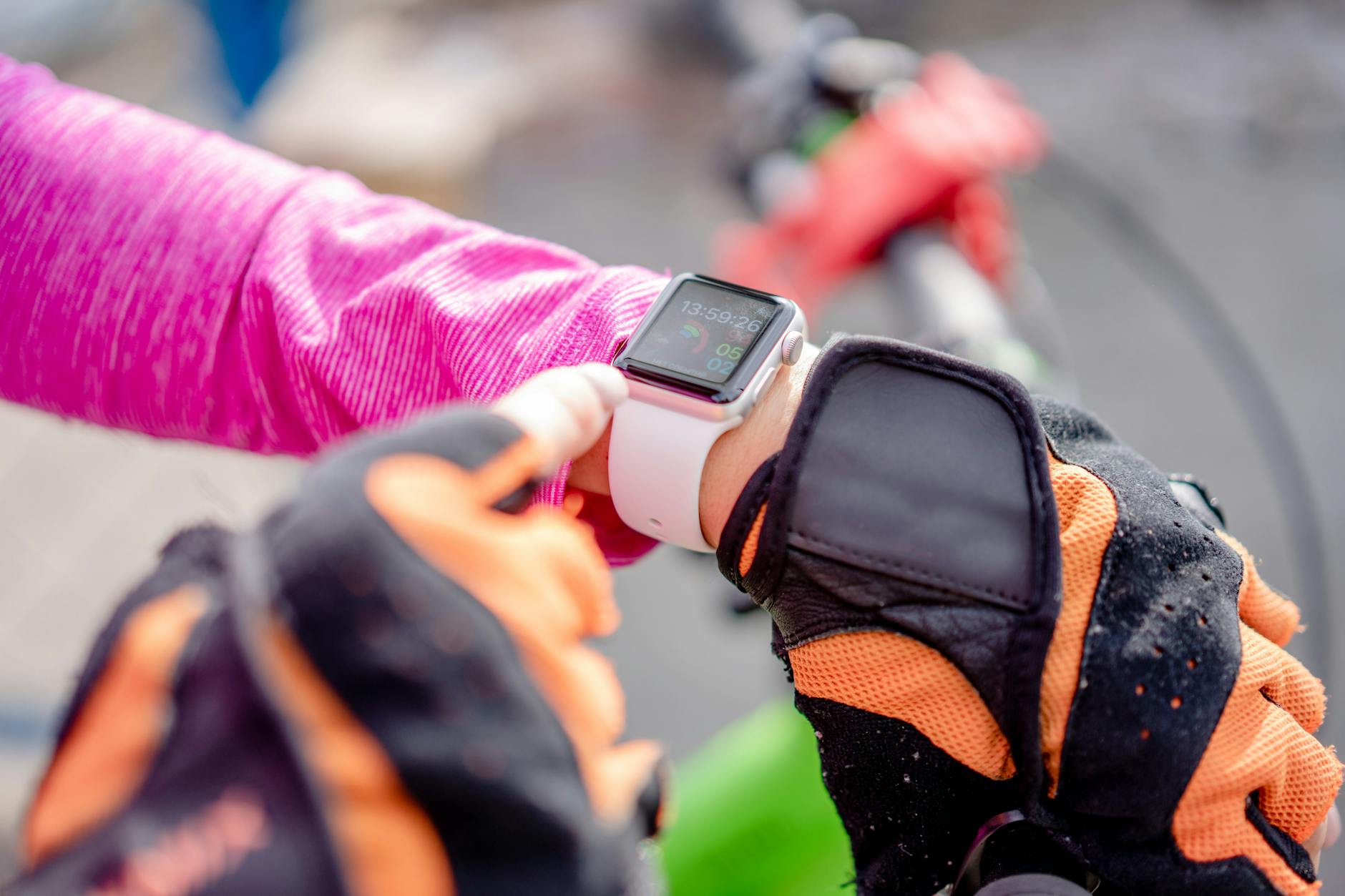
Wearable fitness devices collect an extraordinary amount of biometric data including heart rate, sleep cycles, stress levels, and daily movement patterns. This highly personal health information is stored on company servers and may be shared with insurance providers, advertisers, or research partners depending on the terms of service. Location tracking features built into GPS-enabled devices create a detailed record of where you go throughout the day. Reviewing what data your device collects and who it is shared with is an important step for anyone who values health privacy.
Smart Light Bulb
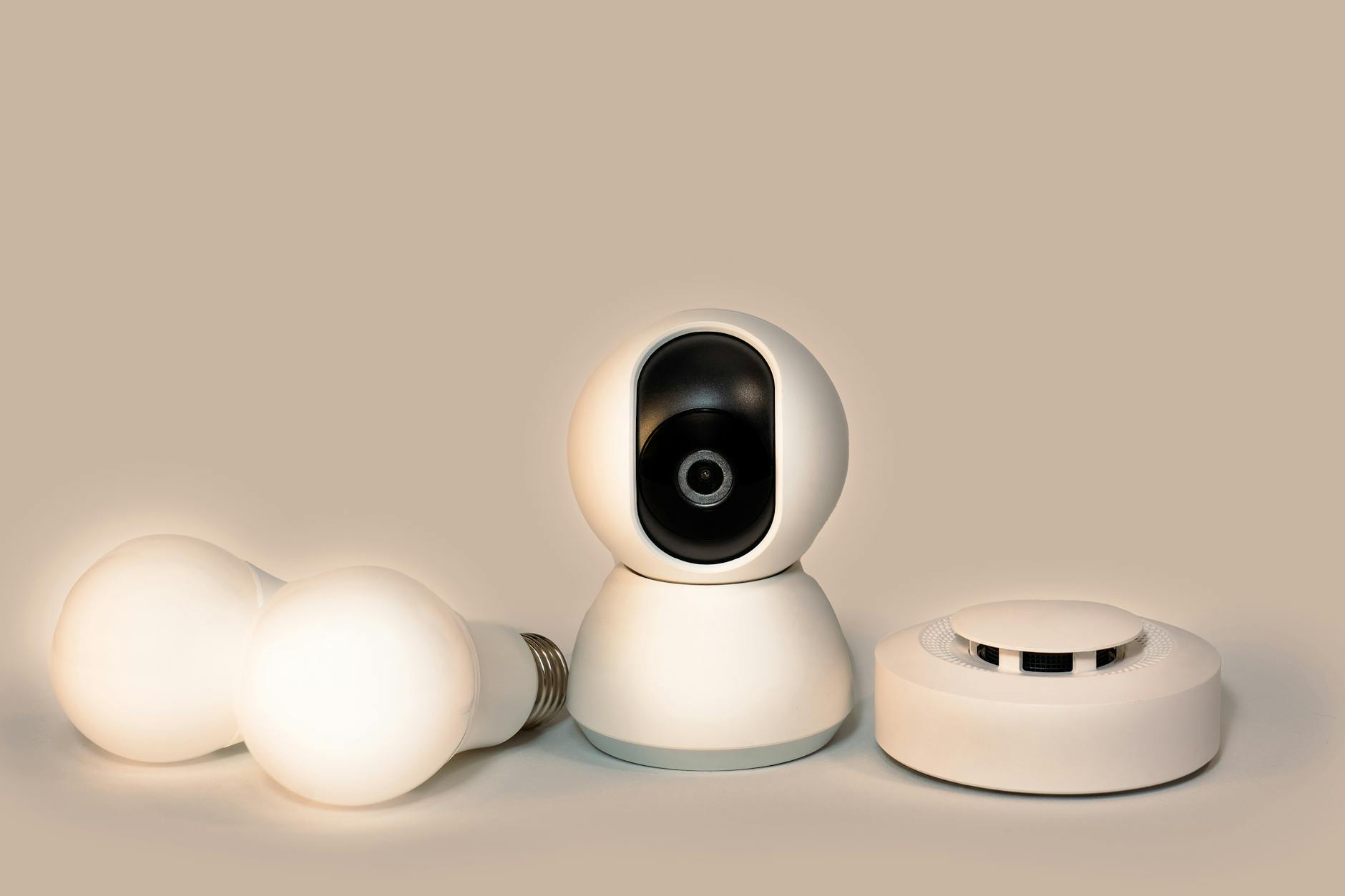
Connected LED bulbs linked to a home automation system are capable of detecting motion and tracking occupancy patterns within individual rooms. Some models integrate with broader smart home ecosystems and share usage data with partner platforms as part of their standard operation. Security researchers have demonstrated that poorly secured smart bulbs can serve as entry points into a home’s broader Wi-Fi network. Keeping your smart bulbs on a separate network segment and updating their firmware regularly adds a meaningful layer of protection.
Voice Remote Control
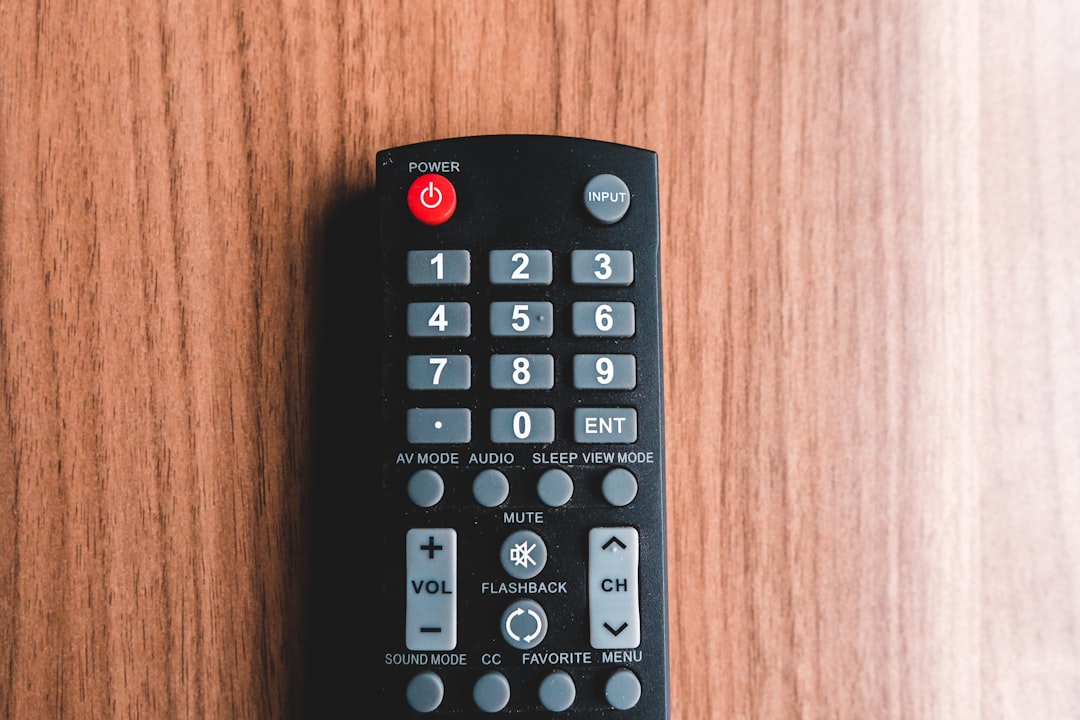
Many modern streaming remotes are equipped with microphones that activate with the press of a button but have been shown in some cases to capture audio outside of intentional use. Data collected through voice remotes is processed by cloud servers and may be stored to improve voice recognition accuracy over time. Some remote microphone systems remain in a ready state between commands in order to reduce activation lag. Understanding the specific data practices of your streaming provider helps you make a more informed choice about how much voice interaction you enable.
Smartphone
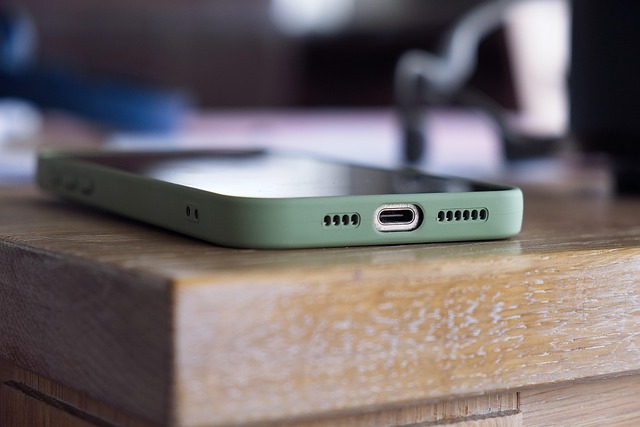
The device most people carry everywhere is arguably the most comprehensive data collection tool in existence. Smartphones continuously gather location data, track app usage, monitor browsing habits, and in some cases activate the microphone or camera through permitted app access. Third-party apps often request far more permissions than their core functions require, creating numerous potential vectors for data collection. Regularly auditing which apps have access to your camera, microphone, and location is one of the most impactful privacy actions you can take.
Smart Plug
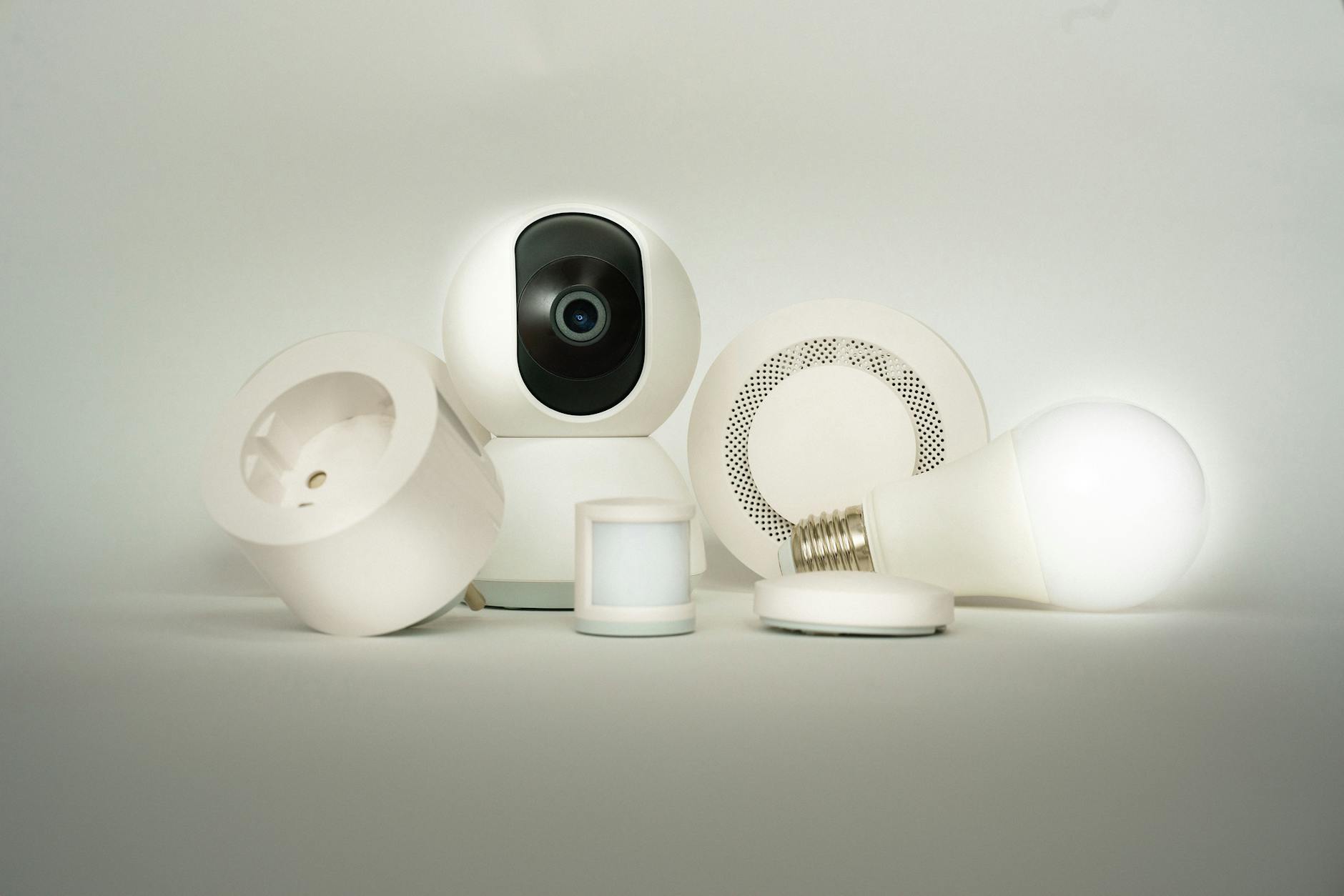
These small Wi-Fi-enabled outlet adapters log when connected devices are turned on and off, creating a record of your daily household activity and routine. That usage data is sent to cloud servers and may be accessible to the manufacturer or associated third-party services. Security vulnerabilities in smart plugs have been documented by researchers, with some models found to be easily exploited on insufficiently secured home networks. Choosing devices from reputable manufacturers with strong security track records and keeping firmware updated reduces your risk.
Printer
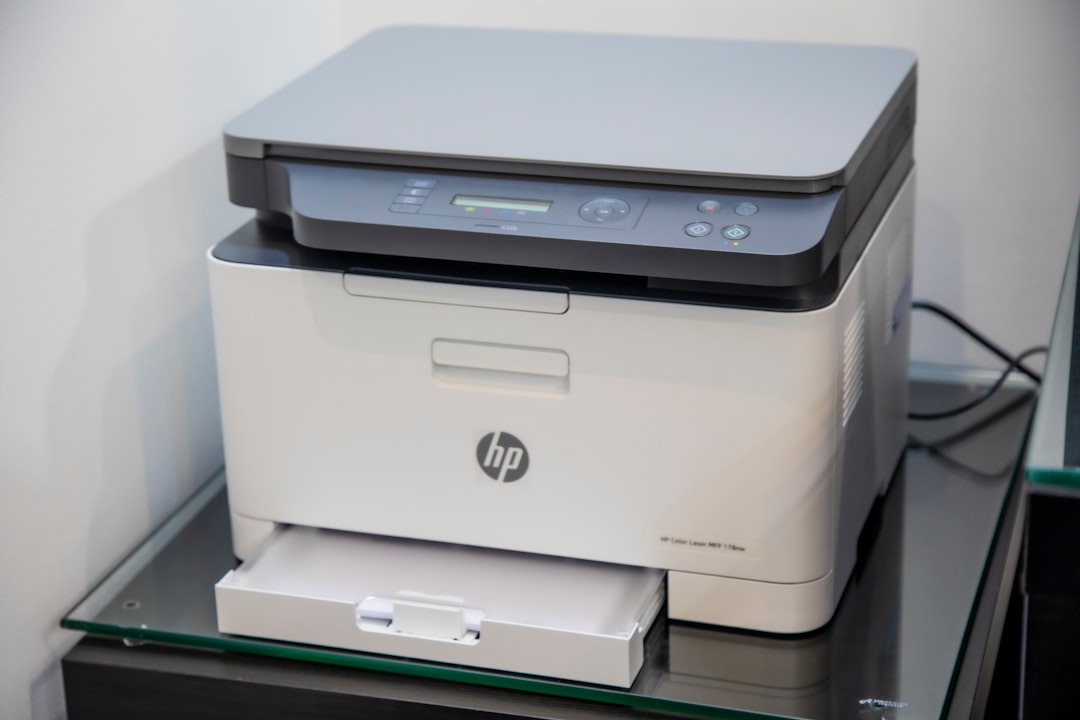
Modern Wi-Fi printers store copies of recently printed documents in internal memory that can sometimes be accessed remotely if the device is not properly secured. Many printers are connected to the internet for firmware updates and cloud printing services, which creates additional exposure points. Some manufacturers collect metadata about printing frequency and document types as part of their product analytics programs. Placing your printer on a secured network and clearing its memory regularly are sensible precautions for anyone printing sensitive documents at home.
Smart Home Hub
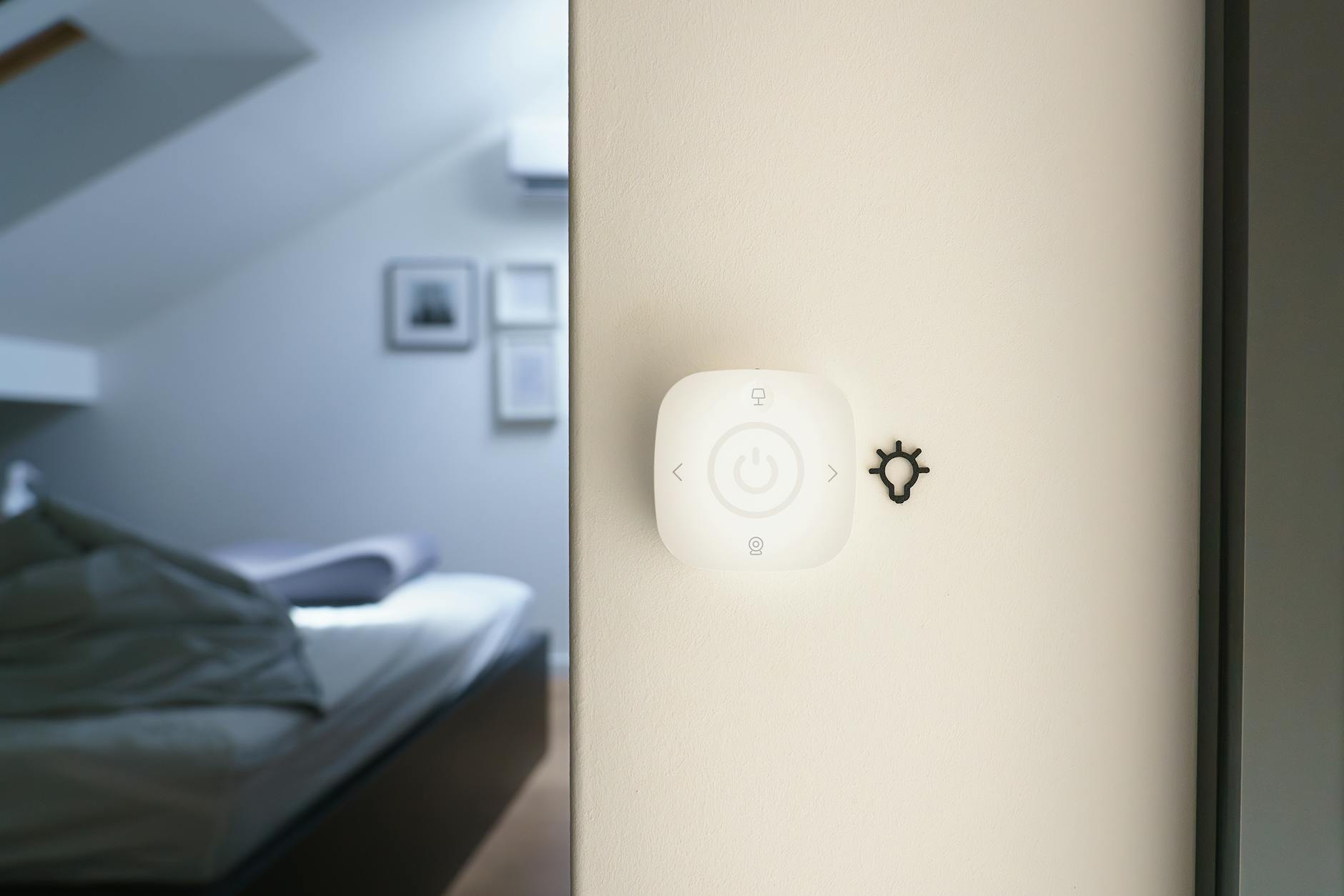
Centralized smart home controllers act as the communication nerve center for every connected device in your home, which means they hold an enormous amount of aggregated behavioral data. All of the routines, automation triggers, and device interactions flowing through the hub are logged and often stored in the cloud. A security breach affecting the hub could potentially expose data from every device connected to it simultaneously. Keeping the hub’s software updated and using strong network security practices is especially important given how central this device is to the broader smart home ecosystem.
Streaming Stick
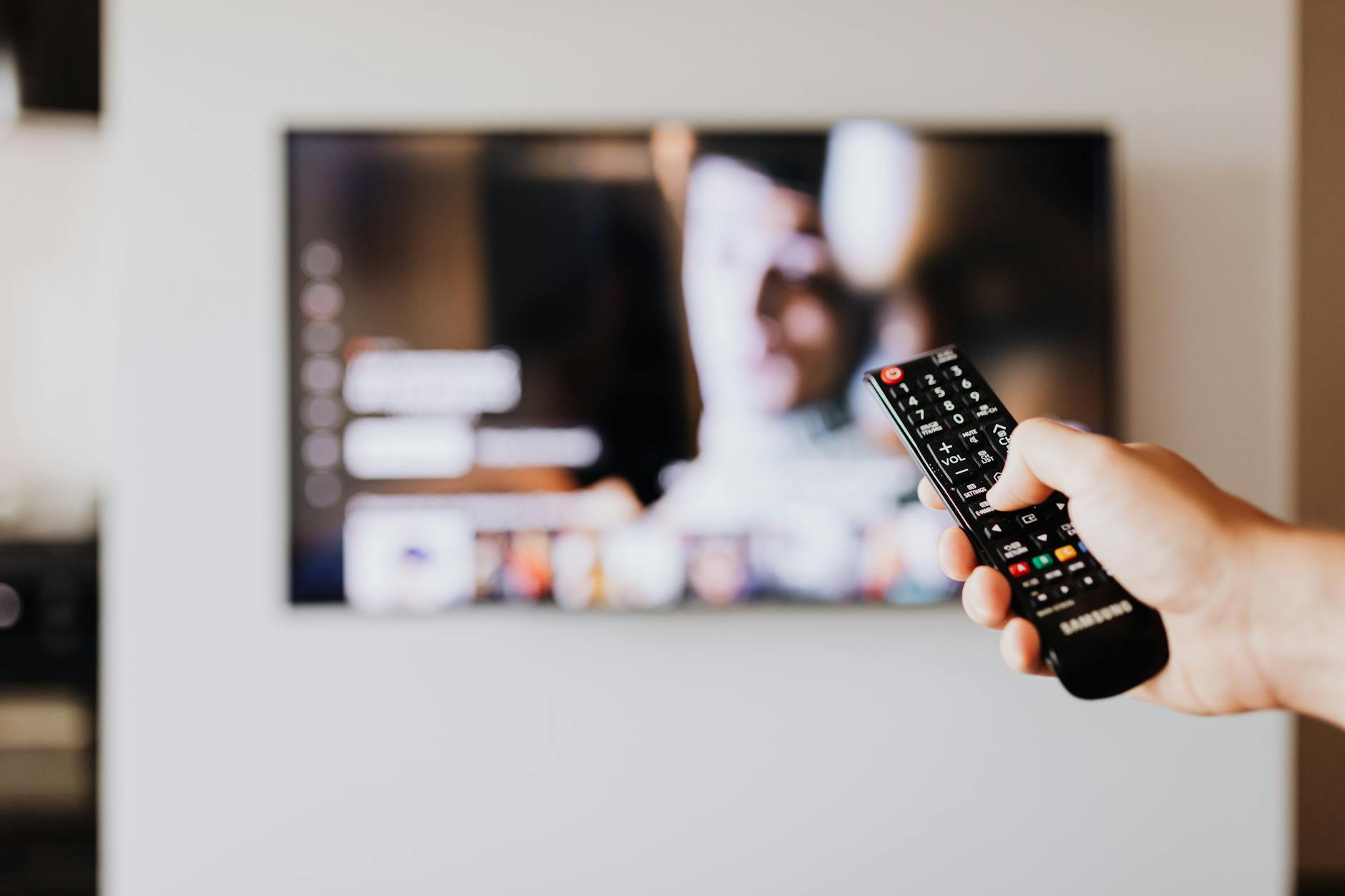
Compact media streaming devices collect detailed records of your viewing habits, search history, and content preferences in order to serve personalized recommendations and targeted advertising. These devices are linked to user accounts that tie your entertainment behavior to a profile maintained by the streaming platform. Some streaming sticks remain partially active while the television is powered off in order to preload content and reduce startup times. Reviewing your account’s privacy and data sharing settings within each streaming platform gives you more control over how your viewing data is used.
Smart Lock
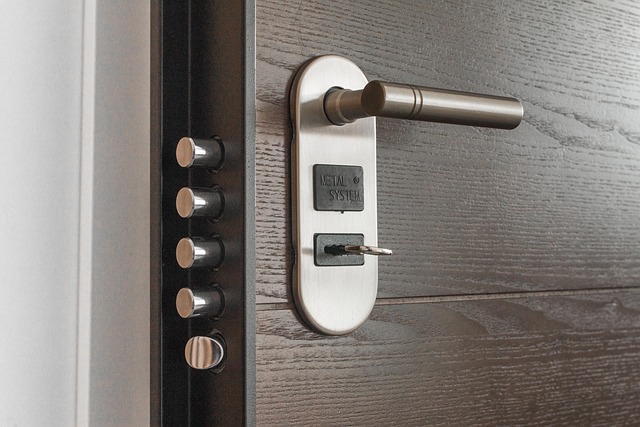
Keyless entry systems log every instance of your door being locked or unlocked along with the time, method of access, and which user profile initiated the action. This access history is stored in cloud servers and may be viewable by the device manufacturer or accessible through linked smart home platforms. Some models integrate with video doorbells and security cameras, creating a comprehensive record of who enters and exits your home. Reviewing access logs regularly and ensuring your lock’s firmware is up to date are basic but effective security habits.
Air Quality Monitor
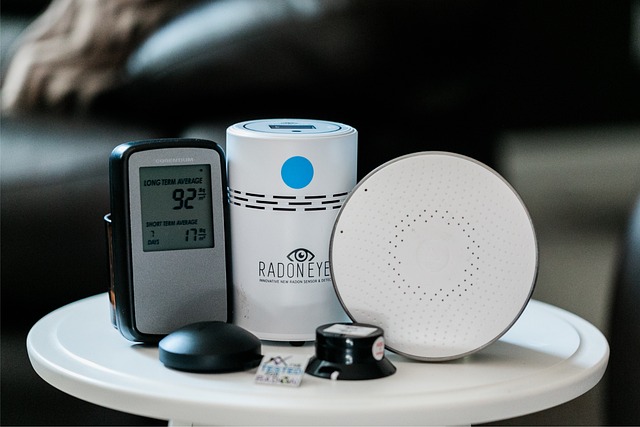
Connected air quality sensors continuously measure particulate levels, humidity, carbon dioxide concentration, and other environmental conditions inside your home. This data is transmitted to cloud platforms and may be used by manufacturers for aggregate research, shared with health-focused third parties, or used to target relevant advertising. The patterns revealed by air quality data can indirectly indicate occupancy habits and lifestyle routines in ways that may not be immediately obvious. Understanding your device’s data retention and sharing policies is worthwhile before placing one of these sensors in a private area of your home.
Smart Smoke Detector
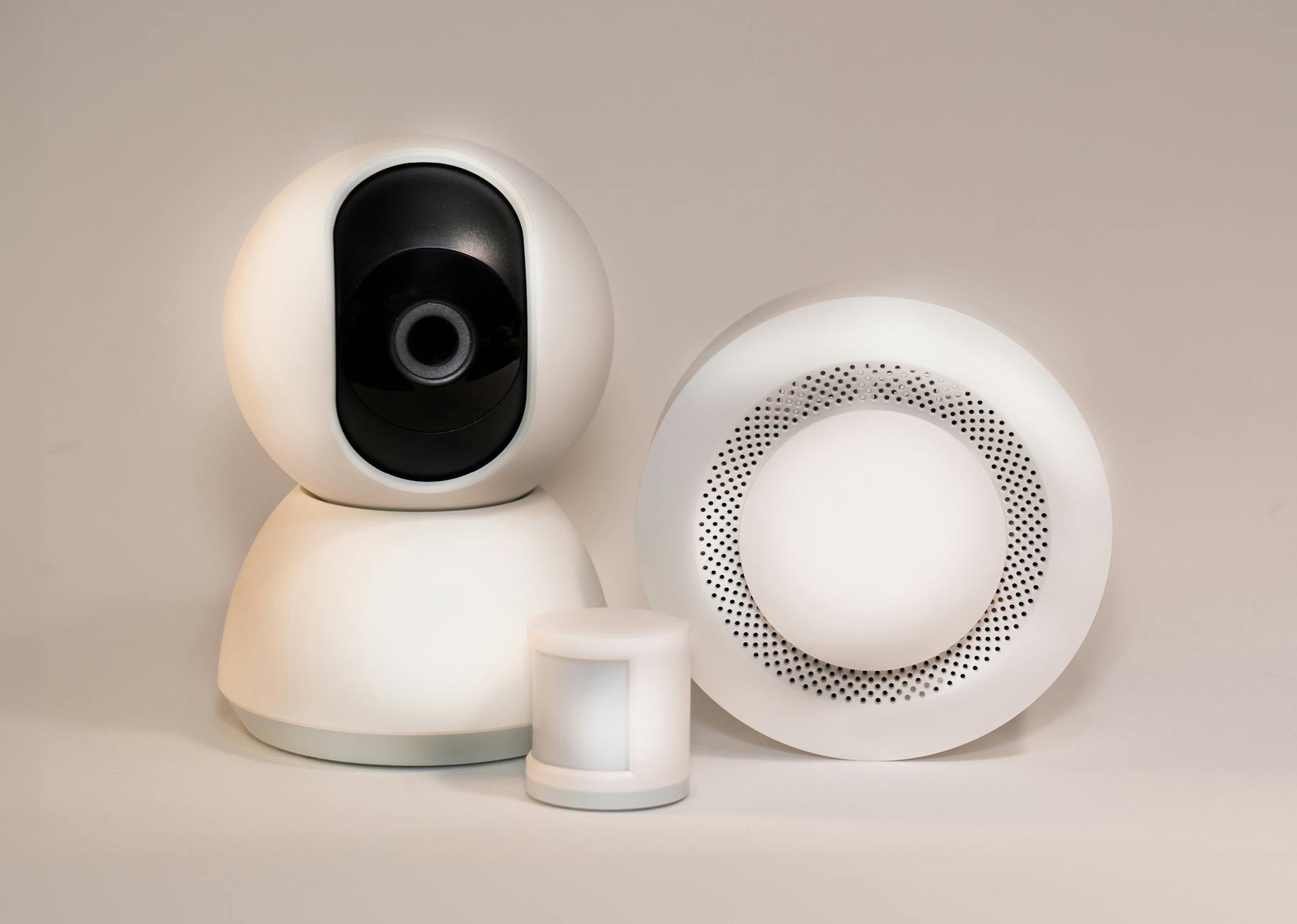
Next-generation smoke and carbon monoxide detectors do far more than sound an alarm because they also monitor occupancy, track environmental patterns, and in some cases listen for specific sounds like breaking glass or raised voices. This audio sensing technology means the device maintains a degree of ambient listening capability within your living space. Data collected by these detectors is transmitted to cloud servers and may be integrated into broader smart home profiles tied to your account. Choosing a detector with clearly stated data practices and disabling non-essential monitoring features helps strike a balance between safety and privacy.
Which of these devices surprised you the most? Share your thoughts in the comments.