Not every creature that crosses your threshold deserves eviction. Many so-called pests quietly perform vital ecological work inside and around the home, from controlling other insect populations to breaking down organic matter and improving the health of the surrounding environment. Understanding the difference between a genuinely harmful intruder and a misunderstood helper can save homeowners unnecessary stress and costly extermination efforts. The following creatures may surprise you with the quiet but meaningful contributions they make to a healthier household ecosystem.
House Centipede
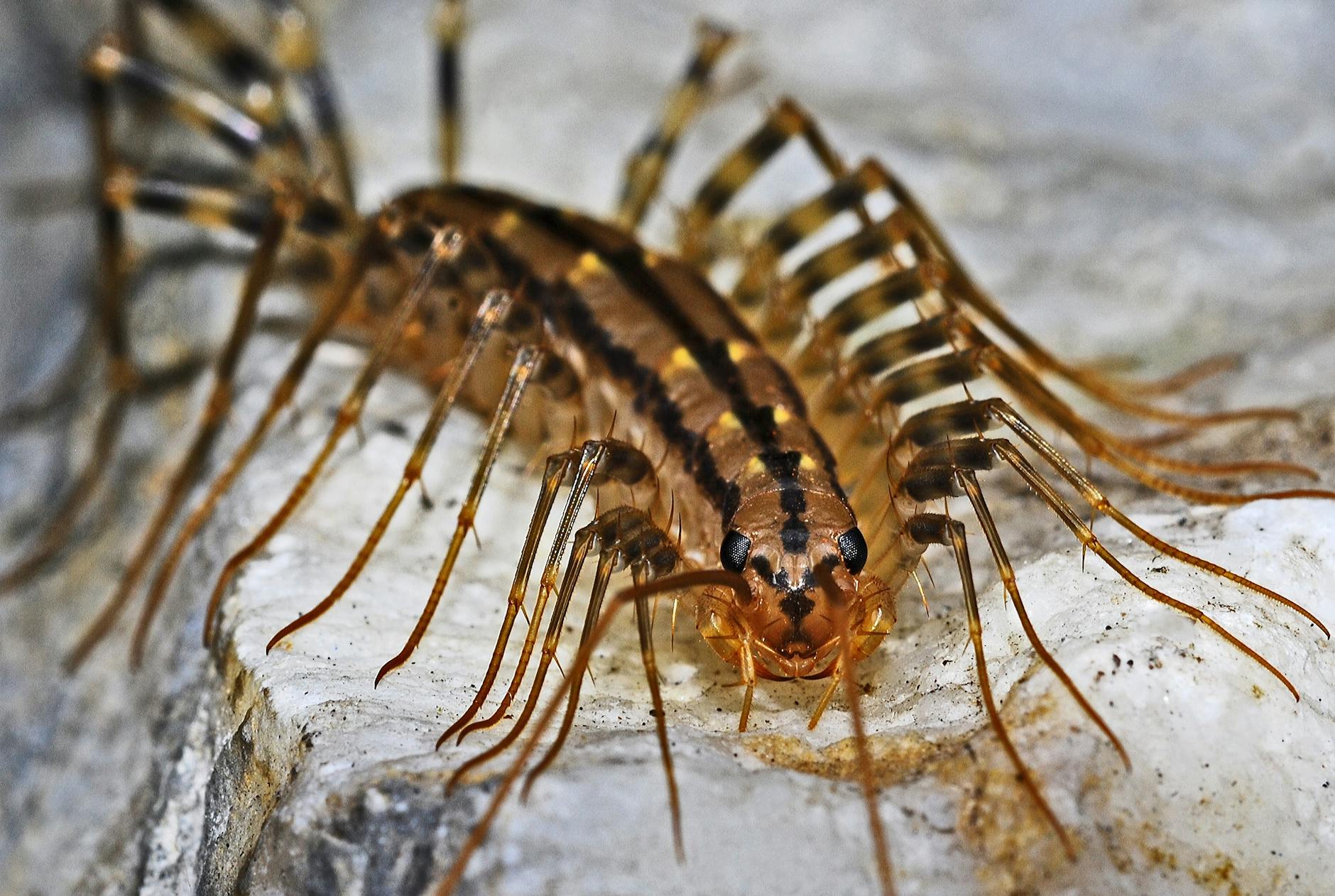
The house centipede is one of the most effective natural predators a home can have, hunting and consuming cockroaches, moths, flies, silverfish, and termites with impressive efficiency. It thrives in damp areas such as basements and bathrooms, where it patrols quietly and without the need for any human intervention. Despite its alarming appearance, it poses virtually no threat to humans and rarely bites unless directly handled with force. Its presence often signals that other unwanted insects are nearby and actively being kept in check. A home with house centipedes is, in many ways, a home with its own built-in pest control system.
Cellar Spider
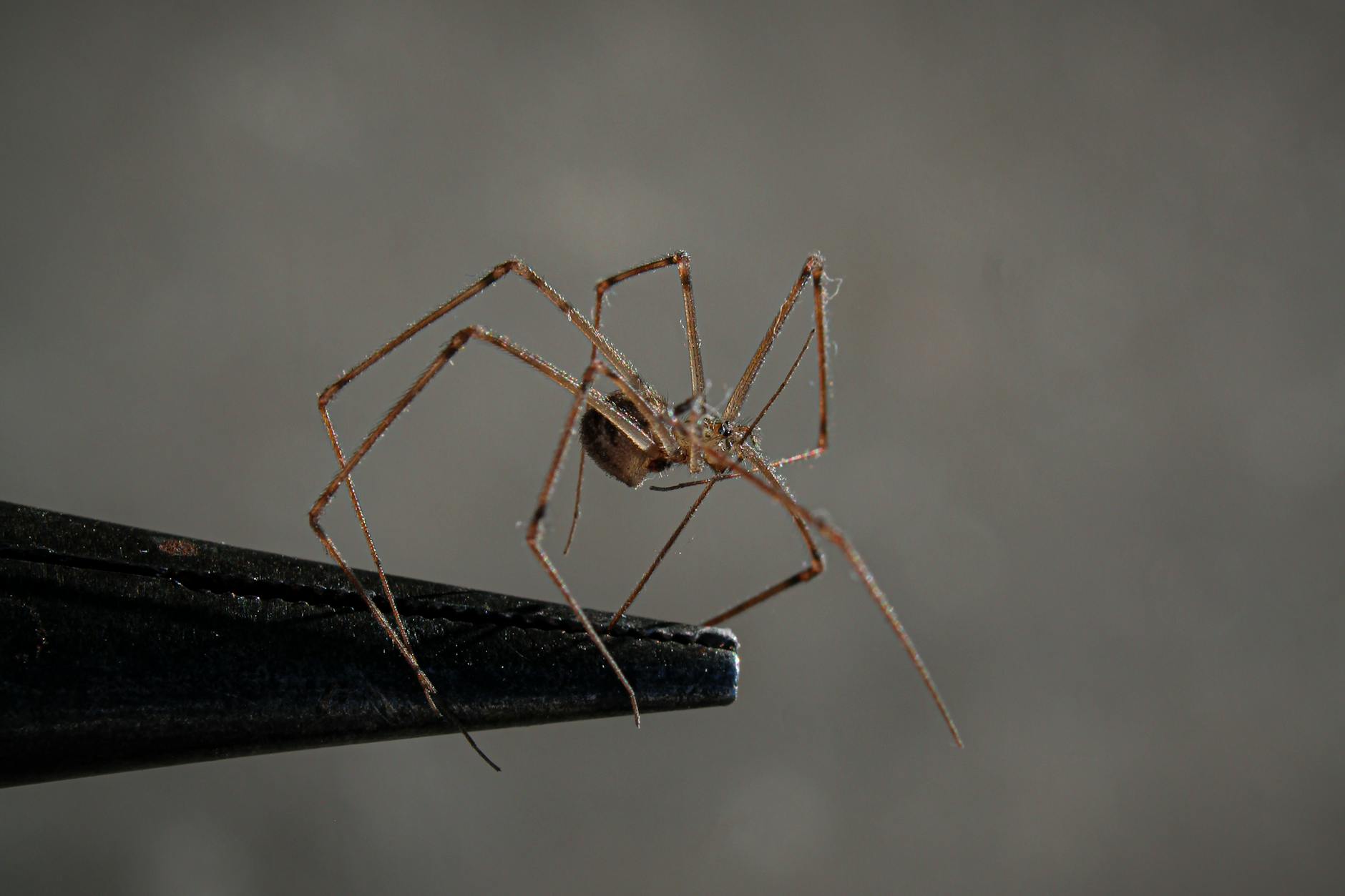
Cellar spiders, often mistaken for the more feared daddy longlegs, are gentle web builders that set up camp in corners, garages, and basements. They feed on a wide range of insects including mosquitoes, moths, and even other spiders that would otherwise be harder to eliminate. Their webs are irregular and sprawling, which may look untidy, but these structures are highly effective traps for flying and crawling insects alike. Cellar spiders are completely harmless to humans and pets, and they do not damage household surfaces or fabrics. Allowing a few to remain undisturbed can meaningfully reduce the overall insect population inside the home.
Ground Beetle
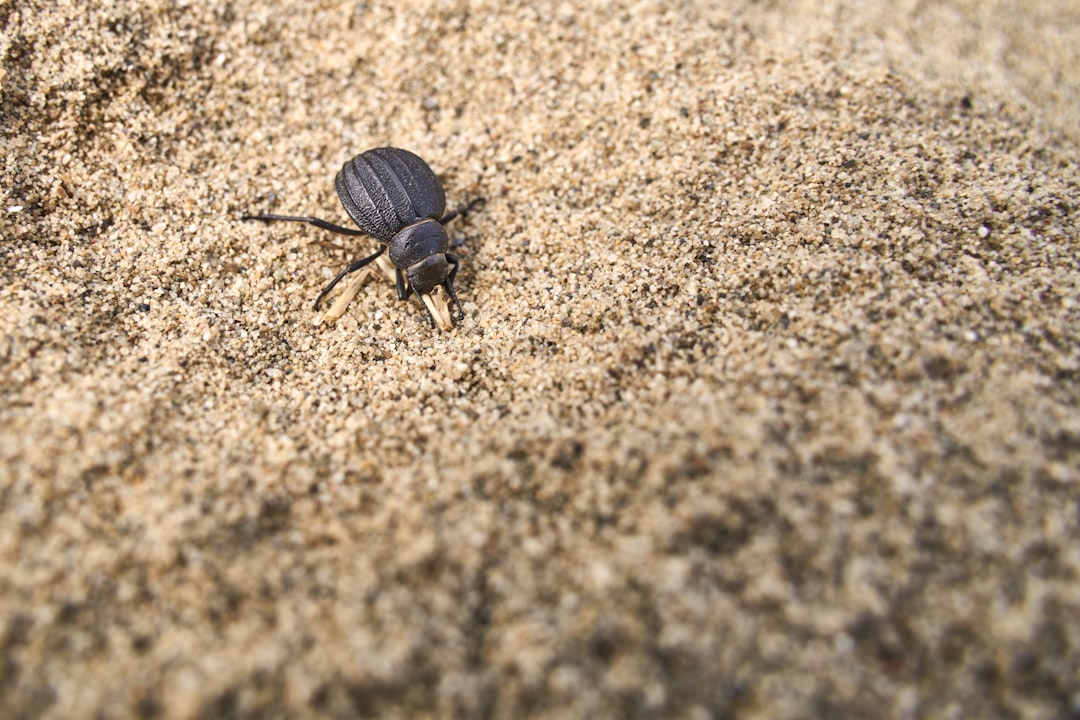
Ground beetles are nocturnal hunters that patrol garden beds, basements, and the perimeter of homes in search of prey. They feed on slugs, ants, caterpillars, and the larvae of many destructive insects that can damage lawns and garden plants. Their presence near the foundation of a house is generally a strong indicator of a healthy, balanced outdoor ecosystem. Ground beetles rarely venture deep into living spaces and prefer to stay close to soil and leaf litter where their prey is most abundant. Encouraging their presence by reducing chemical pesticide use allows them to function as a natural line of defense around the home.
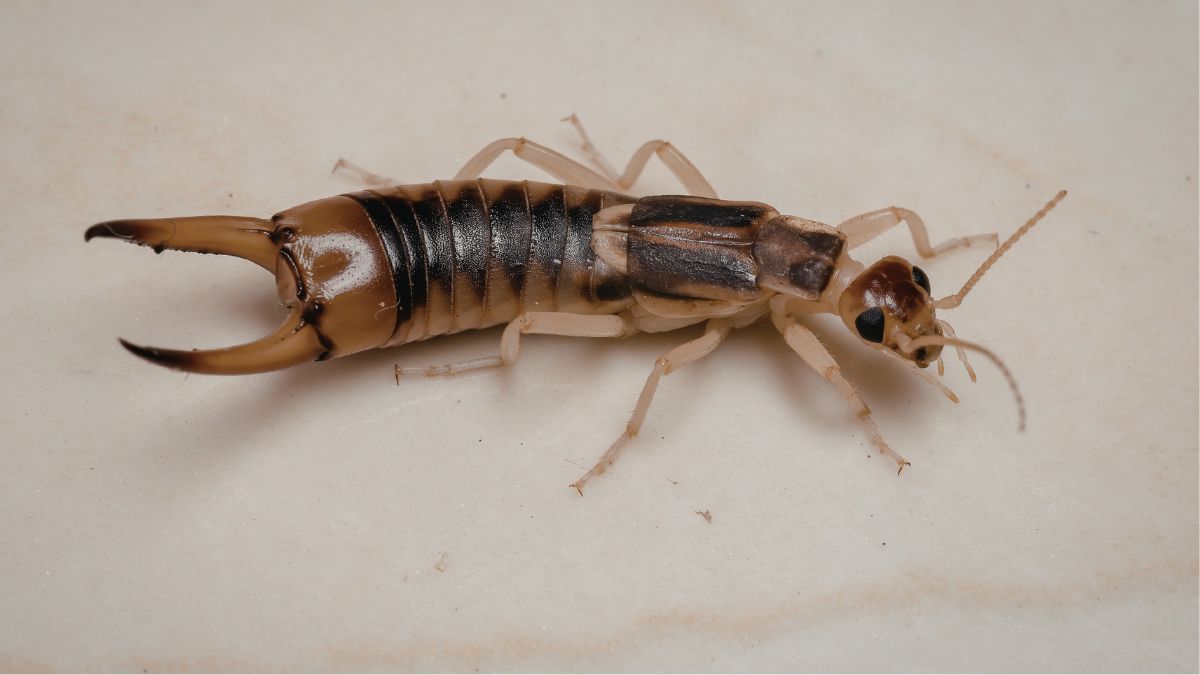
Earwig
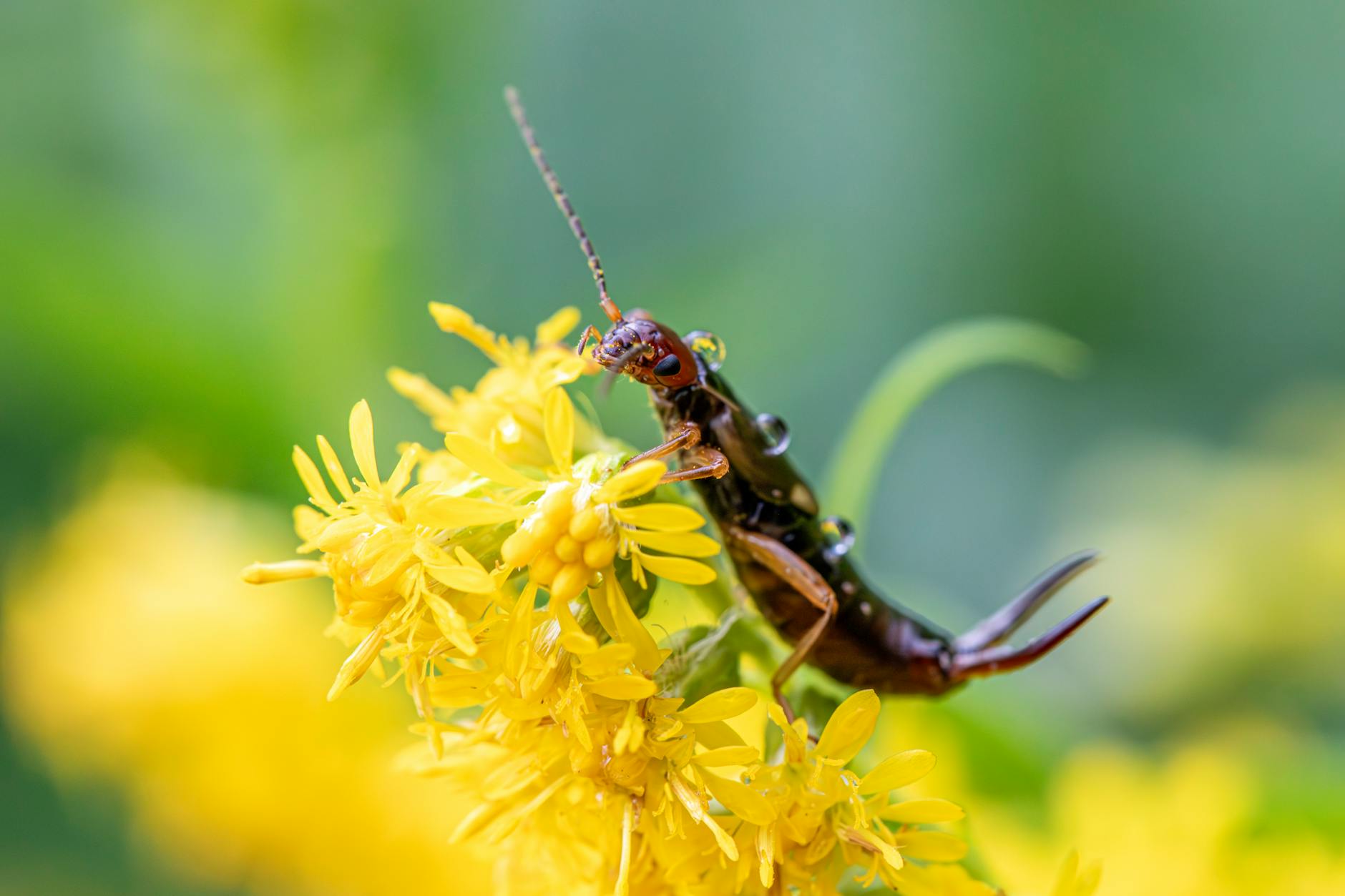
Earwigs have a reputation far worse than their actual behavior warrants, as they are primarily scavengers and predators of soft-bodied insects rather than human nuisances. They consume aphids, mites, and other garden pests that would otherwise damage flowers, herbs, and vegetable plants near the home. Earwigs are drawn to damp, dark environments and typically enter homes by accident rather than by deliberate nesting intent. Their pincers, while visually intimidating, are used for defense against other insects and are not strong enough to cause meaningful harm to human skin. When found in garden areas rather than living spaces, earwigs are best left alone to continue their quiet pest management work.
Silverfish
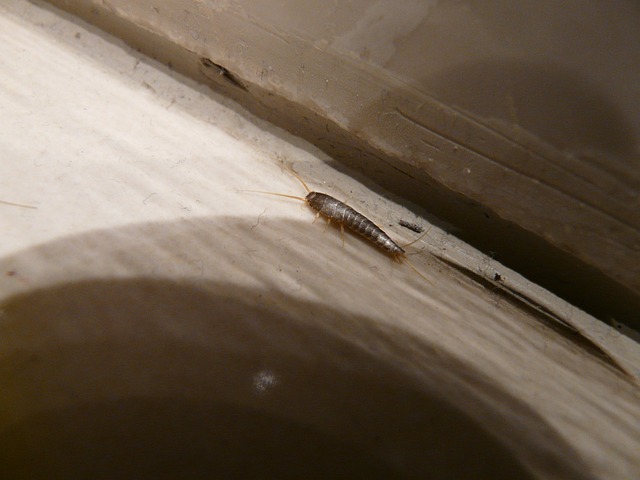
Silverfish may seem like unwelcome guests, but they play a modest role in breaking down and consuming organic debris such as dead insects, mold, and decaying plant matter found in humid corners of the home. They are particularly useful in spaces where moisture encourages the buildup of fungi and mildew, as they consume these materials as part of their diet. Silverfish are entirely non-venomous and do not carry or transmit diseases that affect humans or pets. Their presence in small numbers is often more of an indicator of excess humidity than of any serious infestation requiring intervention. Addressing moisture issues typically reduces their numbers naturally without the need for chemical treatments.
Daddy Longlegs
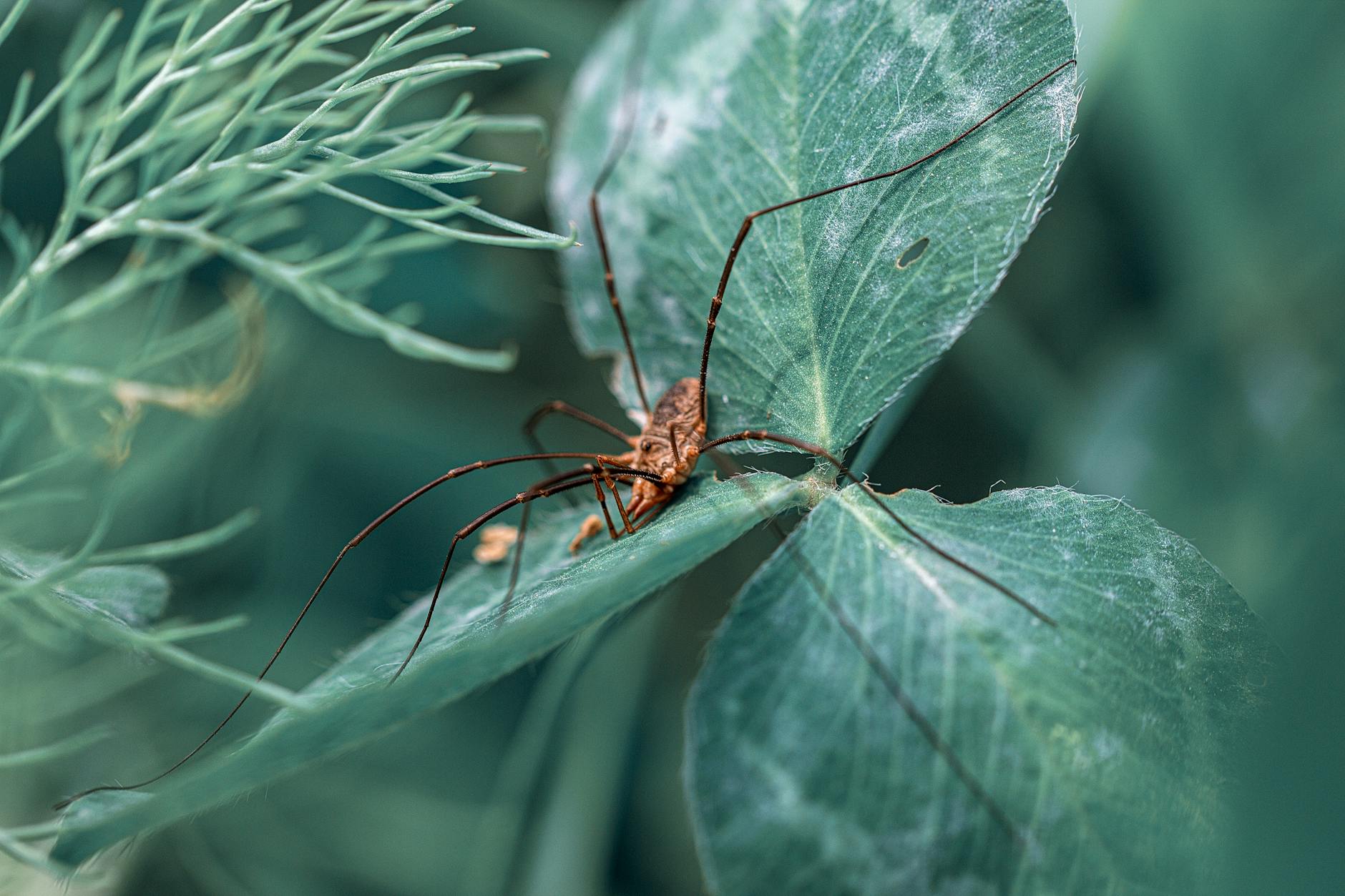
Daddy longlegs, technically known as harvestmen, are arachnids that feed on decomposing organic matter, plant material, fungi, and small insects found in and around the home. Unlike true spiders, they do not spin webs or inject venom, making them entirely passive and harmless to humans. Their feeding habits help break down dead organic material in garden areas, which in turn contributes to healthier soil composition near the home’s exterior. They are often found in leaf piles, under rocks, and in damp corners of garages where organic debris accumulates. Their role as decomposers makes them quiet but valuable contributors to the ecological balance around the household.
Lacewing
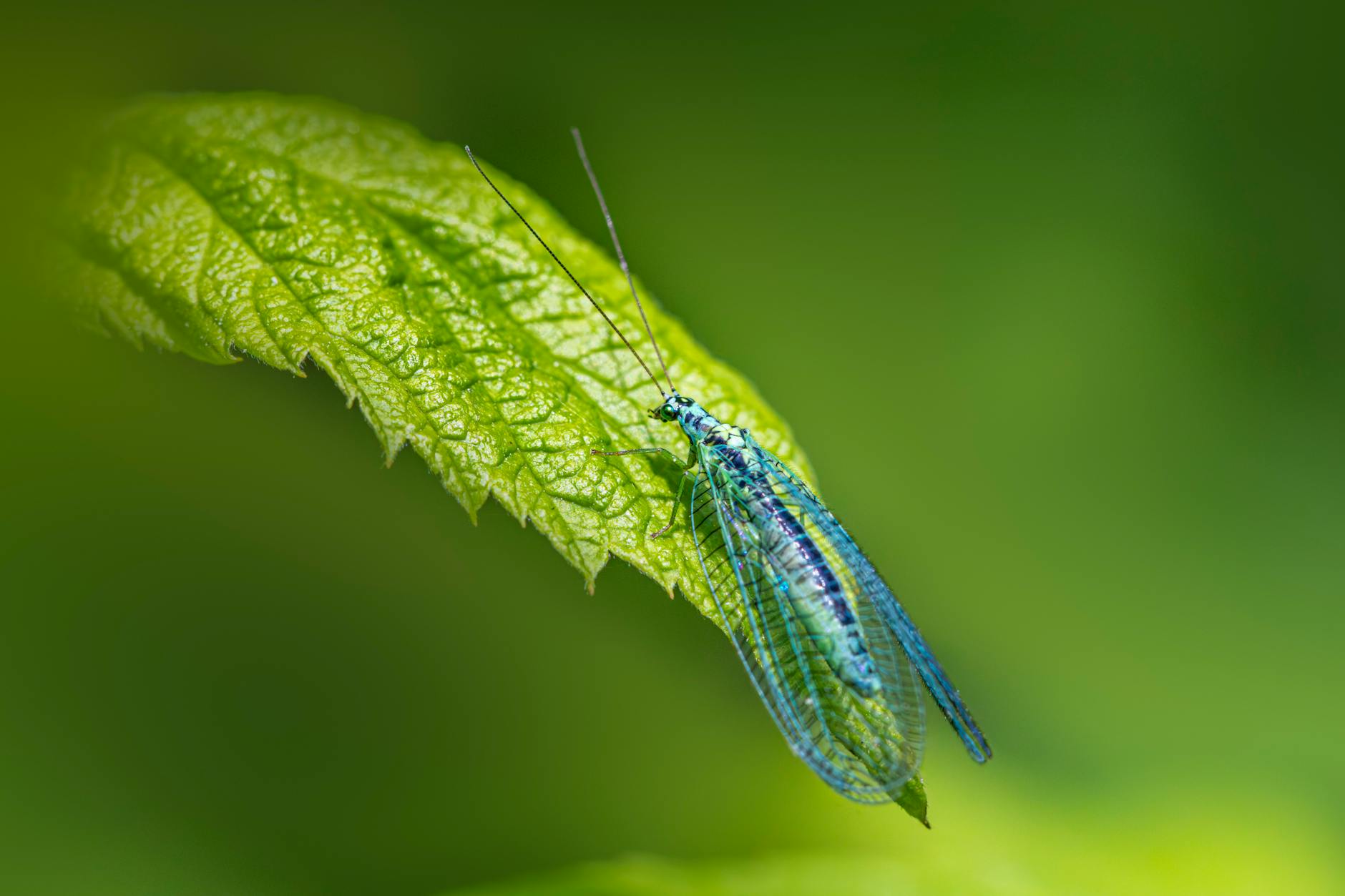
Lacewings are delicate, green-winged insects whose larvae are among the most voracious predators of common garden and household pests. In their larval stage, they consume aphids, thrips, whiteflies, mites, and small caterpillars at a remarkable rate, earning them the nickname “aphid lions” in horticultural circles. Adult lacewings are attracted to outdoor lighting and may enter homes accidentally, but they cause no damage and do not bite or sting. Their eggs are laid near colonies of their prey, making them a highly targeted and efficient form of natural pest control. Gardeners and homeowners who avoid broad-spectrum insecticides benefit most from the presence of lacewings near the property.
Rove Beetle
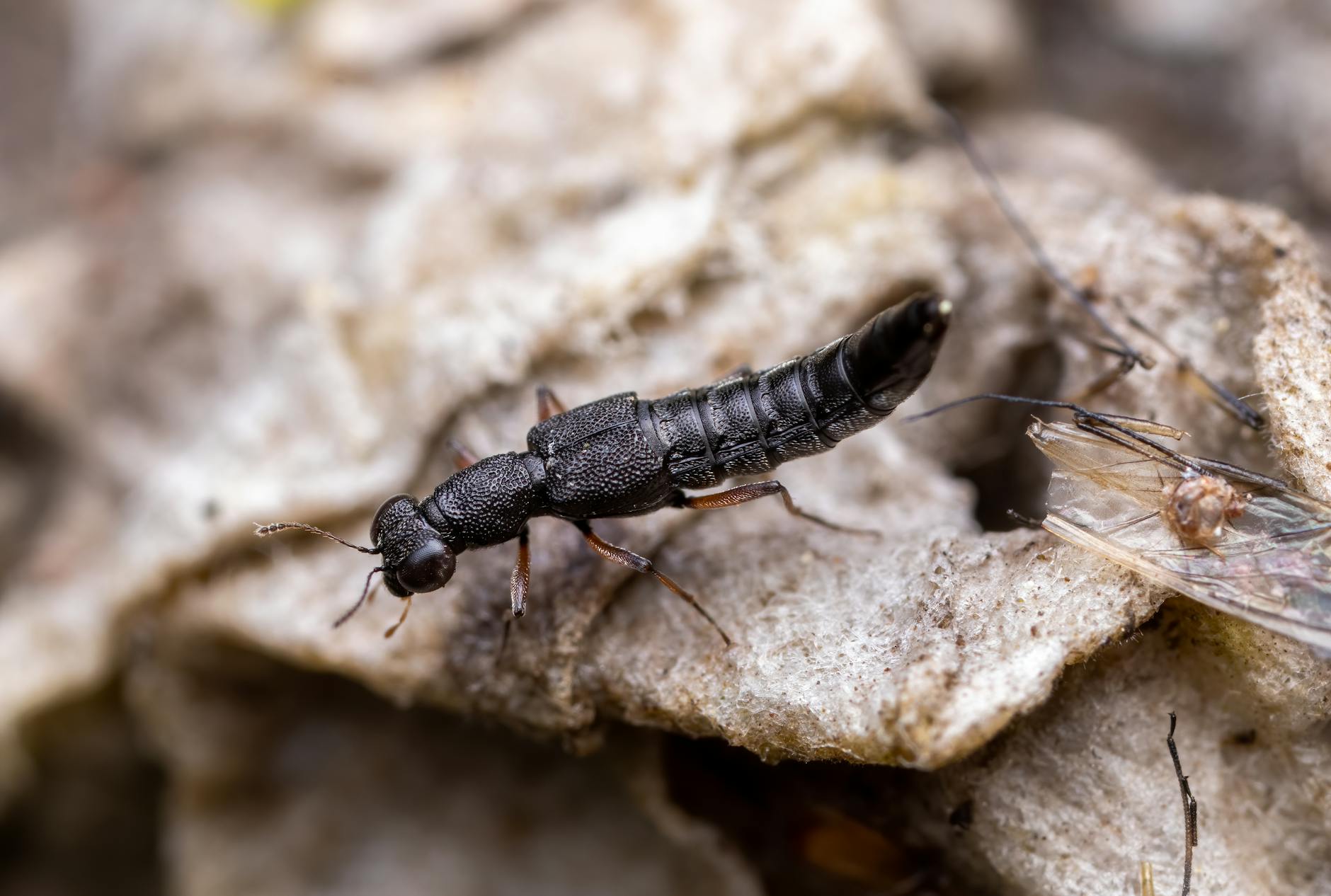
Rove beetles are small, fast-moving insects commonly found in compost heaps, garden soil, and occasionally in basements or storage areas adjacent to outdoor spaces. They are predatory insects that hunt and consume fly larvae, mites, nematodes, and the eggs of other pest insects that breed in organic matter. Their elongated bodies and upturned abdomens give them an unusual appearance, but they are completely harmless to humans and household pets. Rove beetles are particularly valuable near compost bins and vegetable gardens, where they actively suppress populations of harmful soil-dwelling pests. Their presence in these zones is widely considered a marker of a thriving and biologically active garden environment.
Parasitic Wasp
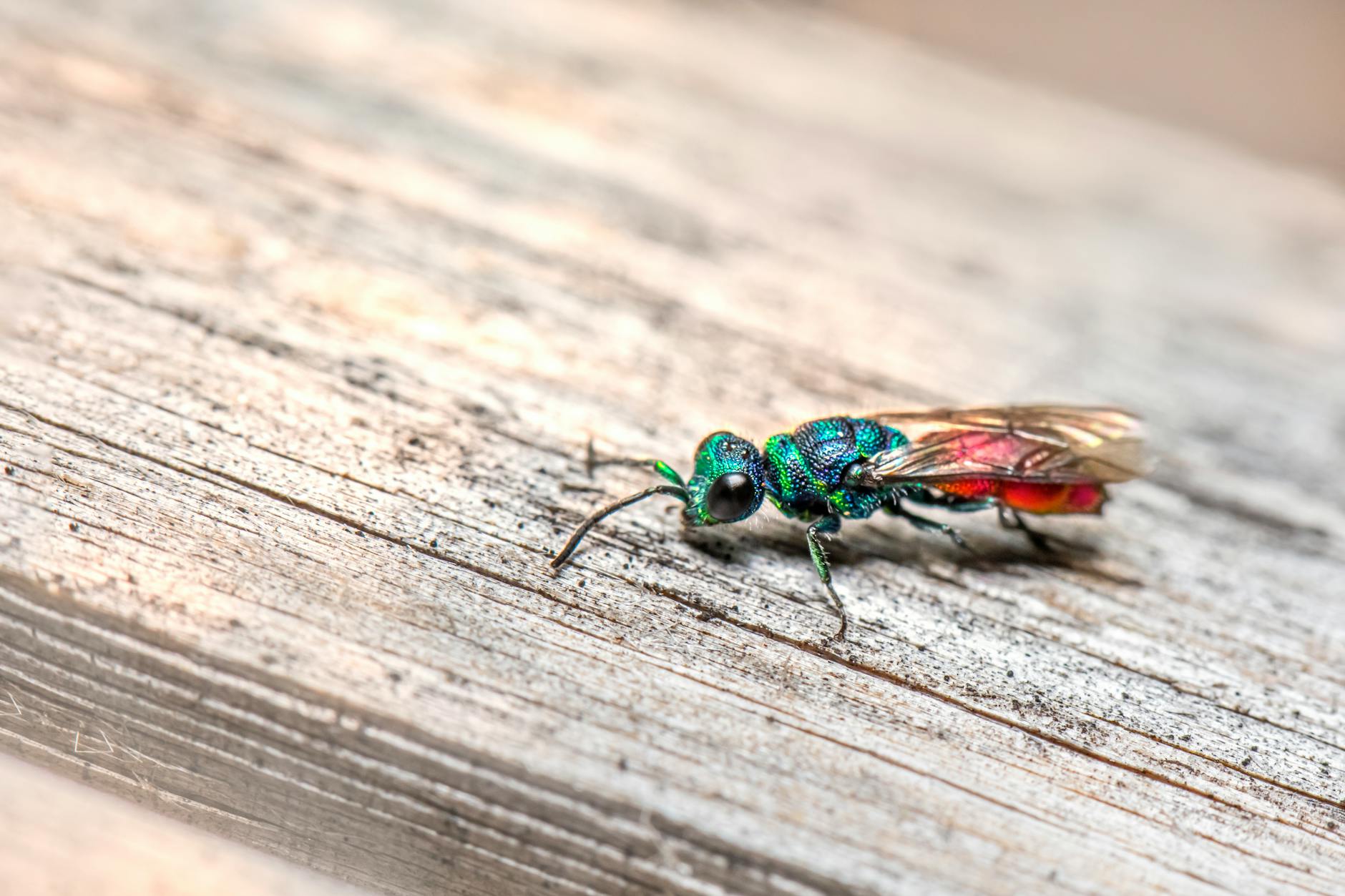
Parasitic wasps are tiny, non-stinging insects that play an extraordinary role in controlling the populations of caterpillars, aphids, whiteflies, and other plant-destroying pests around the home. Unlike their larger, more aggressive wasp relatives, parasitic wasps are docile, rarely interact with humans, and pose no threat whatsoever in terms of stings or bites. They lay their eggs inside or on the bodies of host insects, and their larvae consume the host from within, effectively eliminating the pest before it can mature and reproduce. Many species are so small they go entirely unnoticed by homeowners while doing significant ecological work in garden beds and around the property. Organic gardeners frequently encourage their presence as a cornerstone of chemical-free pest management strategies.
Robber Fly
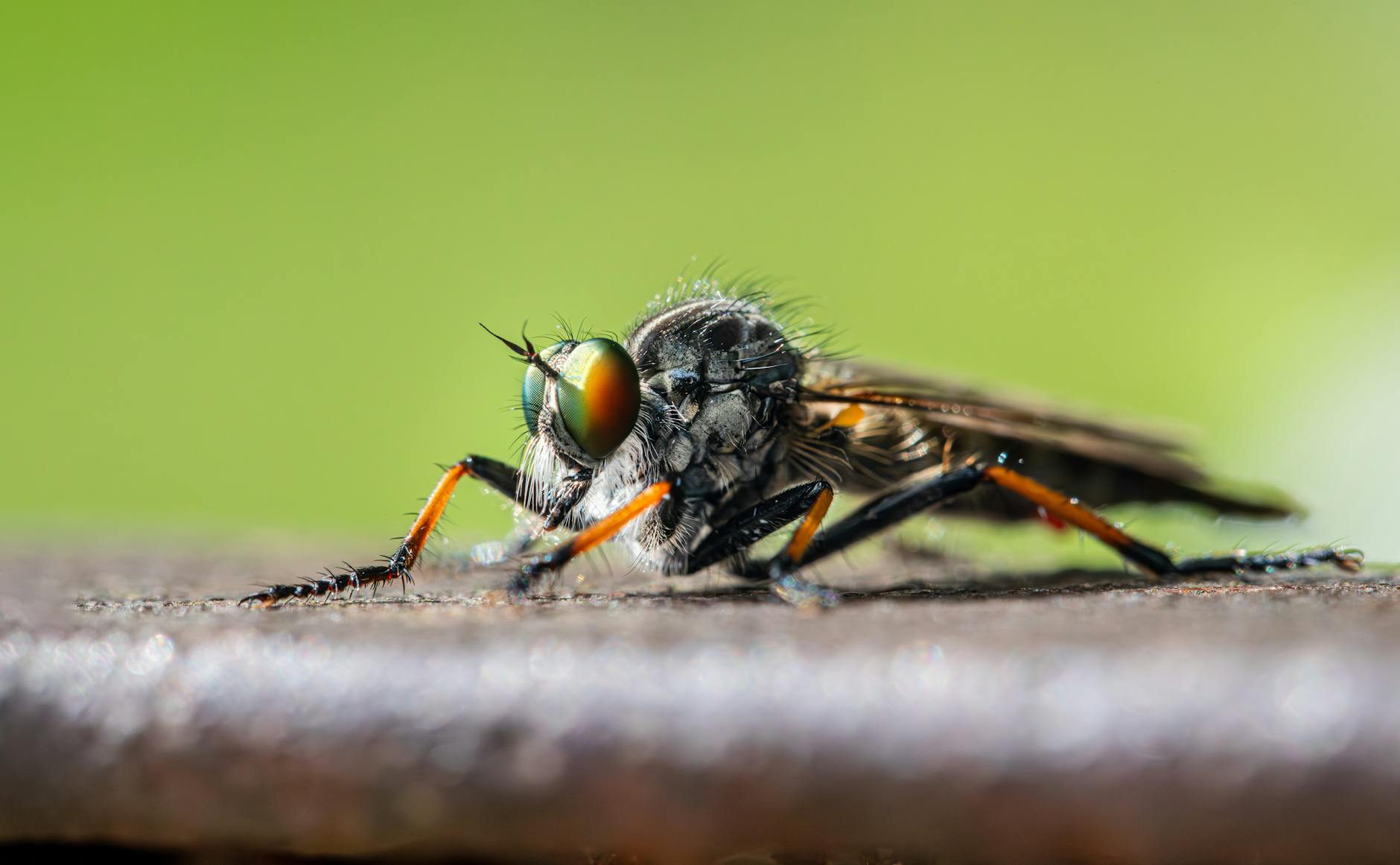
Robber flies are swift, predatory insects that resemble large houseflies but are in fact formidable hunters of beetles, grasshoppers, wasps, and other flying insects that can cause problems around the home and garden. They capture prey mid-air with exceptional speed and inject a paralyzing saliva before consuming the insect entirely. While their appearance can be startling due to their size and bristly bodies, robber flies are not aggressive toward humans and only bite if physically restrained. Their hunting activity is concentrated outdoors, particularly in sunny garden areas, near woodpiles, and along the perimeters of lawns. A robber fly presence near the home is a reliable sign of a rich insect ecosystem being actively regulated.
Pseudoscorpion
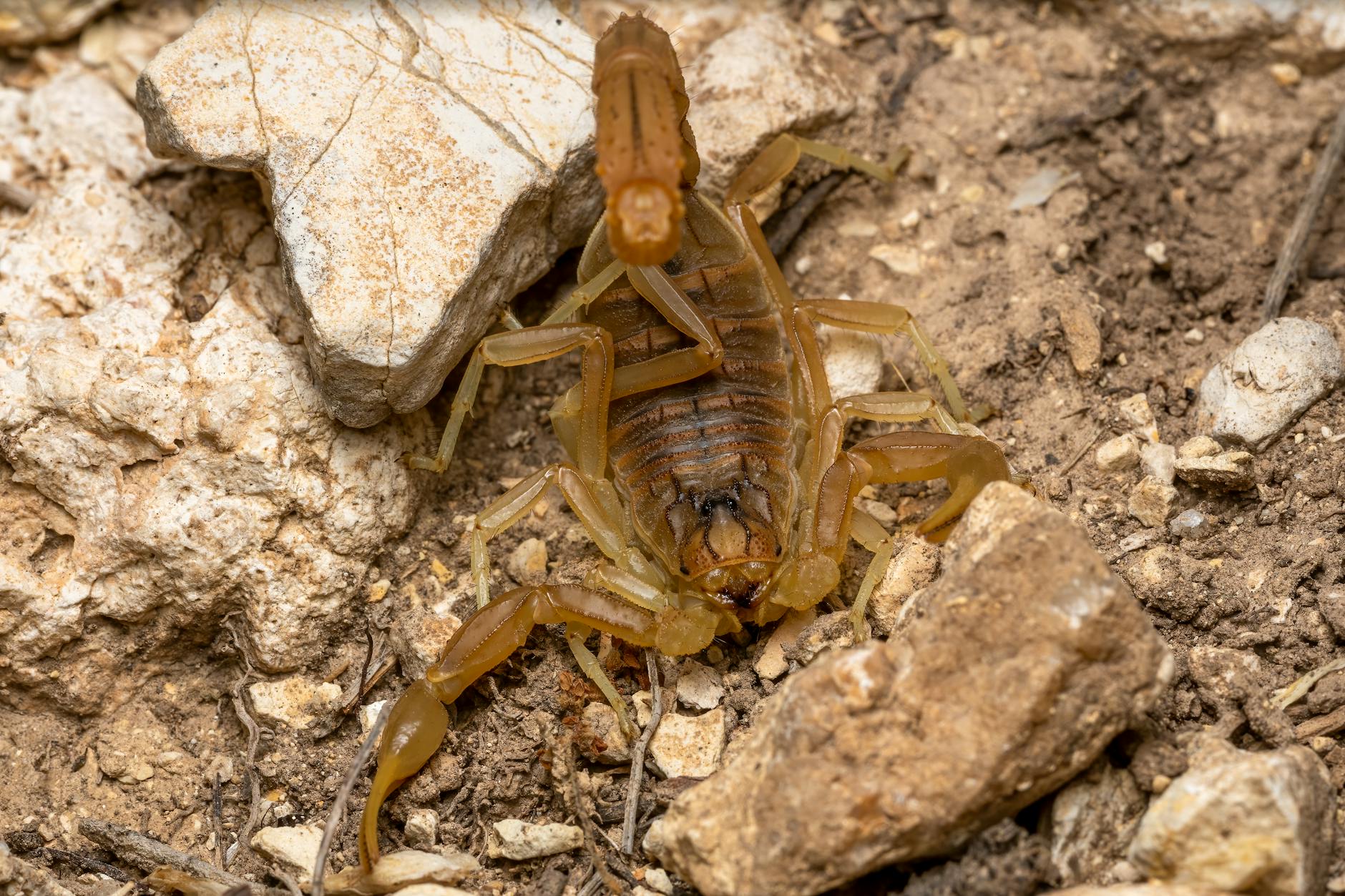
Pseudoscorpions are tiny arachnids, rarely exceeding a few millimeters in size, that are commonly found in leaf litter, soil, book piles, and the crevices of older homes. Despite their scorpion-like claws, they are completely harmless to humans and lack both a stinger and venom capable of affecting people or pets. They feed on mites, booklice, ants, and small flies, making them particularly valuable in homes where book collections or stored organic materials attract these nuisance insects. Pseudoscorpions are solitary, slow-reproducing, and rarely visible to the naked eye, meaning most homeowners never even realize they are present. Their quiet, undetectable work makes them one of the most underappreciated natural pest controllers in any household.
Millipede
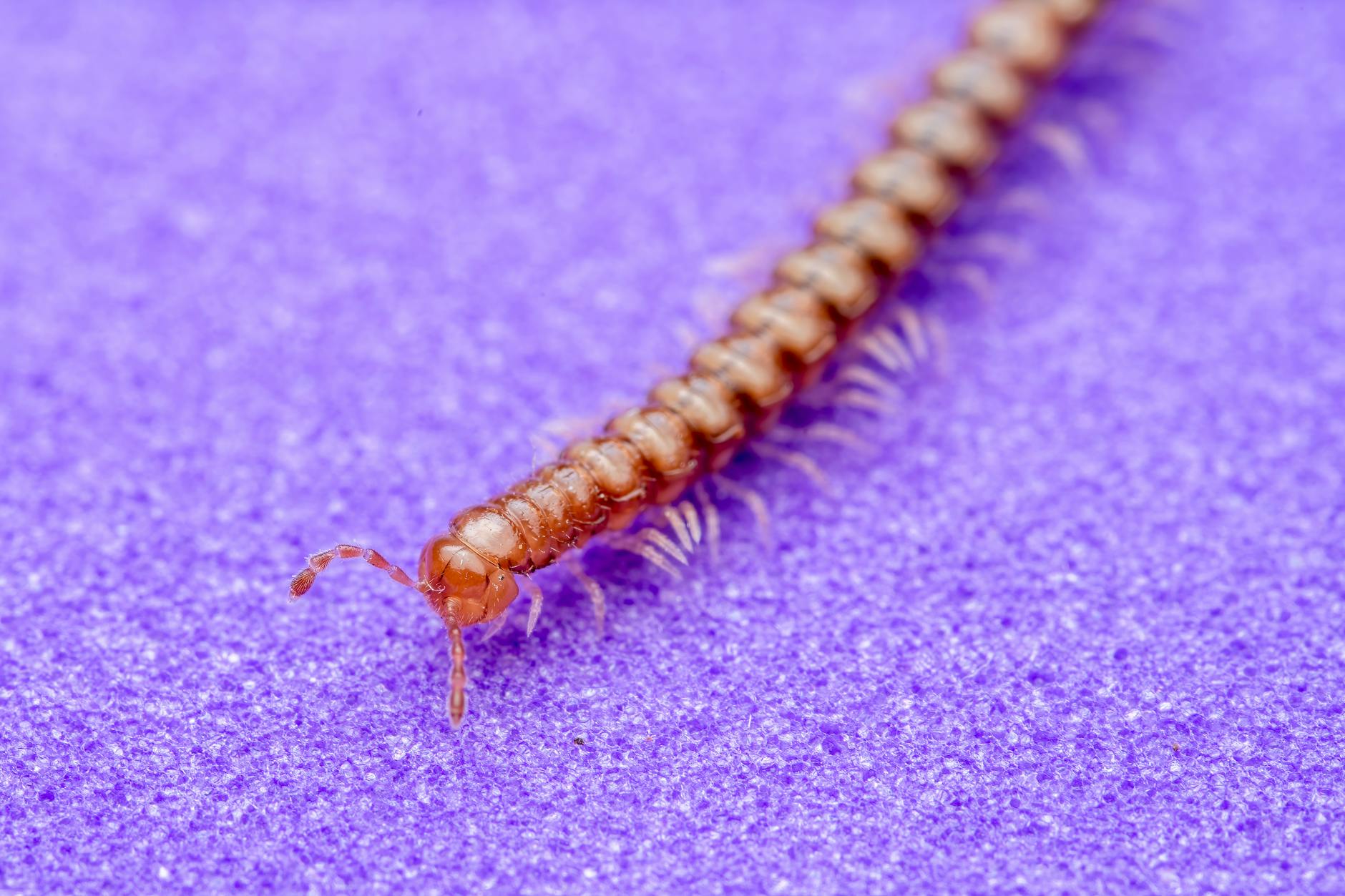
Millipedes are decomposers that feed primarily on decaying wood, fallen leaves, dead plant matter, and fungi found in damp areas around the home’s exterior. They play a meaningful role in breaking down organic debris into nutrient-rich material that improves the health and quality of garden soil. Millipedes are slow-moving, non-aggressive, and entirely incapable of biting or stinging humans, making them one of the least threatening multi-legged creatures found near residential properties. They are most commonly encountered in mulched garden beds, under logs, and in basements where moisture levels are elevated. Their presence in small numbers is generally a positive ecological signal rather than a cause for concern or intervention.
Ichneumon Wasp
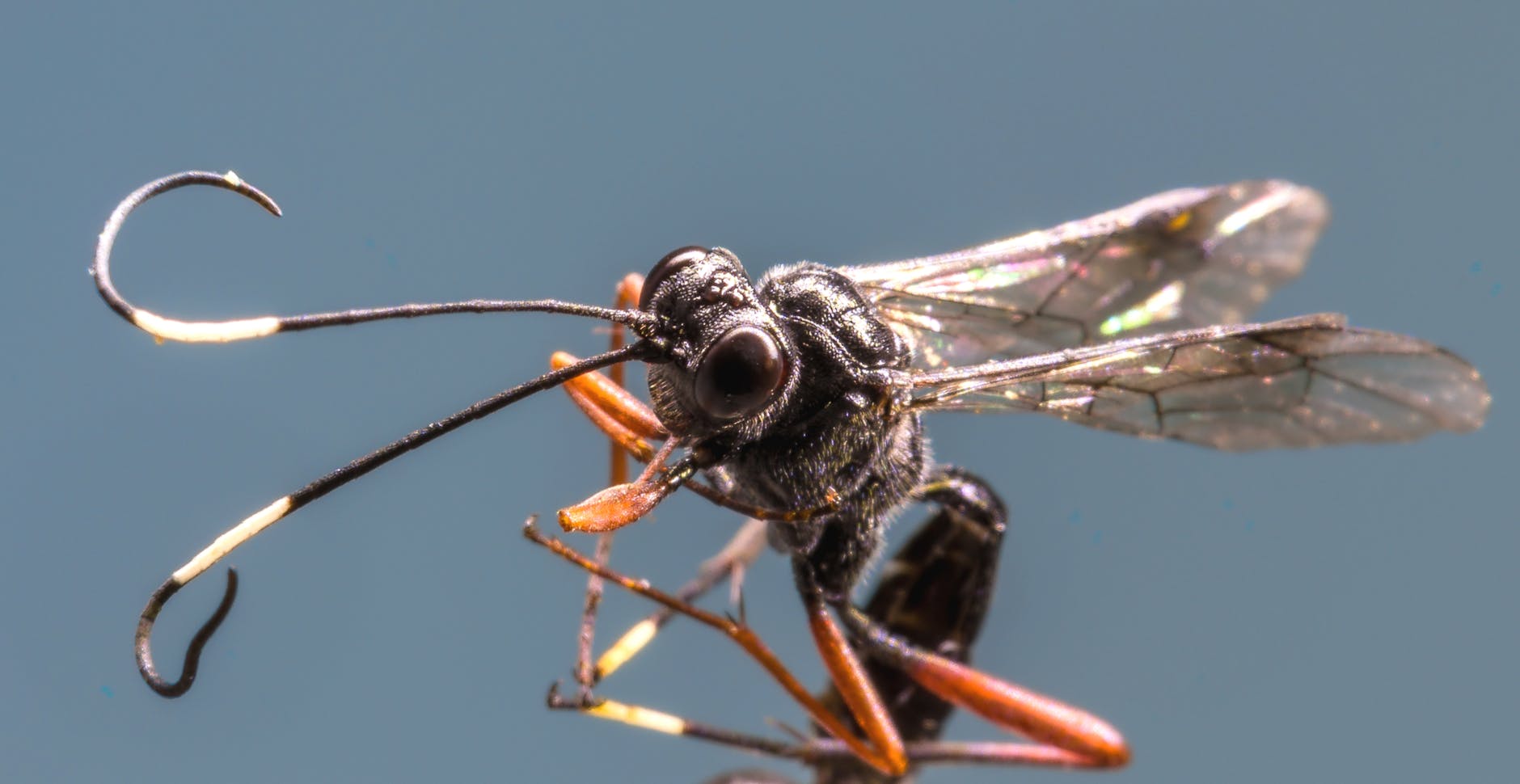
The ichneumon wasp is a large but non-aggressive parasitic wasp species that targets wood-boring beetles, moth larvae, and other destructive insects that can cause structural damage to trees and wooden elements of a property. Females use their long, drill-like ovipositors to lay eggs deep inside wood where host larvae are concealed, a process that can look alarming but poses no danger to humans whatsoever. Despite their intimidating size, ichneumon wasps do not sting people and are entirely focused on locating suitable hosts for reproduction. They are most active in wooded garden areas and near mature trees, where populations of wood-boring insects tend to concentrate. Their presence near a property with mature trees or wooden structures is an ecologically valuable natural check on pest species that are otherwise difficult to control.
Soldier Beetle
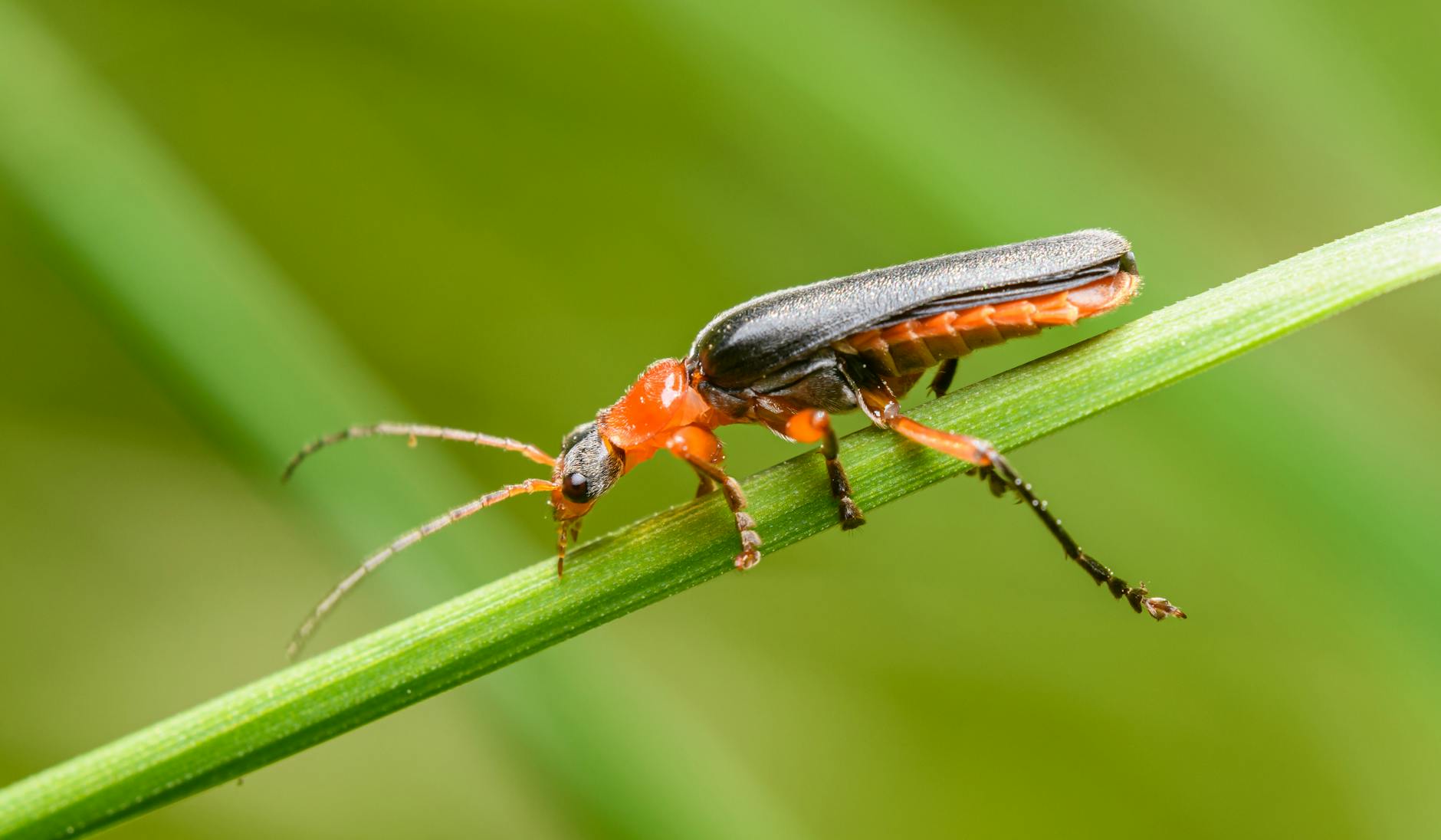
Soldier beetles are soft-bodied, brightly colored beetles often seen resting on flowers during late summer, where they feed on nectar and pollen while simultaneously preying on aphids, caterpillar eggs, and other soft-bodied garden pests. Their dual role as both pollinator and predator makes them one of the most ecologically useful insects that can be found near a home garden. They are harmless to humans and do not bite, sting, or damage plants, household structures, or fabrics in any way. Soldier beetles are particularly attracted to flowering plants such as goldenrod, fennel, and milkweed, making pollinator-friendly gardens a natural habitat for them. Encouraging their presence through thoughtful planting choices benefits the entire garden ecosystem without any intervention or maintenance required.
Wolf Spider
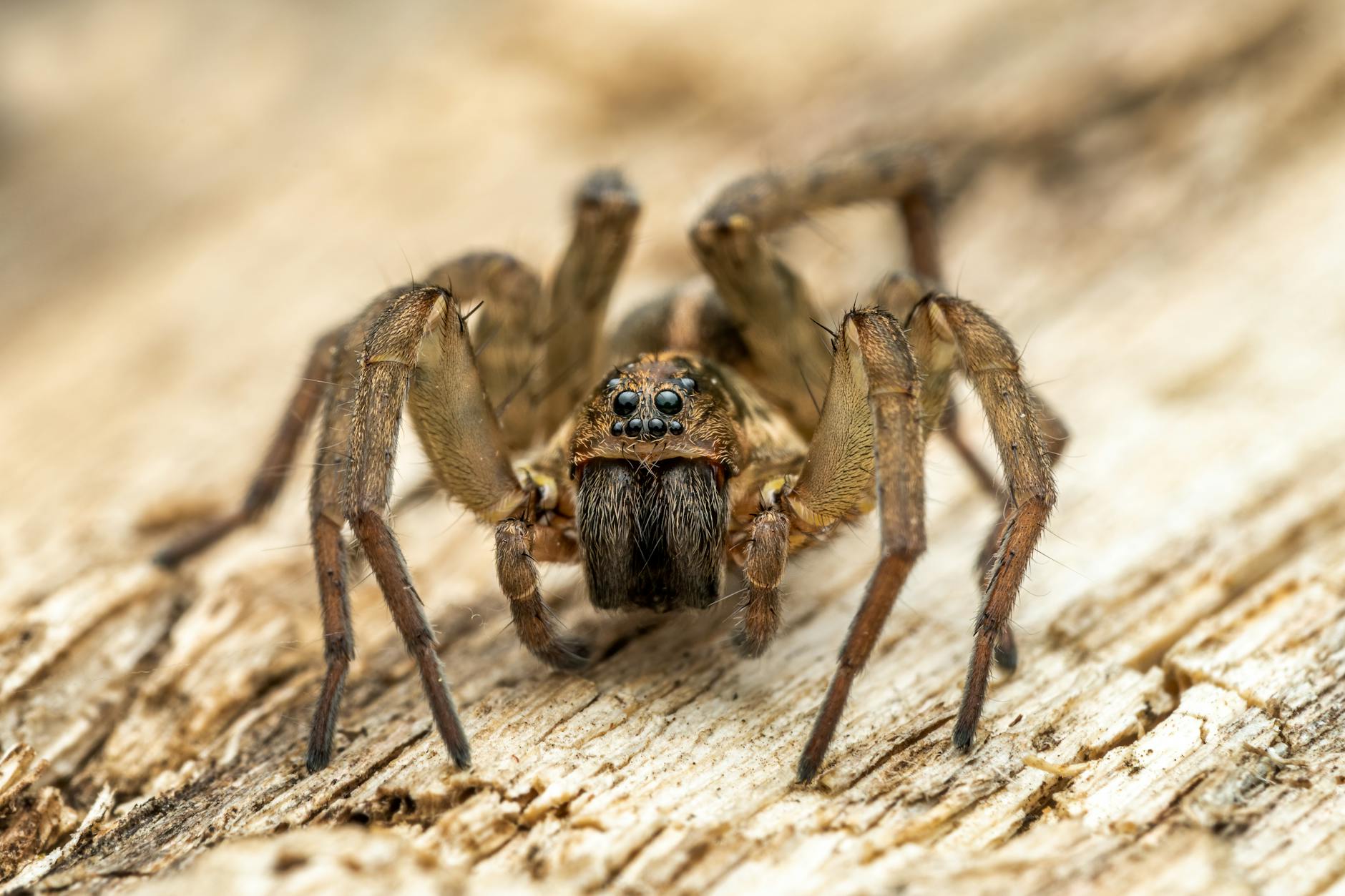
Wolf spiders are large, fast-moving hunters that do not spin webs but instead actively stalk and chase down their prey across floors, garden beds, and the perimeter of the home. They feed on a broad range of insects including cockroaches, crickets, ants, and other spiders, making them highly effective at keeping pest populations in check both indoors and outdoors. While their size and speed can startle homeowners, wolf spiders are not aggressive and will only bite as a last resort when directly threatened or trapped. Their venom is mild and comparable in effect to a bee sting for most healthy adults, and they show no interest in human interaction under ordinary circumstances. A wolf spider patrolling the corners of a basement or garage is quietly eliminating a wide range of insects that would otherwise multiply unchecked.
Which of these surprising household allies do you find most fascinating? Share your thoughts in the comments.