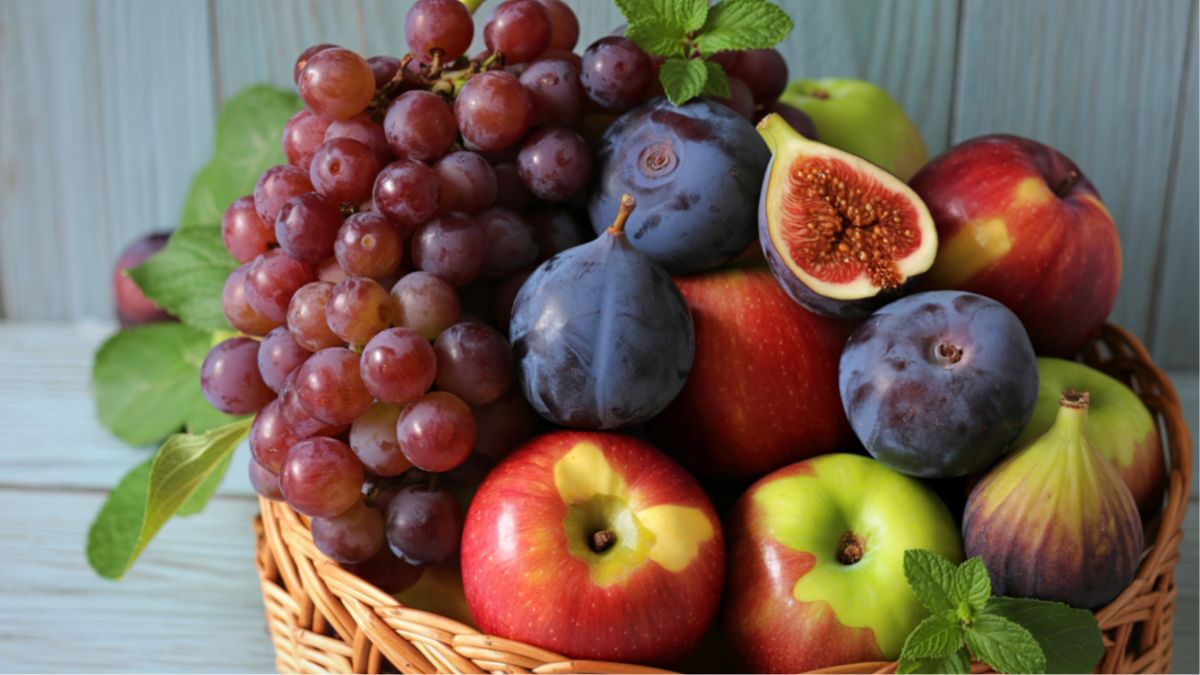
Fruits and vegetables have been cornerstones of healthy eating advice for decades, yet a surprising number of people are still fuzzy on what the actual daily target looks like. The guidance from major health organizations is not just a general nudge toward eating more greens — it is rooted in decades of research demonstrating that regular consumption of plant-based foods can meaningfully reduce the risk of chronic illness and support long-term wellbeing. Understanding exactly what experts recommend, and why, can make it much easier to build habits that stick.
According to the World Health Organization and the Food and Agriculture Organization, adults should aim to eat at least 14 ounces of fruit and vegetables combined every single day. This recommendation is often simplified into the popular shorthand of “five servings a day,” a phrase that has become familiar on nutrition labels and public health campaigns alike. The five-a-day rule has been around long enough that many people assume they already know what it means, but the specifics can be surprisingly easy to misinterpret.
One serving is generally around three ounces, which translates into more approachable real-world portions than most people expect. A single medium apple counts as one serving, as does a cup of chopped raw vegetables, a small handful of berries, or half a cup of cooked broccoli or spinach. The goal, then, is not to sit down to five large salads or spend an hour preparing elaborate vegetable-forward meals. It is simply about distributing those small amounts across the day in a way that feels natural and manageable.
Spreading intake across all meals and snacks makes hitting the target considerably easier than treating it as a task to complete in one sitting. A handful of spinach folded into a morning omelet, a few slices of tomato in a lunchtime sandwich, an apple grabbed as an afternoon snack, a cup of roasted broccoli alongside dinner, and a small bowl of blueberries for dessert — that combination alone clears the daily bar with room to spare. When thought of that way, five servings starts to feel less like a dietary obligation and more like a natural rhythm.
Many nutrition experts are quick to point out that variety matters just as much as quantity. Different fruits and vegetables bring different vitamins, minerals, fiber types, and antioxidants to the table, which is why a diet built around a range of colors and textures tends to outperform one that leans heavily on just one or two favorites. Dark leafy greens offer different protective compounds than bright orange produce, which differs again from the polyphenols found in berries or cruciferous vegetables like cauliflower and Brussels sprouts. Rotating through a wide selection throughout the week is one of the simplest upgrades anyone can make to their diet.
The health case for hitting that 14-ounce daily benchmark is well established across a wide body of research. Diets rich in plant-based foods have been consistently linked to reduced rates of cardiovascular disease, high blood pressure, certain cancers, and metabolic disorders. Much of this protective effect comes down to the combination of fiber, vitamins, minerals, and plant compounds working together in ways that isolated supplements simply cannot replicate. Fiber alone contributes to digestive health, more stable blood sugar, and a longer-lasting sense of fullness after meals.
Because fruits and vegetables tend to be low in calories while still being satisfying, they also play a practical role in maintaining a healthy weight over time. Replacing higher-calorie snacks with produce, or simply adding more vegetables to existing meals, can shift the overall nutritional profile of a diet without requiring dramatic or difficult changes. Experts frequently emphasize that even a modest increase in produce intake carries measurable benefits, meaning people who currently eat very little of either do not need to overhaul everything at once. Adding just one or two additional servings per day can already move the needle in a positive direction.
The most practical strategy is also the simplest one: make fruit and vegetables a predictable presence at every meal rather than an afterthought. Tossing extra vegetables into soups, stews, grain bowls, and sandwiches is one of the lowest-effort ways to increase daily intake without requiring much additional planning. The overall goal is not perfection on any given day but consistency over time, and even small, repeated choices in the direction of more produce add up to meaningful long-term gains.
The “five a day” campaign was actually pioneered in California in 1988 before being adopted by the National Cancer Institute, making it one of the longest-running public nutrition messaging efforts in American history. Tomatoes, technically a fruit from a botanical standpoint, are the most consumed “vegetable” in the United States, with Americans eating roughly 18 pounds per person each year. And while fresh is often considered the gold standard, frozen fruits and vegetables are picked and flash-frozen at peak ripeness, meaning their nutrient content is frequently on par with — and sometimes higher than — their fresh counterparts sitting on store shelves.
What does your daily produce routine look like, and do you find it easy or challenging to hit five servings? Share your thoughts in the comments.