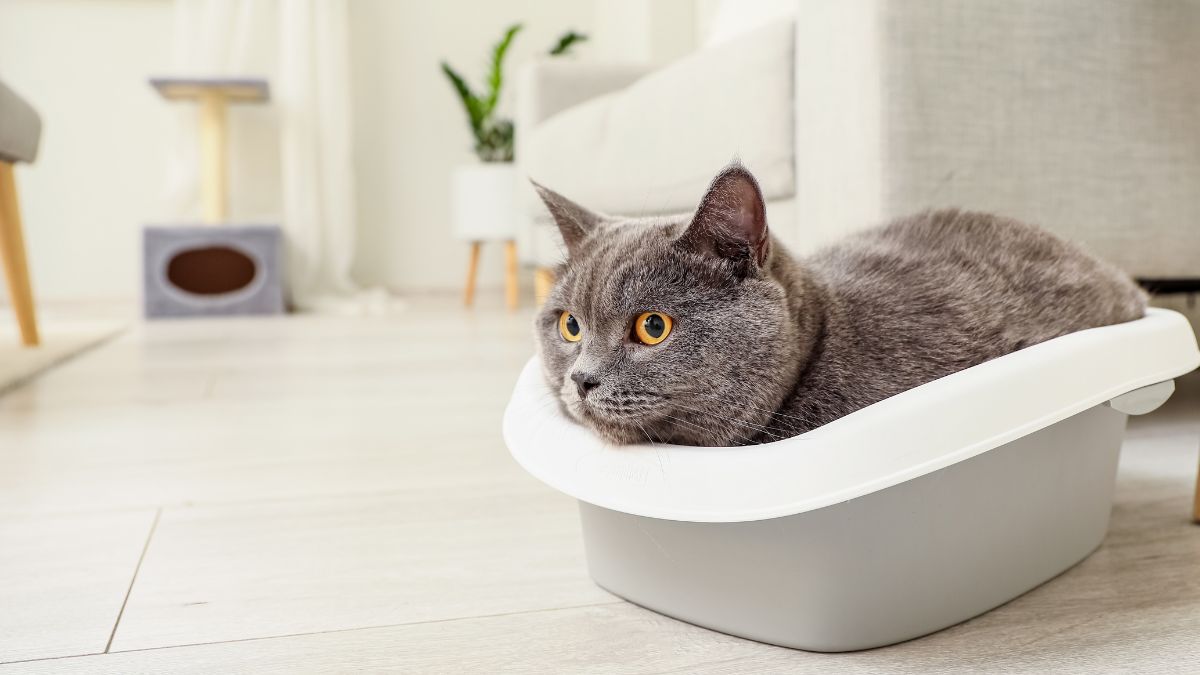
Cats rank among the cleanest pets you can have at home, yet their strong instinct for tidiness often turns the litter box into a real test for owners. This simple spot affects more than just convenience since it influences a cat’s physical health, daily behavior, and feeling of safety in the house. When the litter level drops too low, cleaning gets skipped, or smells build up, many cats quietly start refusing the box, something people sometimes mistake for willful misbehavior instead of a clear protest against poor conditions. Experts on feline habits along with veterinarians stress that success comes from keeping things straightforward and sticking to a reliable routine.
The right amount of litter starts with depth, and most agree on a sweet spot between about two and three inches. That layer, roughly five to seven centimeters, lets cats dig comfortably and bury their waste, fulfilling a natural urge that keeps them content. A shallower fill forces them to scratch against plastic, which feels wrong, while too much can overwhelm older cats or those picky about paw sensations. Because cats kick litter around and carry bits out on their feet, you need to check and refill regularly to hold that consistent level.
Clumping litter made from bentonite clay remains a top choice for practical daily care. Urine quickly turns into firm scoops that lift away easily, helping control odors without much effort. Natural alternatives like wood pellets or paper-based options absorb liquids differently and tend to spread moisture throughout the entire fill. Those varieties often need more attention since waste does not isolate neatly into clumps.
Daily scooping follows a no-nonsense approach that delivers real results. Remove any visible waste as soon as you spot it, aiming for at least once per day, or twice when multiple cats share the space or one uses it heavily. This habit curbs bacterial growth, keeps smells minimal, and stops the box from becoming a source of anxiety. Thorough box washing and full litter replacement happen on a longer schedule but stay crucial for lasting freshness.
With clumping types, most people find a complete change every two to four weeks works well, depending on box dimensions, cat count, and usage patterns. Non-clumping litters generally call for weekly swaps to prevent sogginess and lingering odors. Use gentle, fragrance-free soap during washes because harsh scents or chemicals can make cats wary of returning to the box. Always add fresh litter after scooping to restore the proper depth without overfilling.
One extra guideline helps prevent common issues in multi-cat households. Provide at least one box per cat plus one spare to ease access, cut down on territory disputes, and maintain better overall cleanliness. Following these steps turns litter management from a hassle into a straightforward way to support a relaxed and healthy cat.
A well-kept litter box keeps your cat content and makes shared home life much smoother for everyone. What litter routine has proven most effective with your own cats? Share your thoughts in the comments.