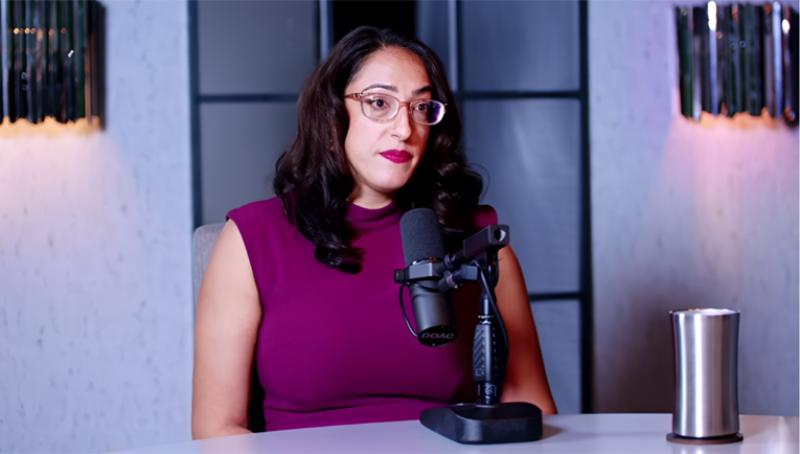
In today’s world where conversations about intimacy have become much more open, many people still wonder whether there is some ideal number of times partners should be intimate each week or month. Couples often compare themselves to what they think others are doing, and this creates unnecessary stress in otherwise healthy relationships. Urologist and sexual health expert Dr. Rena Malik addressed this topic during an appearance on the ‘Diary of a CEO’ podcast hosted by Steven Bartlett. She explained that focusing on quantity alone misses the point entirely.
Dr. Malik stresses that quality matters far more than how often couples connect physically. Excellent intimacy once a month can leave both partners feeling deeply satisfied and connected, while mediocre encounters four or even ten times a month might leave them feeling unfulfilled. She points out that no universal number exists because every relationship is unique. Individual libidos, daily responsibilities, and life stages all play important roles in determining what feels right for two people.
One widespread myth that Dr. Malik directly challenges is the belief that other couples are having significantly more sex than you are. This assumption often stems from social media highlights or unrealistic portrayals in adult content, especially among younger people who may turn to pornography for their ideas about normal intimacy. Such comparisons only add pressure and can harm self-esteem and relationship harmony. Instead of chasing an imaginary average, partners should tune into their own needs and preferences.
Many therapists observe that some couples settle into a rhythm of about once a week, though this figure shifts with age, work demands, and the arrival of children. Younger pairs in their twenties or thirties might enjoy two or three times weekly when energy levels are high, while those in later decades may find once or twice sufficient. The key remains mutual agreement rather than any external standard. When both people feel content and connected, the exact frequency becomes secondary.
Dr. Malik reminds us that chasing a supposed norm can actually damage intimacy by turning it into an obligation instead of a source of pleasure. Open communication helps couples discover what works best for them at any given time. Factors like stress, health, and emotional closeness influence desire more than most people realize. Ignoring these realities while fixating on numbers often leads to disappointment.
Society has grown more comfortable discussing sex, yet lingering myths continue to influence expectations. Pornography in particular can distort views by presenting constant high-frequency encounters that rarely match real life. Dr. Malik encourages shifting attention away from statistics and toward genuine satisfaction. When intimacy feels rewarding and mutual, couples naturally maintain a pace that strengthens their bond without external benchmarks.
Ultimately, the goal is a fulfilling connection tailored to the two individuals involved. Life circumstances evolve, so flexibility and honest conversations remain essential. Couples who prioritize emotional closeness alongside physical pleasure tend to report higher overall happiness regardless of exact frequency.
What frequency feels right in your relationship, and how has it changed over time? Share your thoughts in the comments.