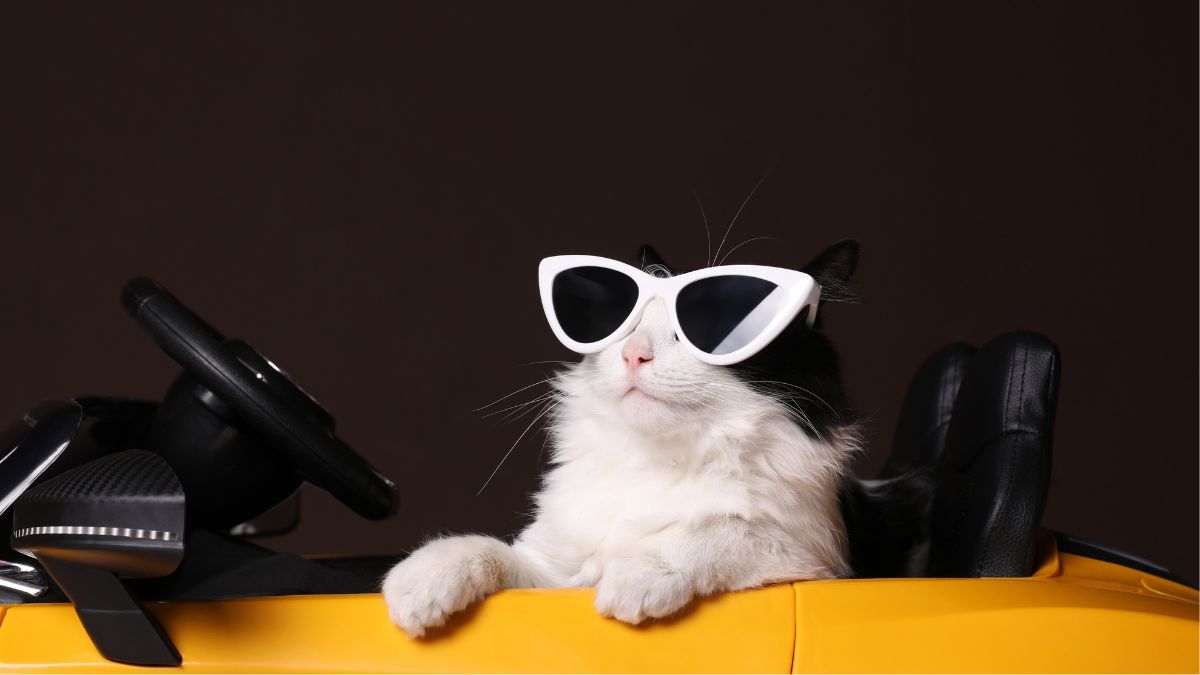
For most cats, a trip in the car ranks somewhere between mildly unpleasant and genuinely terrifying. Because they typically only travel when heading to the vet, they quickly form a negative association with the whole experience, and without any positive memories to counterbalance that, the anxiety tends to deepen over time. Even short drives can send some cats into a spiral of loud meowing, panting, and restless behavior. The good news, according to The Spruce Pets, is that while your cat may never truly love car travel, it is entirely possible to gradually desensitize her to it and significantly reduce her stress along the way.
The most important first step is breaking the mental link between car rides and vet visits. This does not mean skipping routine checkups, but rather helping your cat understand that being in the car does not automatically mean something unpleasant is about to happen. Start by leaving the carrier out in your home with the door open, so your cat can explore it on her own terms. Place a soft blanket inside, a favorite toy, and a few especially tasty treats to make the space feel inviting rather than threatening.
Once your cat starts entering the carrier voluntarily and spending a few minutes inside without stress, reward her generously. If she remains suspicious of the carrier, you can spray the interior with feline pheromones, which can help promote a sense of calm. It is important never to spray these products directly on the cat. Some cats also respond well to a small amount of catnip placed near or inside the carrier, which can help shift their emotional association with the space.
The next phase involves getting your cat comfortable with having the carrier closed around her. Gently close the door, pick the carrier up, and take a brief walk around the house before releasing her and offering a reward right away. Gradually extend the amount of time she spends inside while it is closed, always keeping the experience positive and low-pressure. Patience is key here, as rushing this stage tends to set the whole process back.
When she handles that well, carry her in the closed carrier out to the car without starting the engine. Just sitting in the vehicle together is a step. After that, try very short drives, perhaps just around the block, before returning home and rewarding her. Slowly increase the duration of each outing. If your cat begins vocalizing loudly or breathing heavily during a ride, that is a signal you have moved too fast. Scale back and give her more time at each stage before progressing.
For trips lasting several hours or longer, preparation the night before makes a significant difference. Place your cat in a smaller room together with the carrier, a litter box, food, and water. This makes it easier to get her into the carrier in the morning and also helps her begin adjusting to a more confined environment ahead of the journey. During the trip itself, plan to stop every two to three hours so your cat can use the litter box, eat, drink, and briefly decompress. Bringing a portable litter box and her regular food along is essential for keeping these breaks as low-stress as possible.
Despite every effort, some cats simply cannot relax in a moving vehicle no matter how gradual the conditioning process has been. In those cases, calming supplements may be worth exploring as an alternative to medication. These are available without a prescription and work for some cats, but it is important to trial them before travel day to confirm they are actually effective for your individual pet. If supplements do not provide enough relief, a veterinarian can prescribe something stronger. Either way, consulting your vet before any long trip is the smartest move, as they can recommend the best approach based on your cat’s health history and temperament.
Cats have an exceptional sense of smell, roughly 14 times stronger than a human’s, which is exactly why the unfamiliar scents inside a car feel so alarming to them. A blanket or piece of clothing from home placed in the carrier can do more to calm a stressed cat than almost anything else you could try. And while dogs were domesticated in part because of their willingness to travel alongside humans, cats essentially domesticated themselves on their own schedule and remain far more territorial about it to this day.
Have you found a trick that works for your cat during car rides? Share your experience in the comments.