Our planet is home to some of the most breathtaking natural formations ever created, yet many of these treasures are quietly vanishing due to climate change, rising sea levels, and human activity. Scientists and conservationists around the world are sounding urgent alarms about the accelerating rate at which these irreplaceable landscapes are being altered beyond recognition. From ancient glaciers to vibrant coral ecosystems, the window to witness these wonders in their full glory is narrowing with each passing year. Traveling to these destinations is not just an act of adventure but a powerful reminder of what is at stake for future generations.
Great Barrier Reef
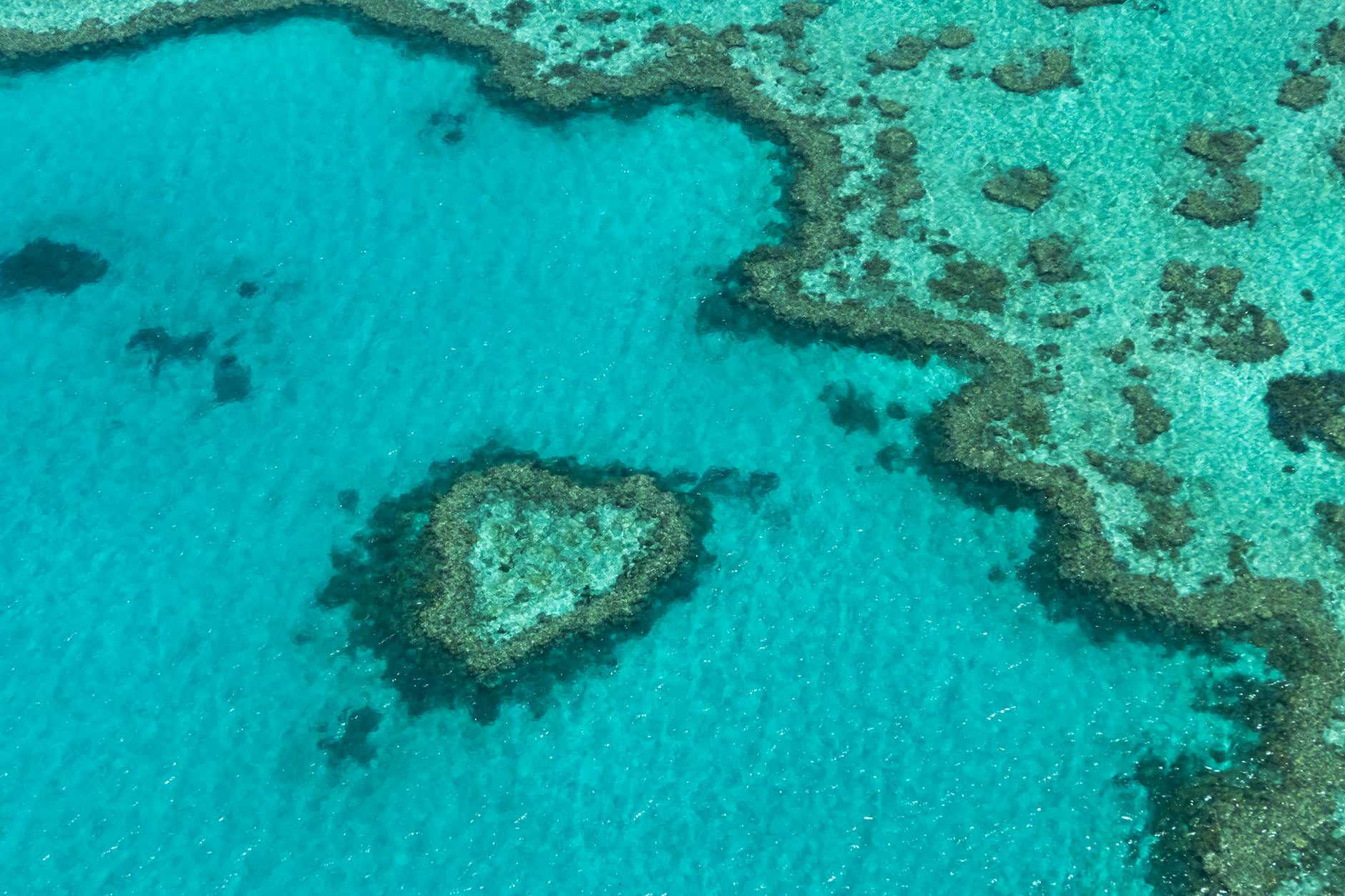
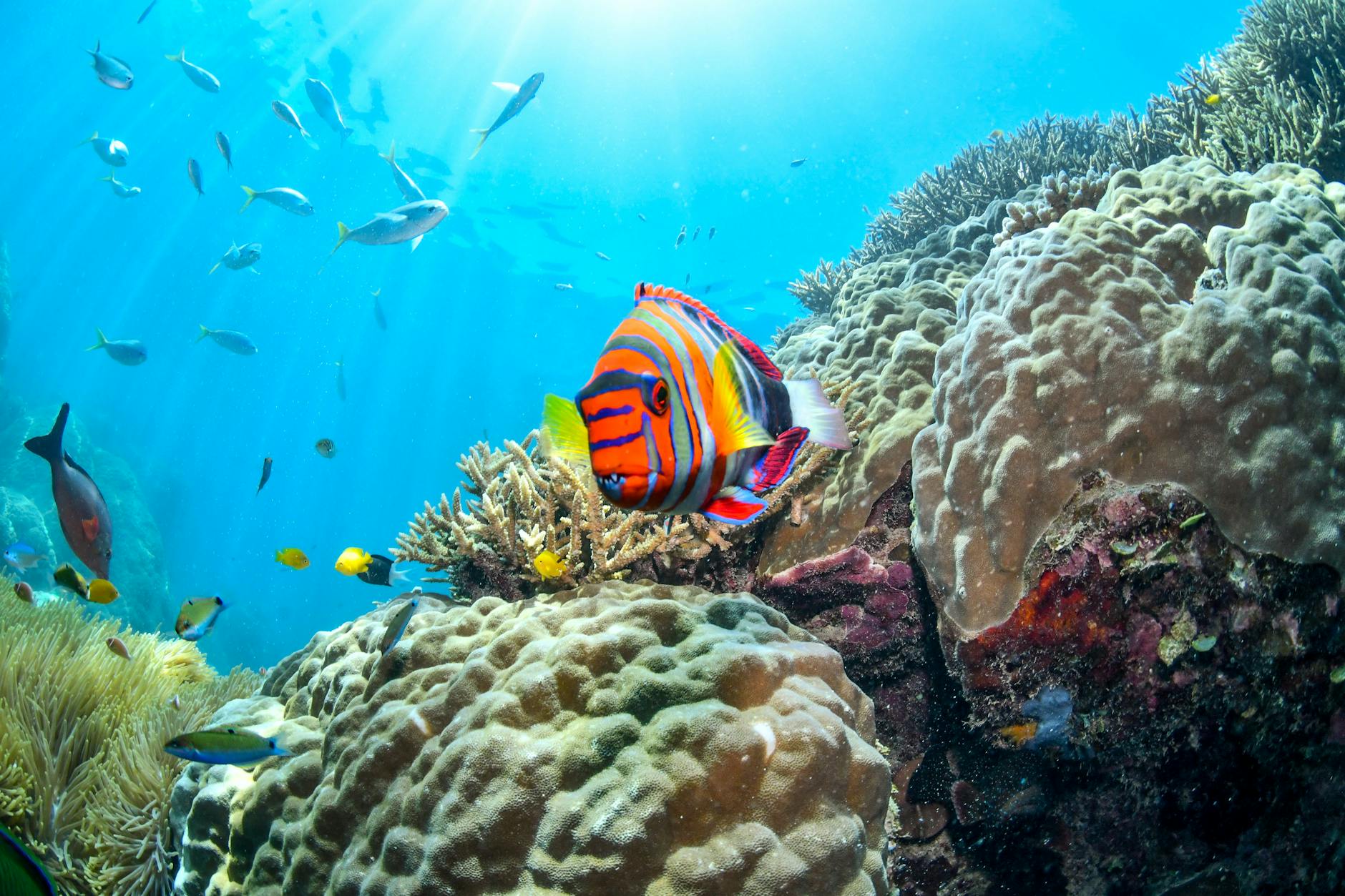
Stretching over 2,300 kilometers along the northeastern coast of Australia, this is the largest coral reef system on Earth and one of the most biodiverse marine environments on the planet. Rising ocean temperatures have triggered widespread coral bleaching events that have already damaged enormous portions of the reef. Scientists warn that continued warming could reduce live coral cover dramatically within the coming decades. The reef supports thousands of marine species, many of which cannot survive outside this specific ecosystem. Snorkeling or diving through its vivid underwater corridors offers an experience that is rapidly becoming a race against time.
Glacier National Park
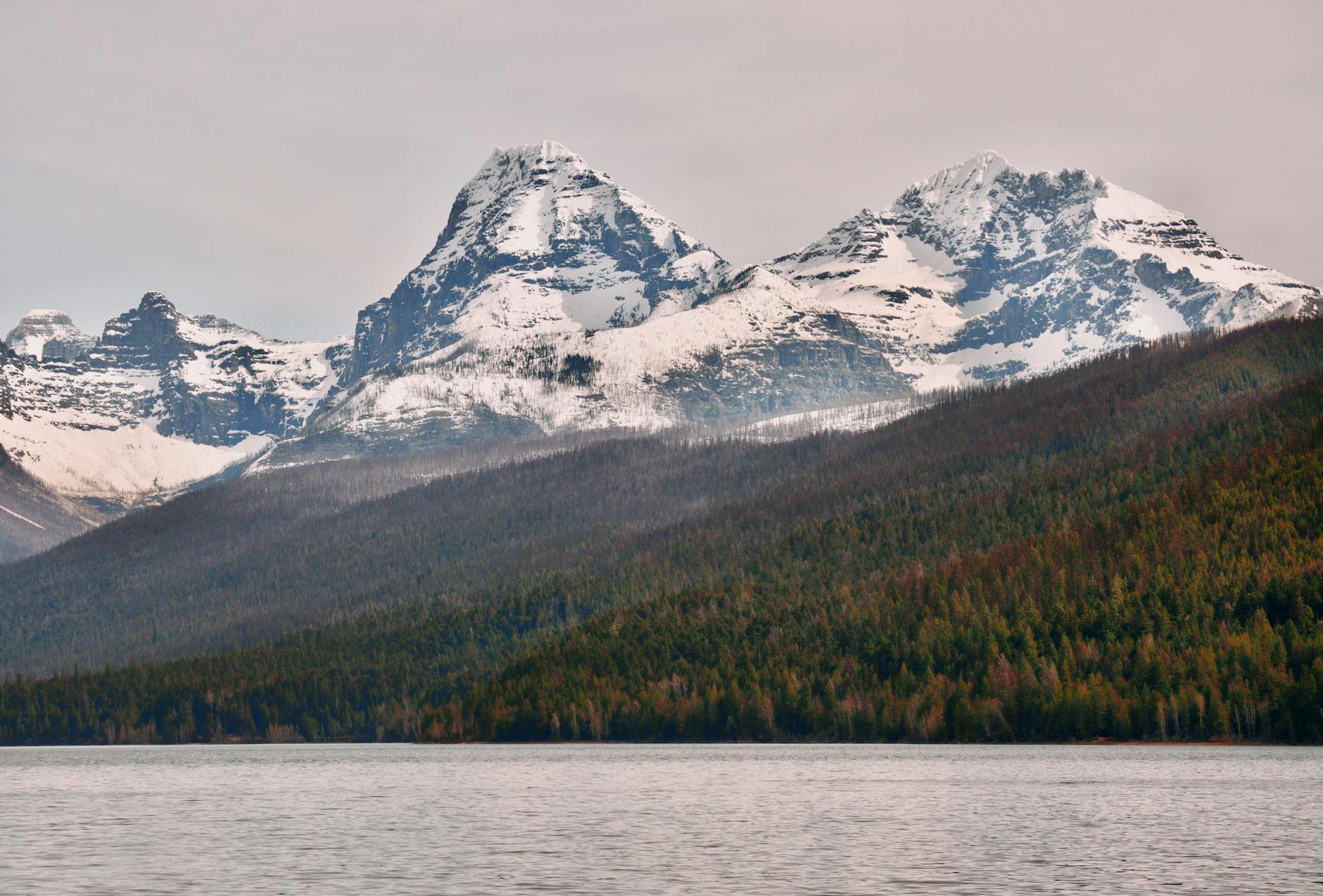
Located in Montana, this iconic park once contained over 150 glaciers when it was established in 1910, yet fewer than 30 remain active today. The dramatic reduction in glacial mass is one of the most visually documented consequences of rising global temperatures. Alpine meadows, turquoise lakes, and snowcapped ridgelines define a landscape that draws millions of visitors each year. Researchers project that the remaining glaciers could disappear entirely within a matter of decades. The park remains a stunning destination, though its defining frozen features are retreating at an alarming pace.
Dead Sea
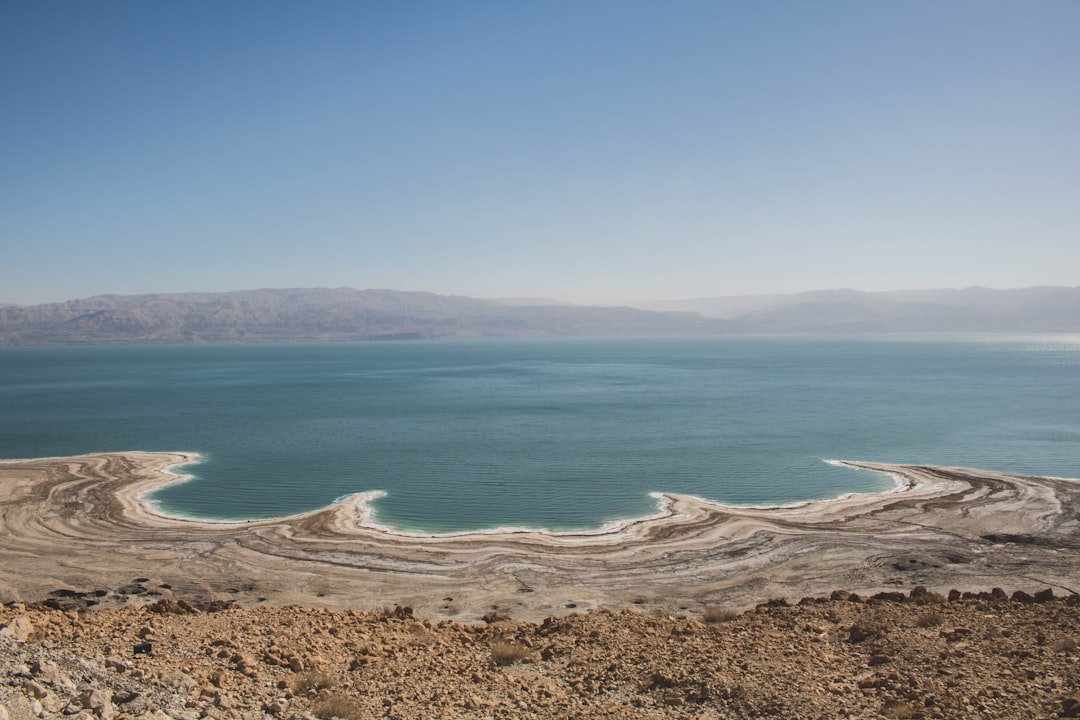
Bordering Jordan, Israel, and the Palestinian territories, this hypersaline lake is one of the saltiest and lowest bodies of water on Earth. Water levels have been dropping by roughly a meter each year due to water diversion from the Jordan River and mineral extraction operations. The receding shoreline has left behind thousands of sinkholes that make large portions of the surrounding land increasingly dangerous. Floating on the mineral-rich surface is a surreal and deeply relaxing experience that has attracted travelers for centuries. Without significant intervention, the Dead Sea could shrink to a fraction of its current size within the lifetime of people alive today.
Dolomites
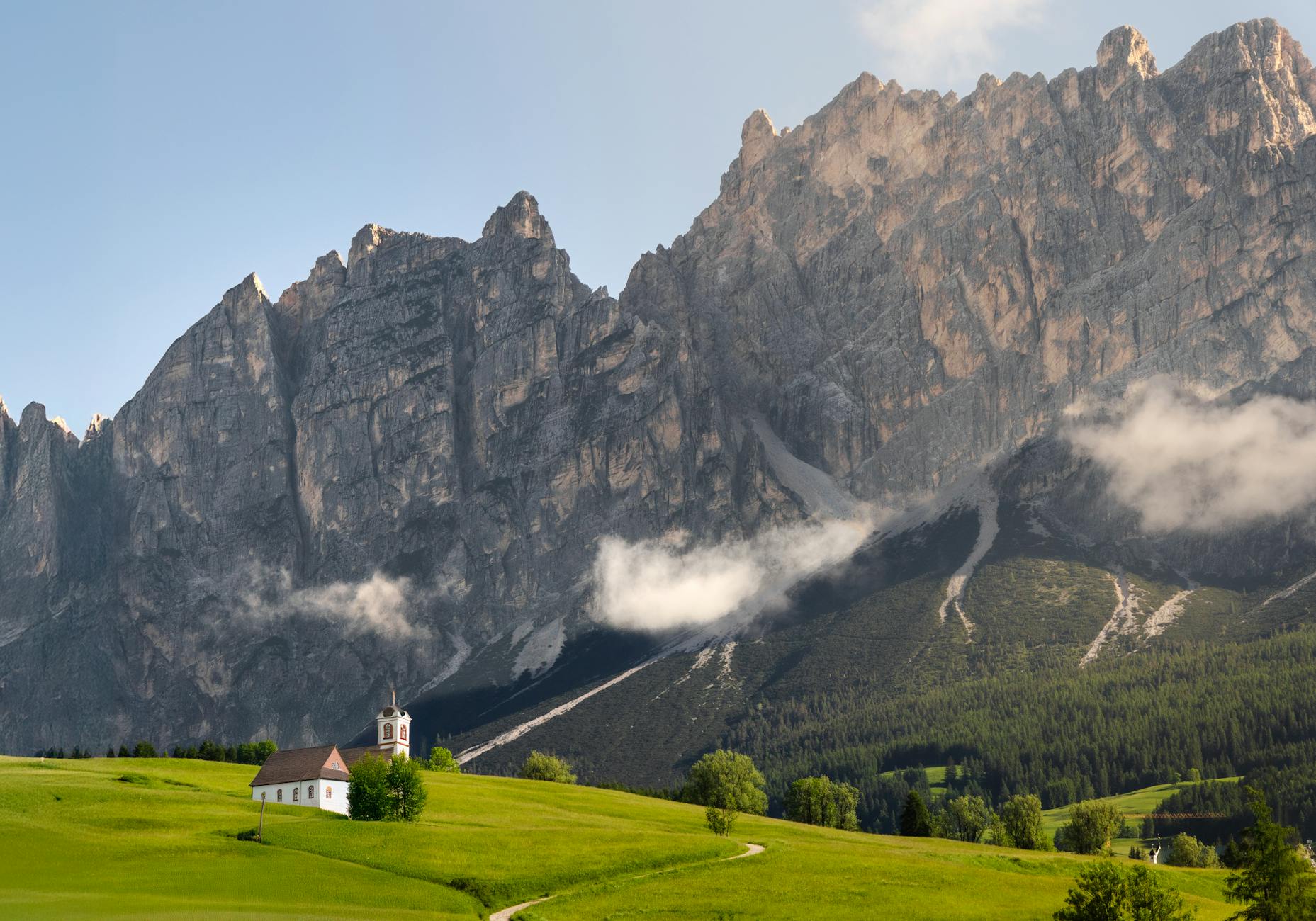
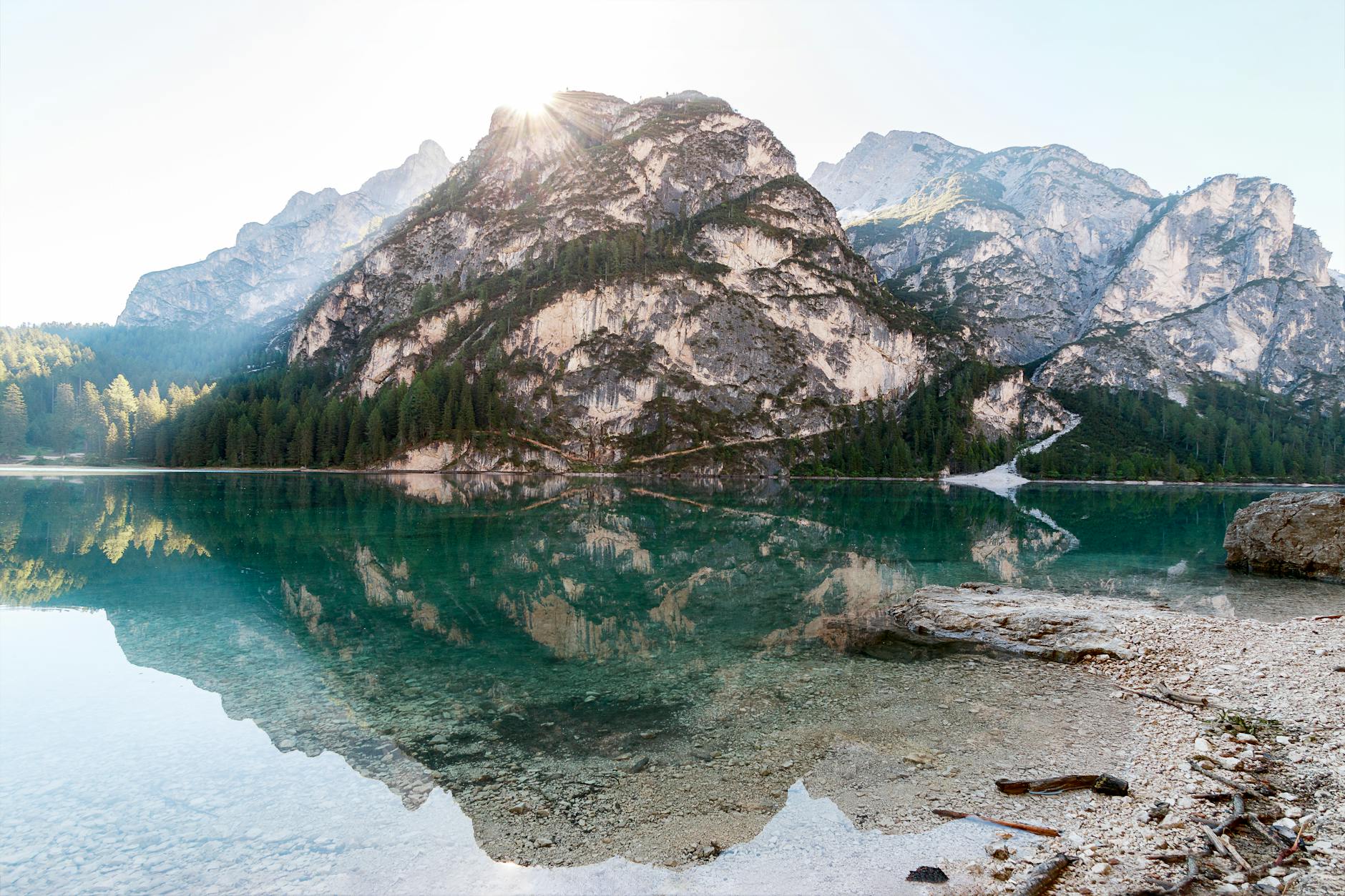
Rising dramatically across northeastern Italy, these jagged limestone peaks are recognized as a UNESCO World Heritage Site and considered among the most visually striking mountain ranges in the world. Warmer winters have caused a steady reduction in snowfall, shortening ski seasons and altering the delicate alpine ecosystems that depend on seasonal patterns. Glaciers in the region have lost a significant portion of their mass over the past century, with the Marmolada glacier suffering particularly severe losses. The dramatic towers and pale rock formations give the landscape an almost otherworldly quality at sunrise and sunset. Hiking and climbing in this region offers unparalleled scenery, though its frozen elements are quietly disappearing.
Amazon Rainforest
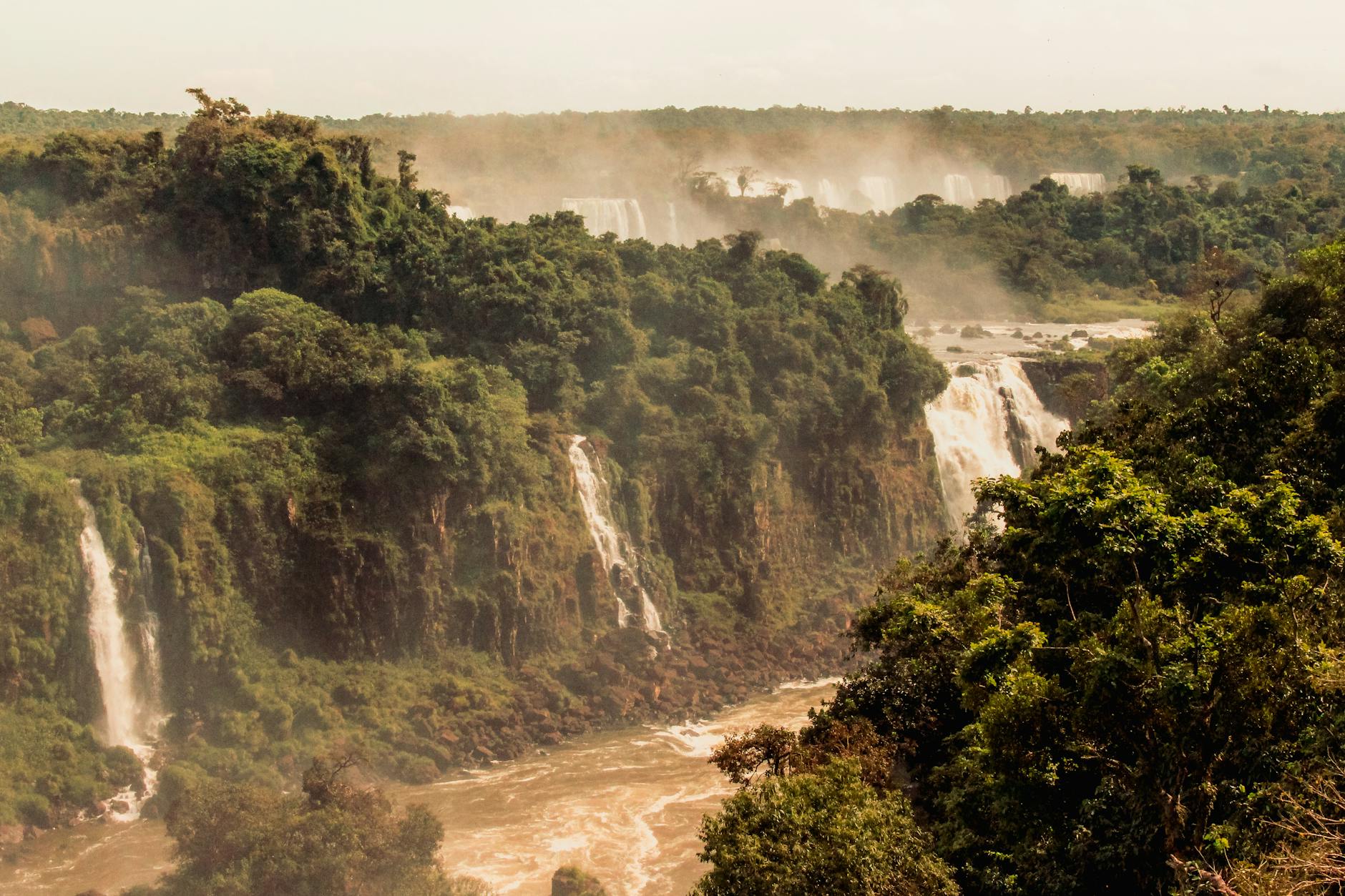
Covering approximately 5.5 million square kilometers across nine countries in South America, the Amazon is the largest tropical rainforest on Earth and one of the most critical carbon sinks on the planet. Deforestation rates have accelerated dramatically in recent decades, with millions of hectares cleared annually for agriculture, logging, and infrastructure. The forest is home to an estimated ten percent of all species on Earth, many of which have not yet been scientifically catalogued. Scientists have warned that the Amazon may be approaching a tipping point beyond which large portions could transition irreversibly into savanna. Exploring its rivers, canopy walkways, and wildlife-rich interior remains one of the most extraordinary journeys a traveler can undertake.
Maldives
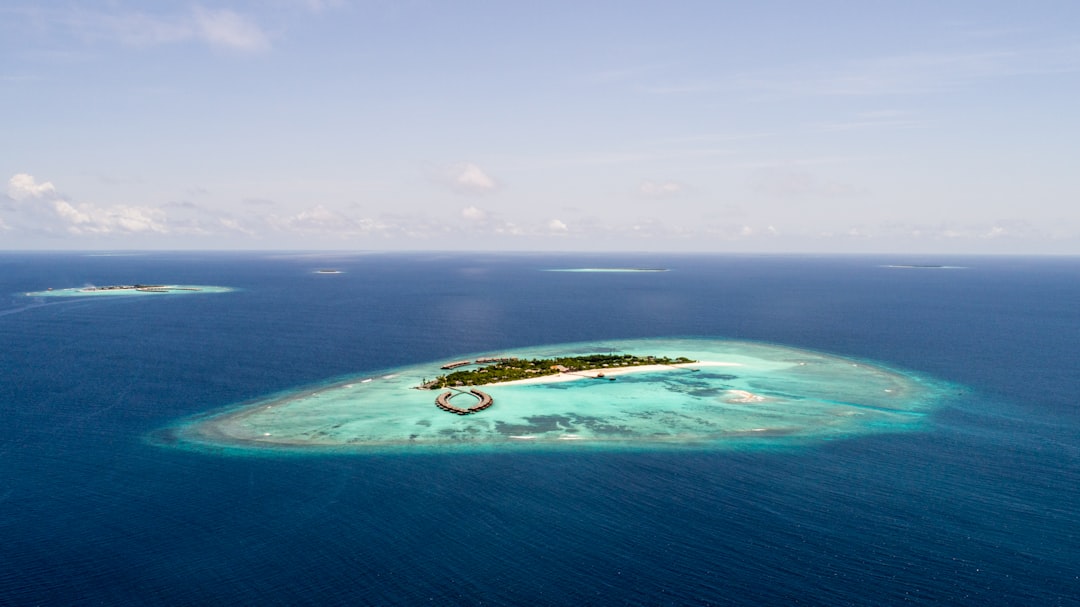
This island nation scattered across the Indian Ocean is composed of 1,200 low-lying coral islands, most of which sit less than one meter above sea level. Rising oceans driven by melting ice caps and thermal expansion pose an existential threat to the entire country, with government officials having already explored the possibility of relocating the population. The pristine turquoise lagoons, overwater bungalows, and vibrant coral gardens attract travelers from every corner of the world. Marine life in the surrounding waters includes whale sharks, manta rays, and hundreds of reef fish species. The Maldives stands as one of the most urgent symbols of what rising seas could erase from the map entirely.
Sundarbans
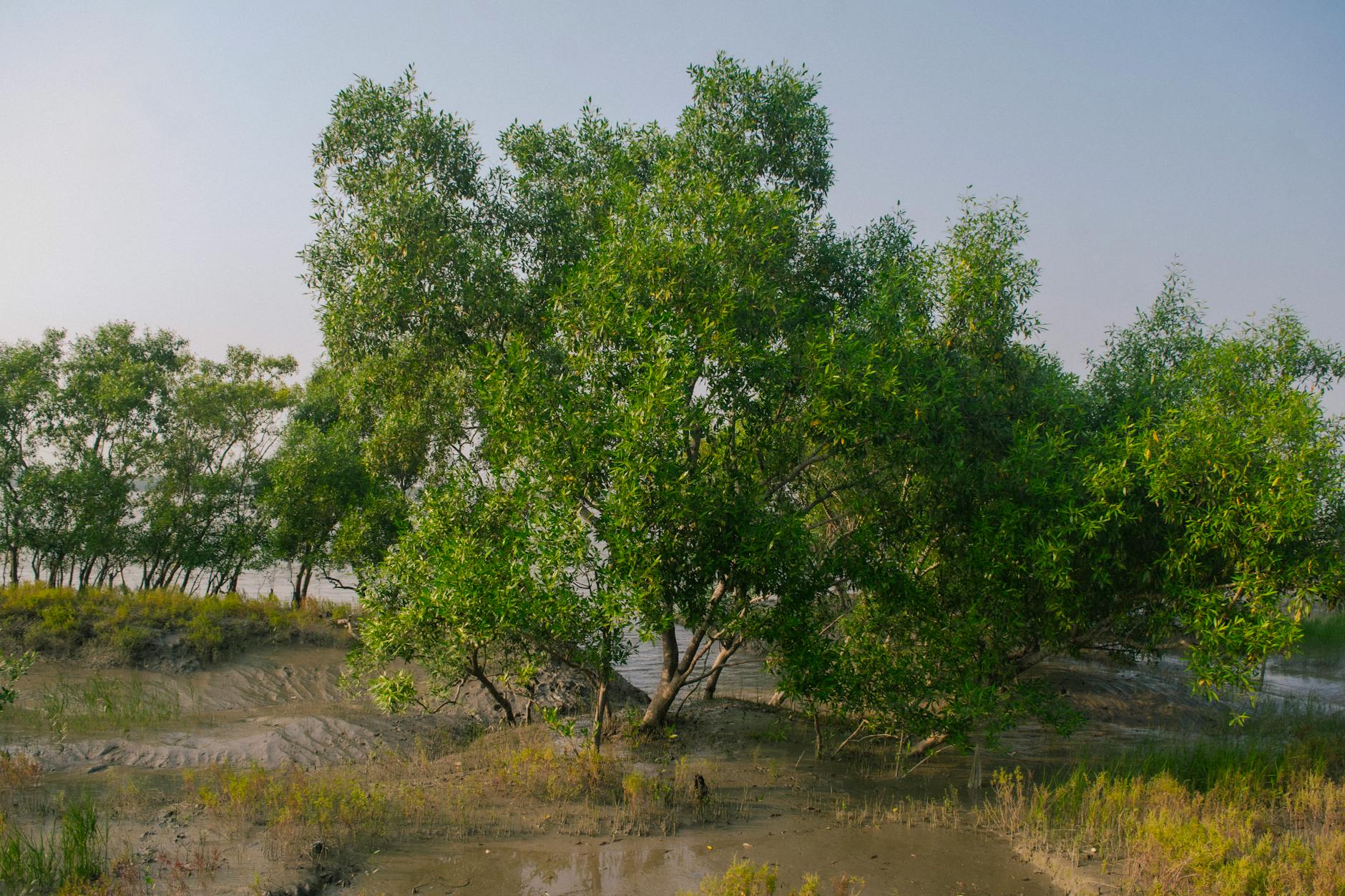
Spanning the delta of the Ganges, Brahmaputra, and Meghna rivers across Bangladesh and India, this vast mangrove forest is the largest of its kind in the world. It serves as the primary habitat of the Bengal tiger, along with saltwater crocodiles, Irrawaddy dolphins, and hundreds of bird species. Rising sea levels and increasingly intense cyclones have been steadily eroding the landmass and destroying mangrove cover. Entire islands within the delta have already disappeared beneath the water in recent years. Navigating its dense waterways by boat offers an atmospheric and profoundly wild encounter with one of nature’s most complex coastal systems.
Patagonia
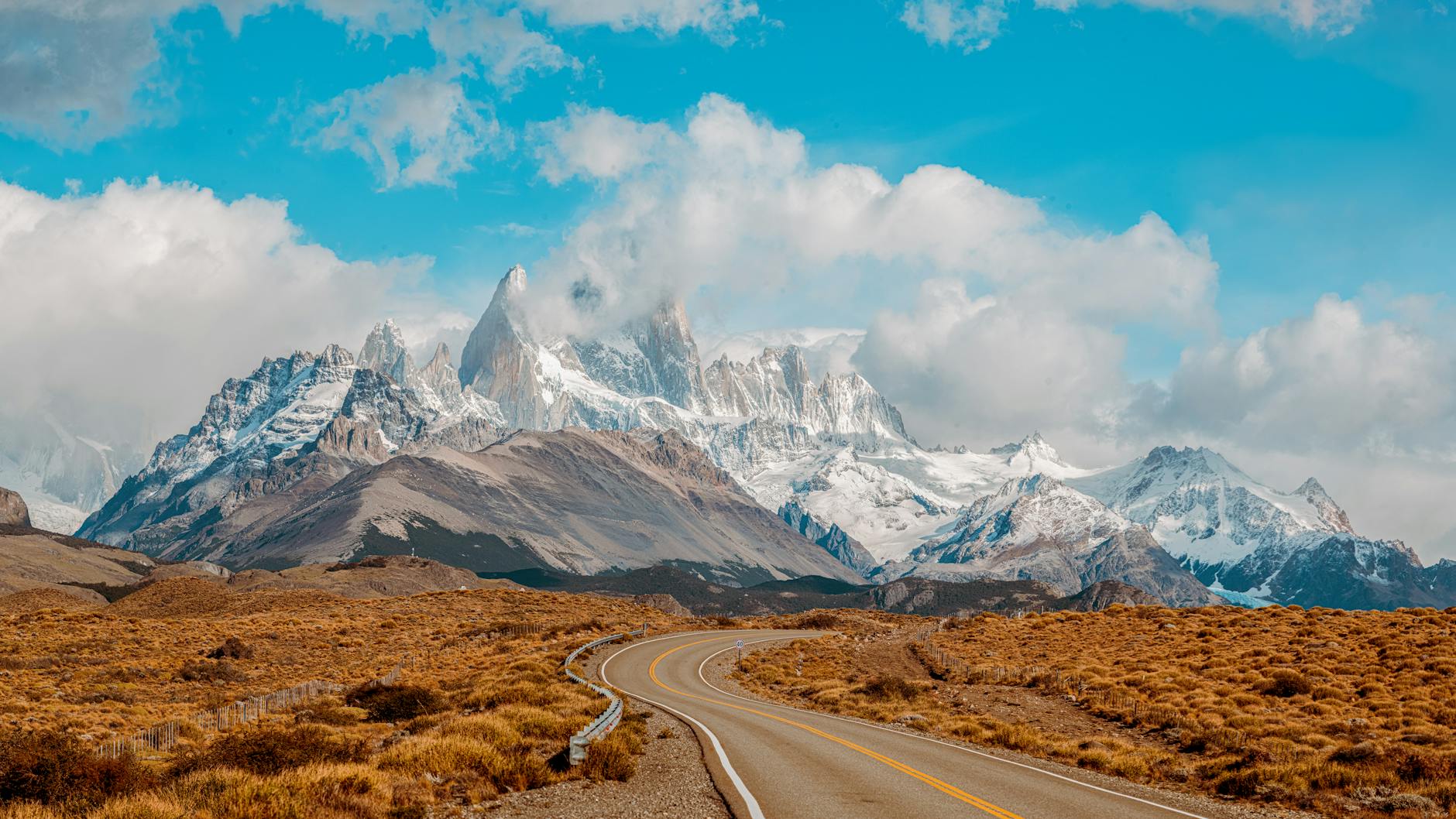
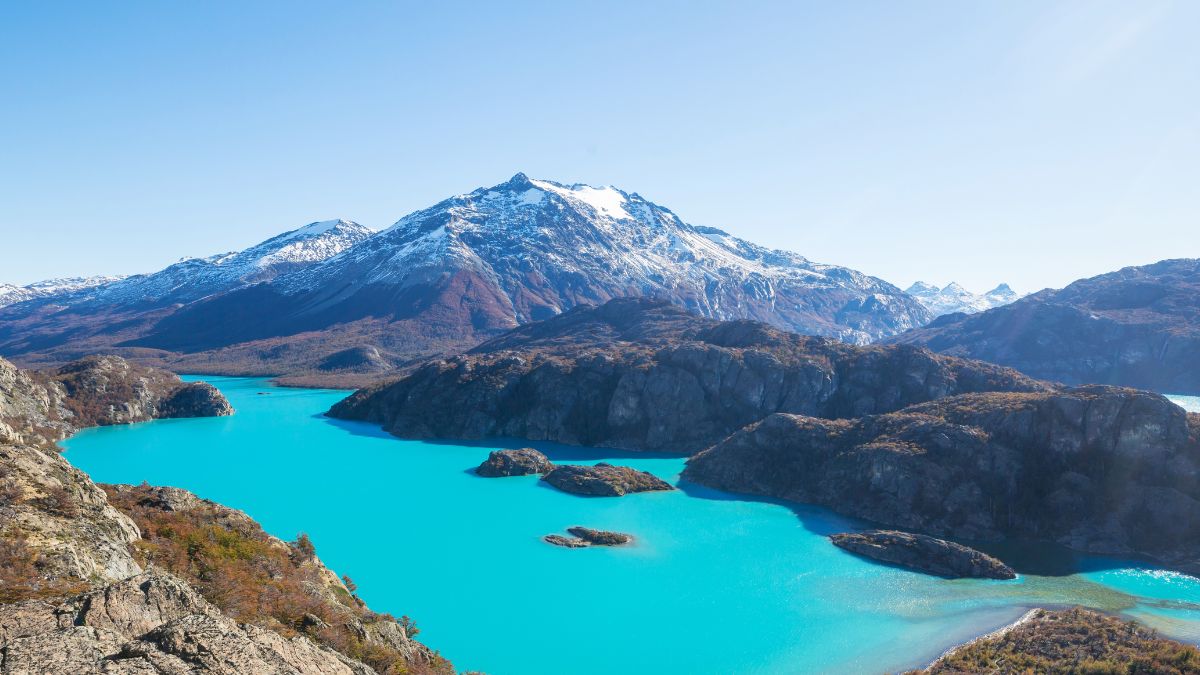
Shared between southern Argentina and Chile, this remote region encompasses glaciers, fjords, grasslands, and jagged mountain peaks that stretch toward the southern tip of South America. The glaciers of Patagonia have been retreating faster than almost anywhere else on the planet, with dramatic losses documented across fields like the Southern Patagonian Ice Field. Torres del Paine and Los Glaciares national parks offer some of the most spectacular trekking routes in the world. The raw wilderness and extraordinary scale of the landscape create a powerful sense of being at the edge of the Earth. As glacial retreat continues, the hydrological systems that feed rivers and ecosystems across the region are being fundamentally altered.
Belize Barrier Reef
Running for 300 kilometers along the coast of Belize, this reef system is the second largest in the world and a cornerstone of Central American marine biodiversity. The famous Great Blue Hole, a massive underwater sinkhole within the reef, has become one of the most iconic diving destinations on the planet. Warming waters and coral bleaching have placed the reef on the endangered list, though conservation efforts in recent years have led to some recovery. Manatees, sea turtles, and nurse sharks are among the remarkable creatures that inhabit its waters. The reef was removed from the UNESCO World Heritage in Danger list in 2018, but scientists continue to monitor its health closely amid ongoing environmental pressures.
Madagascar
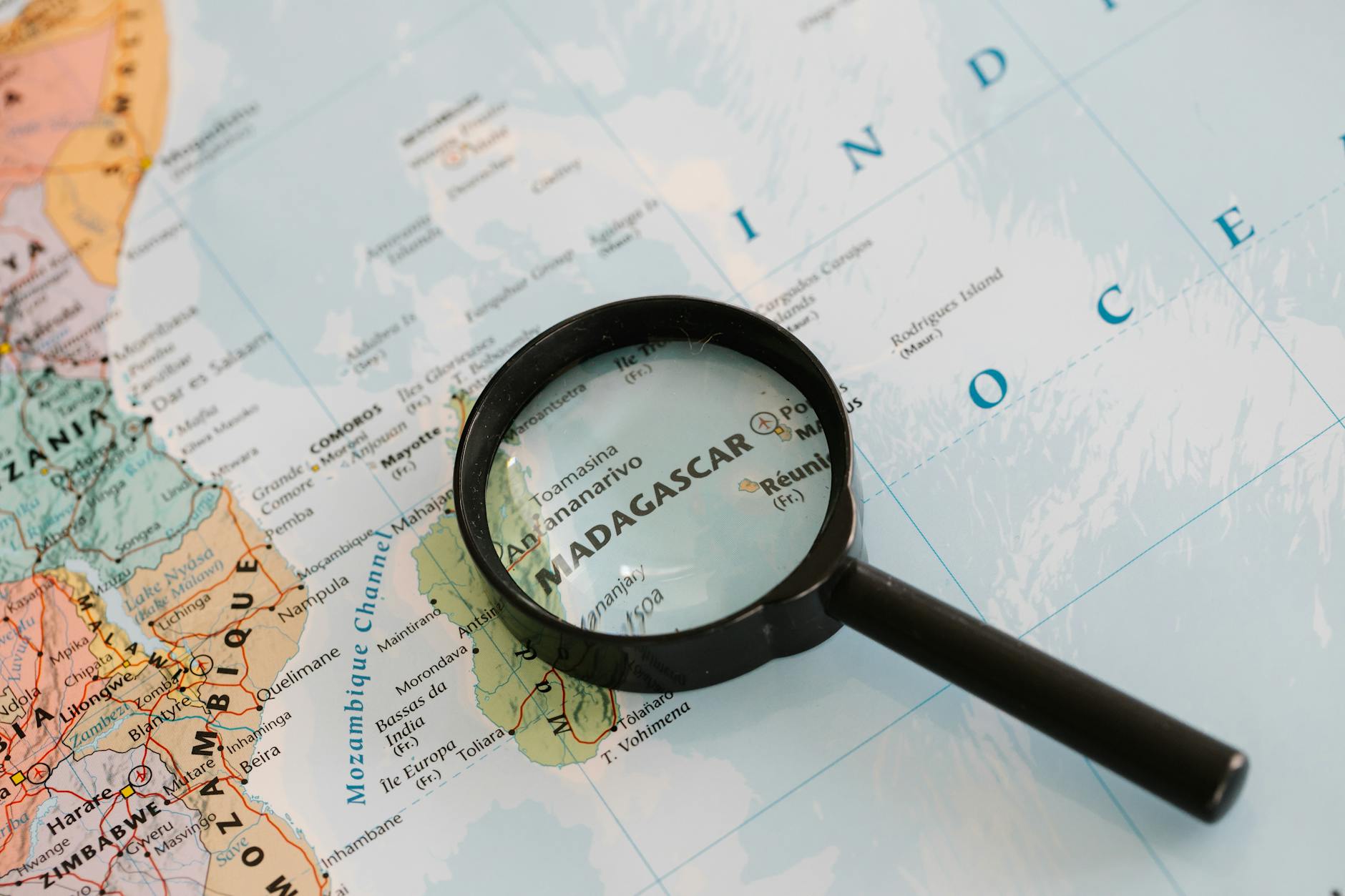
Situated off the southeastern coast of Africa in the Indian Ocean, this island nation is one of the most biologically unique places on Earth, with over ninety percent of its wildlife found nowhere else. Widespread deforestation has already destroyed roughly ninety percent of its original forest cover, pushing countless endemic species toward extinction. The Avenue of the Baobabs, a hauntingly beautiful stretch of ancient trees, has become an emblem of the island’s threatened natural heritage. Chameleons, lemurs, and exotic orchids draw naturalists and wildlife photographers from around the world. The ongoing destruction of its habitats means that the extraordinary biodiversity Madagascar holds today is being lost at a deeply troubling rate.
Venice Lagoon
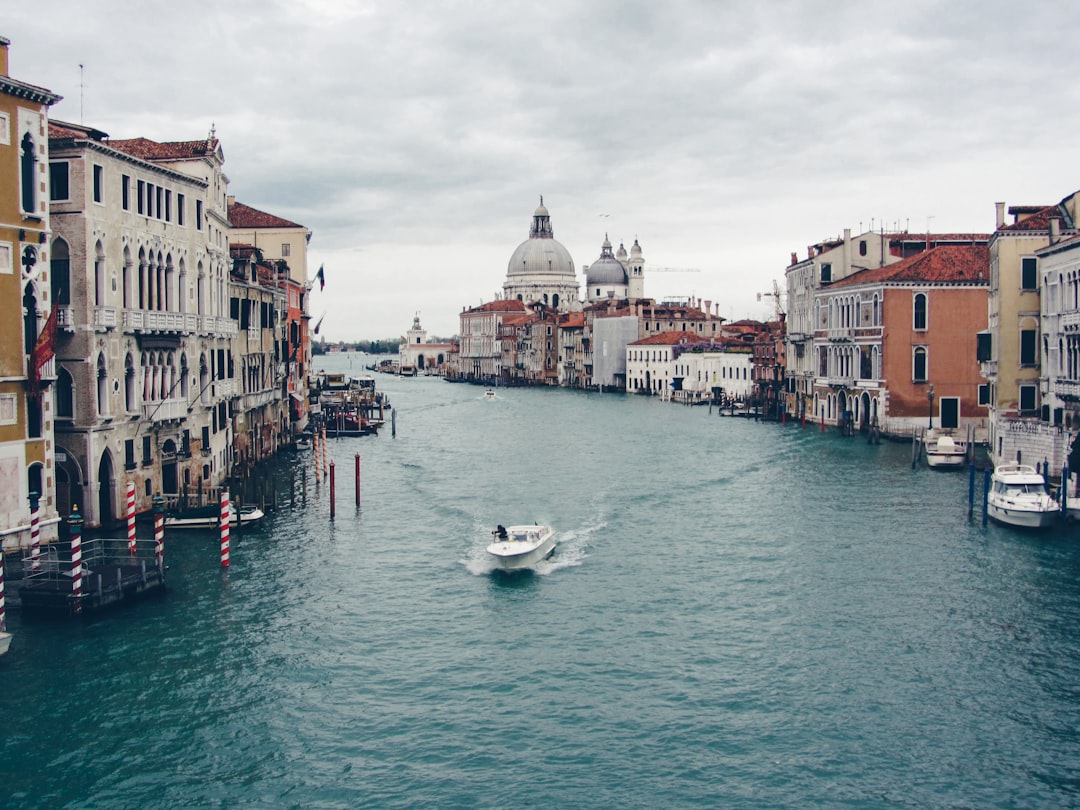
Set within a shallow lagoon on the northeastern coast of Italy, Venice is a city built on wooden piles across 118 small islands connected by canals and bridges. The phenomenon known as acqua alta has been worsening, with floodwaters now regularly inundating streets and historic buildings that have stood for centuries. The combination of rising sea levels and the gradual sinking of the city itself creates a dual threat that engineers and city planners are working urgently to address. The MOSE barrier system was designed to protect the city from tidal surges, though its long-term effectiveness remains a subject of debate. Walking through the maze of ancient alleyways and gliding along the canals by gondola remains an experience of rare beauty and fragile impermanence.
Okavango Delta
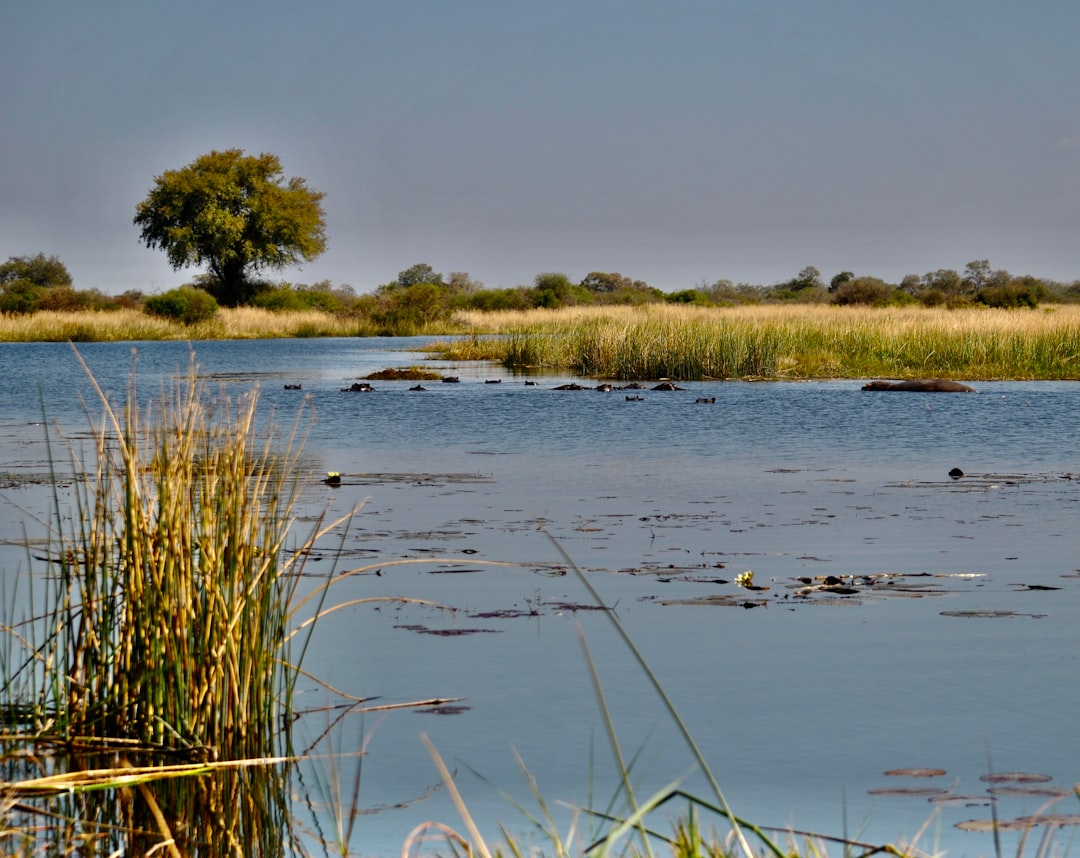
Located in the landlocked nation of Botswana, this vast inland river delta is one of the largest and most pristine freshwater ecosystems in Africa. Water from Angolan highlands flows into the Kalahari Desert each year, creating a seasonal flood that transforms the landscape into a mosaic of channels, islands, and lagoons teeming with wildlife. Elephants, lions, leopards, wild dogs, and hippos concentrate here in extraordinary numbers during the flood season. Climate variability and upstream water use are threatening the consistency and volume of the annual flood that the entire ecosystem depends upon. Exploring the delta by mokoro canoe through papyrus-lined channels offers one of the most serene and spectacular wildlife encounters in the world.
Atoll of Aldabra
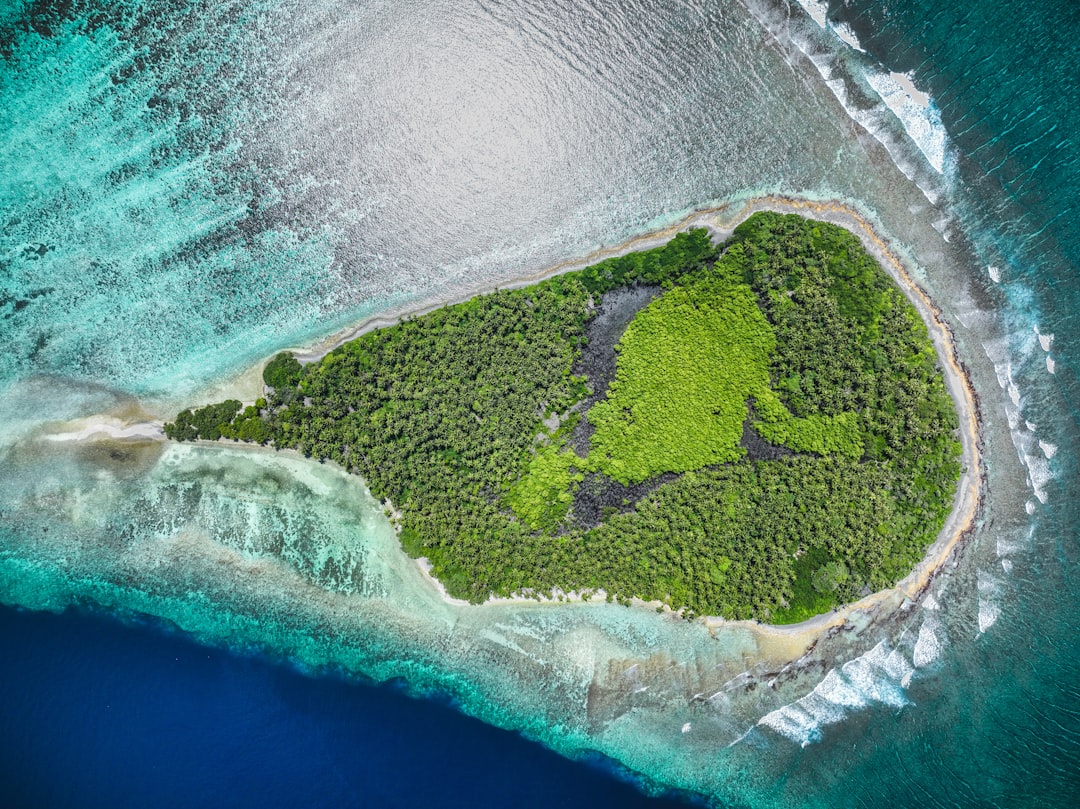
Located in the Seychelles archipelago in the Indian Ocean, this remote raised coral atoll is one of the largest atolls in the world and among the most pristine ecosystems on the planet. It is home to the world’s largest population of giant Aldabra tortoises, with over 100,000 individuals living freely across its terrain. Rising seas and coral bleaching events threaten the low-lying landmass and the marine habitats surrounding it. Because of its extreme remoteness and strict conservation protections, the atoll has remained largely untouched by human development. Scientists consider it one of the most important reference points for understanding what healthy, undisturbed tropical ecosystems look like.
Monteverde Cloud Forest
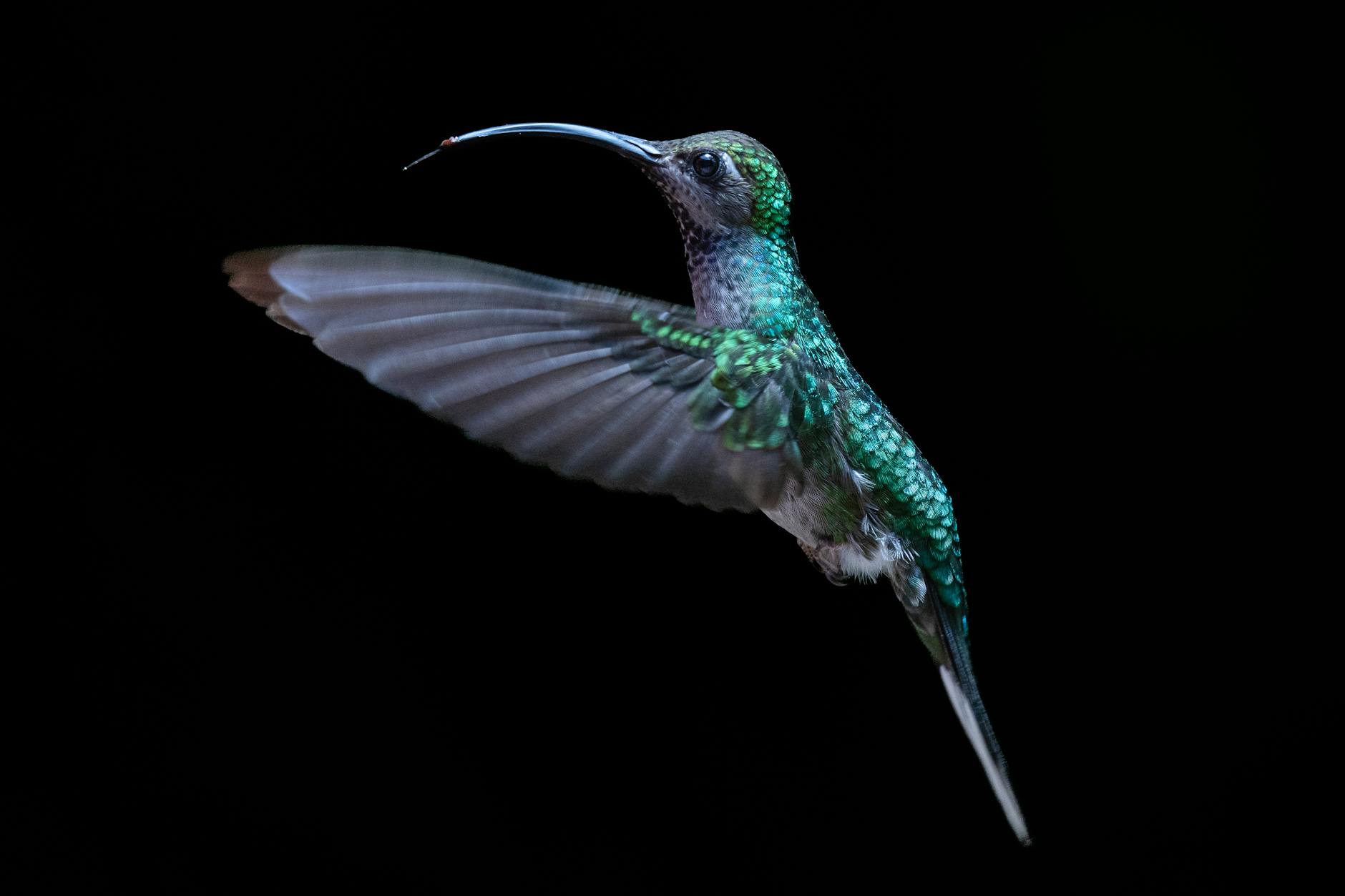
Draped in perpetual mist in the highlands of Costa Rica, this legendary cloud forest reserve is one of the most biodiverse and botanically rich habitats anywhere in the Americas. Rising temperatures are pushing the cloud layer higher up the mountainsides, depriving lower elevations of the moisture they depend on and fundamentally altering the forest’s character. The forest shelters the resplendent quetzal, three-wattled bellbird, and hundreds of orchid and fern species found nowhere else. Canopy walkways wind through towering trees draped in mosses and bromeliads, creating a dreamlike and utterly immersive atmosphere. The upward migration of cloud cover is already beginning to fragment and dry out sections of a forest that evolved over millions of years in precisely these conditions.
Lake Chad
Once one of the largest lakes in Africa, Lake Chad has shrunk by approximately ninety percent since the 1960s due to a combination of climate change, irrigation demands, and population growth in the surrounding basin. The lake once supported the livelihoods of tens of millions of people across Nigeria, Niger, Chad, and Cameroon through fishing, farming, and pastoralism. Its extraordinary bird populations and unique wetland ecosystems attracted naturalists and ecologists from around the world. The dramatic loss of water has triggered regional food insecurity, displacement, and conflict among communities that depended on its resources. The story of Lake Chad has become one of the most cited examples of human and environmental vulnerability in the face of accelerating climate change.
Borneo Rainforest
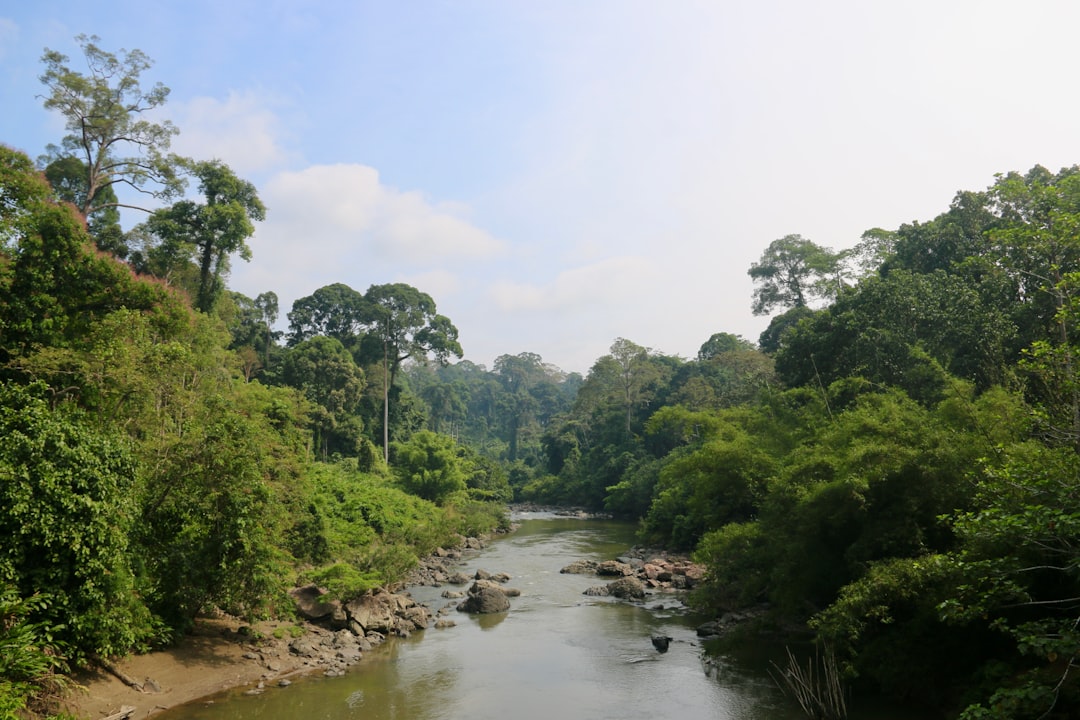
Covering the third largest island in the world across Malaysia, Indonesia, and Brunei, the Borneo rainforest is among the oldest and most species-rich tropical forests on Earth. It is home to critically endangered species including the orangutan, pygmy elephant, and Sumatran rhinoceros, all of which face severe threats from habitat loss. Rapid palm oil expansion and illegal logging have destroyed vast swaths of lowland forest over the past several decades. The ancient dipterocarp trees that dominate undisturbed sections of the forest can tower over sixty meters, creating a layered canopy that supports an extraordinary web of life. Protecting what remains of this rainforest has become one of the most urgent conservation priorities in the world.
Torres del Paine
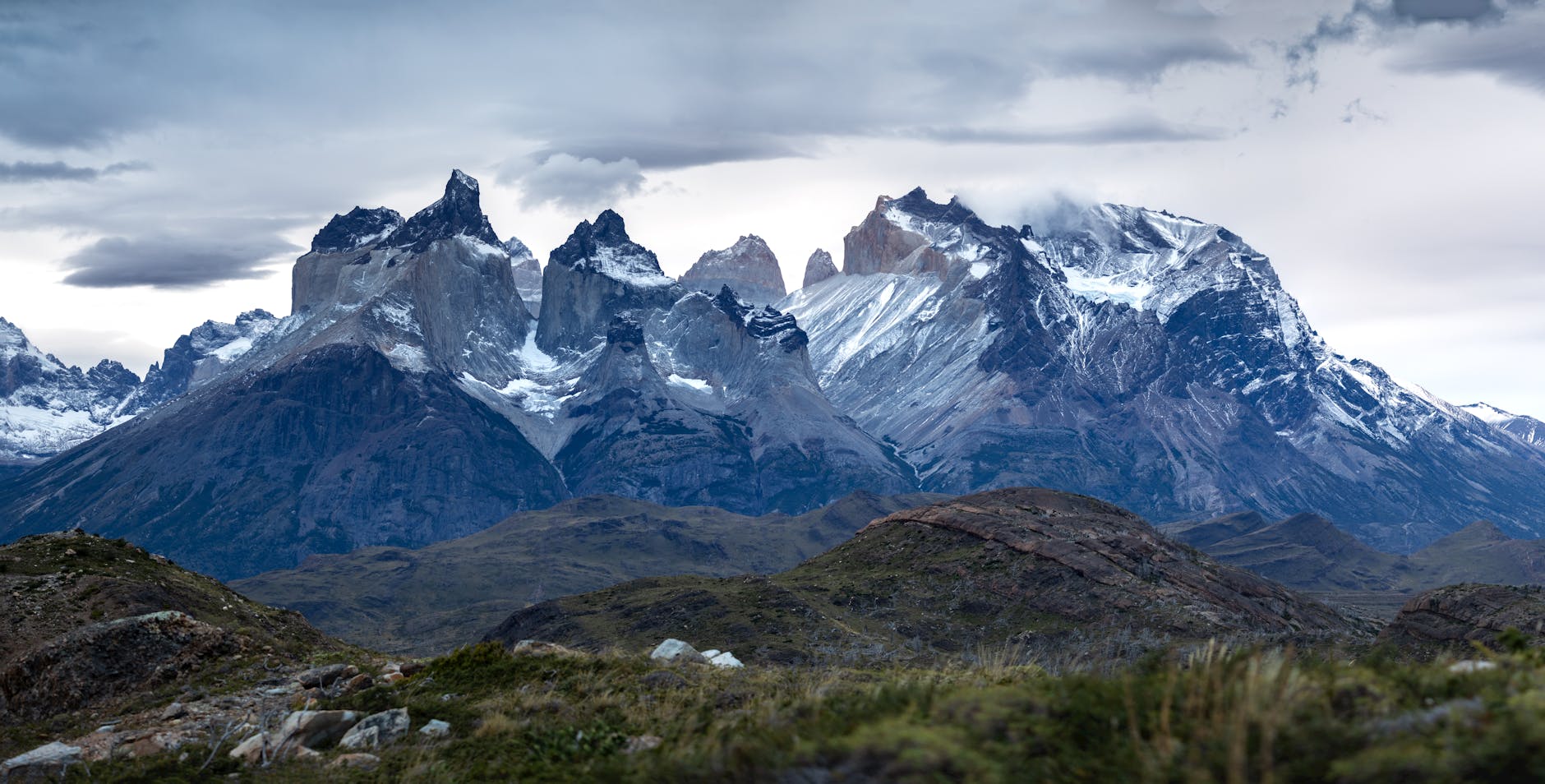
This wild corner of Chilean Patagonia combines glacial lakes, soaring granite towers, and sweeping steppe grasslands into one of the most magnificent national parks in the Southern Hemisphere. The iconic Cuernos del Paine peaks rise dramatically above Lake Pehoé, their reflections creating one of the most photographed landscapes on the continent. Glaciers within the park have been retreating steadily, with Grey Glacier showing particularly visible signs of decline over recent decades. The trek known as the W Route has become one of the most celebrated multiday hikes in the world, drawing adventurers seeking dramatic and unspoiled wilderness. As glacial retreat continues, the rivers and lakes fed by these ancient ice bodies face an uncertain future.
Danakil Depression
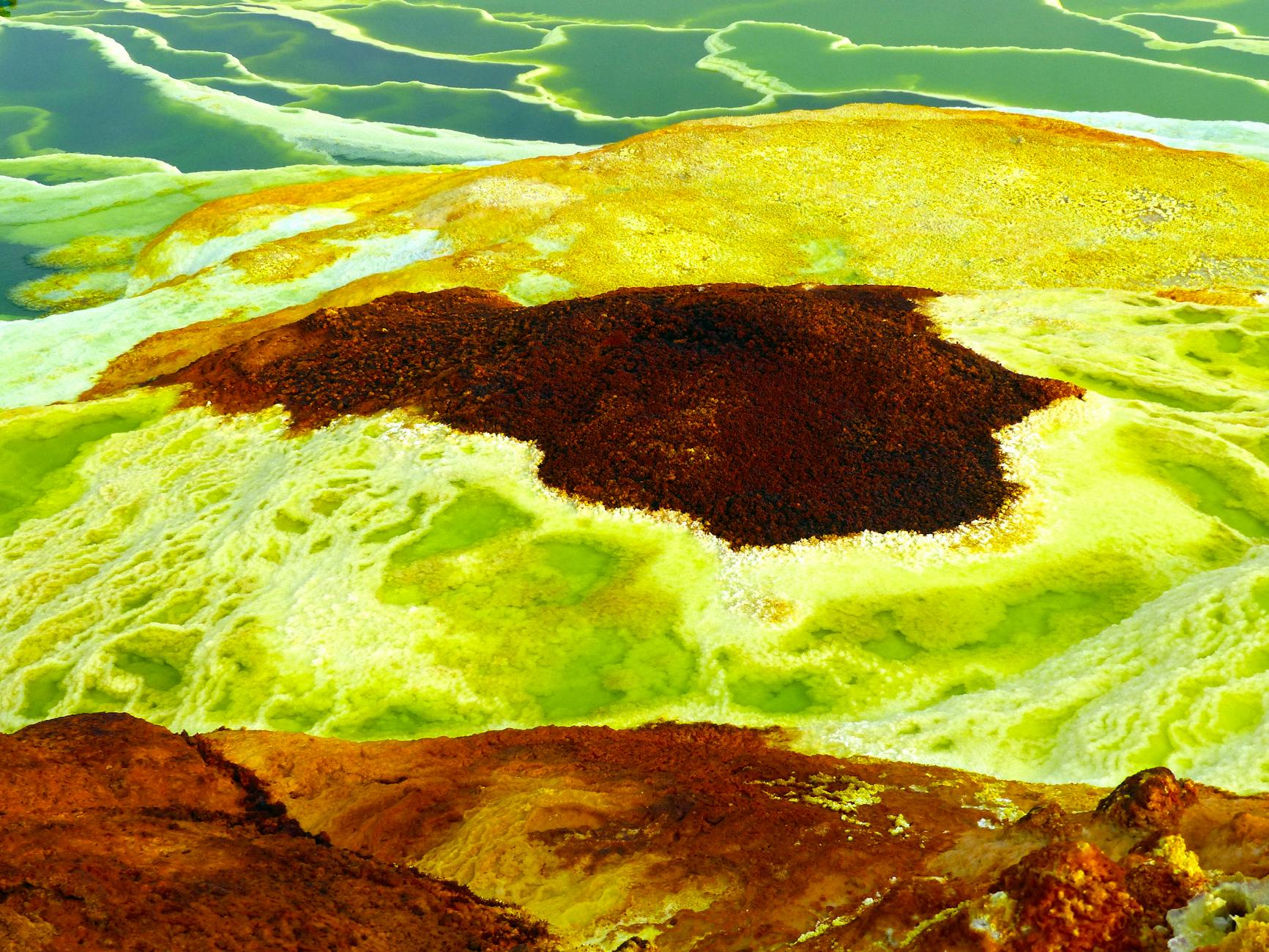
Located in northeastern Ethiopia, this geological marvel is one of the hottest, driest, and most volcanically active places on the surface of the Earth. The Dallol hydrothermal field produces a surreal landscape of yellow sulfur formations, acid pools, and salt flats that appear almost extraterrestrial in their vivid coloring. Ongoing tectonic activity is slowly pulling the African continent apart at this location, making it one of the few places where continental drift is actively and visibly occurring. Climate projections suggest that already extreme temperatures in the region will increase further, making safe access for travelers progressively more difficult. Visiting Dallol today requires expert guides and careful planning, but the visual experience is unlike anything else on Earth.
Socotra Island
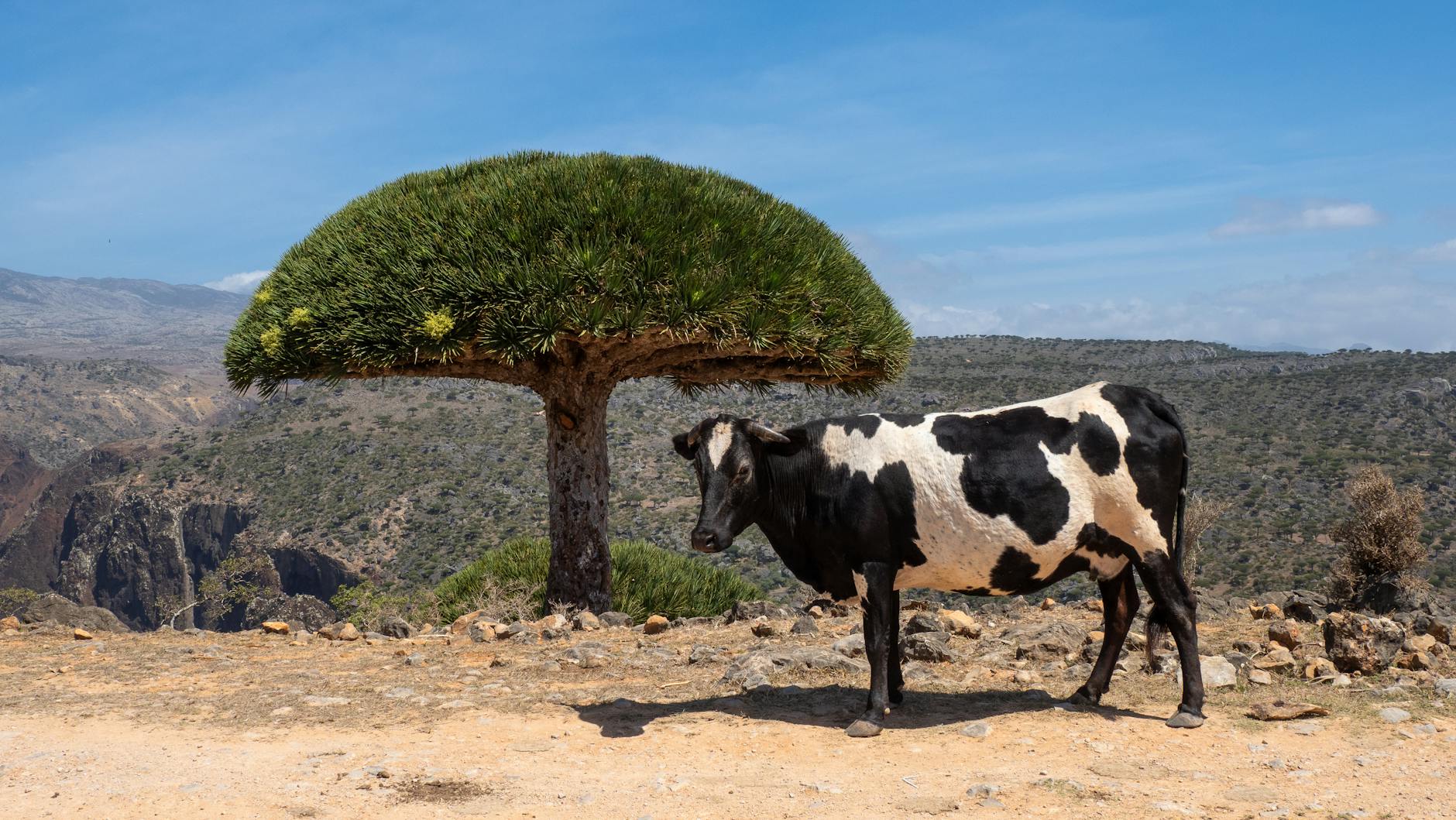
Floating in the Arabian Sea off the coast of Yemen, this remote island is sometimes called the Galapagos of the Indian Ocean due to its extraordinary level of biological isolation and endemism. The dragon blood tree, with its umbrella-shaped canopy and deep red sap, is the most iconic of the many bizarre and ancient plant species found here. Political instability in Yemen has made access increasingly difficult, and the island has been battered by a series of powerful cyclones in recent years that have damaged its unique ecosystems. Over a third of the island’s plant species exist nowhere else on Earth, making it one of the most botanically irreplaceable places in the world. Conservation efforts are ongoing, but the combination of conflict, climate change, and development pressure makes Socotra’s future deeply uncertain.
Whitehaven Beach
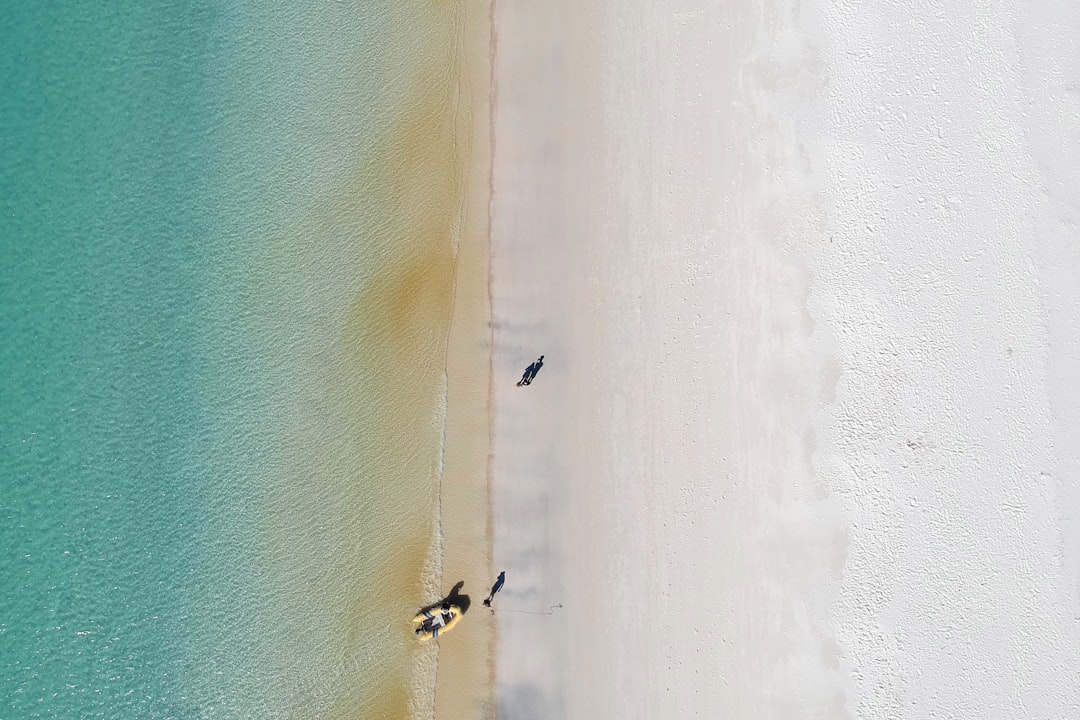
Stretching for seven kilometers along the Whitsunday Islands in Queensland, Australia, this beach is consistently ranked among the most spectacular stretches of coastline on the planet. Its sand is composed of ninety-eight percent pure silica, giving it a brilliant white color and a cool, almost powdery texture that is completely unique. The swirling tidal patterns in Hill Inlet create extraordinary aerial views where white sand and turquoise water intertwine in constantly shifting formations. The surrounding Great Barrier Reef Marine Park faces the same threats from warming and acidifying oceans that imperil reef systems globally. As coral bleaching continues to affect the wider ecosystem, the marine biodiversity that makes this coastline so exceptional hangs in the balance.
If you have visited any of these wonders or have them on your bucket list, share your thoughts in the comments.