Travelers often pull out their cameras without a second thought, eager to capture every fascinating detail of a foreign land. Yet in many countries, photographing certain everyday subjects can lead to serious legal trouble, confiscation of equipment, or deeply uncomfortable confrontations with locals or authorities. What seems perfectly harmless at home may carry entirely different weight in another cultural or political context. Understanding these invisible boundaries before you travel is one of the most responsible things you can do as a visitor. The following list counts down subjects that unsuspecting tourists have regretted photographing while abroad.
Currency
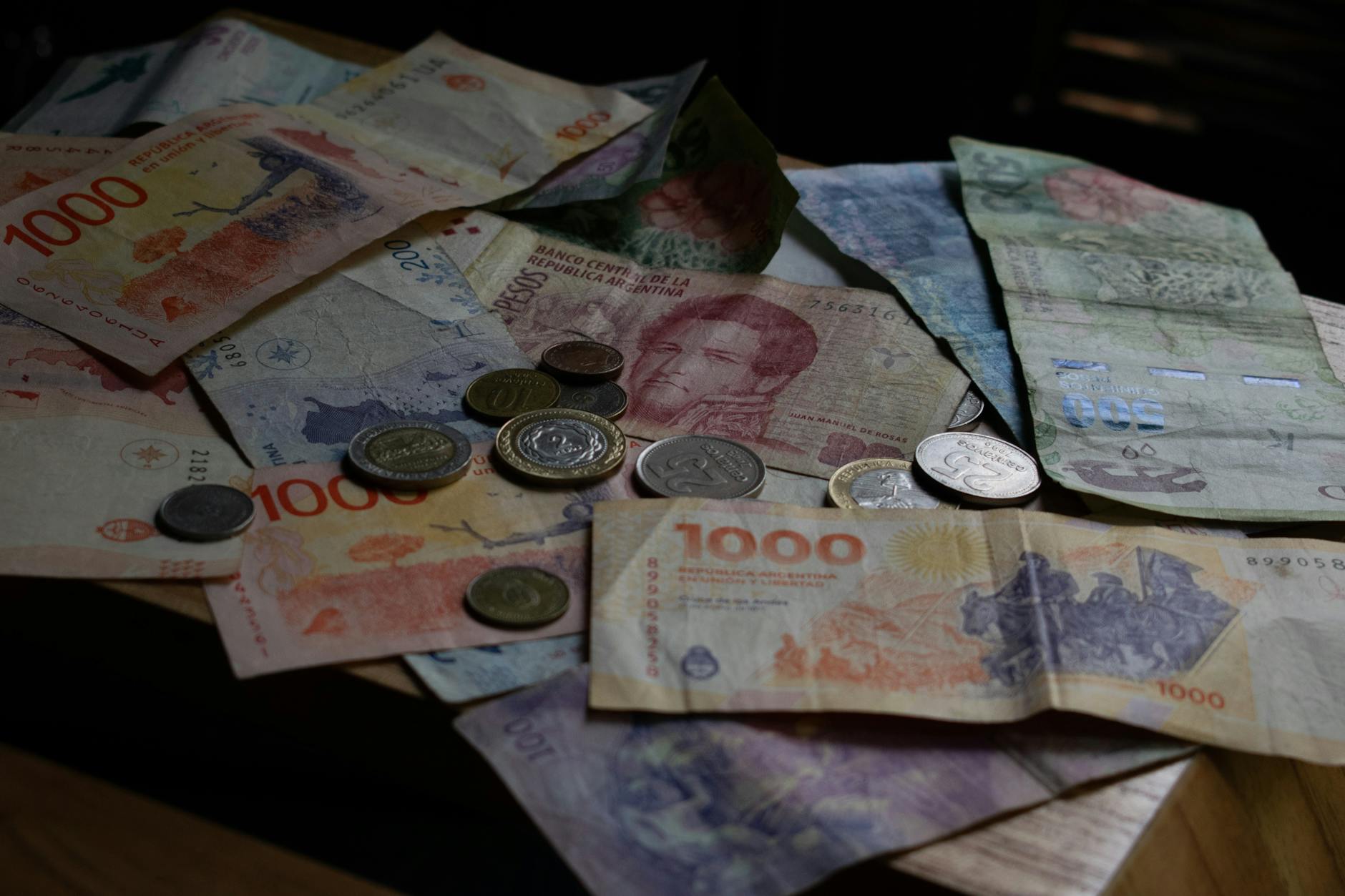
Paper money and coins may seem like charming souvenirs of a foreign trip but photographing currency is actually illegal in a surprising number of countries. Some nations treat images of their banknotes as potential tools for counterfeiting regardless of the photographer’s intent. In certain places even a casual snapshot of coins on a cafe table can attract unwanted attention from authorities. The laws vary widely so it is always worth researching the specific rules of your destination before you travel.
Government Buildings
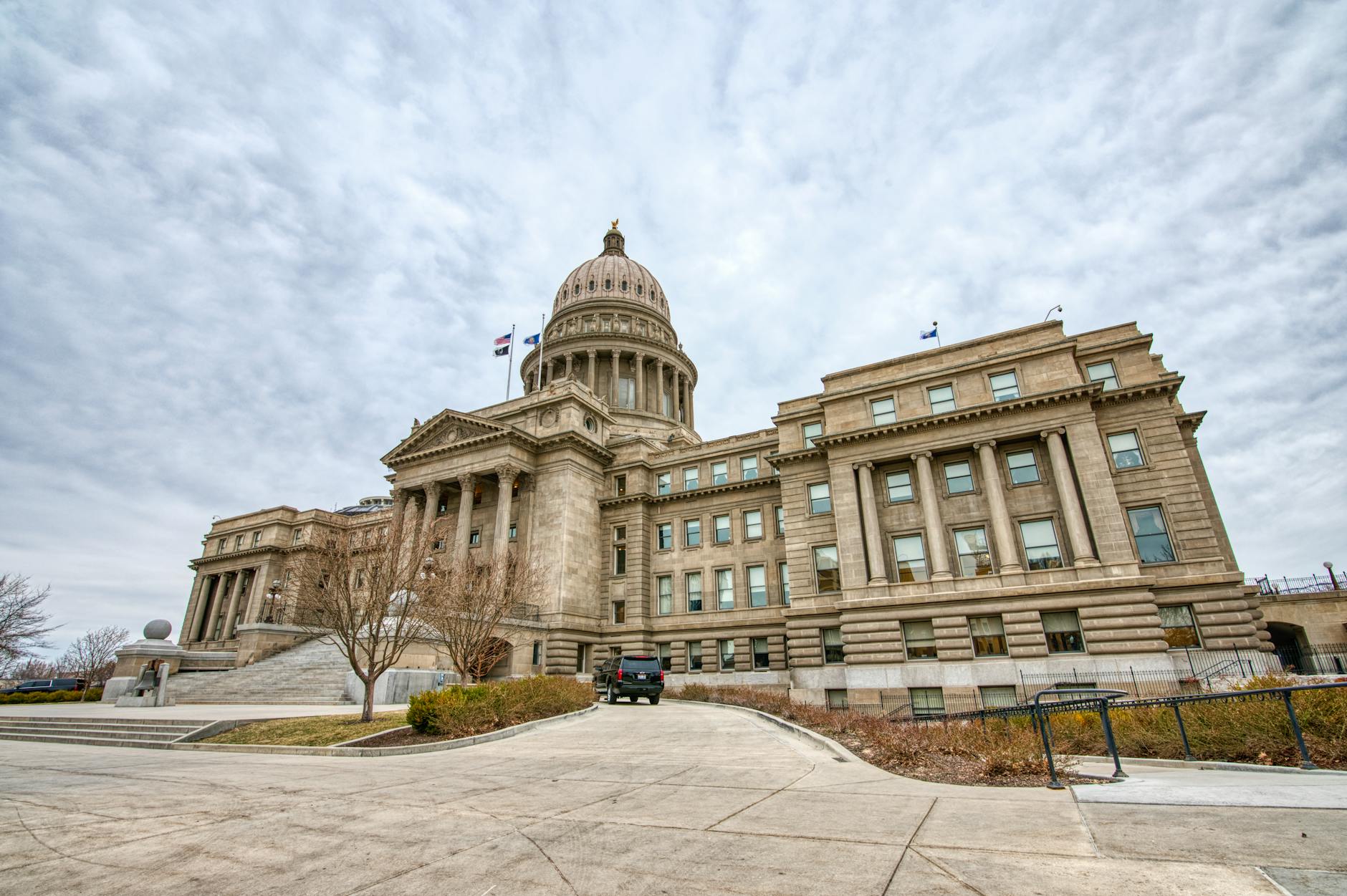
Public buildings funded by taxpayers might feel like natural backdrops for travel photography but many governments classify these structures as sensitive national assets. In countries with high security awareness even photographing a town hall or a regional administrative office from the street can be considered suspicious behavior. Security personnel stationed outside such buildings are often authorized to detain individuals they observe taking photographs. This restriction applies in far more destinations than most travelers would expect including several popular European and Asian countries.
Military Personnel
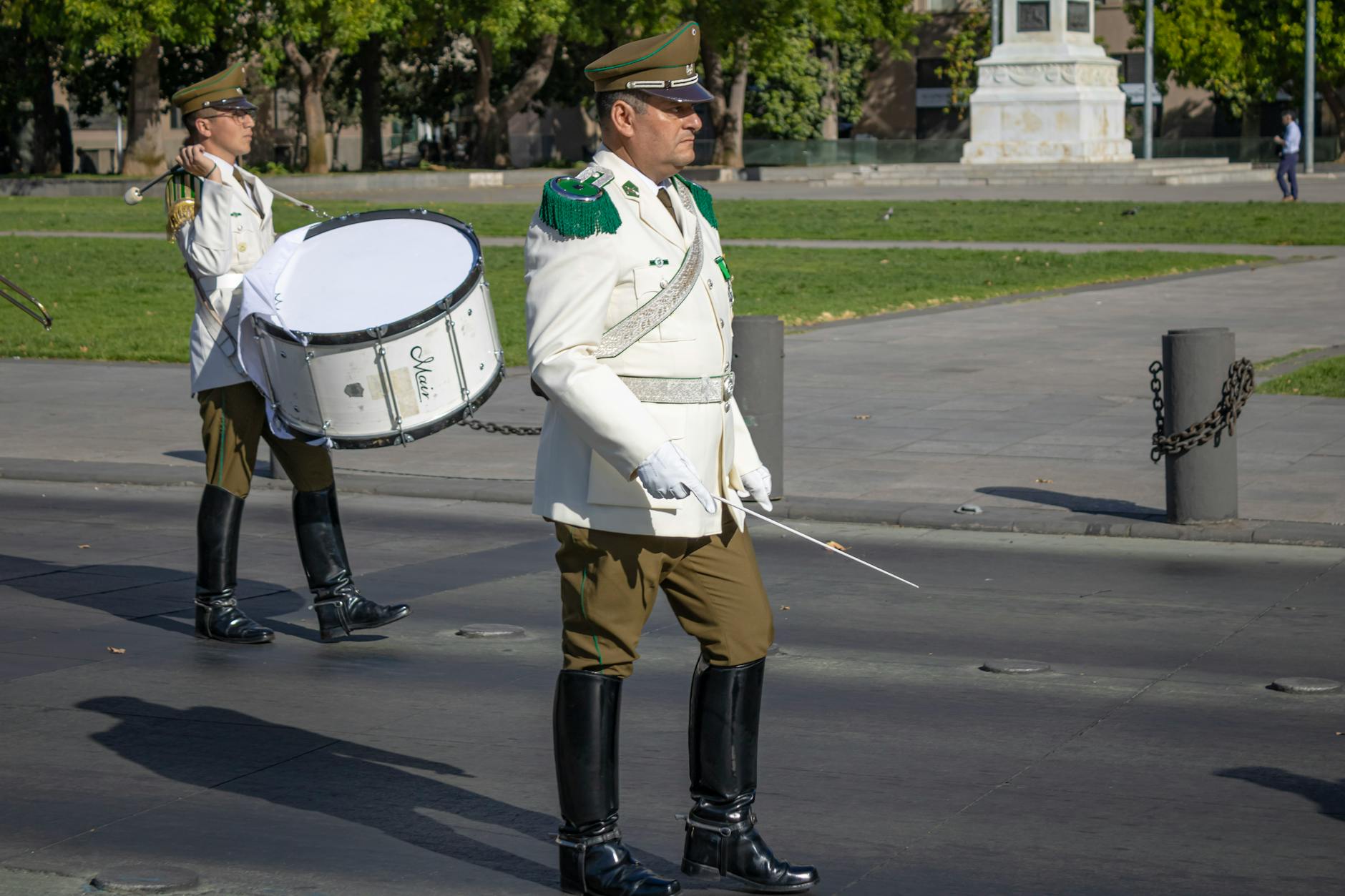
Uniformed soldiers and military officers carry significant symbolic weight in many cultures and photographing them without explicit permission is widely prohibited. In some nations approaching a soldier to request a photo is itself considered a provocative or disrespectful act. The consequences can range from a stern warning to temporary detention and deletion of your images. Even candid long-distance shots taken during a public parade or ceremony can fall into a legal gray area in certain jurisdictions.
Border Zones
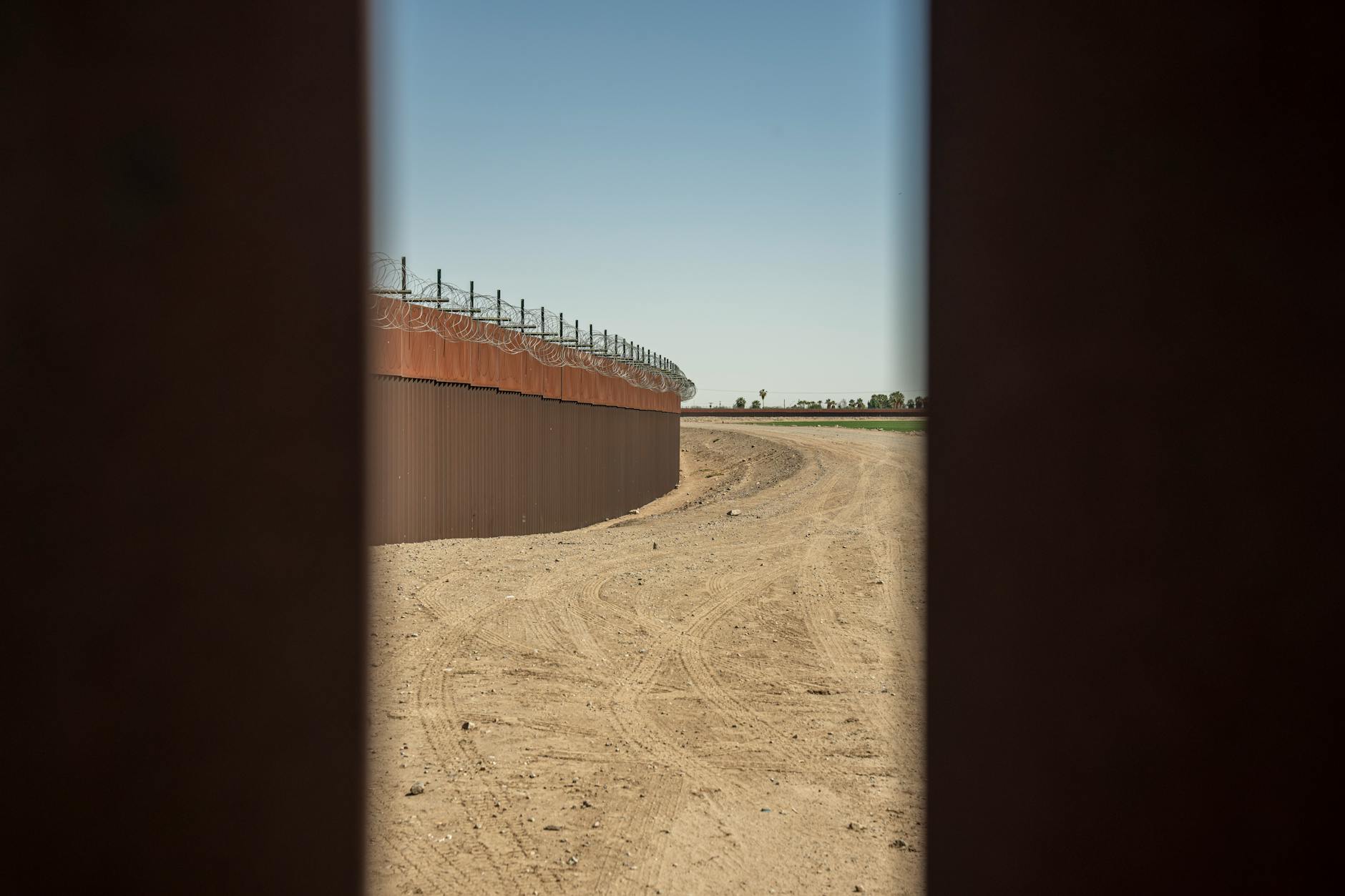
The areas immediately surrounding international border crossings are classified as restricted security zones in the majority of countries around the world. Cameras and smartphones raised anywhere near checkpoints immigration booths or border fencing can trigger an immediate response from armed personnel. Travelers have had devices confiscated and films or memory cards destroyed on the spot in these situations. The presence of surveillance infrastructure alone makes border zones among the most legally sensitive places to photograph globally.
Police Officers
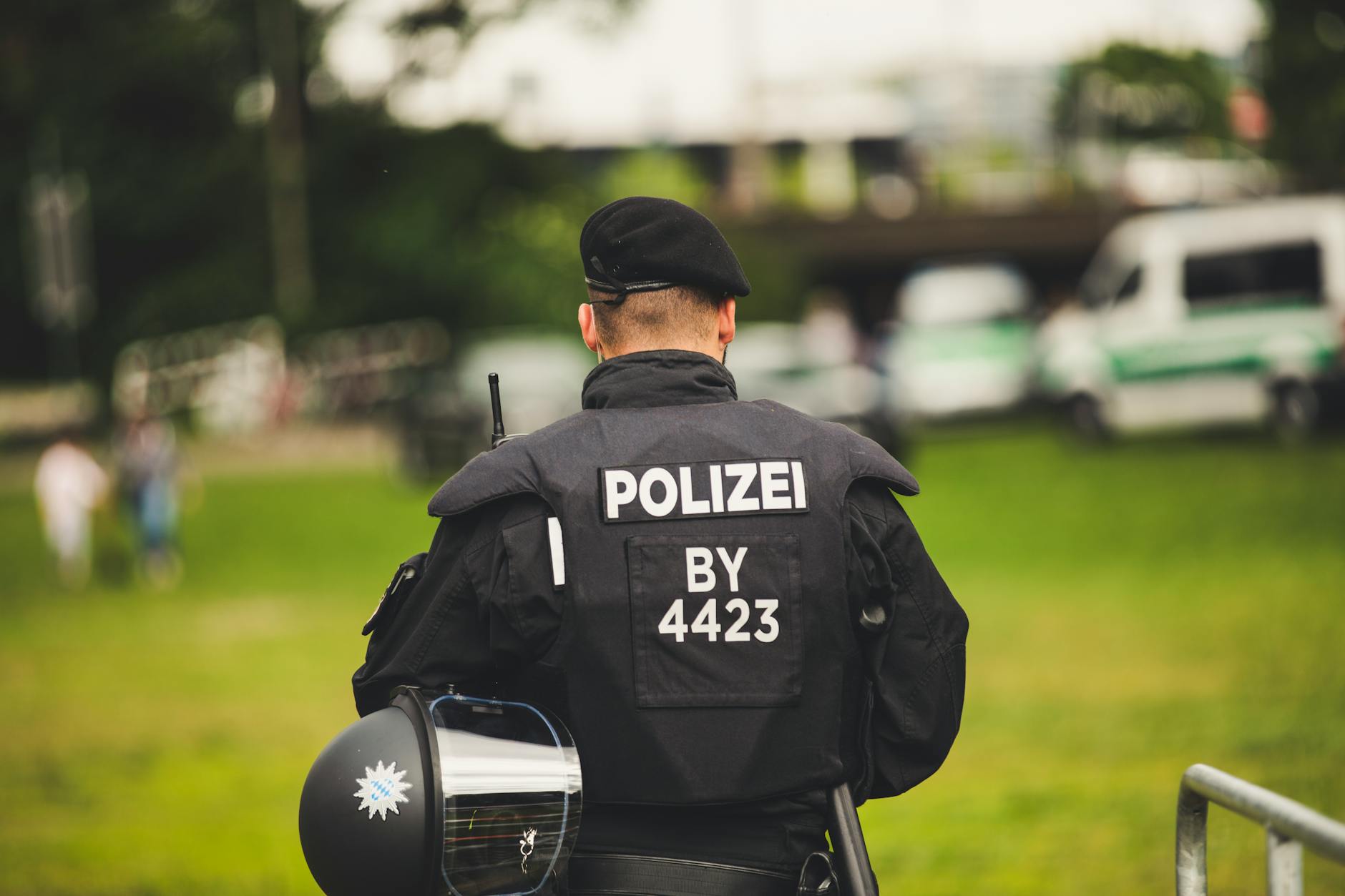
Law enforcement officers in many countries are protected by specific statutes that prohibit their photography without consent particularly when they are on active duty. In some destinations this rule extends to police vehicles police stations and even officers standing in a public square during routine patrol. Tourists who photograph officers during protests or public order situations face especially serious legal risk in countries with restrictive press and privacy laws. Checking the local laws regarding photography of law enforcement is essential preparation for any international trip.
Religious Ceremonies
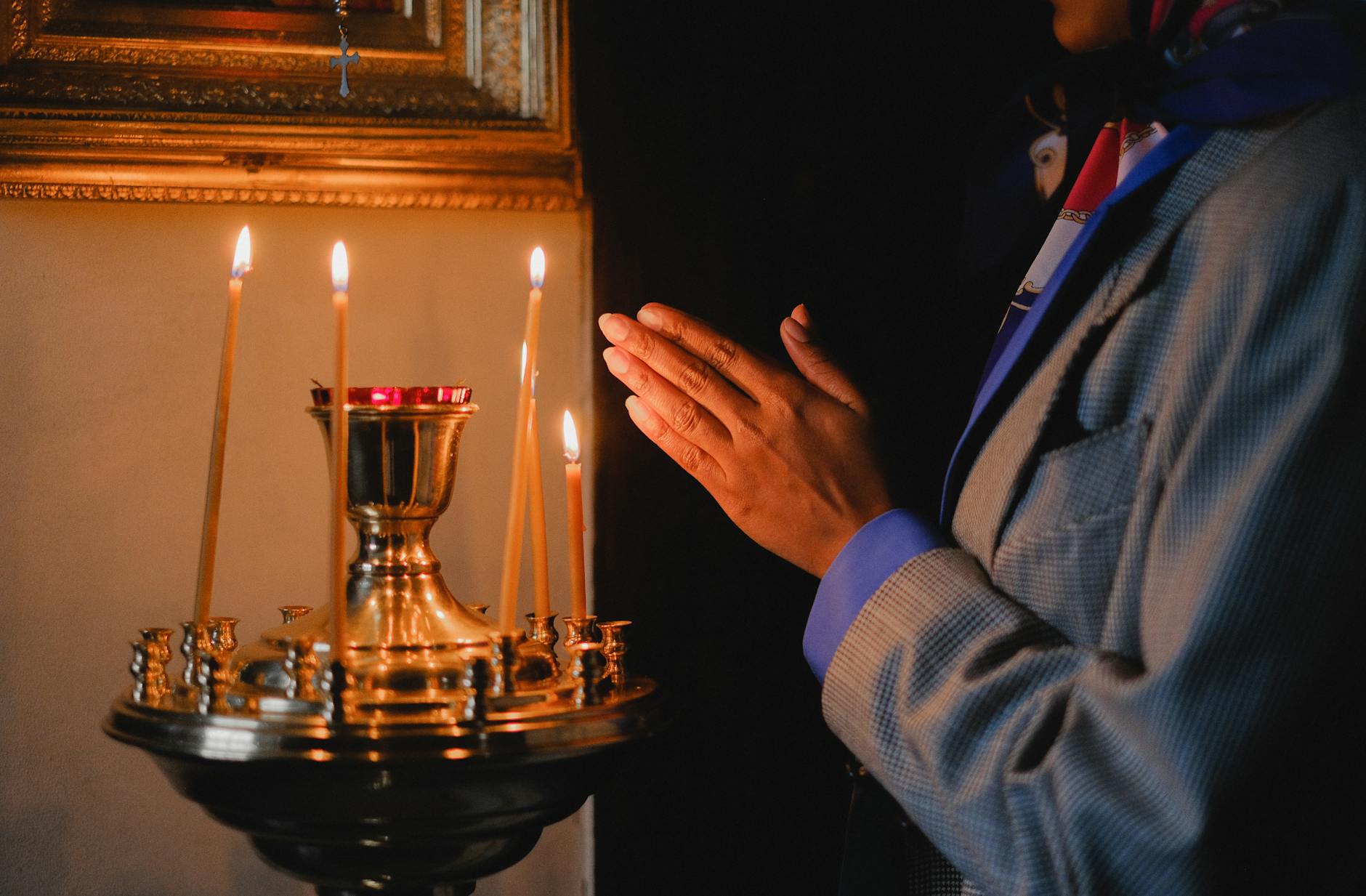
Active religious ceremonies whether taking place inside a temple mosque church or open-air shrine are considered deeply sacred moments in virtually every culture. Pointing a camera at worshippers who are praying conducting rituals or participating in sacred traditions is widely regarded as intrusive and disrespectful. In some countries including those across Southeast Asia and the Middle East photographing religious practices without permission is a punishable offense. The disturbance caused by photography during worship can also lead to being permanently banned from a religious site.
Airport Interiors
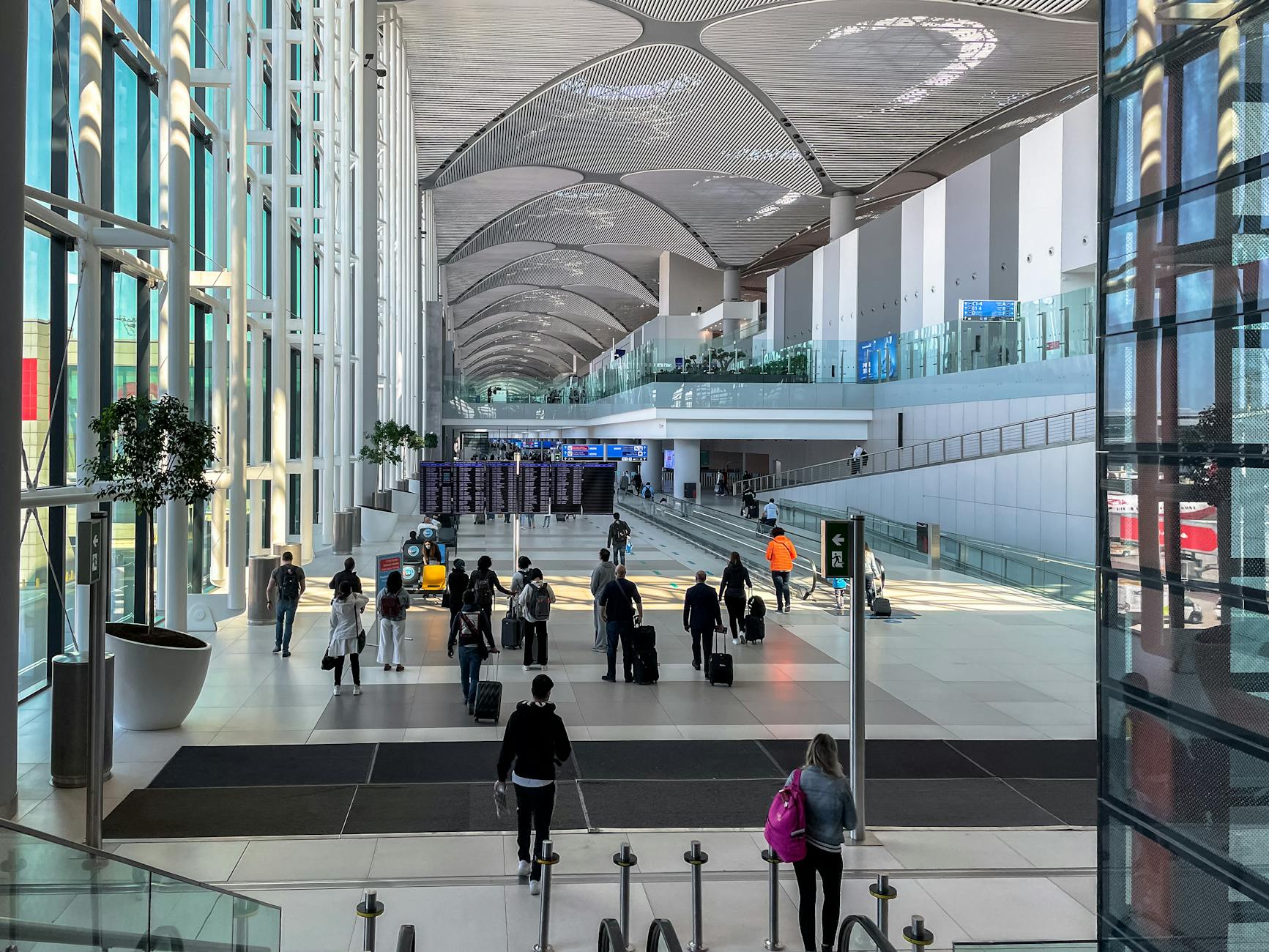
Airports are among the most heavily monitored and security-conscious environments in the world and photography inside them is restricted far more broadly than most travelers realize. Security screening areas boarding gates and baggage handling zones are commonly listed as no-photography zones in national aviation laws. Even snapping a casual picture of an unusual food item at an airport restaurant can attract attention if security infrastructure appears in the background of the image. Some countries extend these restrictions to cover the entire interior of the terminal building without exception.
Poverty
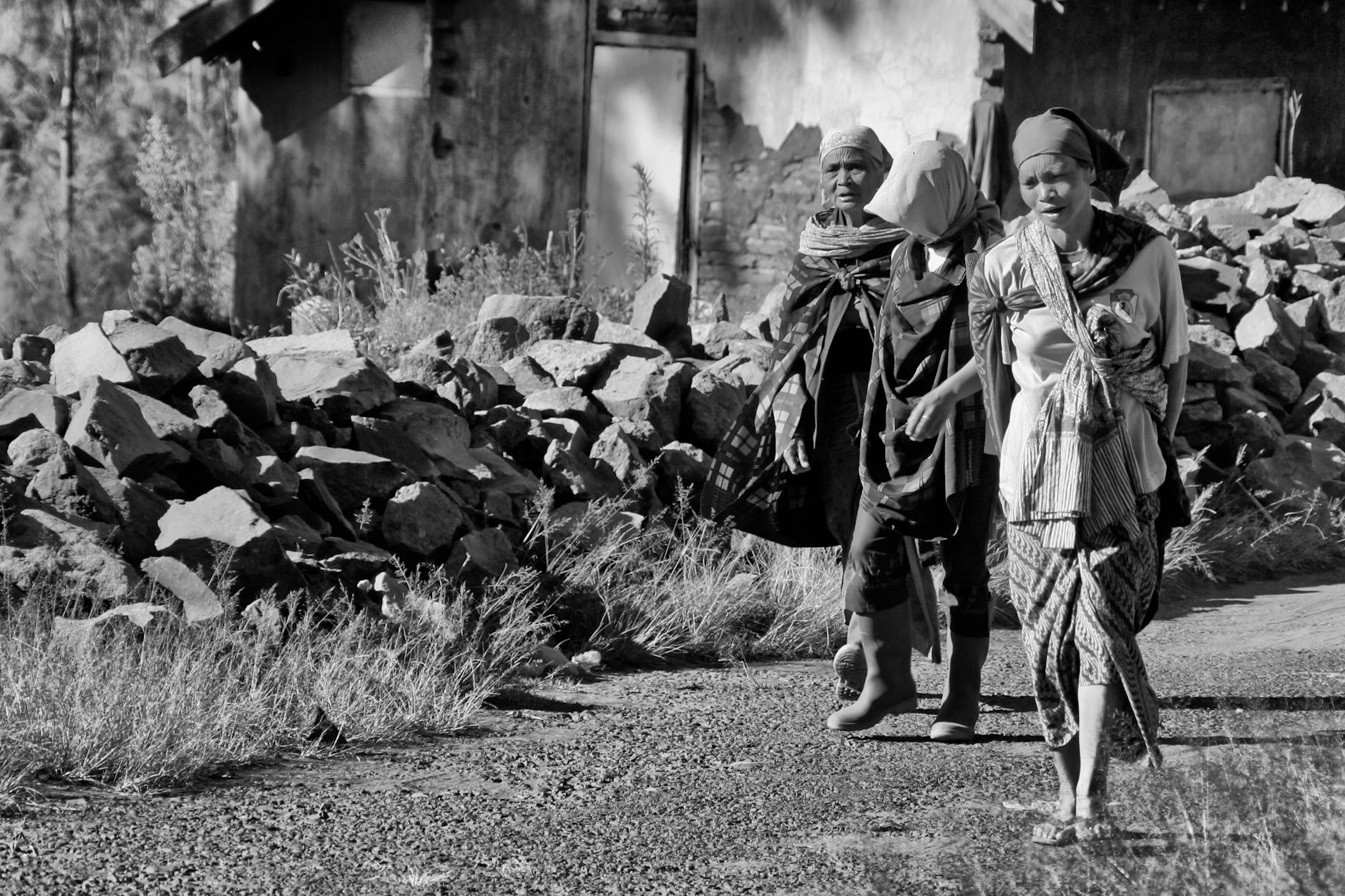
Photographing people living in poverty informal settlements or visibly difficult circumstances raises profound ethical issues that extend beyond simple legality. In many countries photographing slums favelas or homeless individuals without explicit consent is considered exploitative and is actively discouraged or prohibited by local community organizations. Some municipalities in Brazil India and South Africa have introduced specific guidelines or laws to protect residents of informal settlements from being treated as tourist attractions. Approaching these communities with a camera without invitation or permission can also create real safety risks for the photographer.
Locals Without Consent
The right to control one’s own image is taken very seriously in many legal systems around the world particularly in continental Europe and parts of Latin America. France for example has strong portrait rights laws meaning that photographing an identifiable individual in a public space and publishing or sharing that image without consent can result in legal action. In more conservative societies photographing women without permission carries particular cultural sensitivity and can provoke serious confrontations. Always seeking consent before photographing individuals is not only a legal safeguard but also a basic gesture of human respect.
Palaces
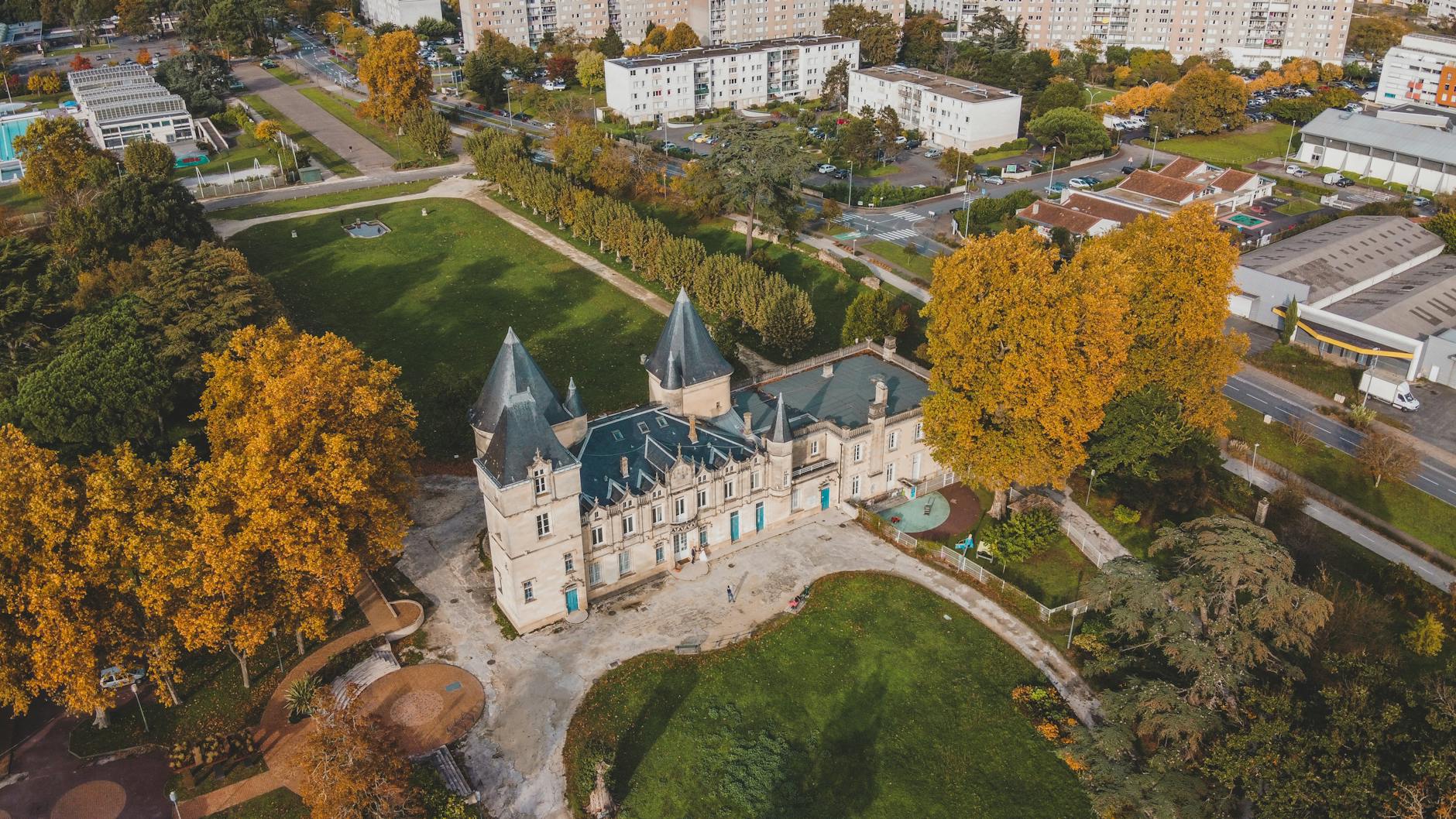
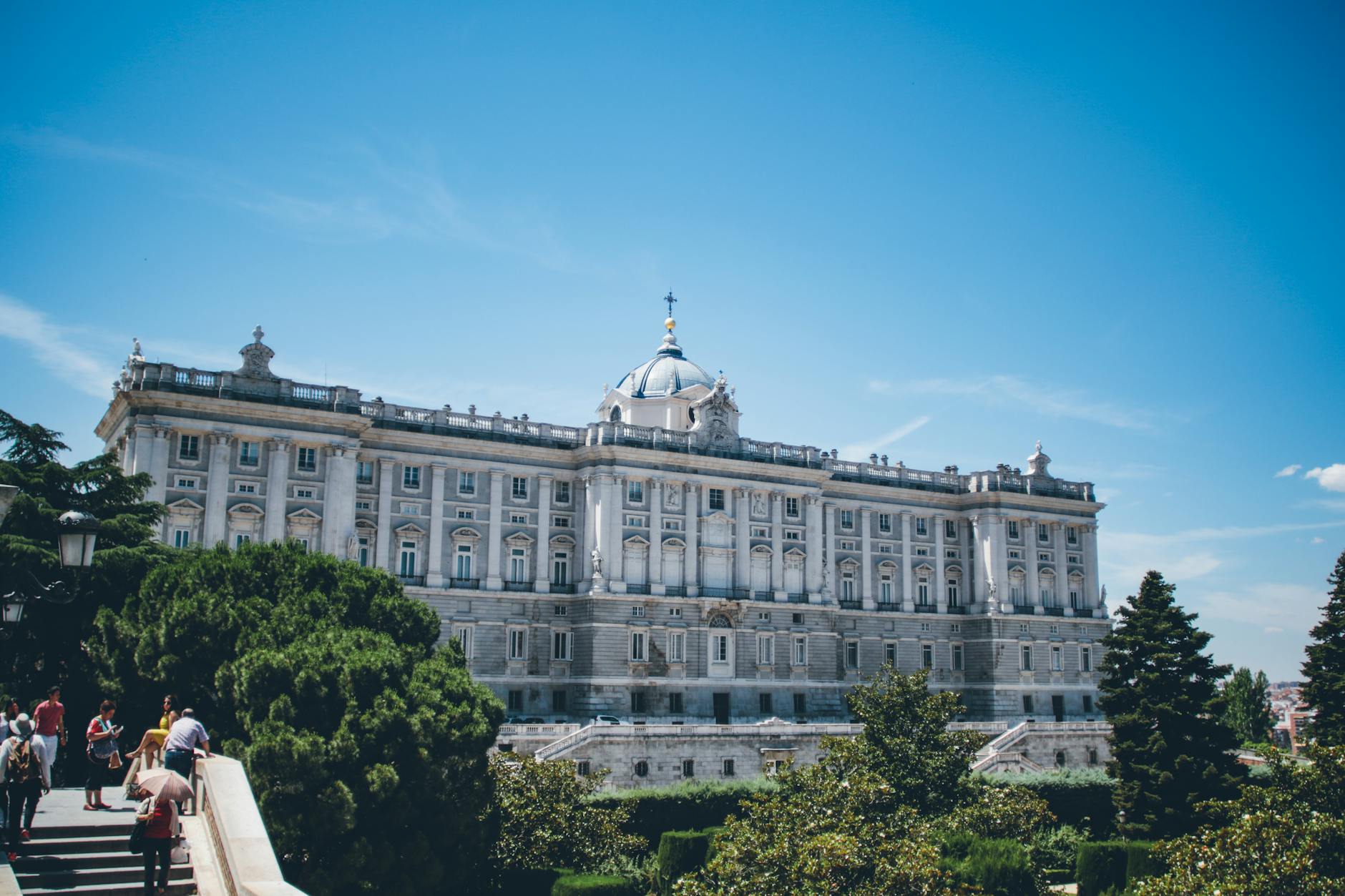
Royal palaces and official residences of heads of state are subject to strict photography rules in countries across Europe Asia and the Middle East. While the exterior of certain famous palaces may be openly photographed the interiors courtyards and surrounding gardens are frequently off-limits to cameras. In Thailand photographing the Grand Palace complex in ways considered irreverent toward the monarchy is treated with exceptional seriousness under lese-majeste laws. Even pointing a camera in the general direction of a royal residence in some Gulf states can attract the attention of plainclothes security officers.
Nuclear Facilities
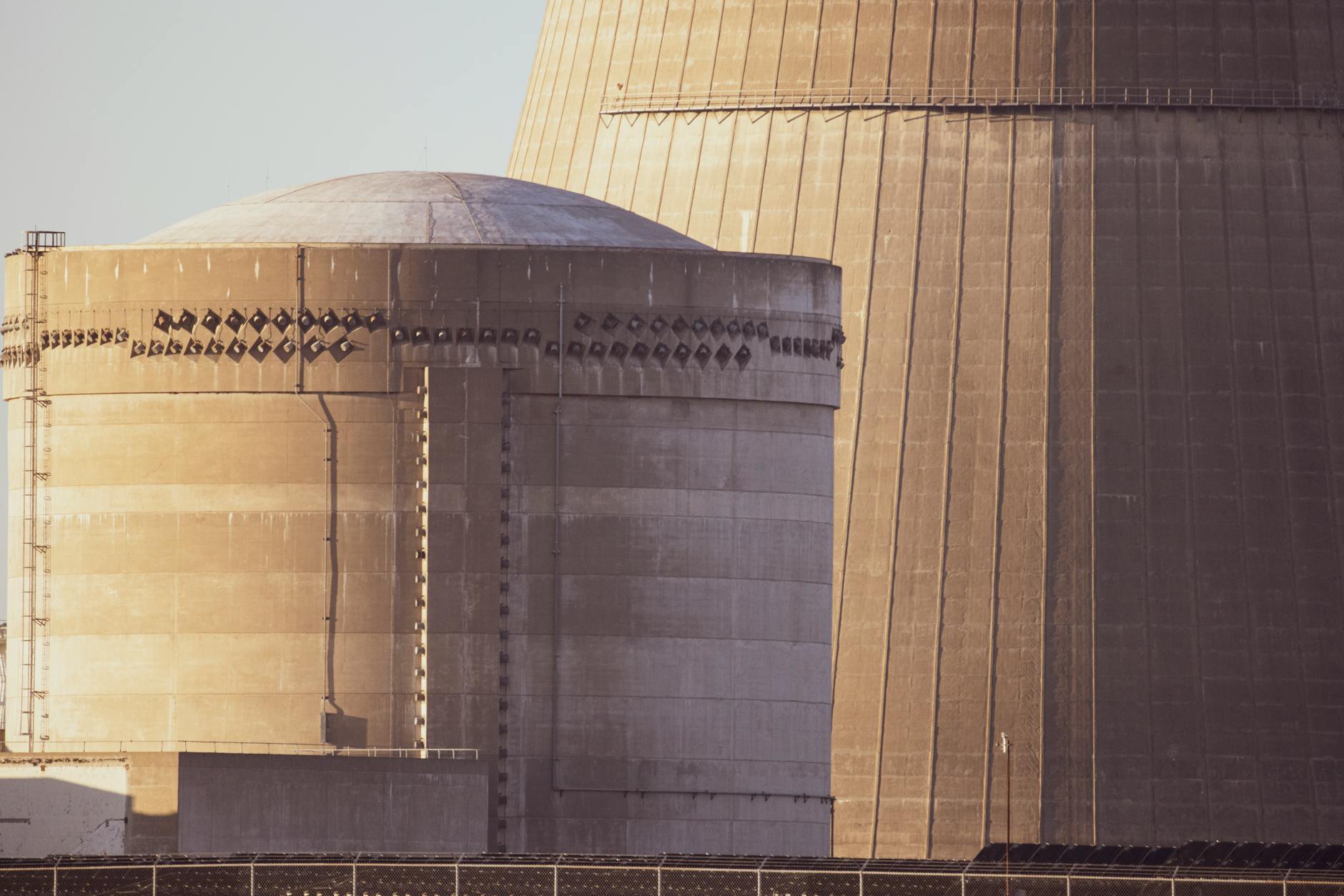
Nuclear power plants research reactors and any infrastructure connected to a country’s energy or defense program are among the most strictly protected photographic subjects on earth. In most nations a no-photography zone extends for a considerable radius around such facilities and the restriction is enforced by law enforcement or military units. Even photographing a nuclear facility accidentally from a passing train or highway can result in questioning by authorities. This applies equally to allied tourist-friendly nations and to countries with more restrictive governments.
Propaganda Art
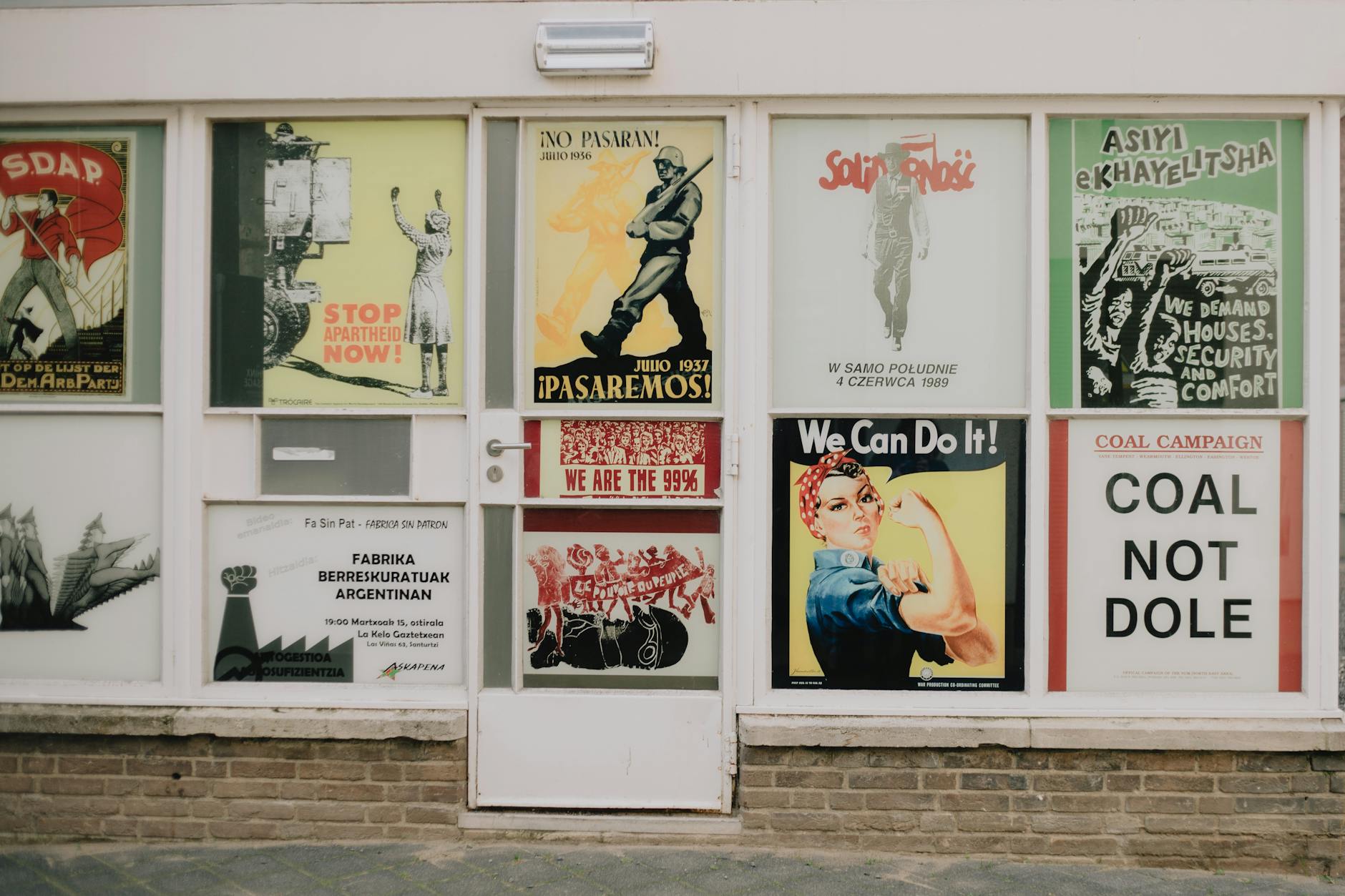
State-commissioned murals political monuments and ideological artwork found in countries with authoritarian governments may appear visually striking to foreign visitors but photographing them carries real risk. In North Korea Cuba and parts of Central Asia state imagery is considered an expression of national sovereignty and documenting it as a foreigner can be interpreted as a political act. Guides and minders in some of these countries actively monitor tourists to ensure cameras are not pointed at ideologically sensitive art or signage. Even sharing such images on social media after returning home has in some cases created complications for travelers on future visits.
Prison Facilities
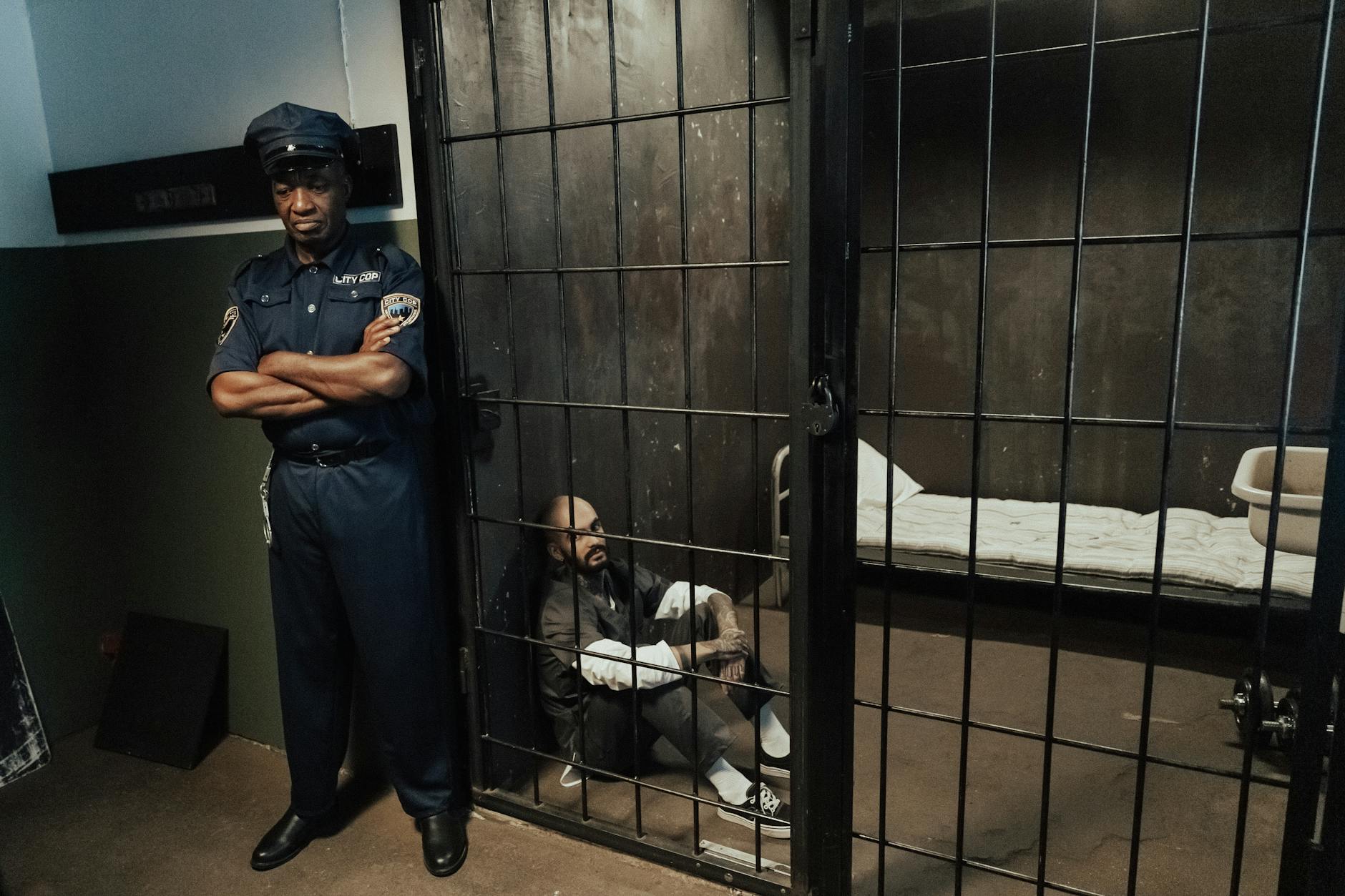
Correctional institutions detention centers and prison complexes are classified as high-security facilities in virtually every country and photography of them is almost universally prohibited. Even photographing a prison from a public road or from a distance can be treated as an intelligence-gathering activity by authorities in more security-sensitive nations. Some countries extend this restriction to cover former prisons that have been converted into museums requiring visitors to surrender cameras at the entrance. The sensitivity around these facilities reflects both security concerns and the privacy rights of the individuals detained within them.
Airports From Outside
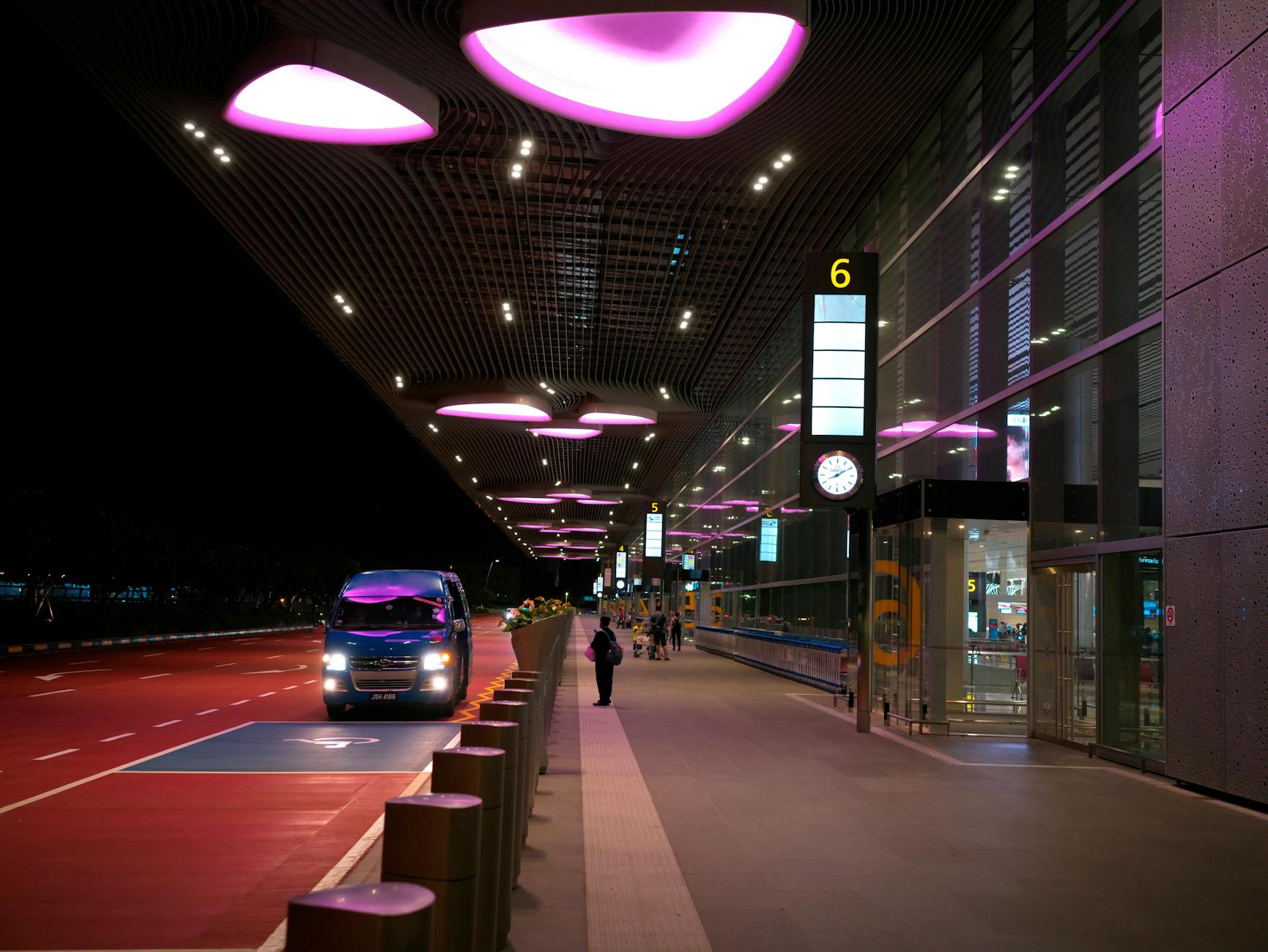
Photographing airport perimeters runways or aircraft movement areas from outside the terminal is treated as a security threat in a growing number of countries. Aviation security legislation passed in the years following major international incidents has dramatically expanded the list of prohibited photographic positions around airports worldwide. Plane spotters who once freely documented aircraft from public vantage points near major airports now face legal uncertainty in destinations including India China and several Middle Eastern nations. Checking the current aviation photography regulations of your destination country is strongly recommended before attempting any external airport photography.
Courthouses
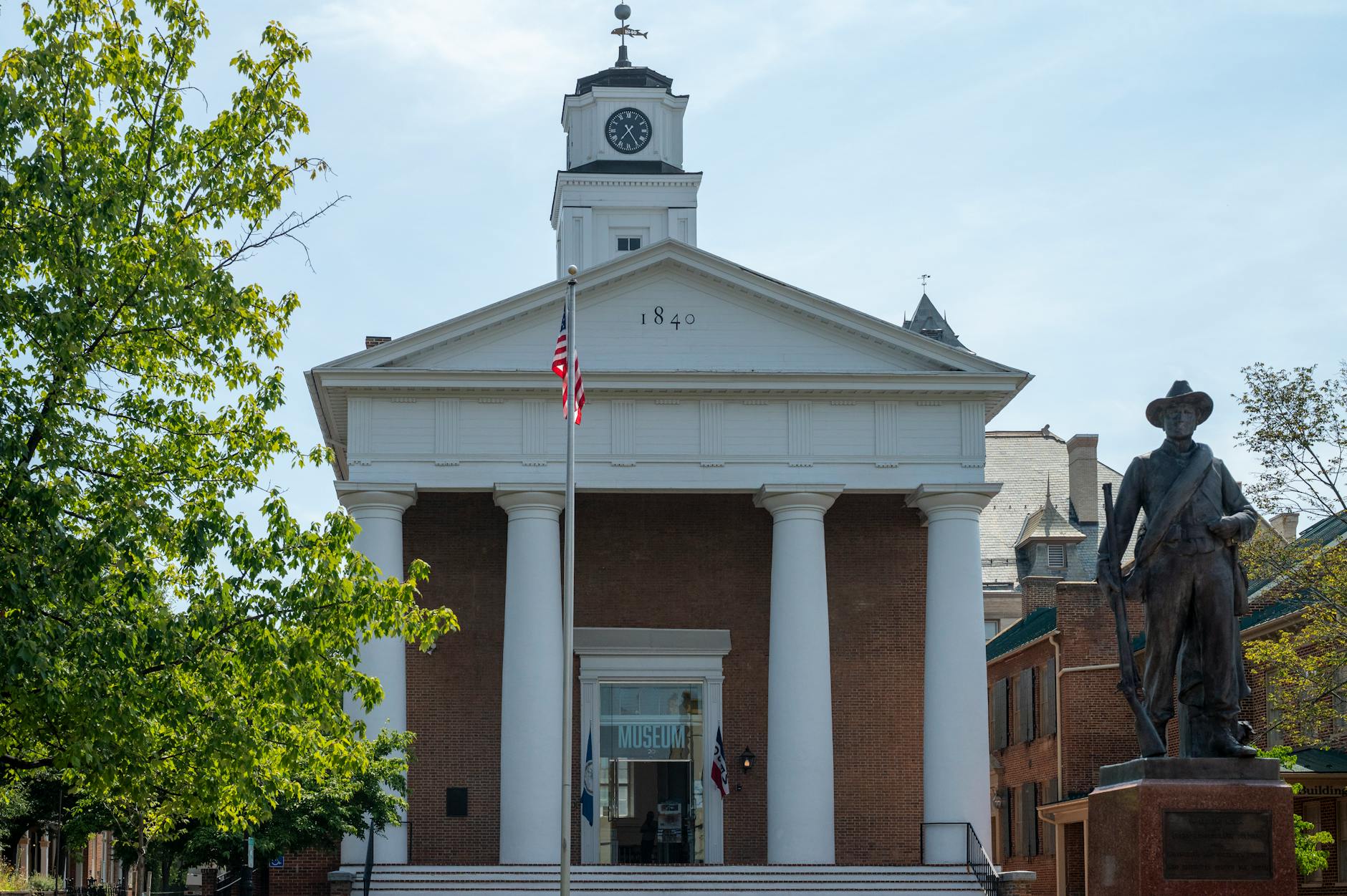
Courts of law including their entrances facades waiting areas and any visible proceedings are subject to strict photography bans in most of the world’s legal systems. The prohibition exists to protect the integrity of legal proceedings the identities of witnesses and the dignity of victims who may be present. In the United Kingdom and many of its former territories photographing anything within the court precinct including the car park is a contempt of court offense. Even raising a smartphone outside the main entrance of a courthouse can attract the attention of security officers in many jurisdictions.
Bridges
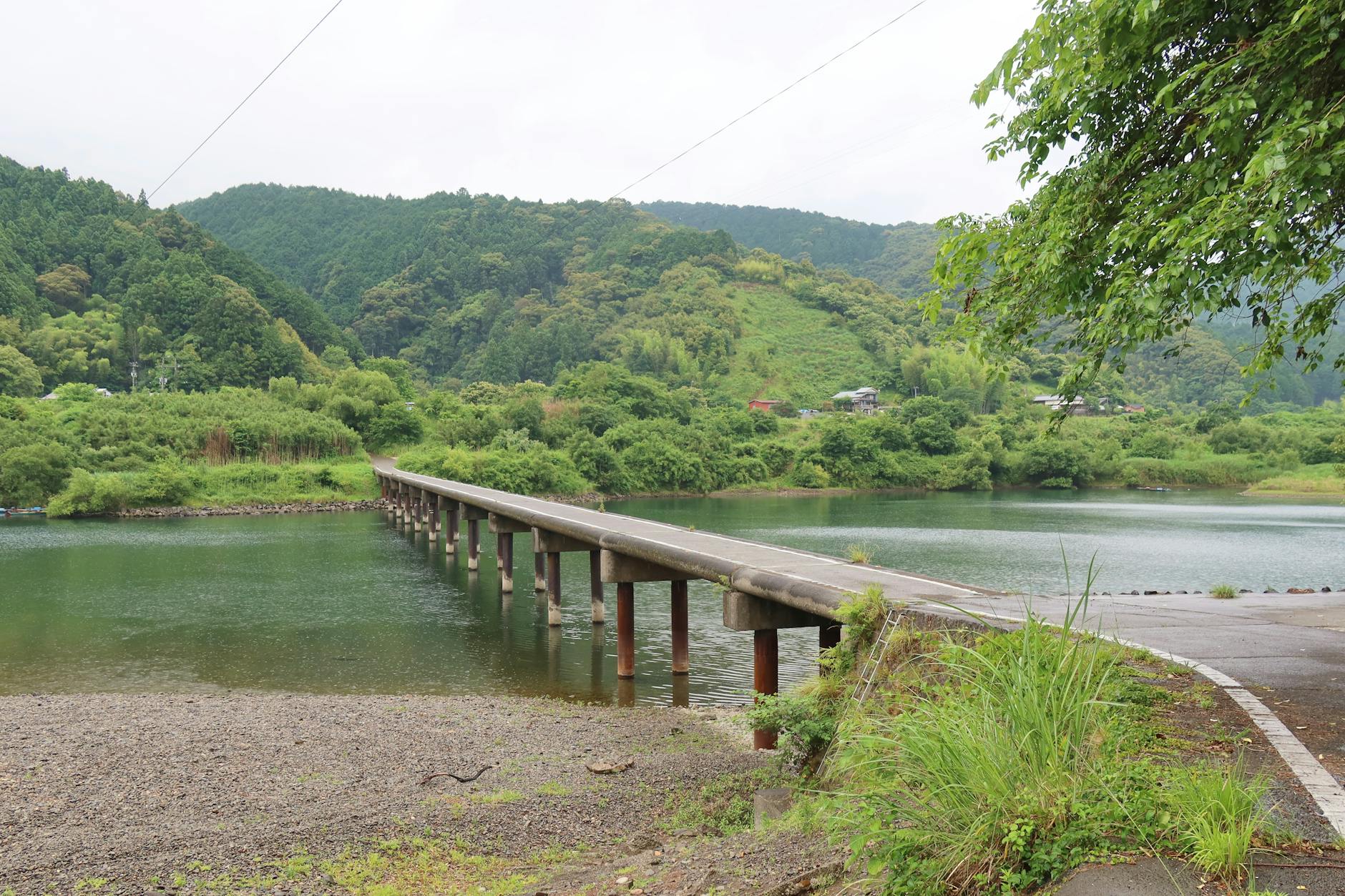
Infrastructure photographs including those of bridges tunnels elevated highways and rail viaducts are classified as potential security material in a growing list of countries. India has some of the most well-known restrictions of this kind with bridges over rivers and railways specifically named in photography prohibition orders in certain states. In the aftermath of global concerns around infrastructure terrorism several other nations have introduced or quietly enforced similar rules. What appears to be a scenic architectural shot to a tourist may be interpreted very differently by a security officer monitoring the area.
Dams
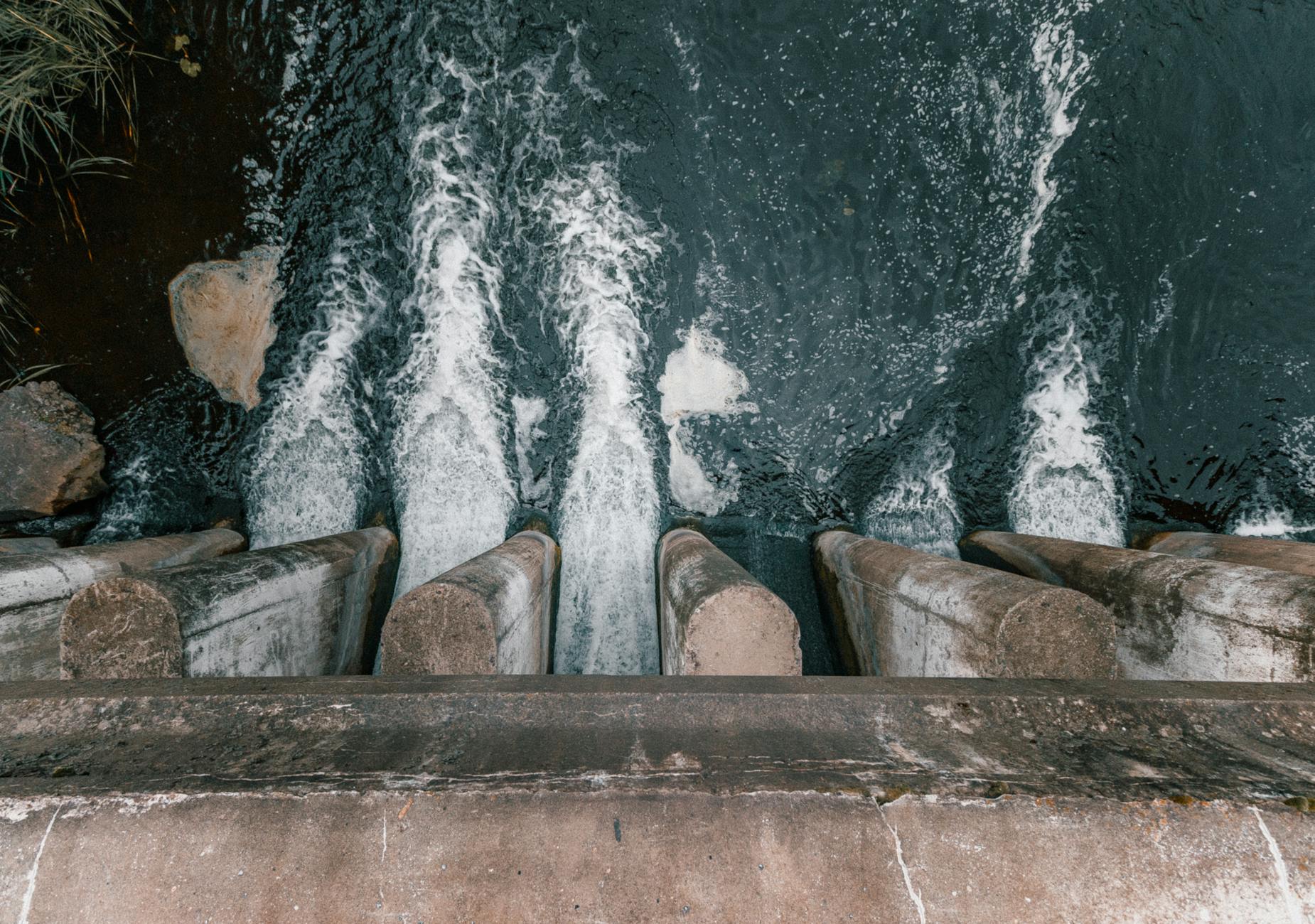
Large dams reservoirs and water management infrastructure are considered critical national assets in most countries and are subject to explicit photography bans. The rationale is rooted in national security as detailed images of dam infrastructure could theoretically assist hostile actors in identifying structural vulnerabilities. In India Egypt and China photographing major dam projects is specifically prohibited under infrastructure protection laws. Tourists who stop near scenic reservoir overlooks and point cameras toward the dam structure itself have been stopped and questioned in multiple countries.
Casinos
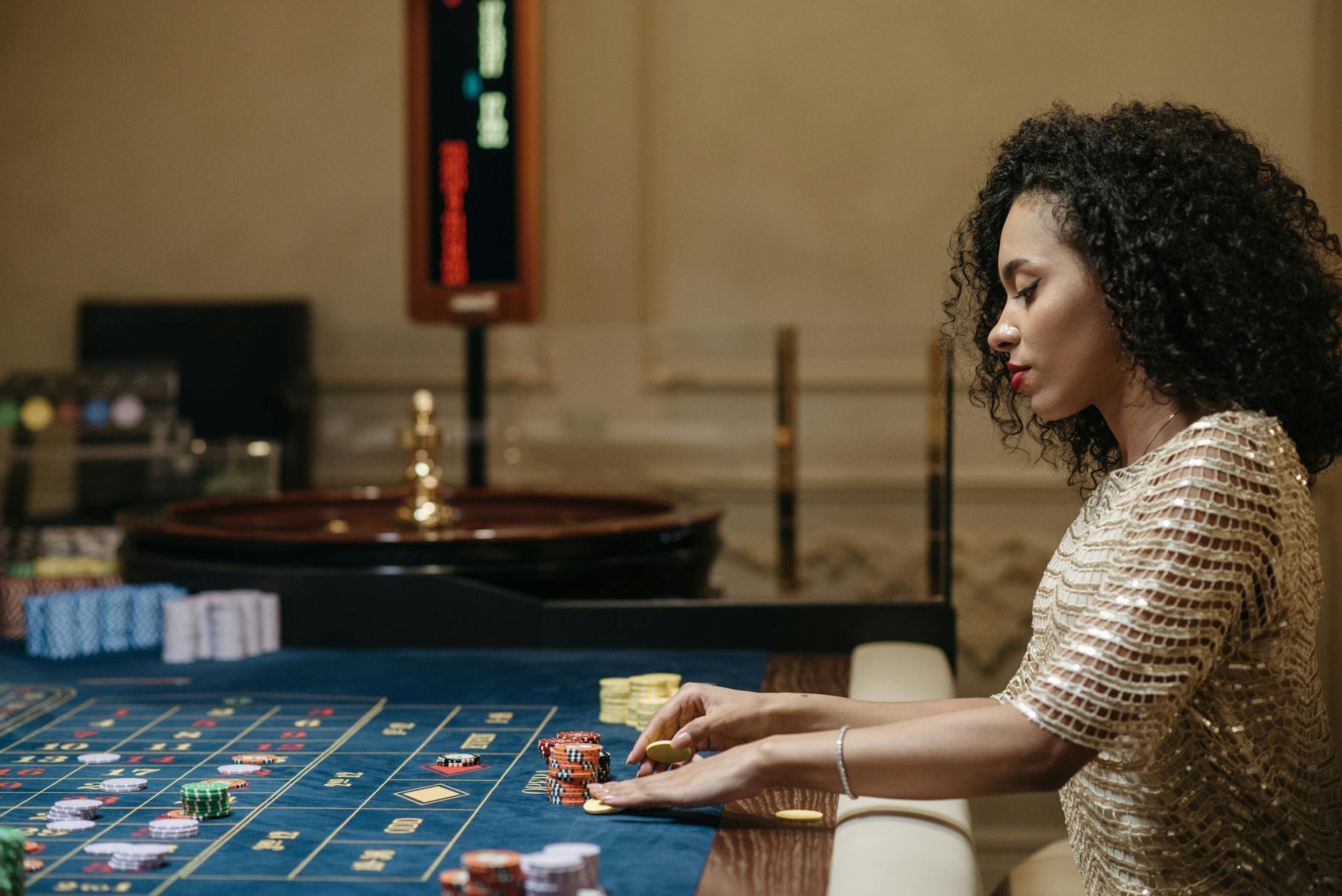
Many casino operators and the governments that regulate them explicitly prohibit photography on the gaming floor and in certain other areas of their establishments. The prohibition exists to protect the identities of high-value gamblers to prevent cheating strategies from being documented and to comply with privacy regulations. In Macau one of the world’s most visited gambling destinations casino photography rules are enforced by floor staff and security teams with considerable authority. Visitors who raise cameras or smartphones on a casino floor may have their devices examined and their images deleted on the spot.
Locals Eating
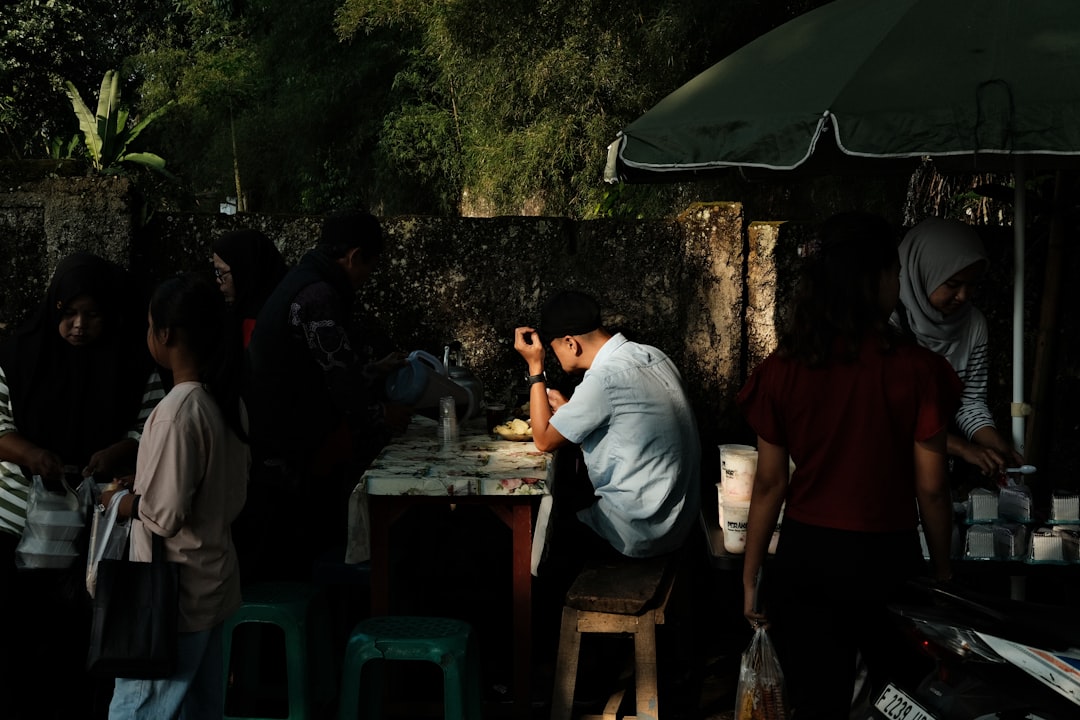
Photographing strangers in restaurants markets or street food settings without their knowledge is a practice increasingly recognized as a violation of personal privacy and dignity. In several European countries including Germany and the Netherlands strict interpretation of portrait rights means that a clearly identifiable person captured eating or going about daily life can seek legal remedy if that image is published. Beyond legality many cultures find it deeply offensive to have foreigners document them in ordinary private moments as a form of exotic curiosity. Asking permission before photographing anyone in a personal or domestic-feeling setting is a universally safer approach.
ATM Machines
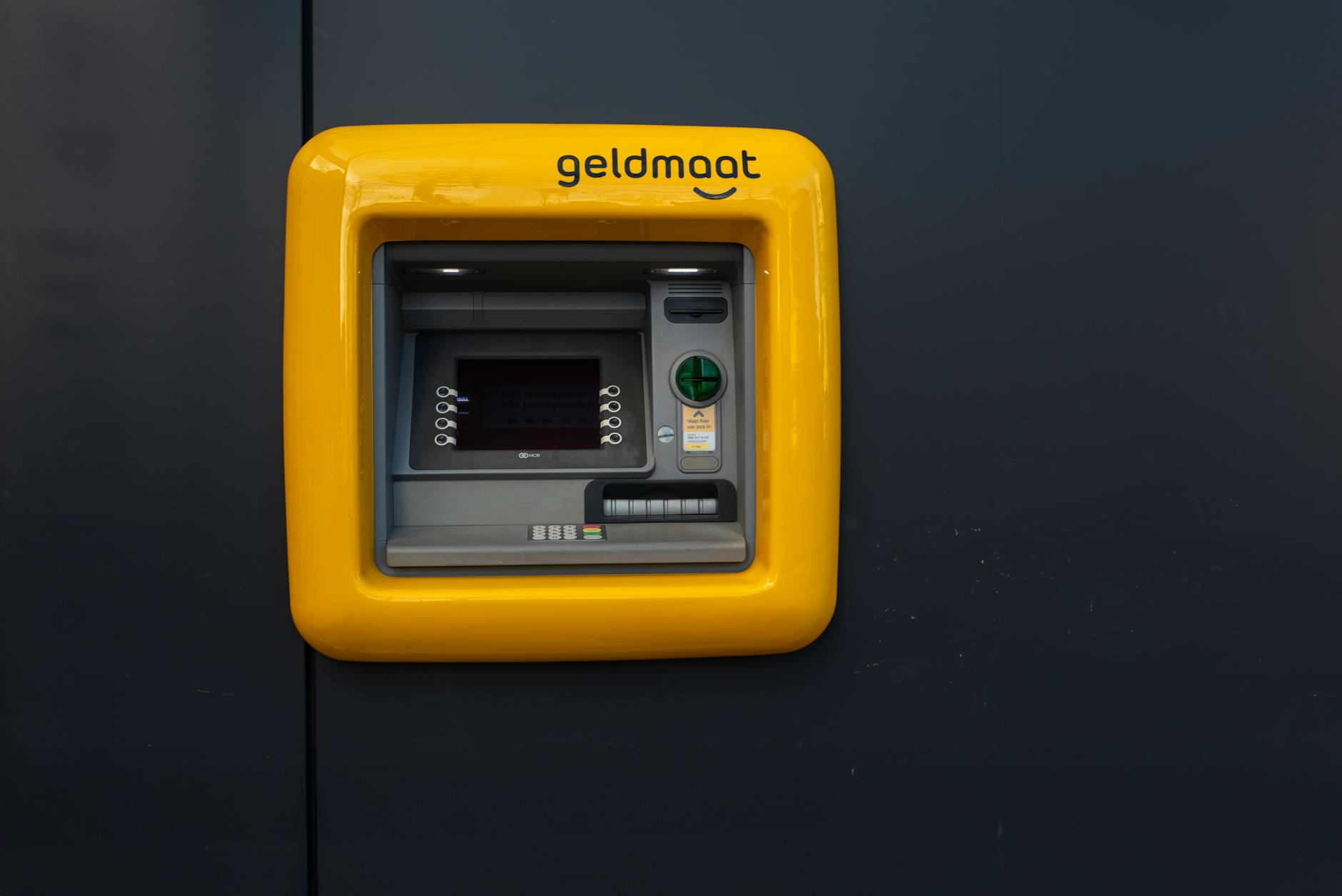
Photographing automated teller machines even for seemingly innocent travel documentation purposes raises immediate fraud and security concerns in many countries. Banking infrastructure including the physical appearance of ATM hardware card slots and surrounding signage is considered proprietary and security-sensitive by financial regulators. In some jurisdictions photographing a customer using an ATM is treated as a potential skimming or identity theft preparation activity regardless of the photographer’s actual intent. Security cameras positioned near ATMs in many countries mean that anyone raising a camera toward the machine is likely being observed and recorded.
Oil Refineries
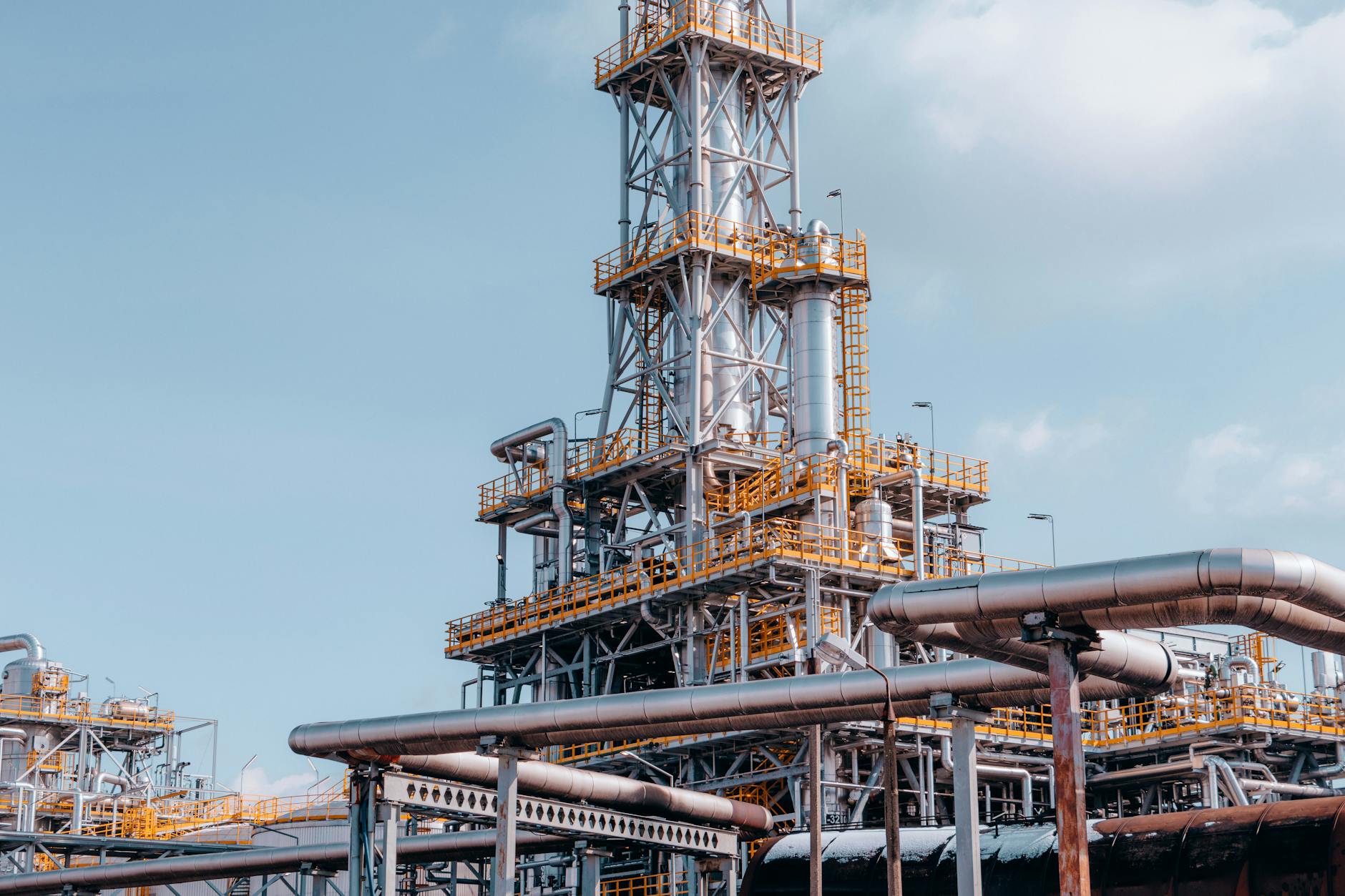
Energy infrastructure including oil refineries gas processing plants pipelines and fuel storage facilities is subject to strict no-photography policies in virtually every country that operates such installations. Nations in the Gulf Cooperation Council apply particularly rigorous enforcement of these rules given the outsized economic importance of their petroleum infrastructure. Travelers who photograph these facilities even from a moving vehicle on an adjacent highway have been stopped questioned and had their devices examined by police or private security. The prohibition typically extends to any recognizable depiction of the facility including wide landscape shots in which refinery structures appear prominently.
Protest Scenes
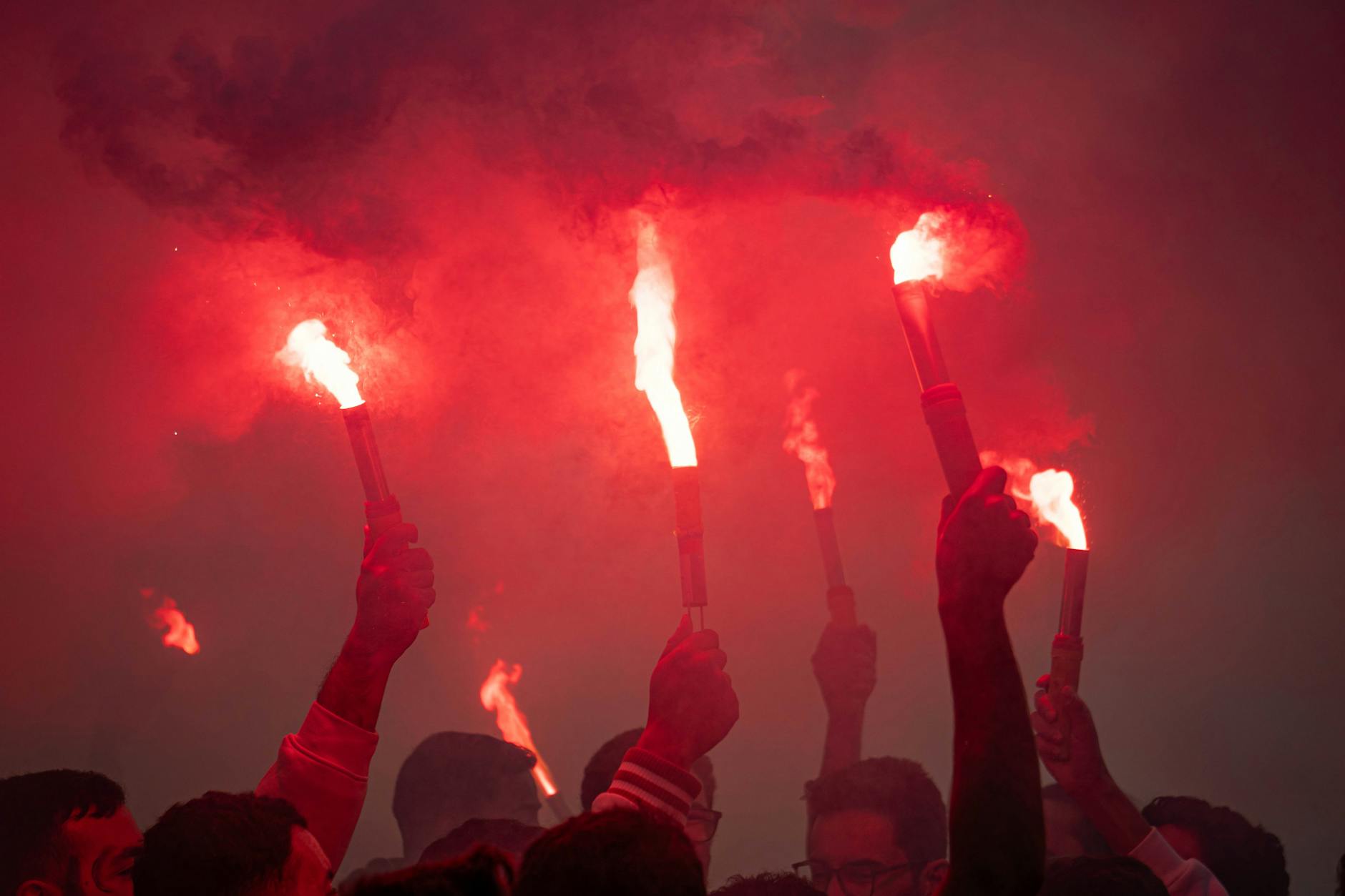
Documenting protests demonstrations or civil unrest as a foreign visitor places travelers in a uniquely precarious legal and physical position in many countries. Some nations have laws specifically prohibiting foreign nationals from recording or disseminating images of public demonstrations arguing that such documentation constitutes interference in domestic political affairs. In Russia Turkey and Thailand among others foreigners caught photographing protest activity have faced detention questioning and in some cases deportation. Even being present with a camera at the edge of a demonstration can lead authorities to classify a visitor as a participant rather than an observer.
Uniformed Workers
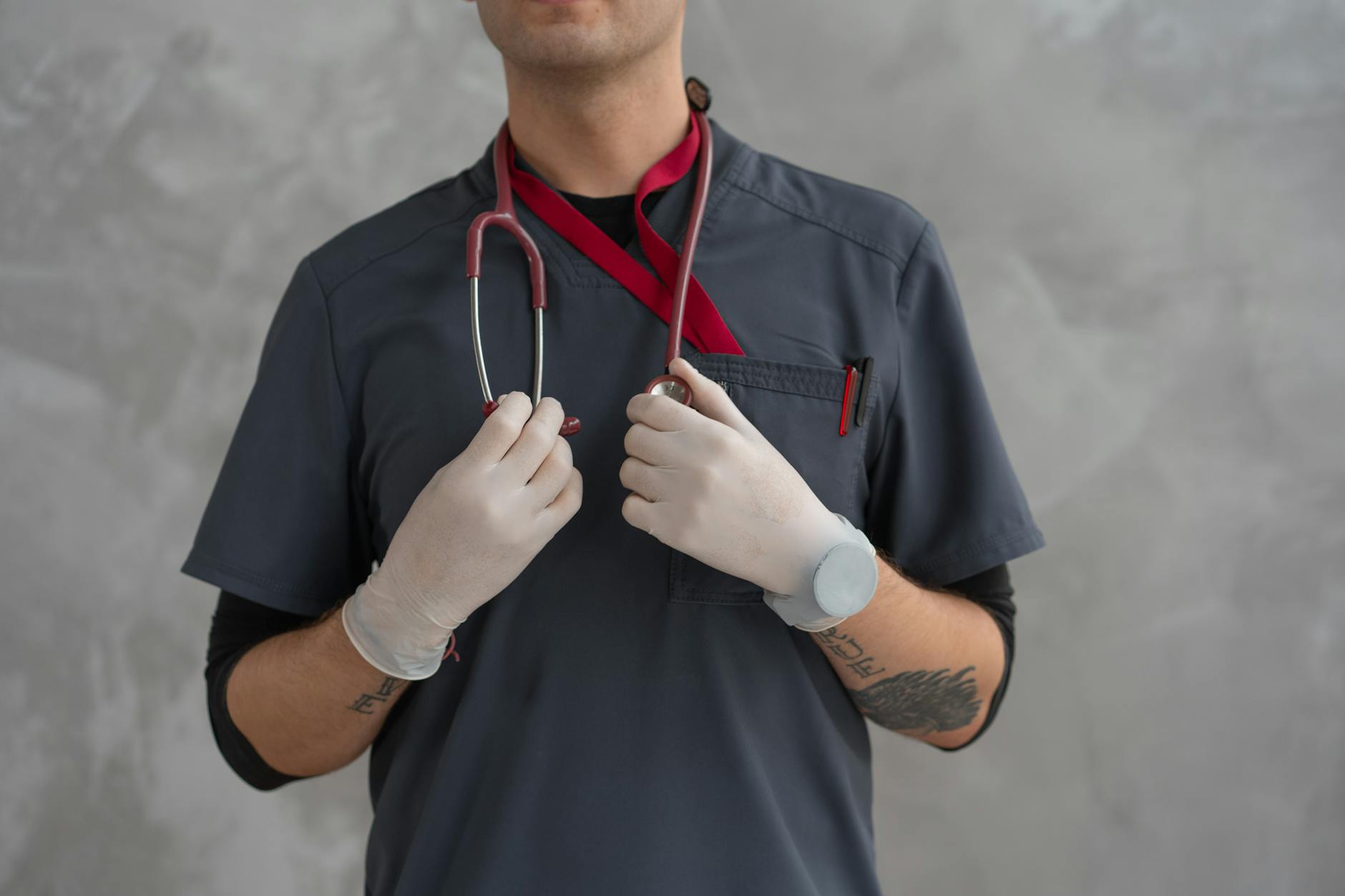
Custom and border officers immigration agents port inspectors and other uniformed government workers carry many of the same photography prohibitions as police and military personnel. In many countries these workers are explicitly classified as security personnel making their documentation by foreigners a legal offense. Travelers passing through ports of entry who raise cameras toward uniformed staff even to capture an interesting uniform or insignia have had their devices confiscated and their journeys significantly delayed. The safest approach is to treat any government-employed individual in uniform as off-limits to photography unless explicit permission has been granted.
Royal Family
Members of reigning royal families in countries including Thailand Morocco Saudi Arabia and Bhutan are protected by laws that go far beyond ordinary privacy rights. In Thailand the lese-majeste statutes are among the most strictly enforced in the world with serious criminal penalties applying to images considered disrespectful to the monarchy. Even a photograph that appears neutral in intent can be prosecuted if it is later shared online with a caption deemed insulting. Foreign visitors are not exempt from these laws and several tourists have faced arrest or deportation as a result of royal family photography incidents in recent years.
Street Children
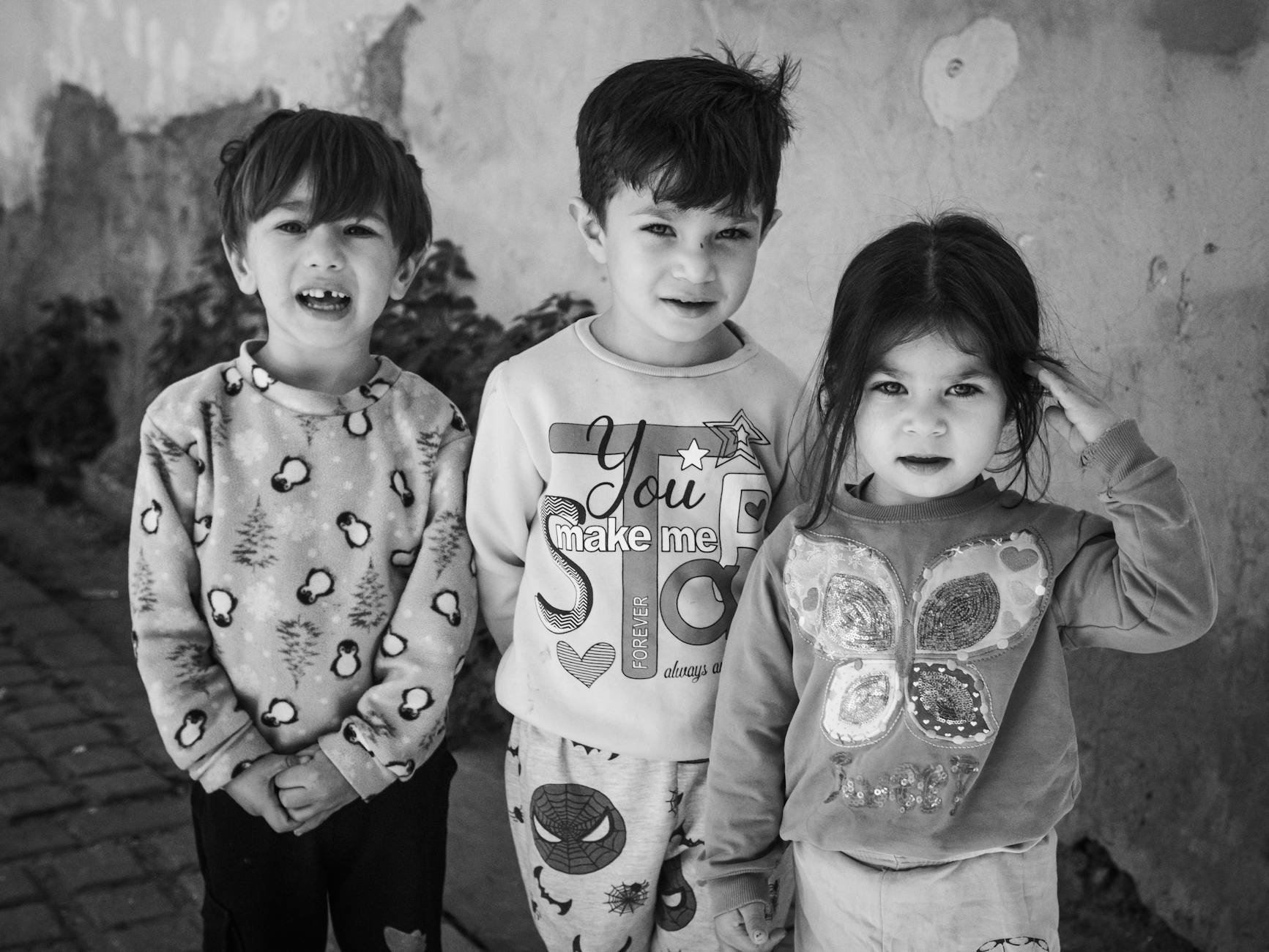
Photographing children in any context without parental or guardian consent is a serious ethical and legal matter but photographing street children specifically draws heightened scrutiny in many countries. Several nations in Southeast Asia Latin America and Sub-Saharan Africa have introduced child protection frameworks that explicitly prohibit tourists from photographing minors in vulnerable situations. Beyond legal exposure such images when shared on social media can contribute to harmful narratives about specific countries and communities. Organizations working with at-risk children in major travel destinations have repeatedly called on tourists to put their cameras away and engage with children only through approved and supervised channels.
Whether you’re a seasoned world traveler or planning your first international adventure we’d love to hear which of these restrictions surprised you the most so share your thoughts in the comments.