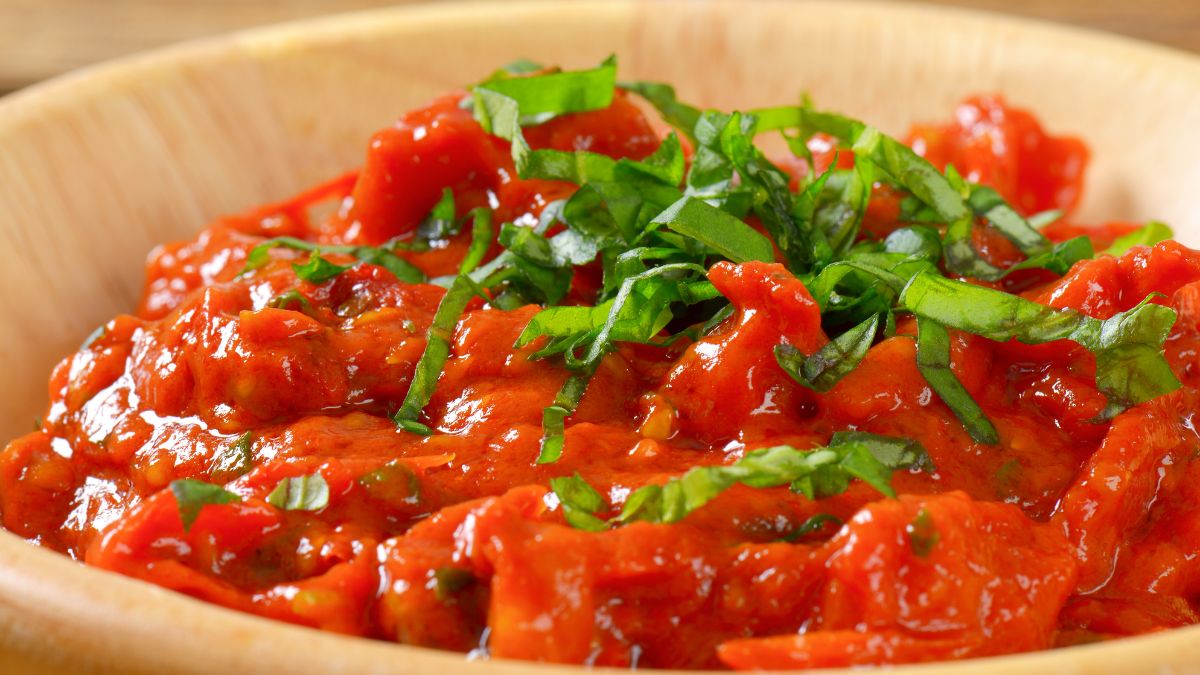
Walk into almost any American kitchen and you are likely to find at least one carton of tomato purée tucked away in the pantry, waiting to become pasta sauce, soup, or pizza base. It is one of those quietly indispensable ingredients that rarely gets talked about, yet forms the backbone of countless weeknight dinners across the country. Despite how common it is, a surprising number of people have lingering doubts about whether the product is actually good for them, particularly around the question of preservatives and whether anything processed in a carton can really hold up nutritionally against the fresh alternative. The short answer might surprise you: boxed tomato purée is far less of a compromise than most people assume.
The first and most persistent myth worth tackling is the idea that tomato purée in a carton must contain chemical preservatives to stay shelf-stable for so long. In the vast majority of cases, it simply does not. Most commercial tomato purée contains nothing more than tomatoes and occasionally a small amount of salt. The extended shelf life is not the result of chemical additives at all but rather of a careful combination of heat processing and packaging technology that has been refined over decades. Understanding how it works goes a long way toward putting those preservative fears to rest.
The production process begins with ripe, freshly harvested tomatoes that are washed, ground down, and briefly heat-treated through a process called pasteurization. This step destroys the bacteria and microorganisms that would otherwise cause the product to spoil quickly, without requiring any chemical assistance. The purée is then sealed into sterilized packaging in an oxygen-free environment, which prevents the conditions that typically trigger food breakdown from developing in the first place. The result is a product that can sit in your pantry for months, and in some cases over a year, without any preservatives doing that work.
The carton itself plays a meaningful supporting role in all of this. The multi-layer structure that makes up modern food cartons, typically a combination of cardboard, plastic film, and a thin sheet of aluminum foil, acts as a protective barrier against three of the main enemies of food longevity: light, air, and moisture. Each layer serves a specific function, and together they create an environment inside the package that keeps the contents stable without any chemical intervention. It is genuinely clever food engineering that tends to go unappreciated because it is hidden behind a plain, unassuming exterior.
Beyond the preservation question, there is also good news on the nutritional front. The tomatoes used in commercial purée production are typically harvested at peak ripeness, which means they are at their highest in both flavor and nutrient content at the moment they are processed. Unlike fresh supermarket tomatoes, which are often picked before they are fully ripe to survive the journey to store shelves, the tomatoes going into your carton have usually had more time to develop fully on the vine. That head start in ripeness can translate directly into a more flavorful and nutritionally dense end product.
Perhaps the most counterintuitive finding in this area involves lycopene, the powerful antioxidant that gives tomatoes their signature red color and has been linked to a range of health benefits including reduced risk of certain cancers and cardiovascular disease. Research has consistently shown that the heat involved in processing tomatoes actually makes lycopene more bioavailable, meaning the body can absorb and use more of it than it can from raw tomatoes. This means that your carton of tomato purée, your canned tomatoes, and your tomato sauce may actually deliver more usable lycopene per serving than a fresh tomato eaten straight from the garden. It is one of those rare cases where processed beats fresh on a specific nutritional metric.
That said, not all carton tomato products are created equally, and quality does vary from one brand to the next. Some manufacturers add sugar, extra salt, or various seasonings to their purée, which changes its nutritional profile and limits how versatile it is in cooking. The simplest way to navigate this is to check the ingredient list before you buy. The best versions will list only tomatoes, or tomatoes and a small amount of salt, with nothing else. A short ingredient list is usually the clearest signal that you are holding a quality product.
Tomatoes are actually one of the very few foods that scientists widely agree benefit more from cooking than from eating raw, which is why traditional cuisines from Italy to India built entire culinary traditions around cooked tomato preparations long before anyone ran a lycopene study. The Tetra Pak packaging format, now used for everything from juice to broth, was invented in Sweden in the 1950s and was originally designed for milk, only later finding its way into the tomato purée market where it proved to be a near-perfect fit.
Do you reach for boxed tomato purée as a pantry staple, or do you prefer cooking with fresh tomatoes? Share your thoughts in the comments.