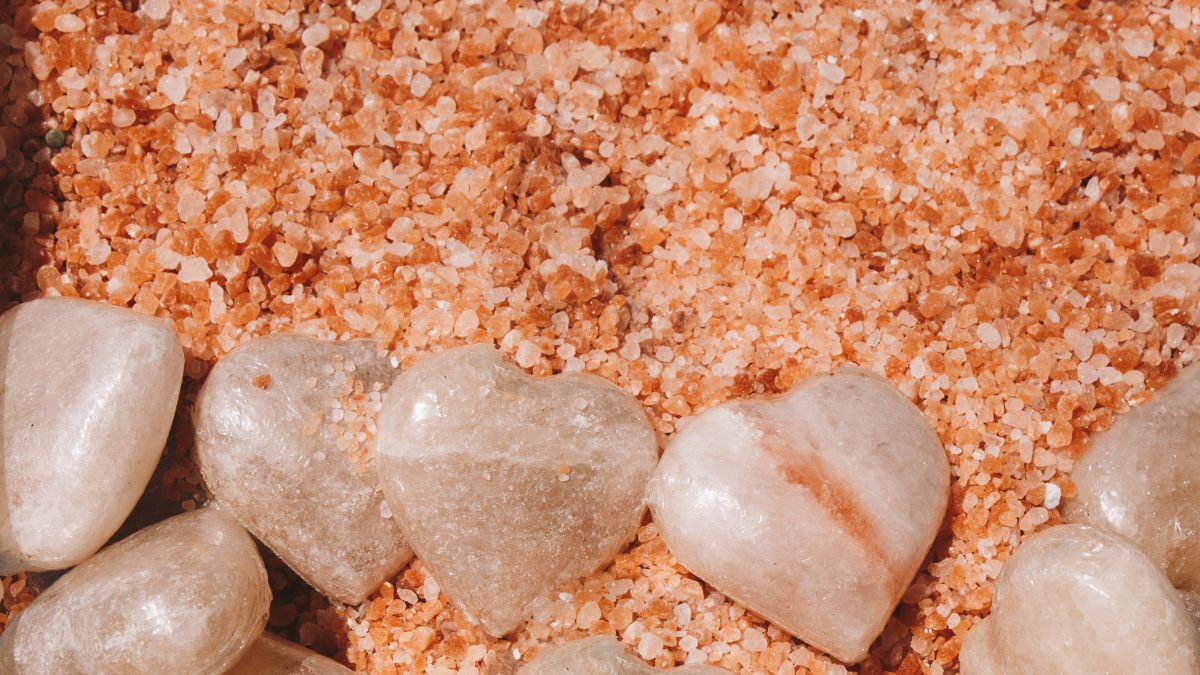
Pink Himalayan salt has become a buzzword in kitchens and wellness circles, often marketed as a “natural” and healthier alternative to regular table salt. People are drawn to its rosy hue and claims of extra minerals, but if you look closely, the real story is that it’s mostly the same salt you already know, just with a little color and a bigger price tag.
Despite its name, Himalayan salt doesn’t actually come from the towering Himalaya peaks themselves. Most of it is mined from the Khewra Salt Mine in Pakistan, a vast underground deposit formed millions of years ago as ancient seas evaporated. The trace amounts of minerals like iron give the salt its characteristic pink-orange shade, which leads many to assume it’s inherently more nutritious than ordinary white table salt.
When it comes to nutrition, though, the differences are negligible. Both Himalayan and table salts are overwhelmingly made up of sodium chloride, the chemical that gives salt its flavor and its health concerns when consumed in excess. The tiny amounts of potassium, magnesium, or calcium in pink salt are present at such low levels that you’d have to eat unreasonably large amounts just to notice any effect — and that would expose you to dangerously high sodium intake before anything else.
One real distinction is that table salt is often iodized, which means manufacturers add iodine — an essential nutrient that supports thyroid function and prevents deficiency disorders. Himalayan salt typically isn’t fortified, so people who rely on it exclusively might need to ensure they get enough iodine from other foods.
So why do so many people still buy it? For many home cooks and chefs, the appeal is culinary rather than medical. The larger crystal size and slightly different flavor can make it interesting as a finishing salt on meats, salads, or roasted vegetables, and its striking color adds visual flair to dishes.
Despite marketing claims, there isn’t strong scientific evidence that Himalayan salt offers unique health benefits compared to regular or sea salt. Nutrition experts generally agree that all salts, regardless of origin, carry similar risks when overused — especially regarding high blood pressure and cardiovascular strain from excessive sodium.
In short, Himalayan salt is a visually distinctive, artisanal‑market seasoning rather than a health‑boosting ingredient. It’s fine to enjoy in moderation for flavor or texture, but don’t expect it to deliver nutritional miracles.
Himalayan salt is primarily mined from ancient salt deposits in Pakistan’s Khewra Salt Mine, which formed as ancient seas dried up long before humans used salt commercially.
The trace minerals that give Himalayan salt its color are present at levels too low to meaningfully impact health unless consumed in huge, unsafe amounts of salt.
Because it usually lacks added iodine, Himalayan salt doesn’t provide the same thyroid‑supporting benefit as iodized table salt, so other dietary sources of iodine become more important if you use it as your main salt.
In many kitchens, cooks use Himalayan salt for its coarse texture and mild taste, often as a finishing touch rather than an everyday seasoning.
Have you tried Himalayan salt and noticed a difference in your cooking or health, and what do you think about its popularity — share your thoughts in the comments!