Microplastics have become a pervasive concern in modern households and the kitchen serves as a primary entry point for these particles. Many everyday utensils and storage solutions quietly shed synthetic materials that end up directly in our meals. Identifying these sources allows home cooks to make informed decisions about the tools they use for food preparation. This comprehensive guide highlights common items that contribute to accidental plastic consumption. Awareness is the first step toward reducing exposure and creating a cleaner cooking environment.
Plastic Cutting Boards

Plastic cutting boards are a primary source of microplastics in many home cooking environments. The repetitive chopping action creates thousands of microscopic cuts in the surface of the board over time. These tiny grooves allow plastic particles to break free and attach directly to vegetables or meats during preparation. Experts suggest that heavy use can result in significant amounts of plastic entering your meals annually. Wood or bamboo alternatives offer a safer and more durable option for daily food preparation.
Tea Bags

Many consumers are unaware that premium tea bags are often sealed with a plastic called polypropylene. Heat from the boiling water causes these synthetic materials to break down and release billions of microplastics into a single cup. Even bags that appear to be made of paper often contain a hidden layer of plastic for shape retention. Loose leaf tea steeped in a metal infuser eliminates this risk completely while typically offering better flavor. This hidden source contributes significantly to accidental plastic ingestion among avid tea drinkers.
Nonstick Pans

Nonstick cookware is famous for convenience but the coating eventually degrades with heat and mechanical abrasion. Scratches on the surface of these pans indicate that particles of PTFE have flaked off into the food being cooked. High temperatures can accelerate the breakdown of the synthetic coating even if visible scratches are not yet present. Using metal utensils on these surfaces significantly increases the rate of deterioration and ingestion. Cast iron or stainless steel pans provide a chemical-free alternative that lasts for decades.
Plastic Food Containers
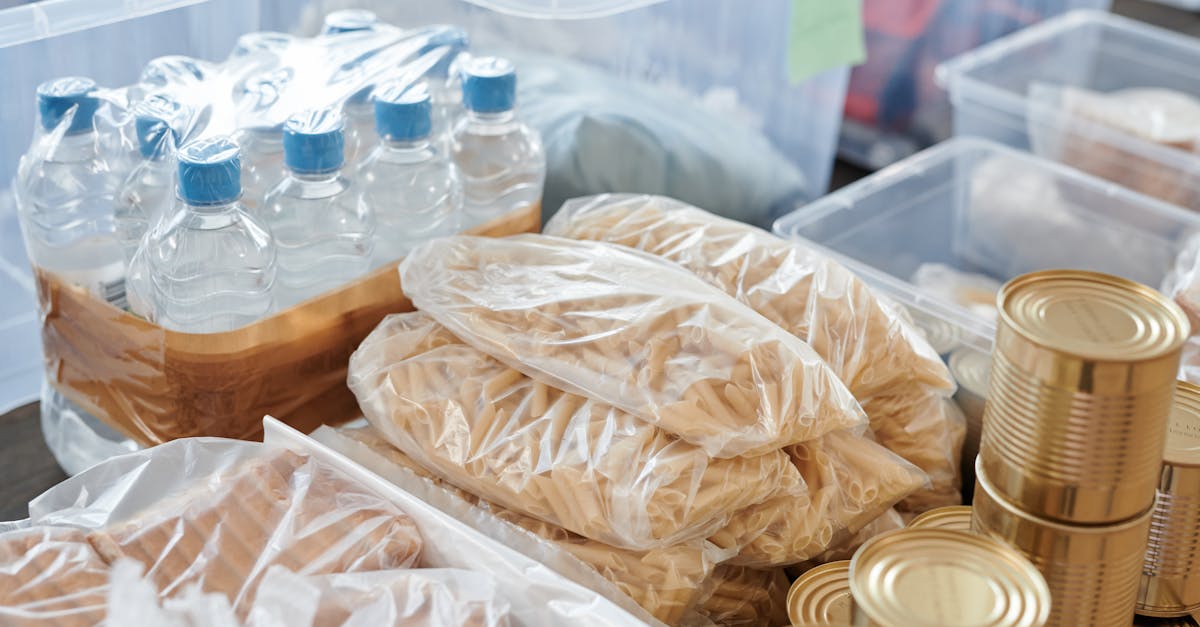
Reusing plastic takeout containers or storing leftovers in old tub-style ware often leads to chemical leaching. Repeated heating in the microwave causes the plastic polymers to break down and migrate into the food. Fatty or acidic foods are particularly effective at drawing out these microplastic particles during storage. Glass or stainless steel containers maintain food safety without the risk of synthetic contamination. Switching to inert materials for storage helps preserve the purity of your leftovers.
Synthetic Sponges

The standard kitchen sponge is typically made from polyester or polyurethane foam that breaks down with every scrub. As you wash your dishes the abrasive action sheds tiny microplastic fibers onto your plates and cutlery. These fibers can remain on the surface of the dishware even after rinsing and dry onto the surface. Natural cellulose sponges or loofah alternatives are biodegradable and do not leave synthetic residue. Replacing synthetic scrubbers reduces the amount of plastic entering your diet and the water system.
Plastic Kettles

Boiling water in a plastic kettle subjects the material to repeated thermal shock and high temperatures. This stress causes the interior surface to degrade over time and release microplastics into the hot water. Many models have plastic parts inside even if the exterior looks like metal or glass. The lime scale filter found in the spout is also frequently made of plastic mesh that degrades. An all-glass or stainless steel kettle eliminates this issue and ensures your hot water remains pure.
Coffee Pods

Single-use coffee pods are convenient but introduce hot water to plastic cups under high pressure. The needle punctures the plastic lid and forces boiling water through the synthetic container. This process can wash microplastics directly into your morning brew along with the coffee grounds. The sheer volume of waste created by these pods also contributes to broader environmental plastic pollution. A French press or pour-over method using paper or metal filters avoids this exposure entirely.
Cling Film

Plastic wrap is widely used to cover bowls or wrap half-used produce to maintain freshness. When this thin plastic touches food it can transfer plasticizers and microplastics directly onto the surface. Heating food in the microwave while it is covered with cling film drastically increases this migration. The condensation that forms on the underside of the wrap acts as a carrier for these particles. Beeswax wraps or silicone lids are reusable solutions that avoid this direct plastic contact.
Ice Cube Trays

Twisting a plastic ice cube tray to release the ice causes stress fractures in the material over time. These micro-cracks eventually lead to tiny shards of plastic breaking off and embedding in the ice. Old trays that have become brittle in the freezer are particularly prone to shedding material. Stainless steel ice trays or silicone molds are more stable and do not become brittle with cold. Replacing rigid plastic trays helps ensure your cold drinks remain free of synthetic debris.
Plastic Spatulas

Flipping hot food with a plastic spatula melts the thin edges of the utensil slightly with every use. This thermal degradation releases microscopic amounts of plastic into the pan and onto the food. The edges of these tools often become rough or jagged which indicates material has been lost. Silicone spatulas offer higher heat resistance but wood or metal remains the safest choice for high heat. Avoiding plastic tools during active cooking is a simple way to reduce contamination.
Blenders

The clear pitcher of many blenders is made from tough polycarbonate or other durable plastics. High-speed blending of hard ingredients like ice or frozen fruit acts like sandpaper on the interior walls. This abrasion scours the plastic surface and mixes synthetic dust into smoothies or soups. Scratches or cloudiness on the pitcher are visual signs that plastic has eroded into your food. Glass blender pitchers are heavier but they do not shed material during processing.
Salt Grinders
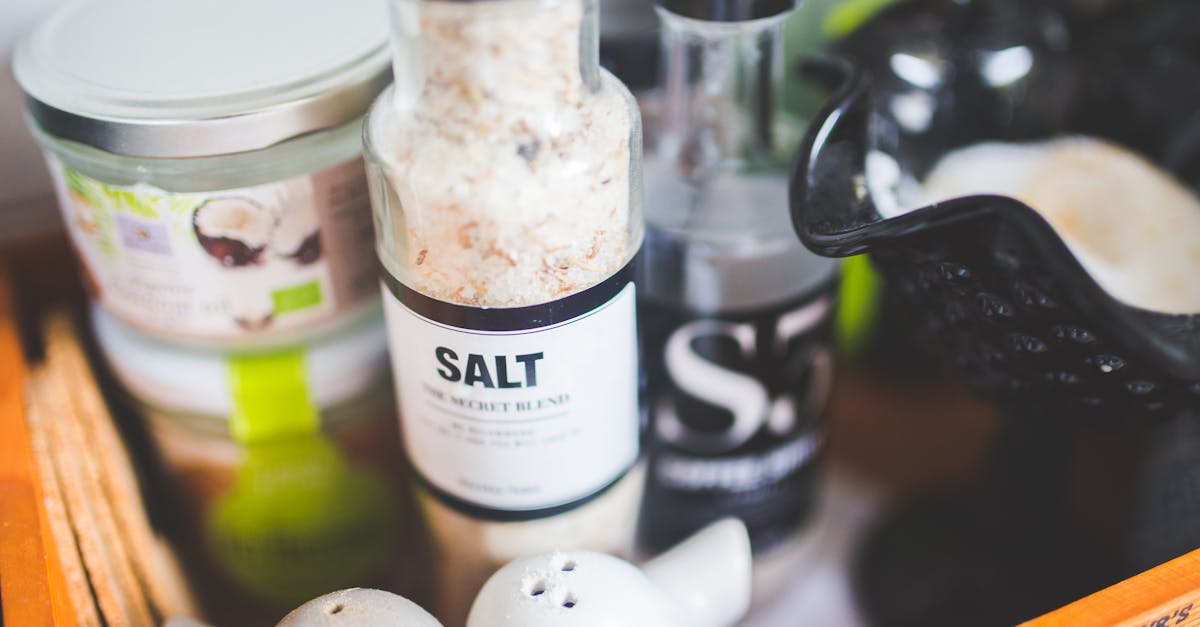
Many disposable salt grinders sold in supermarkets feature a plastic grinding mechanism rather than ceramic or metal. Grinding coarse sea salt creates friction that wears down the plastic gears over time. This results in tiny flecks of plastic falling onto your food right along with the seasoning. The hardness of the salt crystals makes them particularly effective at abrading the plastic mechanism. Investing in a refillable mill with a ceramic or stainless steel grinder solves this problem.
Food Processors

Similar to blenders the bowls of food processors are almost exclusively made of rigid plastic. The high velocity of the blades and the impact of food items cause micro-abrasions on the bowl’s interior. Over time the clear plastic often becomes hazy which is evidence of surface material loss. Scraping the bowl with a spatula can also dislodge loose plastic particles into the mixture. Glass bowls are rare for these appliances so careful hand washing helps minimize wear.
Plastic Water Bottles
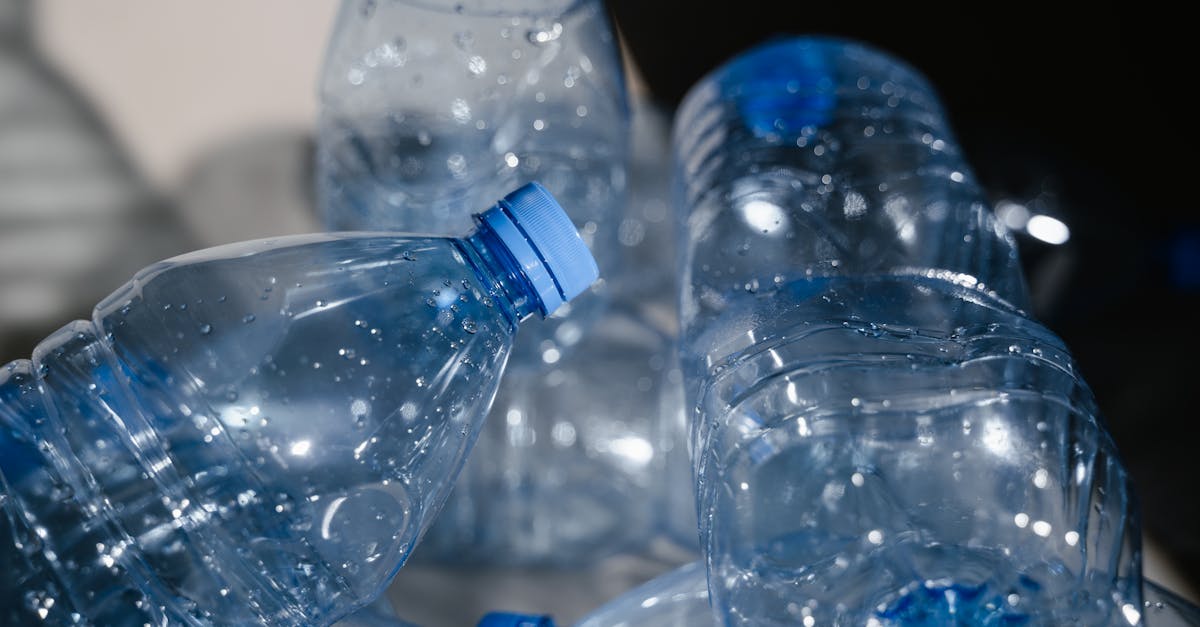
Refilling disposable plastic water bottles leads to the breakdown of the PET material. The mechanical stress of crinkling the bottle and exposure to sunlight accelerates the shedding of microplastics. Even reusable hard plastic bottles can degrade after years of washing and UV exposure. The threading on the cap is a common friction point where plastic shavings are created. Stainless steel or glass water bottles are superior for long-term hydration safety.
Microwave Popcorn Bags
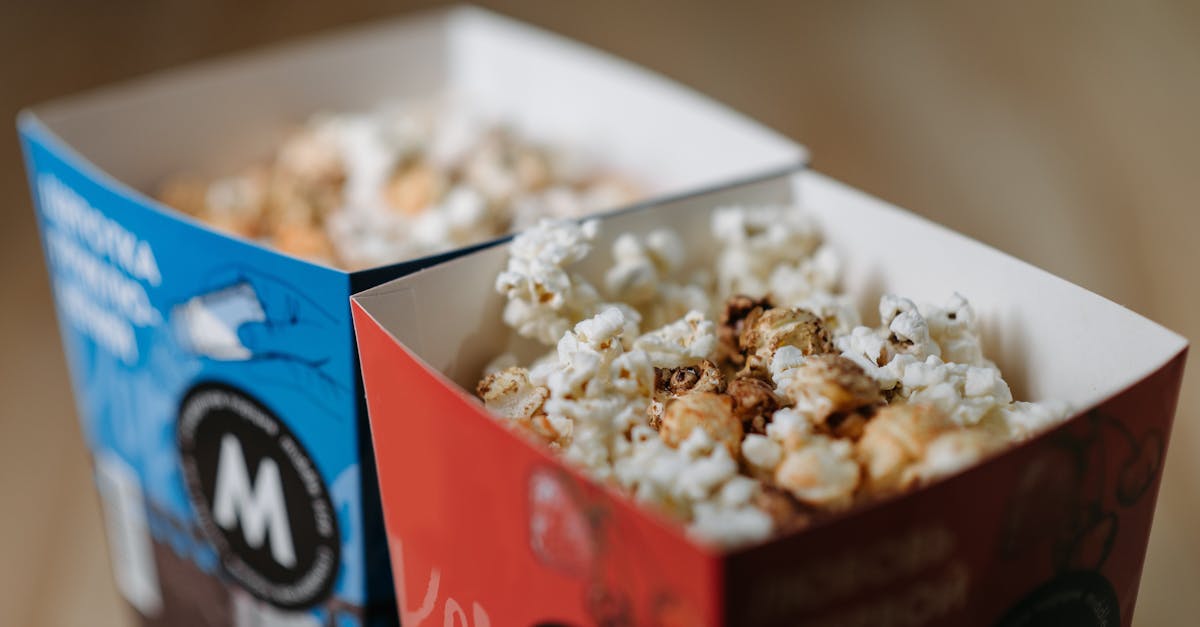
The interior lining of microwave popcorn bags usually contains susceptors and plastic coatings to prevent grease leakage. When heated to high temperatures these linings can break down and transfer chemicals and microplastics to the corn. The intense heat required to pop the kernels is damaging to the synthetic materials involved. Making popcorn on the stove in a covered pot is a healthier and less waste-producing method. It also allows you to control the oil and salt content without synthetic additives.
Dishwasher Pods
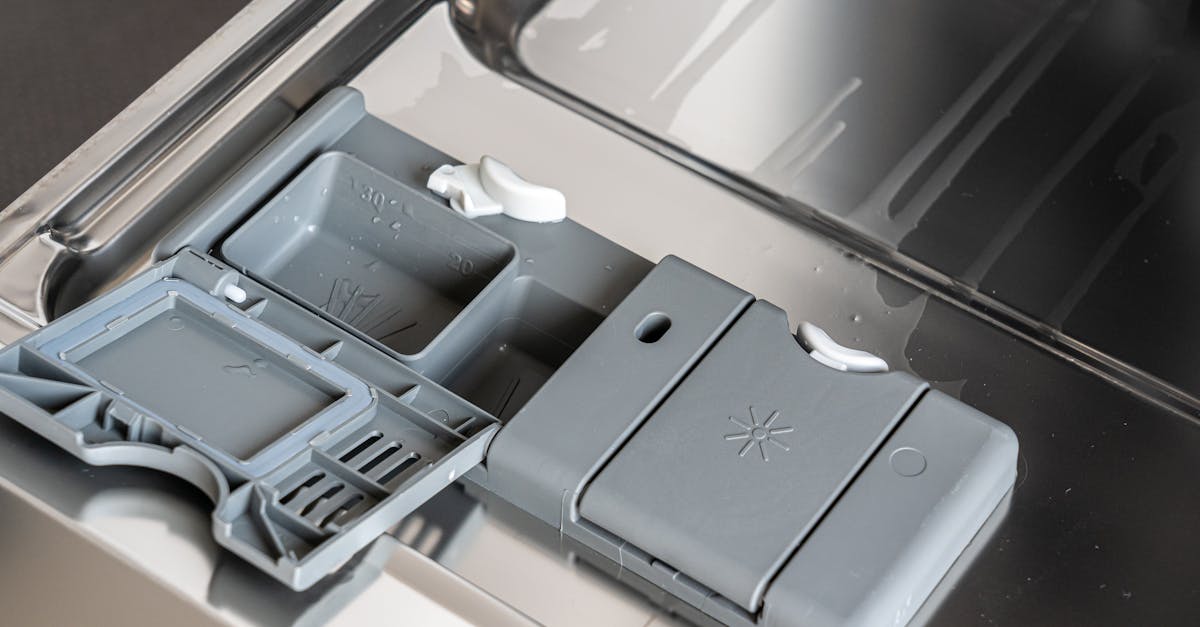
The dissolvable film on dishwasher and laundry pods is made from a plastic polymer called polyvinyl alcohol. While it is water-soluble it does not disappear but rather breaks down into a plastic solution that coats dishes. Residue from this liquid plastic can remain on plates and cutlery after the wash cycle completes. This creates a thin film of synthetic material that you essentially eat off during your next meal. Powder or liquid detergents without the pod casing avoid this unnecessary plastic introduction.
Microfiber Dish Cloths

Microfiber cloths are excellent for cleaning but they are made entirely of synthetic strands. Wiping down counters or drying dishes with these cloths leaves behind millions of microscopic fibers. These fibers transfer easily to food preparation surfaces and dinnerware. When washed in the laundry they also release massive amounts of microplastics into the water system. Cotton or linen towels are natural alternatives that do not shed persistent plastic pollutants.
Plastic Strainers

Pouring boiling water through a plastic colander or strainer softens the material and encourages leaching. The combination of heat and the rough texture of foods like pasta can abrade the plastic mesh. Over time the strands of the strainer may fray or break off into the drained food. Metal colanders are widely available and handle boiling temperatures without degrading. They are also easier to sanitize and do not retain odors like plastic versions.
Salad Spinners

The spinning mechanism and the bowl of most salad spinners are constructed from hard plastic. The friction generated between the spinning basket and the outer bowl can create plastic dust. Vigorous spinning of crisp vegetables acts as an abrasive force against the plastic walls. Scratches inside the bowl are a clear sign that material has been removed during use. Washing greens in a metal bowl and drying them with a cotton towel is a lower-tech alternative.
Plastic Measuring Cups

Scooping dry ingredients like sugar or flour with plastic measuring cups causes gradual abrasion. The sharp crystals of sugar can scratch the surface of the cup and lift microplastics. Measuring hot liquids in these cups creates a risk of thermal degradation and chemical leaching. Faded measurement lines often indicate that the surface layer of the plastic has worn away. Stainless steel measuring cups are more durable and do not react with ingredients.
Plastic Ladles

Serving hot soup or stew with a plastic ladle introduces the same heat risks as other plastic cooking utensils. The scoop often sits in the hot liquid for extended periods which softens the polymer structure. Repeated use results in a rough surface texture where plastic has flaked off into the food. The handle joint is another weak point that can degrade and trap debris. One-piece stainless steel ladles are hygienic and impervious to heat damage.
Styrofoam Takeout Boxes

Expanded polystyrene is structurally weak and breaks apart easily when cut or scraped with utensils. Hot food melts the surface of the foam and encourages the migration of styrene and microplastics. Simply eating directly out of the container with a fork can scrape up foam particles. Acidic sauces or oily foods accelerate the breakdown of this material significantly. Transferring takeout food to a real plate immediately is the safest practice.
Plastic Cutlery

Disposable forks and knives are made from low-grade polystyrene that is brittle and prone to snapping. Cutting hot food with a plastic knife causes the serrated edge to shed tiny plastic shards. The tips of plastic forks often break off or fray after navigating tough food items. Heat from the meal can also cause the thin plastic to warp and release chemicals. Keeping a set of metal travel cutlery eliminates the need for these single-use items.
Paper Cups

The paper cups used for coffee and takeout beverages are lined with a thin layer of polyethylene to make them waterproof. Hot liquids dissolve this lining and release trillions of microplastic particles into the drink. The lid is also typically made of polystyrene which degrades when exposed to steam. This plastic cocktail is ingested with every sip of your morning coffee. Bringing a reusable glass or metal travel mug is the only way to avoid this hidden plastic.
Canned Food Linings

Most metal food cans are lined with a resin that contains BPA or plastic alternatives to prevent corrosion. This epoxy liner can degrade over time and leach into the food stored inside. Acidic foods like tomatoes or canned fruits are more likely to erode the lining. Dented cans are particularly risky as the compromised liner releases more material. Choosing food in glass jars or fresh produce avoids this source of contamination.
Plastic Chopping Mats

Flexible plastic chopping mats are convenient for funneling food but they scar easily under knife blades. The thin material sheds plastic ribbons more readily than thicker polyethylene boards. As the mats flex and bend the scored areas open up and release trapped particles. Their lightweight nature often means they are replaced frequently due to rapid wear. Using a sturdy wooden board is a better investment for both safety and longevity.
Squeeze Bottles

Condiments like ketchup and mustard are commonly stored in soft plastic squeeze bottles. The acidic nature of these sauces can react with the plastic over long periods of storage. Squeezing the bottle flexes the plastic which can cause micro-fissures on the interior surface. Old bottles that have become sticky or discolored are actively degrading. Glass bottles or jars are a safer storage medium for acidic condiments.
Soda Bottles

Carbonated beverages are acidic and are stored under pressure in PET plastic bottles. The combination of acidity and carbonation can encourage the migration of plastic particles into the drink. Warmer storage temperatures during transport increase the rate of this leaching process. Reusing these bottles for water further degrades the plastic structure. Glass bottles or aluminum cans typically have lower levels of microplastic contamination.
Plastic Milk Jugs
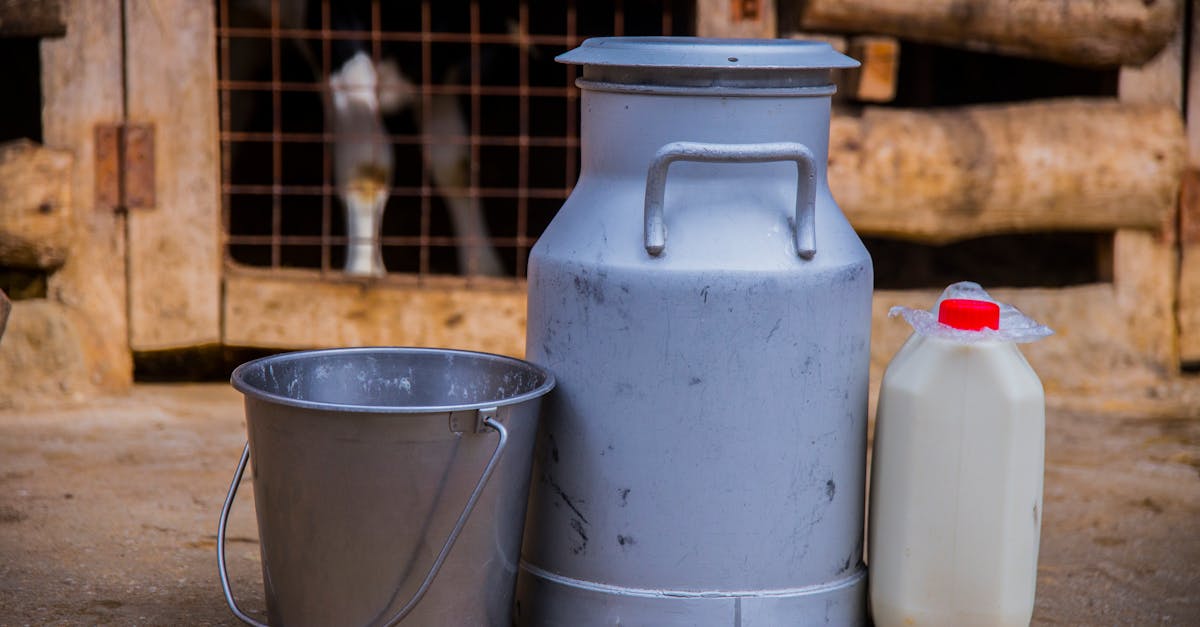
High-density polyethylene jugs are the standard for milk storage but are not immune to breakdown. The opaque plastic is sensitive to light oxidation which can make the material brittle. Pouring from the jug creates friction at the opening that can dislodge loose particles. The cap ring that breaks upon opening also creates small plastic debris that can fall into the milk. Glass milk bottles are making a comeback and offer a cleaner taste profile.
Plastic Whisks
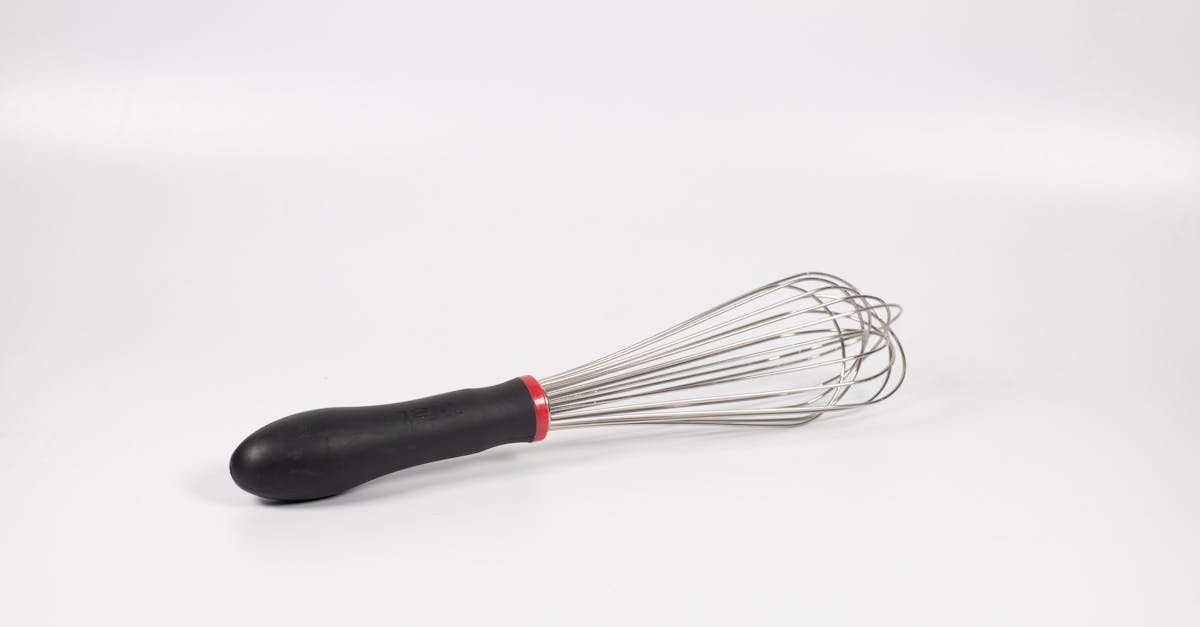
Using a plastic whisk in a hot sauce or gravy subjects the thin tines to high heat and mechanical stress. The flexible wires can fray and shed microplastics directly into the emulsion being prepared. Vigorous whisking against the side of a bowl acts as an abrasive action on the tool. Over time the tines become rough and pitted from losing material. Stainless steel whisks are far more durable and heat resistant.
Tongs with Plastic Tips
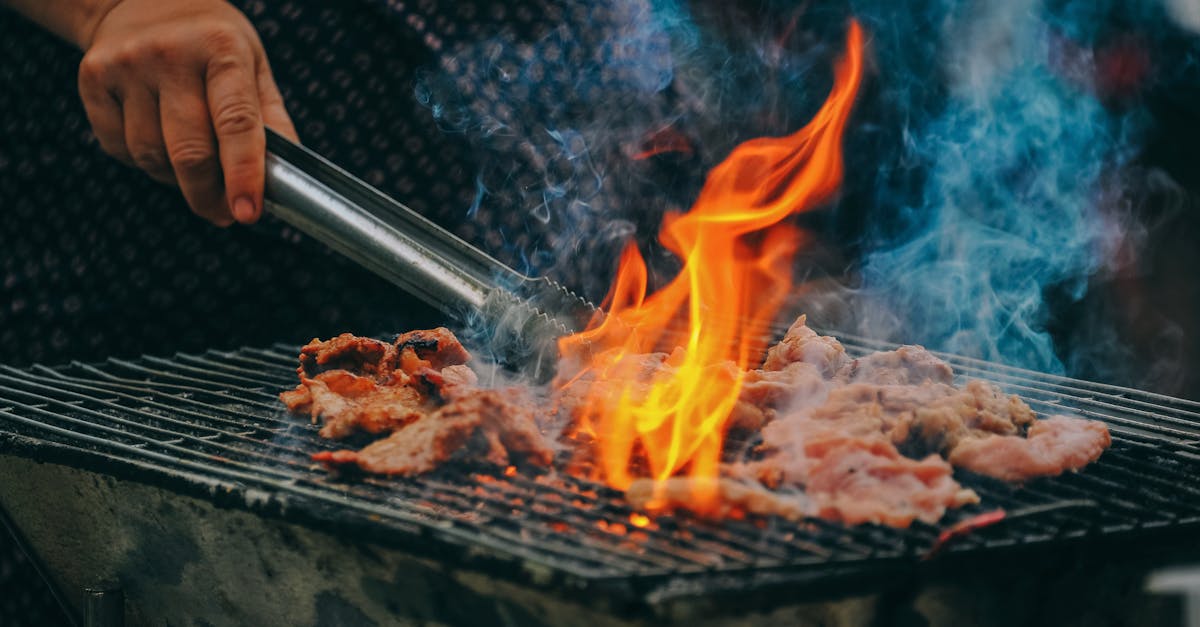
Locking tongs often feature silicone or nylon tips to protect nonstick cookware from scratches. These tips can degrade and peel after repeated exposure to high grill or pan temperatures. The soft material is easily nicked by sharp food edges or metal pan rims. Once the tip surface becomes damaged it sheds material into the food with every grip. All-metal tongs are superior for use with cast iron or stainless steel cookware.
Plastic Rolling Pins
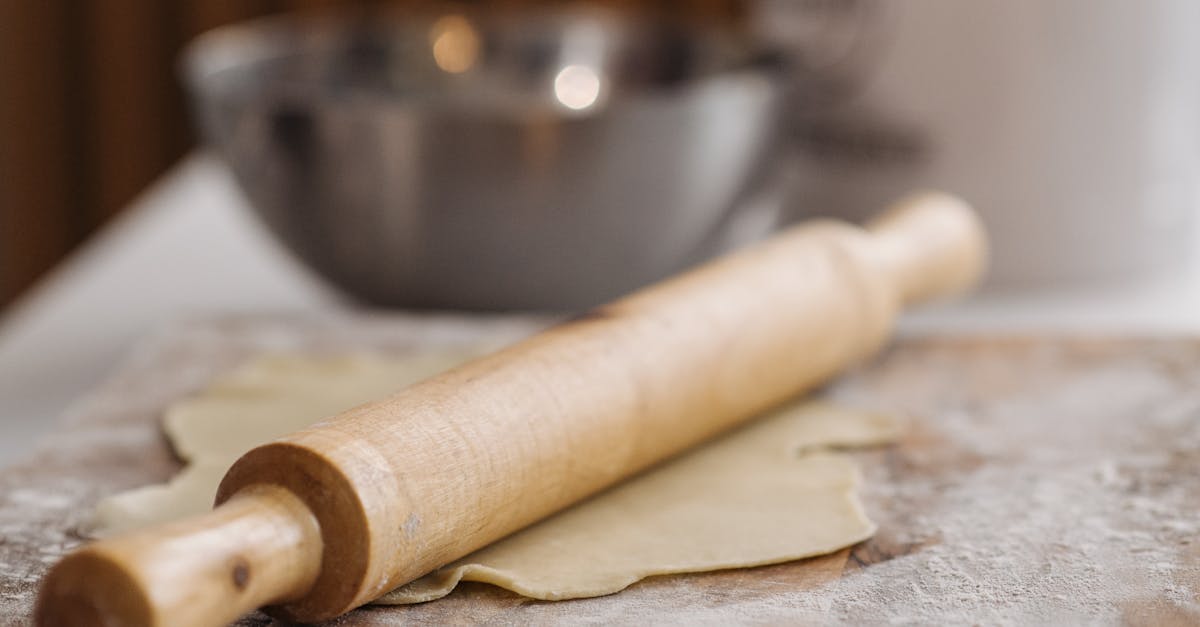
Rolling out dough with a plastic rolling pin creates friction that can wear down the surface. The pressure applied during rolling can force microplastics into the dough matrix. Scratches on the pin from cleaning or storage harbor bacteria and loose plastic fragments. Some plastic pins have seams that are prone to chipping or cracking. A classic wooden or marble rolling pin provides weight and safety without synthetic shedding.
Bento Boxes
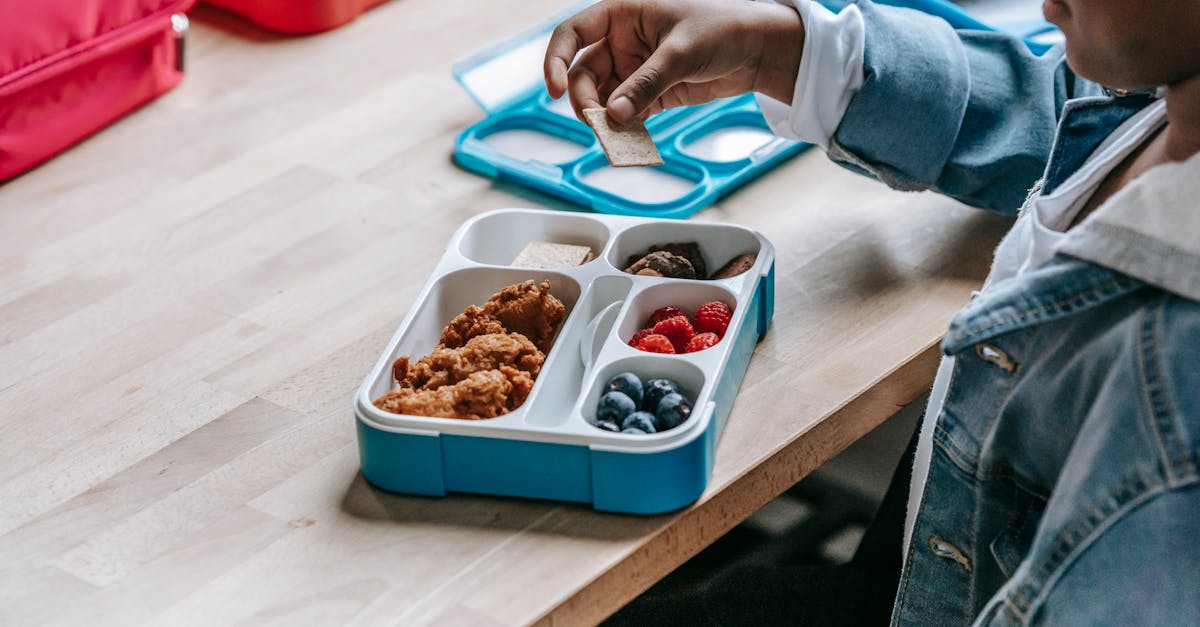
Modern lunch boxes often feature multiple plastic compartments and dividers. Microwaving lunch directly in these containers accelerates the migration of chemicals into the meal. Utensils scrape against the bottom of the box and lift plastic particles into the food. The latches and hinges are wear points that generate plastic dust over time. Stainless steel tiffins or glass containers are durable alternatives for packed lunches.
Freezer Bags

Storing food in thin plastic zipper bags exposes it to plasticizers even at low temperatures. Freezing makes the thin plastic brittle and more likely to fracture or flake. When food is thawed inside the bag the changing temperature can encourage leaching. Washing and reusing these bags increases the risk of the plastic breaking down physically. Silicone storage bags or glass containers are better suited for long-term freezer storage.
Plastic Mixing Bowls
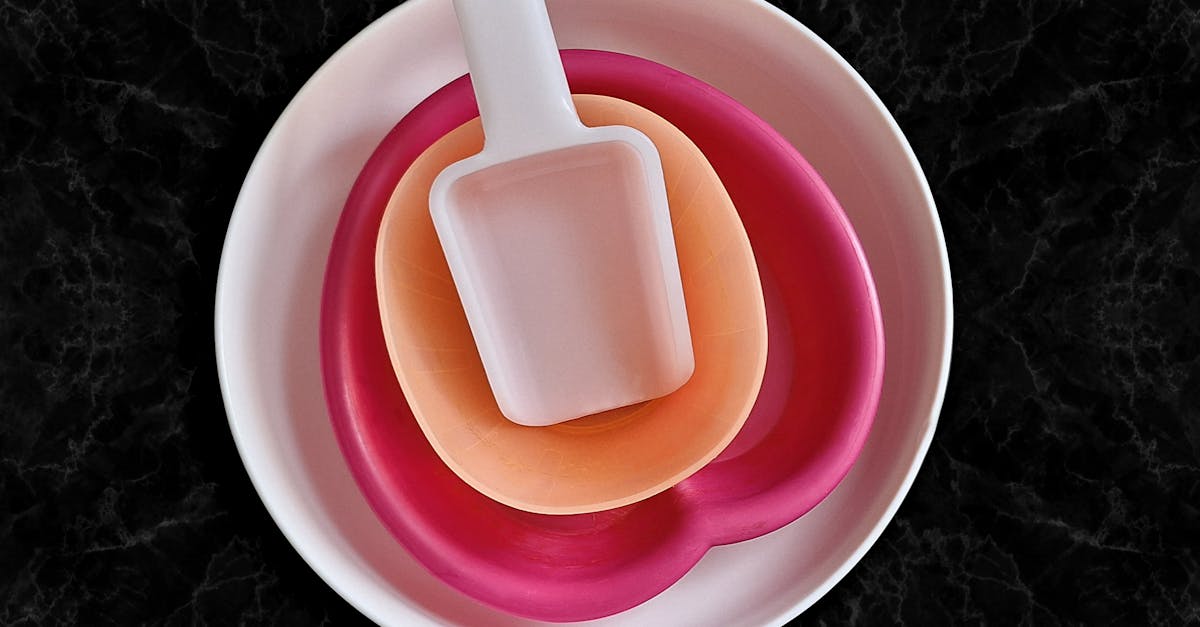
Vigorous whisking or mixing in a plastic bowl scours the interior surface. Acidic marinades or oily dressings can interact with the plastic and draw out additives. Over time the smooth interior becomes rough and scratched from utensil impact. This texture change is evidence of plastic material entering the food mixtures. Glass or stainless steel bowls are non-reactive and do not shed material.
Vegetable Scrubbers

Brushes used to clean potatoes and carrots often have stiff nylon bristles. Scrubbing rough vegetable skins creates high friction that wears down the plastic bristles. These tiny synthetic filaments can snap off and become lodged in the vegetable skin. It is difficult to see these transparent bristles on the produce. vegetable brushes made from natural plant fibers like coconut coir or agave are safer and compostable.
Dish Drying Racks
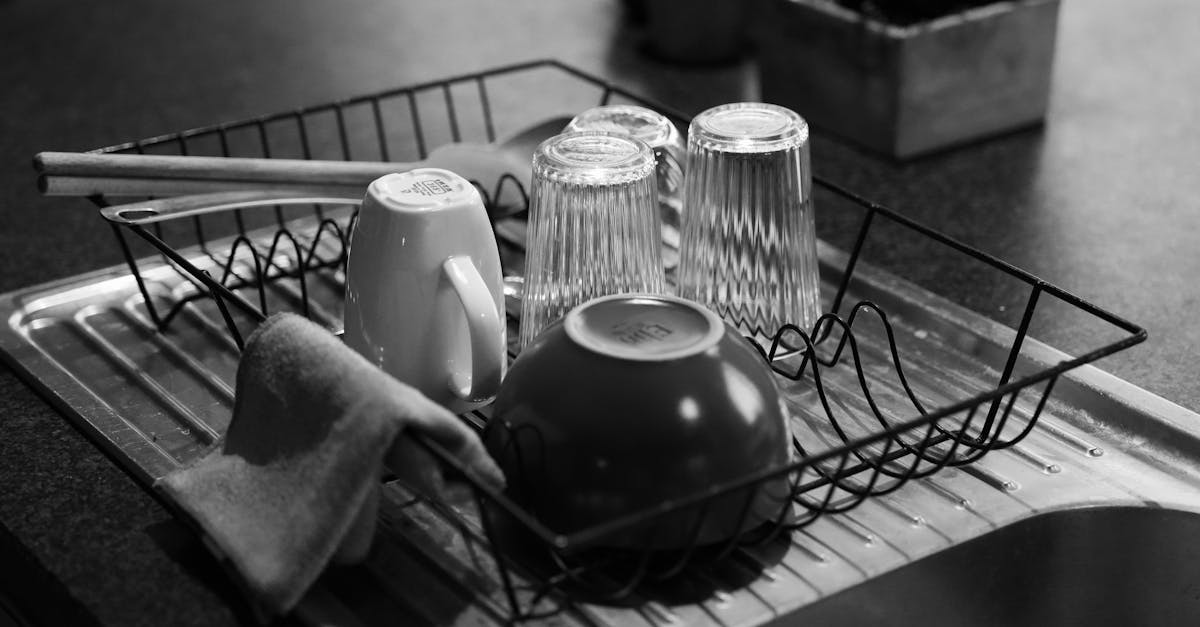
Many metal dish racks are coated in a layer of vinyl or plastic to prevent rust. This coating eventually cracks and peels due to the weight of dishes and exposure to water. The flaking plastic can stick to clean dishes or cutlery drying in the rack. Once the metal underneath corrodes it accelerates the lifting of the plastic coating. Stainless steel racks without coatings or bamboo racks are cleaner options.
Coffee Filters

Some paper coffee filters contain synthetic fibers to add strength and improve structure. Hot water passing through these semi-synthetic filters can release microplastics into the coffee pot. Permanent filters made of plastic mesh also degrade over time due to heat exposure. Unbleached natural paper filters or gold-tone metal filters are reliable alternatives. Checking the packaging for “100% plastic-free” ensures a pure brew.
Rice Cookers

The inner pot of most rice cookers is aluminum coated with a nonstick plastic layer. The rice paddle provided is also typically textured plastic that scrapes the pot. Frequent use leads to the coating peeling off into the rice. High heat and steam accelerate the degradation of the nonstick surface. Cooking rice in a stainless steel pot or a clay pot avoids this synthetic ingestion.
Air Fryers

The basket and drawer of an air fryer are usually coated with nonstick material. High-velocity hot air circulates around the food and the coating which can cause it to flake. Scrubbing the basket to remove baked-on grease often damages the plastic layer. Once the coating is compromised it continues to release particles into the food. Some models offer stainless steel or ceramic interiors which are safer.
Plastic Tablecloths

Vinyl or PVC tablecloths are common in kitchens but contain phthalates and softeners. Hot dishes placed directly on the cloth can cause the plastic to off-gas or soften. Micro-particles from the surface can transfer to cutlery or bread placed on the table. Over time the surface becomes brittle and cracks which creates dust. Cotton or linen tablecloths are washable and free from harmful plasticizers.
Baby Bottles

Plastic baby bottles are subjected to frequent sterilization and heating which degrades the polymer. Shaking formula in the bottle creates micro-abrasions on the interior walls. High temperatures release millions of microplastics into the liquid inside. The teat is also often made of silicone or latex that can break down. Glass bottles with natural rubber nipples are the gold standard for safety.
Oven Mitts

Many oven mitts have a polyester lining or a synthetic exterior that degrades with heat. Handling hot pans can cause the synthetic fibers to melt or singe slightly. These singed fibers can fall into the food or onto the cookware. As the batting breaks down inside the mitt it releases dust through the fabric. 100% cotton or silicone mitts withstand heat better without shedding.
Chewing Gum

While not a utensil chewing gum is a kitchen staple that is actually made of plastic. The “gum base” listed in ingredients is often a mix of synthetic elastomers and resins. Chewing it releases these plastics directly into your saliva and digestive system. You are essentially chewing on a piece of flavored rubber for hours. Natural gum brands use chicle or tree sap as a biodegradable base.
Plastic Straws

Sipping acidic or hot beverages through a plastic straw encourages leaching. Teeth often scrape the straw which creates small shavings of plastic. The tip of the straw can become jagged and release fragments into the mouth. Biting the straw flattens it and stresses the material to the breaking point. Paper, bamboo, or stainless steel straws are effective replacements that reduce plastic waste and ingestion.
Please mention which of these items you plan to replace first in the comments.