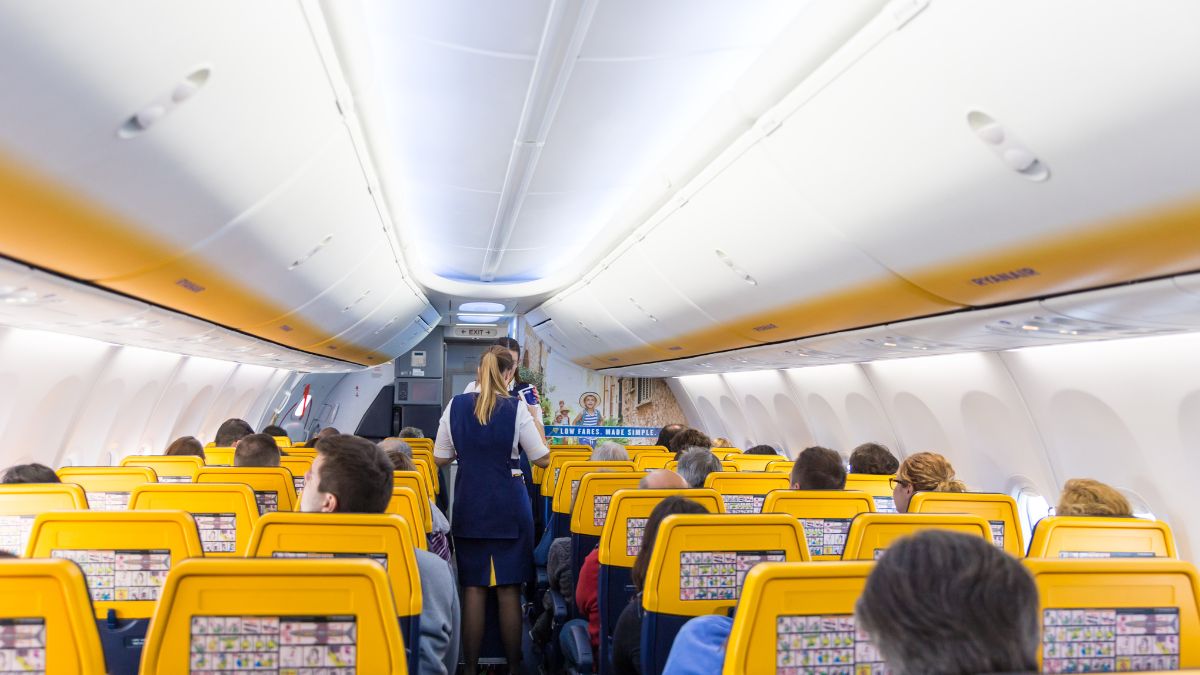
Preparing for an international flight involves more than just packing a suitcase for the final destination. The items kept within reach during the journey determine the level of physical and mental well being experienced at thirty thousand feet. A strategic selection of tools helps manage the unique challenges of pressurized cabins and limited mobility. These essentials address hydration, hygiene, entertainment, and personal comfort for the duration of the trip. Proper organization ensures that every necessary item is accessible without disrupting other passengers.
Travel Pillow

A travel pillow provides essential neck support during hours of seated rest. Modern versions often feature memory foam that contours to the individual shape of the passenger. This item helps prevent muscle strain and allows for deeper sleep in cramped cabin quarters. Many designs include a snap closure to attach easily to the outside of a luggage piece. Packing a high quality pillow remains one of the most effective ways to improve comfort on long journeys.
Noise Canceling Headphones
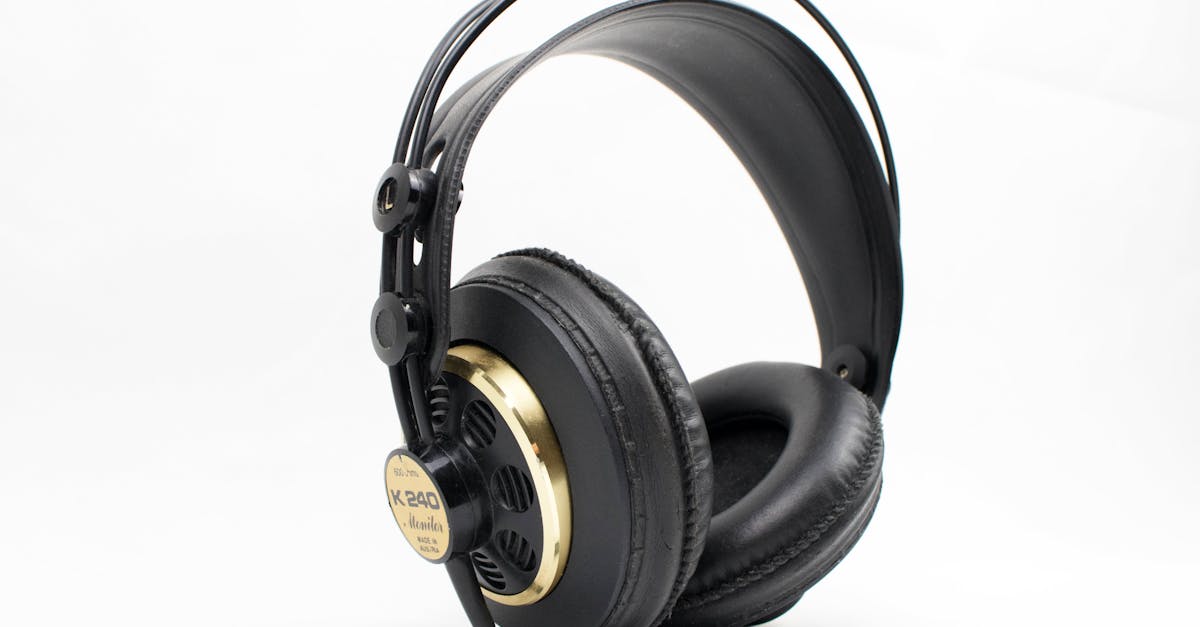
Electronic noise canceling headphones significantly reduce the ambient sound of jet engines and cabin chatter. These devices use active technology to create a quieter environment for sleep or focus. They connect to personal devices or the aircraft entertainment system for a customized audio experience. High quality models provide enough battery life to last through the longest international routes. Many travelers consider them a primary tool for maintaining peace in a crowded airplane.
Sleeping Mask

A contoured sleeping mask blocks out unwanted light from the cabin or neighbors reading lamps. This darkness triggers the production of melatonin and signals the brain that it is time for rest. Padded edges prevent pressure on the eyelids and allow for natural eye movement during sleep cycles. Adjustable straps ensure a secure fit that does not slip during the night. Using a mask helps maintain a consistent sleep schedule regardless of the outside conditions.
Foam Earplugs

Foam earplugs offer a simple and inexpensive way to dampen sharp noises and general cabin bustle. They are made from soft materials that expand to fit the specific shape of the ear canal. This seal provides a high level of noise reduction that complements other sleep accessories. Individual packaging keeps them clean and hygienic until they are ready for use. These small items occupy minimal space while providing significant benefits for rest.
Portable Power Bank
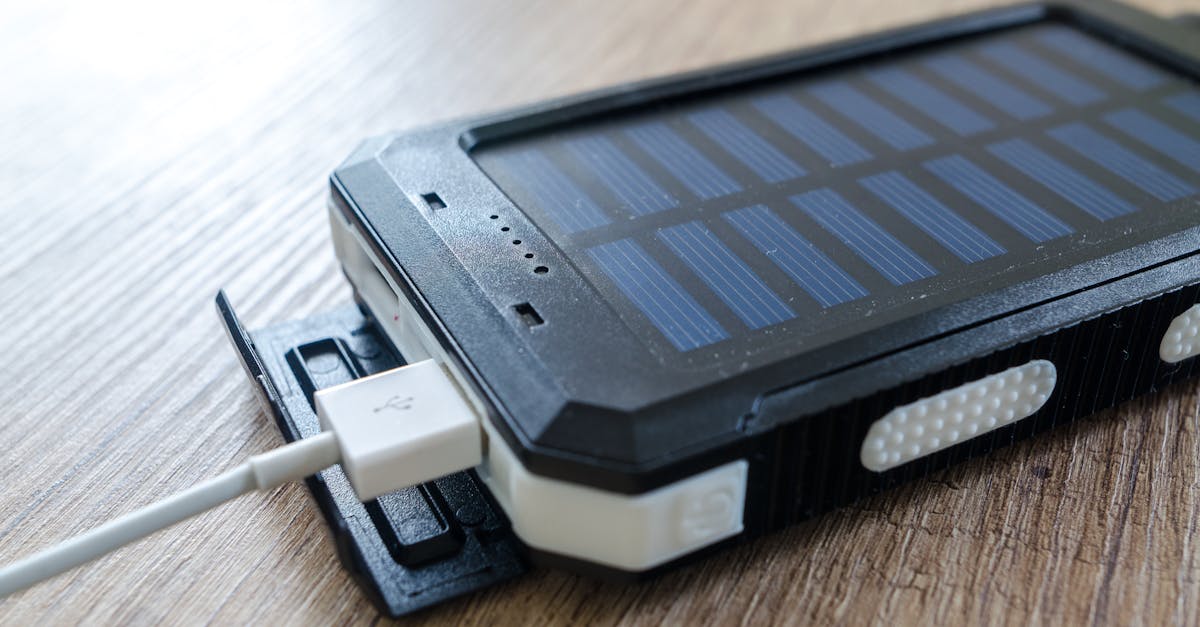
A portable power bank ensures that essential electronics remain charged when seat outlets are unavailable or broken. Modern units offer high capacity storage that can recharge a smartphone multiple times. Slim designs allow the battery to fit easily into a side pocket or small pouch. Having an independent power source provides peace of mind during long connections or delays. It is a vital backup for keeping navigation and communication tools functional upon arrival.
Charging Cable

A dedicated charging cable is necessary for connecting devices to power sources throughout the trip. Reliable cords prevent slow charging speeds and ensure a steady flow of energy to phones or tablets. It is helpful to carry a cable that is long enough to reach from a bag on the floor to the seat tray. Sturdy construction helps the wire withstand frequent bending and heavy use during travel. Keeping this item accessible prevents the need to search through main luggage in a dark cabin.
Universal Power Adapter

A universal power adapter allows electronic devices to connect to various outlet types found in different countries. Many units include multiple USB ports to charge several items simultaneously from a single wall plug. Compact versions are designed to take up very little space in a carry on bag. This tool is essential for travelers who need to keep their gear functional across different international regions. It eliminates the worry of incompatible technology at airports or layover destinations.
Compression Socks

Compression socks apply gentle pressure to the lower legs to maintain blood flow and reduce swelling. This specialized hosiery helps prevent deep vein thrombosis during periods of prolonged sitting. Many travelers find that wearing them reduces the feeling of leg fatigue after a long flight. Modern designs are available in various materials that remain breathable and comfortable for many hours. They are a standard recommendation for maintaining circulatory health while traveling in pressurized cabins.
Lip Balm
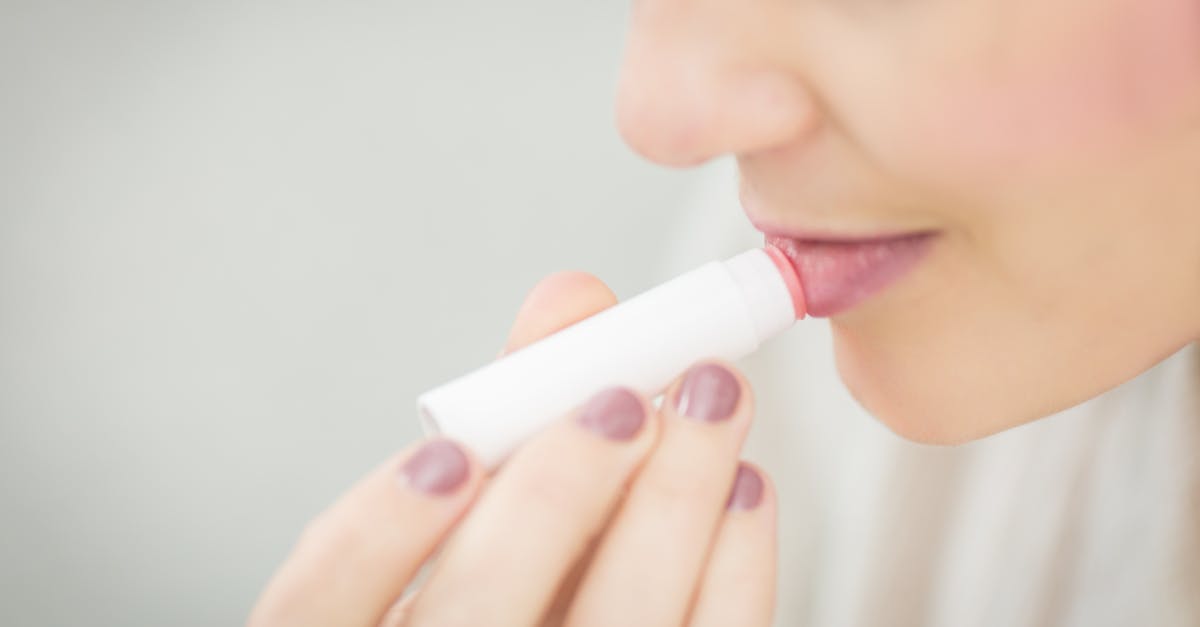
The dry air inside an airplane cabin quickly evaporates moisture from the skin and lips. A thick lip balm creates a protective barrier that prevents painful cracking and irritation. Formulas containing natural oils or beeswax provide long lasting hydration without the need for frequent reapplication. Keeping this item in a pocket ensures it is available whenever discomfort begins to occur. It is a simple but effective way to maintain physical comfort during a multi hour journey.
Hand Cream
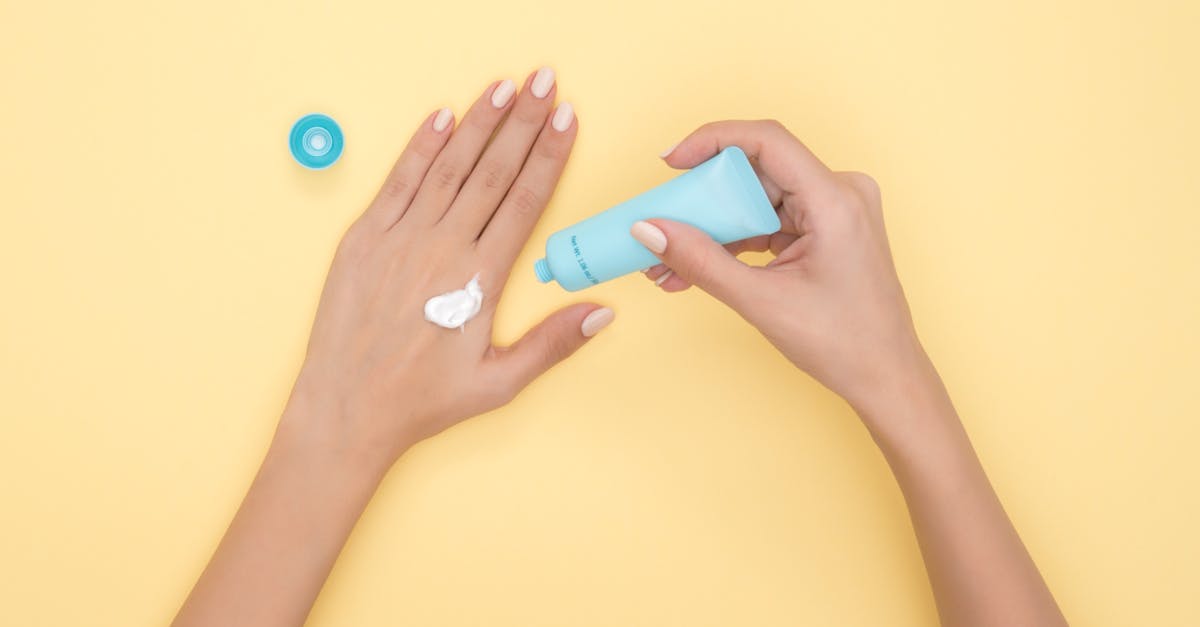
Low humidity levels during flight often lead to dry and itchy hands. A rich hand cream restores the skin barrier and provides immediate relief from tightness. Unscented versions are often preferred to avoid disturbing fellow passengers in the confined space. Applying a small amount every few hours helps the skin retain its natural oils despite the harsh cabin environment. This hygiene essential is easy to store in a liquid bag for quick access.
Facial Mist

Facial mist provides a quick burst of hydration to the skin during a long flight. A fine spray of mineral water or soothing botanicals helps to wake up the face and combat dullness. This product is especially useful for travelers who do not want to apply heavy creams while seated. It can be used throughout the journey to keep the complexion looking fresh and healthy. The cooling effect also offers a brief moment of relaxation in a stuffy environment.
Reusable Water Bottle

A reusable water bottle allows passengers to stay hydrated without relying on the small cups provided by flight attendants. Many airports offer filtered water stations where travelers can fill their bottles after passing through security. Choosing a collapsible or lightweight model saves space when the container is empty. Staying properly hydrated is a primary factor in reducing the symptoms of jet lag. Having a personal supply of water ensures immediate access to fluids at any time during the flight.
Protein Bars

Protein bars serve as a reliable source of energy when airline meals are delayed or unappealing. These snacks are shelf stable and provide a balance of nutrients that keep hunger at bay for several hours. Choosing options with low sugar content helps avoid energy crashes during the trip. They are easy to pack and do not require any preparation or refrigeration. Having a private food supply provides a sense of security and control over personal nutrition.
Breath Mints

Breath mints offer a quick way to refresh the mouth after eating or sleeping during a flight. They help to mask the effects of dry mouth caused by the low humidity in the cabin. Small tins or packets fit easily into any pocket or compartment for immediate use. These items provide a sense of cleanliness when a full tooth brushing is not possible. Peppermint or spearmint flavors also provide a mild cooling sensation that can be very invigorating.
Toothbrush and Toothpaste

Brushing teeth before landing is a common ritual for travelers who want to feel refreshed. A travel size toothbrush and a small tube of paste fit easily into a hygiene kit. This simple act removes plaque and bad breath that accumulate over many hours of travel. It helps the body transition from a sleep state to an awake state before reaching the destination. Using personal supplies is often more comfortable than using the basic kits sometimes provided by airlines.
Solid Deodorant
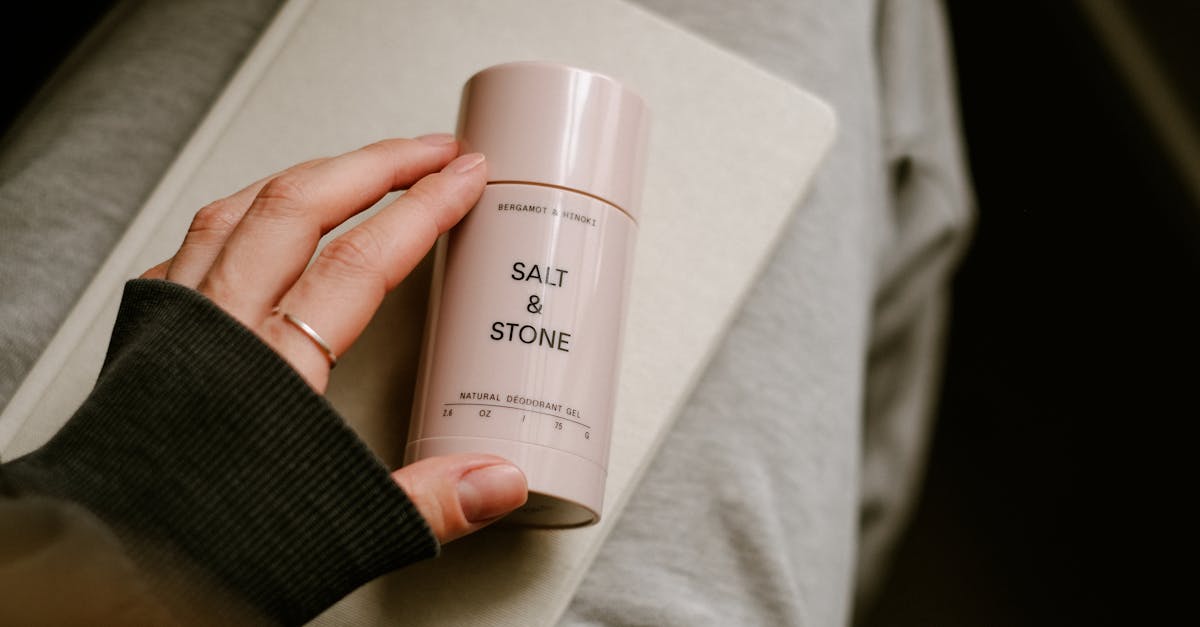
Solid deodorant is a convenient choice for travel because it does not count toward liquid restrictions. It provides a reliable way to stay fresh during the long hours spent in close proximity to others. Applying a fresh layer before landing helps passengers feel more confident and clean. The compact size of travel sticks makes them easy to carry in a small toiletry bag. Regular use prevents odors that can develop during the physical stress of international journeys.
Hand Sanitizer

Hand sanitizer is a critical tool for maintaining hygiene when soap and water are not available. A small bottle with at least sixty percent alcohol effectively kills germs on the hands. It is useful for cleaning up before meals or after touching common surfaces like tray tables. The quick drying formula allows for immediate use without the need for a towel. Keeping sanitizer within reach helps protect the immune system during a high traffic journey.
Disinfecting Wipes

Disinfecting wipes are used to sanitize the immediate seating area before the flight begins. Passengers often wipe down the tray table, armrests, and entertainment screens to remove bacteria. These wipes are also helpful for cleaning up accidental spills or sticky surfaces. Using them provides an extra layer of protection against seasonal illnesses found in public spaces. They are lightweight and easy to dispose of in the cabin trash collection.
Pack of Tissues

A small pack of tissues is a versatile item that serves many purposes during a flight. It is useful for managing sudden allergies, common colds, or minor spills. Soft tissues are much gentler on the skin than the paper products often found in airplane lavatories. They take up almost no space and can be tucked into a seat back pocket for easy access. Having a personal supply ensures that a traveler is never caught without a way to clean their face or hands.
Prescription Medication

Carrying essential prescription medication in a carry on is vital in case checked luggage is lost or delayed. It is important to keep the medicine in its original packaging to comply with security regulations. Bringing enough for the flight plus a few extra days provides a safety margin for unexpected delays. Travelers should also carry a copy of the prescription or a doctor note for clarification. This ensures that health management continues without interruption regardless of travel circumstances.
Passport

The passport is the most important document for any international traveler. It should be kept in a secure but accessible pocket of the carry on bag at all times. Using a dedicated cover can protect the pages from wear and tear during frequent handling. Checking the expiration date well in advance of the trip is a necessary part of preparation. Keeping a digital scan of the main page provides an extra layer of security in case of loss.
Printed Documents

Printed copies of boarding passes and visas act as a reliable backup to digital versions. Technology can fail due to battery issues or lack of internet connectivity at border crossings. Having physical papers allows for a smoother process during check in and immigration. These documents should be organized in a flat folder to prevent folding or damage. They provide a quick reference for flight numbers, terminal details, and gate assignments.
Black Ink Pen

A black ink pen is necessary for filling out customs and immigration forms during the flight. Many countries still require physical paperwork that must be completed before landing. Carrying a personal pen saves time and avoids the need to wait for a shared one from cabin crew. It is also useful for jotting down notes or directions given by staff. A simple ballpoint model is less likely to leak under cabin pressure than a fountain pen.
Small Journal

A small journal provides a private space for writing down thoughts, observations, or plans. It offers a screen free way to pass the time and reflect on the journey. Travelers can use it to track their itinerary or record memories as they happen. The act of writing can be a calming activity during moments of travel stress or boredom. A compact notebook fits easily into any bag and requires no power source.
Electronic Reader

An electronic reader can store hundreds of books in a single lightweight device. The glare free screen is designed to be easy on the eyes even during long periods of reading. Many models include a built in light for use in a dark cabin without disturbing others. Long battery life ensures that the device remains functional throughout the entire journey. It is a space saving alternative to carrying multiple heavy physical books.
Tablet
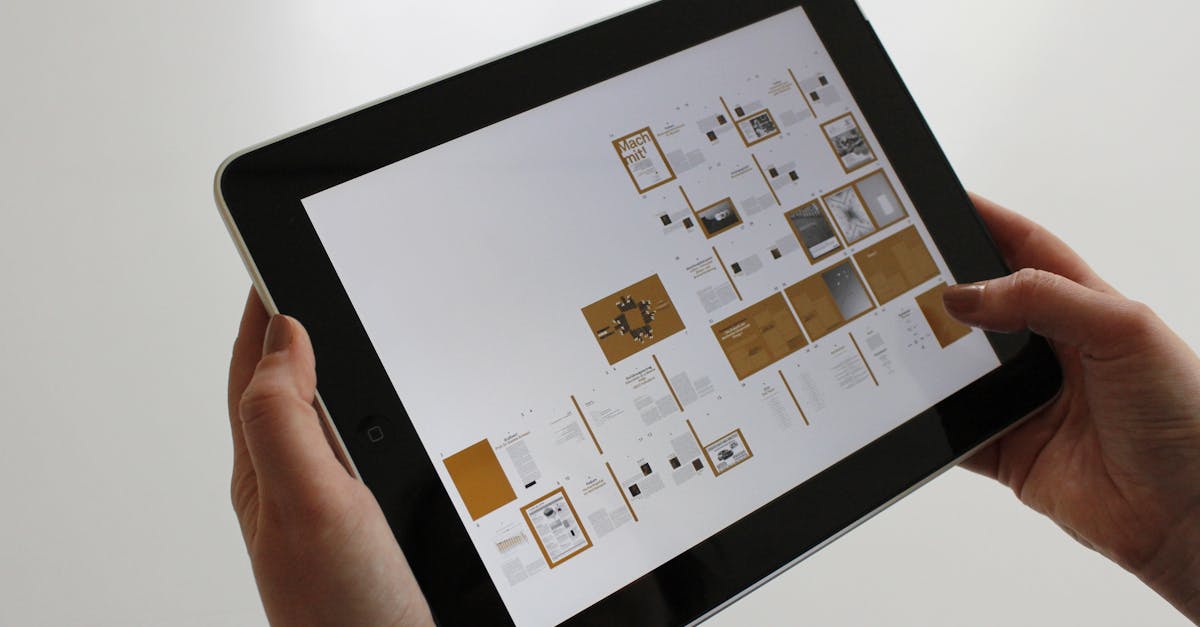
A tablet serves as a versatile entertainment center for watching movies or playing games. Its large screen provides a better viewing experience than a standard smartphone. Users can download content in advance to enjoy without a wireless connection. The device also works well for browsing the internet or catching up on light work during the flight. Its slim profile makes it easy to store in the laptop compartment of a bag.
Laptop

A laptop is an essential tool for travelers who need to complete professional tasks while in transit. It allows for more complex productivity than a tablet or smartphone can provide. Many passengers use the flight time to organize photos, write reports, or manage emails. Carrying it in a dedicated sleeve protects it from the bumps and vibrations of travel. It is important to ensure the battery is fully charged before boarding to maximize working time.
Large Scarf

A large scarf or pashmina functions as a versatile accessory that can provide extra warmth. Airplane cabins are often kept at cool temperatures that may feel uncomfortable during sleep. This item can be used as a light blanket or rolled up into a makeshift pillow. Choosing a soft material like wool or cashmere ensures maximum comfort against the skin. It adds a layer of style to a travel outfit while serving a practical purpose.
Clean Underwear

Packing a change of clean underwear provides a sense of freshness after many hours of travel. This is especially useful during layovers or if a flight is diverted and an overnight stay is required. It takes up very little space but significantly improves personal comfort. Having a spare set in the carry on bag is a smart precaution against lost luggage. It allows a traveler to feel more prepared for the start of their journey upon arrival.
Extra Shirt
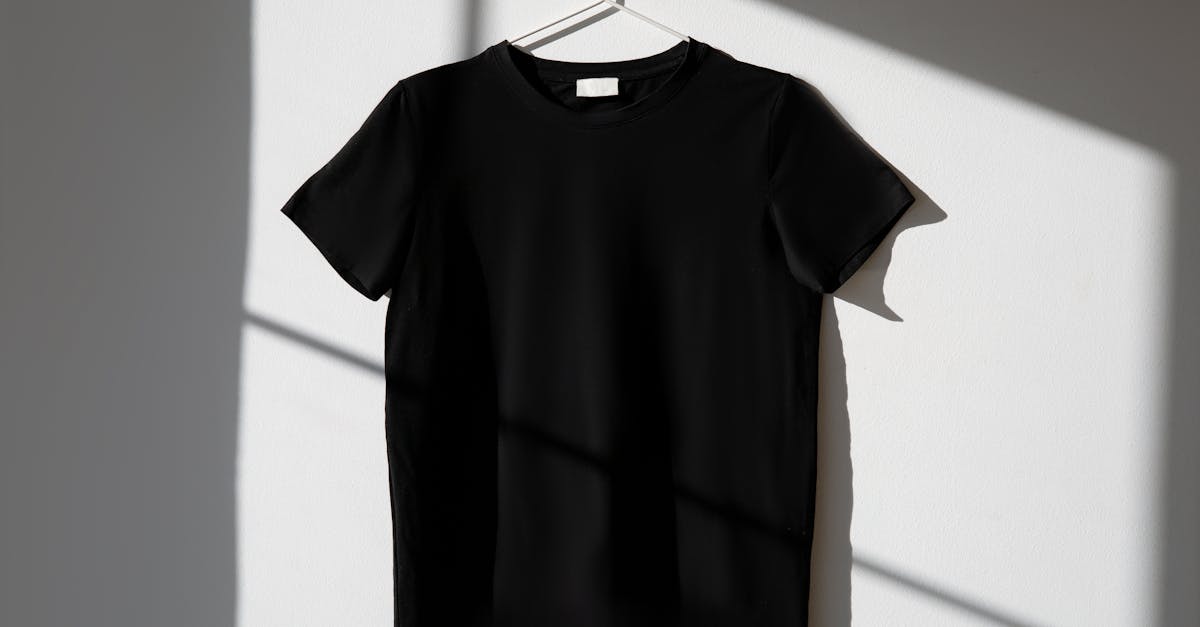
A spare t-shirt or light top is useful for changing into before reaching the destination. It helps a passenger look and feel more refreshed after a long period of sitting. This item is also a necessary backup in case of spills or perspiration during the trip. Choosing a wrinkle resistant fabric ensures that the shirt looks good even after being packed in a bag. It is a small addition that makes a big difference in personal appearance and hygiene.
Melatonin

Melatonin is a naturally occurring hormone that helps regulate the body sleep wake cycle. Taking a supplement can assist travelers in adjusting to new time zones more quickly. It is often used to encourage sleep during a long flight that occurs during daytime hours. Passengers should consult with a medical professional before using any sleep aids for the first time. Having this option available can help mitigate the effects of jet lag upon arrival.
Saline Eye Drops

The low humidity in an aircraft cabin can cause eyes to become dry, red, and irritated. Saline eye drops provide immediate moisture and relief from these uncomfortable symptoms. They are particularly important for contact lens wearers who may experience increased sensitivity. Using the drops every few hours helps maintain clear and comfortable vision throughout the journey. A small bottle fits easily into a clear liquid bag for security screening.
Nasal Spray

A saline nasal spray keeps the mucous membranes in the nose hydrated during a flight. Dry air can cause the nasal passages to become sore or more susceptible to airborne germs. Using a gentle spray helps to clear out irritants and maintains the natural protective barrier. This can prevent the discomfort of a dry nose and reduce the risk of post flight congestion. It is a simple health tool that improves overall comfort in a pressurized environment.
Folding Hairbrush

A folding hairbrush with an attached mirror is a compact way to manage grooming on the go. It allows travelers to tidy their hair before landing or during a quick restroom break. Keeping hair neat helps a person feel more put together after hours of resting against a seat. The small size makes it easy to store in a toiletry kit or a side pocket. It is a practical item for maintaining a professional or polished appearance.
Hair Ties
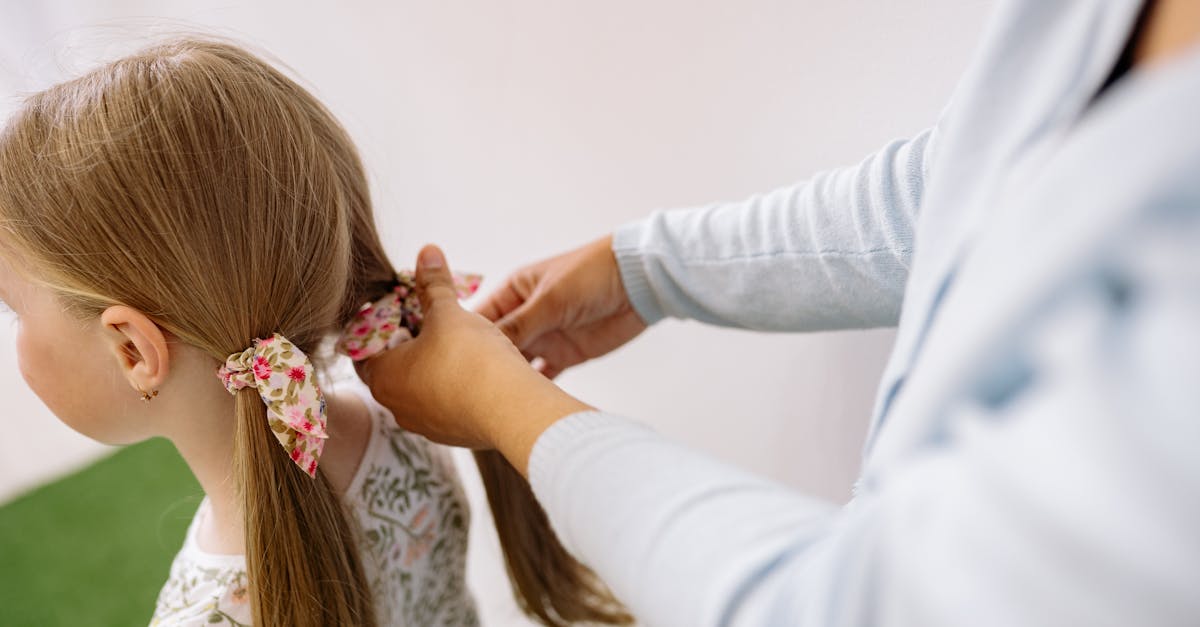
Hair ties are essential for keeping long hair away from the face and neck during a flight. They help prevent tangles that can occur when leaning back against a headrest for long periods. Having a few spare ties is helpful in case one breaks or is lost. They take up almost no space and can be kept on the wrist for immediate use. Choosing soft or snag free versions prevents hair damage during extended wear.
Sunglasses

Sunglasses are useful for blocking out bright sunlight that streams through airplane windows during daytime flights. They also provide a sense of privacy when a passenger wants to rest without being disturbed. Upon arrival, they help hide signs of tiredness and protect the eyes from bright airport lights. They are a necessary accessory for the transition from the plane to the outdoors. Keeping them in a hard case prevents damage while they are stored in a bag.
Pocket Mirror
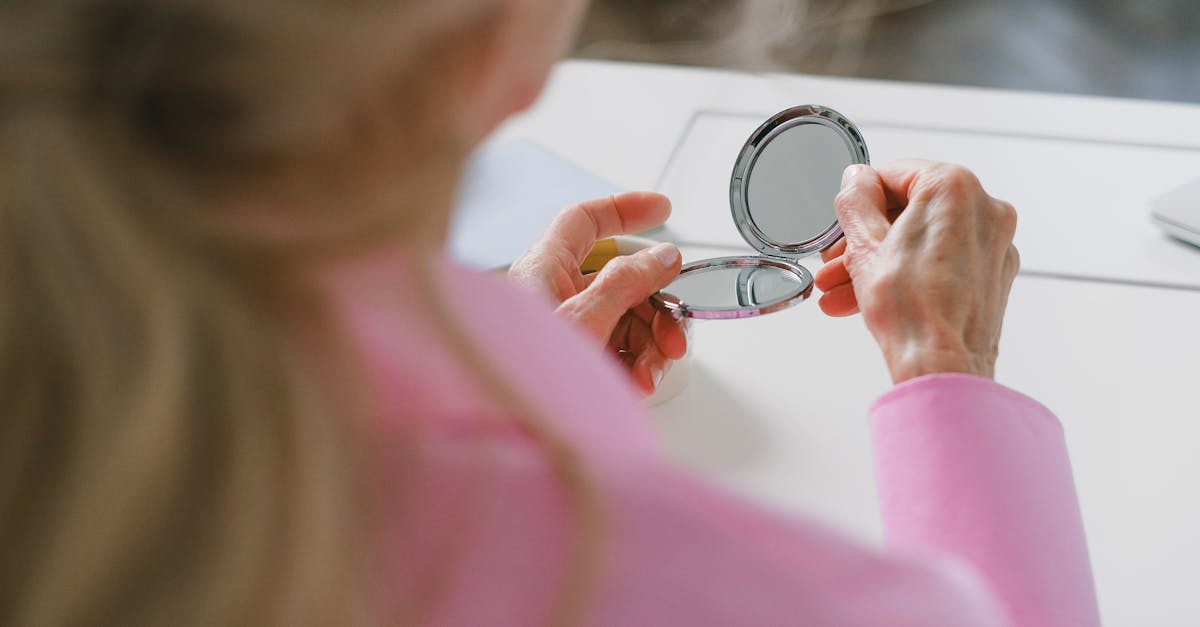
A small pocket mirror allows for quick grooming checks without having to visit the aircraft lavatory. It is useful for applying lip balm, checking hair, or ensuring the face is clean after a meal. This item is particularly helpful during the busy period just before landing when bathrooms are often occupied. A durable compact mirror can be tucked into any small pouch for easy access. It provides a convenient way to maintain a personal routine from the comfort of a seat.
Travel Wallet

A travel wallet is designed to keep currency, cards, and documents organized in one secure place. Many models feature RFID blocking technology to protect against electronic theft. Having a dedicated spot for every item prevents the stress of searching for a passport or boarding pass. It is often larger than a standard wallet to accommodate international bills and travel papers. Keeping it in a zippered pocket of a carry on ensures it stays safe throughout the trip.
Cash

Carrying a small amount of local currency and major international bills is a wise travel practice. While many places accept cards, cash is often necessary for small purchases or tips upon arrival. It serves as an emergency fund if electronic payment systems are down or cards are not accepted. Keeping the money in different locations within the bag can provide extra security. Having cash on hand simplifies the process of getting transportation or food at the destination.
Insurance Policy

A printed or digital copy of a travel insurance policy is essential for managing unexpected emergencies. It contains important contact numbers and policy details that may be needed for medical or travel assistance. Having this information readily available saves time and reduces stress during a crisis. Travelers should ensure the document is easily accessible to both themselves and their companions. It provides a necessary safety net for any international journey.
Travel Itinerary

A detailed travel itinerary lists all flight times, confirmation numbers, and planned activities. It serves as a central reference for the entire trip and helps keep the traveler on schedule. This document is also useful for providing details to immigration officers if requested. Keeping a copy in the carry on ensures it can be consulted even without an internet connection. It helps maintain organization and clarity throughout the transition from one location to another.
Hotel Address

Having the physical address and phone number of the hotel is crucial for navigating to the accommodation. This information is often required on arrival forms or for local taxi drivers. It should be written in both the local language and the traveler native tongue if possible. Keeping a printed version prevents problems if a phone battery dies or there is no signal. This simple step ensures a smooth arrival at the final destination.
Light Slippers

Light slippers allow passengers to move around the cabin without having to put on heavy shoes. They provide comfort and keep the feet clean during visits to the aircraft lavatory. Many pairs are designed to be foldable and take up very little space in a bag. Wearing slippers helps the feet stay relaxed and prevents the swelling that can occur in tight footwear. They are a luxury item that significantly improves the experience of a long haul flight.
Sheet Mask

A sheet mask is an intensive hydration treatment that can be used during the flight. It delivers a high concentration of serum to the skin to combat the extreme dryness of the cabin. The mask creates a physical barrier that helps the ingredients absorb effectively over twenty minutes. Using one can be a relaxing self care ritual that passes the time and results in glowing skin. It is an easy way to arrive at a destination looking refreshed and well rested.
Facial Moisturizer

Facial moisturizer is a daily essential that should be reapplied during long periods of air travel. It helps to lock in hydration and protects the skin from the recycled air of the cabin. Choosing a formula that is rich but non greasy ensures comfort for many hours. Applying it after using a facial mist or sheet mask maximizes the benefits to the complexion. Keeping a small container in the hygiene kit makes it easy to maintain a regular skincare routine.
Dry Shampoo

Dry shampoo is a practical solution for refreshing the hair when a full wash is not possible. It absorbs excess oil and adds volume to hair that has become flat during the flight. A quick spray at the roots can make a significant difference in personal appearance before landing. Many brands offer travel size versions that comply with airline liquid regulations. It is a time saving tool for travelers who want to look their best upon arrival.
Small Pouch
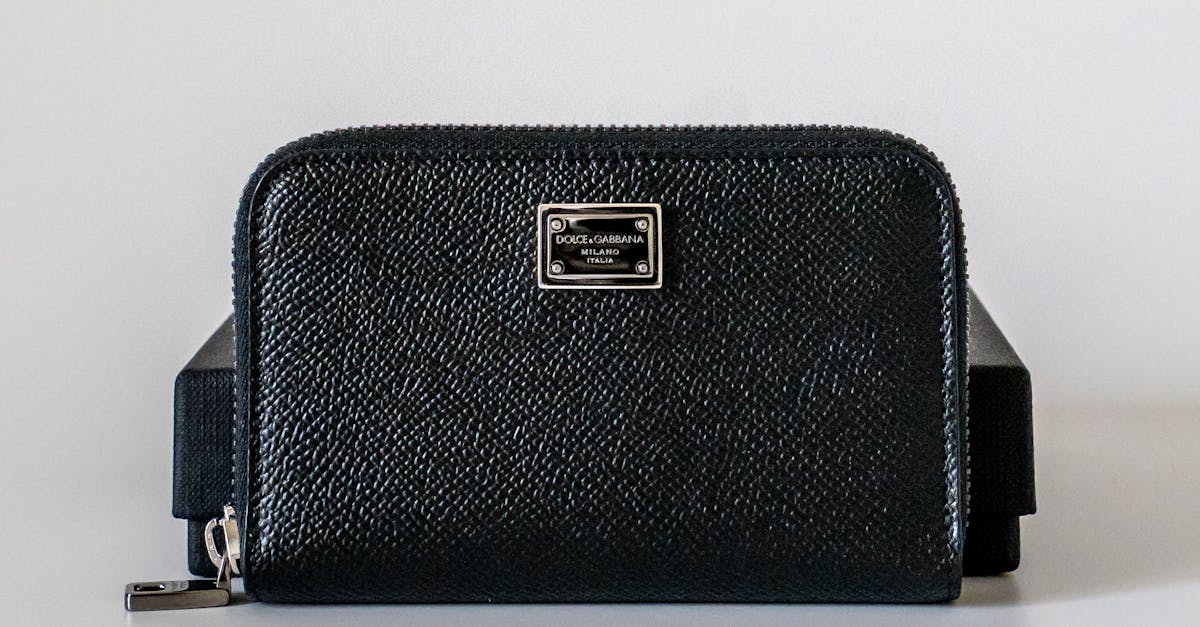
A small zippered pouch helps keep tiny items like charging cables and lip balm organized within a larger bag. It prevents small essentials from falling to the bottom of the carry on and getting lost. Using transparent or mesh pouches allows for quick identification of the contents. This organizational tool makes it much easier to find what is needed without emptying the entire bag. It contributes to a more efficient and stress free travel experience.
Mobile Phone
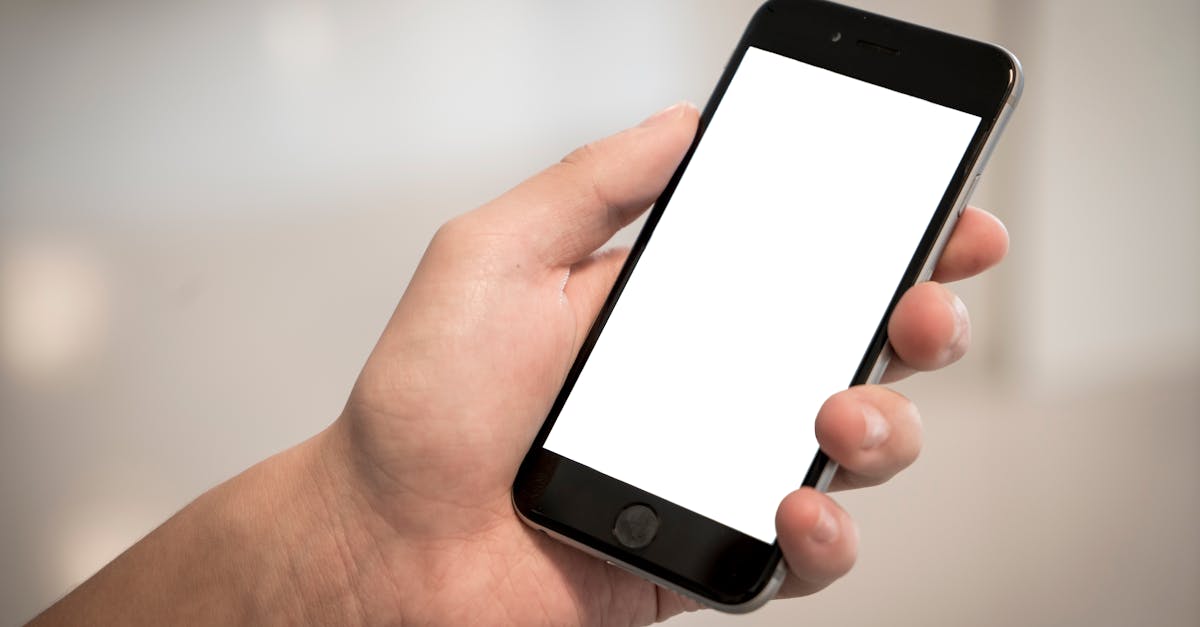
A mobile phone is the primary tool for communication, navigation, and entertainment for most travelers. It should be loaded with travel apps, offline maps, and digital copies of important documents. The device also serves as a camera for capturing memories of the journey. Keeping it fully charged and accessible is a top priority throughout the flight. It is the most versatile piece of technology in a traveler arsenal.
Warm Socks

A pair of thick warm socks is essential for maintaining body temperature in a cold airplane cabin. Many passengers remove their shoes to stay comfortable and socks provide a necessary layer of protection. Choosing materials like wool or thermal blends ensures the feet stay cozy during sleep. They also offer a soft surface for resting against the footrest or cabin floor. This simple addition to the carry on significantly increases overall warmth and comfort.
Chewing Gum

Chewing gum helps to equalize the pressure in the ears during takeoff and landing. The repetitive motion of chewing and swallowing can prevent the discomfort often associated with altitude changes. It also provides a quick way to freshen the breath and clean the teeth after a snack. Many people find that a minty flavor helps to settle the stomach if they experience mild motion sickness. It is a small and inexpensive item that serves multiple practical purposes.
Please share your thoughts on your own travel essentials in the comments.