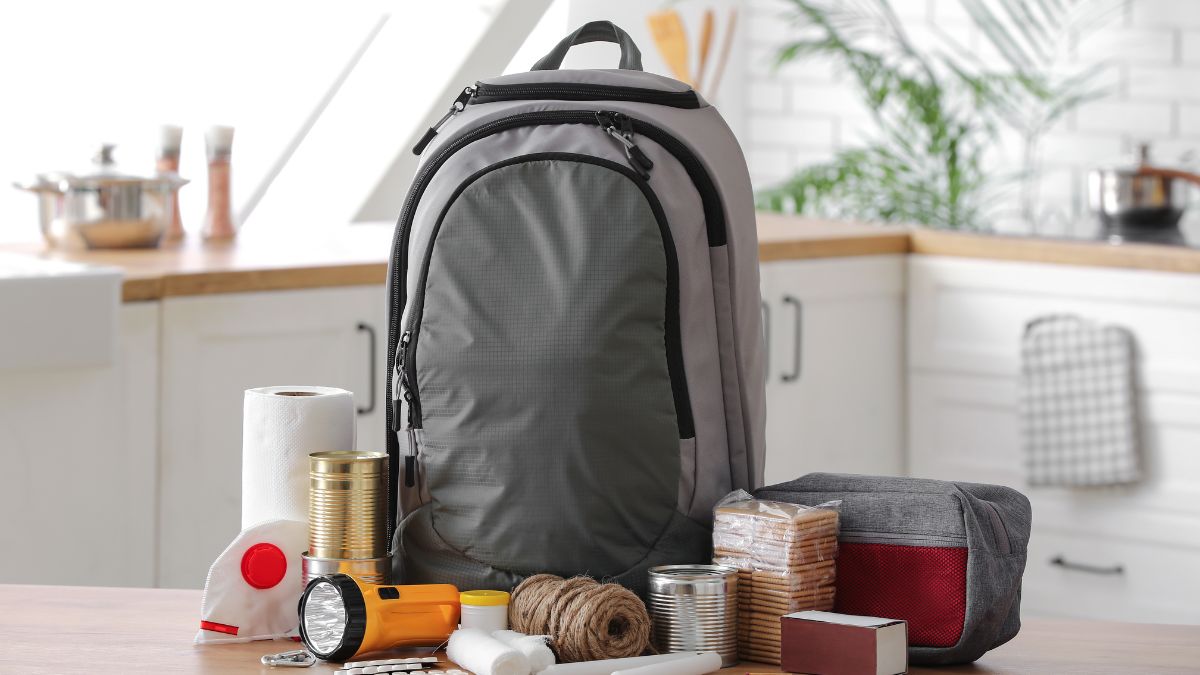
Experienced travelers know that the difference between a smooth journey and a stressful one often comes down to what you packed within arm’s reach. A well-prepared carry-on acts as a personal safety net at 35,000 feet, ready for delays, discomfort, spills, and everything in between. These are the items that seasoned travelers never board a flight without.
Portable Charger
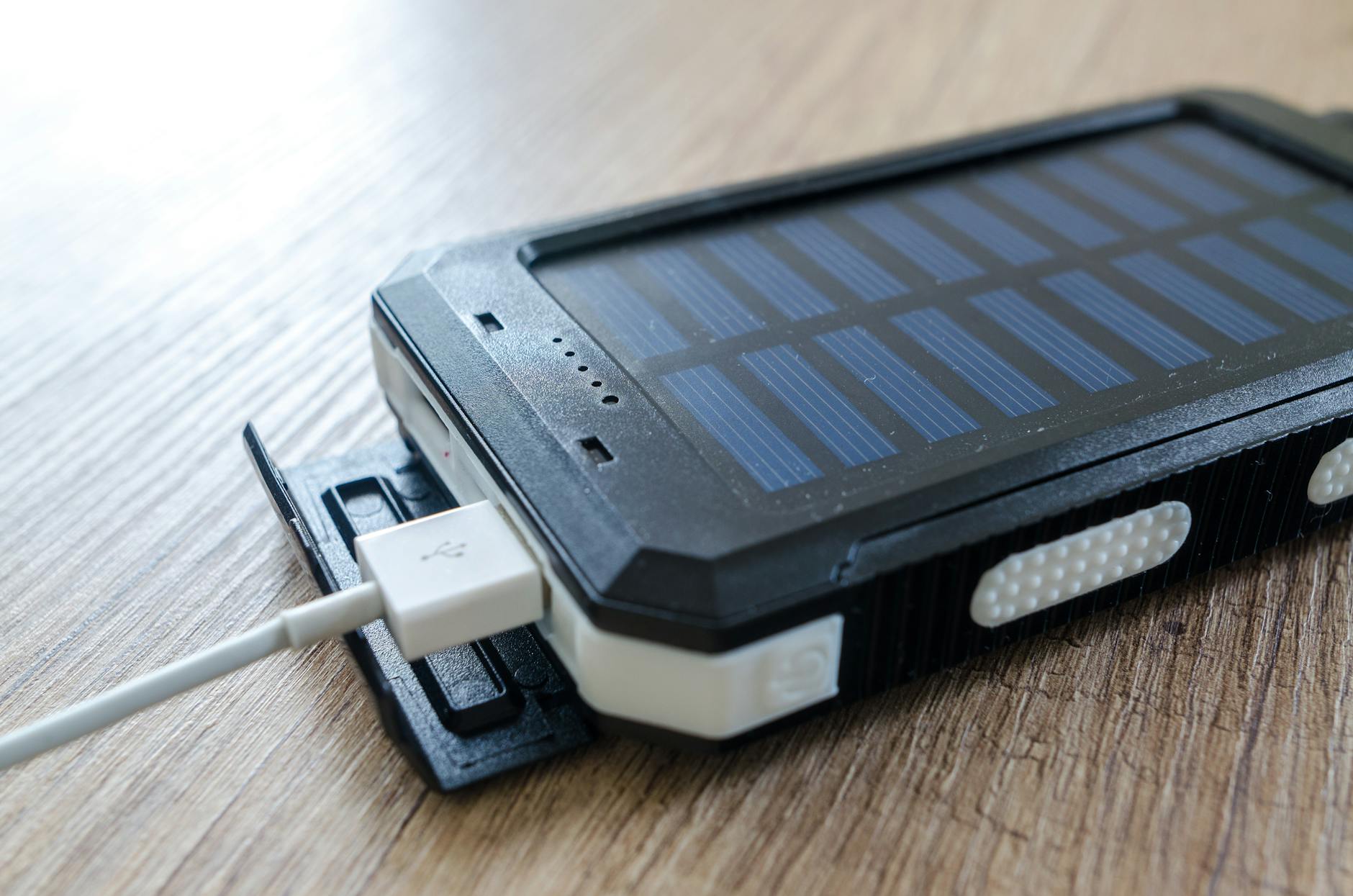
A dead phone at an airport can turn a minor inconvenience into a full-blown crisis. Power banks keep devices charged through long layovers and unexpected delays. Many flights still lack accessible USB ports, making a personal charger an essential backup. A capacity of at least 10,000mAh covers most smartphones two to three times over. Compact models fit easily into a bag pocket without adding significant weight.
Neck Pillow

Long-haul flights take a serious toll on the neck and upper back without proper support. A quality travel pillow allows passengers to rest in an upright seated position without muscle strain. Memory foam versions contour to the neck and hold their shape throughout the flight. Many travelers find that a good neck pillow is the single biggest comfort upgrade on overnight routes. Inflatable options compress down to almost nothing when not in use.
Noise-Canceling Headphones
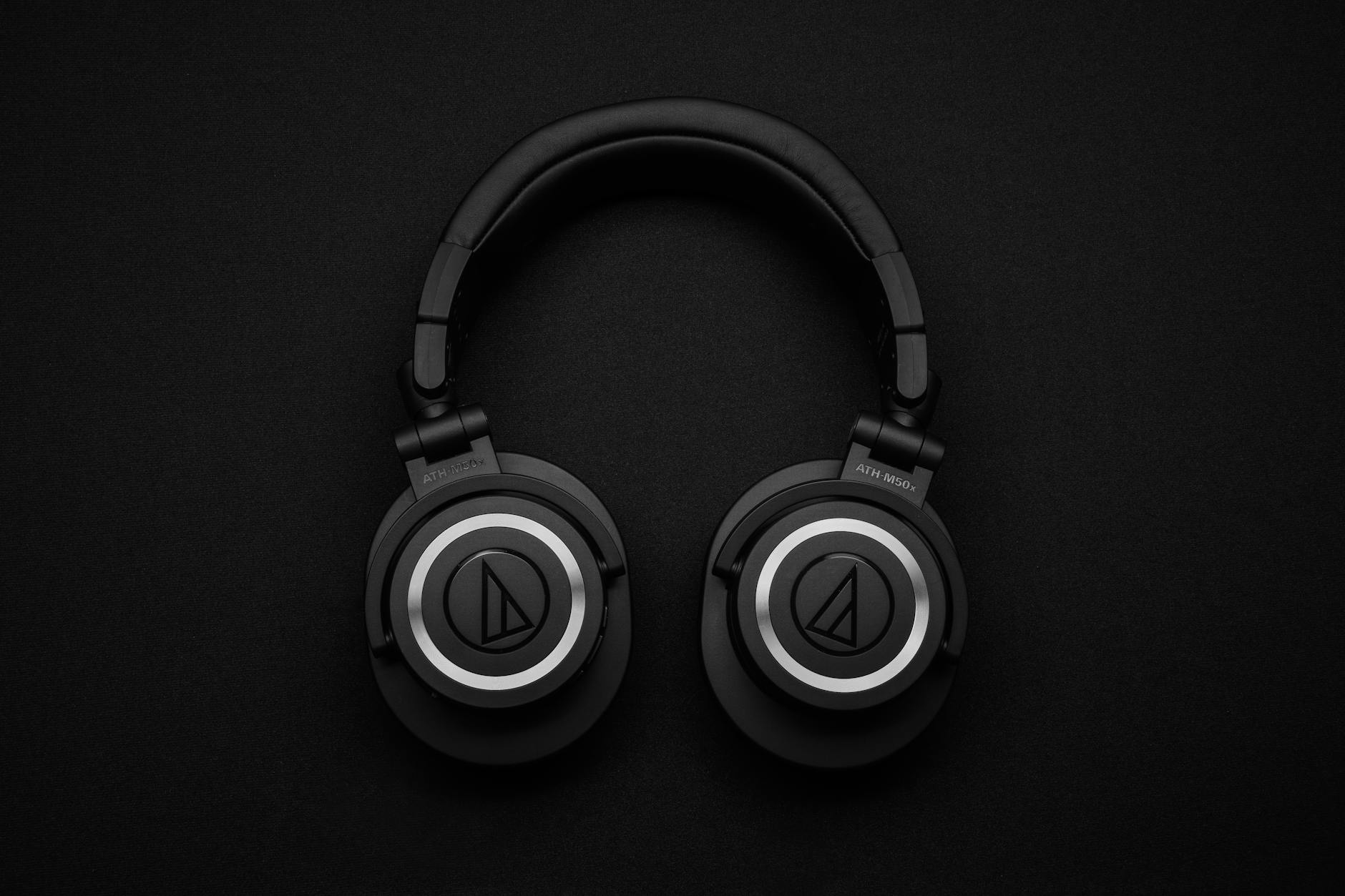
Cabin noise on a commercial aircraft averages around 85 decibels, enough to cause fatigue over time. Noise-canceling technology actively reduces that ambient roar, making rest and focus far easier. Premium models block out engine hum, crying infants, and chatty neighbors with remarkable effectiveness. Many passengers use them even without playing audio simply for the silence they provide. A good pair also doubles as ear protection during particularly turbulent or noisy flights.
Reusable Water Bottle
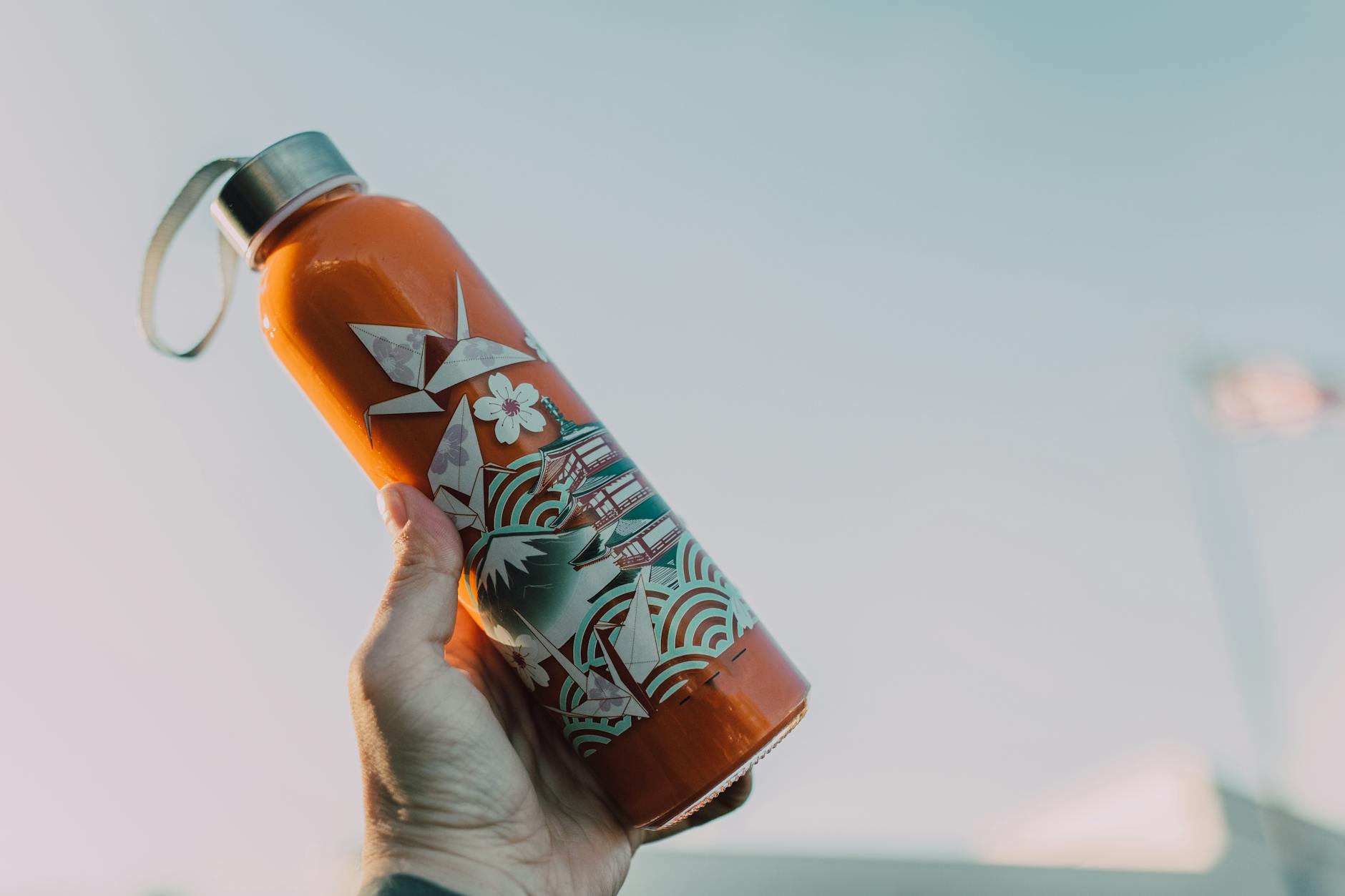
Cabin air is notoriously dry, with humidity levels often dropping below 20 percent during flight. Staying hydrated combats fatigue, headaches, and the general grogginess that follows long trips. An empty reusable bottle can be carried through security and filled at airport water stations before boarding. Many airports now feature filtered refill stations specifically designed for travelers. Stainless steel options keep water cool for hours without adding a plastic waste footprint.
Hand Sanitizer
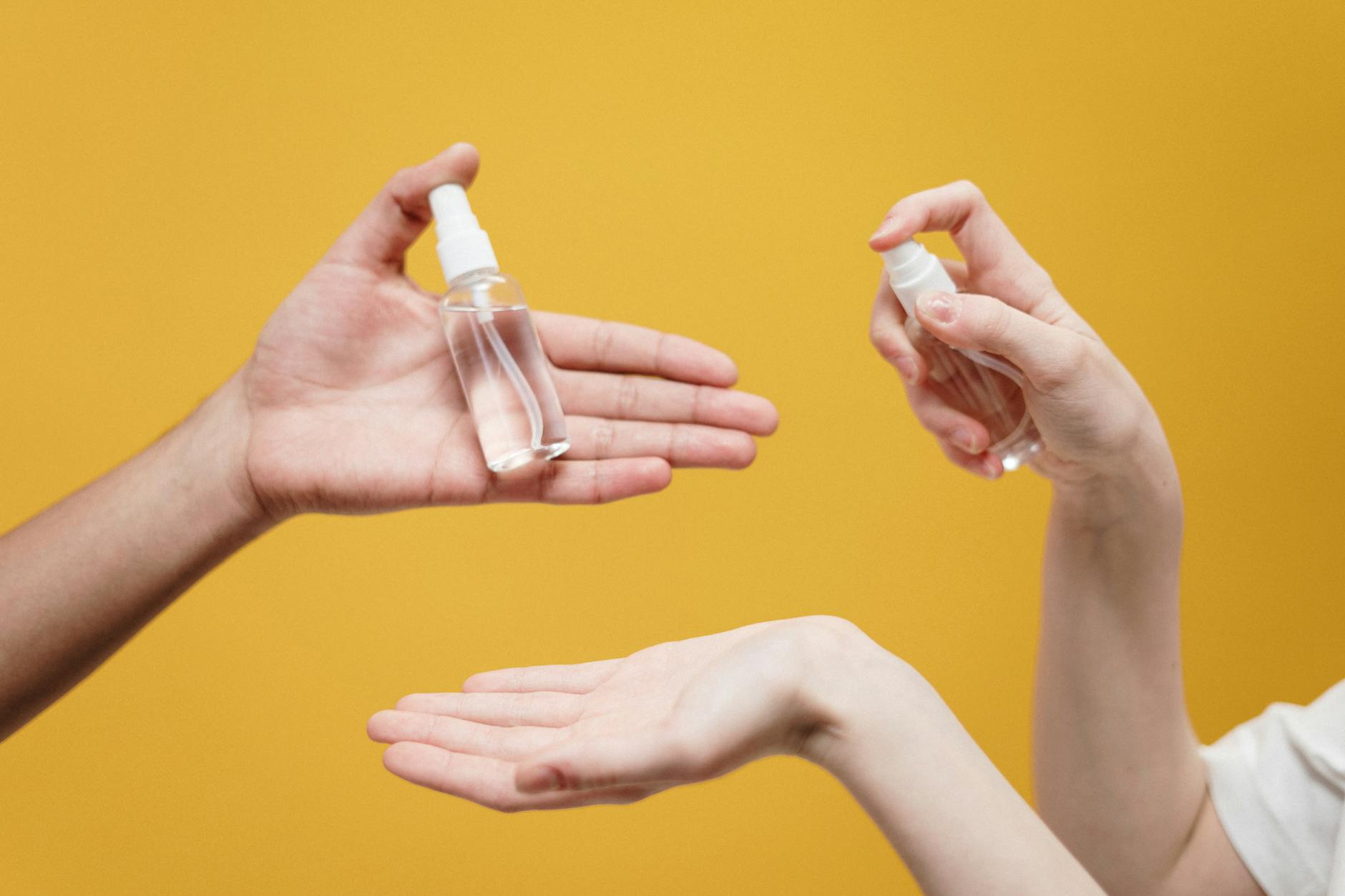
Airport surfaces and aircraft tray tables are among the most germ-laden environments a traveler will encounter. A small bottle of hand sanitizer provides a quick hygiene reset between handwashing opportunities. Bottles of 100ml or under clear standard liquid restrictions at most international security checkpoints. Sanitizing hands before eating or touching the face is one of the most effective ways to avoid travel-related illness. Gel formulas with at least 60 percent alcohol content meet recommended health guidelines.
Face Mask
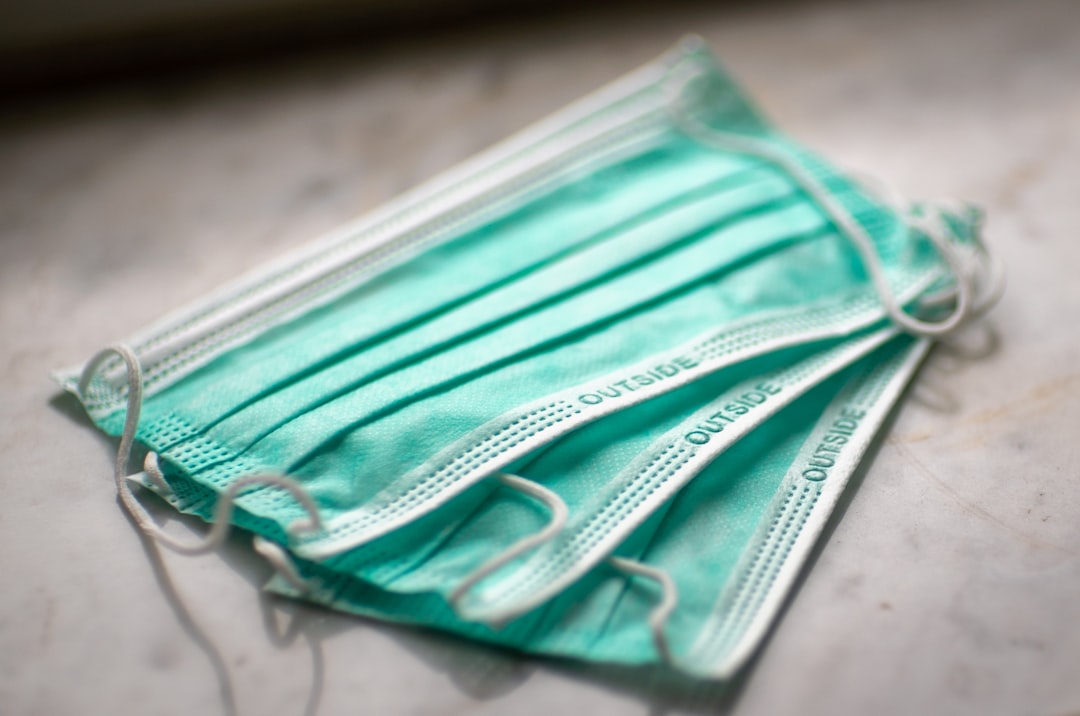
A fresh surgical or KN95 mask offers protection in crowded terminals and sealed cabin environments. Beyond health precautions, masks help shield the face from dry recycled air during long flights. Many travelers keep two or three spares in case one becomes soiled or uncomfortable mid-journey. They take up almost no space and weigh virtually nothing in a carry-on. Having extras also means being prepared for destinations or transit hubs with active masking requirements.
Travel Compression Socks
Sitting for extended periods reduces circulation in the lower legs and feet. Compression socks apply gentle graduated pressure that encourages healthy blood flow during long-haul flights. Medical professionals widely recommend them for flights over four hours to reduce the risk of deep vein thrombosis. Modern designs are indistinguishable from regular dress or casual socks in appearance. Slipping them on before boarding and keeping them on until landing makes a measurable difference in how legs feel upon arrival.
Snack Selection
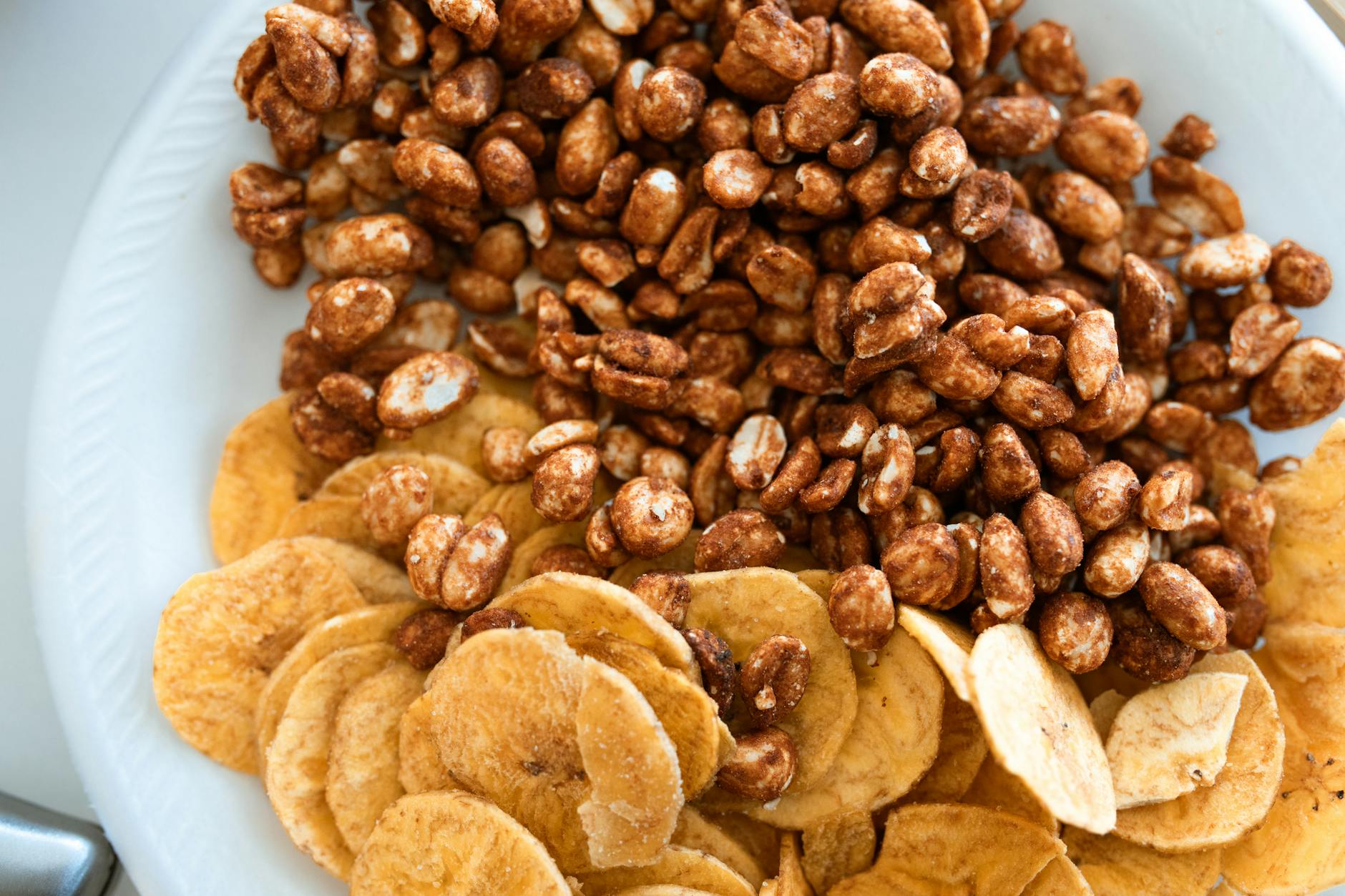
Airport food is expensive, often unhealthy, and not always available during delays or late-night departures. Packing a small selection of snacks ensures access to familiar nutrition regardless of what is offered onboard. Nuts, protein bars, dried fruit, and crackers travel well without refrigeration and clear security without issue. Having snacks on hand is especially important for travelers with dietary restrictions or food allergies. A well-fed traveler is a calmer and more comfortable traveler throughout the journey.
First Aid Kit
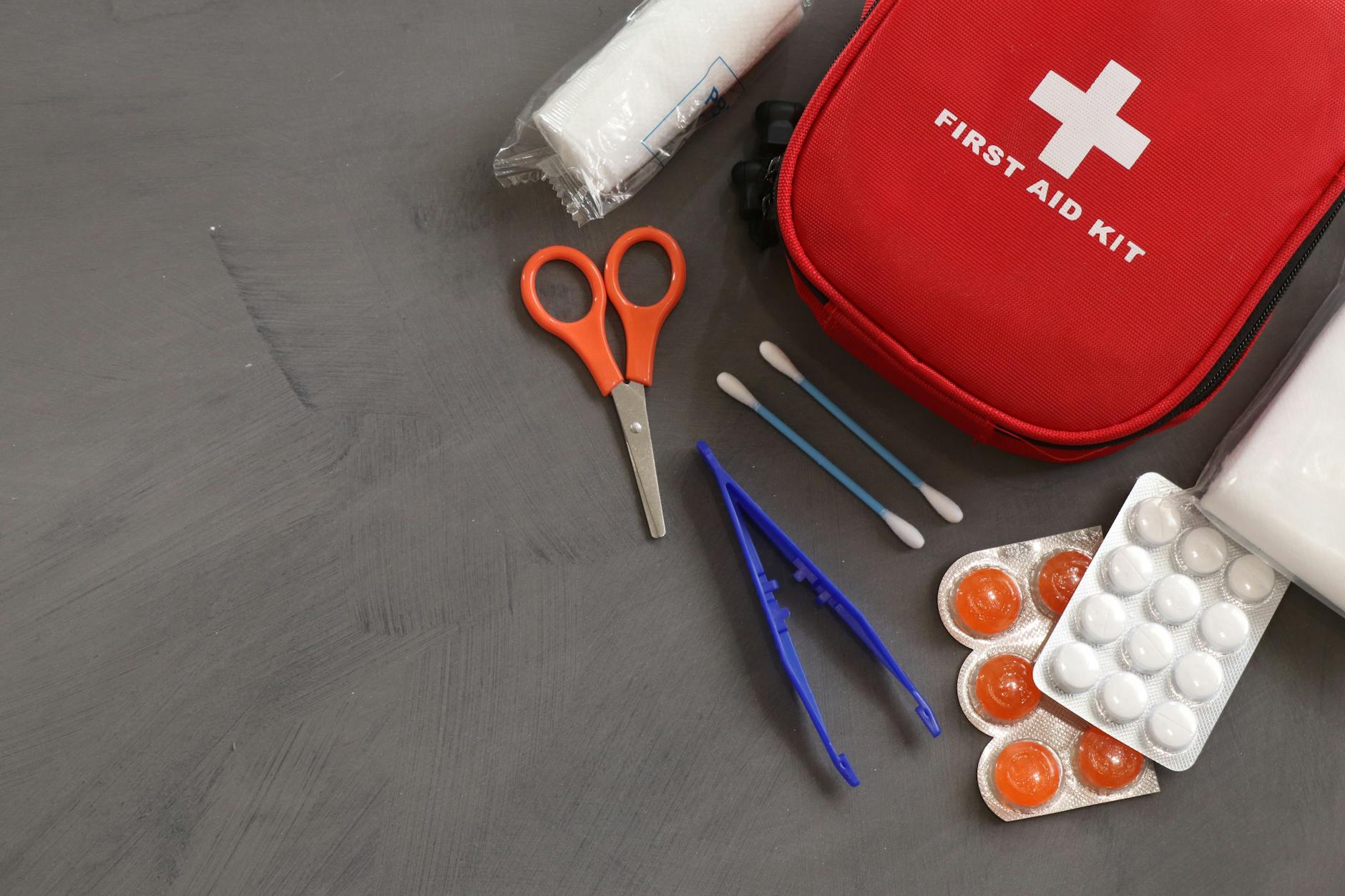
A compact travel first aid kit prepares passengers for minor medical situations that arise far from home. Standard kits include bandages, antiseptic wipes, pain relievers, antihistamines, and motion sickness tablets. Unexpected headaches, blisters from airport walking, or allergic reactions are all manageable with the right supplies on hand. Pre-assembled travel kits sized for carry-on compliance are widely available at pharmacies. Having basic medical supplies means not relying on flight attendants or airport pharmacies for everyday needs.
Eye Mask

Light is one of the biggest obstacles to sleep on a daytime flight or in a brightly lit cabin. A contoured eye mask blocks light completely without putting pressure on the eyelids. Silk versions feel gentle against the skin and help retain moisture around the eye area. Combined with noise-canceling headphones, an eye mask creates a personal sleep environment regardless of what is happening around you. Many frequent flyers consider it one of the most impactful additions to any long-haul packing list.
Lip Balm
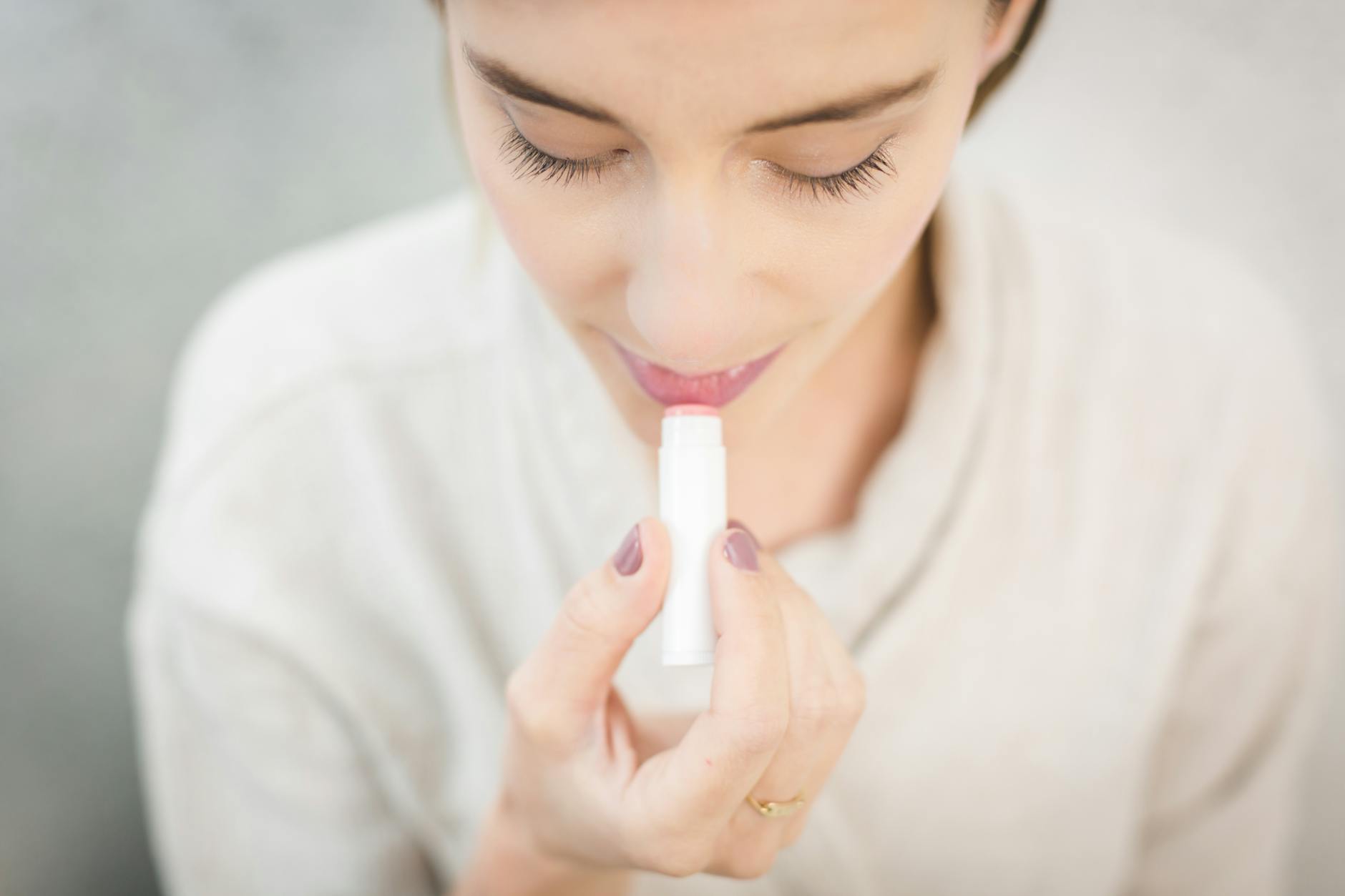
Low cabin humidity strips moisture from exposed skin remarkably quickly during flight. Lips are particularly vulnerable and can become chapped within the first hour of a long journey. A small tube of lip balm with SPF also offers protection during window seat exposure to UV rays at altitude. Applying it before boarding and refreshing throughout the flight keeps lips comfortable and hydrated. Look for formulas with beeswax or shea butter for longer-lasting moisture retention.
Travel Umbrella

Weather conditions at a destination are not always predictable from the comfort of a departure lounge. A compact travel umbrella folds down small enough to slide into the side pocket of most carry-on bags. Being caught in unexpected rain without one can ruin clothing, electronics, and the first impression of a new city. Windproof designs hold up better in exposed urban environments or coastal destinations. It is a lightweight insurance policy that experienced travelers never leave behind.
Pen
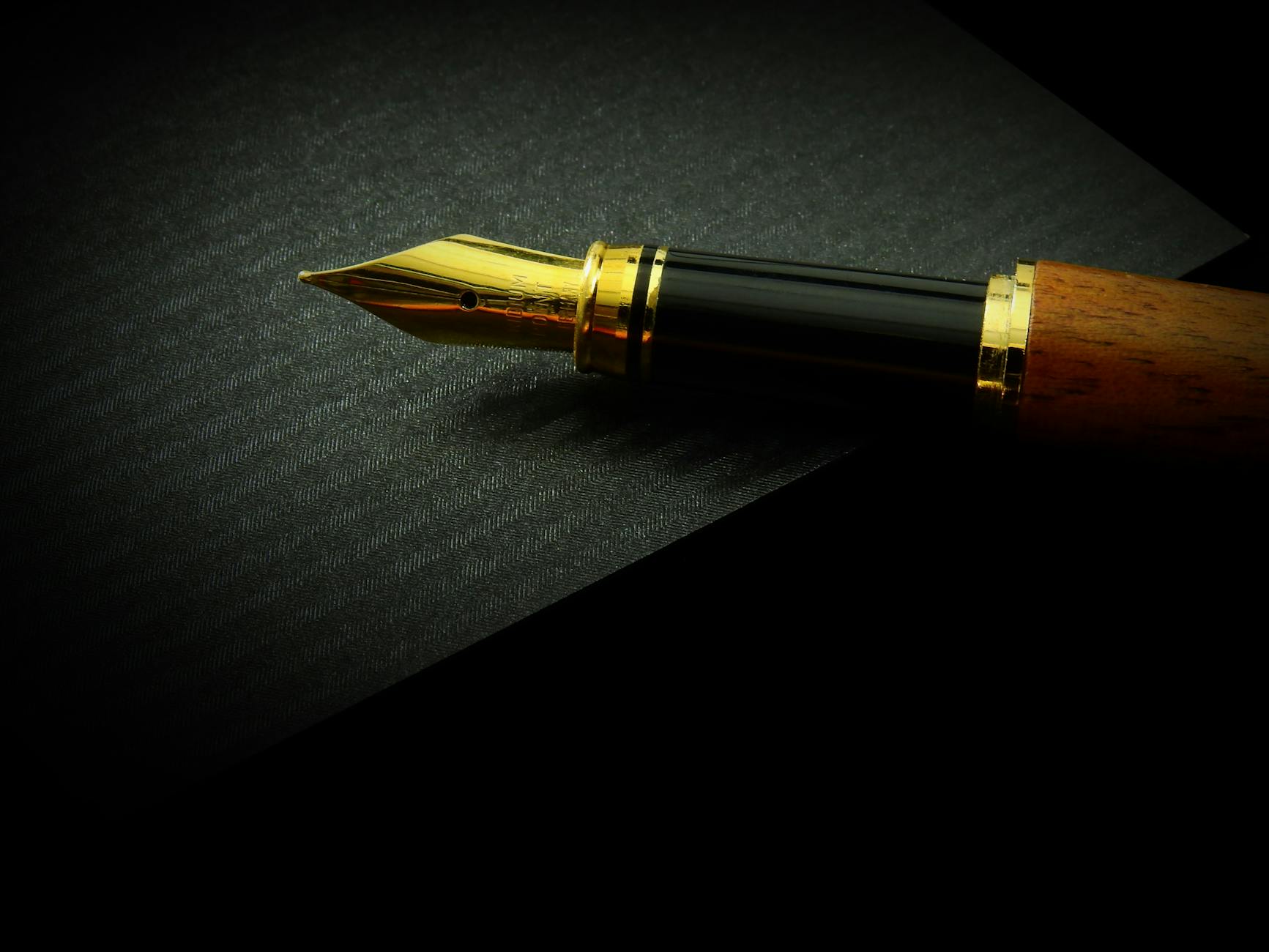
A ballpoint pen is one of the most overlooked yet consistently necessary items in any carry-on. Many countries still require paper immigration and customs forms to be completed by hand before landing. Airlines occasionally distribute paper meal or survey cards that require written responses. Borrowing a pen from a fellow passenger or crew member is not always convenient or possible. A simple pen costs almost nothing and solves a problem that arises on almost every international flight.
Packing Cubes
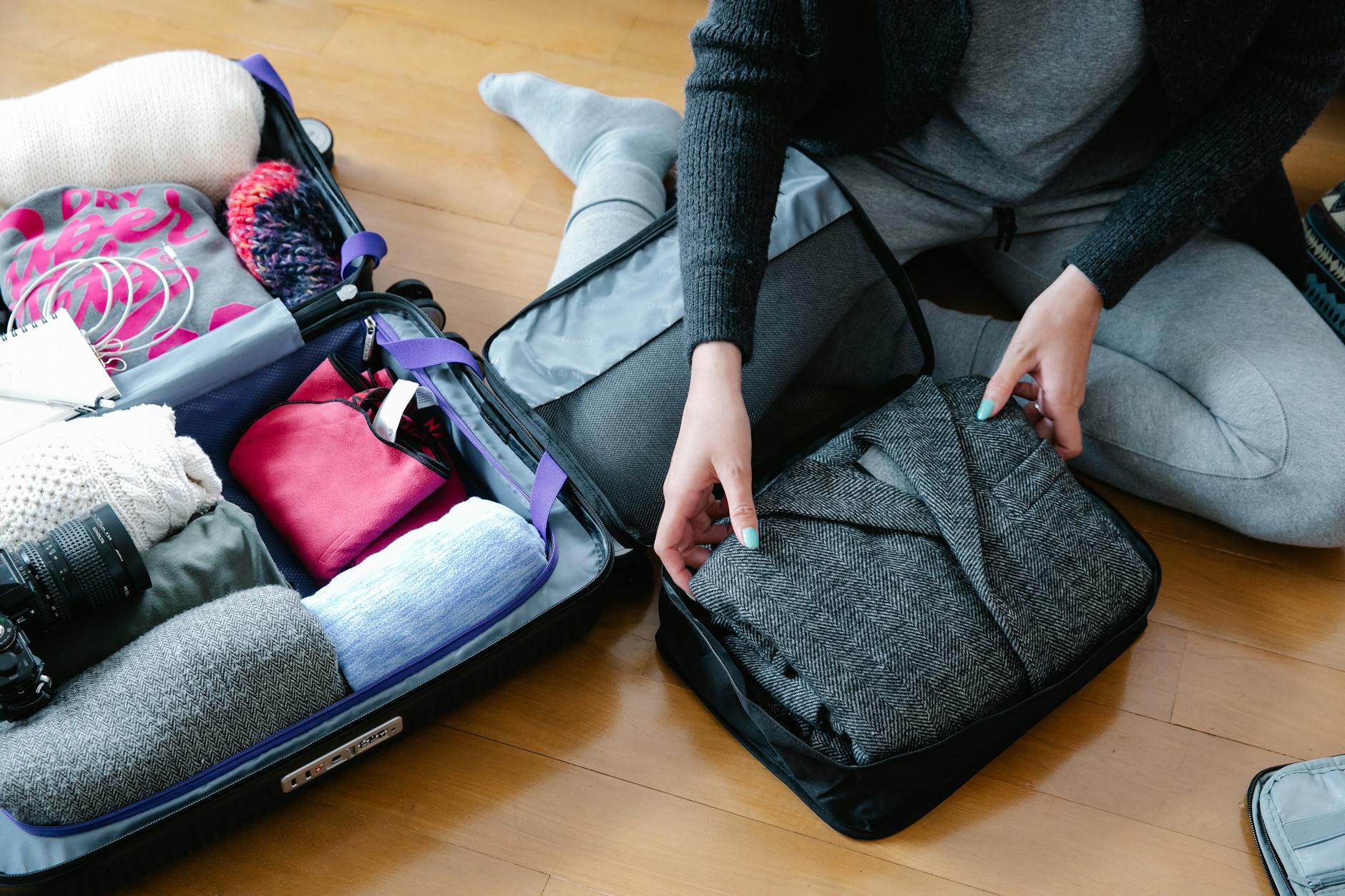
Packing cubes bring order to a carry-on and make mid-trip rummaging dramatically more efficient. Separate cubes for electronics, clothing, and toiletries mean that locating any item takes seconds rather than minutes. They also compress clothing slightly, allowing more to fit within a given bag volume. Color-coded sets make it instantly clear which cube contains what without reading labels. Travelers who adopt packing cubes almost universally report that they would never return to unstructured packing.
Stain Remover Pen

Spills are an unavoidable reality of eating and drinking while traveling. A stain remover pen allows travelers to treat clothing immediately before a stain sets into the fabric. They work effectively on coffee, wine, sauce, and most common travel food spills. A single pen is small enough to fit in a shirt pocket and lasts through dozens of applications. Arriving at a destination with clean, presentable clothes can make a significant difference in first impressions and confidence.
Melatonin

Crossing multiple time zones disrupts the body’s natural circadian rhythm and makes restful sleep difficult. Low-dose melatonin supplements help signal to the brain that it is time to sleep regardless of local time. Many frequent international travelers use it as a gentle and non-habit-forming sleep aid. It is widely available without a prescription in most countries and takes up minimal space. Taking it approximately 30 minutes before the intended sleep window produces the most consistent results.
Moisturizer
Cabin air dehydrates skin at a faster rate than almost any other everyday environment. A travel-sized facial moisturizer applied during the flight helps maintain the skin’s natural moisture barrier. Formulas with hyaluronic acid are particularly effective at retaining water in low-humidity conditions. Applying moisturizer mid-flight is a common habit among frequent flyers and beauty professionals alike. A 50ml or smaller tube easily meets carry-on liquid regulations at international airports.
Downloaded Entertainment
In-flight entertainment systems are not available on all aircraft and can malfunction without warning. Downloaded films, series, podcasts, and audiobooks on a personal device eliminate dependence on airline systems entirely. A full flight’s worth of content downloaded in advance ensures continuous entertainment even without Wi-Fi. Most major streaming platforms allow offline downloads through their mobile applications. Preparing a curated selection before departure turns even the longest journey into a personally enjoyable experience.
Earplugs

Foam earplugs offer a simple and inexpensive alternative to noise-canceling headphones when rest is the priority. They reduce ambient cabin noise significantly without requiring batteries or Bluetooth connectivity. Many travelers use earplugs in combination with an eye mask to create complete sensory isolation for sleep. A small travel case keeps them hygienic and easy to locate inside a bag. Packing two pairs covers both personal use and unexpected situations like a noisy hotel room upon arrival.
Tissues
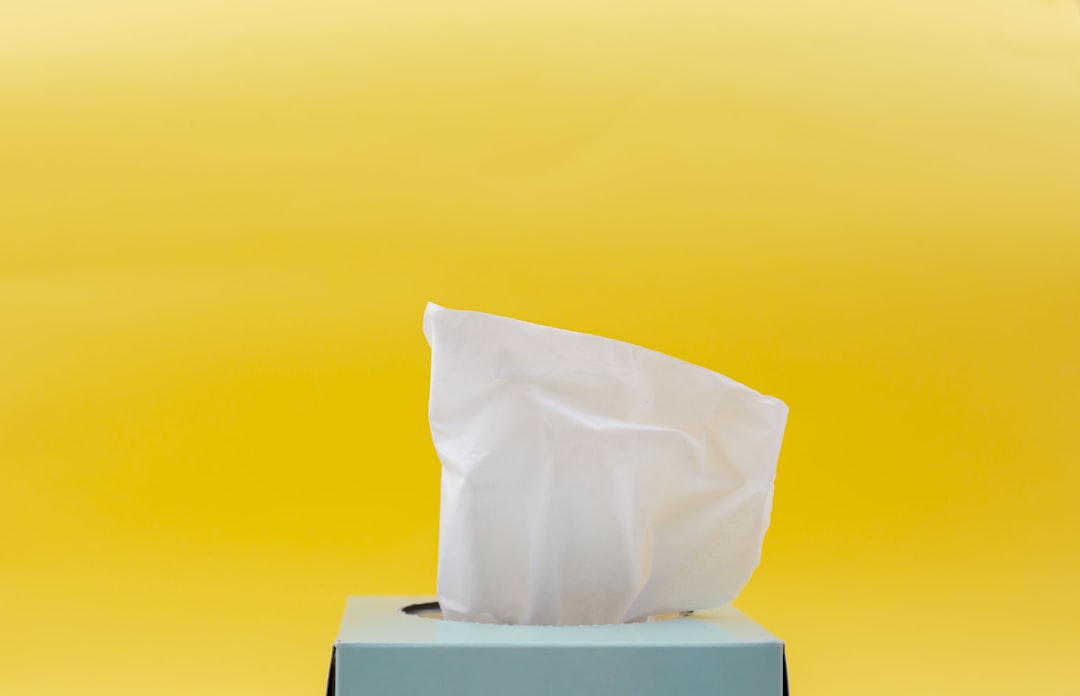
Dry cabin air commonly triggers nasal irritation, sneezing, and general discomfort throughout a flight. A small pack of tissues is a straightforward solution that requires almost no space in a bag. They serve additional purposes including impromptu napkins, surface wipes, and makeshift hand drying when bathrooms run out of paper towels. Pocket-sized packs are available at any pharmacy or airport convenience store. It is one of those items that passengers rarely think to bring but always wish they had on board.
Electrolyte Packets
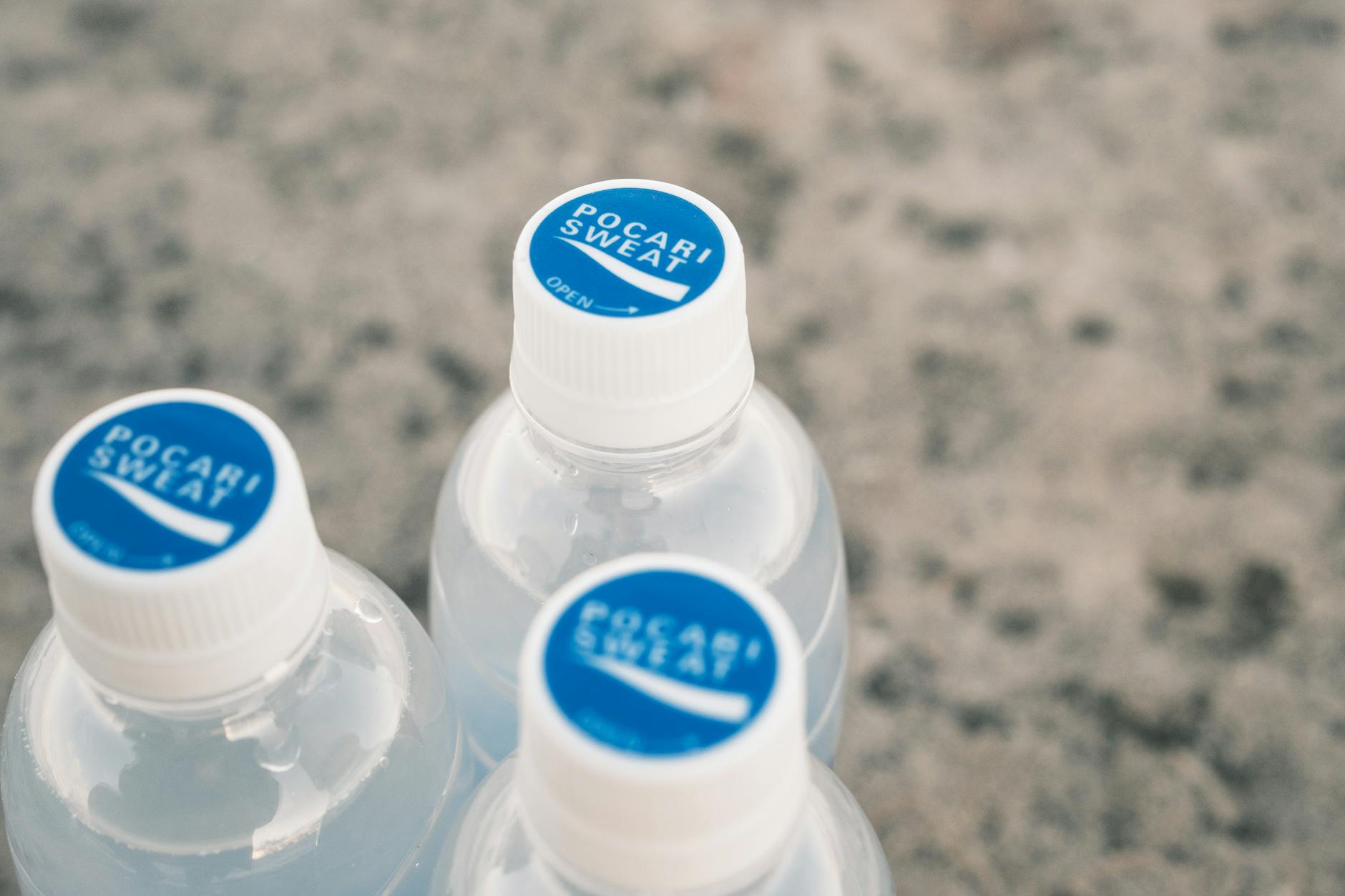
Hydration on a long flight goes beyond simply drinking water. Electrolyte powder packets dissolve quickly into a water bottle and help the body absorb fluids more efficiently. They are particularly useful on overnight flights or routes where alcohol and caffeine have been consumed. Many sports nutrition brands produce travel-friendly single-serve packets that meet carry-on liquid restrictions. Replenishing electrolytes mid-flight reduces the likelihood of arriving at a destination feeling sluggish or dehydrated.
Hand Cream
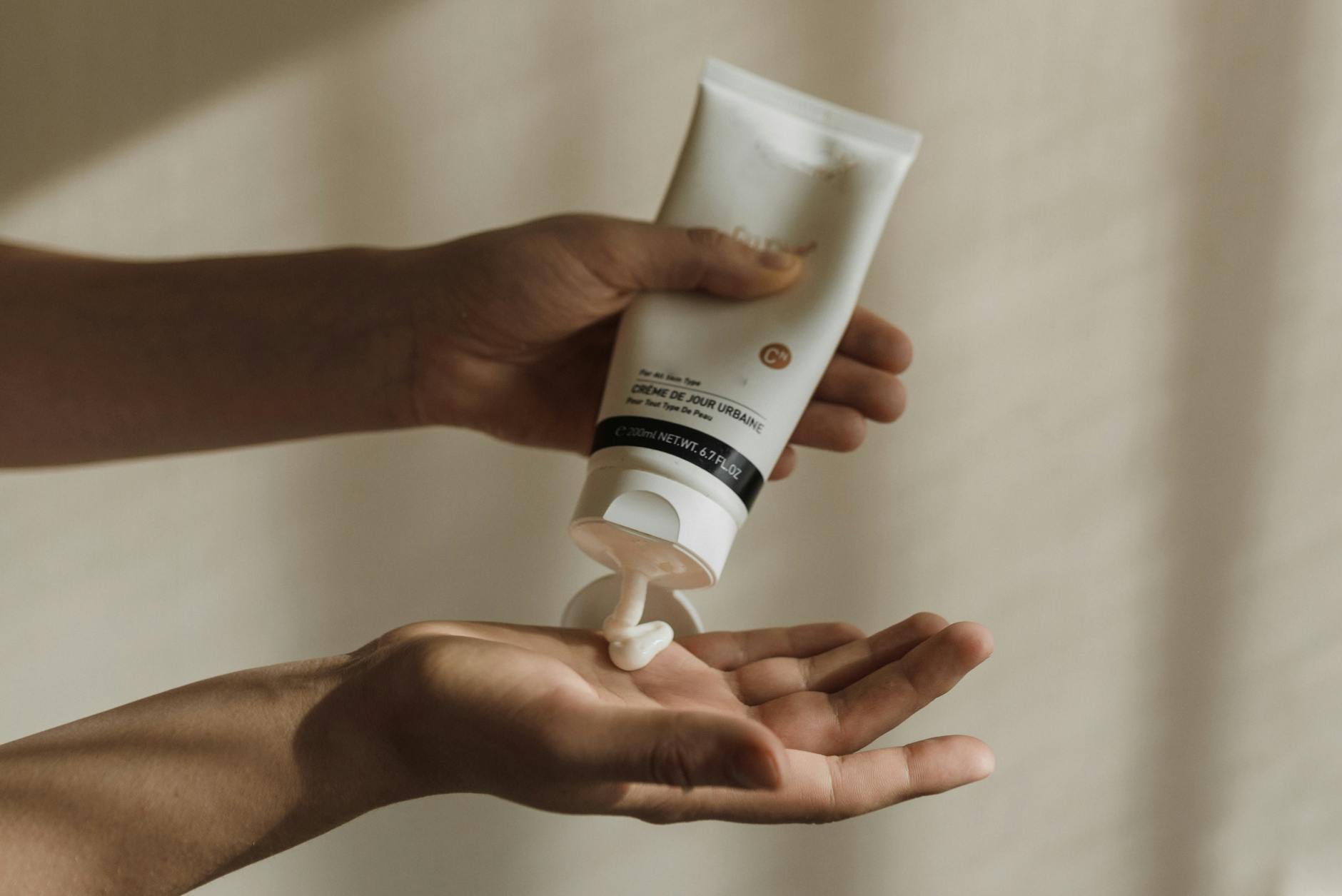
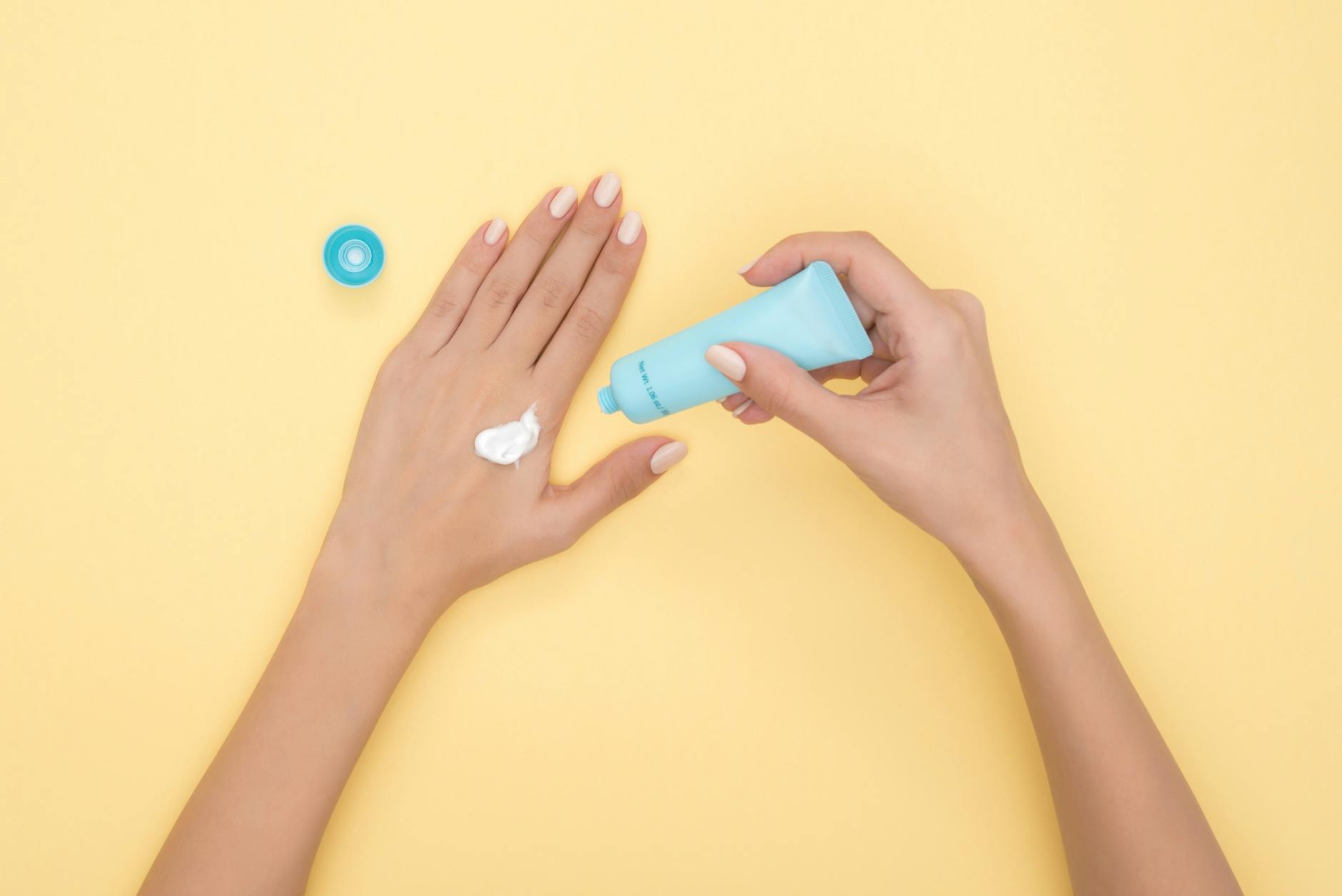
Hands dry out faster than most other parts of the body during air travel due to repeated contact with surfaces and recycled air exposure. A small tube of hand cream applied during the flight restores softness and prevents the tight, uncomfortable feeling that comes with dehydration. Formulas containing glycerin or ceramides are particularly effective at locking in moisture over several hours. Many travelers keep a tube in the same pouch as their passport for easy access throughout the journey. Soft, moisturized hands also make the transition into a new climate more comfortable from the moment of arrival.
Spare Underwear
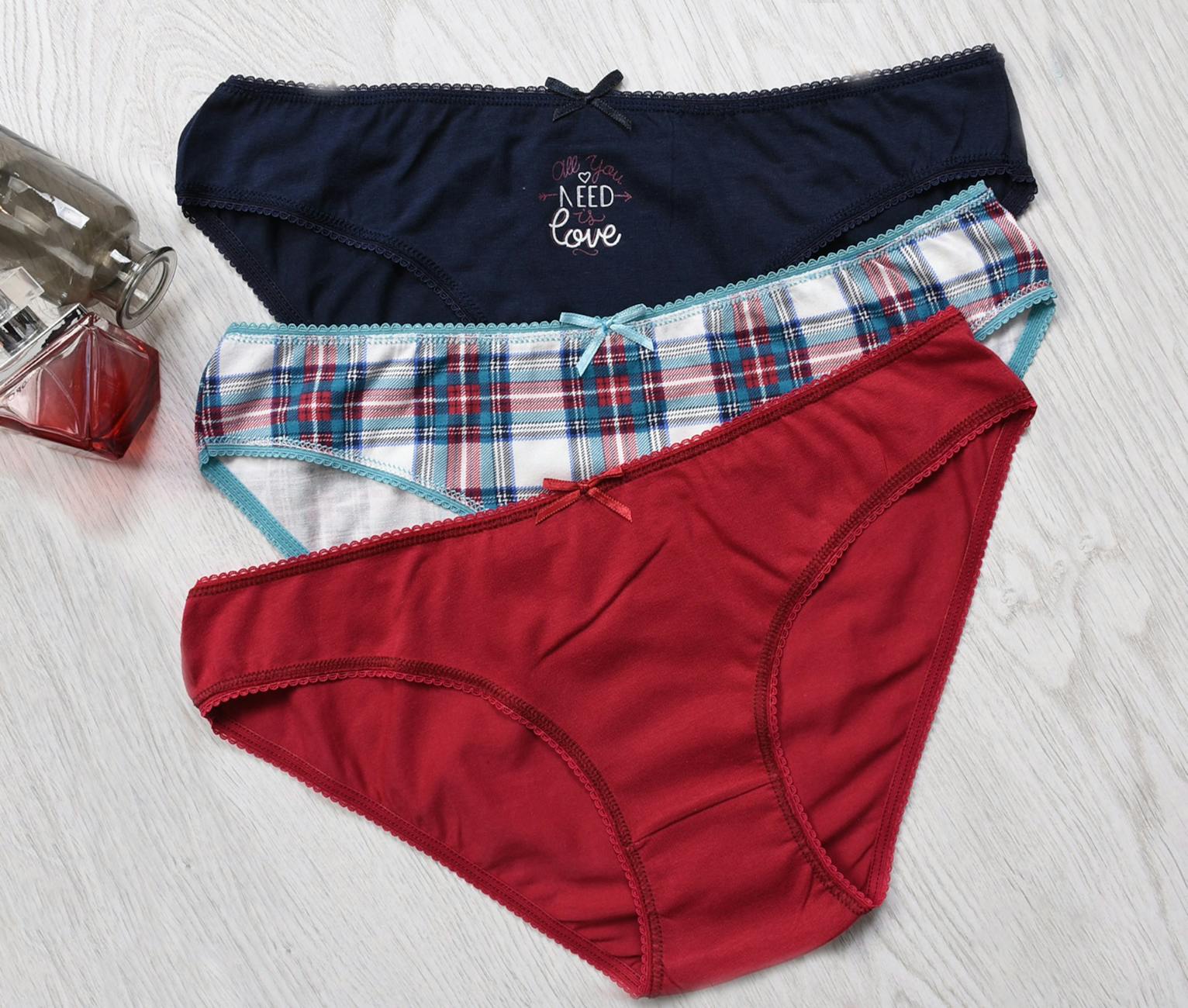
A missed connection, delayed bag, or overnight cancellation can leave a traveler stranded without checked luggage for 24 hours or more. A single spare pair of underwear packed in the carry-on provides a meaningful comfort buffer in exactly those situations. It weighs almost nothing and takes up a fraction of the available bag space. Travel-specific underwear made from merino wool or moisture-wicking fabric offers even greater versatility in an emergency. It is the kind of small preparation that feels unnecessary until the moment it is absolutely needed.
Ziplock Bags
A few resealable ziplock bags take up virtually no space but serve an extraordinary number of in-flight and travel purposes. They hold toiletries in compliance with airport liquid regulations, protect electronics from unexpected spills, and contain snacks neatly within a bag. A wet swimsuit, a leaking bottle, or a damp umbrella can be contained without contaminating the rest of the bag’s contents. They also work as impromptu ice packs when filled with ice from a flight attendant. Few items offer such a wide range of practical applications for such a negligible weight and cost.
Share your own must-have carry-on essentials in the comments.