Buying secondhand is a smart way to save money and reduce waste, but certain items carry hidden risks that no bargain is worth. From invisible bacteria to structural damage the eye cannot detect, some products simply cannot be trusted once they have left their original owner. This guide ranks the most dangerous secondhand purchases so you can shop smarter and protect everyone in your household.
Bicycle Helmet
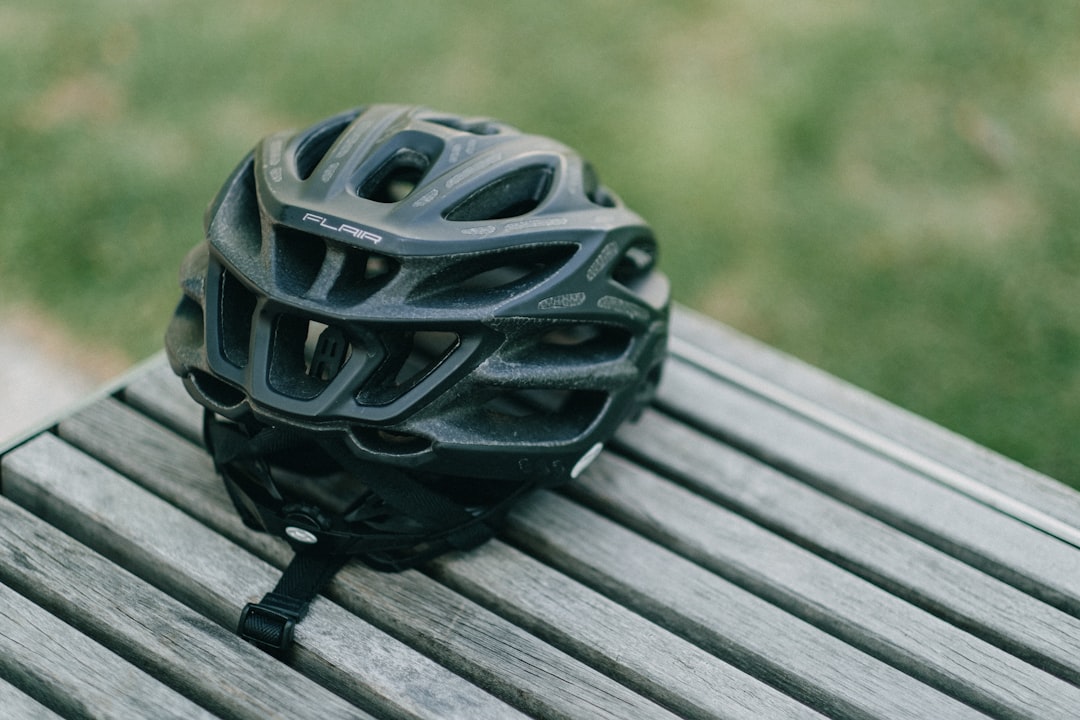
A bicycle helmet is designed to absorb impact energy during a single significant crash, after which its protective capacity is permanently compromised. The foam interior may look perfectly fine while being structurally useless on the inside. There is no reliable way to know whether a used helmet has endured a serious fall before reaching you. Helmet safety standards require replacement after any major impact to maintain full protection. Wearing a compromised helmet provides a dangerous false sense of security during every ride.
Baby Crib
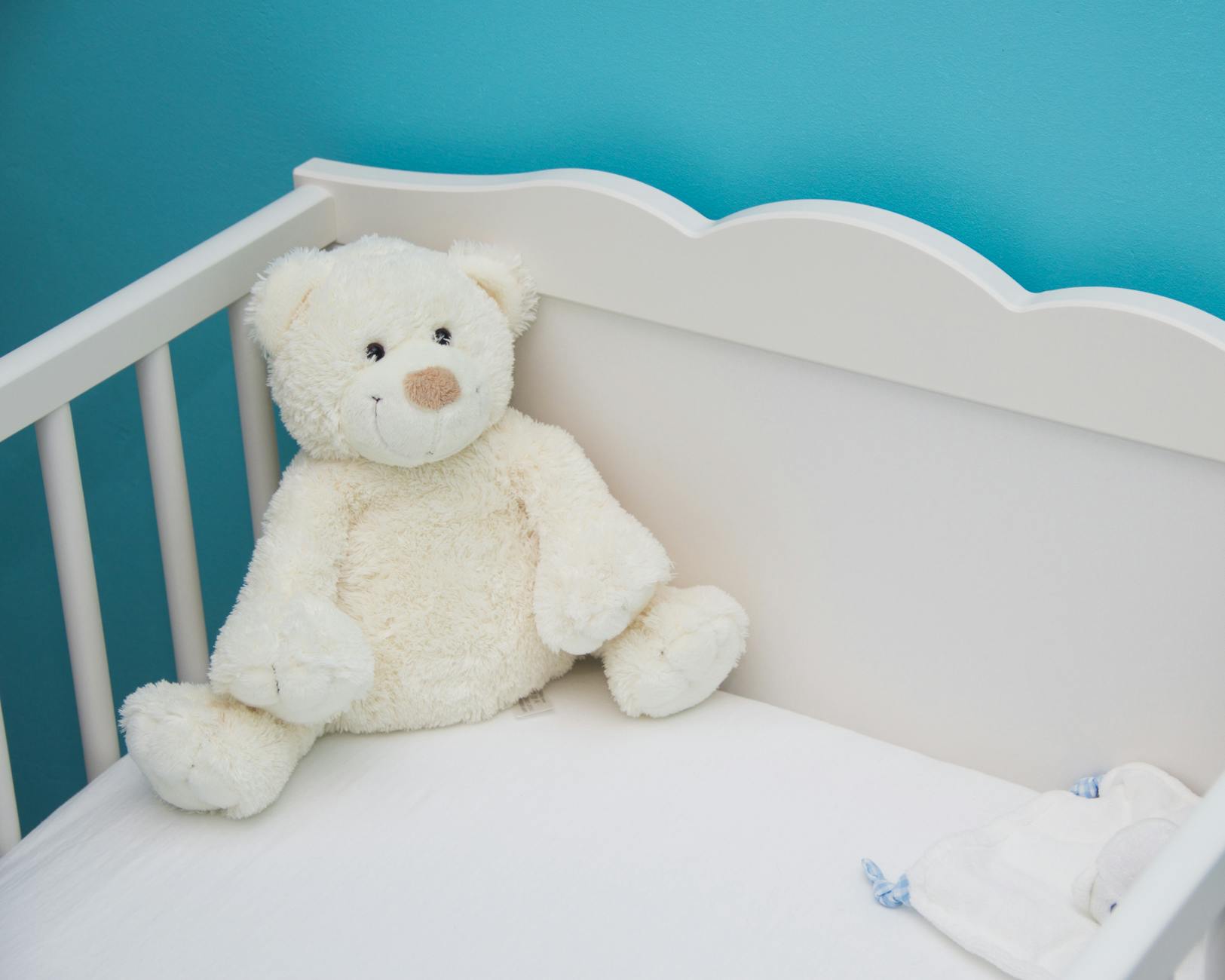
Older cribs may not meet current safety regulations that were updated to prevent infant entrapment and suffocation. Slat spacing, mattress support integrity and hardware stability all degrade over time in ways that are not always visible. Recalled models frequently resurface in secondhand markets without any indication of their hazardous history. A structural failure during the night can have catastrophic consequences for a sleeping infant. Crib safety standards have changed significantly over the past two decades making vintage models particularly risky.
Mattress
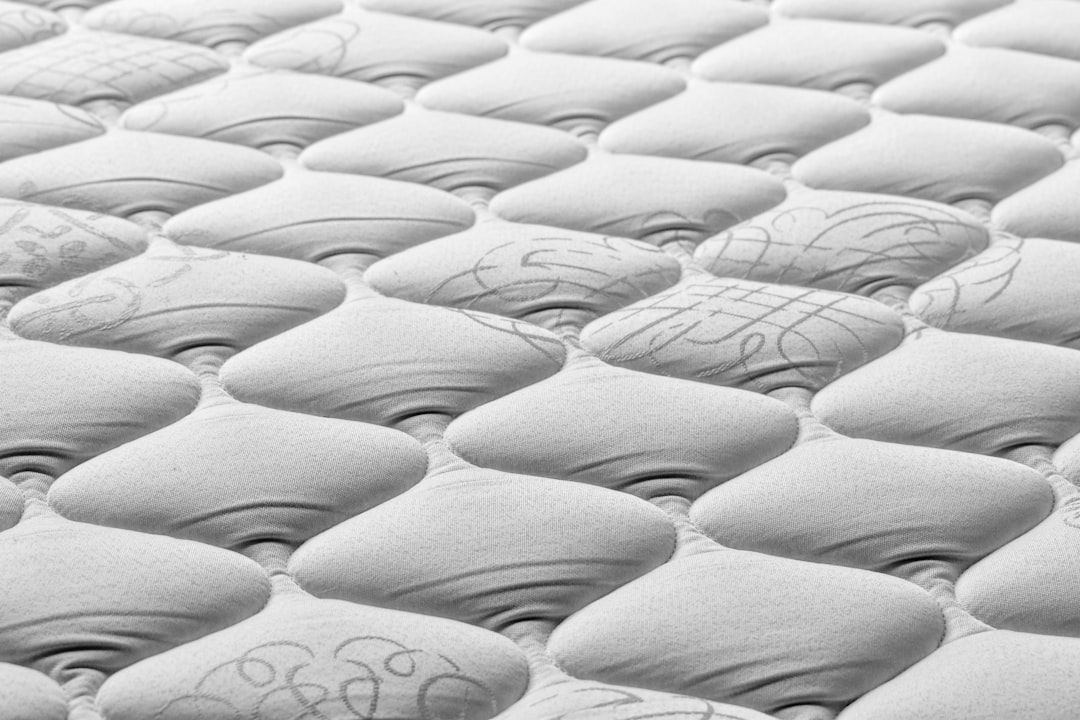
A used mattress can harbor years of accumulated dead skin cells, dust mites, mold spores and bodily fluids deep within its layers. These contaminants are impossible to fully remove through surface cleaning or even professional treatment. Dust mite infestations are a leading trigger for asthma and severe allergic reactions, particularly in children. Bedbugs are notorious for surviving inside mattresses and can rapidly infest an entire home once introduced. The internal structure of a mattress also degrades with use, leading to poor spinal support and chronic discomfort.
Car Seat
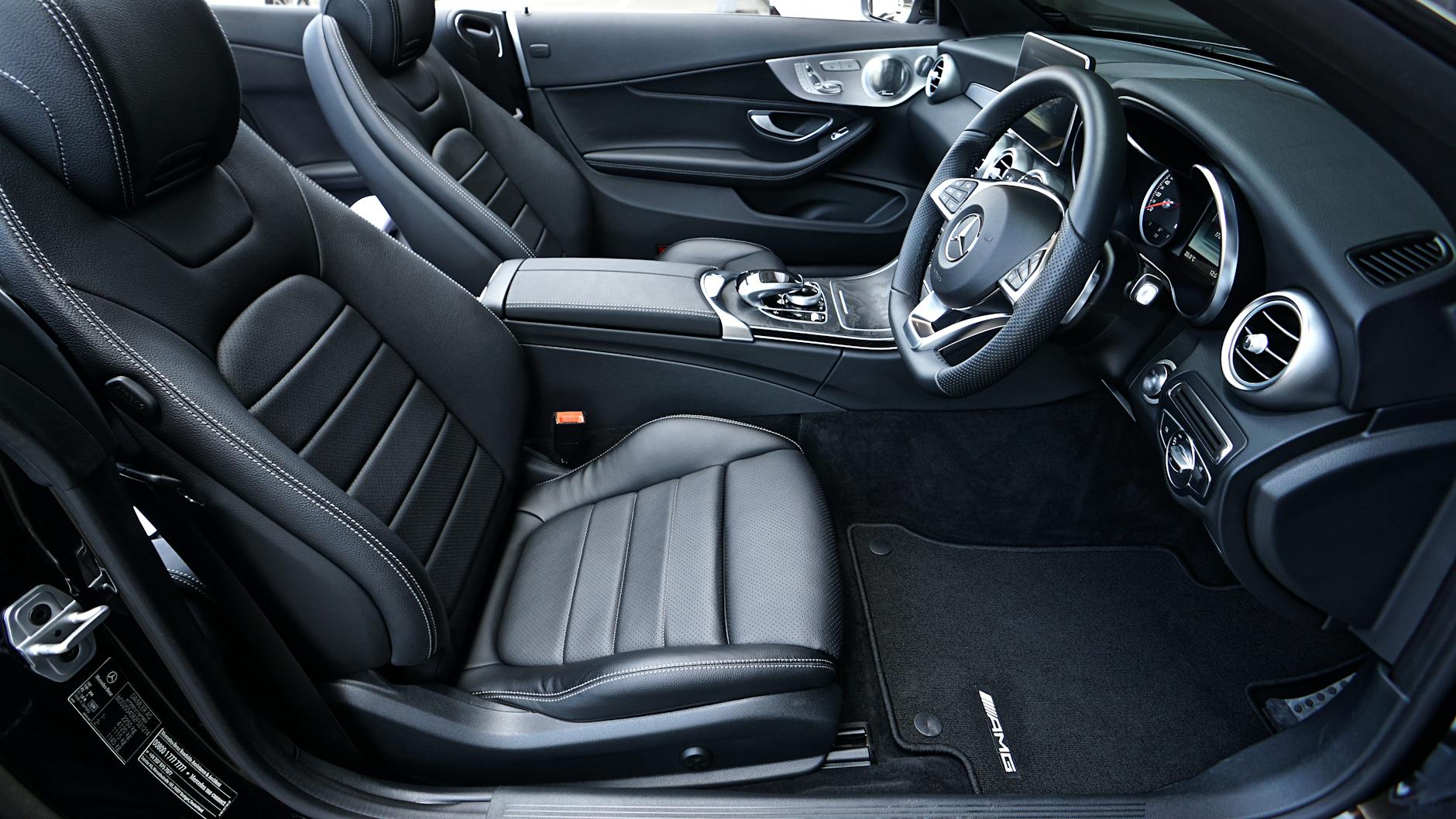
Car seat safety technology and structural engineering advance rapidly, making older models significantly less protective in modern crash scenarios. Like helmets, car seats are designed to absorb a single major impact after which they must be replaced entirely. A seat involved in a previous collision may show no outward signs of damage while being dangerously weakened internally. Many secondhand car seats come without their original manual, making correct installation nearly impossible to verify. Expired models, which carry printed expiration dates on their bases, are also commonly sold without disclosure.
Stuffed Animals
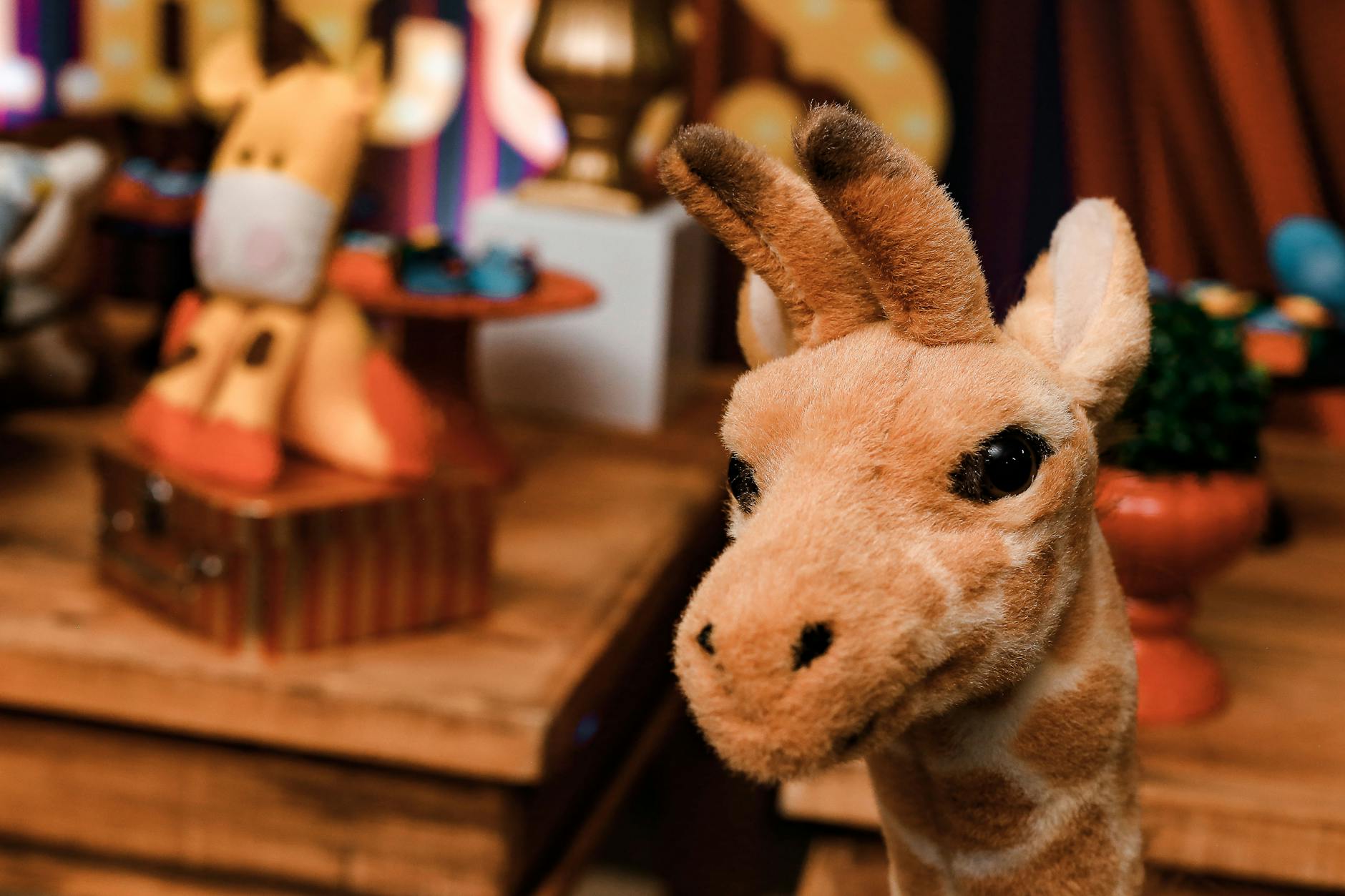
Plush toys are among the most difficult household items to properly sanitize due to their dense filling and soft outer fabrics. Bacteria, mold, dust mites and even insect eggs can embed deeply in the stuffing and survive standard washing cycles. Children frequently place stuffed animals in their mouths, creating a direct pathway for pathogen exposure. Internal beads or fillers in older plush toys may contain materials that no longer meet modern toy safety standards. The sentimental appearance of used stuffed animals makes it easy to underestimate the genuine hygiene risks they carry.
Swimwear

Used swimwear presents significant hygiene concerns because it sits in direct contact with the most sensitive areas of the body. Elastic fibers degrade with chlorine and sun exposure, compromising both fit and function over time. Fabric washing does not guarantee the elimination of fungal spores or bacterial contamination from a previous owner. Skin conditions and infections can transfer through intimate garments even after casual laundering. The low retail price of new swimwear makes secondhand purchasing an unnecessary risk in this category.
Tattoo Equipment
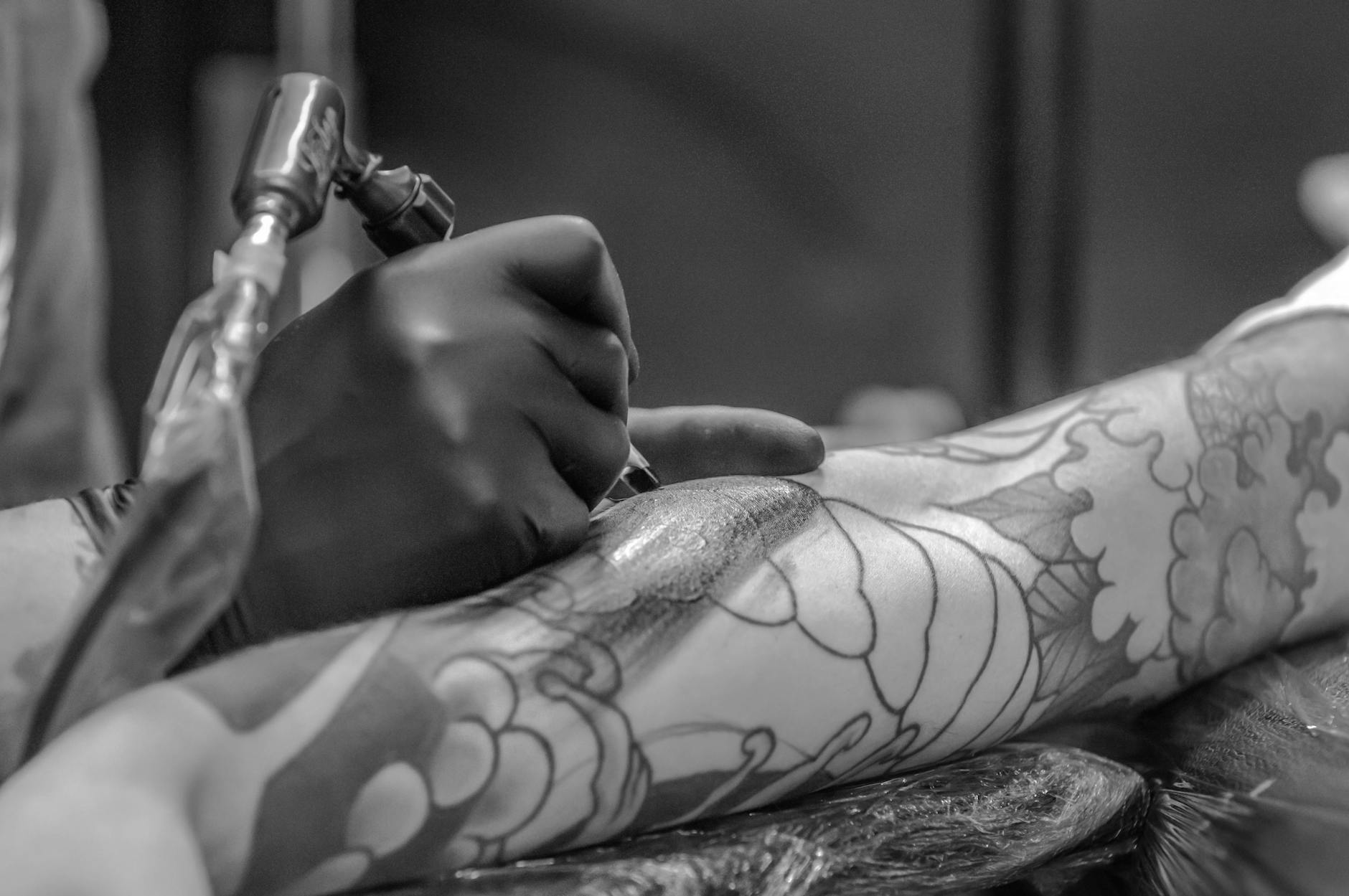
Professional tattoo equipment that has been previously used carries an extreme risk of transmitting bloodborne pathogens including hepatitis B, hepatitis C and HIV. Needles and ink caps are single-use items that should never be repurposed or resold under any circumstances. Even equipment that appears sterile can harbor microscopic contamination invisible to the naked eye. Autoclaving and surface sterilization do not guarantee complete elimination of all viral and bacterial agents on porous materials. Reputable tattoo artists always use factory-sealed single-use needles and properly sterilized equipment for every session.
Non-Stick Cookware
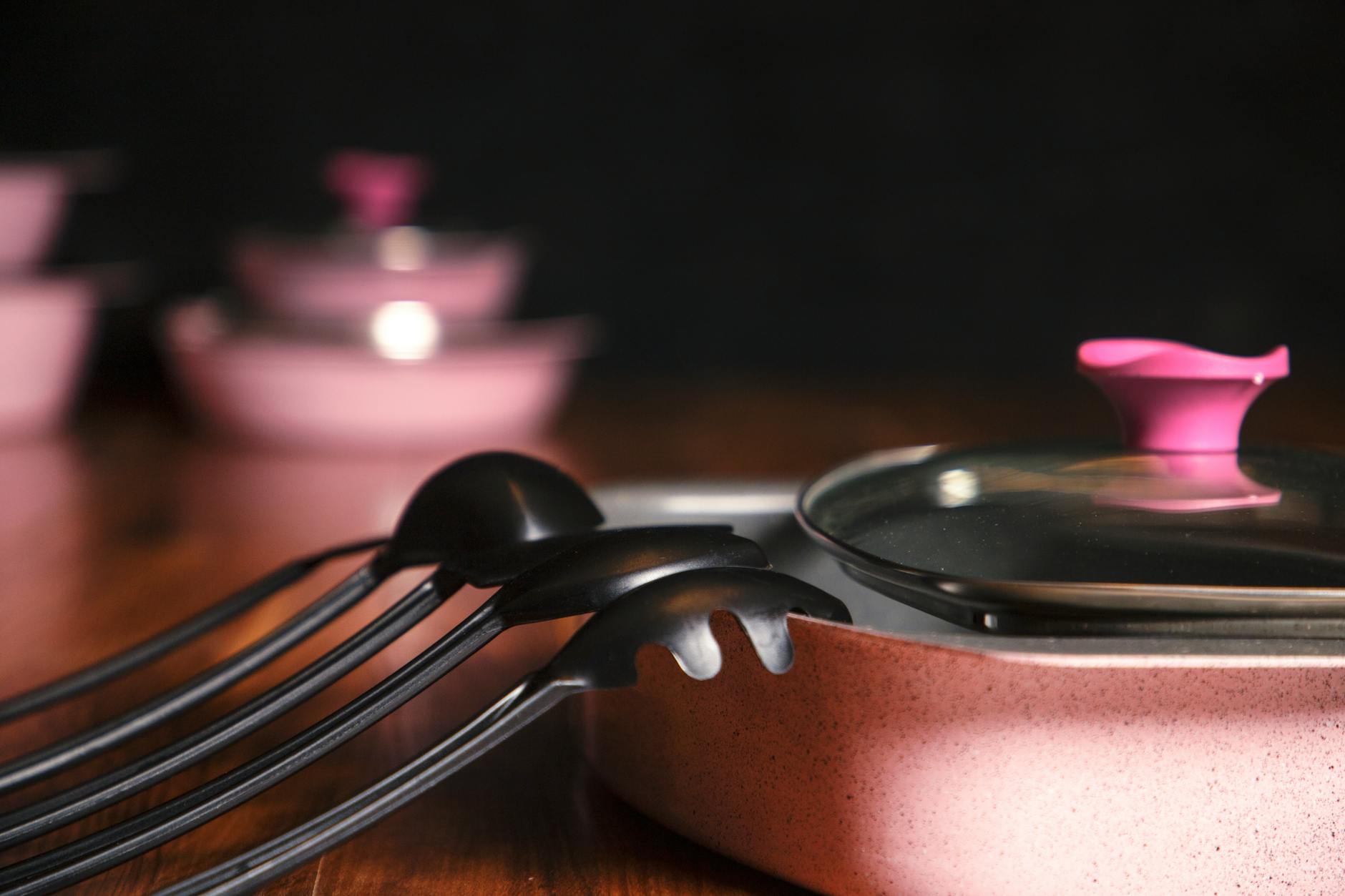
Older non-stick cookware is frequently coated with compounds that can flake and degrade over time, contaminating food during cooking. Pre-2013 non-stick pans often contained PFOA, a chemical compound linked to serious health concerns in scientific research. Scratches and peeling on the cooking surface accelerate the breakdown of the coating and increase contamination risk. It is virtually impossible to assess the full history of a secondhand pan or the conditions under which it was used and stored. Replacing non-stick cookware is inexpensive enough that the health risk of buying used is entirely avoidable.
Upholstered Furniture
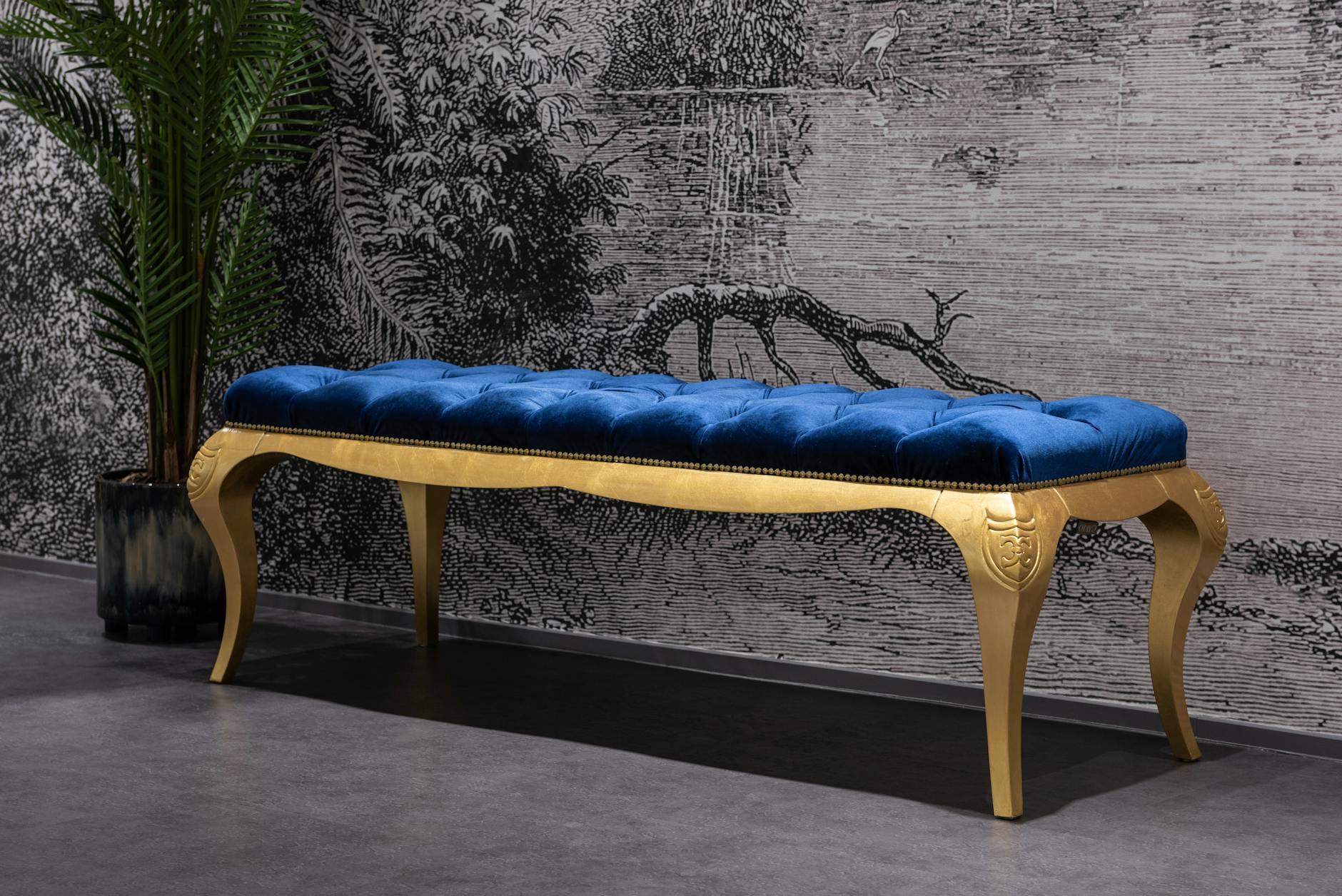
Sofas, armchairs and padded ottomans can conceal populations of bedbugs, fleas, dust mites and mold colonies deep within their cushioning and frames. A single bedbug introduction through a secondhand sofa can lead to a full household infestation that costs thousands to professionally eradicate. Pet dander, urine and allergens absorb permanently into upholstery fibers and remain present long after surface cleaning. Older upholstered pieces may also contain foam materials treated with now-banned flame retardant chemicals. The visual appeal of a vintage sofa rarely reflects what is living inside it.
Hats and Hairpieces
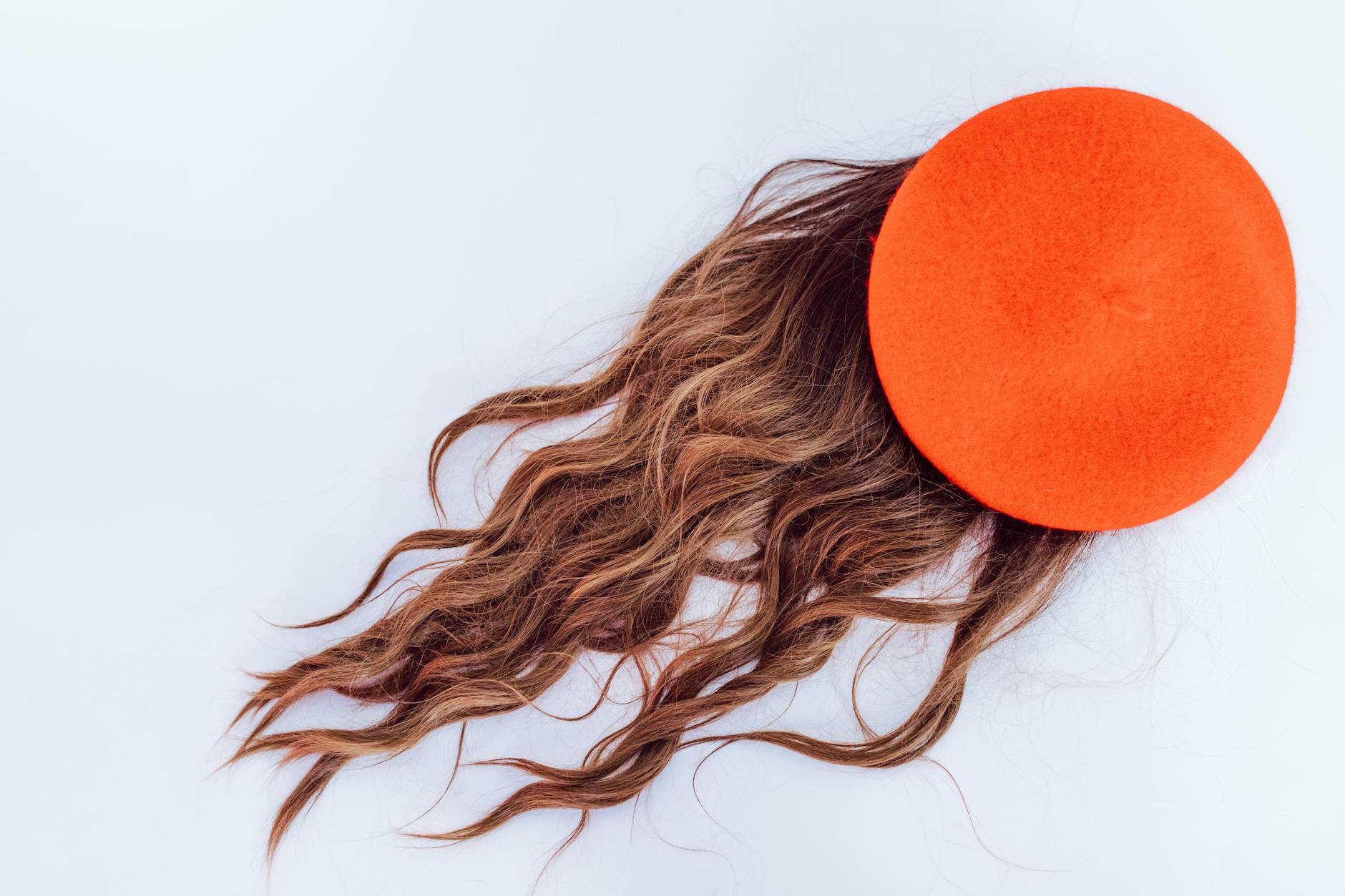
Hats and hairpieces come into sustained contact with the scalp, creating a direct transmission pathway for head lice and their eggs. Lice can survive away from a human host for up to 48 hours, making fabric-based headwear a well-documented vector for infestation. Fungal scalp conditions including ringworm can also transfer through shared headgear even after light washing. The structure of knit and woven hat interiors makes complete sterilization practically impossible without damaging the item. Hair accessories and wigs carry equivalent risks and are best purchased new regardless of their secondhand price.
Blender
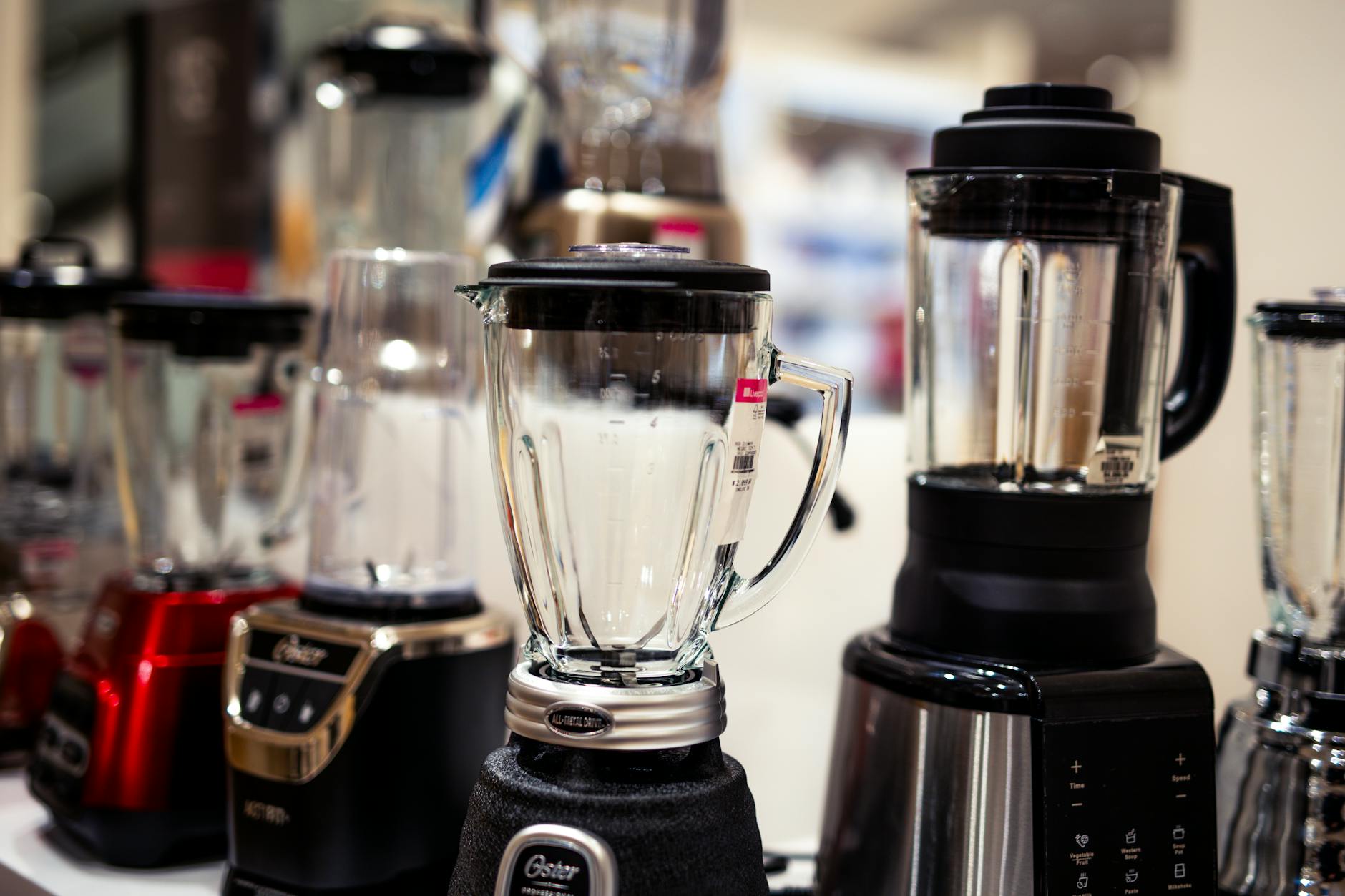
The rubber seals and gaskets inside used blenders are notoriously difficult to clean thoroughly and develop mold and bacterial colonies over time. Food particles become trapped beneath the blade assembly where standard washing cannot reach them effectively. Cracks in the plastic pitcher or clouded surfaces indicate bacterial penetration that cleaning cannot reverse. Blades on used models are frequently dull or compromised, increasing injury risk during use and disassembly. Given the affordable pricing of new blenders, the hygiene risks of a used model outweigh any potential savings.
Piercing Jewelry
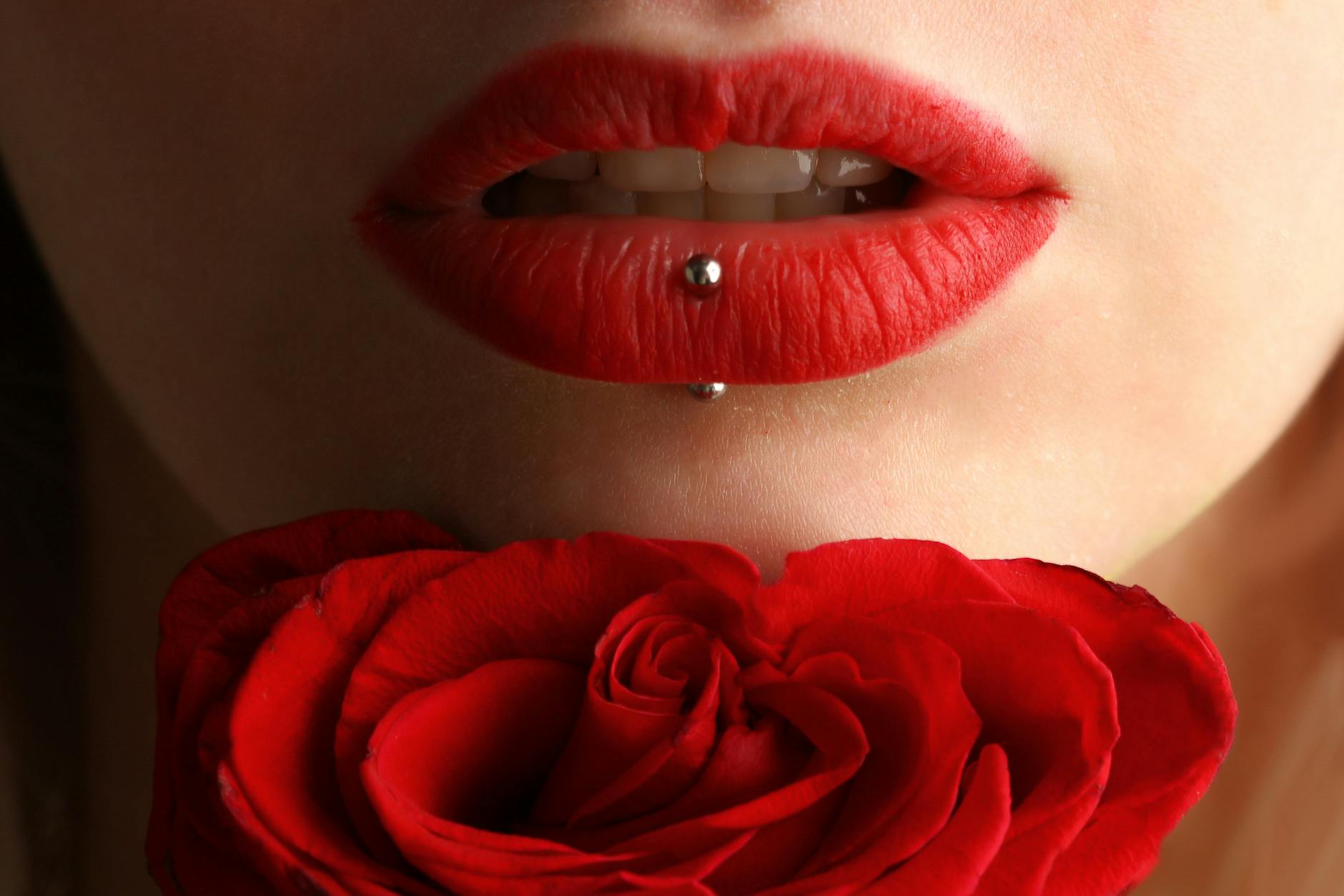
Body jewelry that has been worn by someone else can carry traces of bodily fluids, bacteria and bloodborne pathogens that survive on metal surfaces. Even jewelry that appears clean and polished may retain microscopic contamination in engraved surfaces, clasps or hollow tubes. Nickel and low-grade metal jewelry from unknown sources can cause severe allergic contact dermatitis when inserted into a fresh or healed piercing. Reputable piercing studios use implant-grade steel, titanium or gold and will never reuse jewelry without full autoclave sterilization. The intimate nature of body jewelry makes new purchases non-negotiable from a safety standpoint.
Undergarments
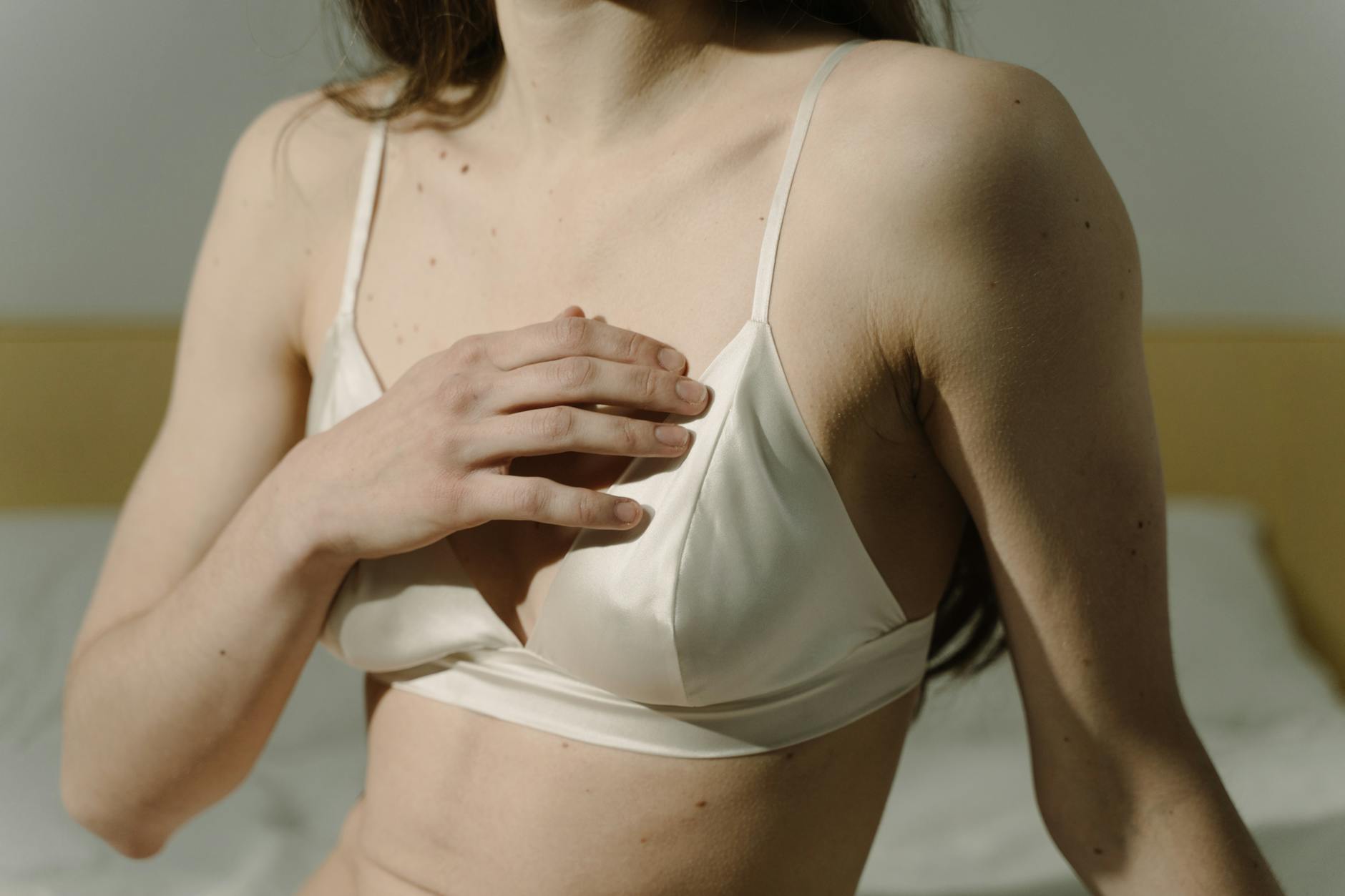
Used undergarments carry bacteria, yeast and fungal organisms that standard washing cycles at moderate temperatures cannot fully eliminate. Direct contact with the most sensitive skin surfaces creates a fast pathway for infections including yeast overgrowth and bacterial conditions. The elastic and fabric structure of underwear degrades with repeated washing, meaning used items often provide less support and hygiene protection from the outset. Many secondhand platforms and thrift stores do accept undergarment donations despite the obvious health concerns involved. New undergarments are widely available at low price points making secondhand purchasing entirely unnecessary.
Baby Bottles
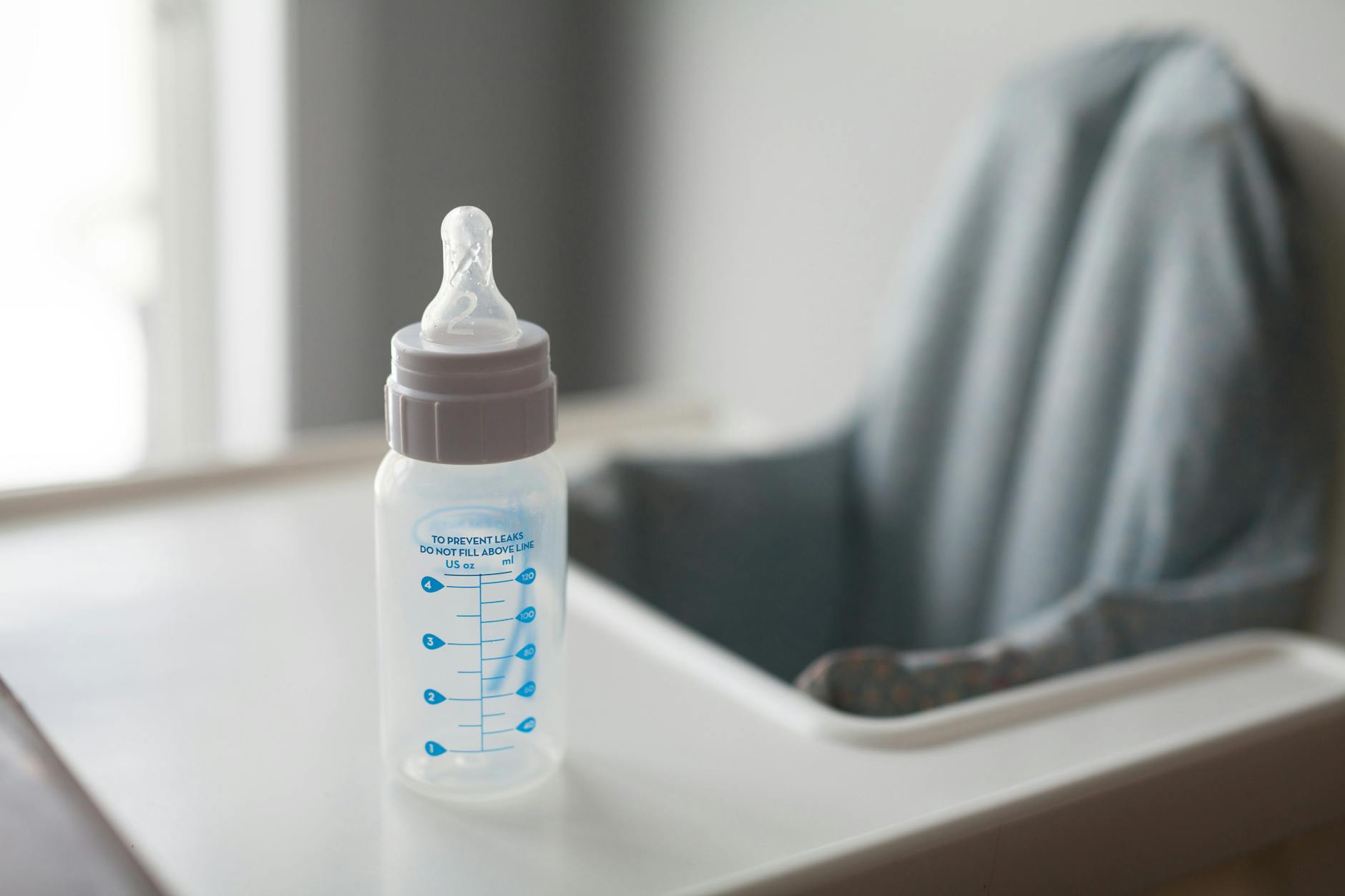
Plastic baby bottles degrade with repeated sterilization cycles, developing micro-cracks and surface deterioration that harbor bacteria. Bisphenol A and related compounds were present in many older plastic baby bottles and can leach into formula or breast milk. Nipple components show wear patterns that indicate structural compromise affecting proper infant feeding and increasing choking risk. Bottle threads and seals on used products may no longer create watertight connections, leading to leaks and contamination during feeding. The cost of new bottles is minimal relative to the health and safety risks posed by used alternatives.
Shoes
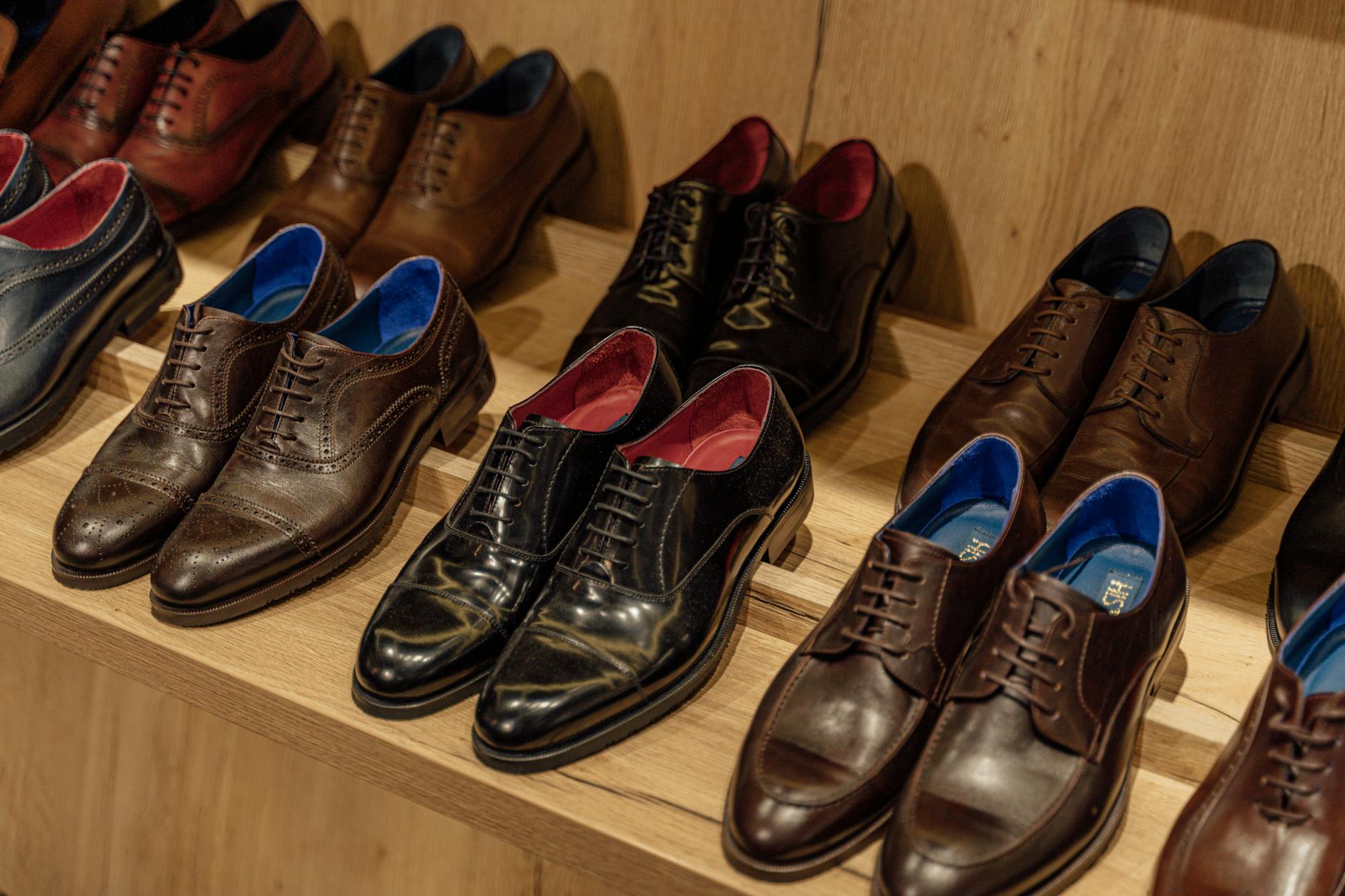
The interior of worn shoes conforms to the specific shape of a previous owner’s foot, creating alignment and pressure issues for a new wearer. Athlete’s foot fungus and other dermatophytes can survive in shoe interiors for extended periods even after the shoes appear clean and dry. Children’s shoes are particularly problematic because wearing ill-fitted footwear during developmental years can contribute to long-term posture and gait issues. The midsole cushioning in athletic footwear compresses permanently with use, eliminating the impact protection the shoe was originally designed to provide. Odor-causing bacteria deeply embedded in insoles and linings are rarely eliminated by surface treatment alone.
Vacuum Cleaners
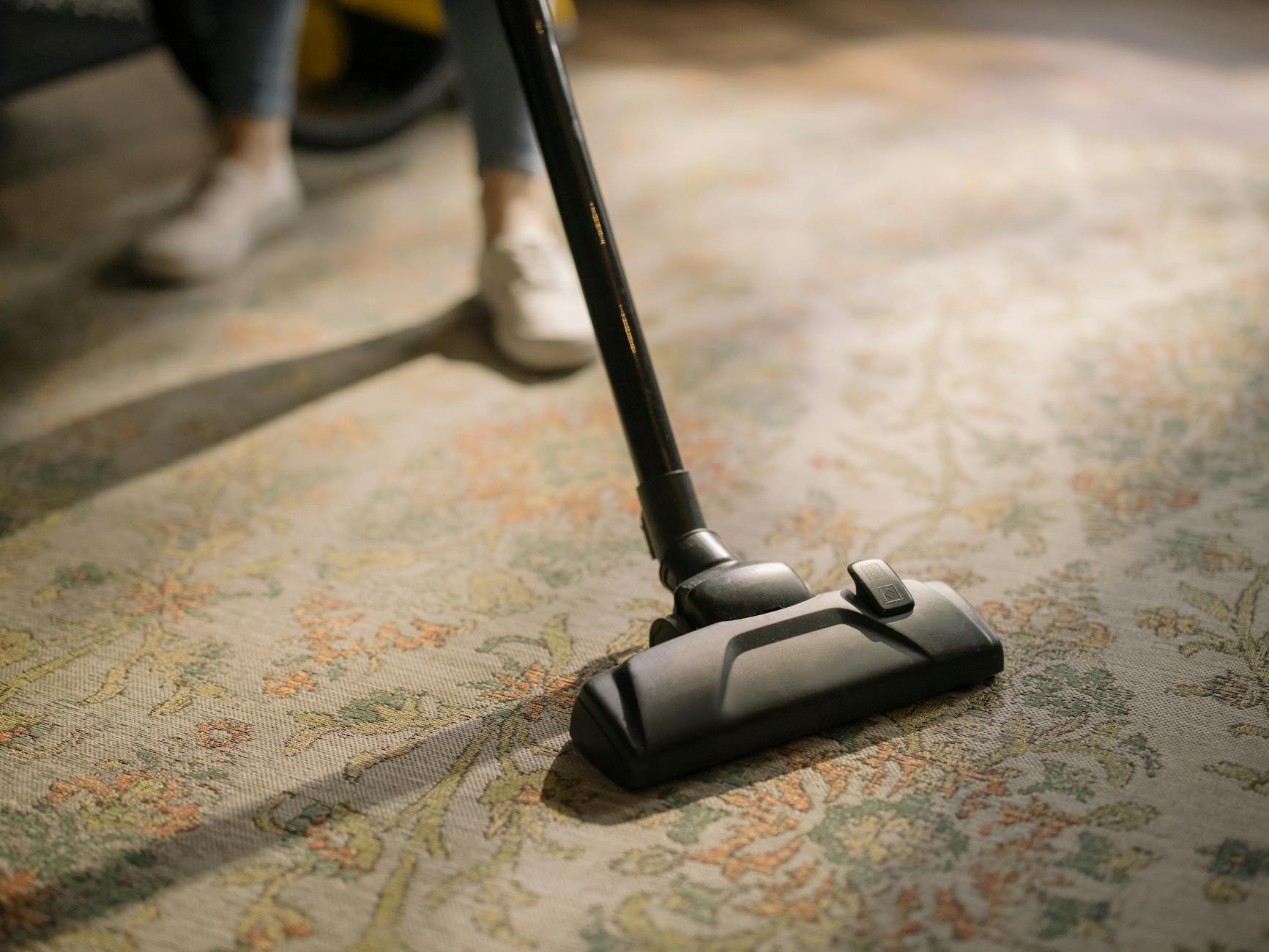
The internal components of a used vacuum cleaner accumulate layers of allergens, mold spores, pet dander, dust mites and fine particulate matter over years of use. Filters that have not been properly maintained or replaced can actively redistribute contaminants into the air during operation. Beater bars, brushes and hoses on used models frequently harbor compacted debris that is impossible to fully remove at home. Seals and suction pathways degrade over time, reducing efficiency and allowing allergens to bypass filtration entirely. Purchasing a used vacuum from an unknown household essentially imports that home’s entire microscopic environment into your own.
Bike Locks
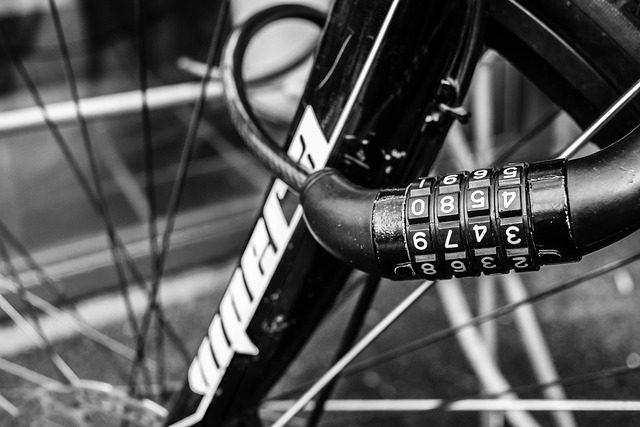
A used bike lock may have been previously compromised, picked or partially cut in ways that are not externally visible. Combination mechanisms and tumbler systems in older locks wear over time, becoming easier for experienced thieves to defeat quickly. Locks sold secondhand frequently come without their original keys or combination documentation, making verification of their working condition difficult. Corrosion and internal rust in cable and chain locks weaken structural integrity significantly even when the exterior appears intact. A compromised lock provides the appearance of security while leaving a bicycle genuinely unprotected.
Cosmetics and Skincare
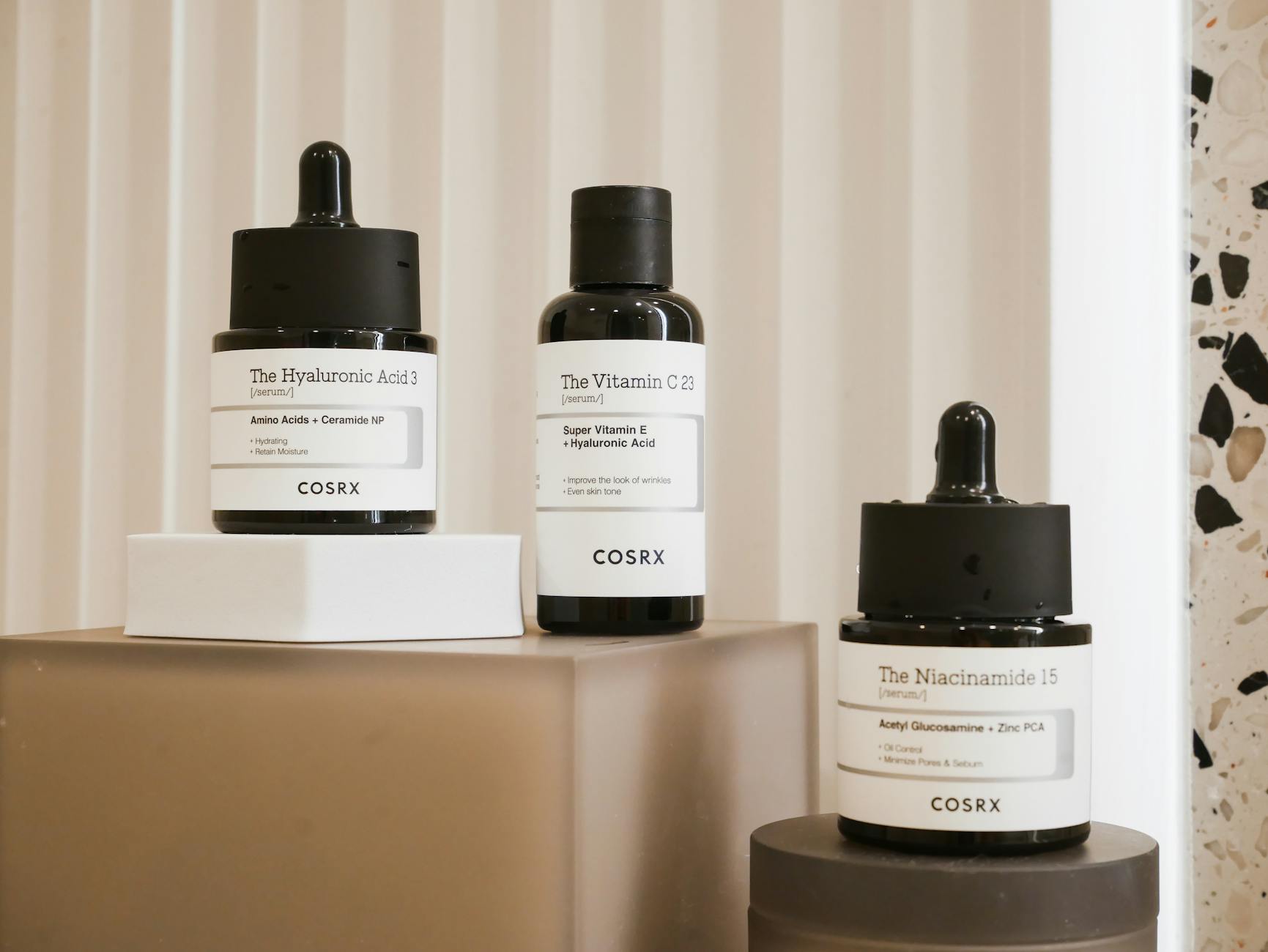
Used cosmetics and opened skincare products carry bacteria introduced through repeated contact with fingers, applicators and air exposure over time. Mascara wands, lip products and cream formulas are particularly high-risk as they accumulate microorganisms linked to eye infections and skin irritation. Preservative systems in cosmetic formulations are designed for a specific shelf life from the moment of opening, meaning used products may have entirely degraded protection. Unknown storage conditions including heat and light exposure further compromise the stability and safety of secondhand beauty products. Applying contaminated products directly to the face or eyes creates a direct pathway for infection and allergic reaction.
Portable Cribs and Play Yards
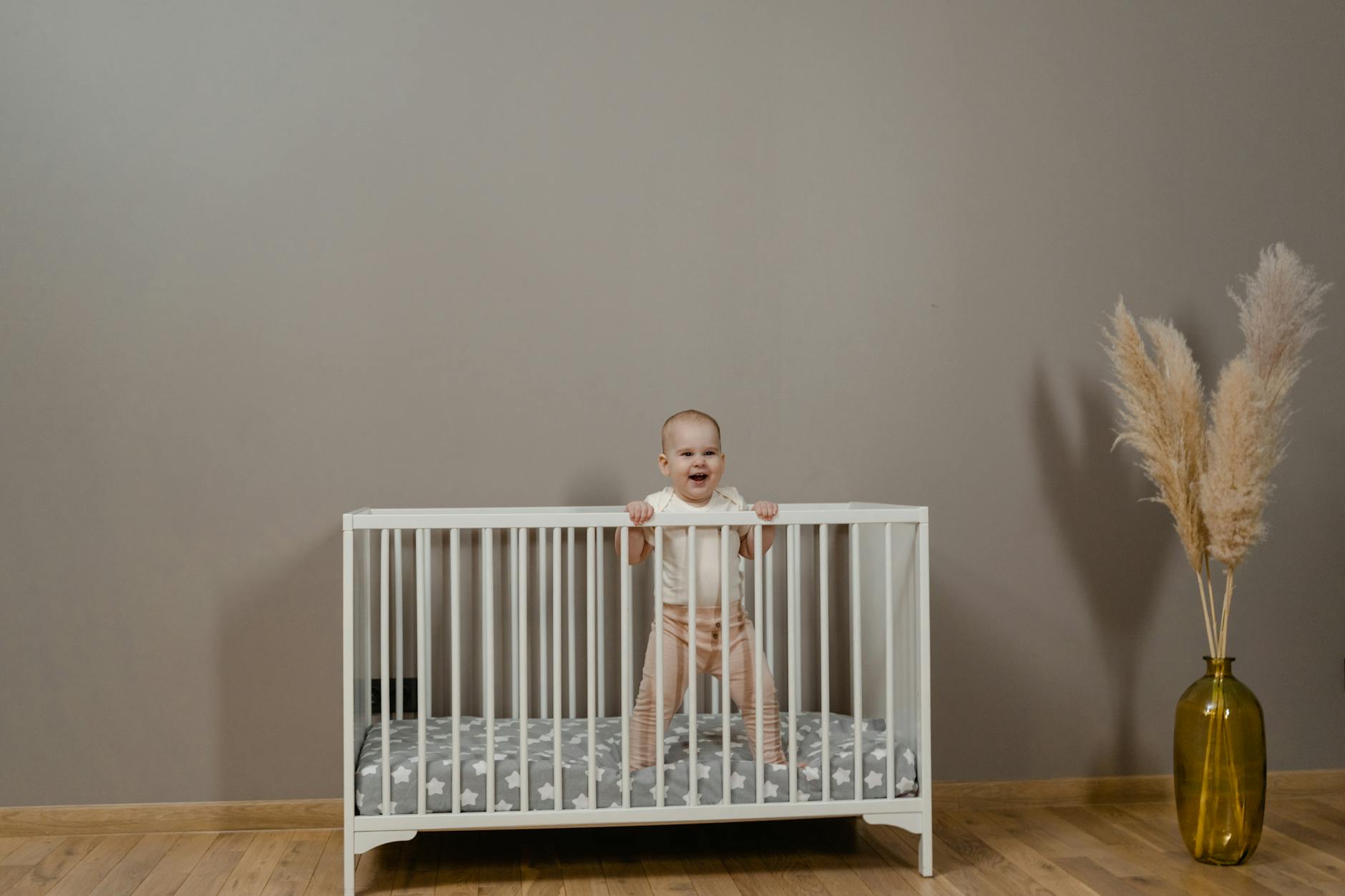
Portable cribs and fabric play yards develop mold within their mattress pads and folding mechanisms when stored improperly even briefly. Fabric panels and mesh sides on older models may not meet current breathability and entrapment prevention standards. Frame hinges and locking mechanisms on used portable cribs are prone to failure that creates dangerous collapse hazards for sleeping infants. Many models sold secondhand have been recalled by manufacturers but continue to circulate without disclosure. The lightweight and inexpensive nature of new portable cribs removes any practical justification for purchasing used alternatives.
Cribs Mattresses
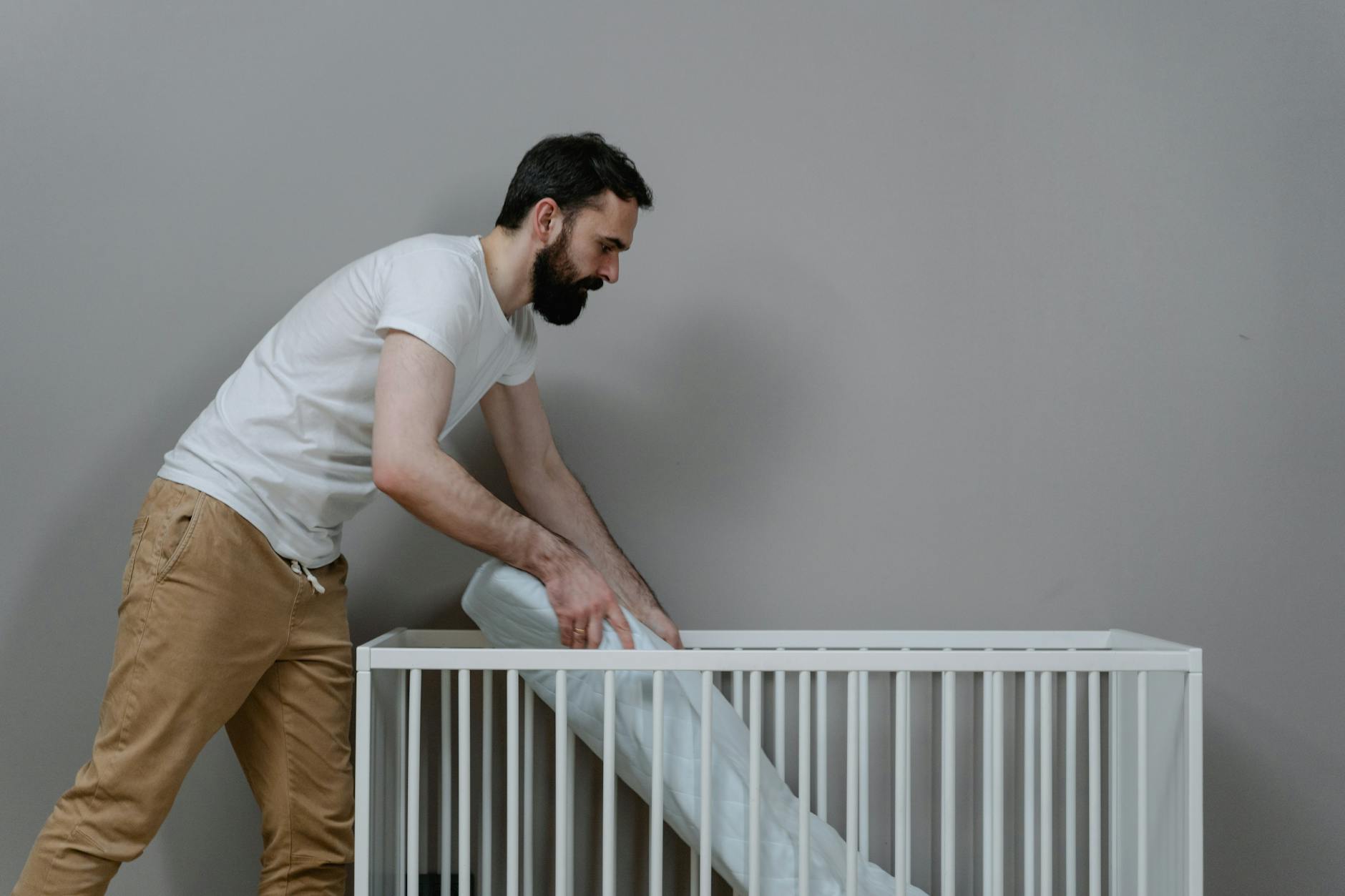
Crib mattresses absorb moisture rapidly and deeply, creating conditions ideal for dust mite proliferation and mold colony development. Research has associated used crib mattresses with elevated risk factors relating to infant sleep safety, making new purchases strongly advisable. The waterproof covers on used mattresses frequently contain microscopic tears that allow contaminants to penetrate the inner foam layers. Firmness standards for infant mattresses are critical to safe sleep positioning and used mattresses rarely maintain their original structural specifications. No surface treatment or mattress cover applied after purchase can fully mitigate the contamination present inside a used crib mattress.
Headphones
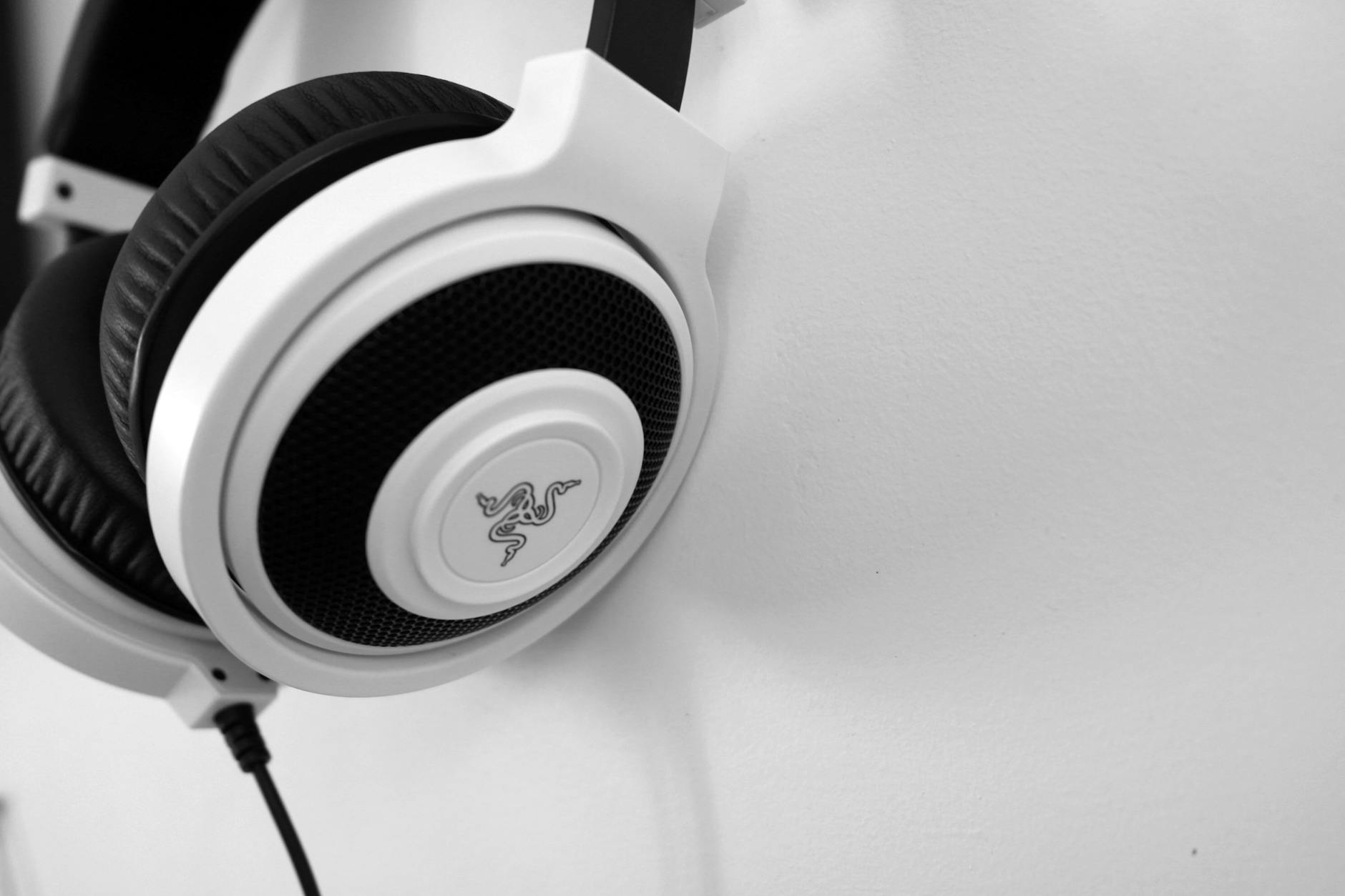
Over-ear and in-ear headphones accumulate ear wax, skin oils, bacteria and fungal organisms in their padding and speaker grilles over time. In-ear models that sit directly in the ear canal are particularly high-risk due to their proximity to delicate skin and tissue. Ear infections and fungal conditions of the outer ear canal can transfer through shared earbuds even after basic surface wiping. Foam ear pads on over-ear models deteriorate with use and are difficult to replace, making thorough sanitization practically impossible. The price of new entry-level headphones has dropped significantly enough that used models present an unnecessary hygiene risk.
Tattoo Ink
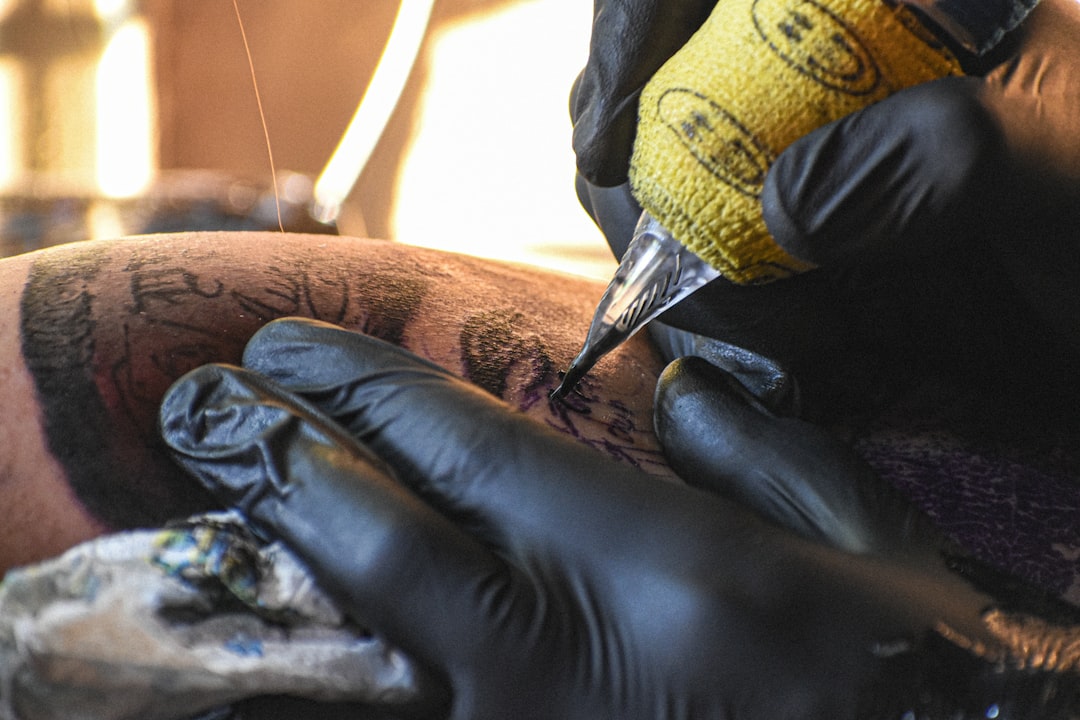
Opened tattoo ink bottles can become contaminated with bacteria introduced through the tattooing process including Mycobacterium species that cause persistent skin infections. Ink diluted or mixed with non-sterile water is a documented source of serious dermal infections that can require months of antibiotic treatment. Color stability and ingredient integrity in opened ink cannot be verified once the factory seal is broken, raising additional concerns about allergic reactions. Reputable studios use single-use ink caps poured fresh from sealed bottles for every individual client without exception. Reusing or purchasing opened ink removes one of the most critical contamination barriers in the tattooing process.
Pillows
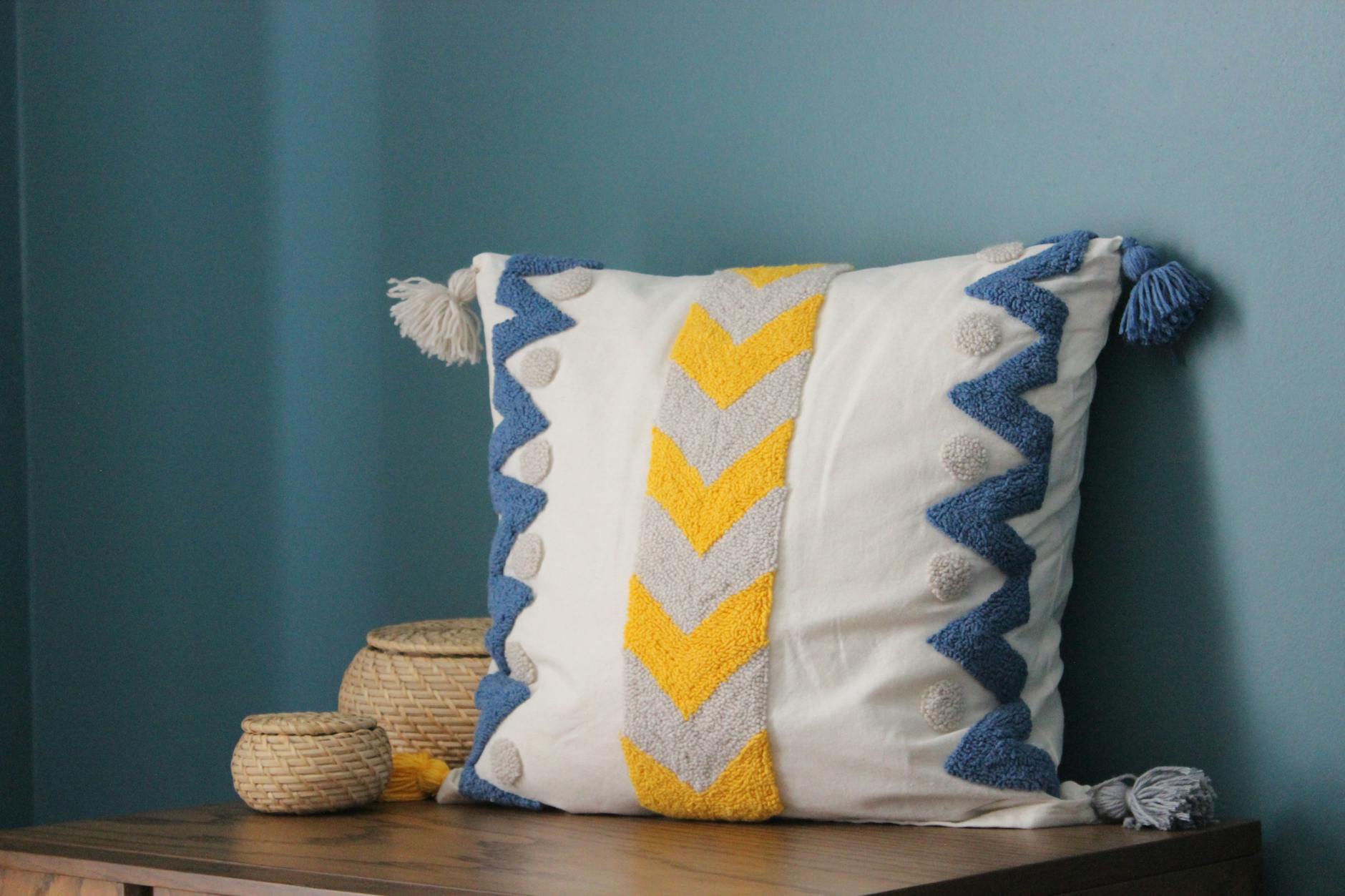
Pillows absorb years of perspiration, saliva, skin cells and hair oils that penetrate deep into fill materials far beyond what washing can reach. Dust mite populations in used pillows can reach densities that trigger significant respiratory and allergic reactions in sensitive individuals. Mold growth inside pillow fill is common when the item has been stored in humid conditions even briefly between owners. The fill material in used pillows also loses its original loft and support structure, contributing to neck strain and disrupted sleep. Given how affordable new pillows are, the hygiene and health risks of purchasing a used alternative are entirely disproportionate to any savings.
What used items have you personally chosen to always buy new? Share your experience and warnings in the comments.