A Japanese zoo at the center of a viral controversy has once again spoken out to address growing concerns from the public about the welfare of a young monkey named Punch. The Ichikawa City Zoological and Botanical Garden released a statement on X on March 10, pushing back against claims that the little macaque was being mistreated by other members of his troop. This marks the second time the facility has felt compelled to publicly address the situation, underscoring just how much attention Punch has drawn from animal lovers around the world. The zoo made clear it has no plans to intervene in the social dynamics playing out among the animals.
The whole controversy was reignited after the zoo shared a video last month that showed Punch being dragged around by an adult monkey, believed to be the mother of another macaque that Punch had attempted to befriend. The footage immediately sparked an outpouring of messages from concerned followers who felt the young primate was being “bullied” or worse. This came despite an earlier statement from the zoo in which staff had already tried to calm public fears, noting that “although other monkeys have repeatedly scolded Punch, none has shown serious aggression toward him.” That reassurance, it seems, was not enough to silence the worry that had taken hold online.
In their latest statement, zoo officials explained that Japanese macaques naturally operate within a deeply structured social order. Dominant individuals routinely enforce what the zoo described as “disciplinary measures” over lower-ranking members of the group, and this behavior is a normal and necessary part of how the species functions. The zoo was direct in stating that “such behavior differs from what humans consider ‘abuse,’” drawing a firm line between natural primate social dynamics and the kind of mistreatment the online audience feared they were witnessing. Staff emphasized that a short clip pulled from Punch’s day does not represent the full picture of his life within the group.
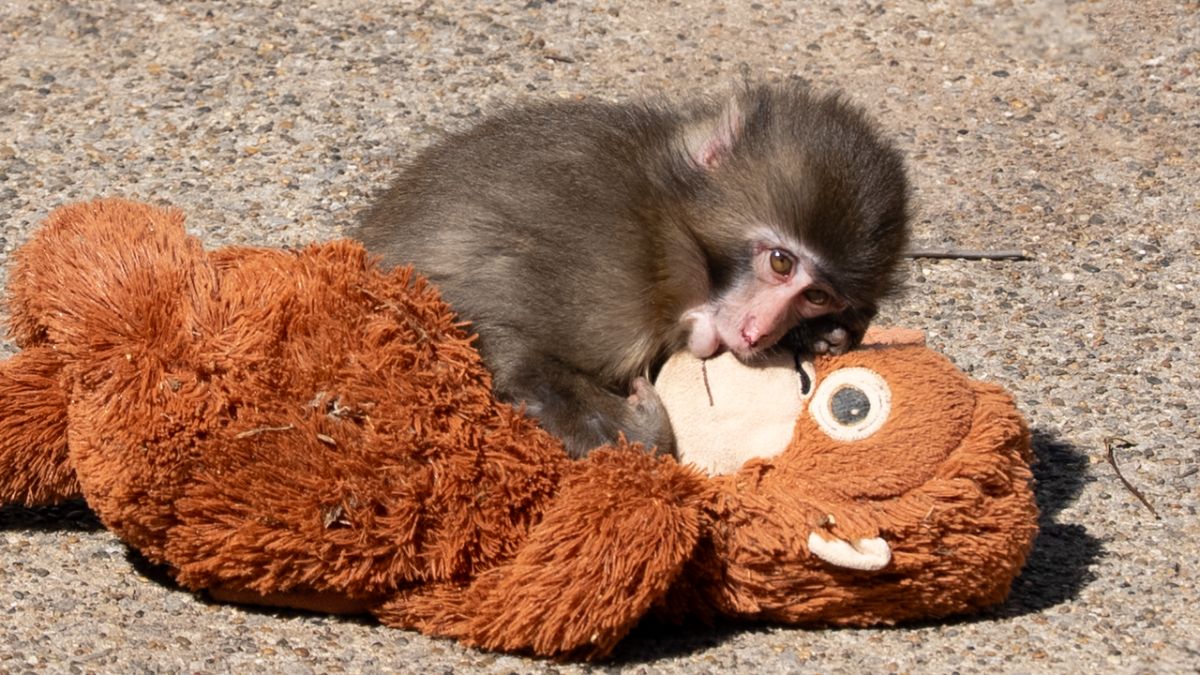
In fact, the zoo reported that Punch’s social world has been steadily improving. According to their update, “the number of monkeys caring for Punch or playing with him is growing,” and as a result he has been spending less and less time clinging to the small stuffed orangutan toy that first made him famous. The zoo did acknowledge that certain individuals suspected of being unnecessarily rough with Punch were temporarily removed from his enclosure on March 8 as a precautionary measure. A dedicated team of three veterinarians continues to monitor Punch every single day, and staff confirmed he has sustained no injuries that would threaten his life.
ご一読いただけると幸いです。
— 市川市動植物園(公式) (@ichikawa_zoo) March 10, 2026
パンチが「いじめられている」とされる動画について
Regarding the videos reportedly showing Punch “being bullied”#市川市動植物園#がんばれパンチ pic.twitter.com/l5s80fCuwG
The zoo also addressed why they have chosen not to separate Punch from the group entirely, even amid public pressure to do so. Their reasoning was blunt: “Punch has gotten used to life in this group. Separating him would create a risk that he could never return to the community and would have to spend the rest of his life isolated.” The statement went further, assuring the public that their concern for Punch is genuine and shared by everyone at the facility, but that the best outcome for him is integration, not protection through isolation. They also took the opportunity to stress that any management decisions are made in the animal’s best interest, adding, “we do not intend to ignore discipline or change our care approach simply to attract public sympathy and increase visitor numbers or revenue.”
Punch’s story began in July 2025, when he was born at the Ichikawa zoo and promptly abandoned by his mother. Keepers stepped in to raise him by hand, and to comfort the tiny macaque, they gave him a stuffed toy orangutan. Images and videos of Punch hugging his plush companion spread across the internet almost immediately, turning the little monkey into a global sensation overnight. His journey from helpless newborn to a young primate navigating the complex politics of macaque society has kept millions of people emotionally invested in his wellbeing ever since.
@akusidsy While Punch was being fed, another monkey began to bully him again. Noticing what was happening, the caretaker quickly picked him up and took him away.” . . . . . #punchmonkey #japan #fyp #ichikawazoo ♬ suara asli – AkusiDsy
The case of Punch also touches on a broader and genuinely interesting question about how people interpret animal behavior in the age of social media. Researchers who study the relationship between humans and animals online have noted that audiences tend to apply human emotions, motivations, and moral frameworks to what they observe, a phenomenon known as anthropomorphism. A quick clip of one animal correcting another can read as cruelty to a human viewer, even when it is entirely routine within that species’ social structure. The speed at which concern spreads on platforms like X means zoos and wildlife institutions increasingly find themselves in the position of having to educate the public in real time.
Japanese macaques, also known as snow monkeys, are native to Japan and are among the most northerly-dwelling non-human primates on the planet. They are highly social animals that live in troops governed by strict hierarchies, where rank determines access to food, mates, and preferred resting spots. Young macaques learn the rules of their society through direct social interaction, including correction and discipline from older group members. In captivity, maintaining these natural dynamics is considered essential to the psychological and physical health of the animals, which is precisely what the Ichikawa zoo has been trying to explain to a worried public.
What do you think about the way the zoo handled this situation and whether online audiences sometimes misread animal behavior? Share your thoughts in the comments.