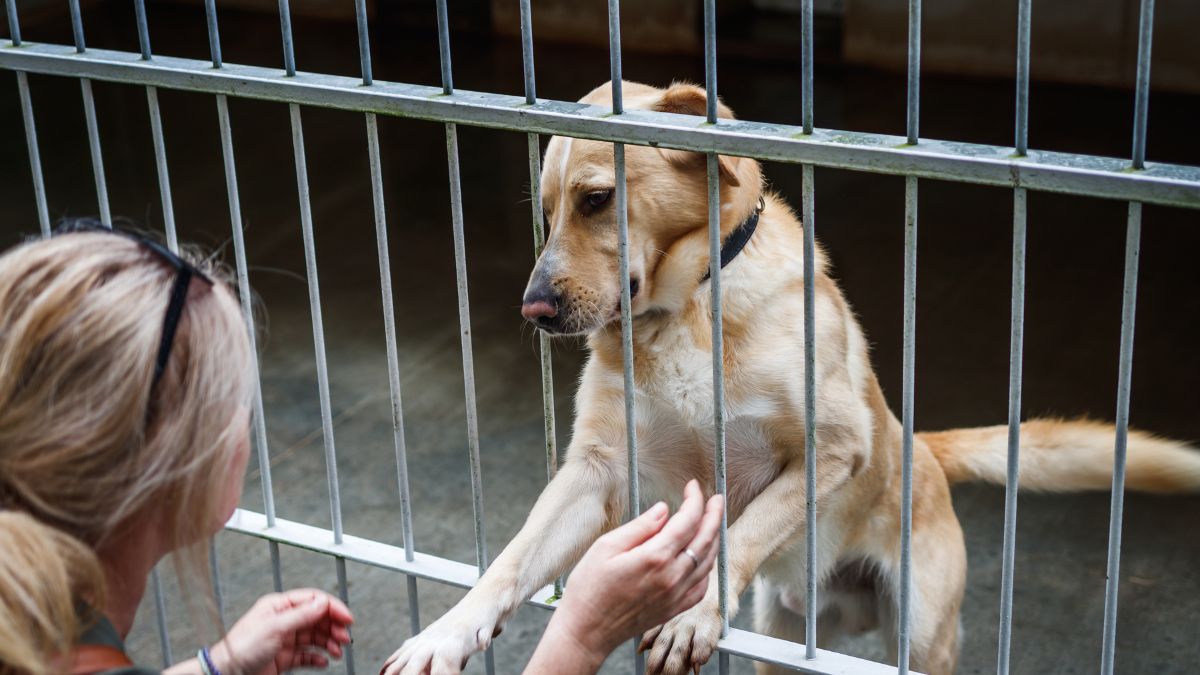
Jennifer Lawrence has found herself at the center of a heated online debate after remarks she made about dogs resurfaced and spread across social media. The actress was speaking during a post screening audience talk connected to the psychological drama ‘Die My Love’. While recounting a stressful family incident, she described how her feelings toward dogs changed after becoming a parent. The clip quickly took on a life of its own, drawing both sharp criticism and vocal support.
According to the discussion, Lawrence explained that she chose to give the family dog to her parents after she had children. She suggested that motherhood shifted her perspective and made her more wary around dogs in general. At one point she summed up that shift bluntly by saying, “After I had a child, dogs became so scary.” She followed it with another line that struck many viewers as harsh, “It is almost like I do not recognize dogs anymore, I just see them as a threat.”
Her story became even more controversial when she described a bite involving her young son. Lawrence said one of the dogs bit her three year old, and she framed her immediate reaction in extreme terms. “One of them bit my son and it made me want to destroy every dog ever,” she said. She also quoted her own angry thoughts in a way that escalated the shock factor, “I was like, I will take you out and your f ing family, and your f ing friends.”
Once the video circulated, many dog lovers said the language crossed a line even if the underlying fear was understandable. Critics argued that a frightening incident does not justify condemning all dogs, especially on a large public platform. Some viewers also focused on the broader message they felt it sent about rehoming pets after problems arise. In the comment sections, the tone ranged from disappointment to outrage, with people framing it as an example of irresponsible pet ownership rather than a vulnerable parenting moment.
Several of the harshest reactions were direct and personal. One commenter wrote, “Poor dog.” Another added, “This is more than upsetting.” Others questioned whether Lawrence should have had pets at all if she could talk about them that way, including, “She should never have dogs or pets if she thinks like that.” A fourth response captured the general anger in a short line, “Terrible, she should be ashamed.”
One longer critique argued that the issue was not simply a private decision to protect a child. It claimed the bigger problem was normalizing abandonment and stereotyping dogs in public, especially when dog bites can sometimes be prevented with better supervision and training. That commenter wrote, “What is especially concerning is using a big platform not only to normalize abandoning a dog after an incident that could have been prevented, but also to publicly smear dogs.” For many readers, the debate quickly shifted from one celebrity clip to a broader argument about what responsible pet ownership should look like when families grow.
At the same time, a portion of the audience defended her, saying the instinct to prioritize a child is natural. One supportive line argued, “You have to protect children no matter what.” Another echoed that sentiment from a parent first viewpoint, “I would also choose my child’s safety before a dog.” A self identified dog trainer and shelter owner also urged people to slow down with judgment, “We do not know what happened, and if she felt her kids were not safe around the dog, we should not judge a mother for the decision she made for her children’s safety.”
The statistics often cited in discussions like this show why the topic is emotionally charged. A 2019 study mentioned in the coverage noted that the United States sees an average of 337,103 emergency room visits each year due to dog bites, with a significant share involving children under five. The same overview highlighted that about 70 percent of bites occur inside the home, which tends to make these incidents feel especially alarming for parents. Those numbers do not mean most dogs are dangerous, but they do underline how quickly a familiar situation can turn frightening if supervision slips or a dog feels stressed.
It is also worth remembering that dog behavior is shaped by many factors, including environment, training, health, and the way adults manage interactions between kids and pets. Young children may not recognize warning signs like stiff posture, lip licking, whale eye, or retreating, and they can unintentionally provoke a fearful or overstimulated dog. Experts often recommend creating safe zones where dogs can rest undisturbed, supervising every interaction with toddlers, and teaching children to avoid hugging, climbing on, or grabbing a dog. When a bite happens, veterinary checks, professional behavior support, and careful household rules can sometimes reduce risk, although some families still decide rehoming is the safest option.
Rehoming itself is a complicated issue that sits between safety, ethics, and practicality. In an ideal world, families plan ahead by choosing a dog that matches their lifestyle and by investing in training long before a baby arrives. In reality, many people underestimate how much routines change after children, and how sensitive some dogs are to noise, unpredictability, and reduced attention. When problems emerge, responsible rehoming usually means ensuring the dog goes to a stable home, being honest about bite history, and seeking guidance from qualified professionals rather than making impulsive choices.
Celebrity stories can amplify these conversations because they reach millions, but they can also flatten nuance into a few seconds of video. Lawrence’s defenders see a parent reacting to a scary moment and speaking in her usual blunt, jokey style, even if the wording was extreme. Her critics see someone with massive influence reinforcing fear and hostility toward animals that many people consider family. Either way, the clip has reignited a familiar question about how society balances compassion for pets with zero tolerance for risks around small children.
What do you think about public reactions to Lawrence’s comments and the bigger debate over dog safety in family homes, share your thoughts in the comments.