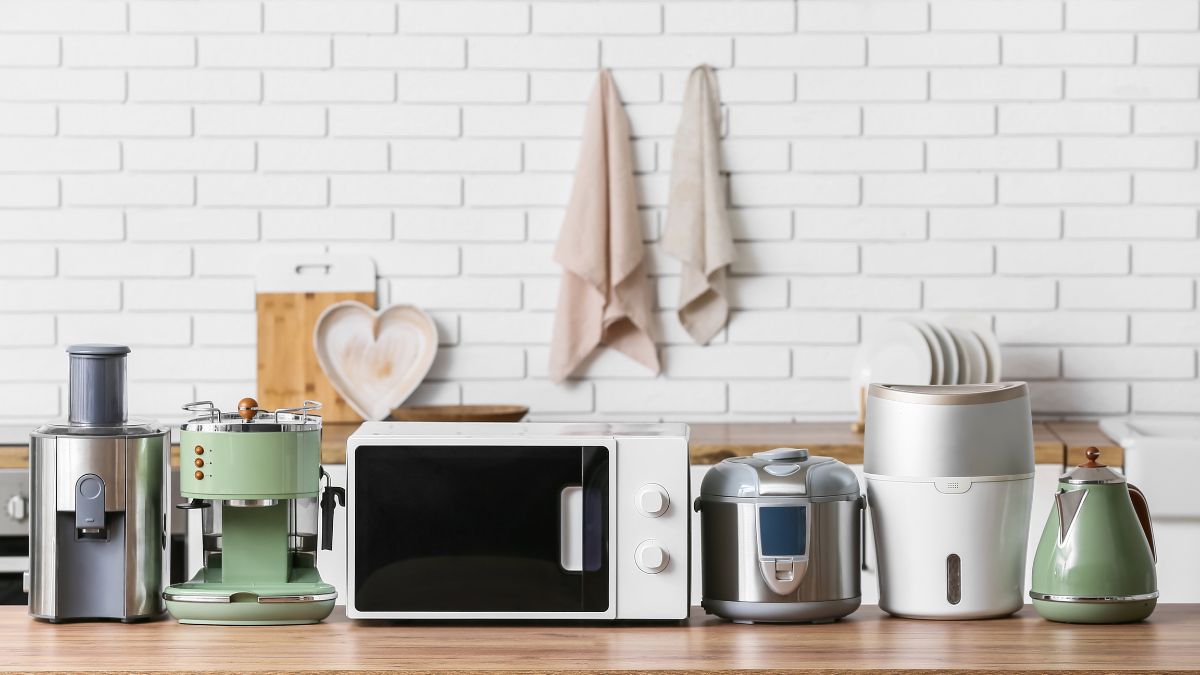
Professional kitchens run on efficiency, and the tools that fill them are chosen with ruthless practicality. Over years of training and high-pressure service, chefs develop a sharp eye for what genuinely earns its place on the countertop and what simply clutters the drawer. Many gadgets marketed to home cooks promise speed and convenience but fail to deliver results that a basic knife or pan cannot achieve faster. Understanding which tools professionals consistently dismiss can save shoppers significant money and valuable kitchen space. The list below gathers the gadgets that culinary professionals most frequently point to as unnecessary purchases.
Avocado Slicer
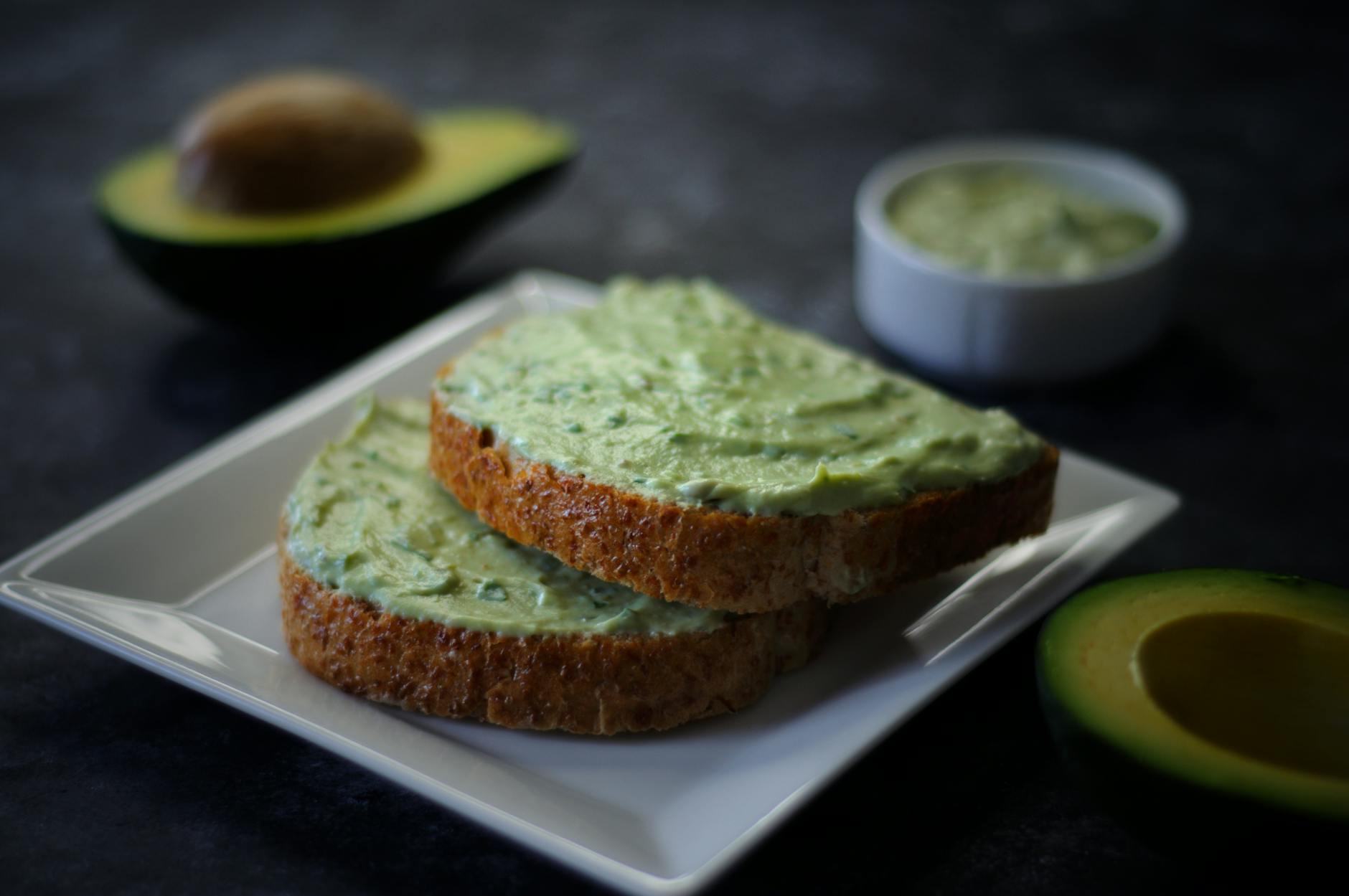
This three-in-one plastic tool promises to split, pit, and slice avocados with a single gadget. Professional chefs consistently point out that a standard chef’s knife accomplishes every one of those steps in less time and with greater precision. The tool is also notoriously inconsistent across avocados of different sizes and ripeness levels, often crushing the flesh rather than cleanly slicing it. Most versions are difficult to clean thoroughly because of the multiple grooved components. A knife and a spoon remain the preferred combination in every professional kitchen.
Strawberry Huller
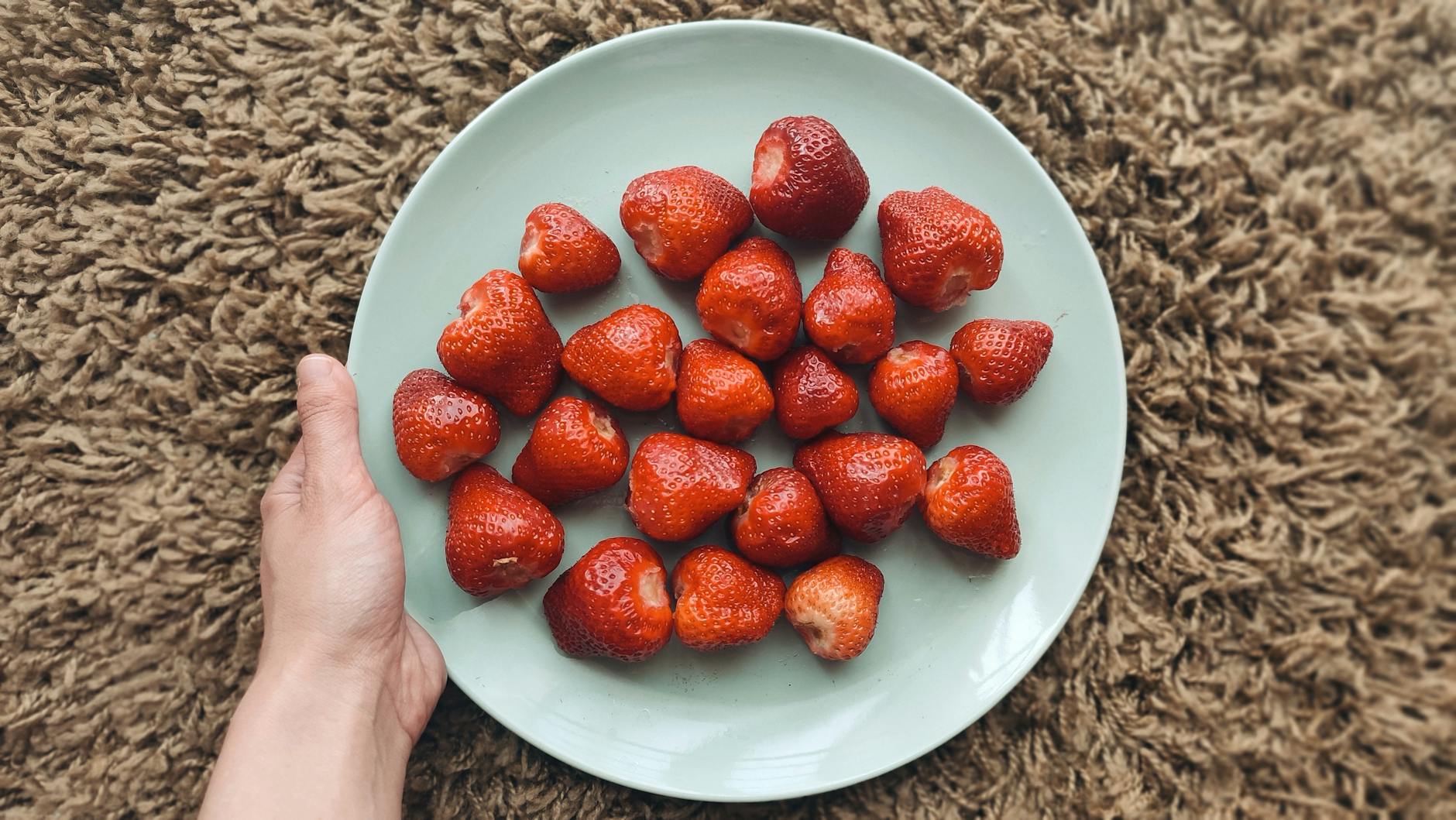
This small spring-loaded device is designed to remove the hull and stem from strawberries in a single press. In practice it rarely extracts the core cleanly and tends to waste a significant portion of the berry’s edible flesh in the process. A small paring knife performs the same task more accurately and removes only what is necessary. Professional pastry chefs who work with large quantities of strawberries favor the knife method for both consistency and speed. The huller is widely regarded as a novelty item that offers no meaningful advantage.
Egg Separator
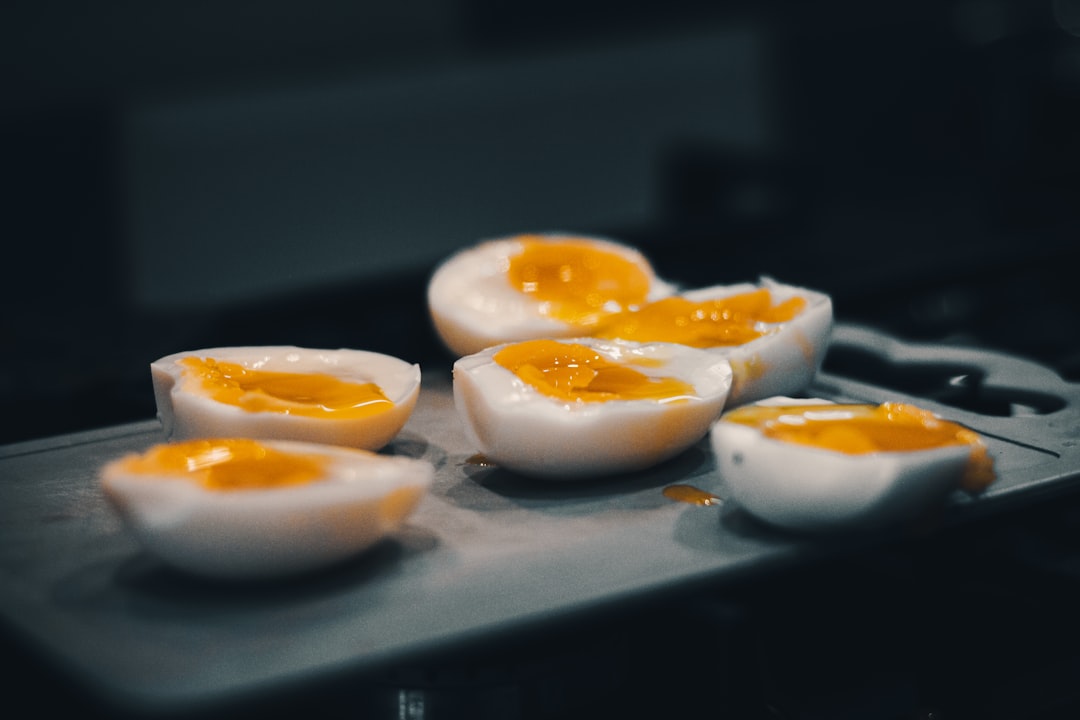
Sold as a tool to cleanly divide egg yolks from whites without mess, this gadget adds an unnecessary extra step to a skill that most cooks can master in seconds. Professional chefs and culinary instructors teach hand separation as a foundational technique because it is faster, requires no additional equipment, and produces the same result. The separator also introduces another item to wash and creates an additional transfer point where contamination can occur. Many models are prone to cracking yolks rather than protecting them. Technique rather than equipment is consistently the professional recommendation here.
Mango Splitter
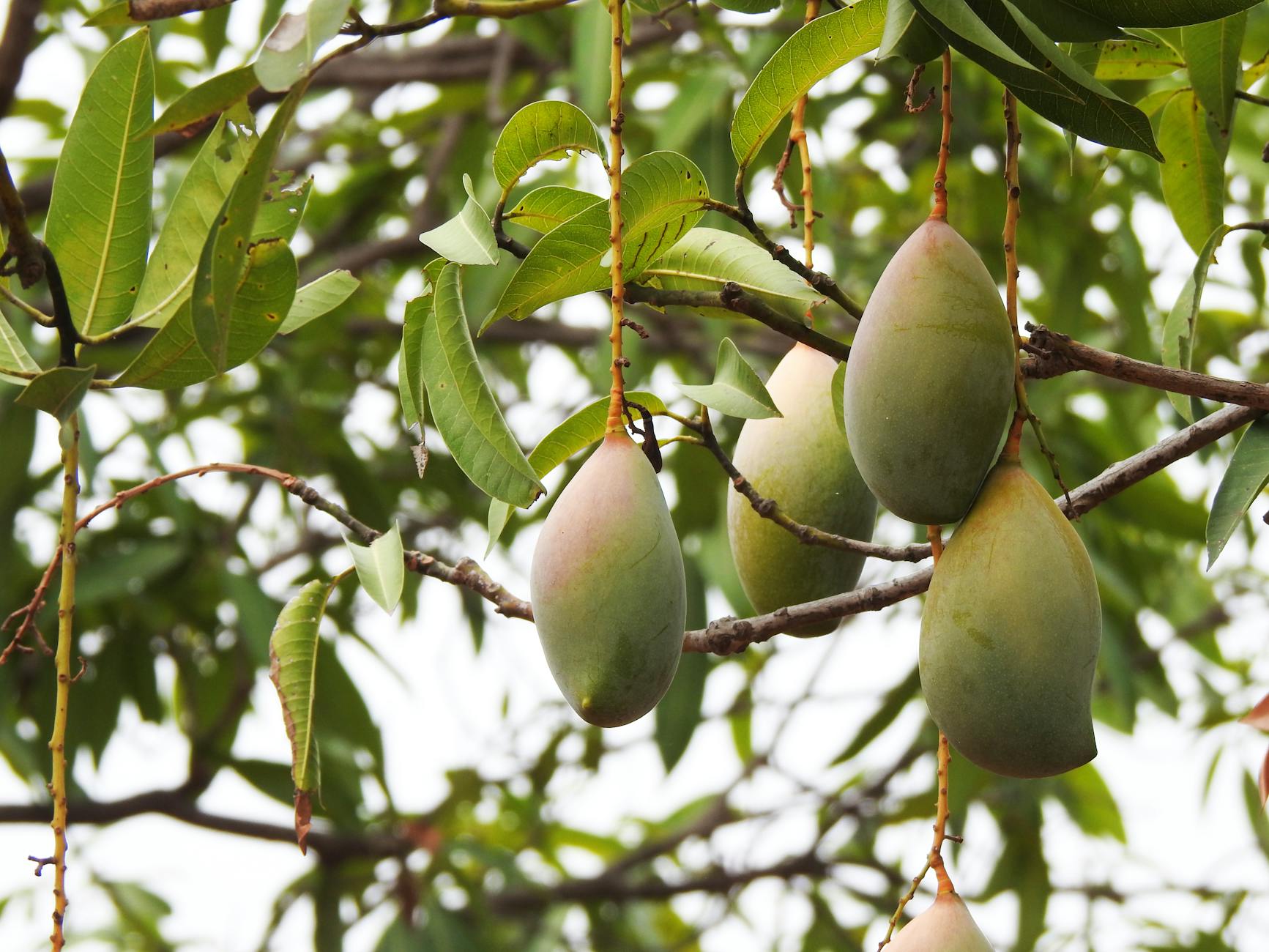
Modelled after an apple slicer, this gadget attempts to cut around the flat pit of a mango in one motion. The tool struggles to accommodate the natural variation in pit size and placement across different mango varieties, frequently slipping or leaving large amounts of fruit attached to the discarded seed. A sharp chef’s knife allows for a more controlled and adaptable approach that wastes far less fruit. Experienced cooks can break down a mango in under thirty seconds with a knife and a cutting board. The splitter is one of the most frequently cited single-use failures by professional prep cooks.
Pineapple Corer
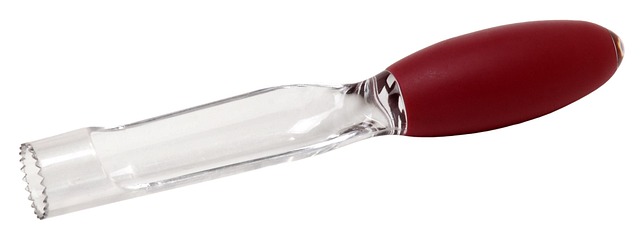
This cylindrical device drills down through a pineapple to core and slice it simultaneously in a single twist. While it seems efficient in theory, it discards a significant ring of perfectly edible fruit along with the core and often fails entirely on pineapples that are slightly irregular in shape. A knife-based approach allows the cook to follow the natural contours of the fruit and recover far more flesh. Professional chefs working in restaurant kitchens consistently break down pineapples by hand to minimize waste and control portion size. The corer is considered a convenience gadget that compromises yield in exchange for a marginal time saving.
Garlic Press
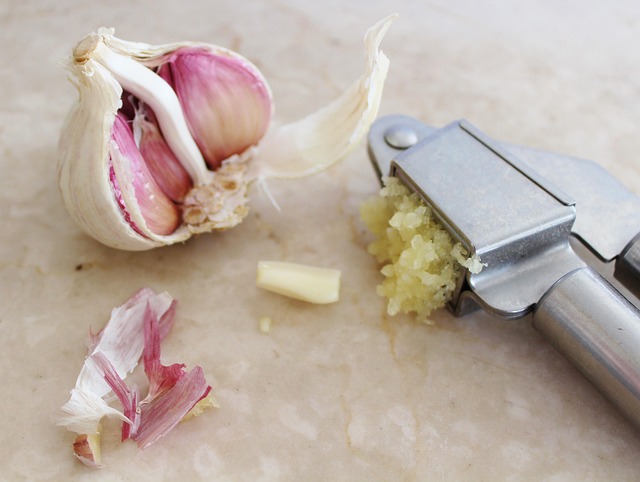
The garlic press is one of the most debated tools in the culinary world, and professional chefs are largely united in their dismissal of it. Pressing garlic produces a finer pulp with a sharper, more pungent flavor profile than minced garlic, which many chefs consider overpowering in finished dishes. The device is also notably difficult to clean, with the small perforated plate trapping garlic residue that requires considerable effort to remove. A chef’s knife used to mince or smash garlic gives the cook far greater control over texture and intensity. Most professional kitchens do not stock garlic presses for these reasons.
Electric Can Opener
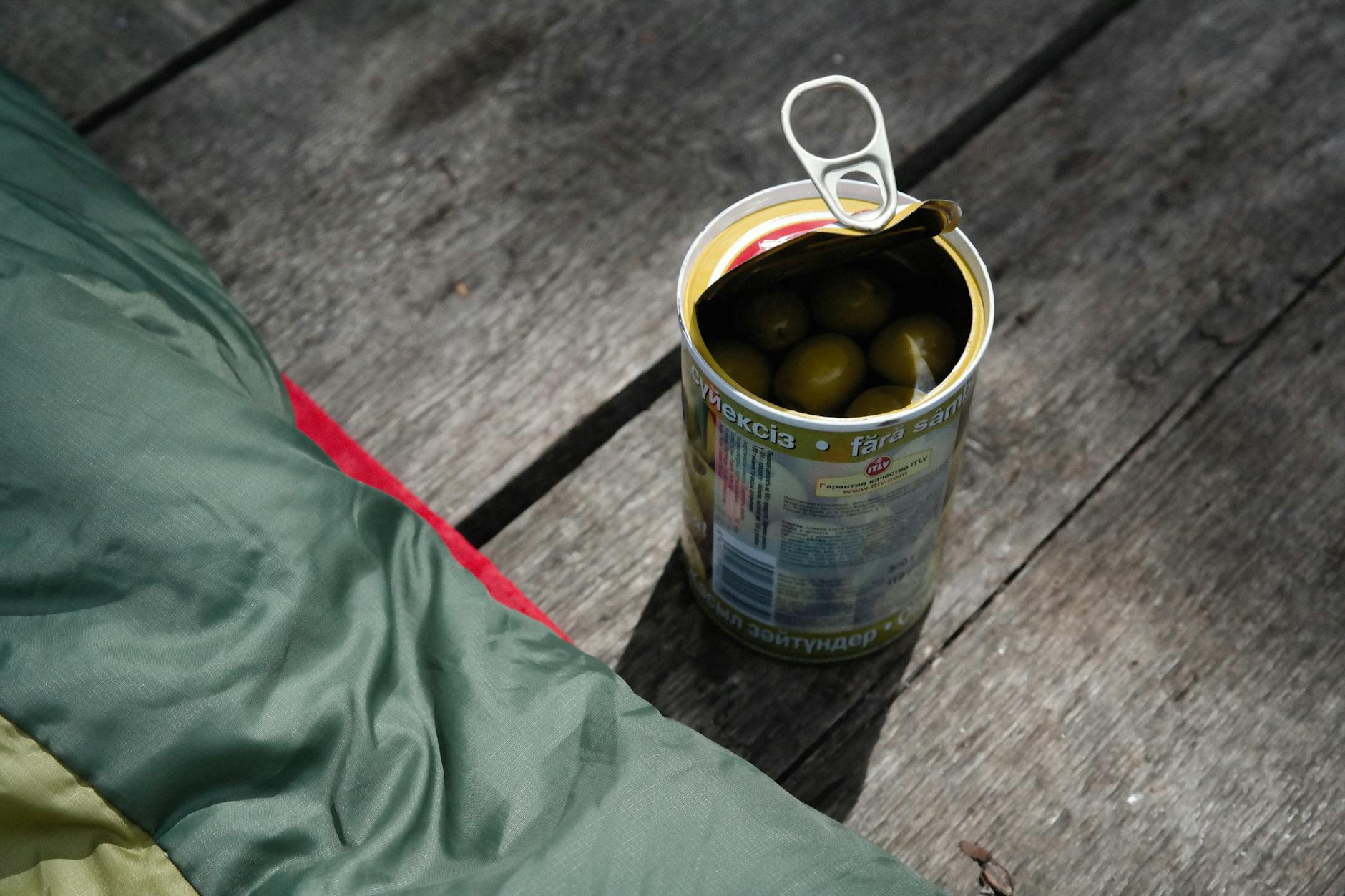
The electric can opener takes up a disproportionate amount of counter space and requires a power source to perform a task that a handheld manual opener handles in seconds. Professional kitchens almost exclusively use manual openers because they are faster to retrieve, require no charging or power outlet, and are far easier to maintain and sanitize. The electric versions are prone to mechanical failure and are considerably more expensive to replace. Many chefs also note that modern safety can openers achieve a clean, lid-free cut without any cutting-edge exposure, rendering the electric version even less necessary. For a task that takes roughly ten seconds, the electric appliance is widely viewed as an overcomplicated solution.
Quesadilla Maker
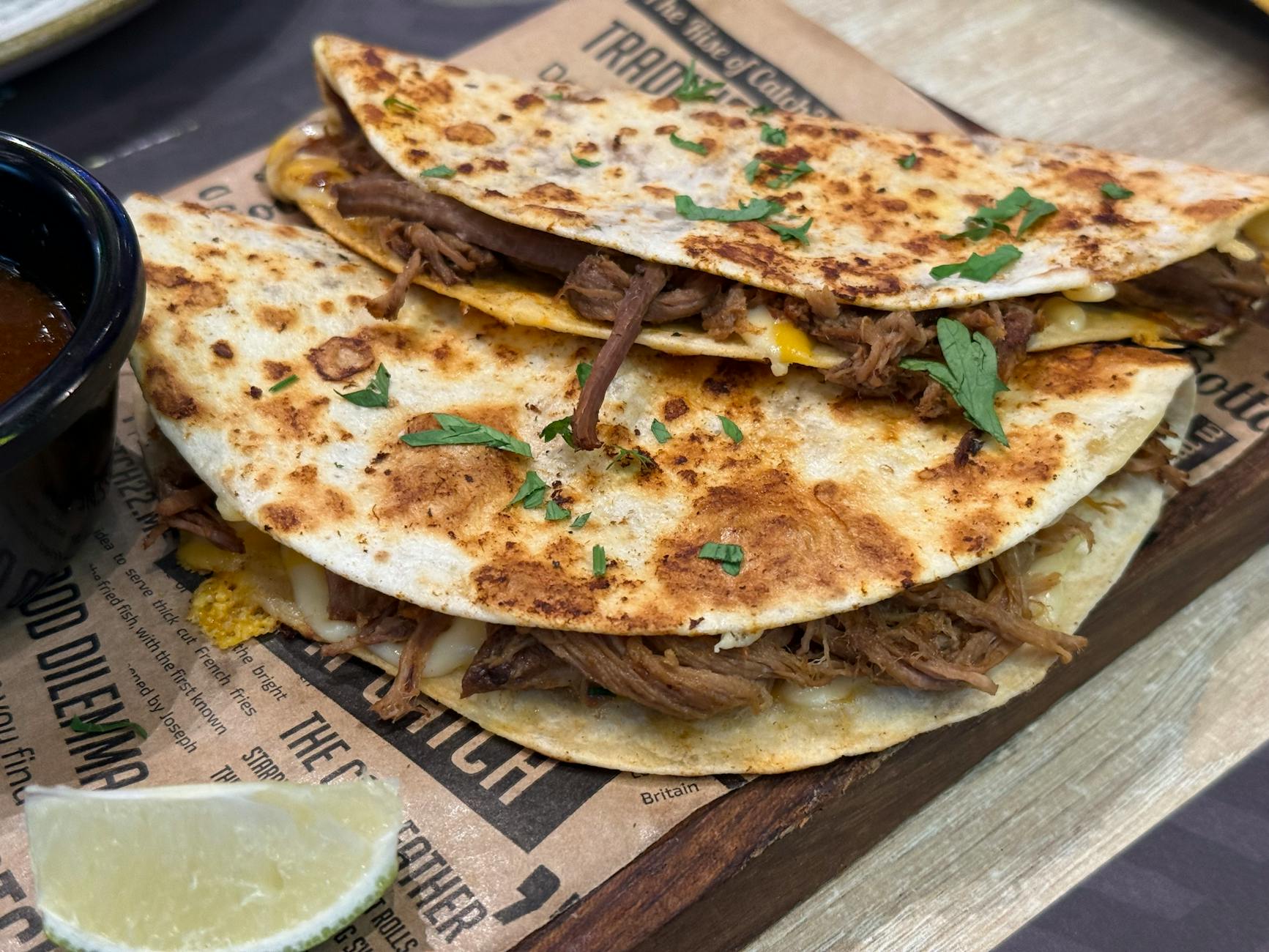
This dedicated countertop appliance heats two semicircular plates to melt cheese inside a folded tortilla. A standard skillet or cast iron pan achieves superior results because direct contact with a hot flat surface creates a crisper, more evenly browned exterior. The quesadilla maker also limits the cook to a fixed diameter and does not accommodate larger or thicker fillings well. Cleaning the ridged, non-removable plates is cumbersome compared to wiping out a pan. Chefs point to it as one of the most unnecessary single-purpose appliances sold for the home kitchen.
Egg Cooker
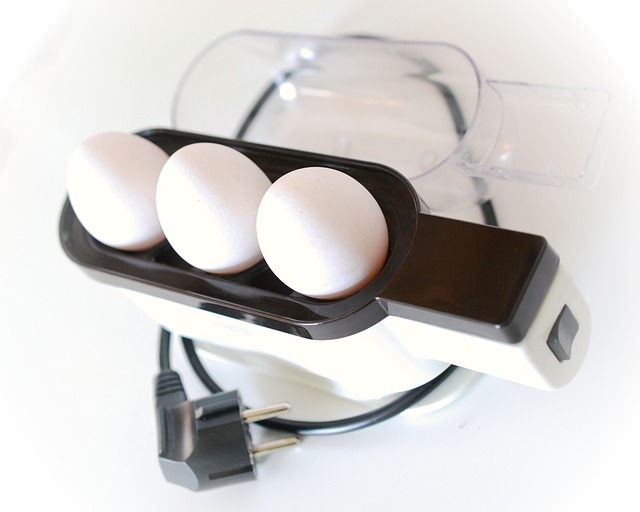
The electric egg cooker is marketed as a foolproof way to produce perfectly boiled, poached, or steamed eggs at the press of a button. Professional chefs consider boiling or poaching eggs in a saucepan to be one of the most straightforward cooking tasks and one that requires no specialist equipment. The cookers often produce inconsistent results depending on the wattage of the unit and the altitude of the kitchen. They are also slower than a pot of boiling water in most circumstances. The skill involved in cooking eggs properly is considered fundamental, and relying on a machine removes the opportunity to develop it.
Herb Stripper
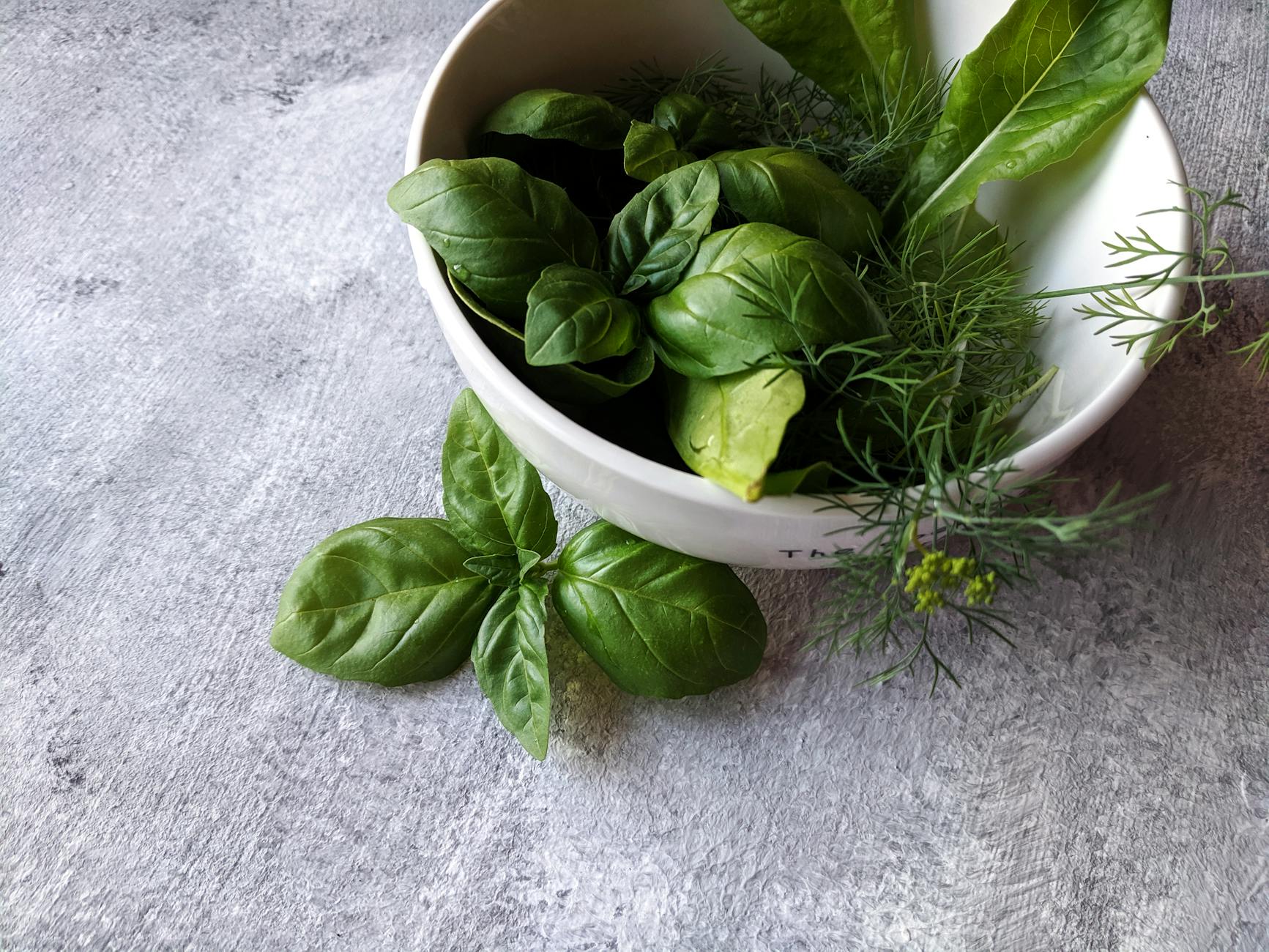
This flat tool with multiple sized holes is designed to pull herb leaves cleanly off their stems in a single stroke. Professional chefs typically strip soft herbs like thyme and rosemary by hand in a fluid motion that takes no longer than running a stem through a gadget. The stripper also tends to bruise delicate herbs during the stripping process, damaging the cell structure and accelerating discoloration. For larger bunches, a knife and a rocking motion is faster and produces cleaner results. Culinary schools teach hand techniques for this reason and do not include herb strippers in standard equipment lists.
Corn Stripper

The corn stripper is designed to remove kernels from a cob in a single downward pass without scattering them across the counter. In practice the device works inconsistently across cobs of different diameters and frequently leaves behind a significant percentage of kernels. A standard chef’s knife and a bowl can accomplish the task cleanly and completely in about thirty seconds per cob. The stripper also requires careful cleaning to remove starch residue from its serrated edges. Professional cooks who prepare corn in bulk prefer the knife method for its reliability and easy cleanup.
Cherry Pitter
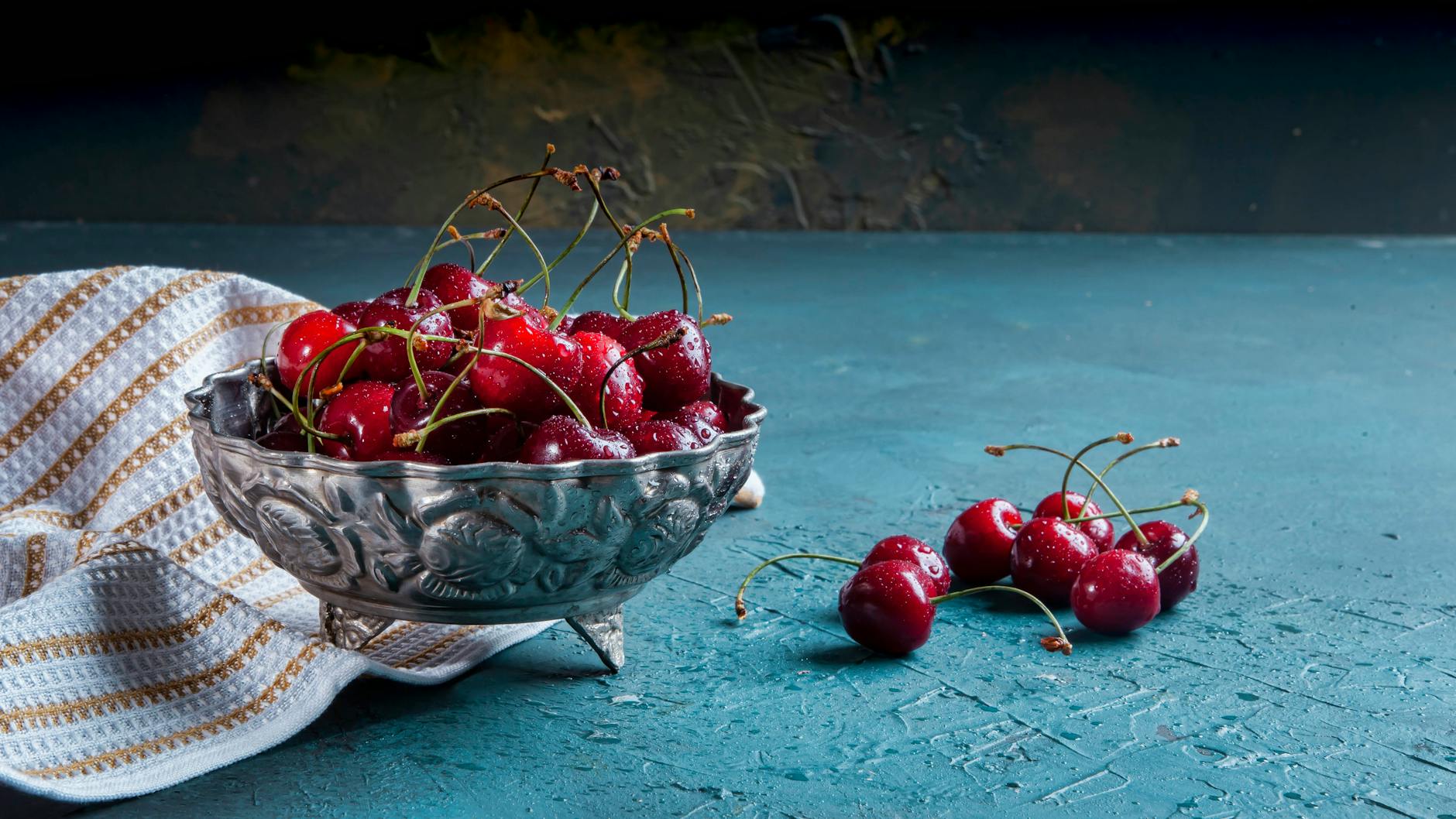
This spring-loaded device presses a metal rod through a cherry to push the pit out the opposite side. While it functions reasonably well on uniform, fully ripe cherries, it struggles with smaller, firmer, or irregular specimens and frequently splits the fruit rather than leaving it whole. Many professional pastry kitchens use a simple technique involving a pastry tip or chopstick to achieve the same result without any dedicated equipment. The pitter also requires thorough washing to prevent rust and staining over time. For occasional home use it represents a drawer occupant that rarely justifies its presence.
Banana Slicer
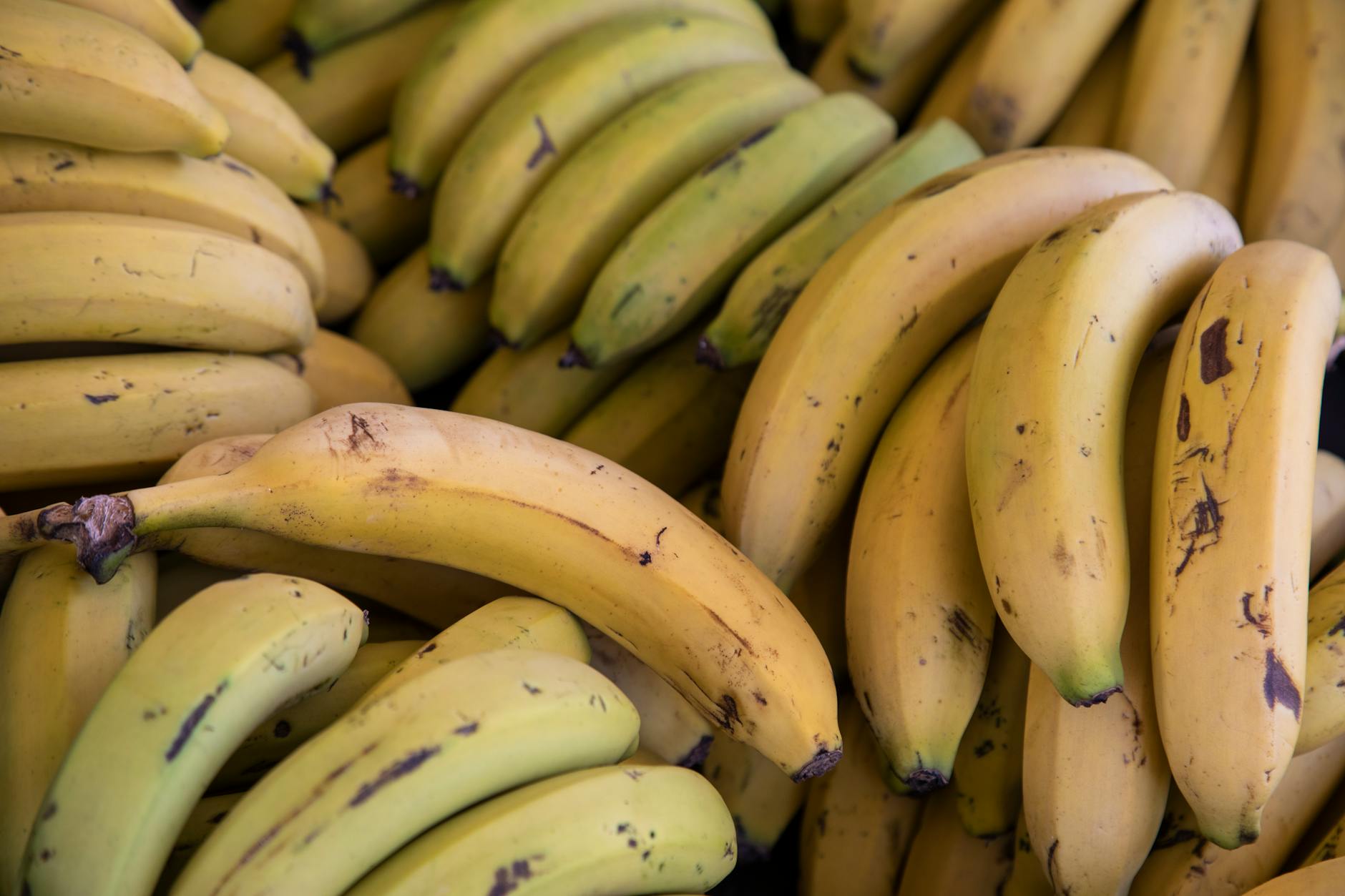
The banana slicer is a rigid plastic tool shaped to the curve of a banana, with multiple blades designed to produce uniform slices in a single press. A chef’s knife produces slices of any thickness in seconds and adapts to bananas of any size without difficulty. The slicer is fixed to one thickness and accommodates only a narrow range of banana sizes before the alignment becomes off. It is widely regarded as one of the most unnecessary gadgets sold in kitchen retail stores. Culinary professionals consistently cite it as an example of a solution to a problem that does not exist.
Microwave Pasta Cooker

This plastic container claims to allow pasta to cook in the microwave without using a pot of boiling water on the stove. Professional chefs note that pasta requires a full, rapidly boiling pot of salted water to cook evenly and develop the right texture, conditions that a microwave cannot reliably replicate. The microwave method typically results in unevenly cooked pasta that is gummy on the outside and underdone at the center. Cooking times are difficult to calibrate and vary significantly depending on the microwave’s wattage. A standard pot on the stove remains the only method that produces consistently correct results.
Pizza Scissors
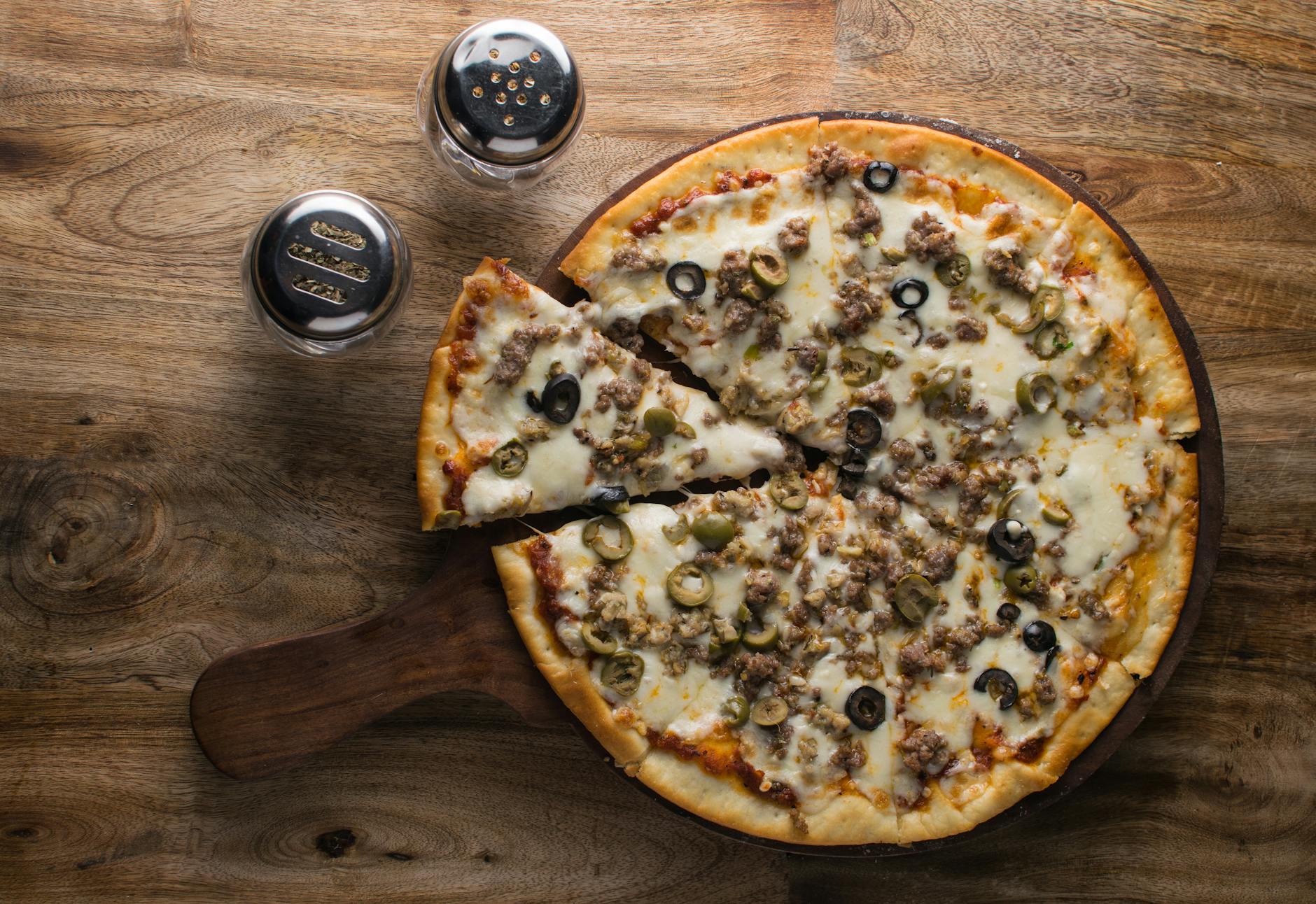
Pizza scissors combine a rolling blade with a spatula attachment, allowing users to cut and lift pizza slices in a single motion. Professional pizza makers and chefs prefer a traditional pizza wheel or a large mezzaluna because both tools deliver cleaner, faster cuts across a full pie. The scissors require a sawing motion that can disturb toppings and compress the crust rather than slicing through it. The combined cutting and lifting mechanism is also awkward to clean and prone to trapping cheese and sauce in its joint. Most culinary professionals view it as a gimmick rather than a genuine improvement on existing tools.
Butter Curler
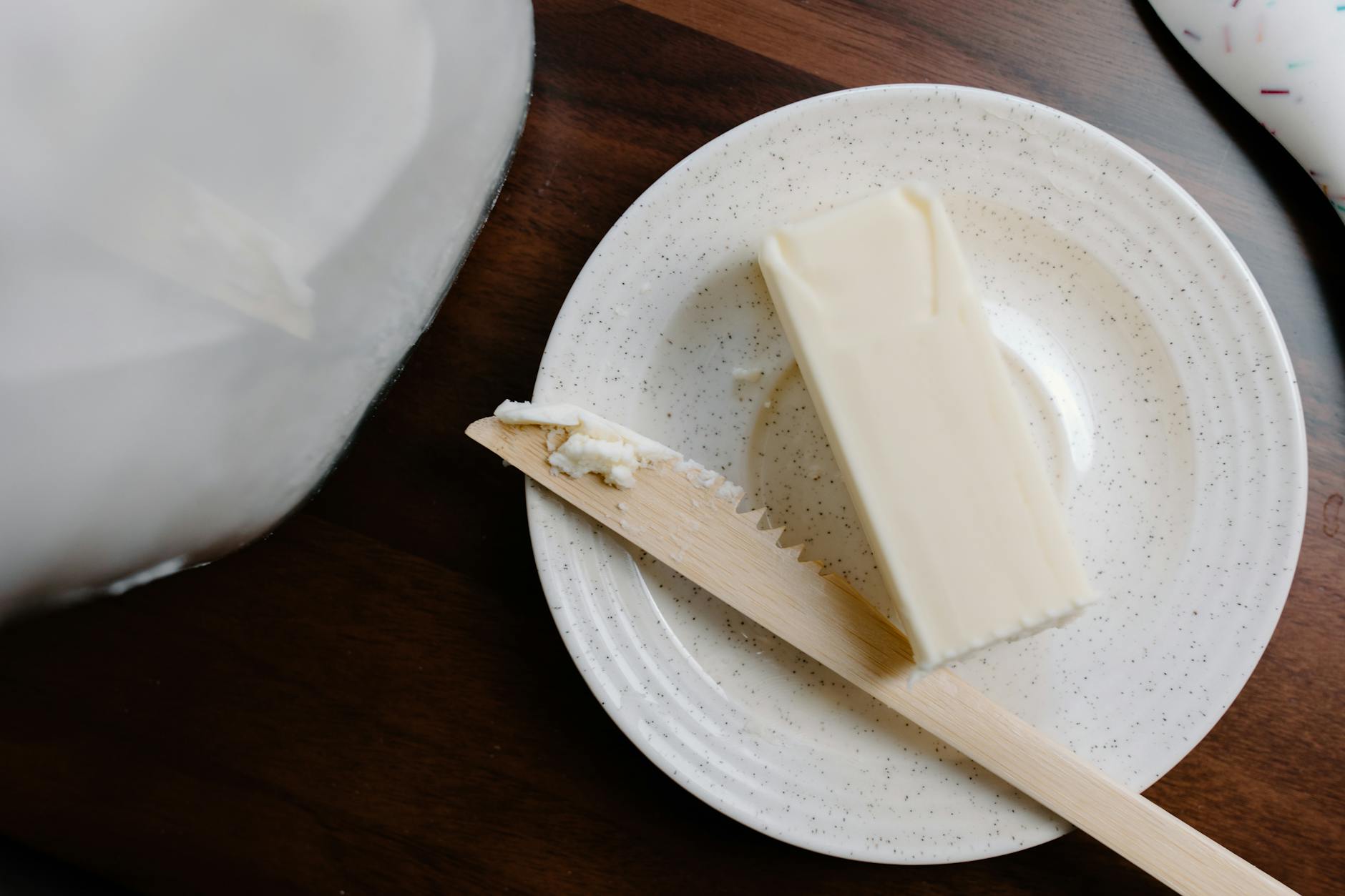
The butter curler is a small hook-shaped utensil dragged across a cold block of butter to produce decorative spiral curls for plating. Modern restaurant presentation has largely moved away from decorative butter curls in favor of whipped or compound butters that can be quenched and piped into far more versatile forms. The curler requires the butter to be at a very specific temperature to work correctly, and it produces a result that is impractical for everyday home cooking. Professional pastry kitchens rarely stock them. The tool belongs to an older era of hospitality presentation that few contemporary chefs reference.
Apple Slicer
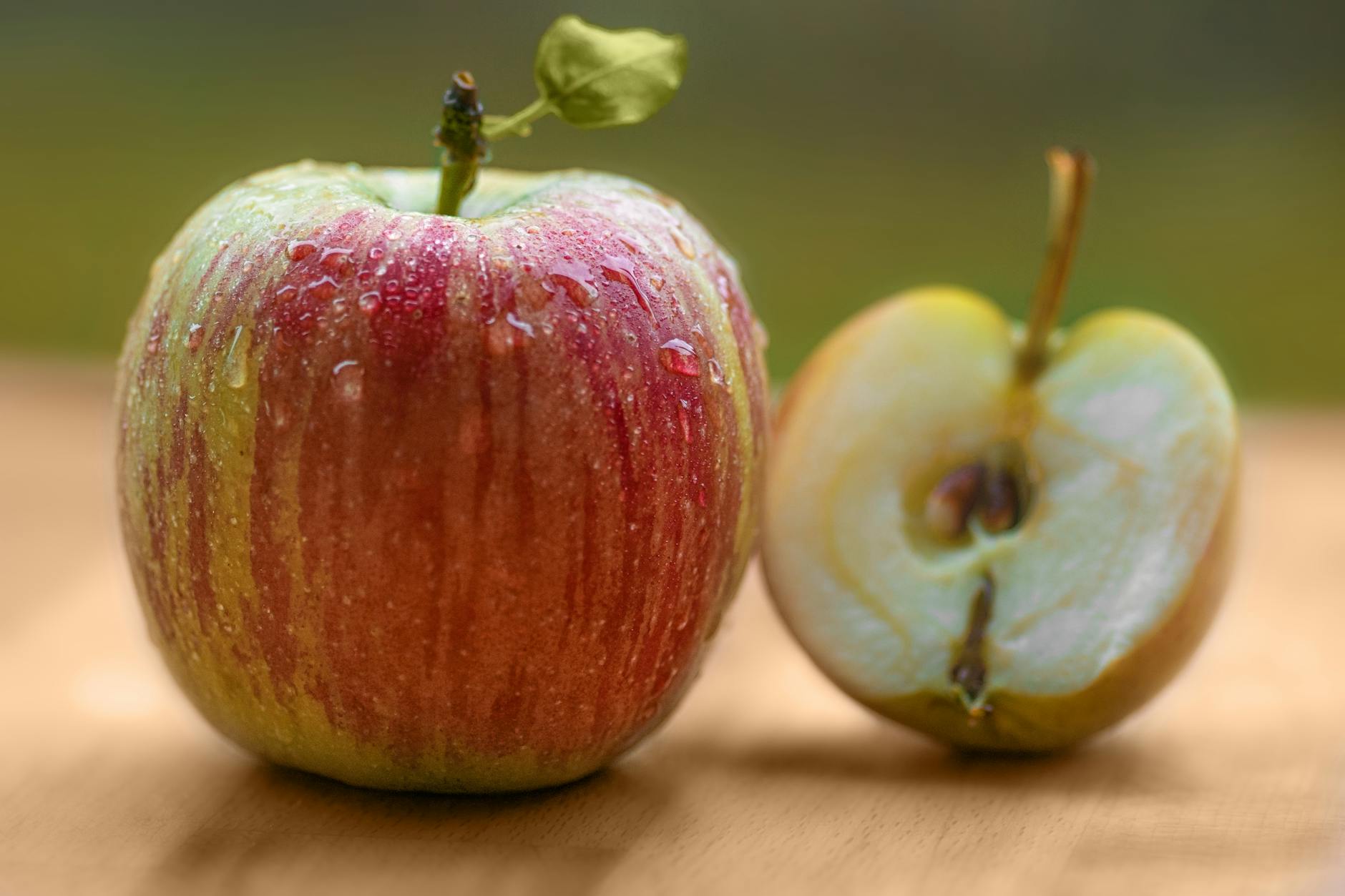
The apple slicer simultaneously cores and divides an apple into uniform wedges by pressing straight through it with a circular blade arrangement. While it functions adequately on perfectly sized apples, it struggles with very large or small specimens and rarely produces a completely clean core removal. A standard paring knife gives the cook full control over wedge thickness and removes only the core and seeds without wasting flesh. For culinary preparation rather than casual snacking, the slicer offers little advantage. Professional cooks learn proper knife skills for breaking down fruit efficiently and consider single-use slicers unnecessary additions to the kitchen.
Salad Shooter
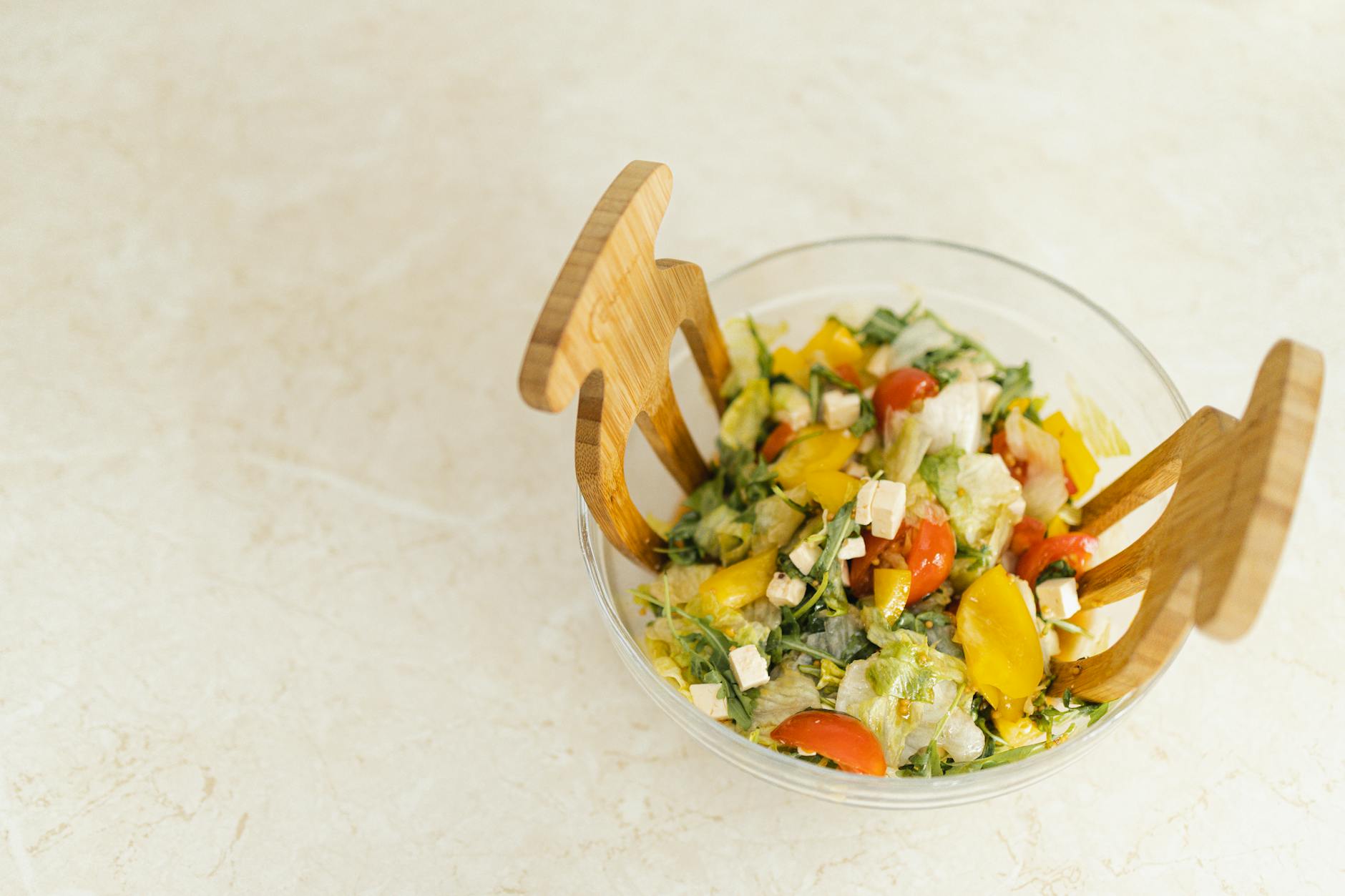
The salad shooter is an electric device that shreds or slices vegetables into a bowl at the press of a trigger. Professional chefs view it as an inferior alternative to a sharp knife or a standard box grater that produces inconsistent results and requires considerably more cleanup. The machine’s speed advantage disappears once setup and washing time are factored in. It also limits the user to a narrow range of slice thicknesses determined by the interchangeable discs it comes with. A well-maintained chef’s knife or mandoline achieves more precise results in roughly the same amount of time.
Electric Knife
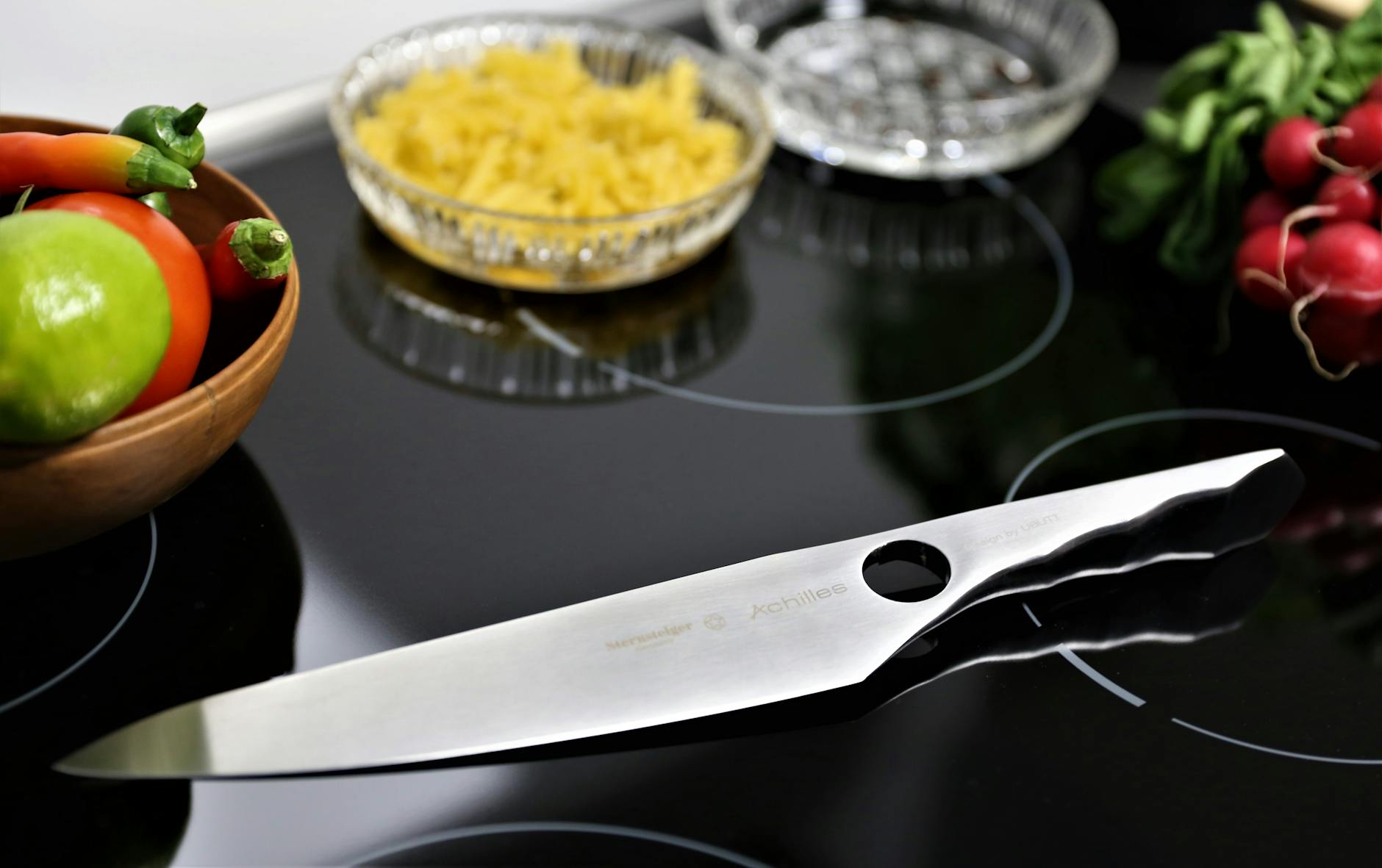
Electric knives use a rapidly vibrating double-blade mechanism originally designed to carve roasts and turkey at the table. Professional chefs consistently dismiss them because a properly sharpened carving knife gives the cook far greater tactile feedback and control over each cut. The electric version vibrates through meat rather than slicing cleanly, which can tear the fibers along irregular paths and compromise presentation. Most culinary professionals view the primary selling point of these tools as theatrical rather than functional. Learning to sharpen and use a traditional carving knife is the approach recommended in virtually every professional kitchen training program.
Single Serve Blender
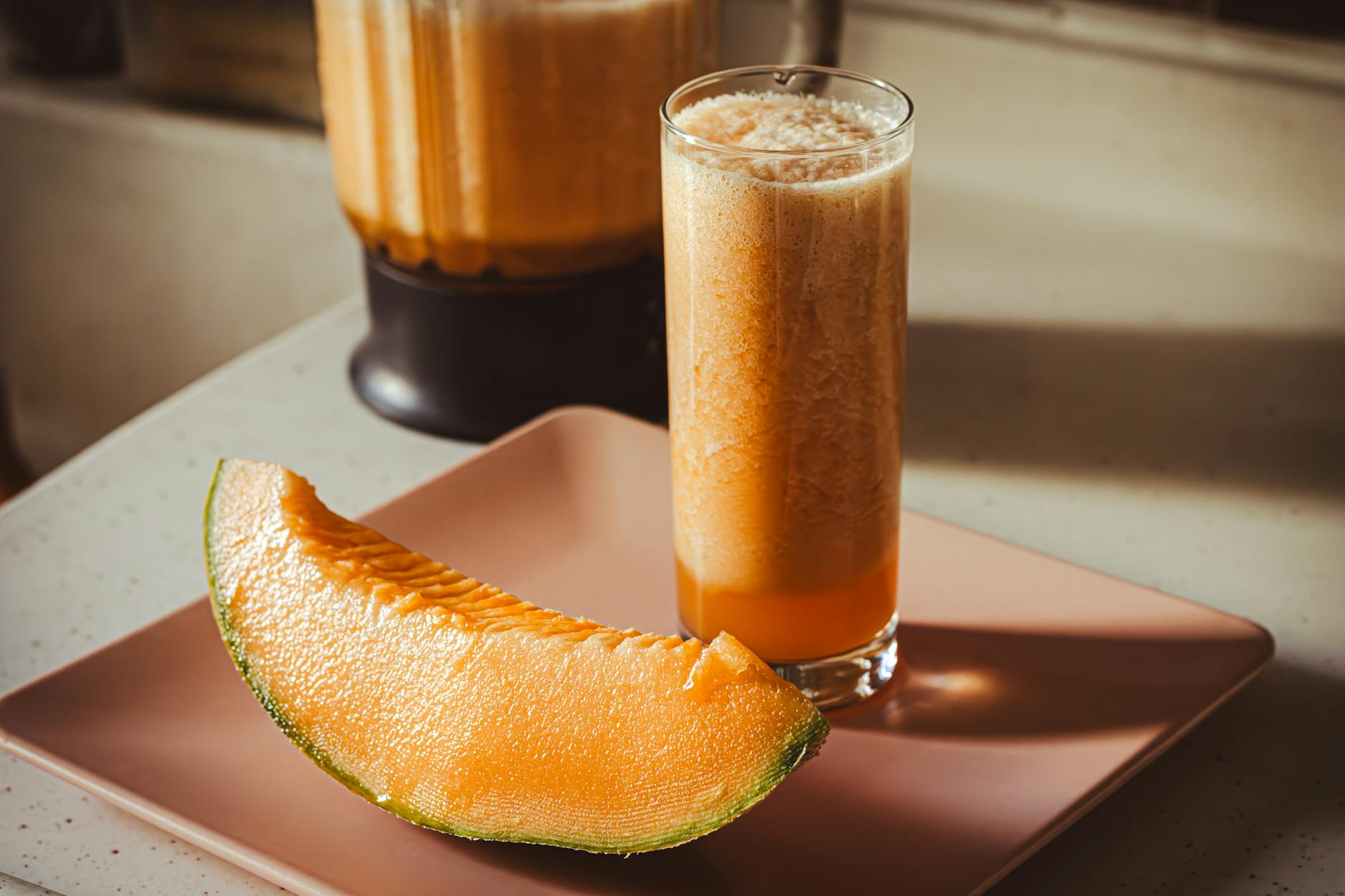
The single-serve blender formats are compact devices that blend directly into a drinking cup, eliminating the need to transfer contents to a separate container. Professional kitchen standards consistently favor full-size blenders because they offer significantly more power, better blade geometry, and the capacity to process larger quantities with a more consistent result. The small motors in single-serve units struggle with frozen ingredients, fibrous vegetables, and dense mixtures that a standard blender handles easily. Most models are also prone to leaking at the cup-blade connection and have a shorter mechanical lifespan under regular use. For culinary preparation beyond basic smoothies they offer limited utility and fall short of the consistency professional cooking demands.
Share the kitchen gadgets you regret buying or swear you could never live without in the comments.