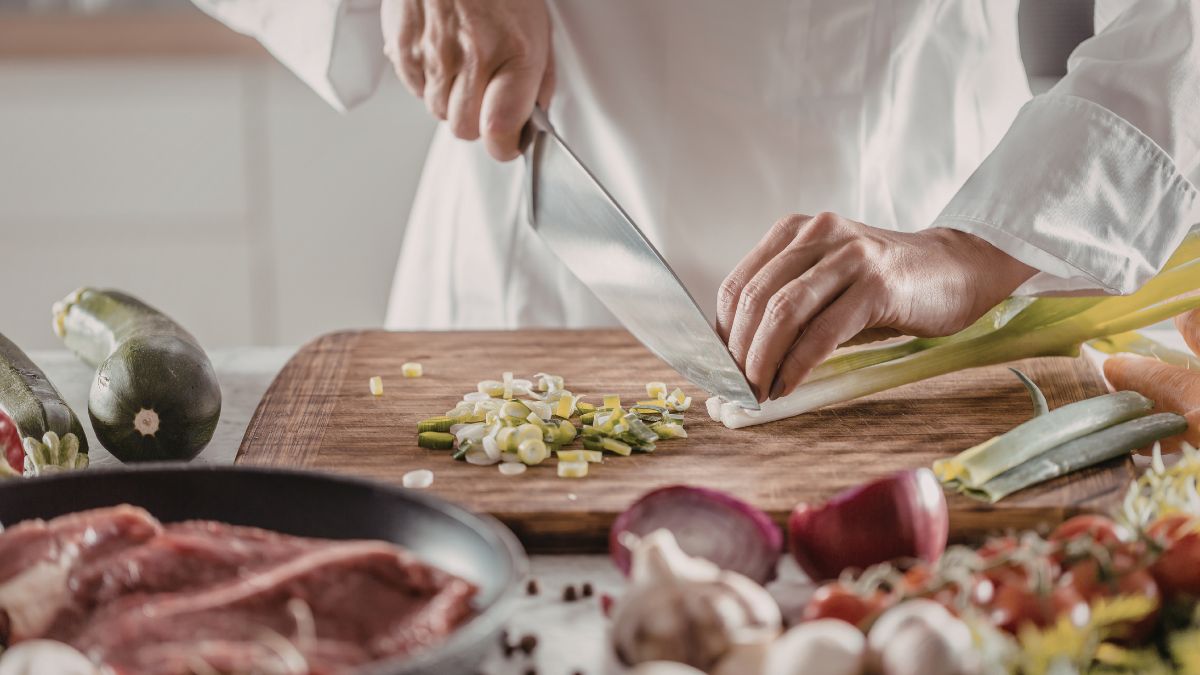
Most home cooks take pride in keeping a tidy kitchen, but surface-level cleanliness often masks a surprising number of overlooked hygiene habits. Many of the most common mistakes happen not out of carelessness but simply because no one ever pointed them out. From the way food is stored to the tools used daily, small lapses can quietly create the ideal conditions for bacteria to thrive. Understanding where these blind spots exist is the first step toward a genuinely safer and cleaner cooking environment.
Kitchen Sponge
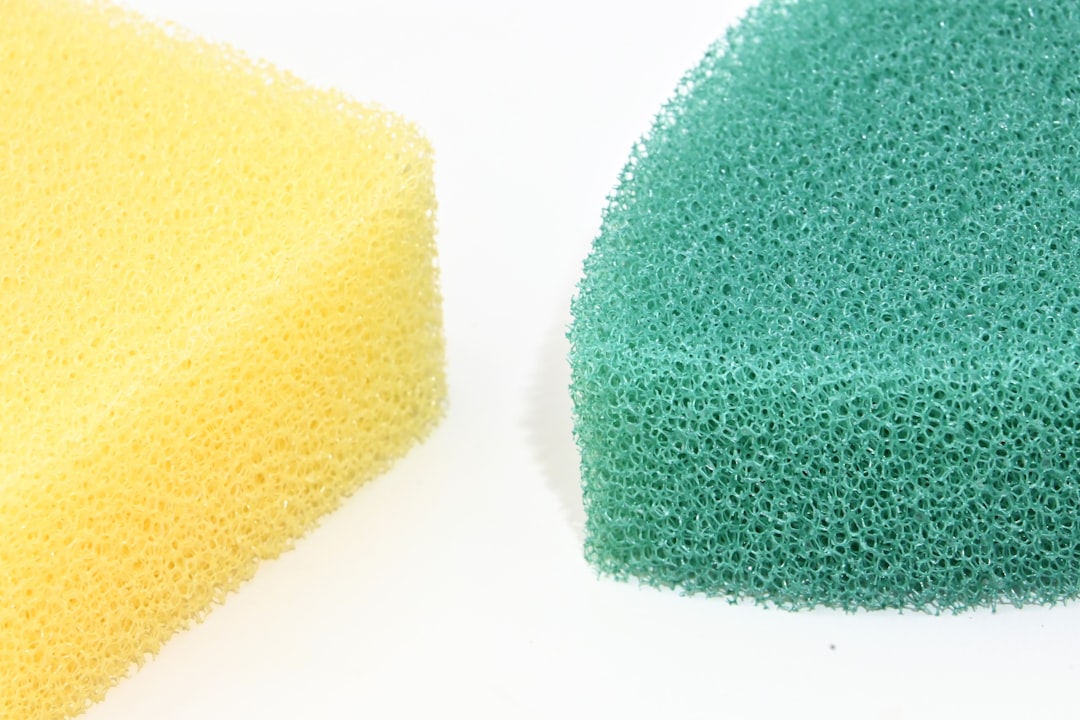
The humble kitchen sponge is one of the most bacteria-laden objects in the entire home. Its porous structure traps food particles and moisture, creating a warm environment where microbes multiply rapidly. Most people continue using the same sponge long past the point when it should have been replaced. A sponge that smells even faintly off is already harboring significant bacterial growth. Replacing sponges every one to two weeks is a simple habit that makes a meaningful difference.
Cutting Board
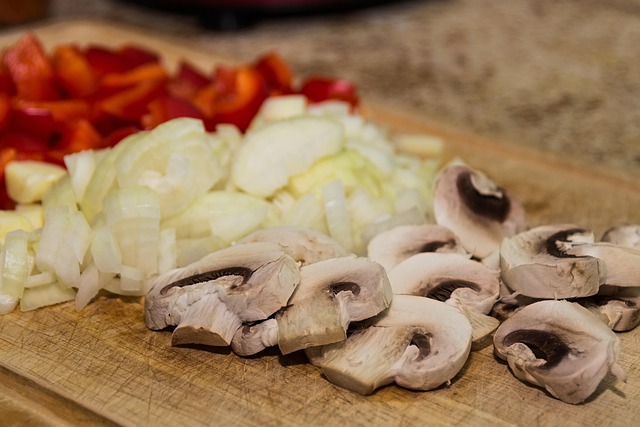
Using the same cutting board for raw meat and fresh vegetables is one of the most widespread kitchen hygiene mistakes. Cross-contamination between protein and produce is a leading cause of foodborne illness in home kitchens. Different boards should be designated for different food types and kept consistently separate. Even boards that appear clean after a rinse can retain bacteria deep within knife grooves. Sanitizing boards thoroughly after each use and replacing heavily scored ones prevents the spread of harmful pathogens.
Refrigerator Temperature
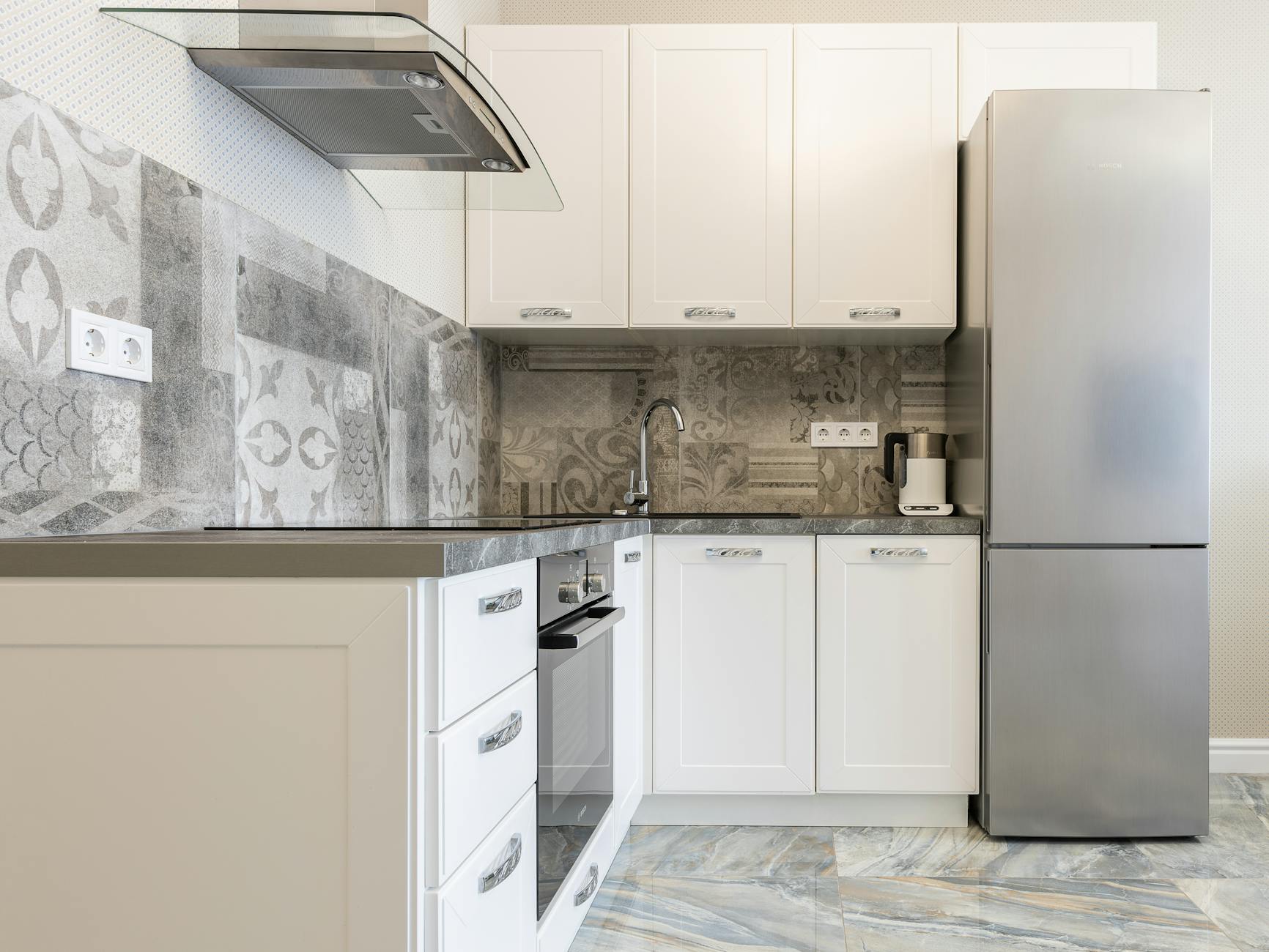
A refrigerator that feels cold is not necessarily set to the correct food-safe temperature. The ideal internal temperature sits at or below four degrees Celsius to slow bacterial growth effectively. Many households run their fridges slightly warmer than recommended without ever realizing it. An inexpensive fridge thermometer is one of the easiest ways to verify that food is being stored safely. Checking and adjusting the temperature setting periodically is a basic step that is frequently skipped.
Dish Towel
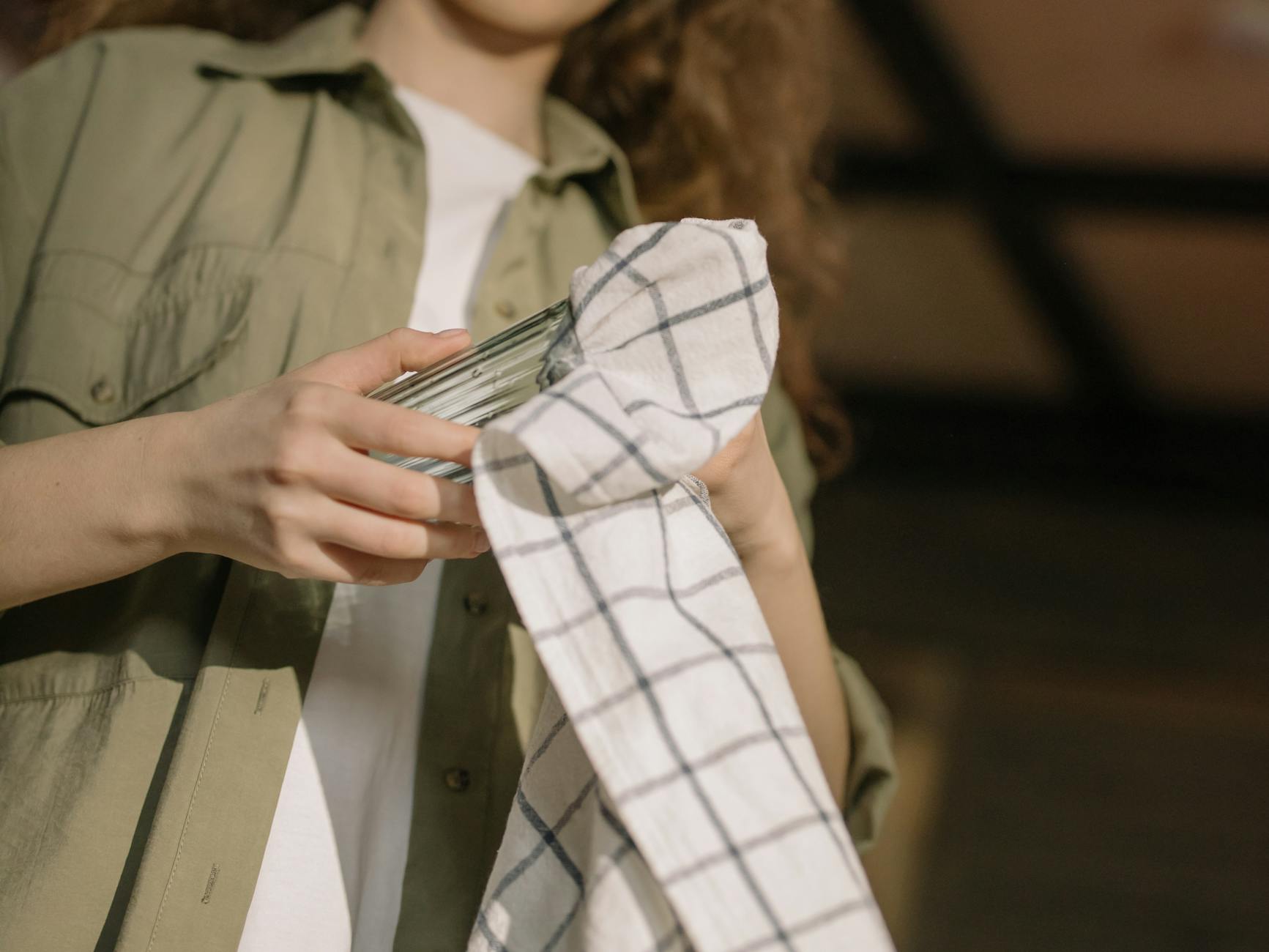
Dish towels are used constantly throughout the day and rarely changed with the frequency they require. A towel used to dry hands, wipe surfaces, and dry dishes in the same session transfers bacteria between each of those surfaces. Damp towels left hanging create an ideal breeding ground for mold and bacteria overnight. Food safety experts recommend washing dish towels after every one to two days of regular use. Having several towels in rotation makes this habit far easier to maintain consistently.
Raw Meat Storage

Storing raw meat on upper refrigerator shelves puts everything stored below it at risk of contamination through drips and leaks. Raw proteins should always be placed on the lowest shelf of the refrigerator in a sealed container or tray. This single adjustment eliminates one of the most common sources of cross-contamination in home kitchens. Many foodborne illness cases are traced back to improper meat storage rather than cooking errors. Using a dedicated lower shelf consistently is a straightforward rule that dramatically reduces risk.
Handwashing Technique
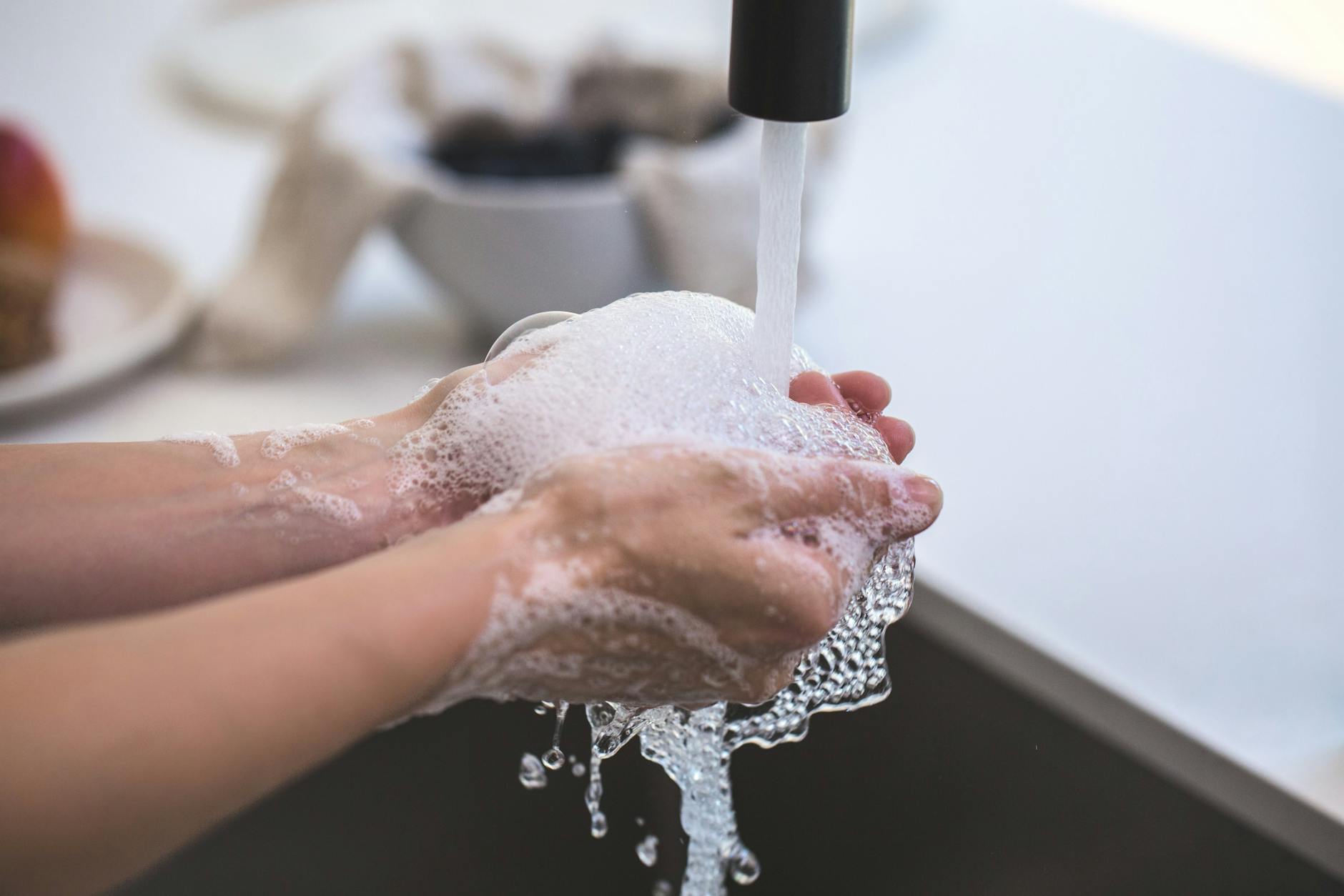
Rinsing hands briefly under water before cooking is not the same as washing them properly. Effective handwashing requires at least twenty seconds of scrubbing with soap, covering the backs of hands, between fingers, and under nails. Many people skip handwashing entirely when transitioning between handling raw ingredients and other tasks. Touching a phone, a drawer handle, or a bag of flour after handling raw chicken transfers bacteria immediately. Building the habit of thorough handwashing at every transition point is one of the highest-impact hygiene steps in any kitchen.
Leftovers

Allowing cooked food to cool on the counter for extended periods before refrigerating creates a significant bacterial risk. The temperature range between four and sixty degrees Celsius is known as the danger zone where bacteria multiply at their fastest rate. Leftovers should be transferred to the refrigerator within two hours of cooking to stay within safe guidelines. Placing large portions in shallow containers helps them cool faster once inside the fridge. Labeling leftovers with the date they were made also ensures food is eaten or discarded within a safe window.
Can Opener
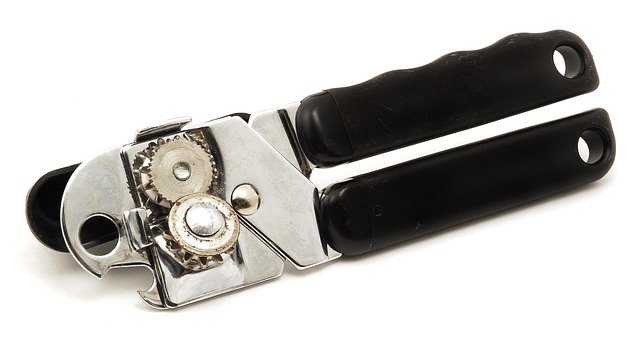
The can opener is one of the most used and least cleaned tools in most kitchens. Its cutting wheel and gears come into direct contact with food every time it is used, accumulating residue over time. Bacteria can grow on dried food particles lodged in the mechanism between uses. Most people give the tool a quick wipe at best, which is far from adequate cleaning. Washing the can opener with hot soapy water and allowing it to fully dry after each use prevents buildup from becoming a hygiene concern.
Spice Jars
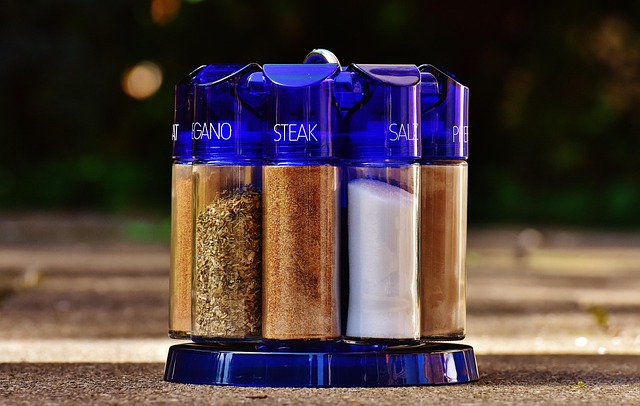
Spice jars are routinely handled mid-recipe when hands are coated in raw egg, meat juices, or other ingredients. Every time a jar is grabbed and returned to the shelf without cleaning, contamination is transferred to the container’s surface. These jars are rarely wiped down and can accumulate a surprising amount of bacteria over time. The same applies to oil bottles, vinegar containers, and other frequently touched condiment vessels. Wiping jar surfaces with a damp cloth regularly and washing hands before handling them mid-cook significantly reduces this risk.
Kitchen Sink
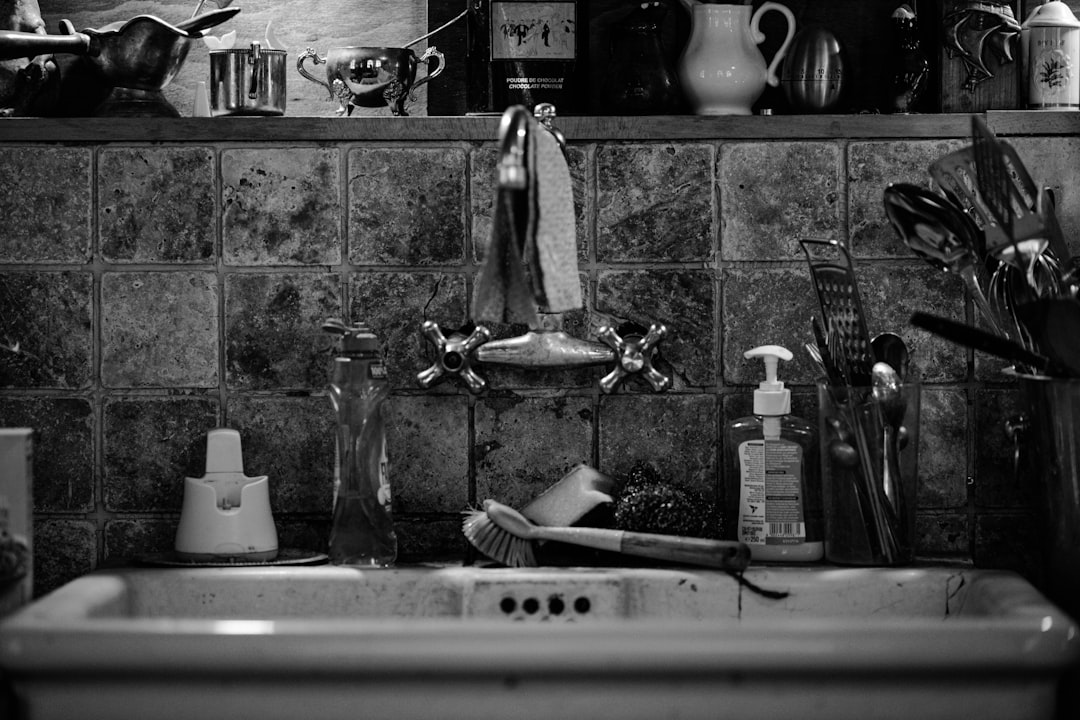
The kitchen sink sees heavy use throughout the day but is often cleaned far less frequently than it needs to be. Food particles, grease, and moisture collect around the drain and basin, making it one of the germiest spots in the home. Many people assume a quick rinse with water is sufficient, but this does little to eliminate bacteria. The sink should be scrubbed with a disinfecting cleaner regularly, including the faucet handles and surrounding rim. The drain particularly benefits from a weekly cleaning to prevent buildup and unpleasant odors.
Wooden Utensils
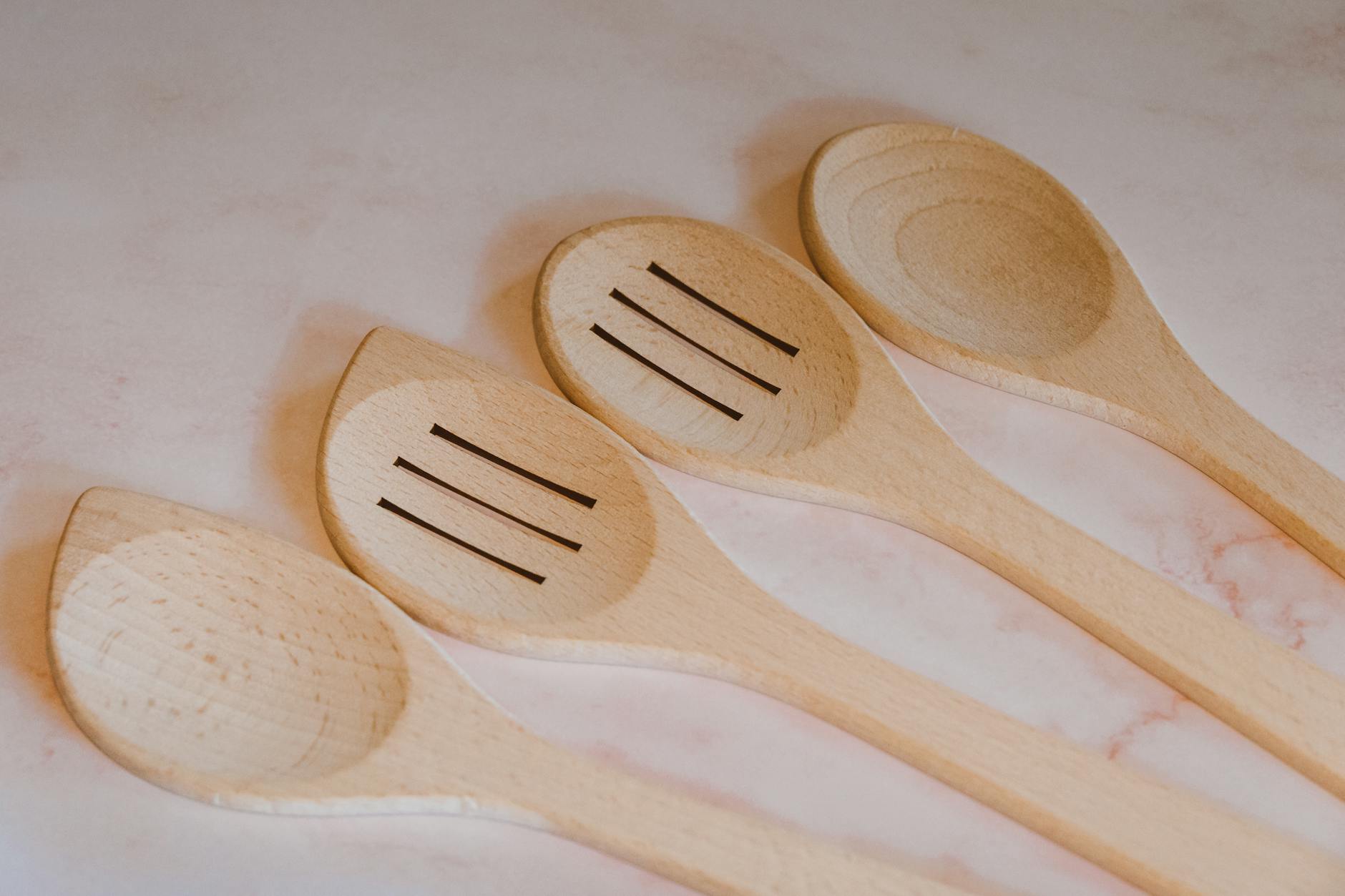
Wooden spoons and spatulas are kitchen staples, but their porous surface makes them harder to fully sanitize than their material might suggest. Cracks and grooves that develop over time trap bacteria and food residue even after washing. Soaking wooden utensils for extended periods can cause the wood to absorb water and warp, creating even more crevices for bacteria to hide. These tools should be washed promptly after use and allowed to dry fully in a well-ventilated area. Replacing heavily cracked or discolored wooden utensils is advisable rather than attempting to restore them.
Food Thawing
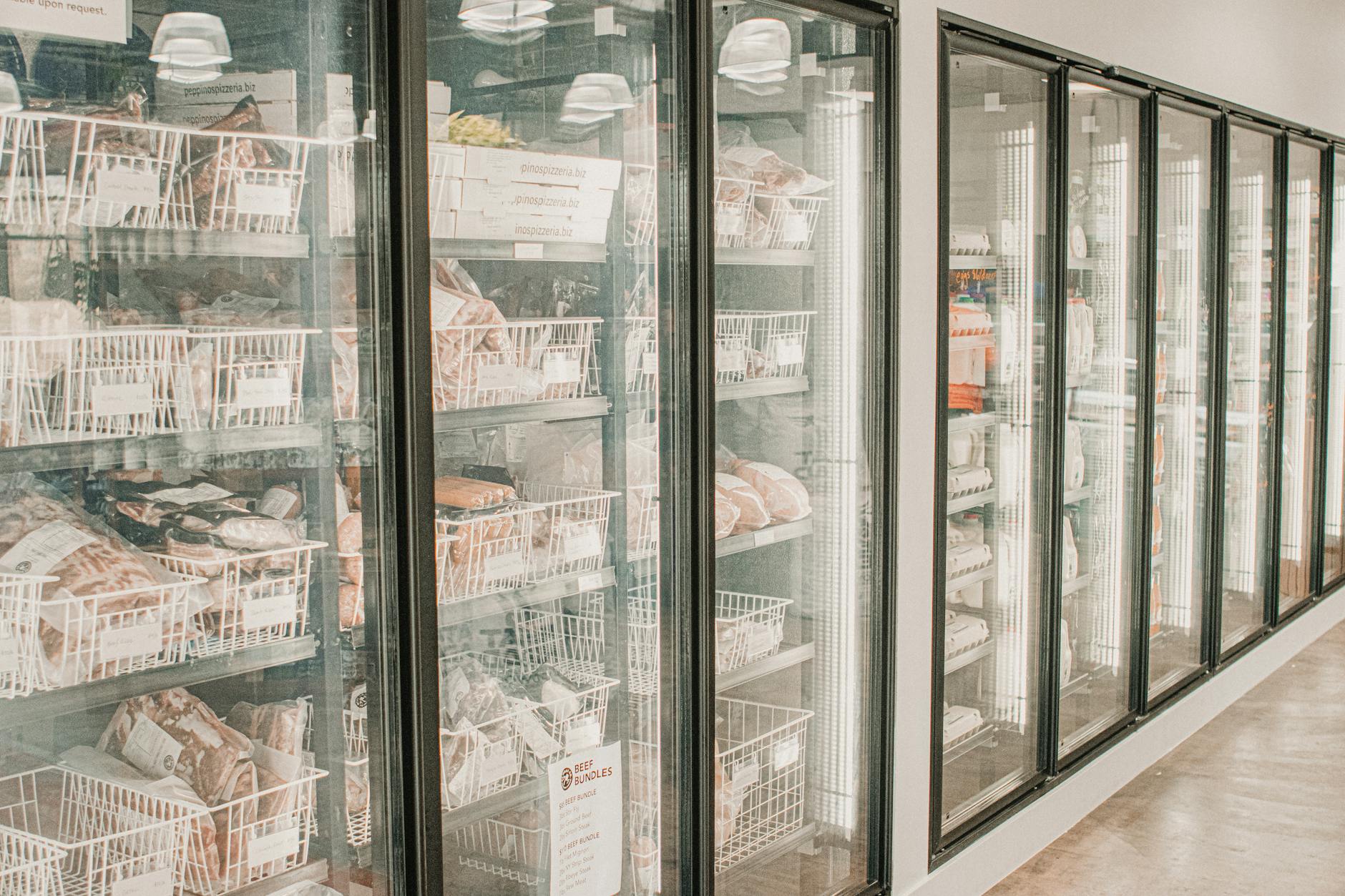
Leaving frozen meat or fish on the countertop to thaw at room temperature is a deeply ingrained habit that poses a real health risk. The outer layers of the food reach room temperature and enter the bacterial danger zone long before the interior has defrosted. The safest methods for thawing are overnight in the refrigerator, under cold running water, or in the microwave immediately before cooking. Planning ahead and allowing adequate refrigerator thaw time eliminates the need for countertop defrosting entirely. This adjustment alone can significantly reduce the risk of foodborne illness in a household.
Blender
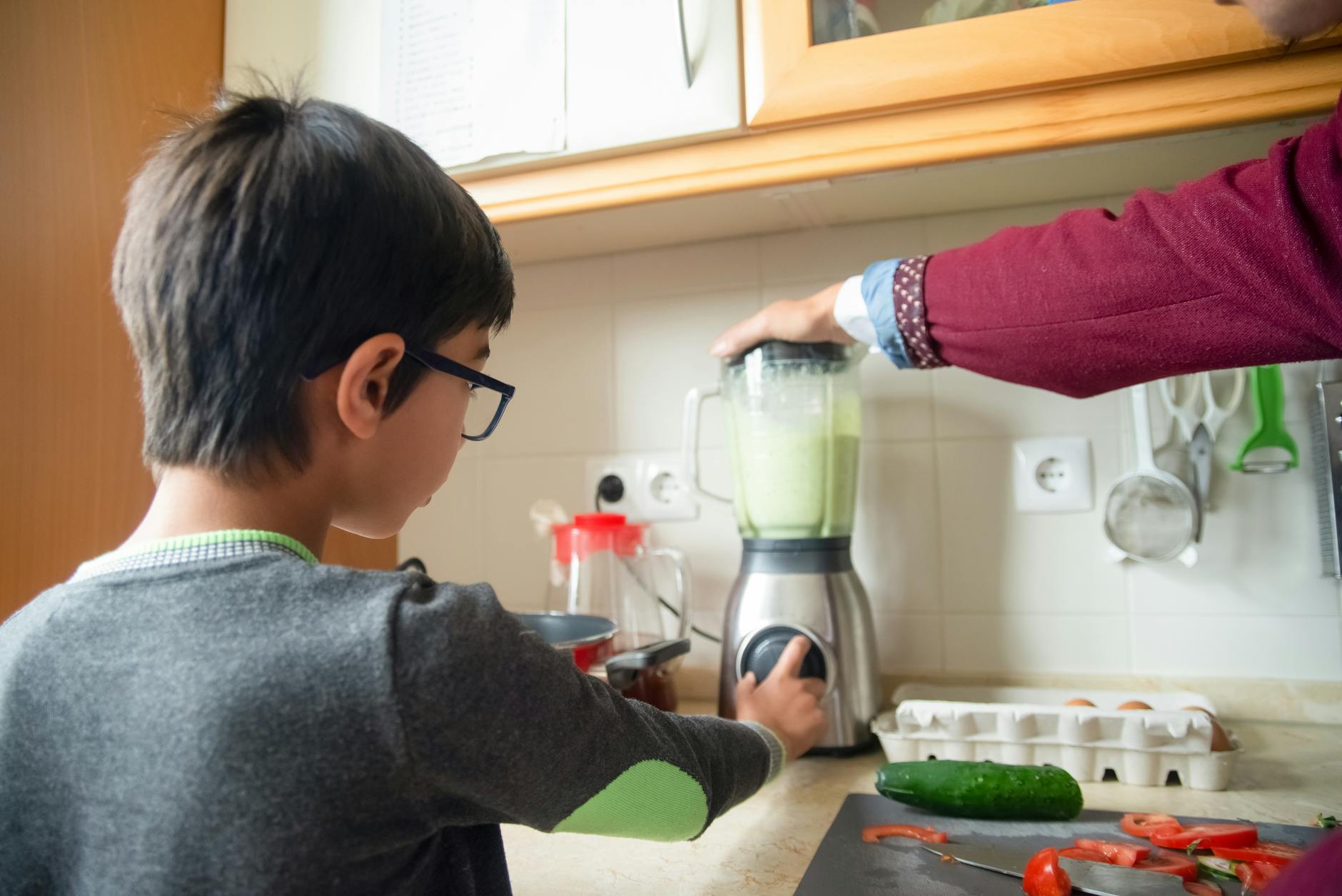
The blender is frequently rinsed with water and returned to the shelf without ever being properly dismantled and cleaned. The rubber gasket at the base of the blade assembly is one of the most bacteria-prone components in any kitchen. It traps food, moisture, and residue in an area that a surface rinse never reaches. Fully disassembling the blender and washing each component separately is the only way to clean it adequately. This practice applies equally to food processors, hand blenders, and any other appliances with detachable blade components.
Produce Washing
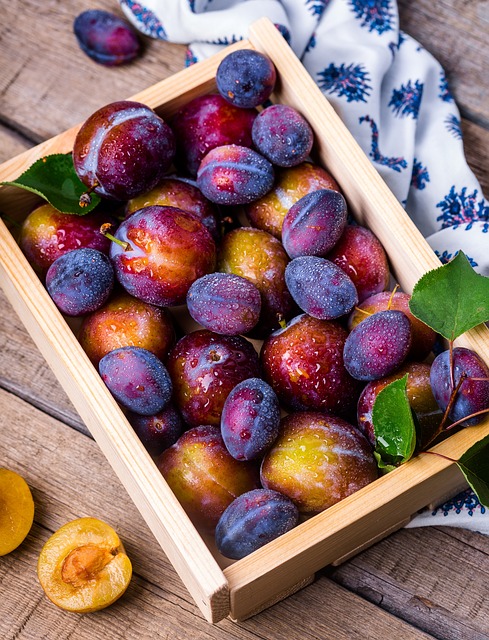
Many people skip washing produce that comes pre-bagged or pre-cut, assuming it has already been cleaned. Even items labeled as ready-to-eat benefit from an additional rinse immediately before consumption. Firm fruits and vegetables such as apples, cucumbers, and melons should be scrubbed under running water even when the skin is not eaten. Bacteria on the outer surface can be transferred to the flesh by a cutting knife during preparation. Washing all produce regardless of its packaging or apparent cleanliness is a simple and effective precaution.
Microwave Interior
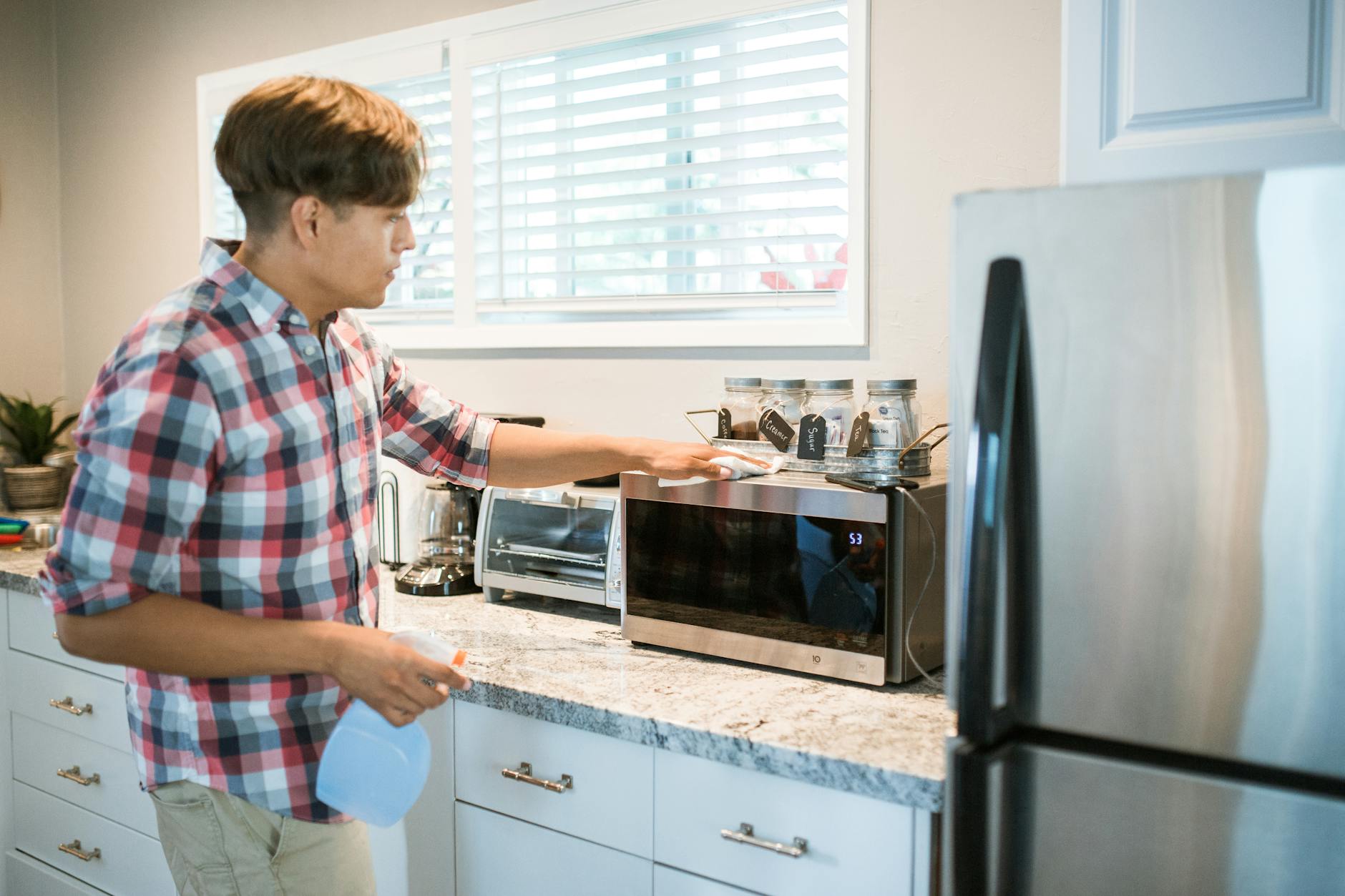
The microwave interior is one of the most neglected surfaces in the average kitchen. Food splatters accumulate with every use and quickly dry onto the walls and ceiling of the cavity. Bacteria and mold can develop in these residues, particularly in the warm and intermittently moist environment. Many households clean the microwave only when the buildup becomes visually obvious, which is far too infrequently. Wiping down the interior with a damp cloth after every few uses and deep cleaning weekly keeps this appliance genuinely hygienic.
Pet Bowls

Pet food and water bowls are often placed in or near the kitchen and washed with far less regularity than human dishes. A dog or cat bowl left with standing water or food residue develops a bacterial biofilm relatively quickly. Many owners refill water bowls without emptying and rinsing them first, allowing contamination to build over time. Pet bowls should be washed daily with hot water and dish soap, just as human crockery would be. Keeping pet feeding areas as clean as the rest of the kitchen is an important and often overlooked consideration.
Food Storage Containers
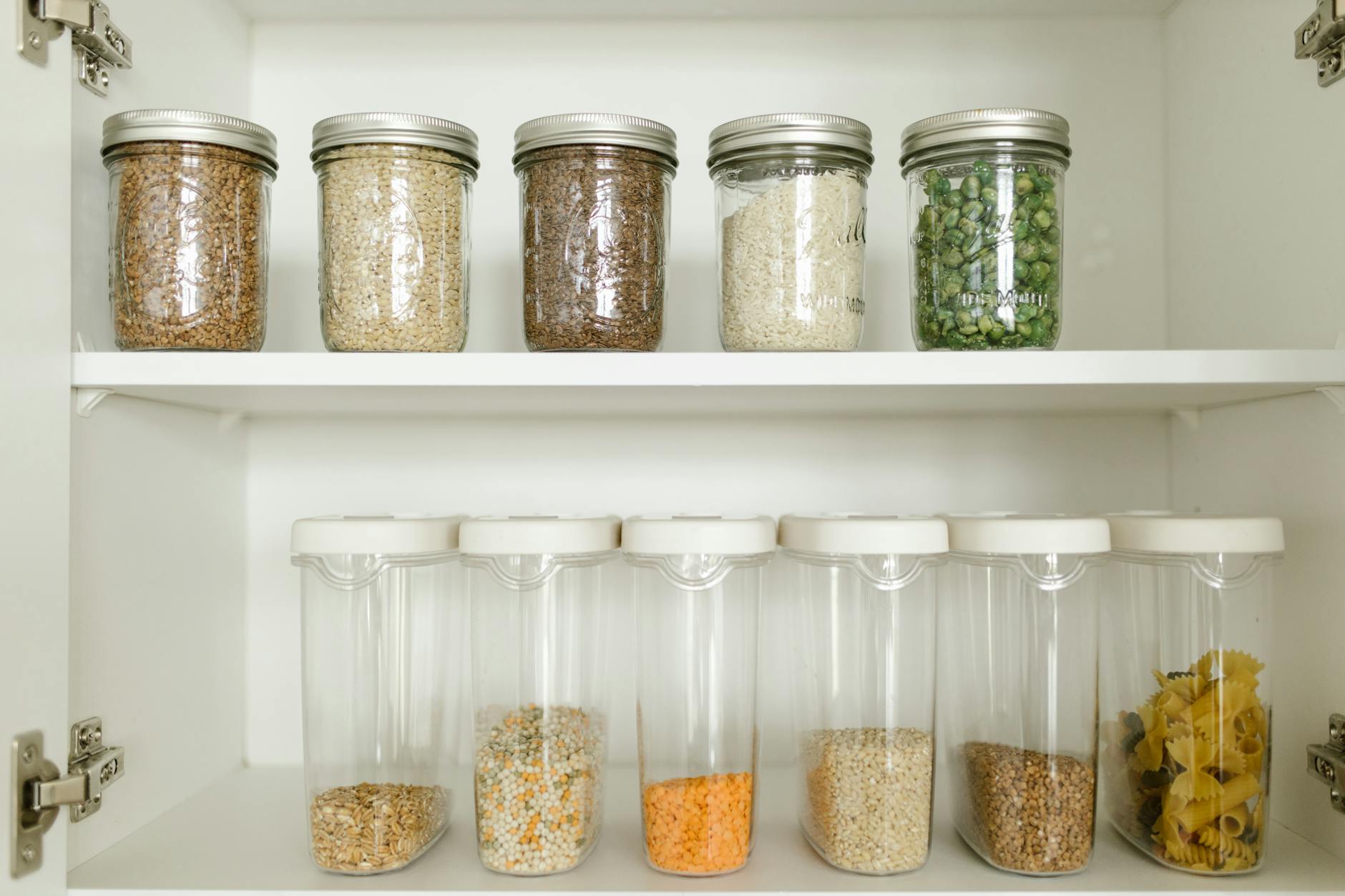
Plastic food storage containers with lids are a common culprit for harbouring bacteria in areas that are difficult to clean. The grooves around the lid’s sealing edge trap food particles and moisture that a standard wash often misses. Containers should be washed with the lid separated and attention paid to all crevices in the rim and hinge areas. Staining on plastic containers is a sign that residue has been absorbed into the material and may indicate that replacement is overdue. Glass containers with simple lids offer a more hygienic alternative for long-term food storage.
Pantry Organization
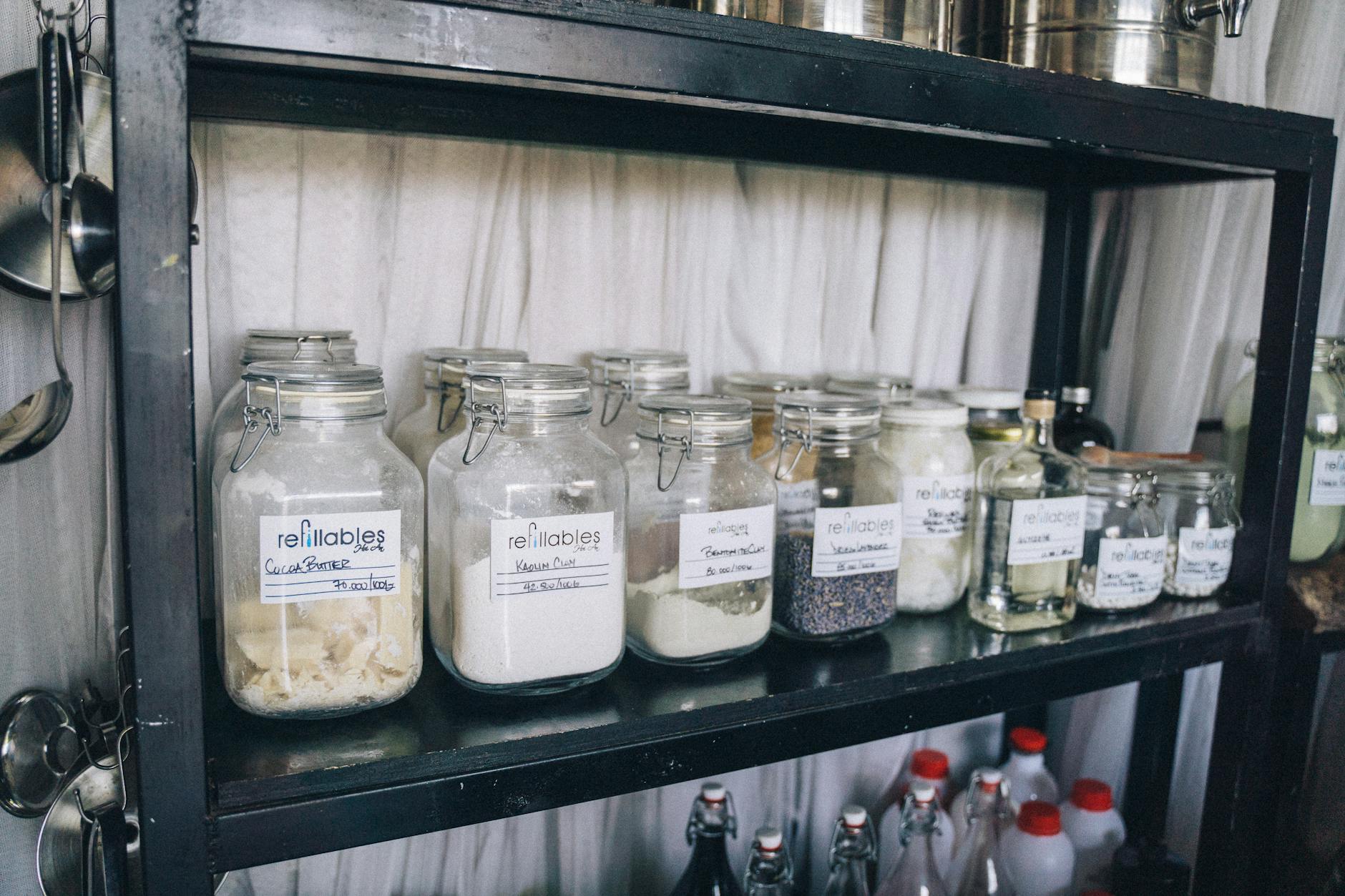
Storing open dry goods without proper resealing allows moisture, insects, and bacteria to enter packaging over time. Items like flour, grains, and cereals left in loosely closed bags deteriorate in hygiene faster than most people realize. Transferring staples to airtight containers not only maintains freshness but also prevents cross-contamination between different products. Pantry shelves themselves collect dust, crumbs, and grease over time and should be wiped down regularly. Rotating items so that older stock is used before newer purchases also reduces the chance of consuming expired goods unknowingly.
Stovetop Knobs
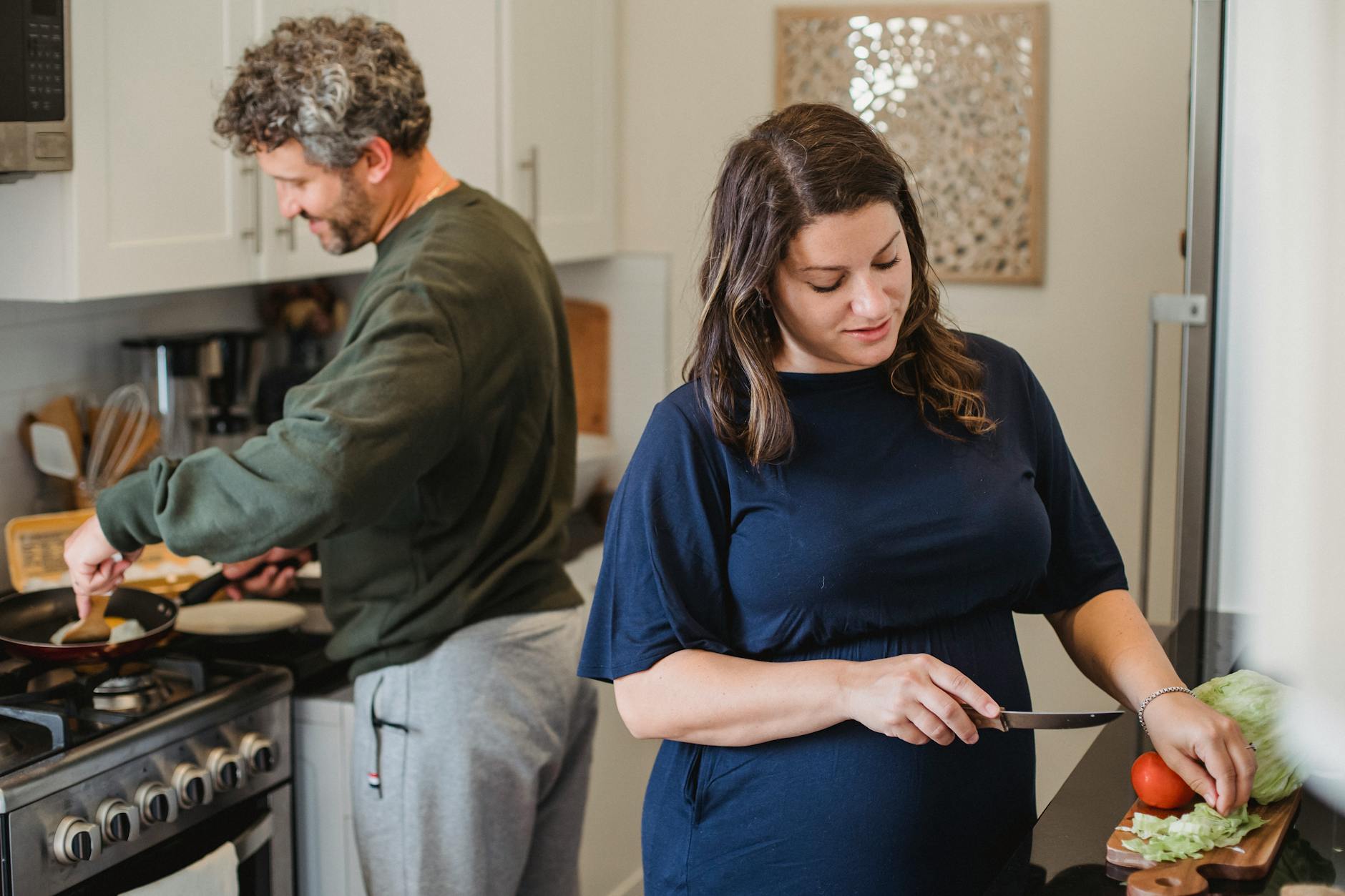
Stovetop knobs are touched multiple times during every cooking session, often with hands carrying raw food residue, oil, and grease. Unlike the stovetop surface itself, the knobs are rarely included in post-cooking cleaning routines. Bacteria transferred to knobs can survive and multiply between uses, making them a consistent source of contamination. Removable knobs should be taken off and washed separately on a regular basis, while fixed knobs should be wiped with a damp disinfecting cloth. Including knobs as part of the standard stovetop cleaning routine requires minimal extra effort and meaningfully improves kitchen hygiene.
Expiry Dates

Ignoring expiry dates on condiments, sauces, and canned goods is a common habit that carries real food safety implications. Items that have been in the refrigerator door for months or years may no longer be safe to consume even if they appear and smell normal. Condiments in particular are often kept well beyond their recommended use-by dates without a second thought. Auditing the refrigerator and pantry every few weeks to identify and remove expired products keeps food stores genuinely safe. This habit also ensures that storage space is occupied by items that are actually fit for use.
Knife Storage

Storing knives loosely in a kitchen drawer causes blade damage but also creates a hygiene concern that is often overlooked. Blades that contact other utensils accumulate scratches where bacteria can reside. Drawer storage also makes knives difficult to clean thoroughly, as residue can transfer between items. A magnetic knife strip or a designated knife block allows each blade to be stored separately and dried properly after washing. Keeping knives clean, dry, and stored individually maintains both their condition and the hygienic standard of the kitchen.
Oven Cleaning
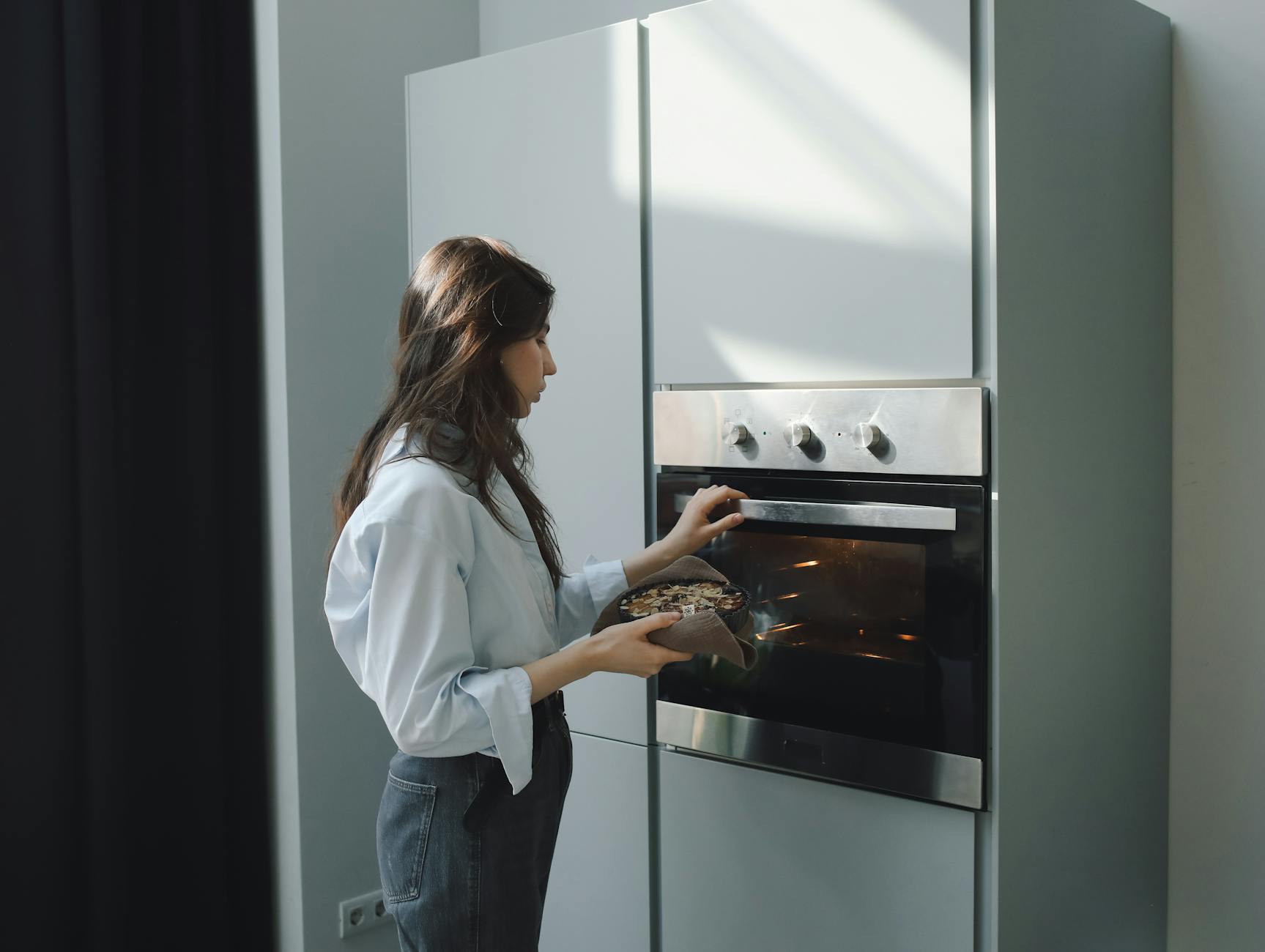
The oven interior is one of the most avoided cleaning tasks in any kitchen, often going months or even years between thorough cleanings. Grease and food residue that bakes onto the oven walls over repeated use can produce harmful smoke and affect the flavor of food. Buildup in the oven also harbors bacteria that can transfer to new food placed inside. Self-cleaning oven functions are not always sufficient to address heavily soiled surfaces. A manual deep clean with an appropriate oven cleaner every few months is the most reliable way to maintain this appliance hygienically.
Reusable Bags
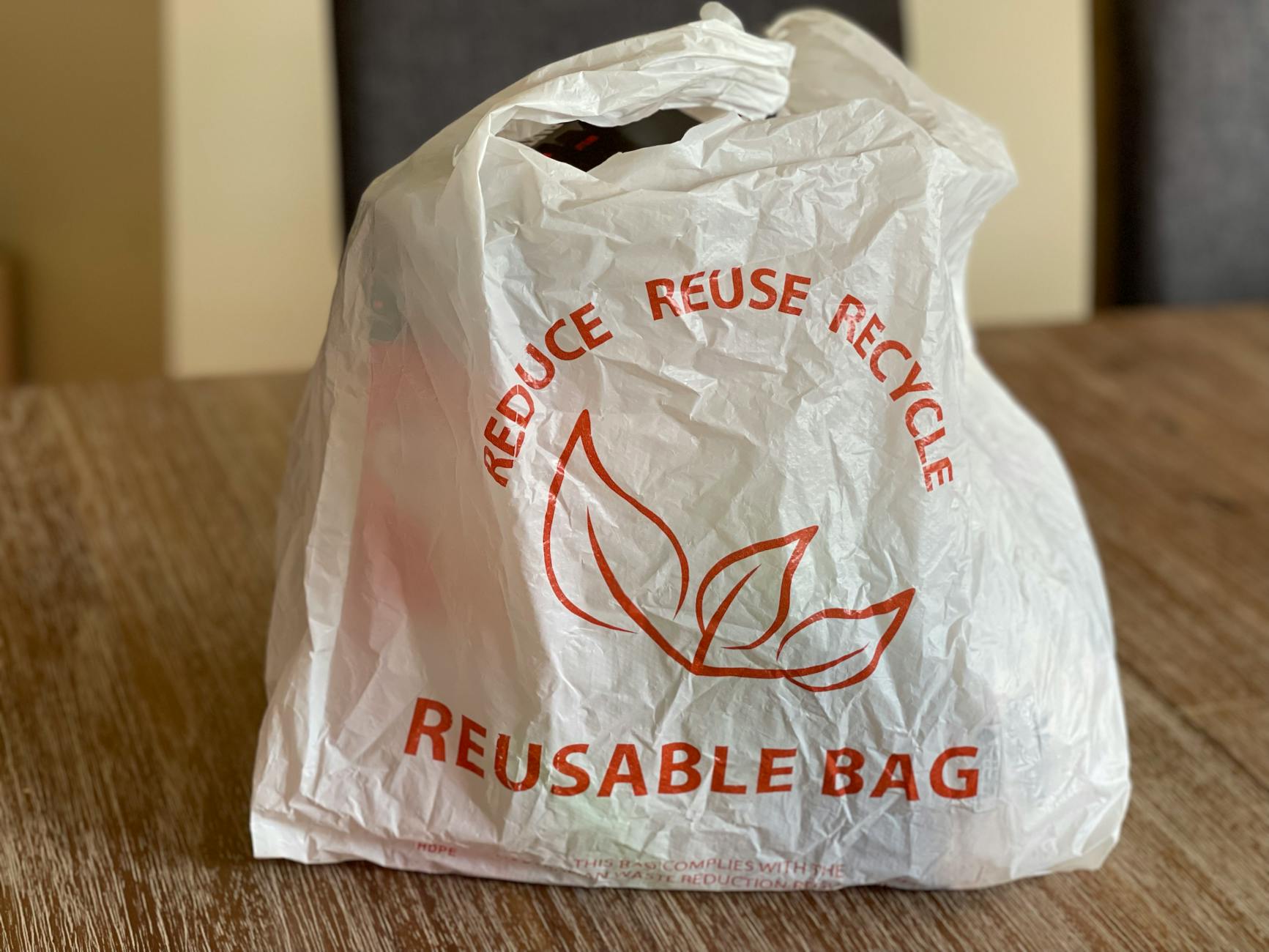
Reusable grocery bags are an environmentally thoughtful choice, but they require regular washing to remain hygienic. Studies have found significant bacterial contamination in reusable bags that are never washed, particularly those used to carry raw meat or produce. Most fabric bags are fully machine washable, while insulated bags can be wiped down with disinfecting solution. Using separate bags for different categories of groceries and washing them consistently prevents cross-contamination between shopping trips. Treating reusable bags with the same hygiene standards as other kitchen tools ensures they remain a safe choice.
Kitchen Floor
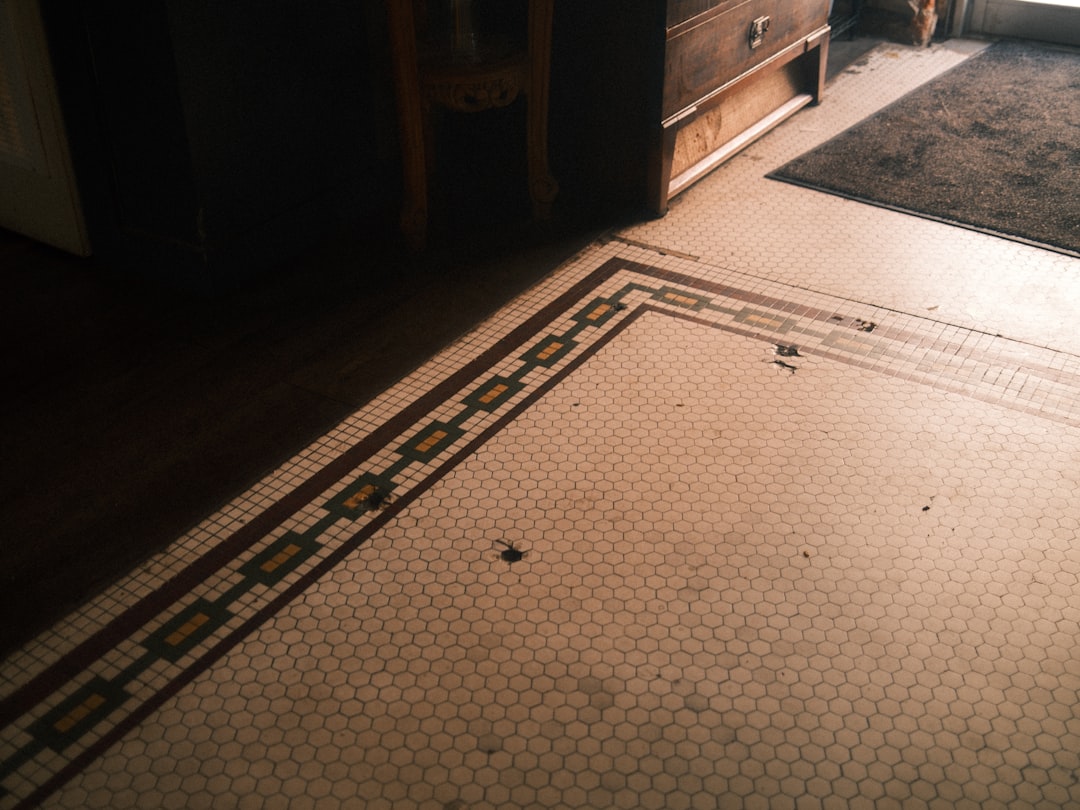
The kitchen floor collects food debris, grease splatter, and tracked-in bacteria from footwear throughout the day. Many households sweep or vacuum the floor regularly but mop far less frequently than the traffic and spills the kitchen floor receives would warrant. Dropped food that is picked up and placed back on a surface can carry floor bacteria onto food preparation areas. Mopping with a disinfecting solution at least once or twice a week is advisable in a regularly used kitchen. Paying particular attention to the area immediately in front of the stove and sink, where the most activity and spillage occurs, makes a noticeable difference.
Countertop Cleaning

Wiping countertops with a dry cloth or a reused damp sponge is one of the most common kitchen hygiene missteps. This method often spreads bacteria across the surface rather than removing it. A food-safe disinfecting spray followed by a clean cloth or paper towel is the appropriate approach for countertop cleaning. Countertops should be cleaned before and after food preparation, not only when they appear visibly dirty. This is especially important in households where raw meat, eggs, or unwashed produce are regularly placed directly on the counter surface.
What kitchen hygiene habits have you recently rethought or improved upon? Share your experience in the comments.