A small, well chosen knife lineup covers almost every task in a home kitchen without cluttering drawers or dulling your budget. The goal is to match each knife to a job it does better than anything else, from chopping vegetables to slicing bread cleanly. These essentials focus on control, comfort, and versatility rather than specialty shapes you will rarely reach for. With the right basics, prep becomes faster, safer, and more consistent.
Chef’s Knife
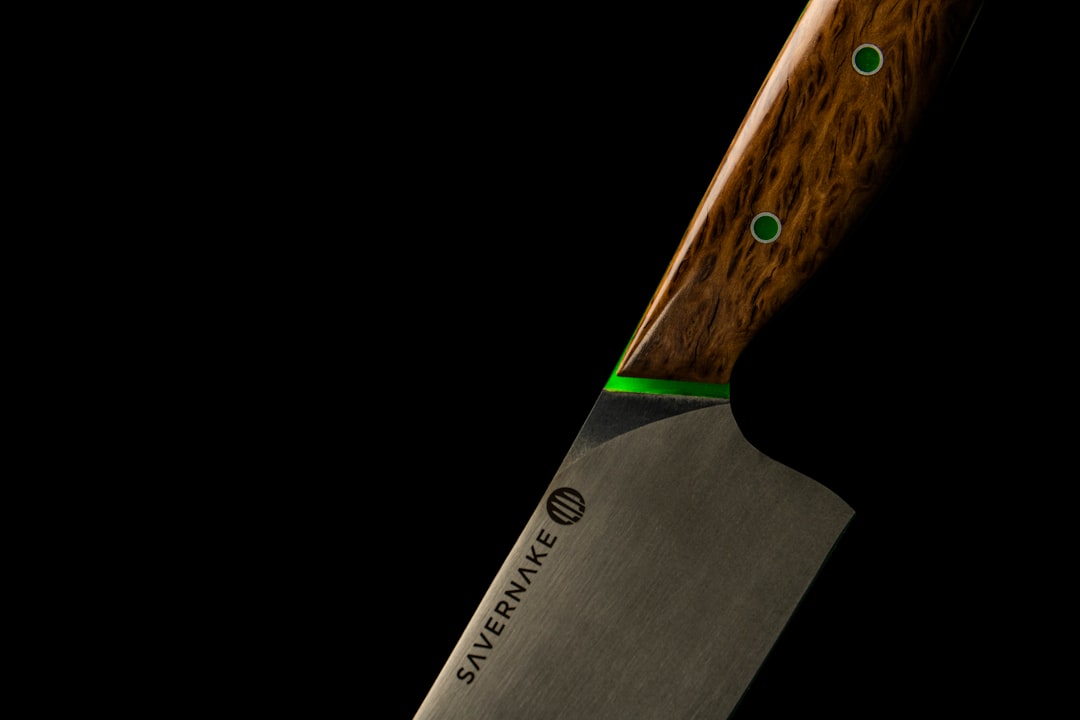
A chef’s knife is the main workhorse for most kitchens because it handles chopping, slicing, and dicing with ease. The broad blade gives knuckle clearance on a cutting board and makes it simple to scoop ingredients into a pan. Its curved edge supports a smooth rocking motion for herbs and aromatics while still allowing straight cuts for vegetables. For everyday cooking, this single knife covers the widest range of prep tasks.
Paring Knife
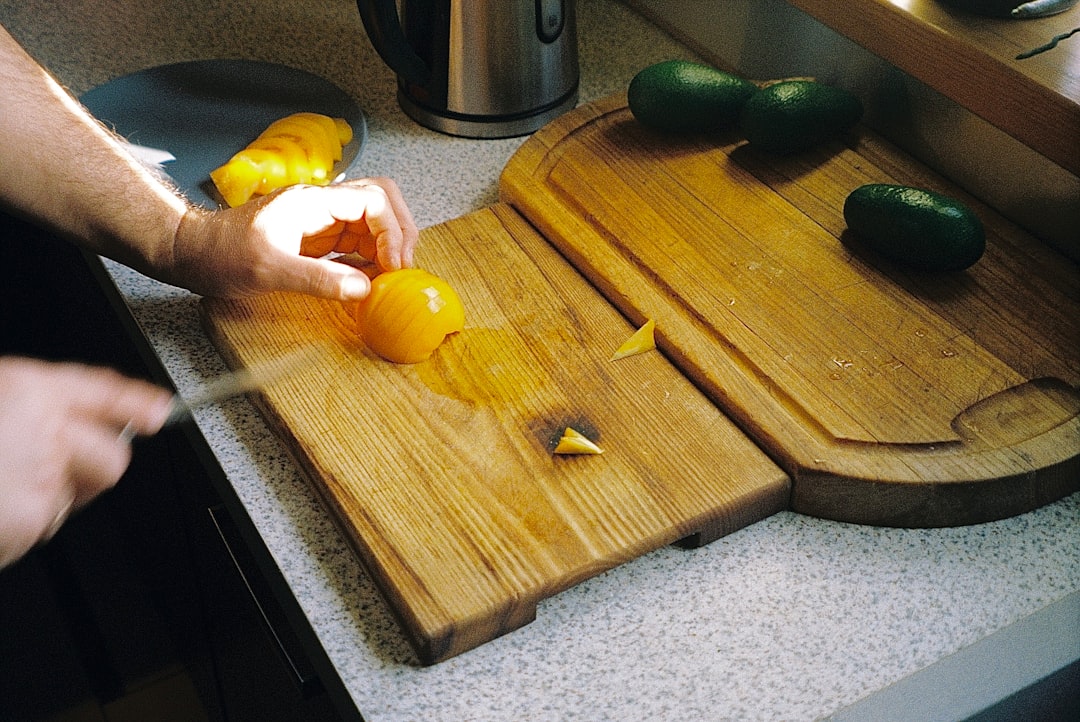
A paring knife is designed for small, precise work where control matters more than blade length. It is ideal for peeling fruit, trimming stems, coring, and cutting garnishes neatly. The short blade makes it easier to maneuver in the hand, which helps reduce slips during detailed tasks. It also handles quick jobs that feel awkward with a larger chef’s knife.
Serrated Bread Knife
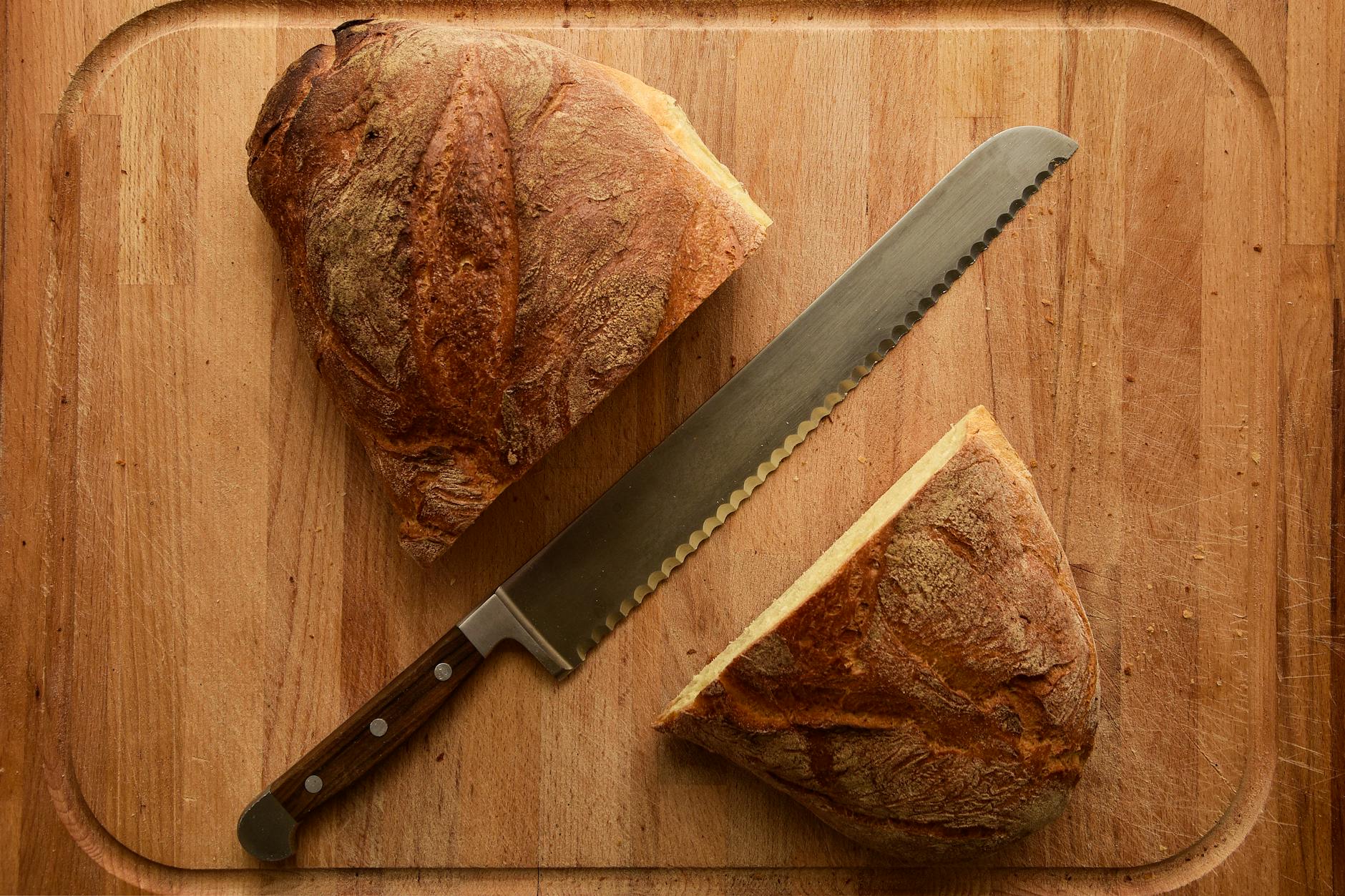
A serrated bread knife uses tooth like edges to grip and cut through crusty loaves without crushing the soft interior. It is also useful for delicate items such as ripe tomatoes, citrus, and layered cakes where a smooth blade can skid or tear. The long blade supports even slices with minimal pressure, which helps keep shapes intact. This knife earns its place because it solves a common problem other knives struggle with.
Utility Knife
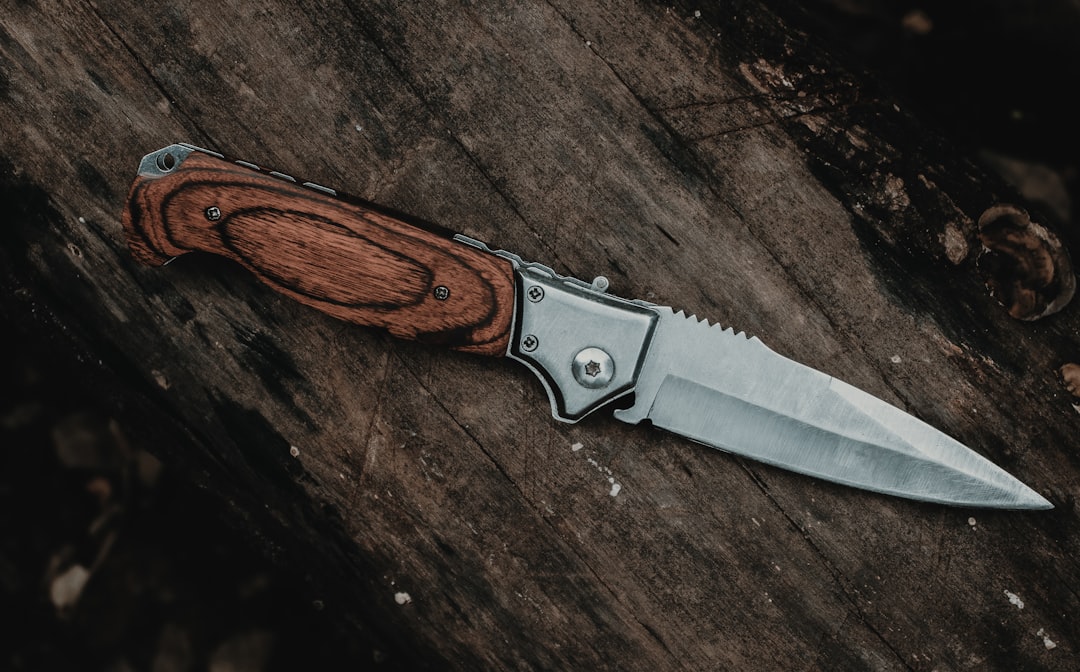
A utility knife fills the gap between a chef’s knife and a paring knife for medium sized ingredients. It works well for slicing sandwiches, cutting cheese, trimming vegetables, and portioning smaller proteins. The narrower blade can feel more agile than a chef’s knife while still offering enough length for clean cuts. It is especially helpful when you want speed and control without switching tools repeatedly.
Boning Knife
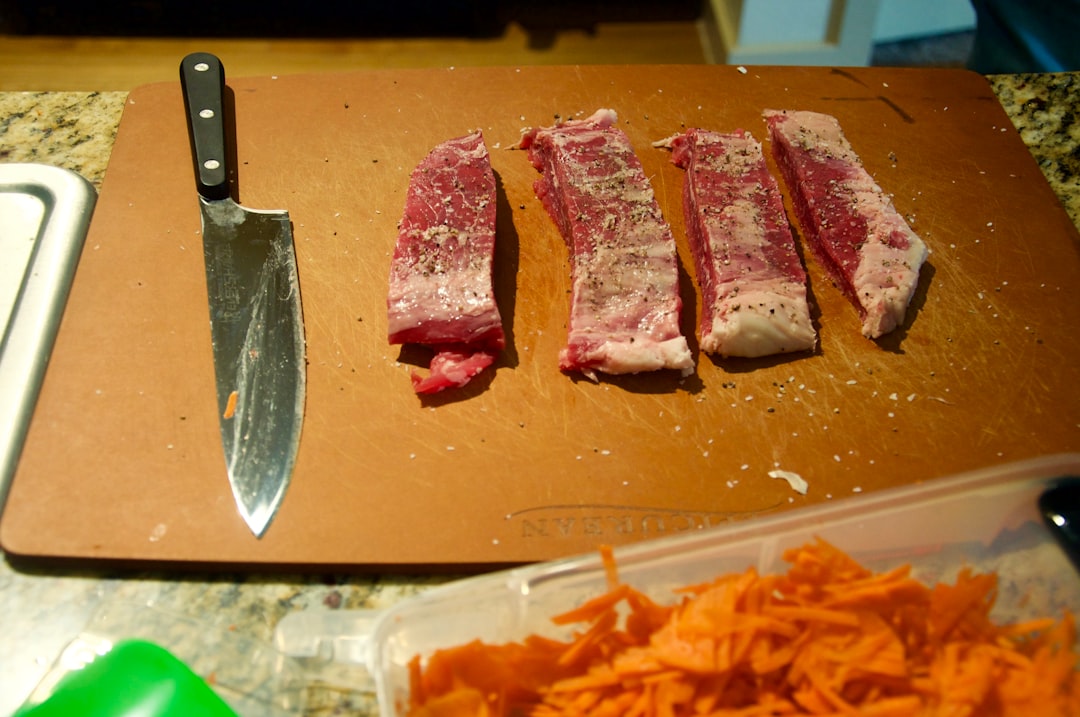
A boning knife is built for separating meat from bone and trimming fat with precision. Its slim, slightly flexible blade follows contours around joints and ribs more easily than a thicker knife. It is useful for breaking down poultry, trimming steaks, and cleaning up cuts for more even cooking. Home cooks who prep meat regularly will notice cleaner results and less waste with this knife.
Share which knives you rely on most and which one you would add next in the comments.