Your yard is one of the first things people notice about your home, and the state of it can significantly influence how much your property is worth. Many homeowners invest time and money into their outdoor spaces without realizing that certain common choices are quietly working against them. From overgrown hedges to poorly placed trees, landscaping errors can make a well-maintained home look neglected or even create serious structural risks. Understanding what to avoid is just as important as knowing what to plant. These are the twenty landscaping mistakes that could be costing you more than you think.
Neglecting Curb Appeal
The front yard is the face of your home, and leaving it unkempt sends an immediate signal to potential buyers and appraisers. Overgrown grass, cracked pathways, and bare soil patches create a first impression that is difficult to recover from. Studies in real estate consistently show that strong curb appeal can add meaningful value to a property before anyone even steps inside. A tidy, well-maintained front landscape communicates that the entire property has been cared for with attention to detail.
Overplanting
Crowding too many plants into a single bed or border is one of the most common errors homeowners make when trying to create a lush garden. As plants mature they compete for sunlight, water, and nutrients, leading to poor growth and a chaotic appearance. What looks full and intentional in the first season can become a tangled mess within a few years. Appraisers and buyers often view overplanted landscapes as a maintenance liability rather than an asset.
Invasive Species
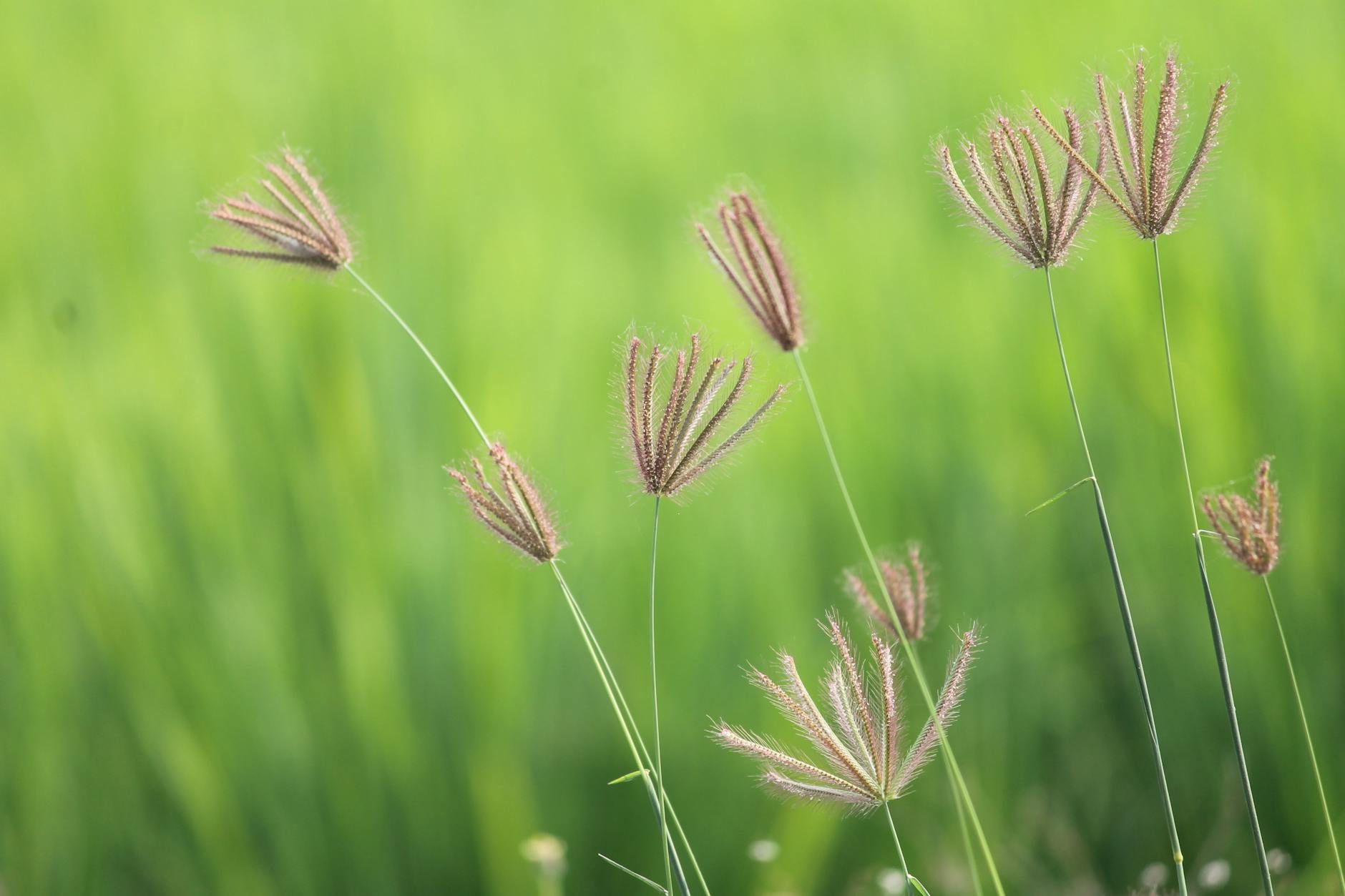
Planting species that are not native or regionally appropriate can quickly spiral into a serious problem for your property and your neighbors. Invasive plants spread aggressively, choking out other vegetation and disrupting the local ecosystem in ways that are difficult and expensive to reverse. Removal often requires professional intervention, and some invasive species can cause structural damage to fencing, pathways, and foundations. Choosing plants suited to your local environment protects both your investment and the surrounding landscape.
Poor Tree Placement
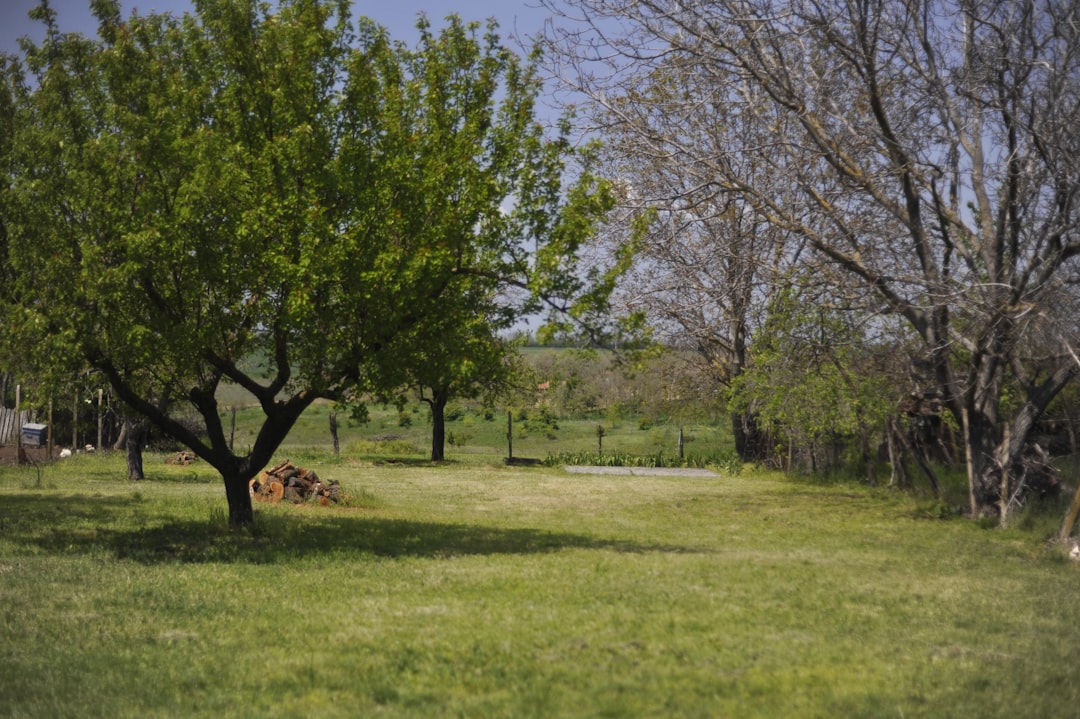
A tree planted too close to the house can cause significant damage over time as its root system expands and its canopy grows. Roots can crack foundations, invade plumbing, and lift paving stones, all of which are costly repairs that directly reduce property value. Overhanging branches create liability risks and can cause roof damage during storms. Strategic placement of trees considers their full mature size and the structures and utilities nearby.
Ignoring Drainage
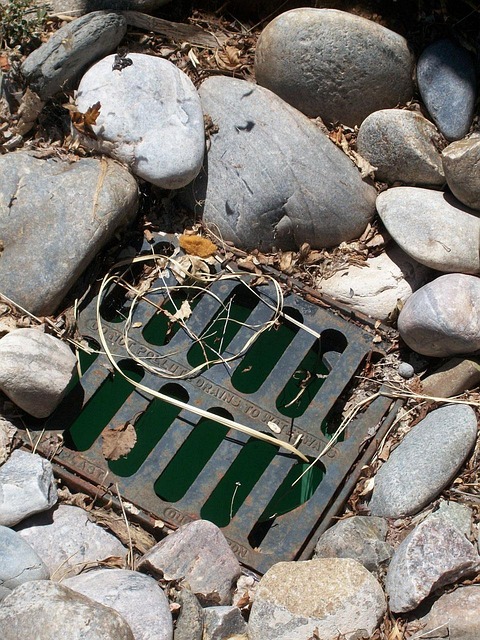
Water that pools on your property after rain is a warning sign that your landscape grading or drainage system needs attention. Poor drainage can lead to soggy lawns, eroded beds, damaged plant roots, and water intrusion into basements or crawl spaces. Buyers and home inspectors are quick to flag drainage problems because they suggest deeper structural vulnerabilities. Addressing drainage issues through proper grading, French drains, or permeable paving is one of the highest-return fixes a homeowner can make.
Fake Grass
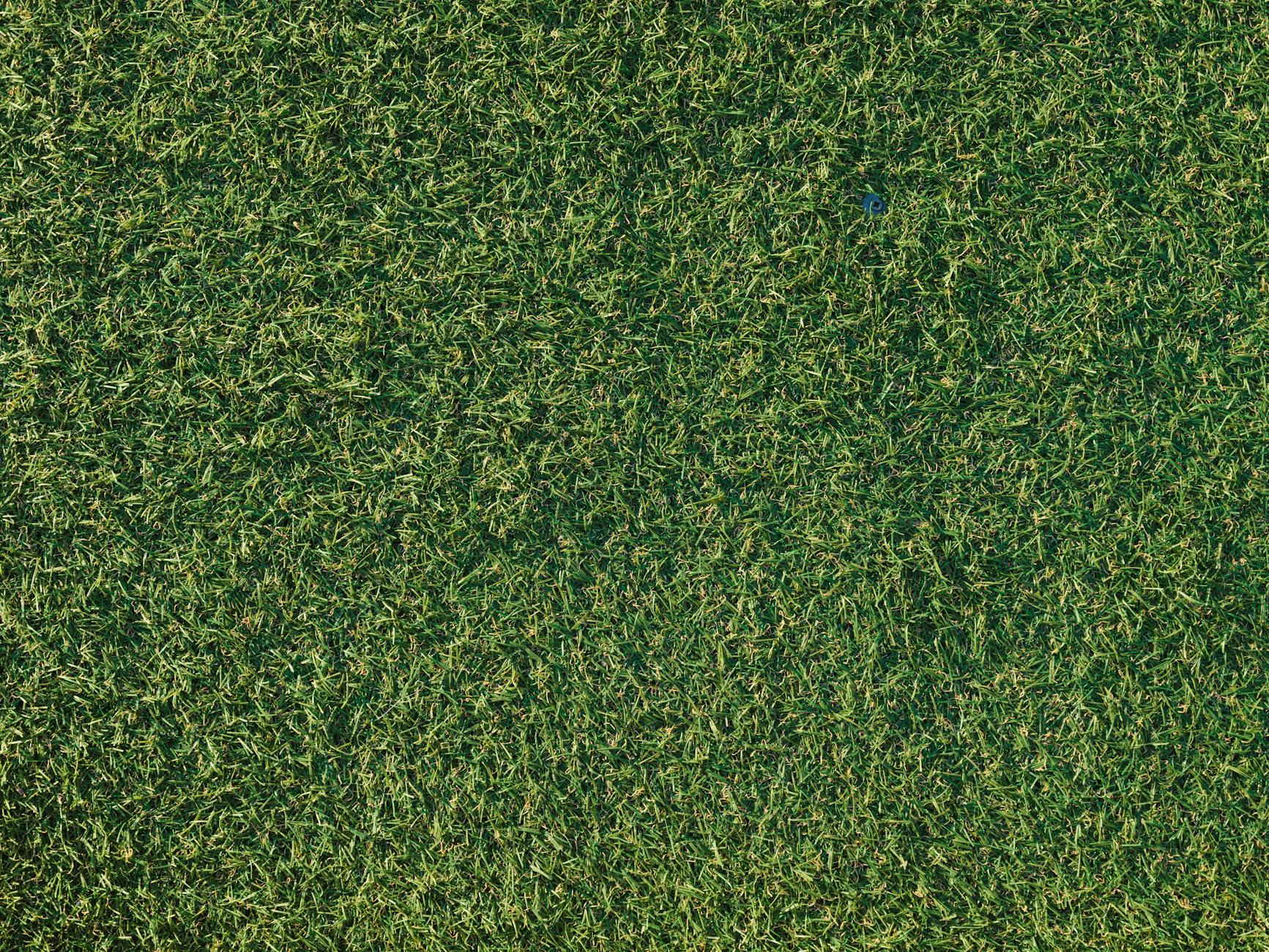
Artificial turf has become more sophisticated in recent years, but it remains a polarizing choice that many buyers actively dislike. Beyond aesthetics, synthetic grass retains heat, limits biodiversity, and does nothing to support healthy soil or local wildlife. In neighborhoods where natural landscaping is the norm, artificial turf can make a property feel out of place and harder to sell. Real estate data suggests that homes with artificial lawns often attract a narrower pool of interested buyers.
Dead or Dying Plants
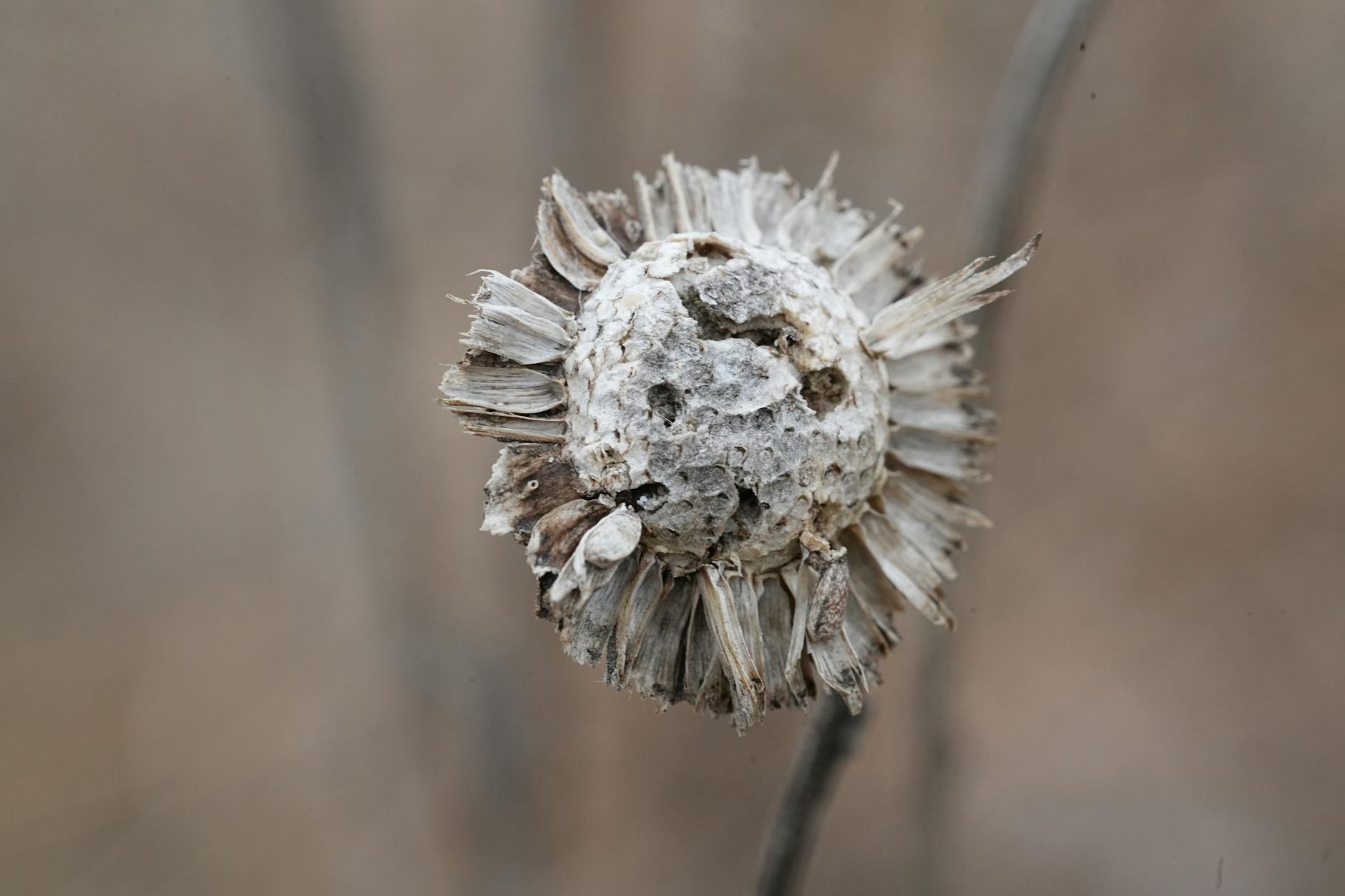
Leaving dead shrubs, wilted perennials, or dying trees in place sends a powerful negative message about the overall care of a property. Not only does it look neglected, but dead plant material can also harbor pests and disease that spread to healthy vegetation. Promptly removing and replacing failed plants is a basic but essential part of landscape maintenance. A landscape that shows consistent renewal and attention is far more appealing to buyers and appraisers alike.
Excessive Hardscaping
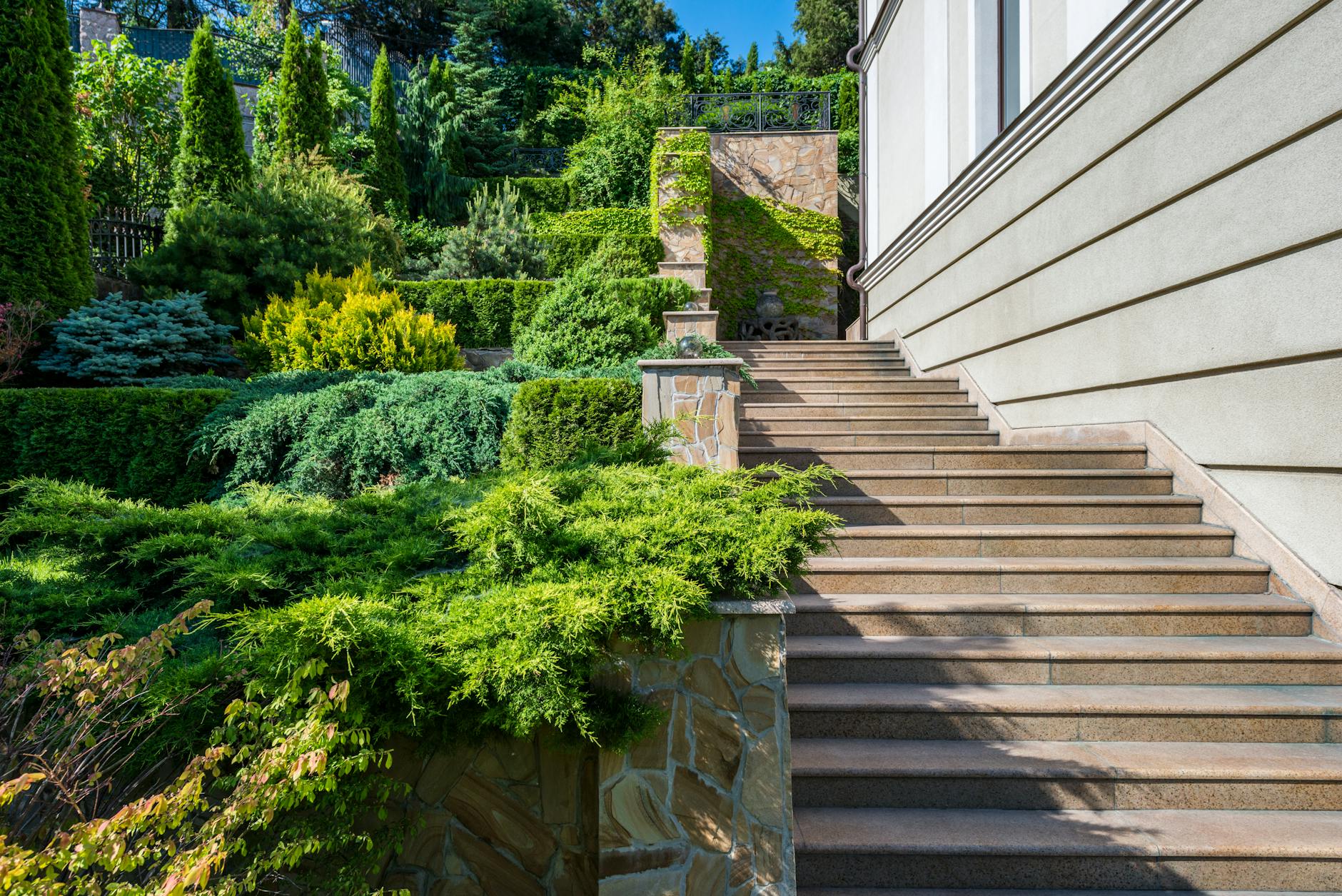
Replacing too much of your yard with concrete, pavers, or gravel eliminates the green space that many buyers consider essential to a home’s livability. A yard that is mostly hardscape can feel industrial and uninviting, and it reduces the environmental benefits that landscaping provides. Too much impervious surface also worsens drainage and contributes to heat retention around the property. Striking a balance between functional hardscape and planted areas creates a yard that feels both practical and welcoming.
Unmaintained Hedges
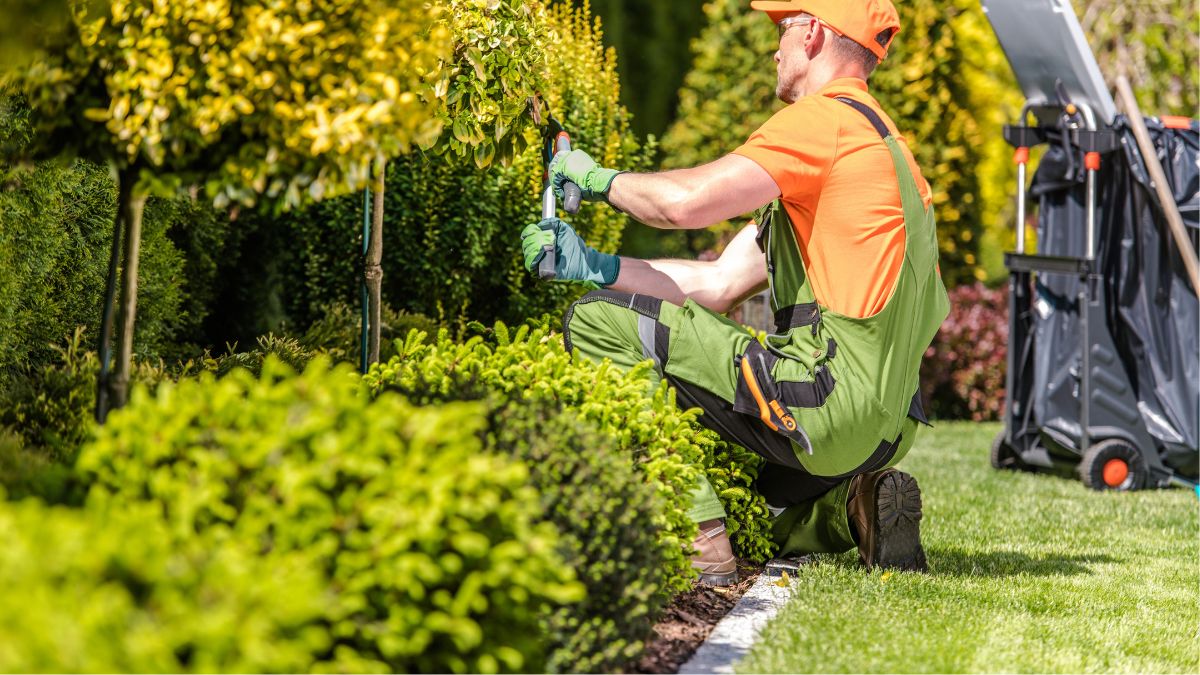
Hedges that have been allowed to grow without regular trimming quickly lose their shape and become an eyesore rather than a feature. Overgrown hedges can block natural light from windows, encroach on neighboring properties, and create hiding spots that raise security concerns. Buyers often factor in the ongoing cost of hedge maintenance when evaluating a property, particularly if the hedges are large and numerous. Keeping hedges neatly trimmed and at an appropriate height preserves their value as a structural element of the landscape.
Lawn Chemicals Overuse
Applying excessive pesticides, herbicides, and synthetic fertilizers may keep a lawn looking green in the short term but causes significant harm beneath the surface. Over time, heavy chemical use degrades soil health, kills beneficial insects and microorganisms, and can contaminate groundwater. Buyers who are environmentally conscious increasingly scrutinize the chemical history of a property’s outdoor spaces. Transitioning to organic lawn care practices protects the long-term health and appeal of the landscape.
No Outdoor Lighting
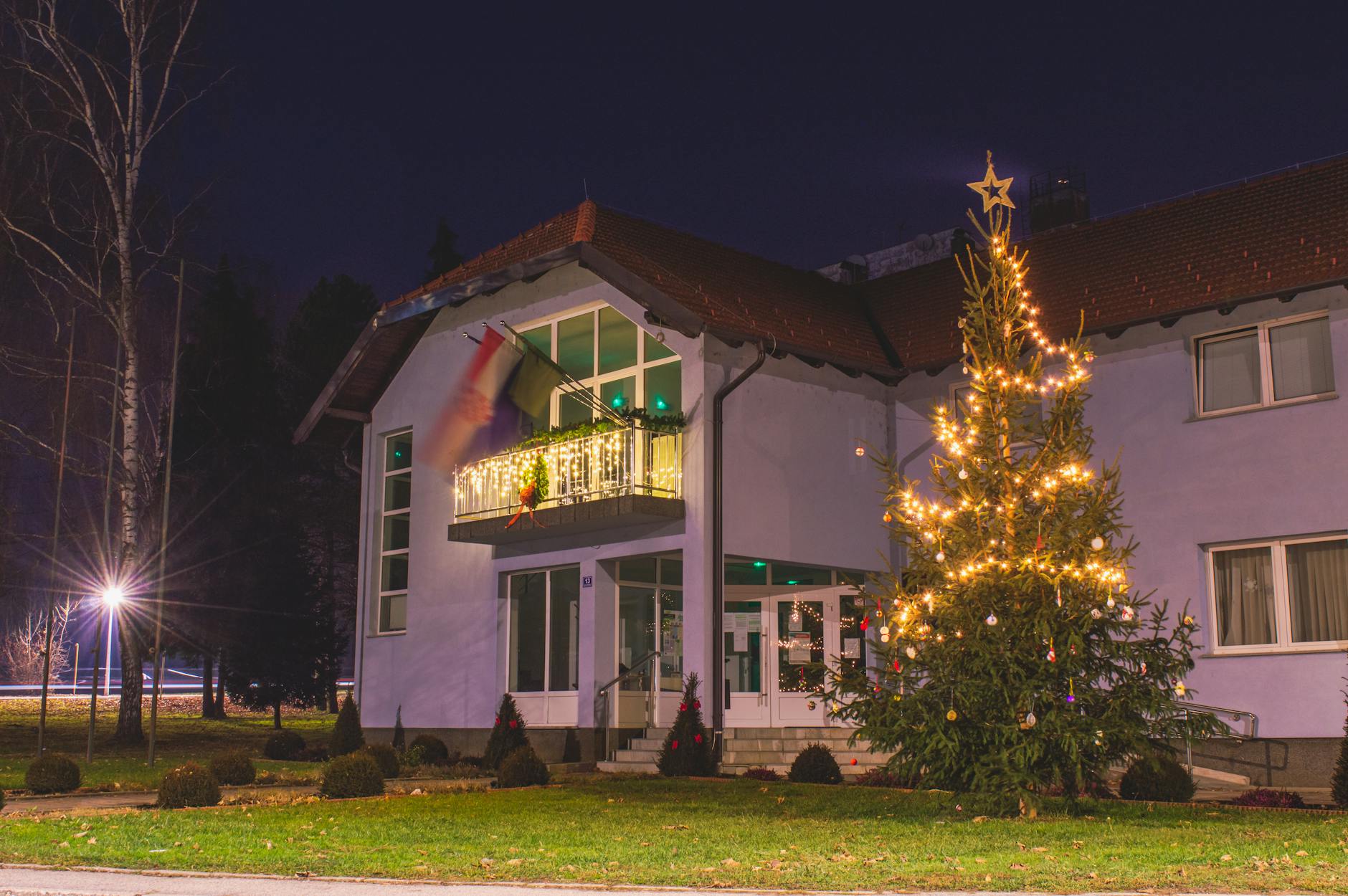
A landscape that has no lighting is completely invisible at night, missing an opportunity to showcase the property during evening hours. Outdoor lighting adds safety, security, and ambiance, all of which are qualities that buyers associate with a well-considered home. Pathway lights, uplighting on trees, and porch fixtures create a warm and welcoming atmosphere after dark. Properties with well-designed outdoor lighting consistently photograph better and perform better in evening showings.
Garden Clutter
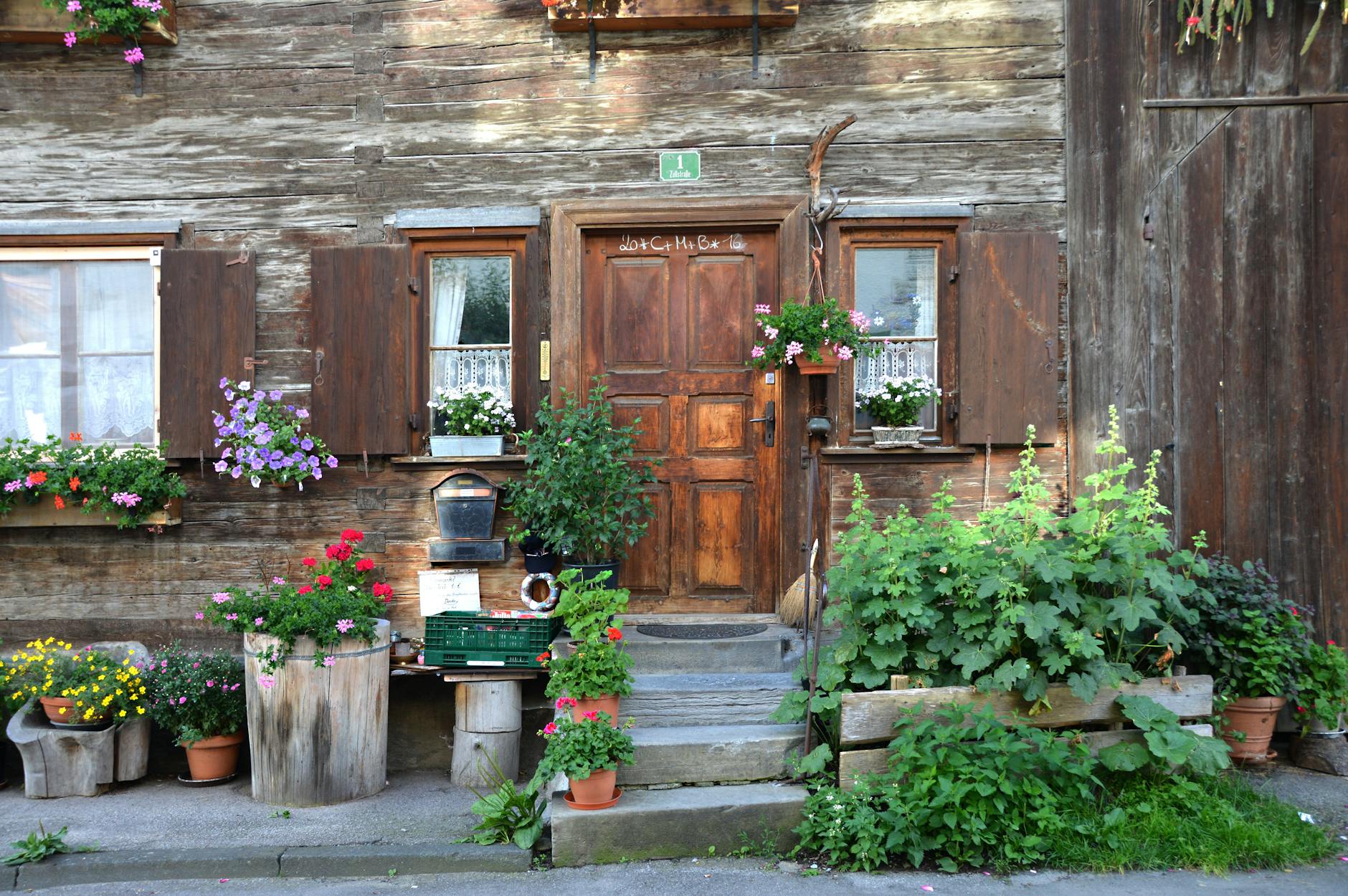
Decorative items, planters, wind chimes, and garden ornaments can add personality to a yard, but an accumulation of too many pieces creates visual noise. A cluttered garden looks disorganized and can distract from the quality of the plants and design beneath it. Buyers and appraisers tend to respond better to restrained, intentional styling than to a garden filled with mismatched décor. Editing down to a few well-chosen pieces allows the landscape itself to take center stage.
Skipping Mulch
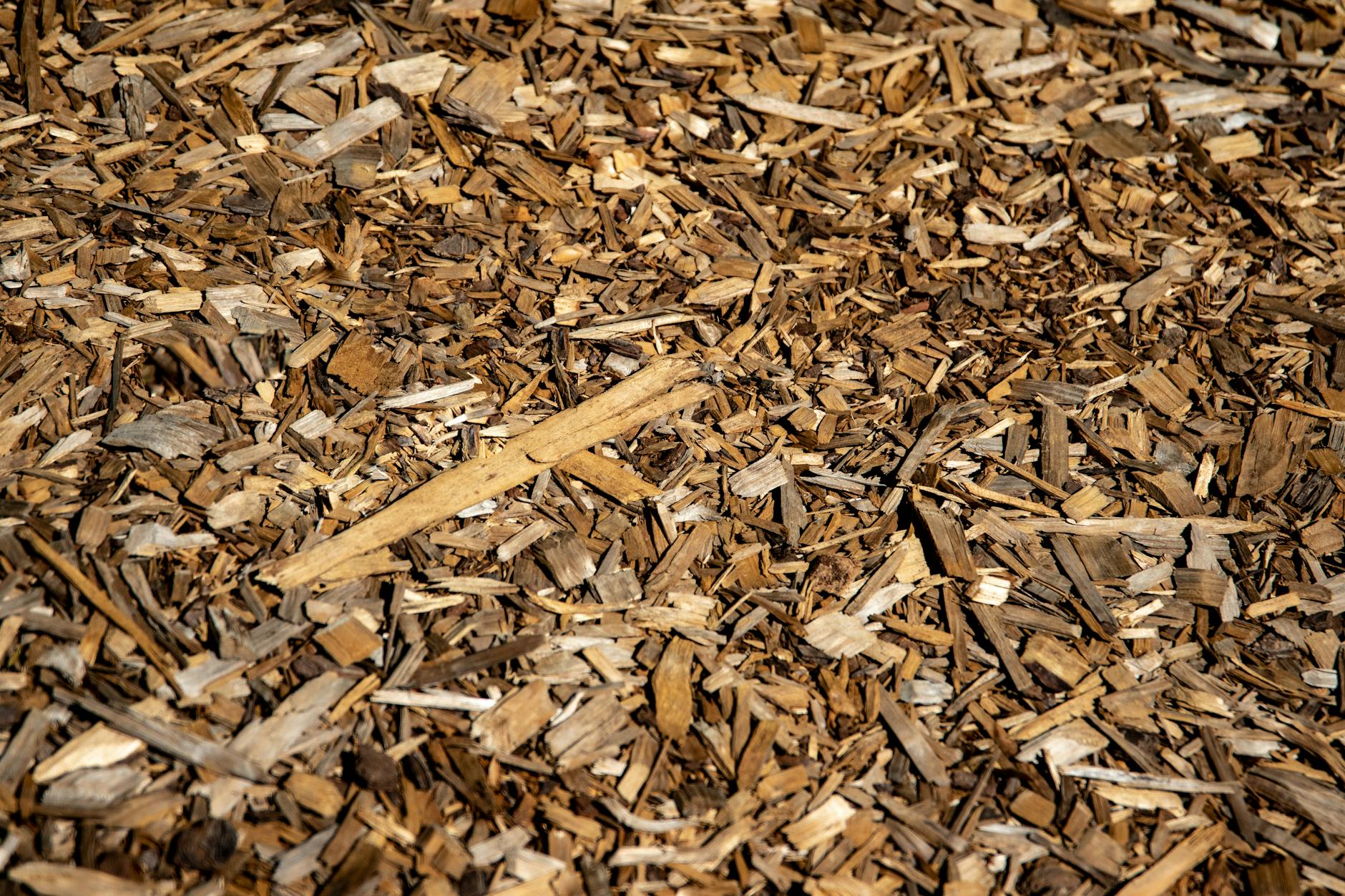
Bare soil in planting beds is not only visually unappealing but also harmful to plant health and long-term landscape quality. Mulch retains moisture, regulates soil temperature, suppresses weeds, and breaks down over time to enrich the earth beneath. A freshly mulched garden bed signals to buyers that the landscape has been actively maintained and cared for. Applying a consistent layer of mulch is one of the most affordable ways to immediately improve the appearance and health of any outdoor space.
Ignoring Edging
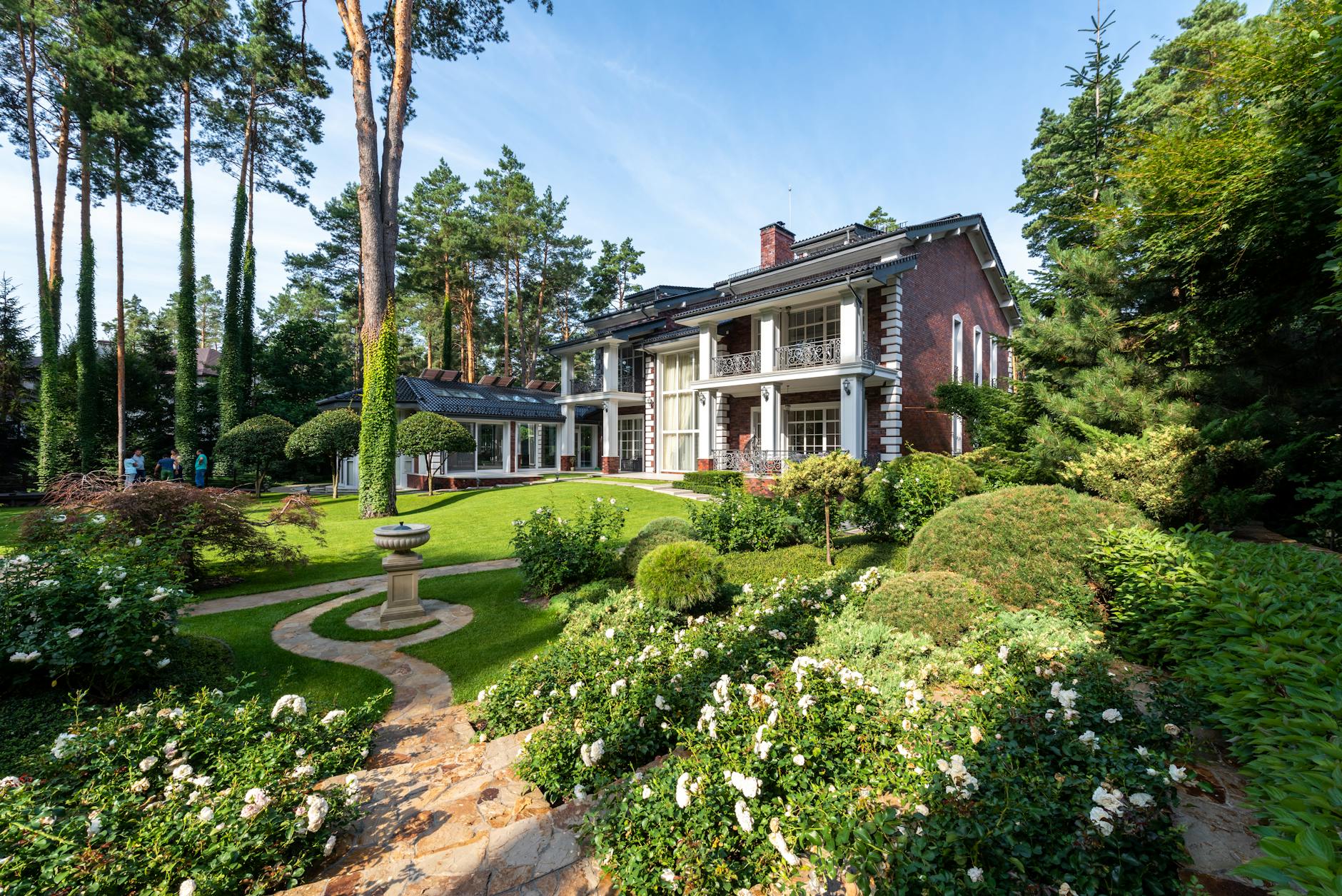
The lines between a lawn and a planting bed might seem like a minor detail, but clean edging has an outsized impact on how polished a landscape looks overall. Without defined edges, grass creeps into beds and the boundary between spaces becomes blurry and unkempt. Regular edging along pathways, driveways, and garden borders creates a crisp, intentional finish that elevates the entire yard. It is a low-cost task that delivers a noticeable improvement in perceived landscape quality.
Wrong Plant Scale
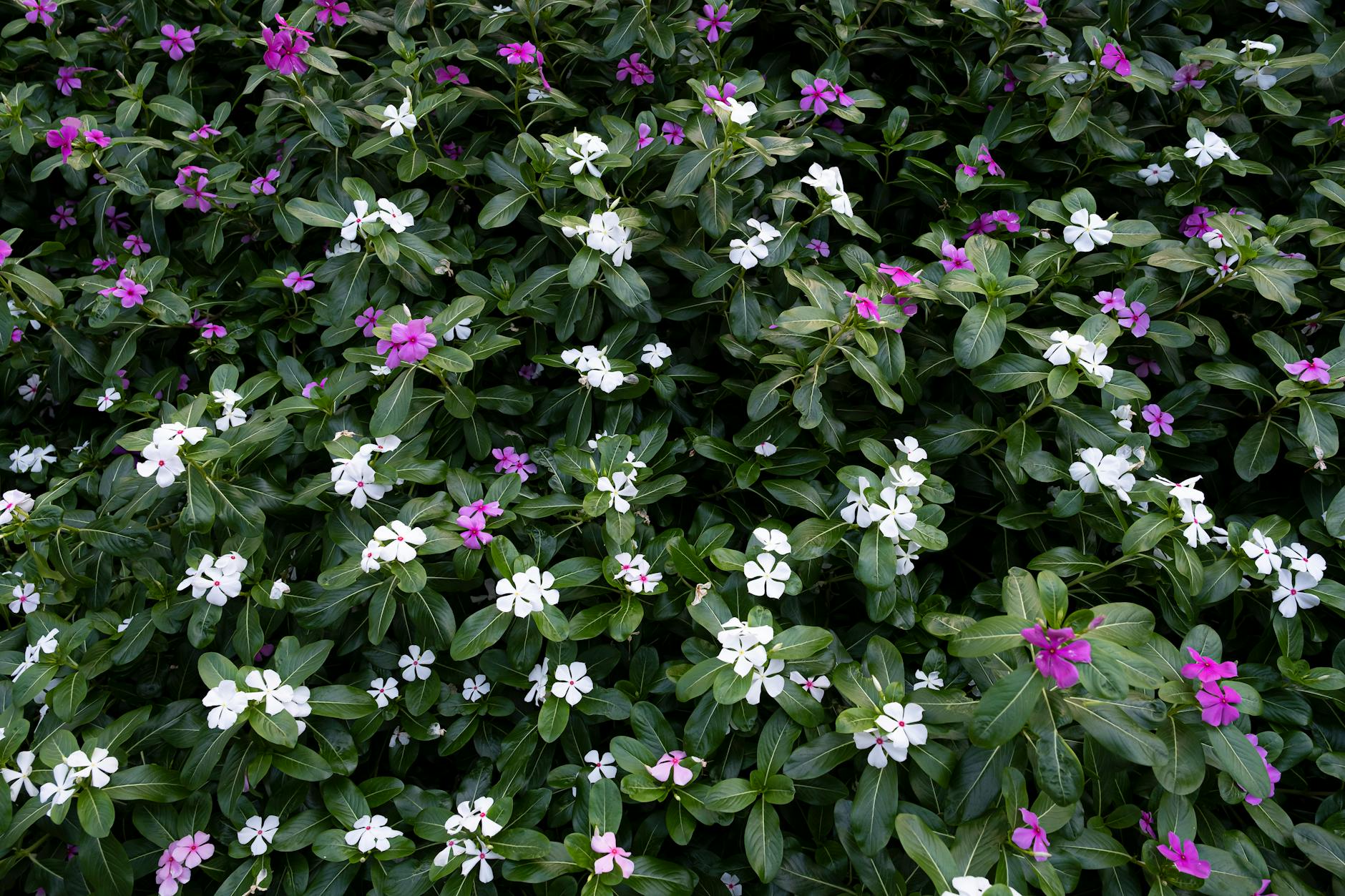
Planting small ornamental shrubs in front of a large home or placing oversized trees near a modest cottage creates a visual imbalance that undermines the whole design. Scale matters enormously in landscape design because proportion communicates thoughtfulness and intention. Choosing plants that are appropriate to the size of the home and the dimensions of the space they occupy creates a harmonious and appealing result. Mismatched scale is one of the subtler mistakes that professionals notice immediately and buyers feel instinctively.
Color Chaos
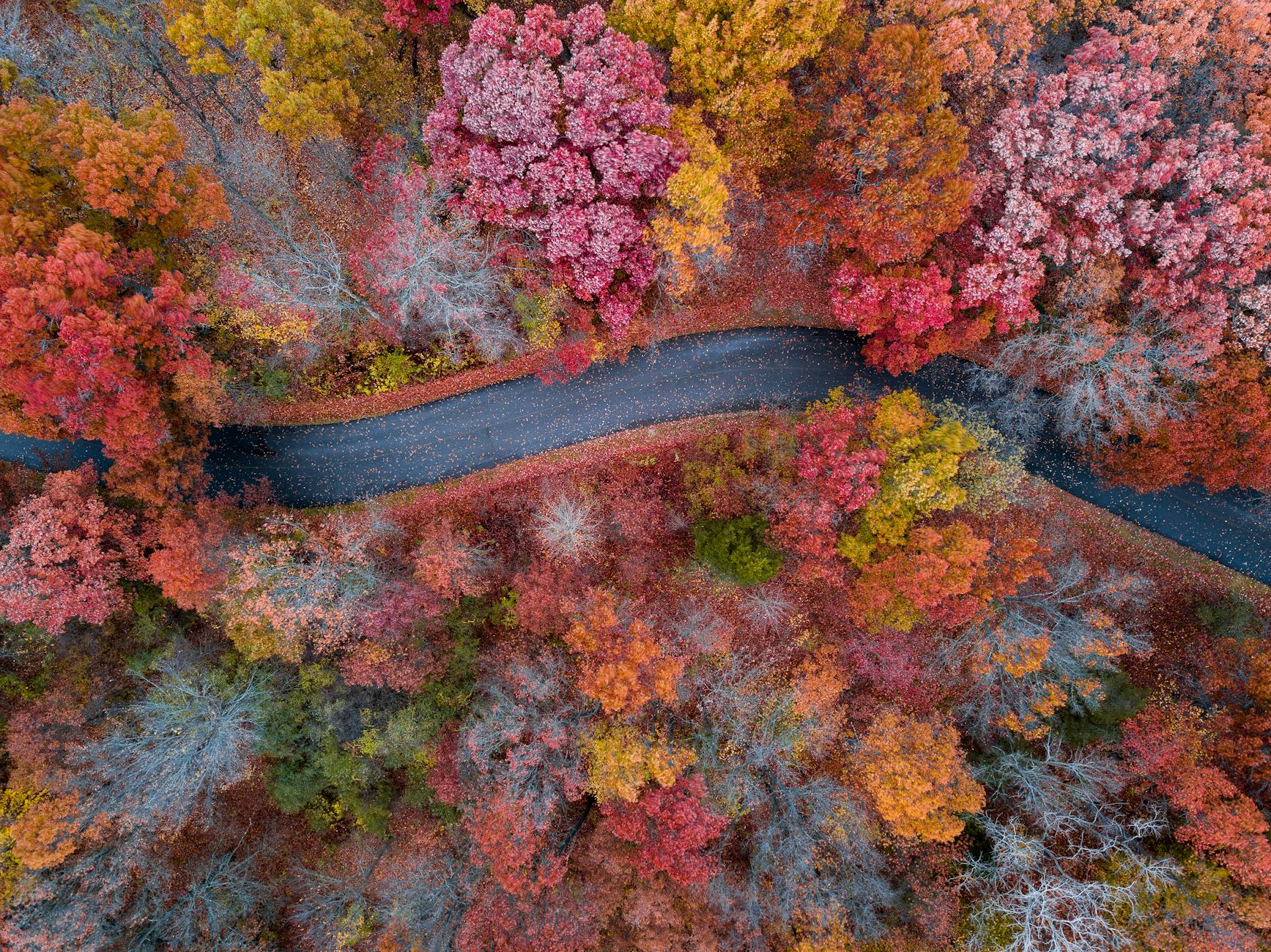
A landscape full of clashing colors and uncoordinated blooms can feel overwhelming and visually exhausting rather than vibrant and inviting. Effective use of color in a garden involves a considered palette with complementary hues and a clear sense of rhythm across the seasons. Random planting without attention to color relationships produces a look that feels amateur rather than designed. Cohesive color planting is one of the hallmarks of a landscape that reads as polished and intentional to buyers and appraisers.
Blocking Windows
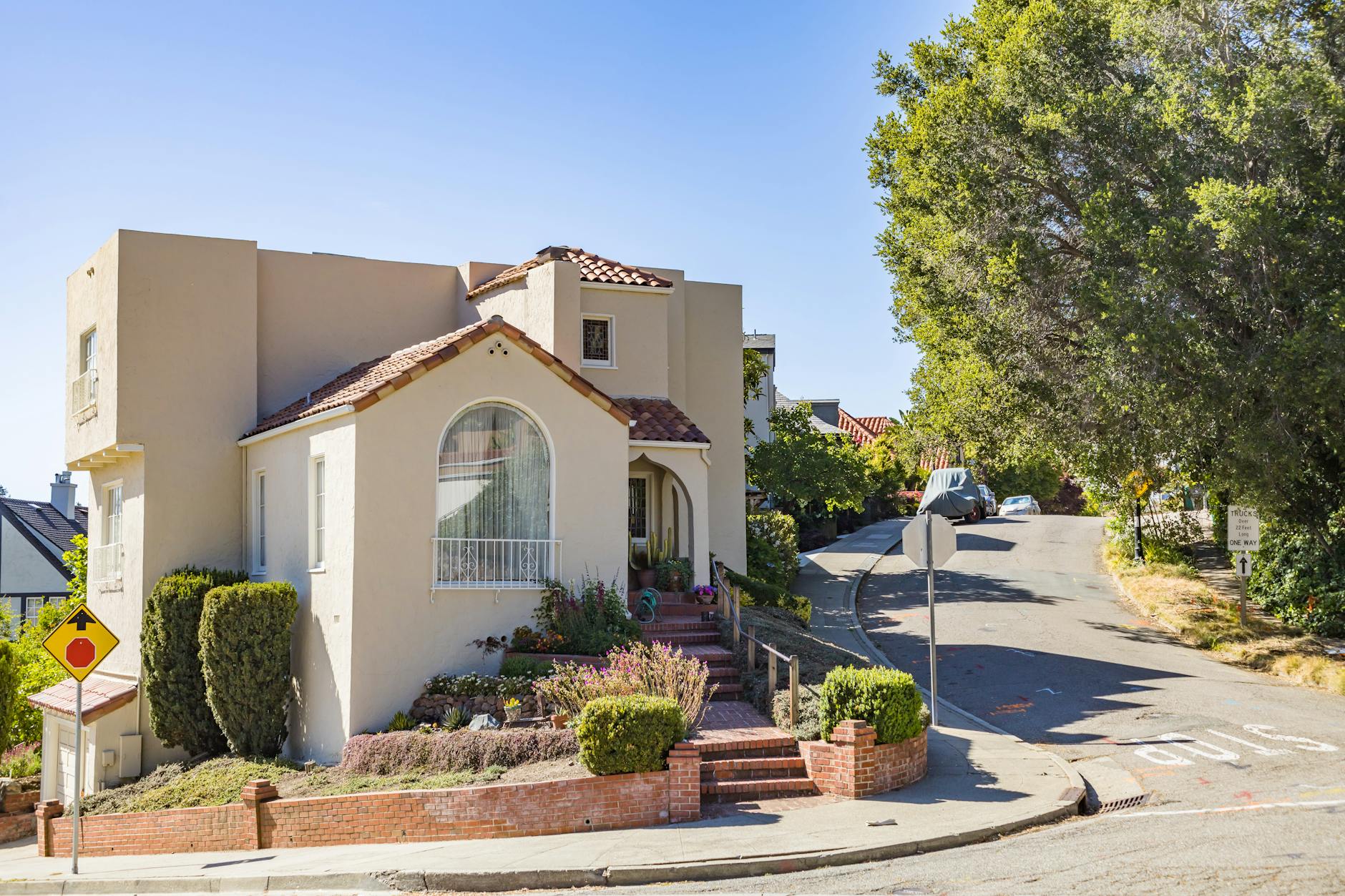
Shrubs and trees that are allowed to grow in front of windows block natural light, reduce interior views, and create privacy and security concerns. A home that is partially obscured by vegetation can look smaller and feel darker, both of which negatively affect buyer perception. Keeping plantings below window sill height in key areas maintains the visual openness and connection between the interior and the garden. This simple principle dramatically improves both the look of the home from the street and the quality of light inside.
Lawn Monoculture
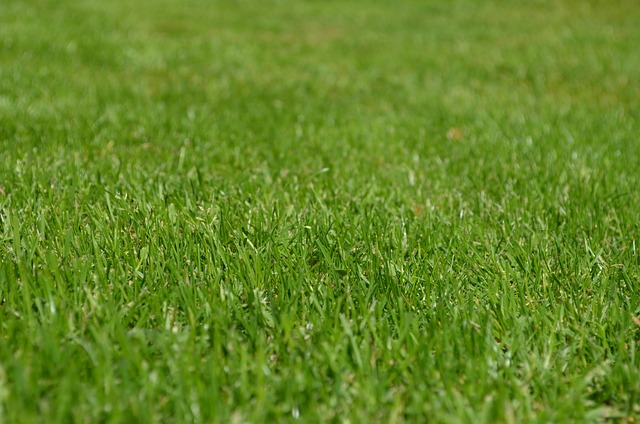
A lawn made up entirely of a single grass variety is vulnerable to disease, drought, and pest pressure in a way that a more diverse planting is not. When conditions turn unfavorable, a monoculture lawn can brown, thin, or die out across large patches very quickly. Buyers and appraisers are increasingly aware of the resilience and sustainability of a landscape, particularly in regions affected by water restrictions. Introducing clover, native grasses, or low-maintenance groundcovers alongside traditional lawn grass creates a more robust and appealing outdoor space.
Ignoring Seasonal Interest
A landscape that only looks good for one season and goes dormant or bare for the rest of the year is a missed opportunity to add ongoing value. Great landscape design incorporates plants that offer interest across multiple seasons through varied bloom times, foliage color, berry production, and winter structure. A yard that looks bare and grey in winter or scorched in summer signals limited investment in long-term design. Buyers who visit a property at any time of year should be greeted by something that looks considered and alive.
Skipping Professional Help

Many of the most costly landscaping mistakes are made when homeowners tackle complex design or installation projects without professional guidance. Incorrect grading, poor plant selection, and structural errors in hardscaping are all problems that become significantly more expensive to correct after the fact. A consultation with a landscape designer or horticulturist is a relatively modest investment that can prevent years of compounding problems. For a project as visible and value-driven as your home’s landscape, professional input is rarely wasted.
Which of these mistakes have you spotted in your own yard? Share your experience in the comments.