Long before smartphones and self-help apps, people in the early twentieth century had already figured out remarkably clever ways to solve everyday problems. Many of these practical tricks were passed down through generations, printed on cigarette cards, or shared in household almanacs that circulated widely across homes and communities. What makes these old-fashioned methods so compelling today is that they rely on simple logic, natural materials, and a deep understanding of how things work. From preserving food to removing stubborn stains, the ingenuity of the past continues to hold up surprisingly well in the modern world. Here are twenty time-tested life hacks from the 1900s that are genuinely worth reviving.
Beeswax
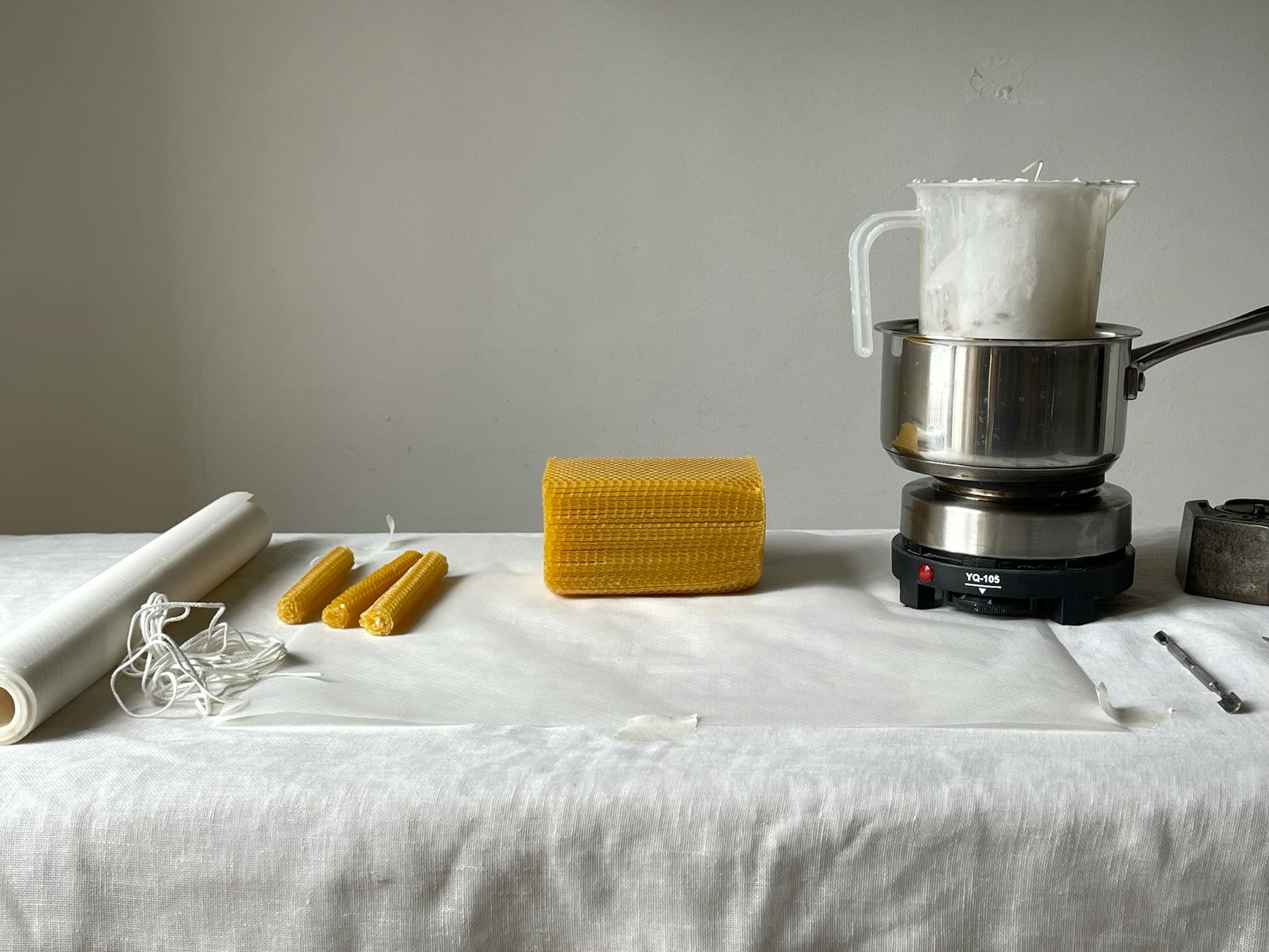
Rubbing beeswax along the length of a drawer that sticks will allow it to slide open and closed with ease. This trick was widely used in homes long before commercial lubricants became a household staple. A thin coating applied to wooden runners reduces friction without leaving any residue or damaging the surface. Natural beeswax is still widely available today and works just as effectively as it did a century ago. It also works well on squeaky hinges and stubborn zippers.
Bread Crusts
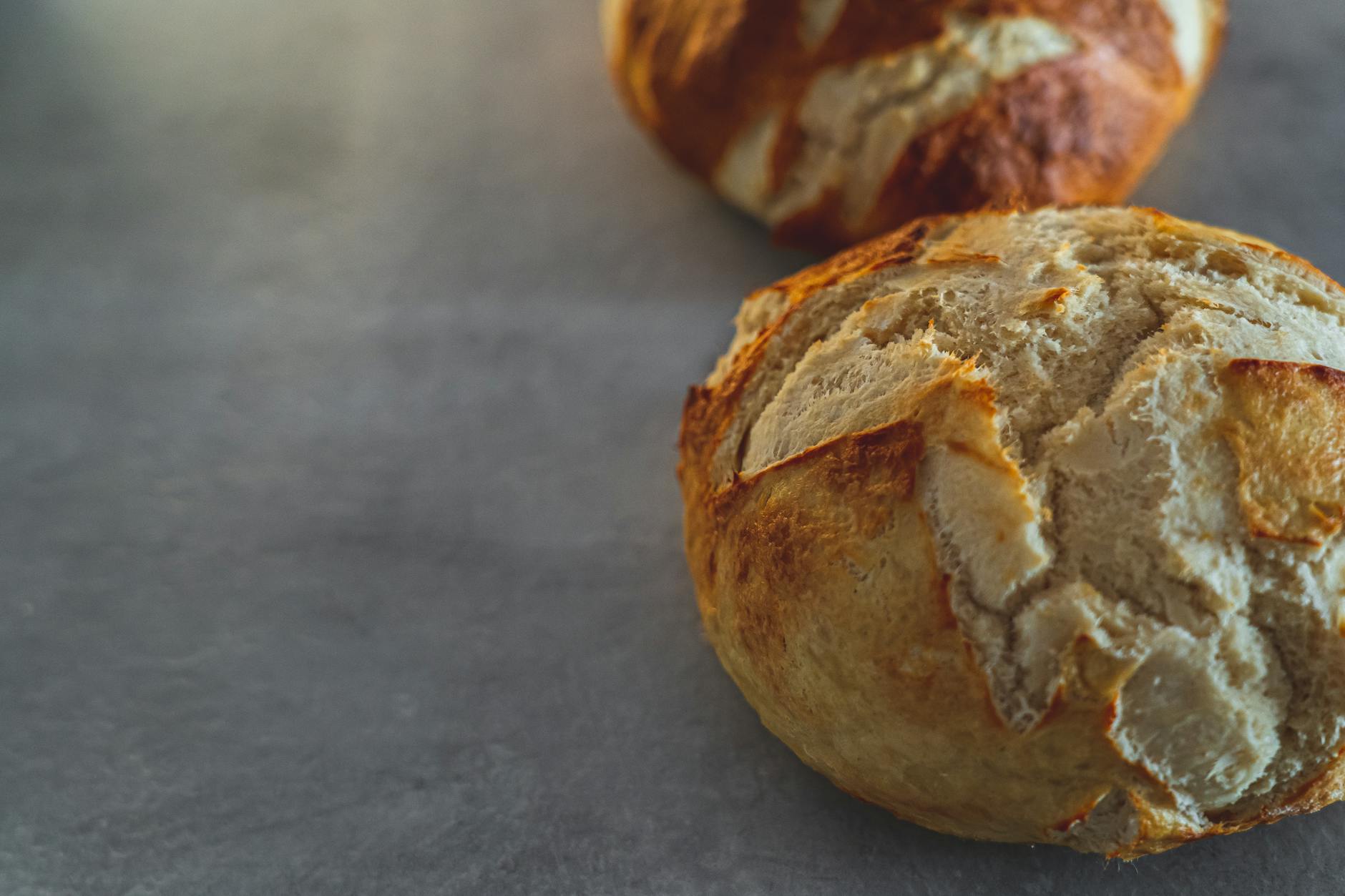
Placing a slice of bread inside a tin of brown sugar overnight draws out excess moisture and keeps the sugar soft and clump-free. This method was a standard kitchen practice in homes where humidity made dry goods go hard quickly. The bread absorbs the moisture without transferring any flavor or odor to the sugar. By morning the sugar is loose and easy to measure again. A single crust is enough to do the job for a standard-sized canister.
Vinegar
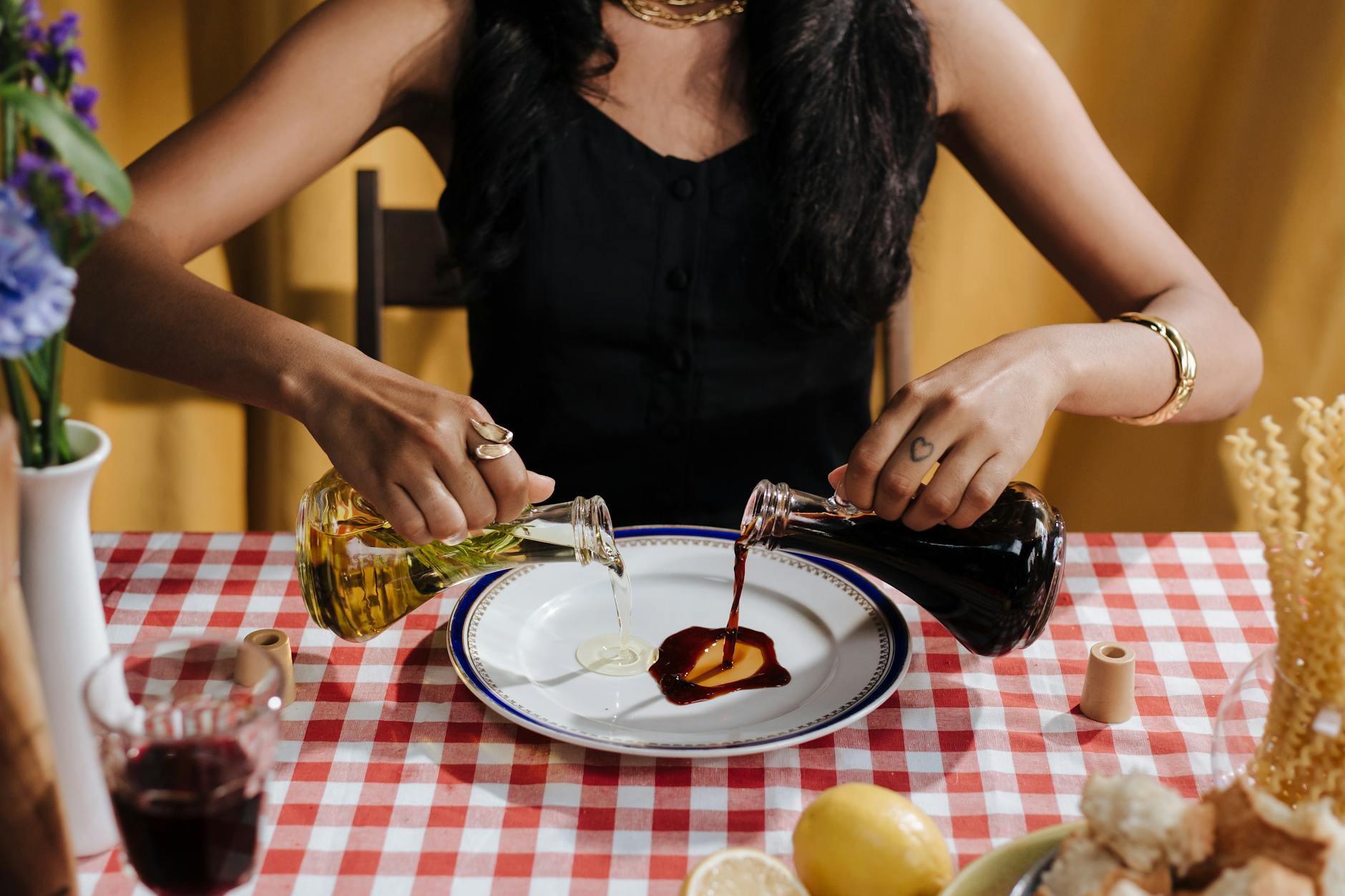
White vinegar was one of the most versatile substances found in early twentieth-century households and remains just as useful today. A diluted solution of vinegar and water cuts through grease on kitchen surfaces without the need for harsh chemical cleaners. It also removes mineral deposits from taps and showerheads when applied directly and left to sit for a short period. Vinegar was used in laundry as a fabric softener and odor neutralizer long before commercial products existed. Adding a small amount to the rinse cycle leaves clothes feeling soft and smelling fresh.
Walnut Shells
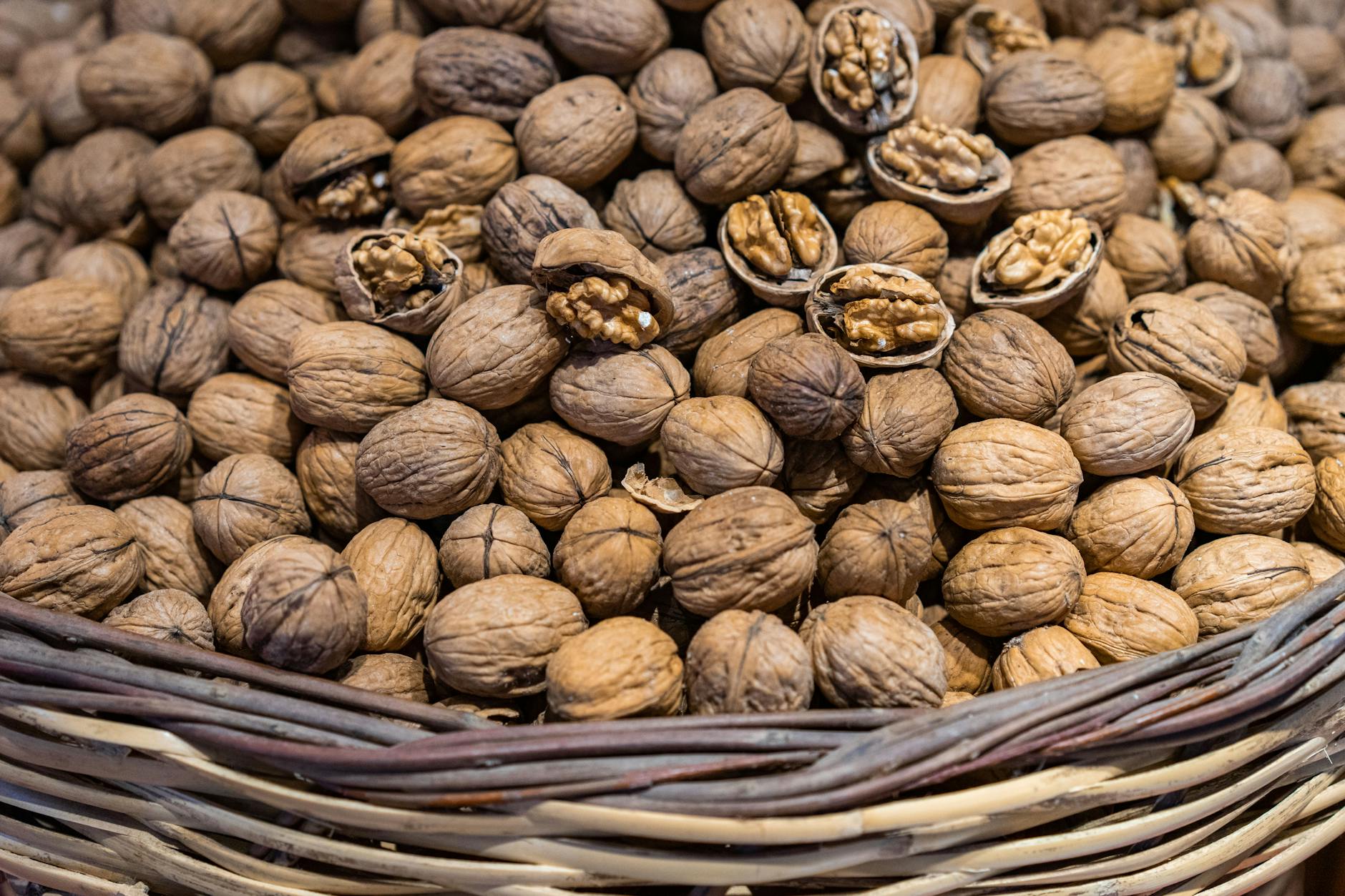
Rubbing the exposed flesh of a walnut across scratched wooden furniture helps conceal surface marks in a remarkably effective way. The natural oils and pigments in the walnut meat fill in shallow scratches and blend them into the surrounding grain. This technique was used by housekeepers throughout the early 1900s to keep furniture looking polished without expensive repairs. The result is subtle but noticeable on light to medium wood tones. It works particularly well on dining tables and chair legs that receive regular wear.
Salt
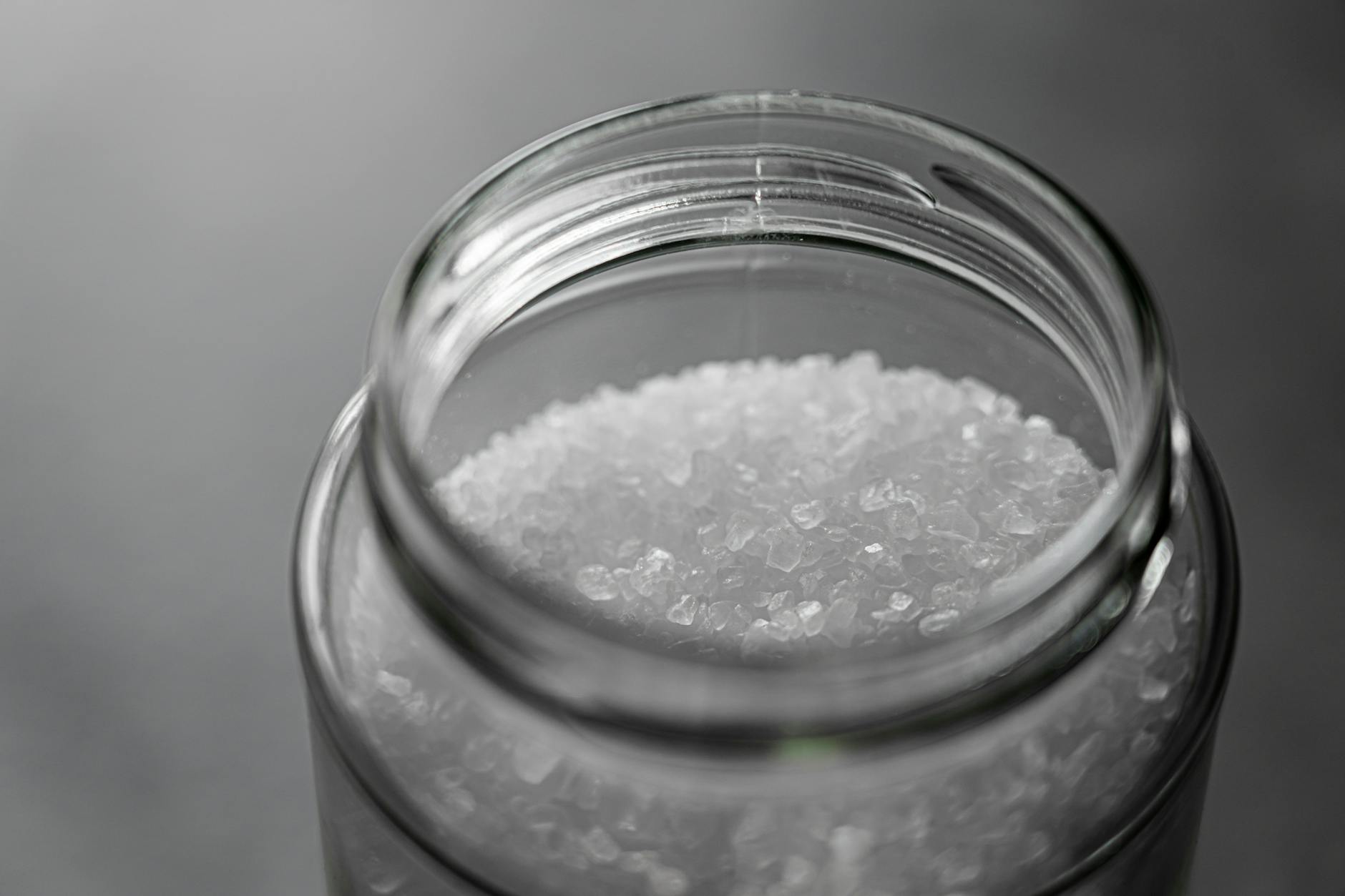
Salt was one of the original multipurpose household staples and its usefulness extends far beyond seasoning food. Pouring salt directly onto a fresh spill on a fabric surface draws the liquid upward before it has a chance to set into the fibers. This quick action significantly reduces staining and was the go-to response in households before commercial stain removers existed. Salt was also used to scrub cast iron pans clean without stripping the seasoning that builds up over time. A coarse grain works best for scrubbing while fine salt is more effective for absorbing spills.
Newspaper

Crumpled newspaper was a trusted material for cleaning glass surfaces throughout the early twentieth century and it remains effective today. The slightly abrasive texture of the paper buffs away streaks and smudges without leaving lint behind the way cloth rags often do. Vinegar or a mild soapy water solution applied first loosens grime before the newspaper finishes the job. Windows, mirrors, and glass stovetops all respond well to this method. Many professional window cleaners still swear by newspaper for a streak-free finish.
Rice
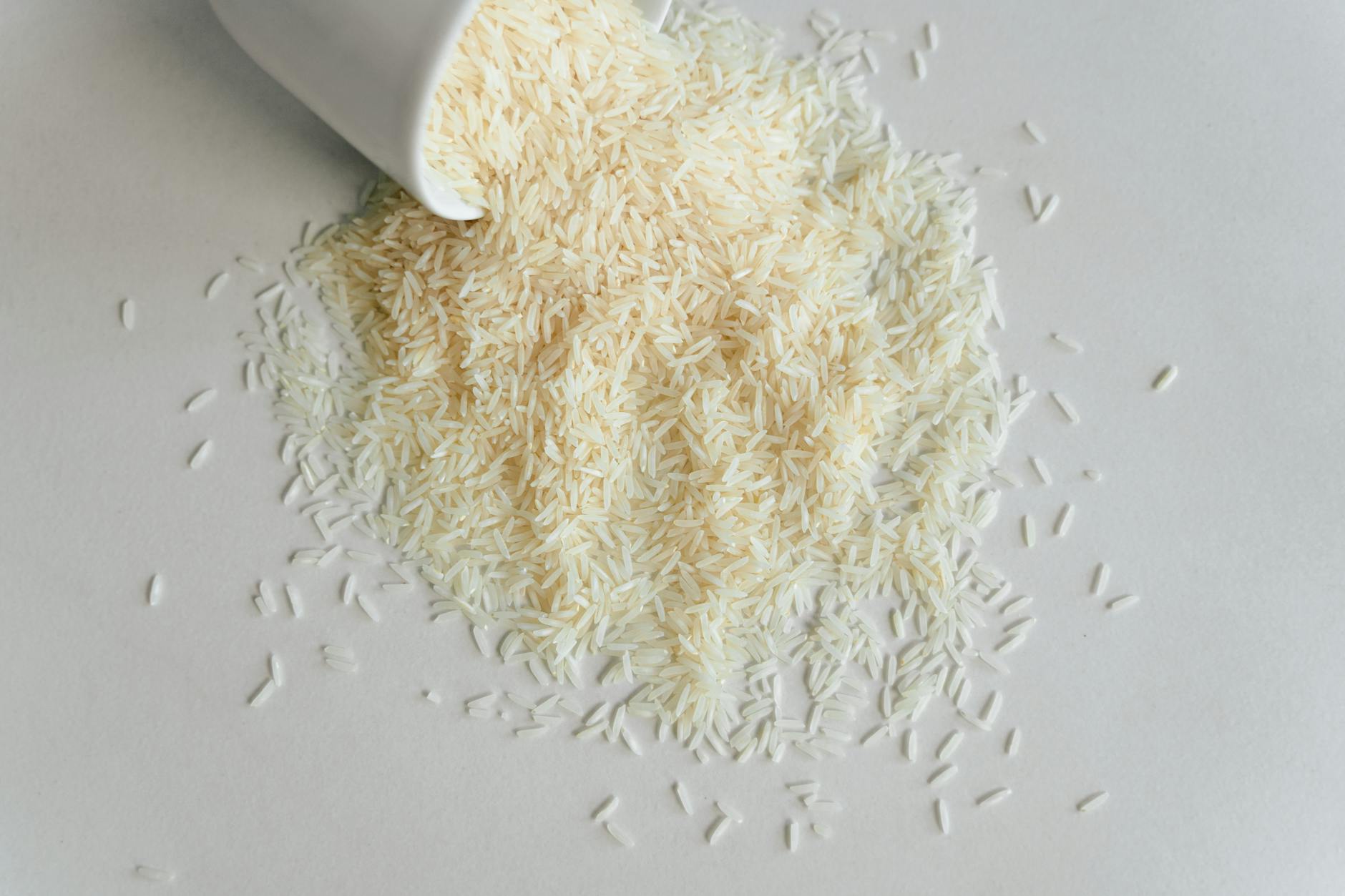
Placing uncooked rice inside a salt shaker was a widespread household trick used to prevent moisture from clumping the salt together. The rice absorbs humidity inside the shaker and keeps the salt flowing freely even in damp climates. This simple method required no special tools or products and could be done in seconds. It remains just as effective today for anyone who finds their salt sticking together in humid kitchens or during summer months. A few grains are all that is needed to make a noticeable difference.
Lemon Juice
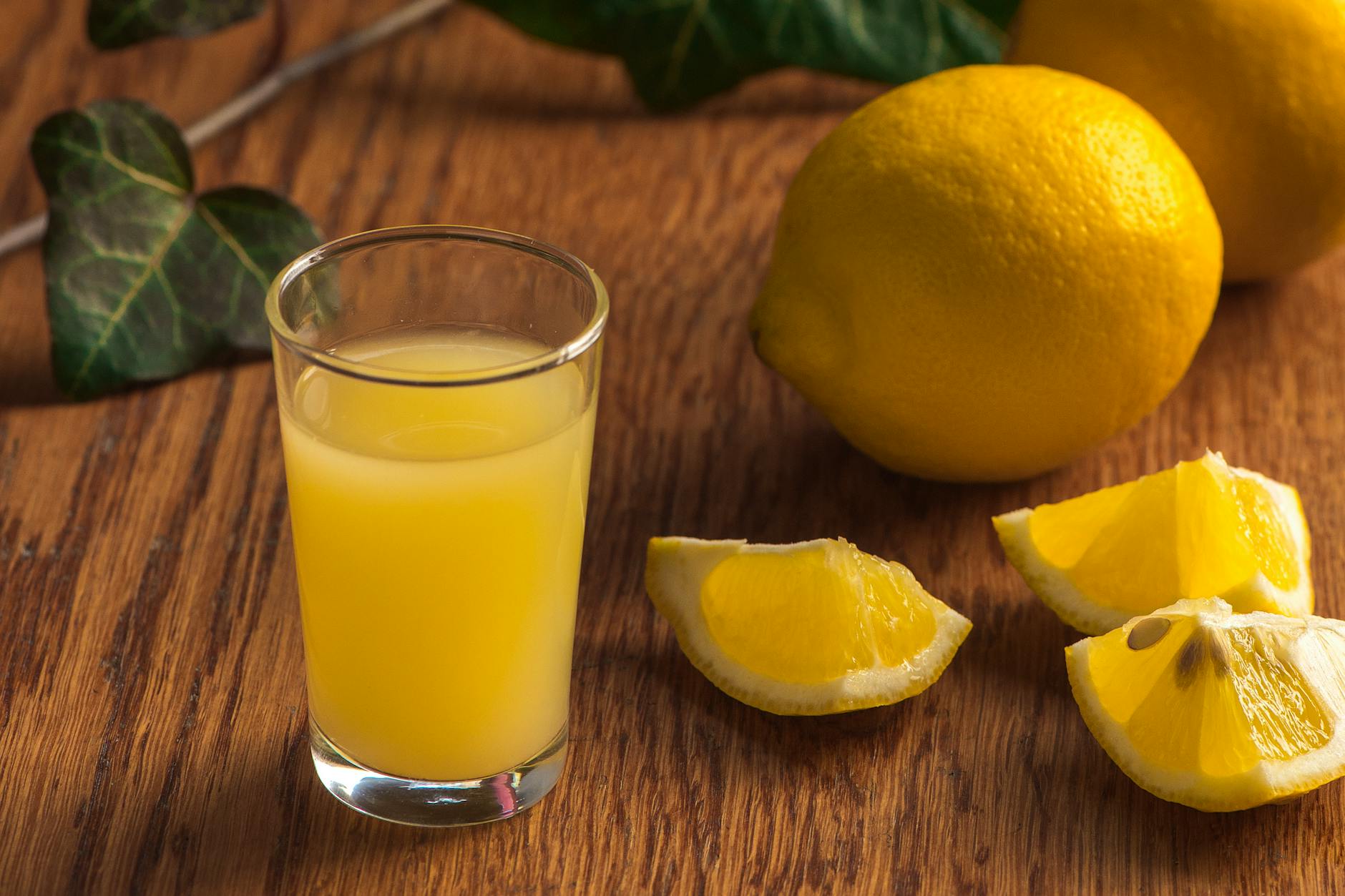
Lemon juice served as a natural bleaching agent and cleaning solution in homes long before modern products took over. Applying it directly to cutting boards made from wood draws out stains and neutralizes odors left behind by onions and garlic. A halved lemon rubbed across a wooden surface and left to dry works as both a cleaner and a deodorizer in one step. The acidity in the juice also helps remove rust spots from kitchen utensils when combined with a little salt. This natural approach avoids the chemical residues that some commercial cleaners leave behind on food-preparation surfaces.
Potato Slices
Raw potato slices were used as a practical remedy for removing broken lightbulb bases after the glass had shattered. Pressing the cut face of a raw potato firmly into the remaining metal base provides enough grip to twist it free safely. This trick protected hands from sharp glass edges and was considered a standard piece of household knowledge in the early 1900s. The starch in the potato adds just enough tackiness to grip the metal without slipping. It remains one of the most effective solutions for this frustrating and surprisingly common problem.
Chalk

Placing a few sticks of chalk inside a toolbox or silverware drawer was a reliable method for absorbing moisture and preventing rust and tarnish. Chalk draws humidity out of the air within a confined space and keeps metal surfaces dry over time. This passive method required no maintenance beyond occasionally replacing the chalk when it became saturated. It was particularly useful in coastal areas or humid climates where tools and silverware were prone to deteriorating quickly. A small piece placed inside a jewelry box serves the same purpose and keeps delicate pieces looking bright.
Hairpins

Bobby pins and hairpins were among the most repurposed objects in early twentieth-century households and their utility goes well beyond hair. They were used to keep knitting threads organized on spools and to hold recipes in place while cooking. Bent into different configurations they could serve as makeshift bookmarks or cable tidies long before purpose-built products existed. A single hairpin could replace a lost button hook or serve as a tiny screwdriver in a pinch. Their simple design made them endlessly adaptable to unexpected tasks around the home.
Coffee Grounds

Used coffee grounds were rarely thrown away in early 1900s households because their practical uses around the home were well understood. Spreading dried grounds across garden soil improves drainage and adds nutrients that benefit plants particularly fond of acidic conditions. They were also rubbed onto hands after handling strong-smelling foods like fish and onions to neutralize odor more effectively than soap alone. Grounds placed in a small dish inside a refrigerator work as a natural deodorizer that absorbs unwanted smells over time. This zero-waste approach to a common byproduct made perfect sense in an era before disposability was the norm.
Baking Soda
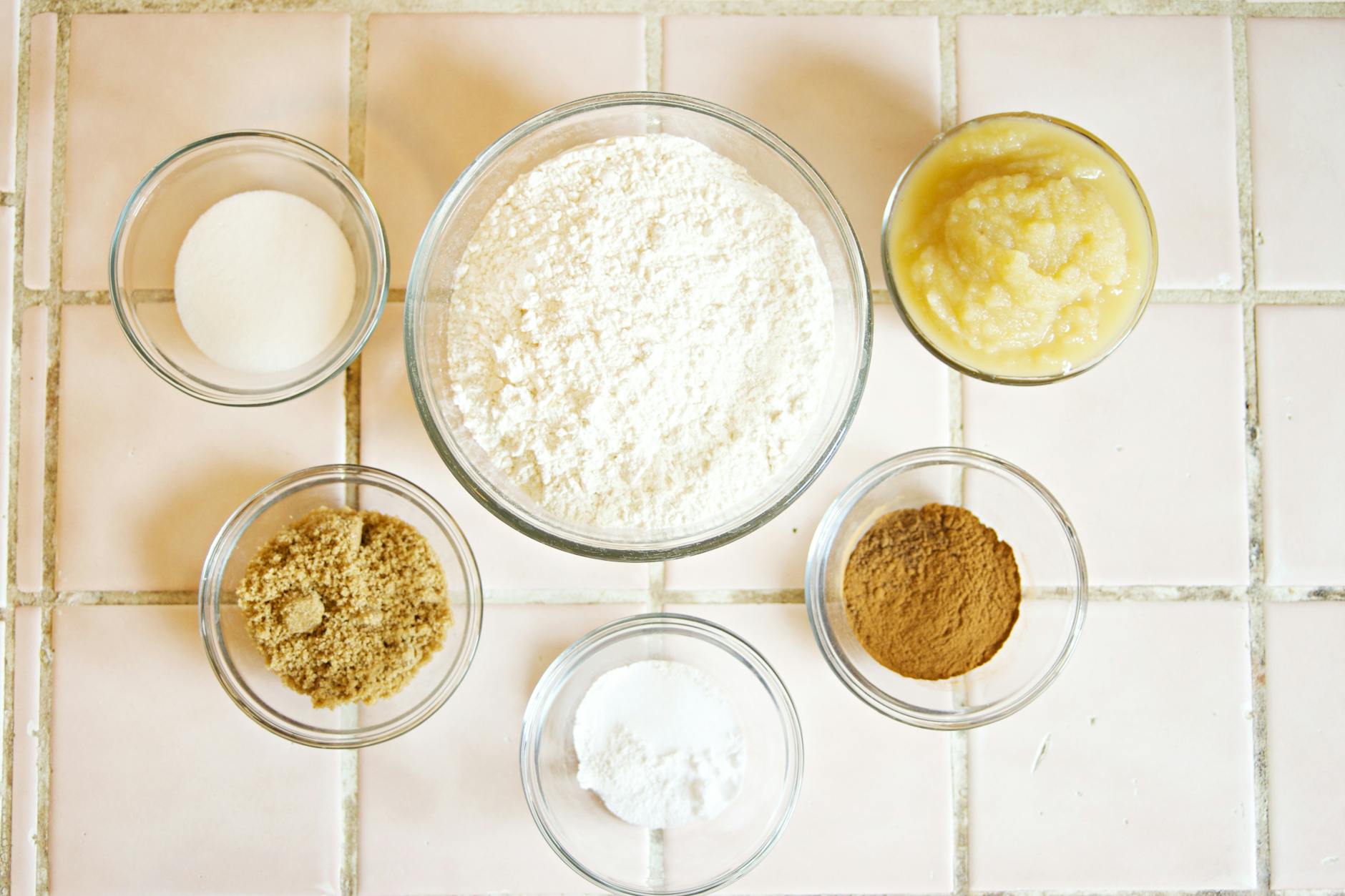
Baking soda was used in early twentieth-century homes for everything from tooth cleaning to deodorizing refrigerators and freshening carpets. Sprinkling it generously across a carpet and leaving it overnight before vacuuming lifts odors from the fibers without damaging them. It was mixed with water to form a mild abrasive paste suitable for scrubbing sinks and stovetops without scratching. Baking soda placed in an open container inside a musty cupboard absorbs stale air and keeps the space smelling neutral. Its versatility made it one of the most cost-effective cleaning products ever used in a household setting.
Castor Oil
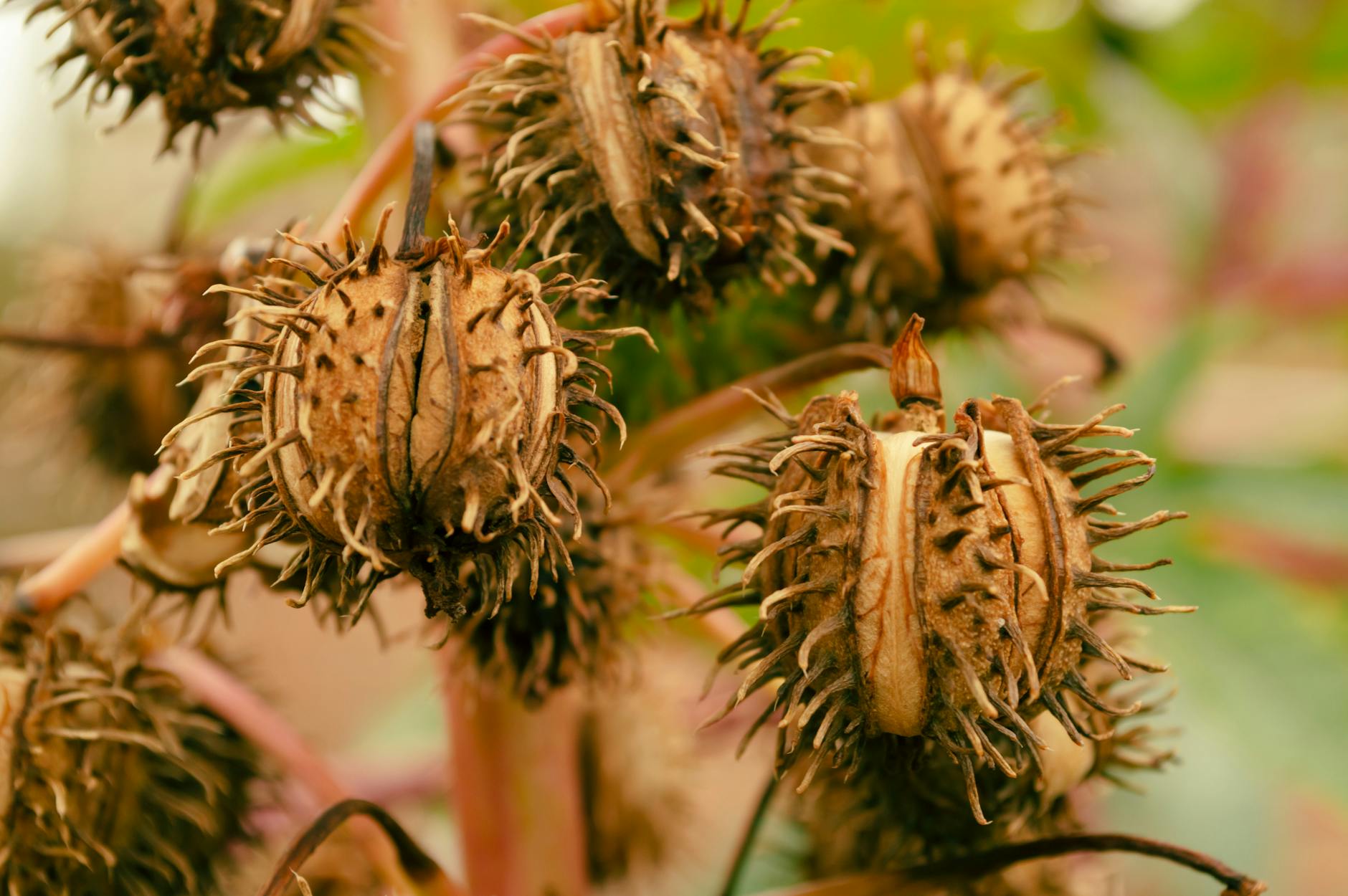
Castor oil was a widely available household remedy in the early 1900s with a remarkable range of practical uses beyond medicine. Applied to squeaky door hinges it provides long-lasting lubrication that works in a similar way to modern oil-based products. Rubbed into leather shoes and belts it restores suppleness and protects against cracking in dry weather. It was also applied to garden tools to prevent rust from forming on metal blades and heads during periods of storage. A small bottle kept in the household supply closet could address a surprising variety of maintenance tasks.
Wooden Clothespins

Wooden clothespins were used throughout the early twentieth century for far more than hanging laundry on the line. They served as bag clips long before the plastic version was ever manufactured and kept flour and sugar sacks sealed between uses. Attached to recipe cards they held pages open on the counter without requiring a stand or frame. In workshops and studios they functioned as clamps for small gluing jobs that needed light but steady pressure. Their simple spring mechanism made them useful in almost any room of the house and their durability meant they lasted for years.
Mustard Powder
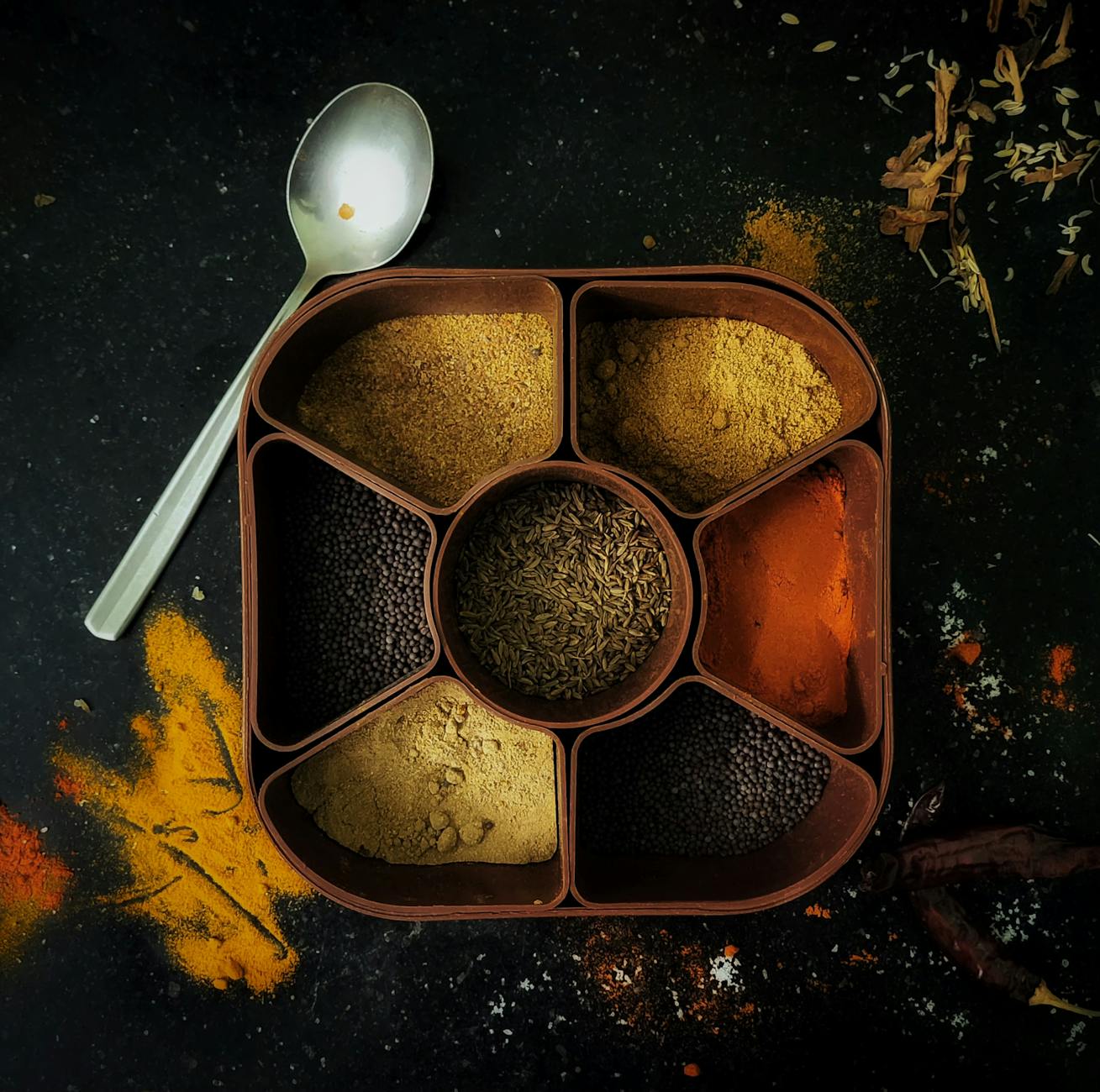
Dry mustard powder was used in early 1900s kitchens as an effective cleaning agent for cutting through grease on dishes and cooking equipment. Mixing it into hot water created a powerful degreasing solution that was particularly effective for removing fish and oil residue from pans. It was also used to clean glass jars and bottles that were being repurposed for storage and needed thorough deodorizing. A small amount added to dishwashing water boosted the cleaning power of the soap already in use. Its natural antibacterial properties made it a trusted and widely available substitute for harsher chemical products.
Camphor Balls

Camphor balls were a common household item in early twentieth-century wardrobes used to protect stored clothing from moth damage. Placed among folded woolens and linens at the start of the storage season they released a scent that naturally repelled insects. The same repellent effect was used in drawers and closets where seasonal items were kept between uses. Camphor was also occasionally rubbed onto wooden storage trunks to protect the contents from pests during long-term storage. Their effectiveness against fabric-destroying moths has kept them in use in traditional households around the world well into the modern era.
Honey
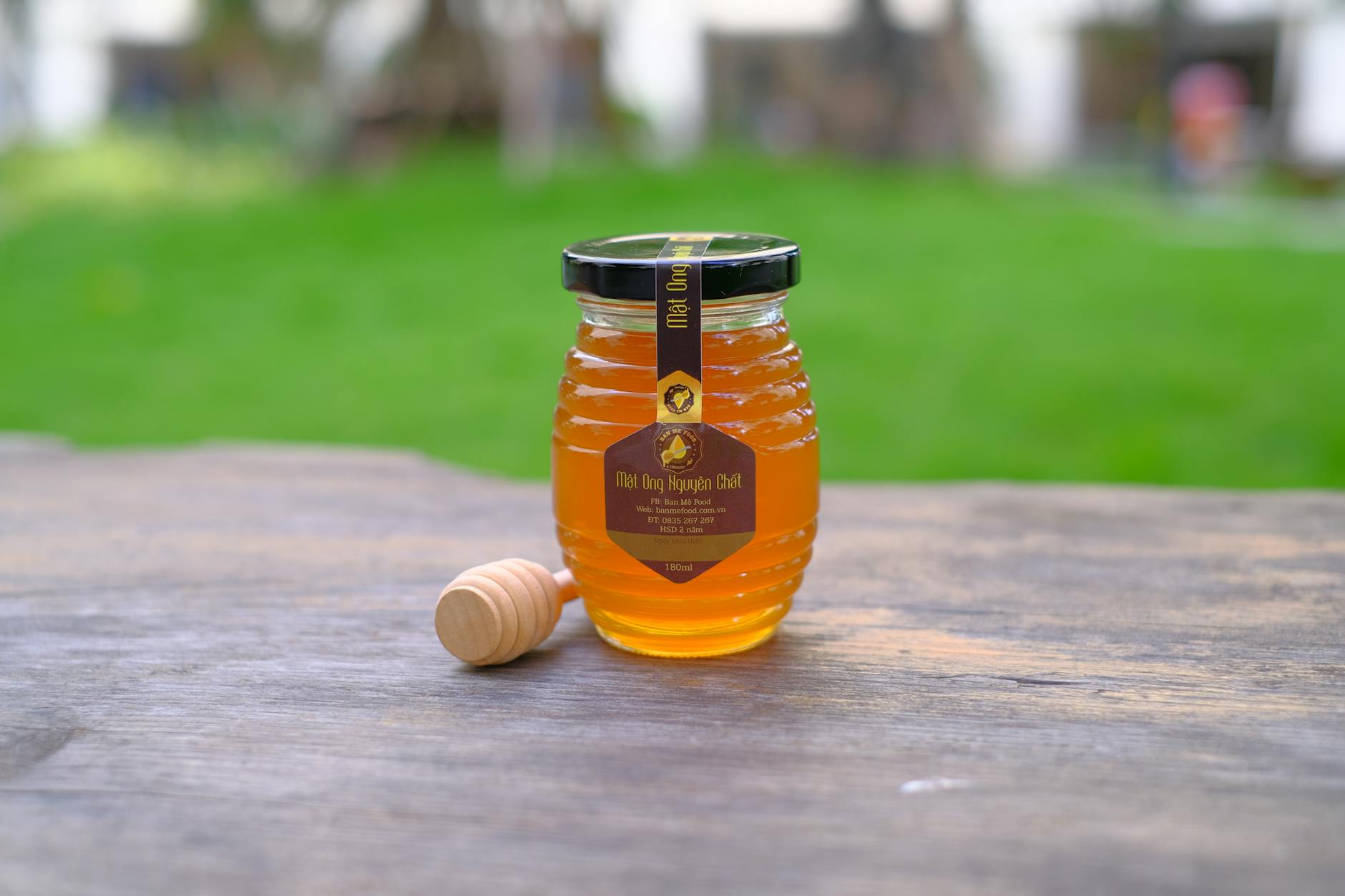
Raw honey was used as a natural preservative and wound treatment in early 1900s households due to its antibacterial properties. Applied to minor cuts and burns it created a protective seal over the skin that helped prevent infection while keeping the area moist. It was also spread onto the rim of jam jars before sealing to create an airtight barrier that extended shelf life. Honey mixed with warm water and lemon served as a soothing remedy for sore throats and chest congestion during cold season. Its long shelf life and multiple uses made it an essential item in the well-stocked household pantry.
Petroleum Jelly
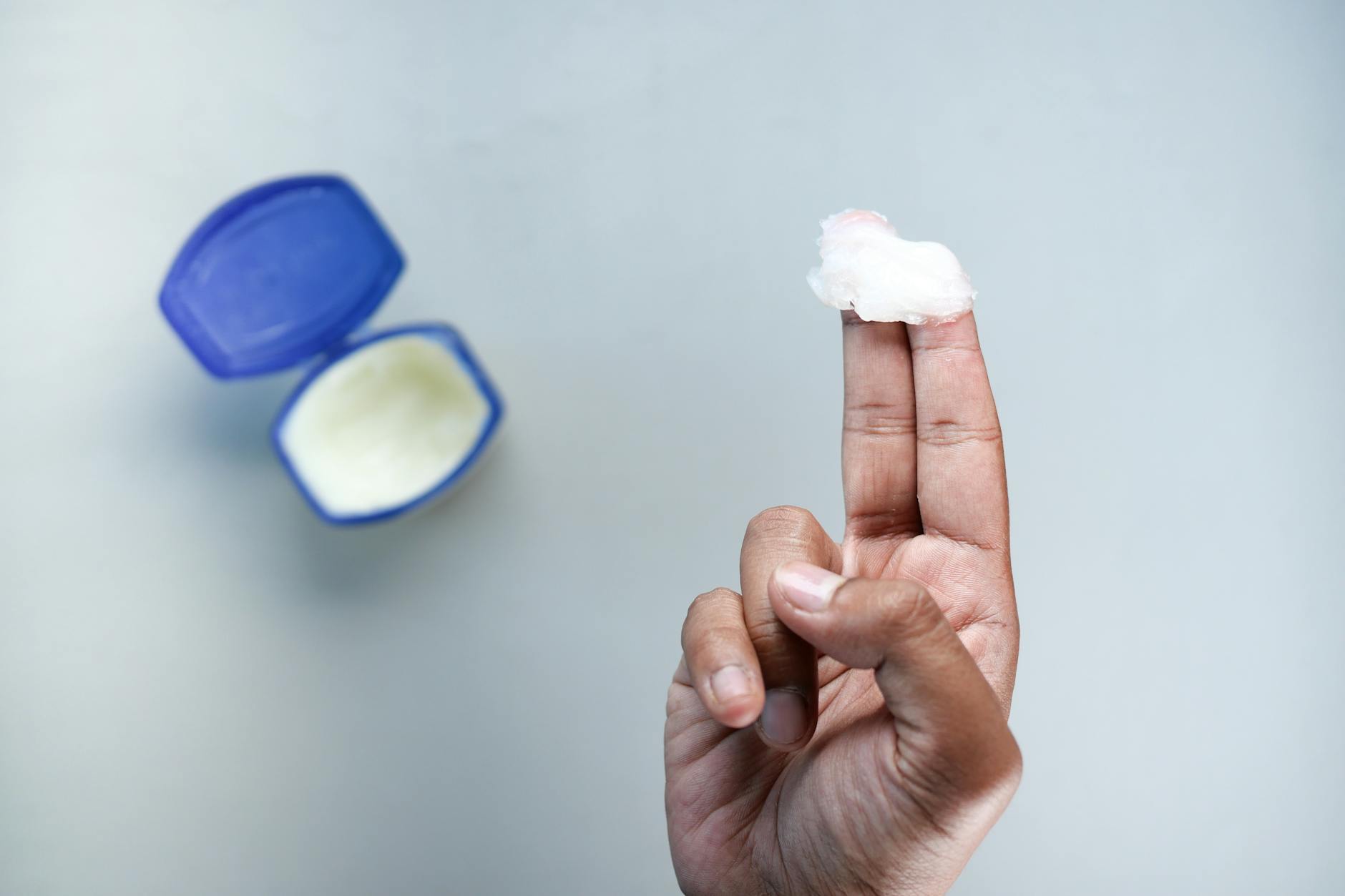
Petroleum jelly became a household fixture in the early 1900s and was used for an impressive range of practical tasks that had nothing to do with skincare. Rubbed along the threads of a jar lid it prevented the lid from rusting shut over time and made opening it effortless. Applied to the inside of a vase before inserting flowers it sealed hairline cracks and prevented leaking. It was also used to protect metal surfaces on garden tools during winter storage and to lubricate zippers that had become stiff from disuse. The substance’s water-resistant properties made it a simple and reliable solution for dozens of minor household maintenance issues.
Ice Blocks
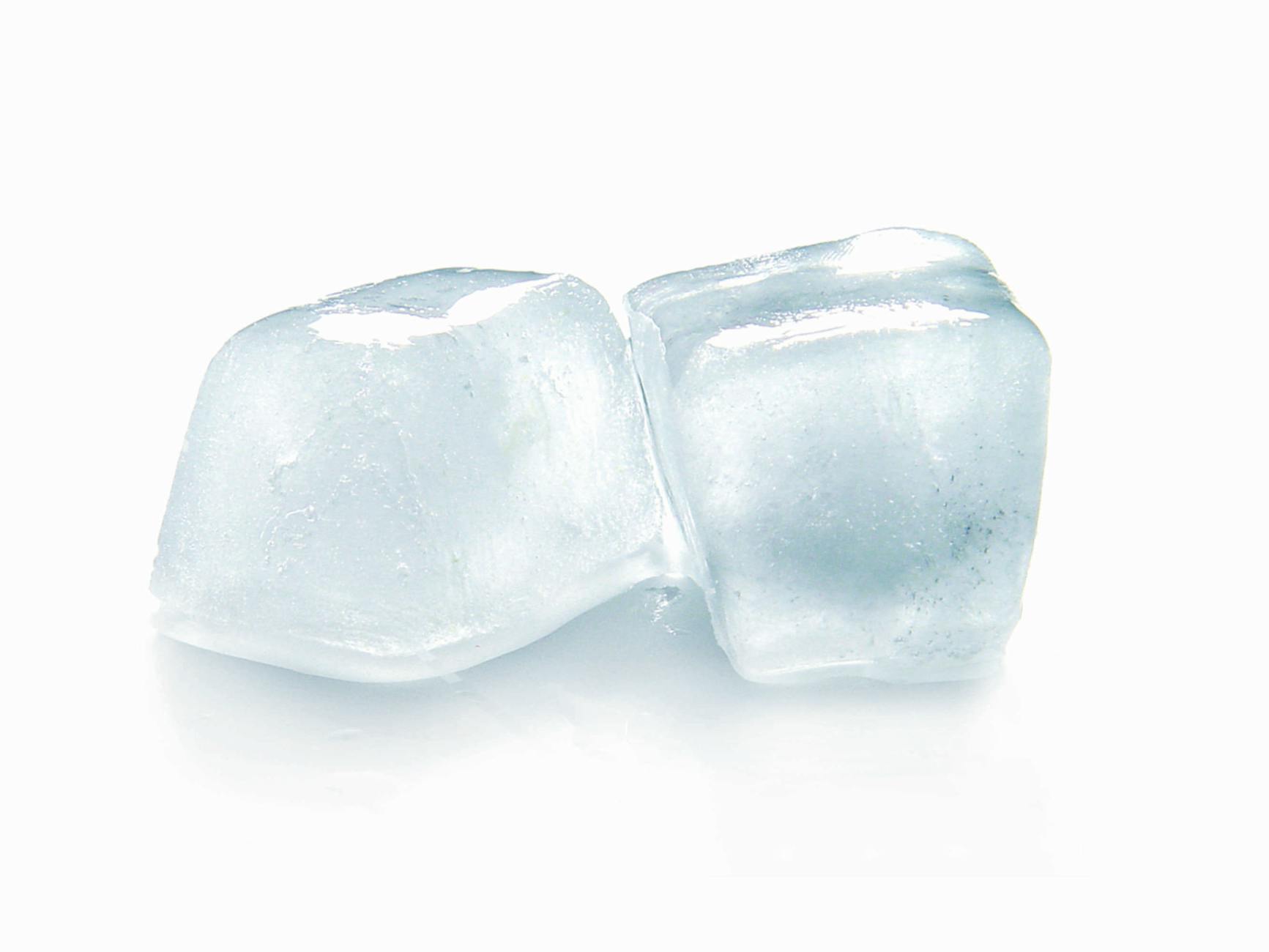
Before refrigeration became widely accessible in homes the use of large ice blocks to keep food cold was standard practice throughout the early twentieth century. Households that understood how to manage ice storage efficiently could keep perishables fresh for considerably longer periods. Wrapping a block of ice in heavy cloth or burlap slowed the melting process dramatically by insulating the surface from warm air. This same principle applies today when transporting food in coolers as surrounding ice with insulating material rather than leaving it exposed to air significantly extends its effectiveness. Understanding how insulation affects temperature retention remains one of the most practical pieces of physics knowledge from the pre-refrigeration era.
Which of these century-old life hacks surprised you most or do you already use one at home? Share your thoughts in the comments.