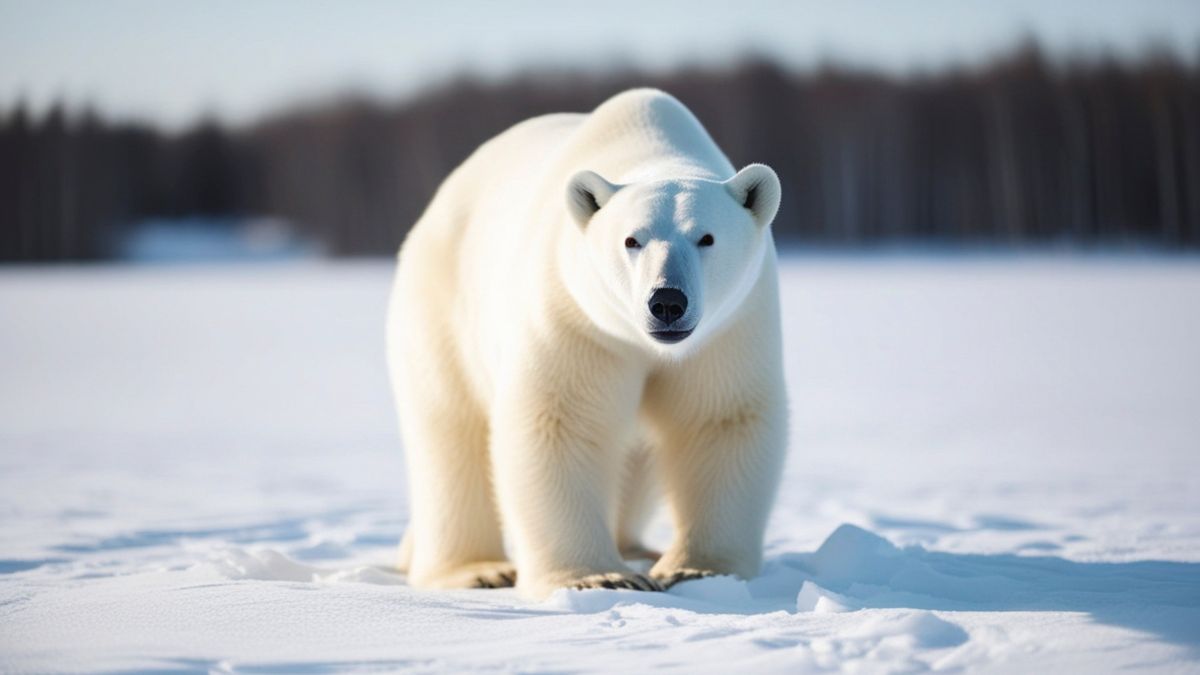
Nature has a way of packaging some of its most stunning animals in reputations that far exceed their actual hunting performance. From the freezing tundras to the open savannas, certain creatures inspire awe and admiration despite a track record in the field that would make any seasoned predator wince. Evolution has gifted them with beauty, power, and presence while quietly overlooking the more practical skill of actually catching food. These are the magnificent animals whose hunting résumés deserve a much closer and more honest look.
Snow Leopard
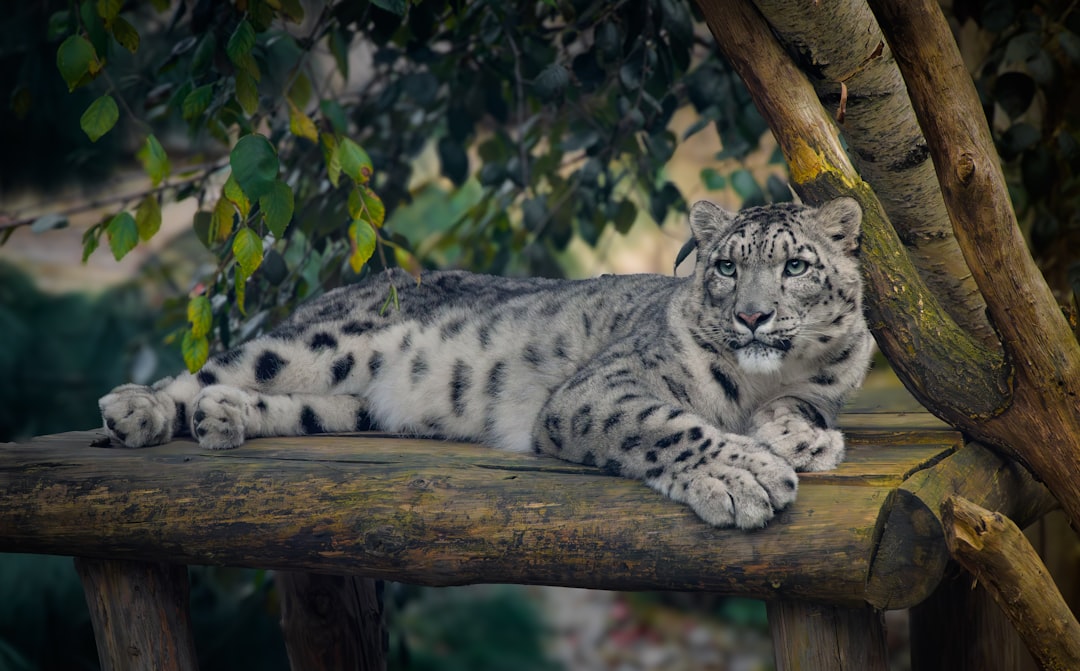
The snow leopard is one of the most visually striking big cats on the planet, draped in a thick pale coat patterned with dark rosettes that blend into rocky mountain terrain. Despite this camouflage and a muscular build evolved for the high altitudes of Central Asia, snow leopards miss their prey in the majority of their hunting attempts. Their favored targets such as blue sheep and ibex are remarkably agile on steep cliff faces and frequently outmaneuver even a well-positioned lunge. The extreme cold and thin air of their habitat drain energy rapidly, meaning a failed hunt carries serious physical consequences. A snow leopard can go days without a successful kill despite constant effort in punishing conditions.
Cheetah
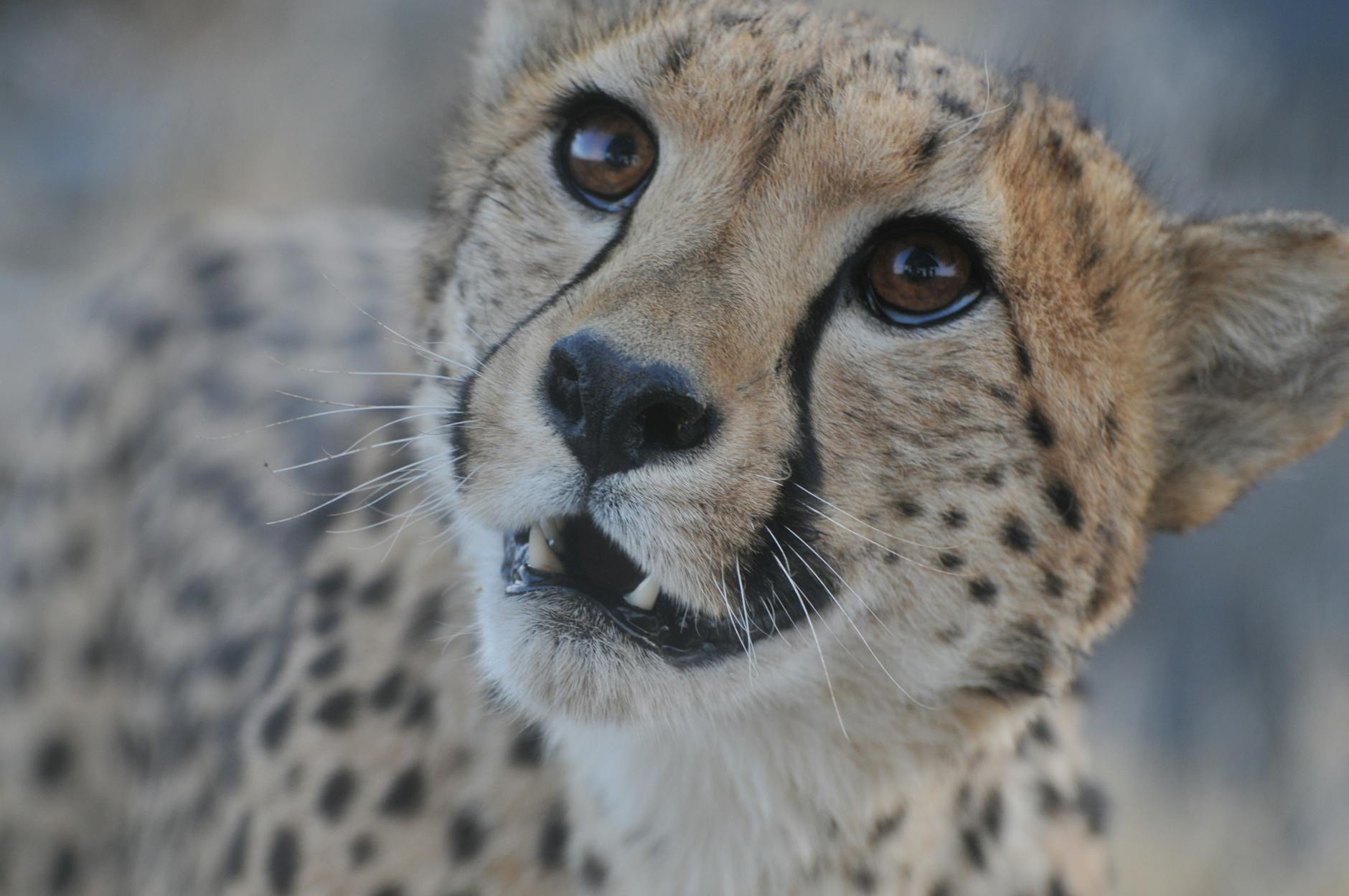
The cheetah holds the title of fastest land animal, capable of reaching speeds that seem almost incompatible with biology. Yet this extraordinary speed comes packaged with a frustrating set of trade-offs that undermine its effectiveness as a hunter. The burst of acceleration required for a chase overheats the cheetah’s body so quickly that it must rest for up to half an hour after a successful kill before it can eat. During that recovery window other predators and scavengers routinely steal the hard-won meal. Cubs also face an exceptionally high mortality rate, and inexperienced young cheetahs struggle enormously to translate speed into consistent food on the table.
Komodo Dragon
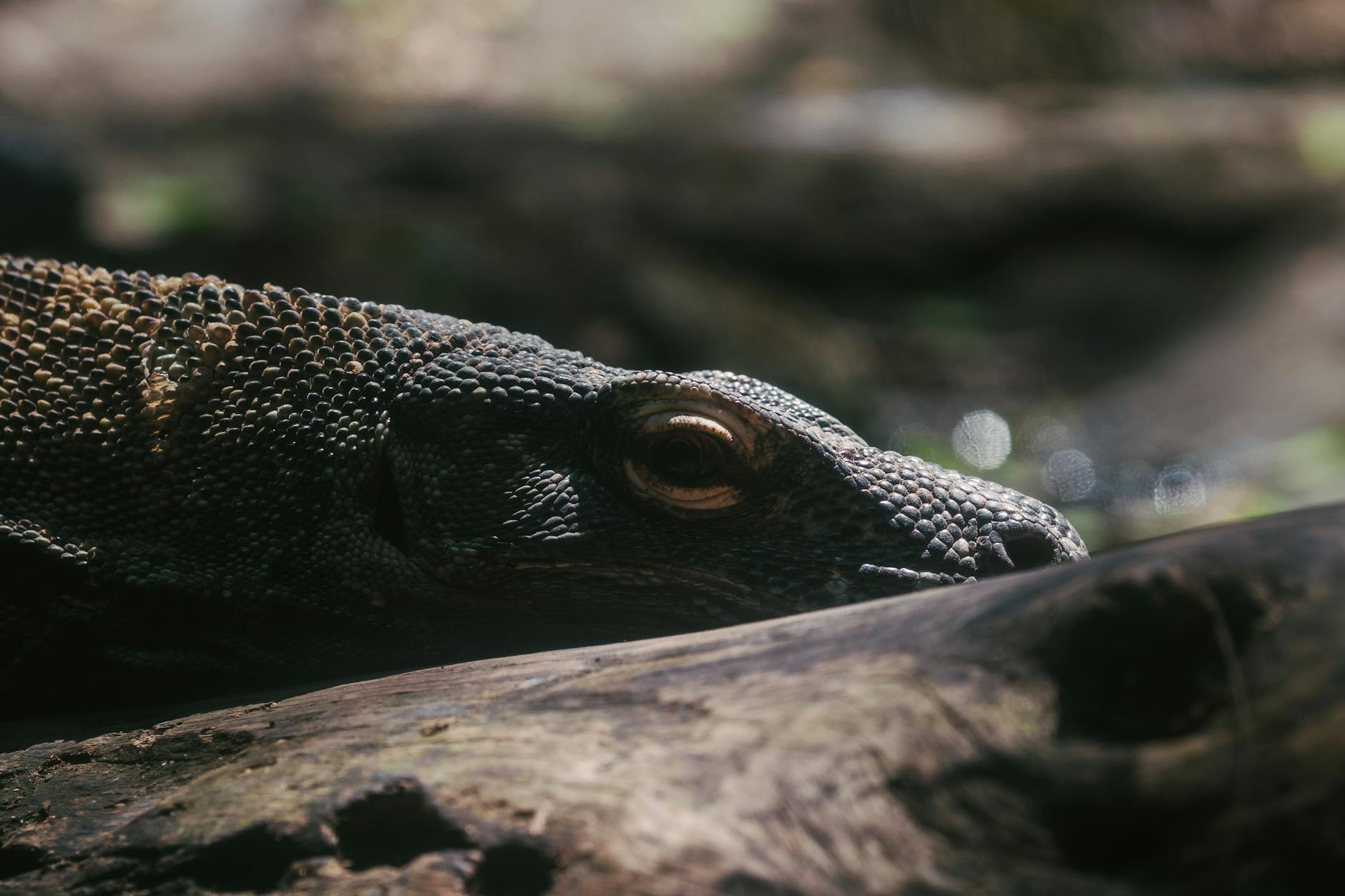
The Komodo dragon is the largest living lizard on Earth and carries an almost mythological reputation as a fearsome apex predator of the Indonesian islands. Its hunting strategy relies on ambush and a toxic saliva-laden bite that was long believed to cause fatal infection in prey over time. Research has since revealed that many prey animals simply flee and survive, leaving the dragon with nothing for its considerable effort. Komodos are slow and tire quickly in pursuit, making them heavily dependent on the element of surprise which does not always materialize. Despite their intimidating bulk and armored appearance a significant portion of their diet actually comes from carrion rather than animals they have personally hunted.
Polar Bear
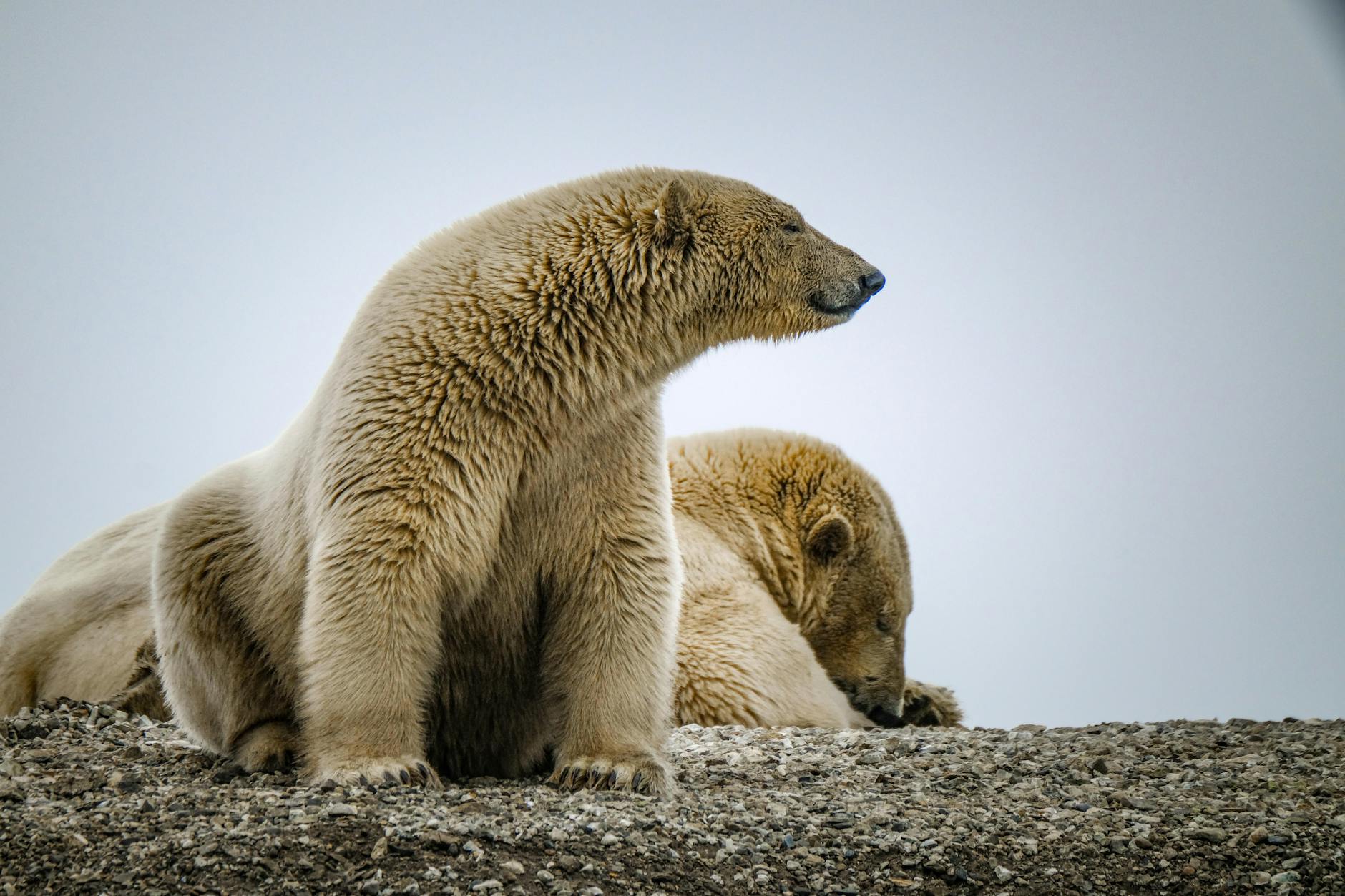
The polar bear stands as one of the most iconic and powerful predators in the natural world, an enormous white form perfectly associated with the frozen Arctic landscape. Ringed seals form the core of their diet but catching one requires waiting motionlessly beside a breathing hole in the ice for hours or even days at a time. The success rate on any given hunt attempt is remarkably low and climate change is shrinking the sea ice that makes this ambush strategy possible in the first place. Polar bears expend enormous caloric energy simply staying warm and traveling across vast stretches of frozen terrain between meals. Extended periods without food are common even outside the traditional summer fasting season.
Lion
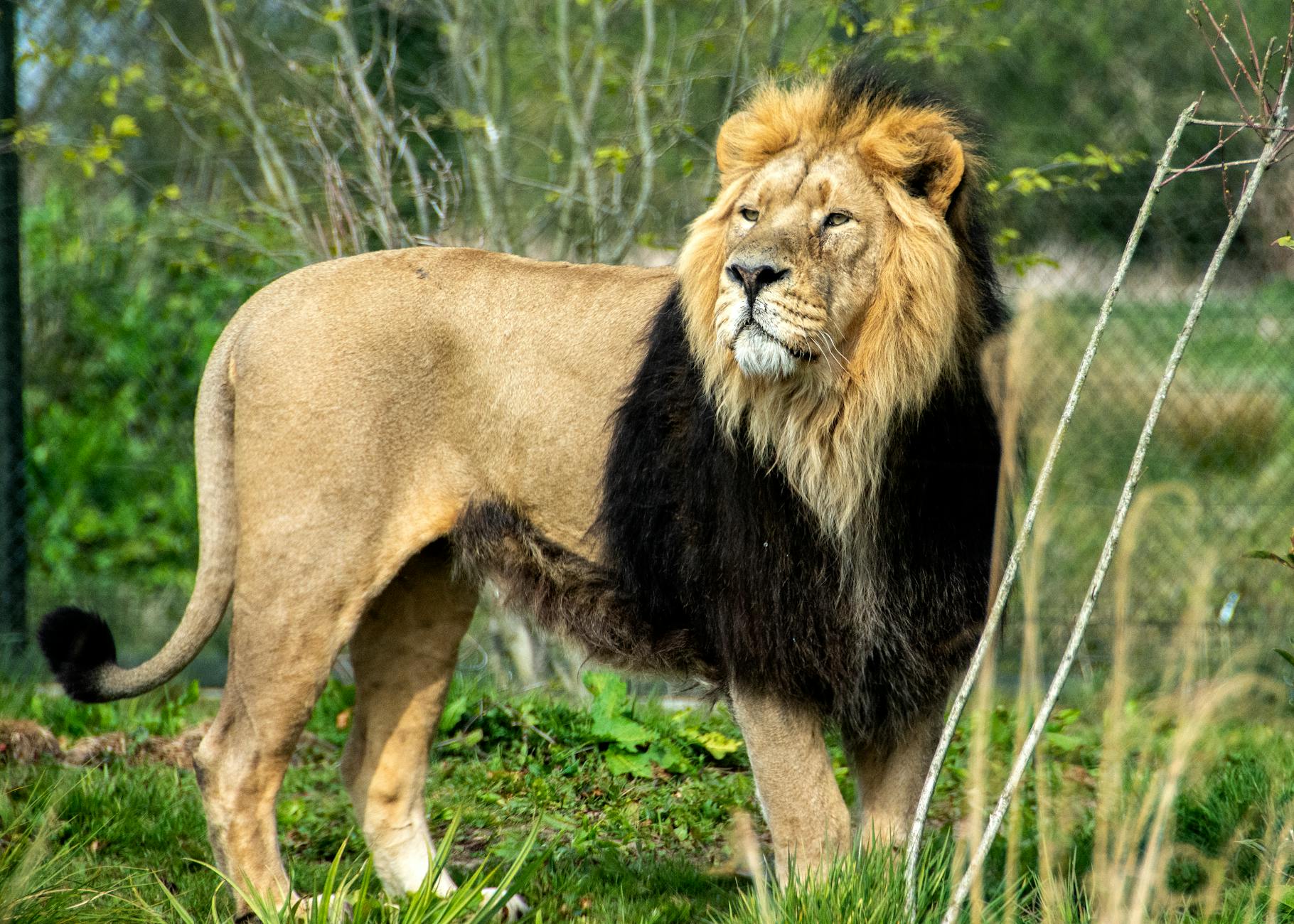
The lion is the most culturally celebrated predator on Earth appearing on crests coats of arms and national symbols across human history. Despite this legendary status lions succeed in only roughly one in five hunting attempts making their actual field performance considerably more modest than their reputation suggests. The bulk of active hunting within a pride falls to the females while the larger and more iconic males frequently trail behind and claim priority access to kills they did not participate in. Lions also rely heavily on cover and darkness making midday hours largely unproductive and limiting serious hunting to cooler and dimmer conditions. Prey animals on the open savanna have evolved acute awareness of lion behavior making surprise far more difficult to achieve than wildlife documentaries typically suggest.
Nile Crocodile
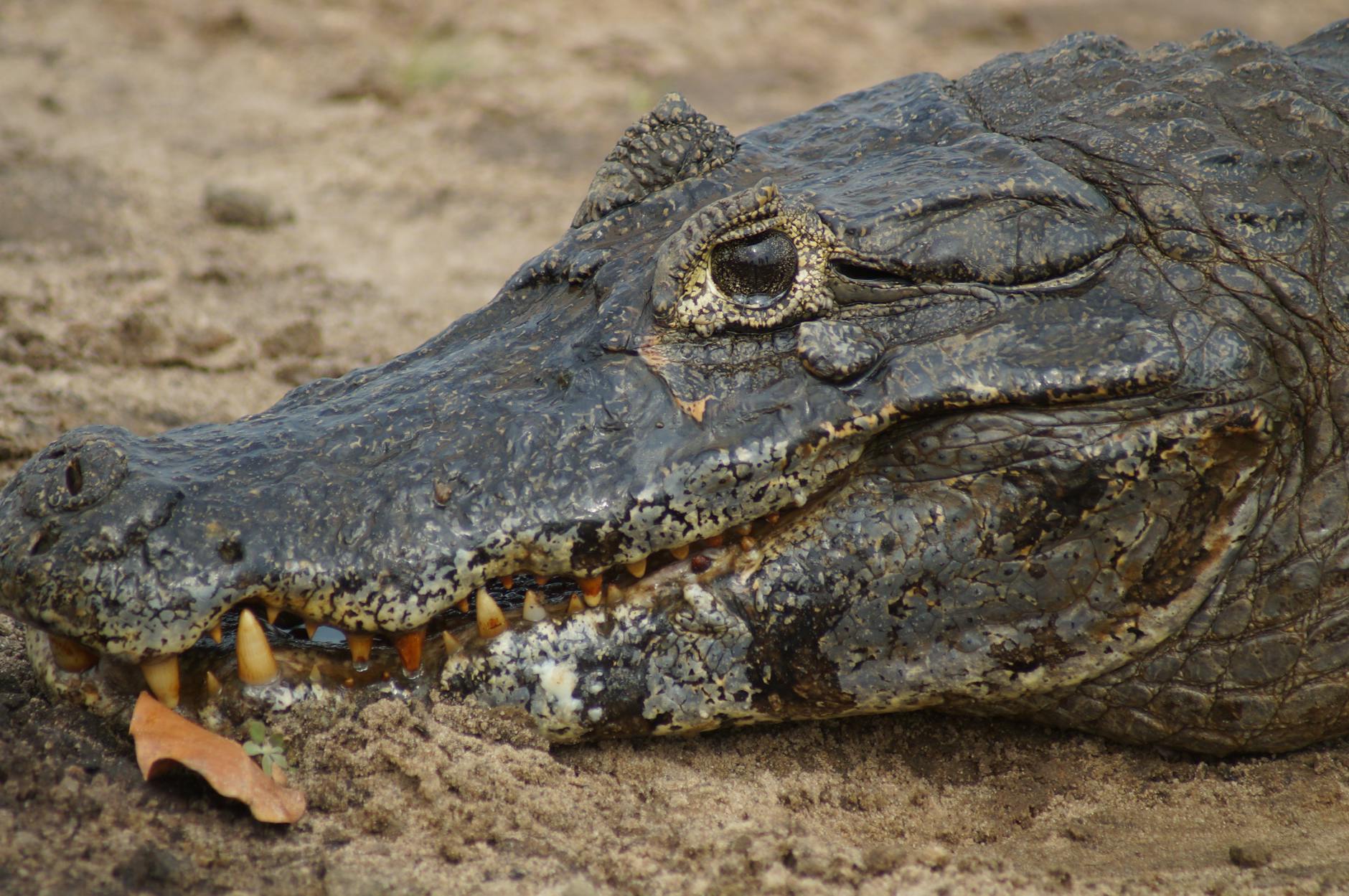
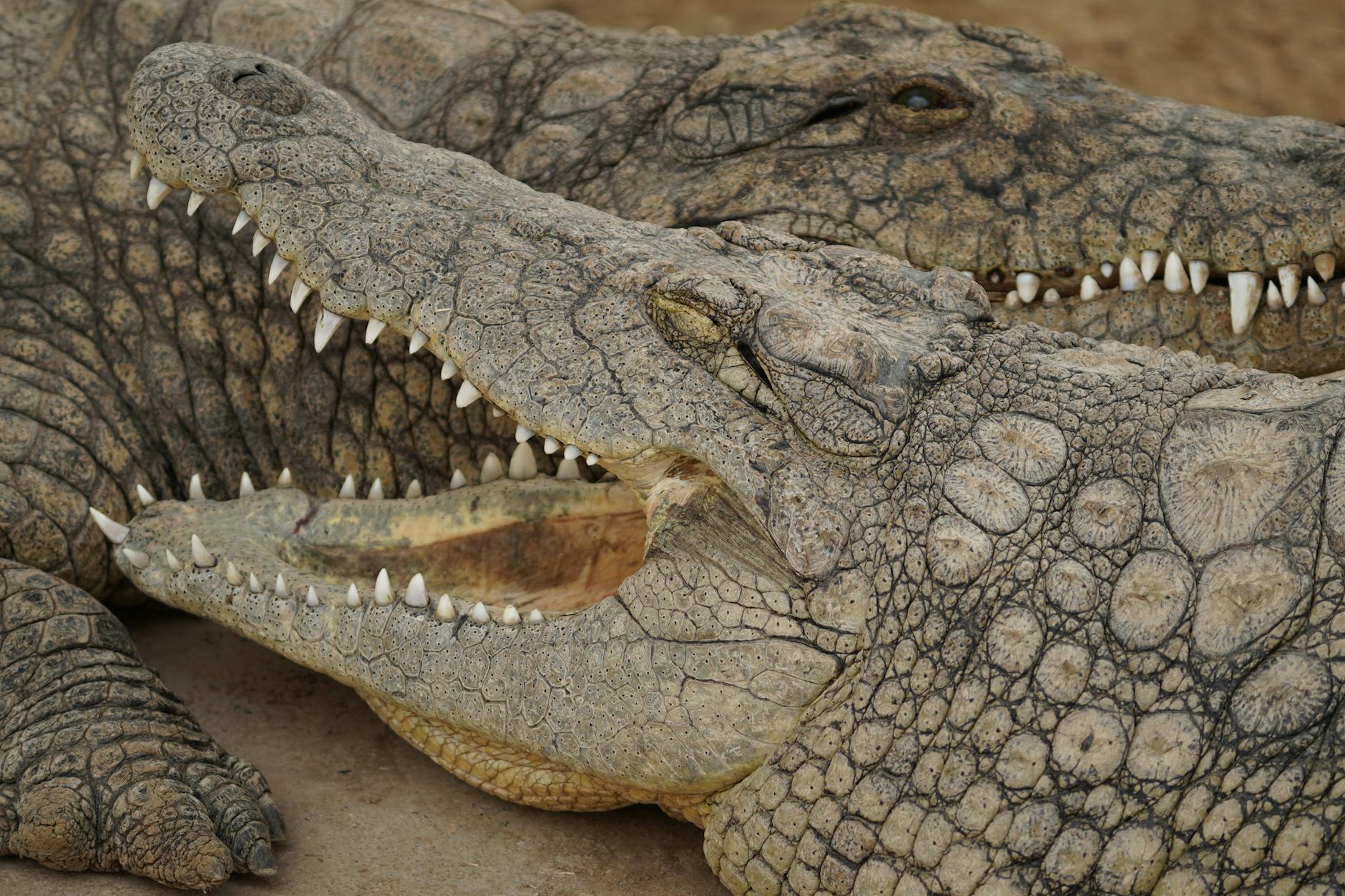
The Nile crocodile is an ancient and formidable creature that has remained largely unchanged for millions of years and can grow to lengths exceeding five meters. Its signature hunting method involves lying submerged and motionless at the water’s edge waiting for animals to approach for a drink before launching an explosive attack. This ambush works beautifully when it works but the vast majority of approaches never result in a contact opportunity as animals drink carefully and retreat quickly. Crocodiles can go months between substantial meals partly by necessity and partly because failed ambush attempts are far more frequent than successful ones. Outside of the dramatic river crossing moments associated with wildebeest migrations feeding success is considerably rarer than the crocodile’s fierce reputation implies.
Tiger
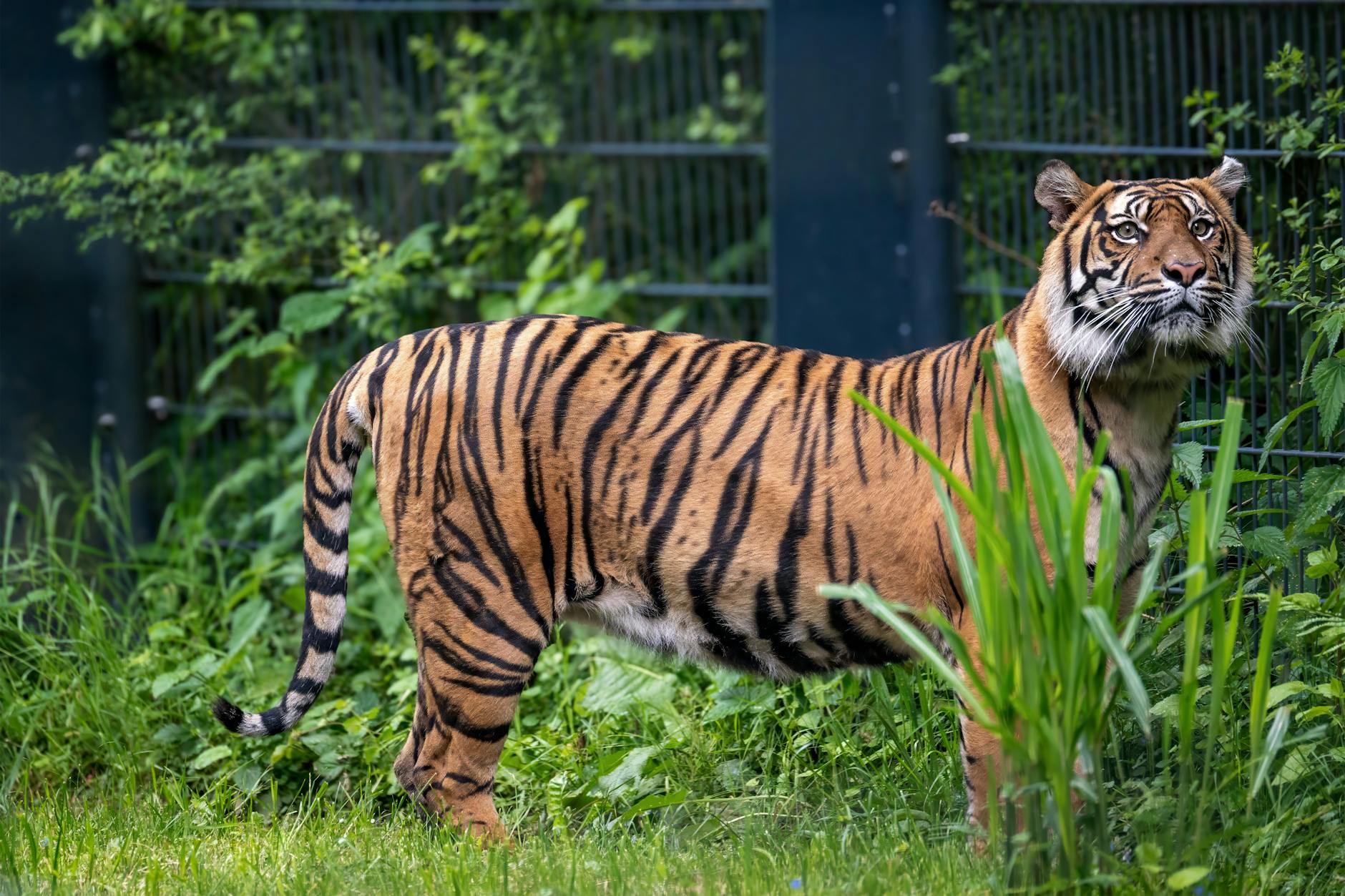
The tiger is the largest wild cat in the world and arguably the most physically impressive solitary predator alive today combining raw muscle with stealth and striking patterned fur. Unlike lions tigers hunt entirely alone making every failed attempt a direct personal caloric loss with no pride structure to compensate. Estimates suggest tigers are unsuccessful in roughly nine out of ten hunting attempts in the wild a figure that speaks to just how alert and fast their prey has become through generations of evolutionary pressure. They must cover vast territorial ranges to find enough prey and injuries sustained during hunts can quickly become life-threatening without access to veterinary care. Despite being built for power and ambush the tiger spends the overwhelming majority of its waking hours either resting or hunting unsuccessfully.
Great White Shark
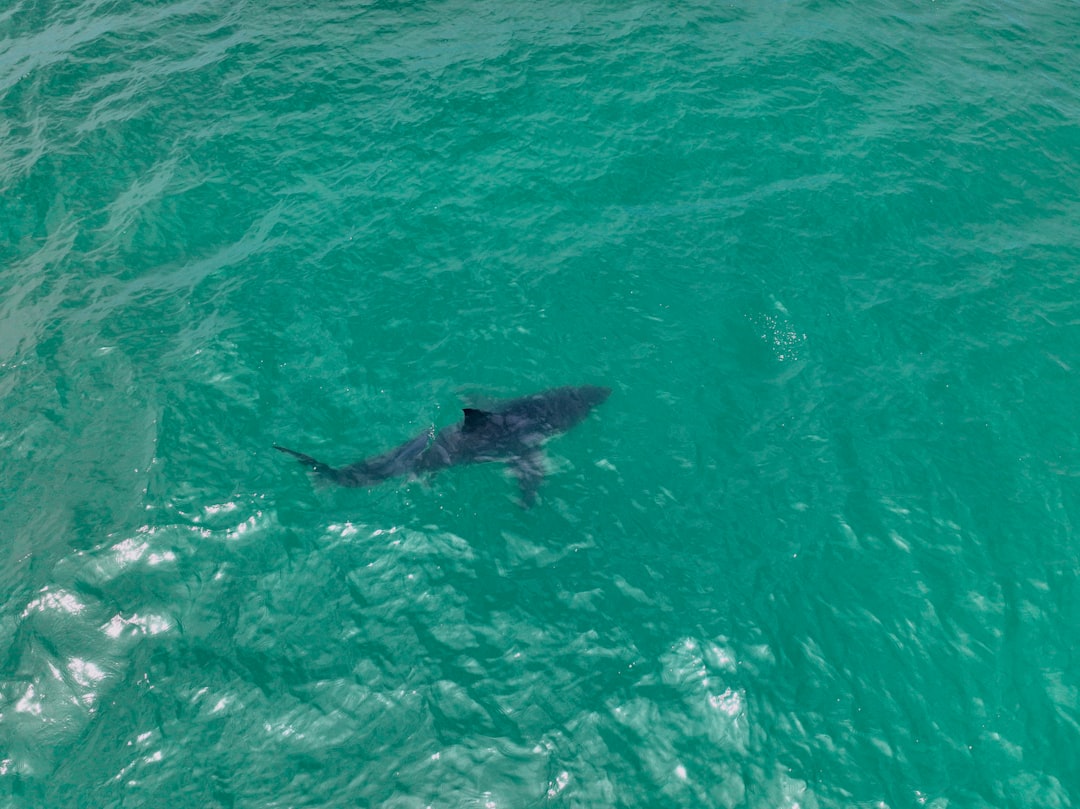
The great white shark occupies a unique space in popular culture as the apex oceanic predator and has inspired decades of fear far exceeding what its actual behavior warrants. Great whites frequently bite and release prey particularly humans suggesting that initial contact is often investigatory rather than predatory. Even when targeting preferred prey such as seals and sea lions a significant number of lunges miss their mark as the animals twist and accelerate in ways that challenge the shark’s considerable bulk. Great whites are also highly susceptible to capture stress and do not survive well in captivity highlighting a fragility that sits oddly alongside their terrifying image. The shark is undeniably powerful but its reputation as a ruthlessly efficient killing machine is built on considerably shakier foundations than most people realize.
Bald Eagle
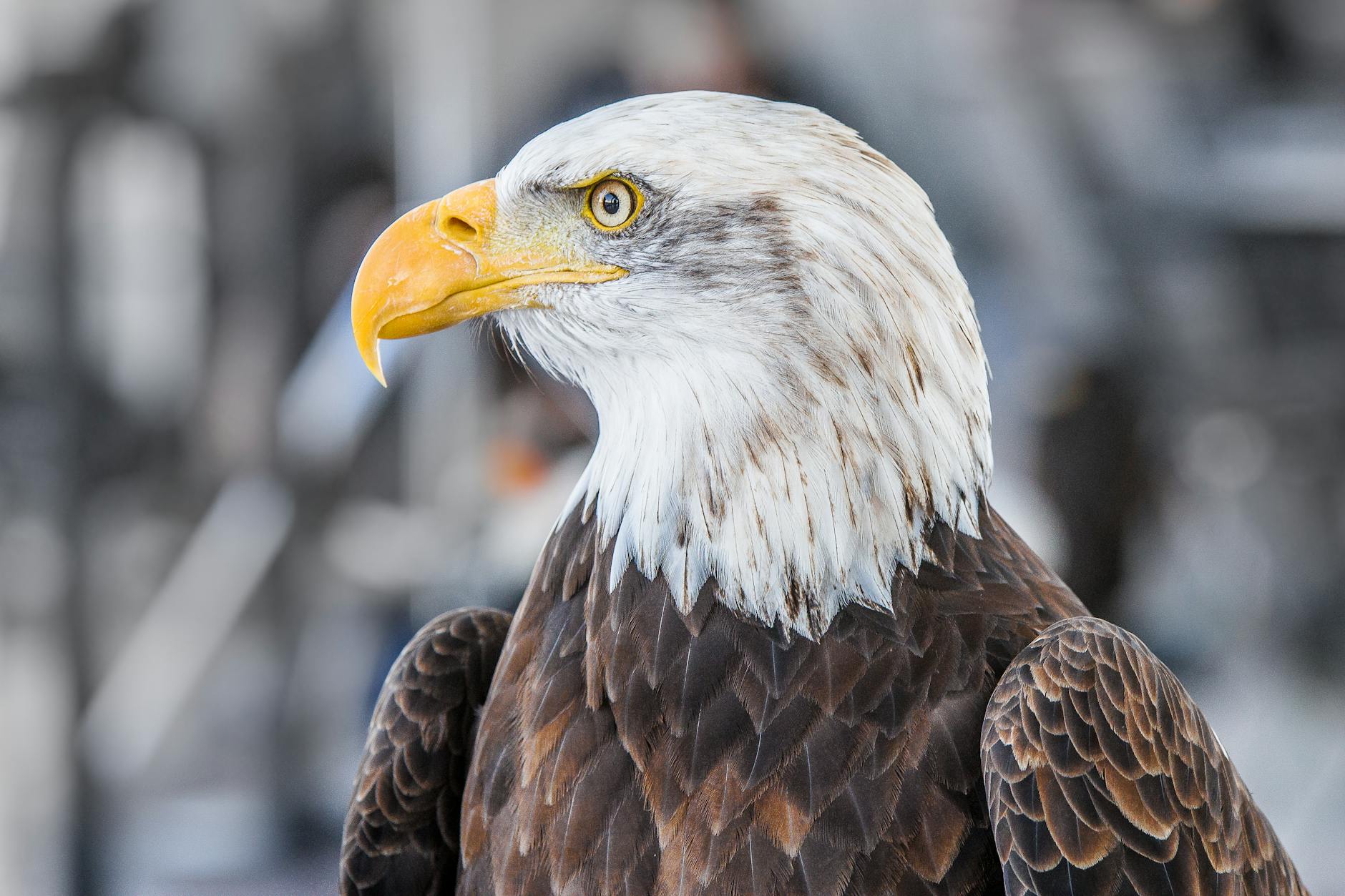
The bald eagle is the national symbol of the United States and one of the most recognizable birds of prey in the world projecting an image of fierce independence and precision. Its hunting method involves diving toward water to snatch fish near the surface but the success rate on these dives is far lower than the graceful execution might suggest. Fish are fast slippery and move unpredictably the moment a shadow passes overhead and eagles frequently pull up empty-taloned from the water. Bald eagles are also notorious for stealing food from other birds particularly ospreys which are considerably more skilled fishers. Benjamin Franklin famously objected to the bald eagle as a national symbol on grounds that it was a bird of poor moral character largely because of this persistent tendency toward theft over honest effort.
Jaguar
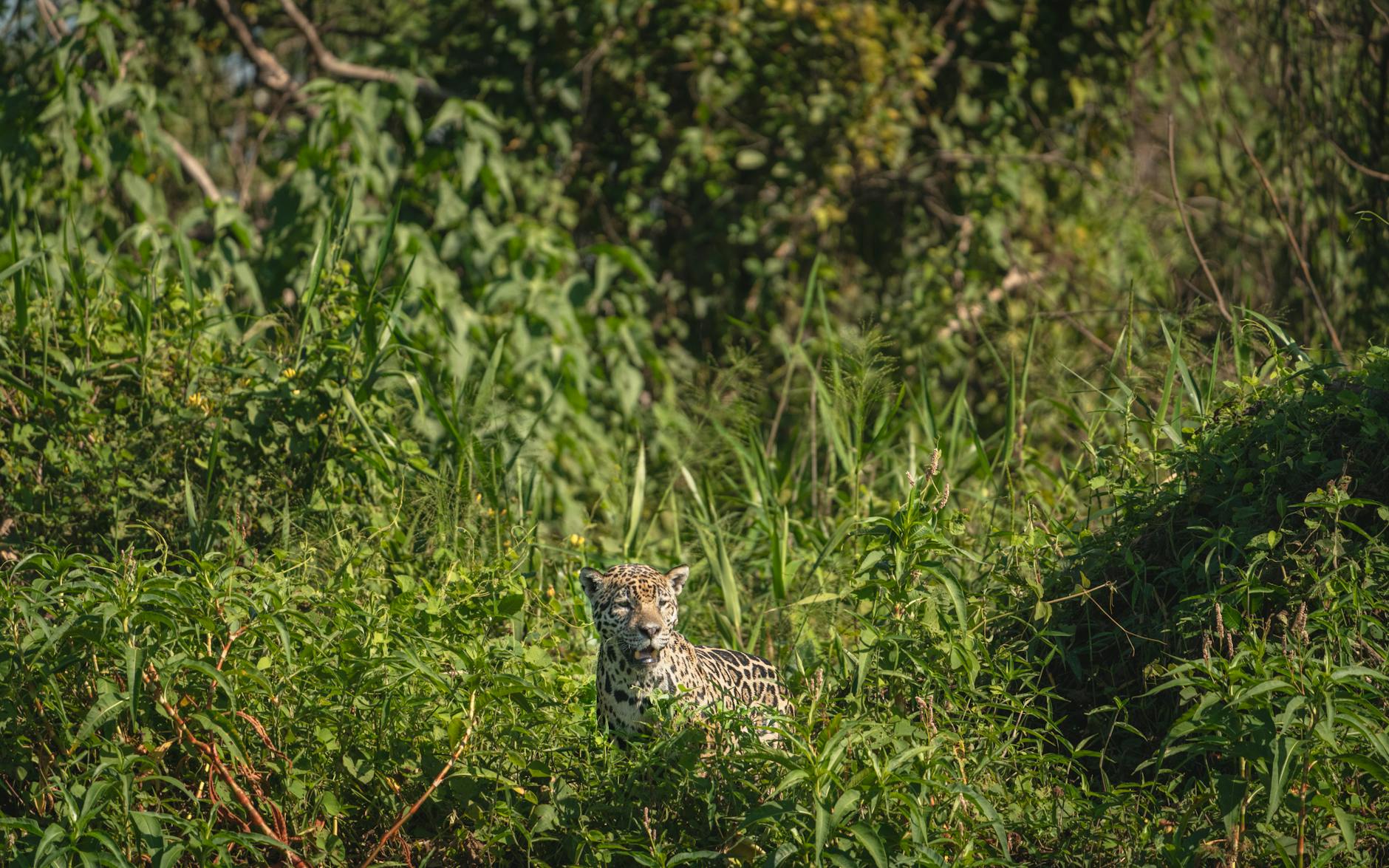
The jaguar is the most powerful big cat in the Americas with a bite force strong enough to pierce turtle shells and puncture the skulls of its prey directly rather than suffocating them like most other large cats. This remarkable physical capability has built a reputation for invincibility in its rainforest and wetland habitats across South and Central America. However the dense and complex environment jaguars inhabit makes successful hunting deeply challenging as prey disappears into thick vegetation almost instantly and noise travels poorly through the jungle floor. Jaguars are opportunistic hunters with a wide prey list but this breadth reflects adaptability born from frequent failure rather than mastery of any single approach. Population pressures from deforestation have forced jaguars into increasingly fragmented habitats where prey density is lower and competition with humans and livestock creates additional obstacles to reliable feeding.
Osprey
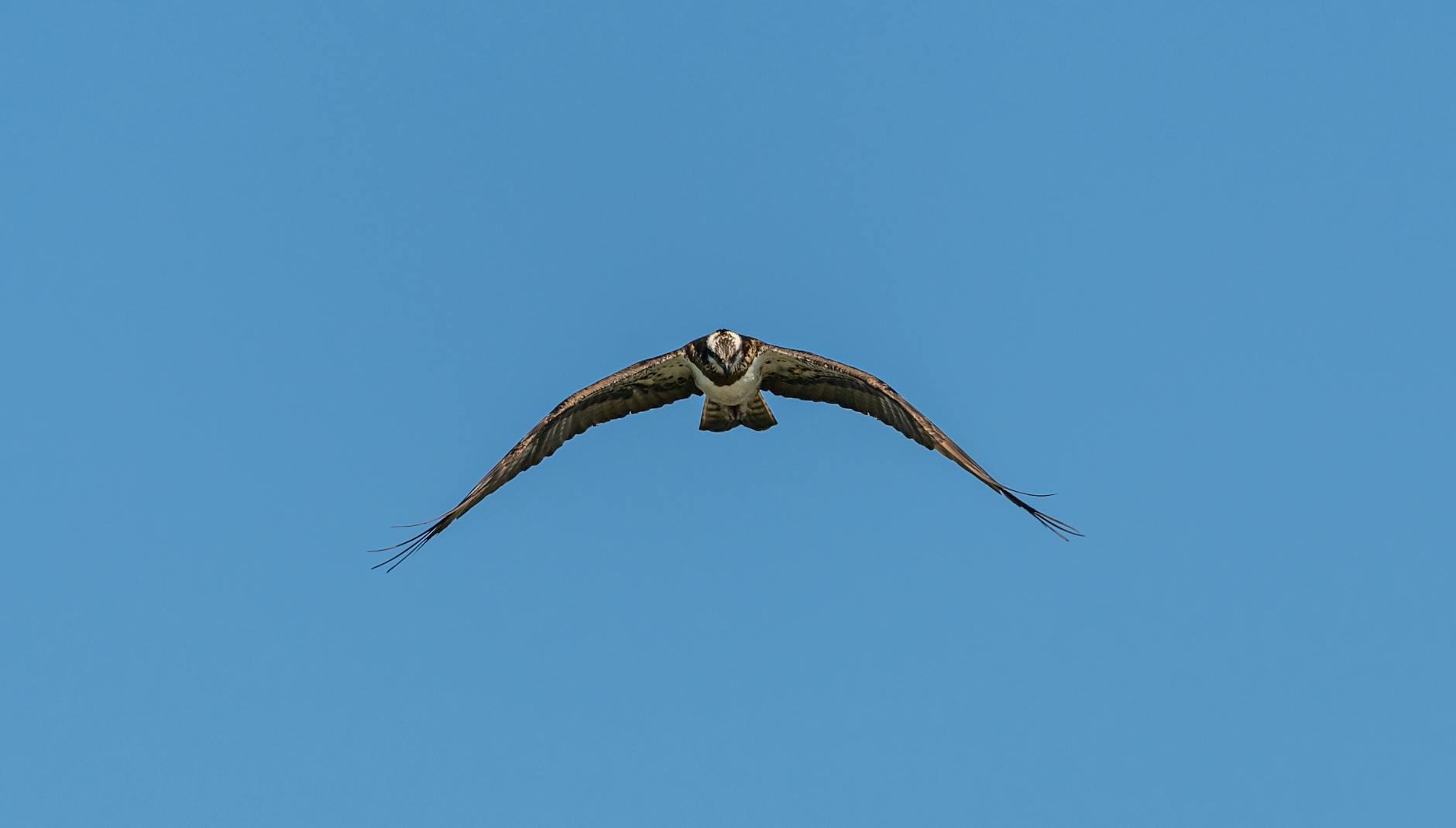
The osprey is one of the most specialized fish hunters in the avian world with reversible outer toes barbed foot pads and closable nostrils specifically evolved for plunge-diving into water to catch fish. This degree of biological investment in a single hunting method suggests nature had high expectations but the osprey still fails on roughly one in three attempts even with all of these adaptations working in its favor. Water surface conditions glare wind and fish depth all introduce variables that no amount of physical adaptation fully compensates for. Ospreys must also contend regularly with bald eagles and other larger birds attempting to steal catches mid-flight further reducing the net food reward from a successful dive. For a bird so thoroughly engineered around a single task the osprey’s actual catch rate offers a humbling reminder that evolution is always working against a moving target.
African Wild Dog
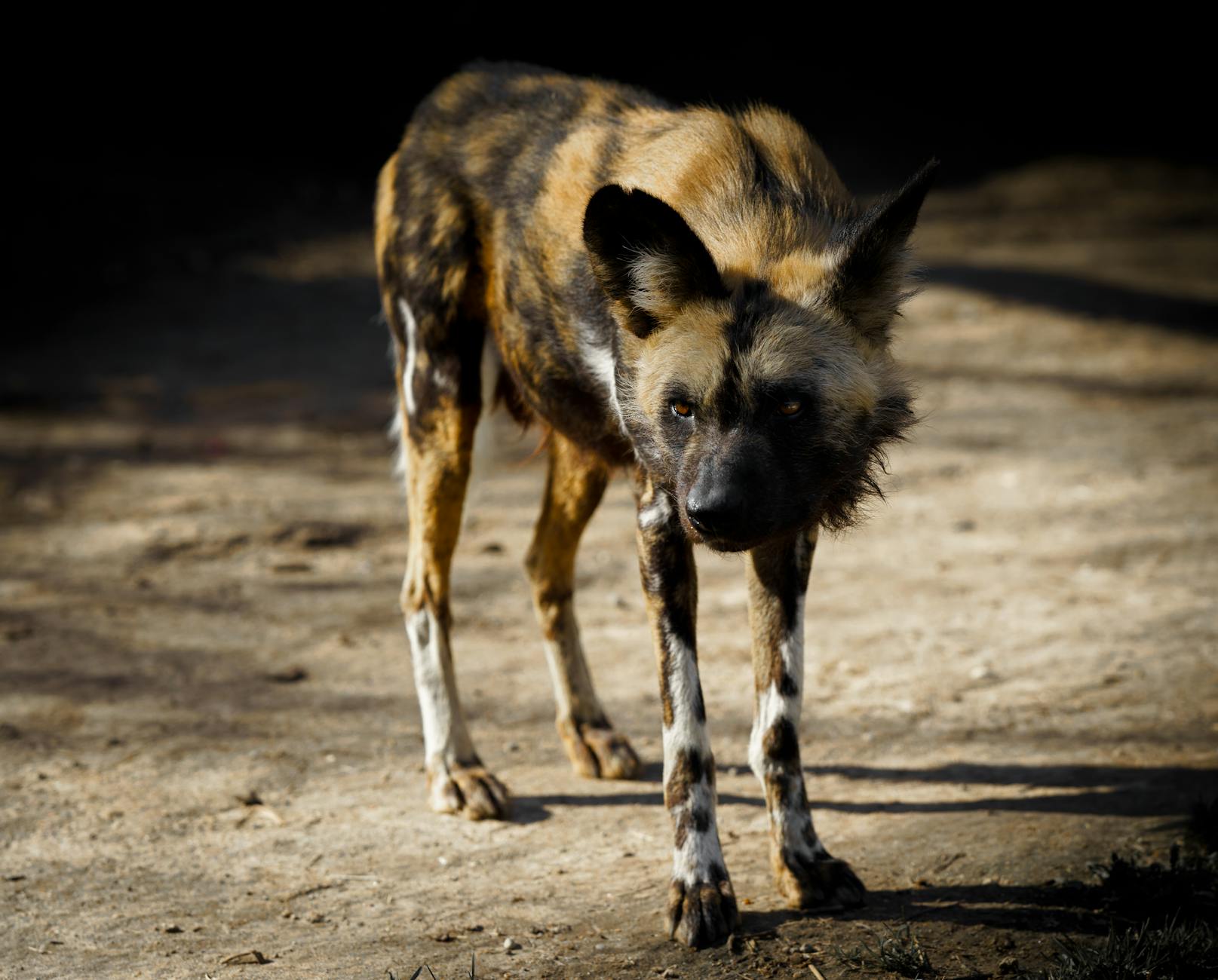
The African wild dog boasts the highest hunt success rate of any large predator in Africa and is frequently cited as a model of cooperative efficiency. Yet despite this statistical advantage the species faces chronic food insecurity and is among the most endangered carnivores on the continent. Their pack-based relay hunting system requires large home ranges to function which brings them into constant conflict with lions hyenas and human settlements that fragment their territory. Hyenas in particular are highly effective at following wild dog packs and intimidating them off kills before the dogs have eaten enough to sustain themselves or their pups. Success in the chase does not translate reliably into survival when so many external forces converge to deny them the fruits of their labor.
Peregrine Falcon
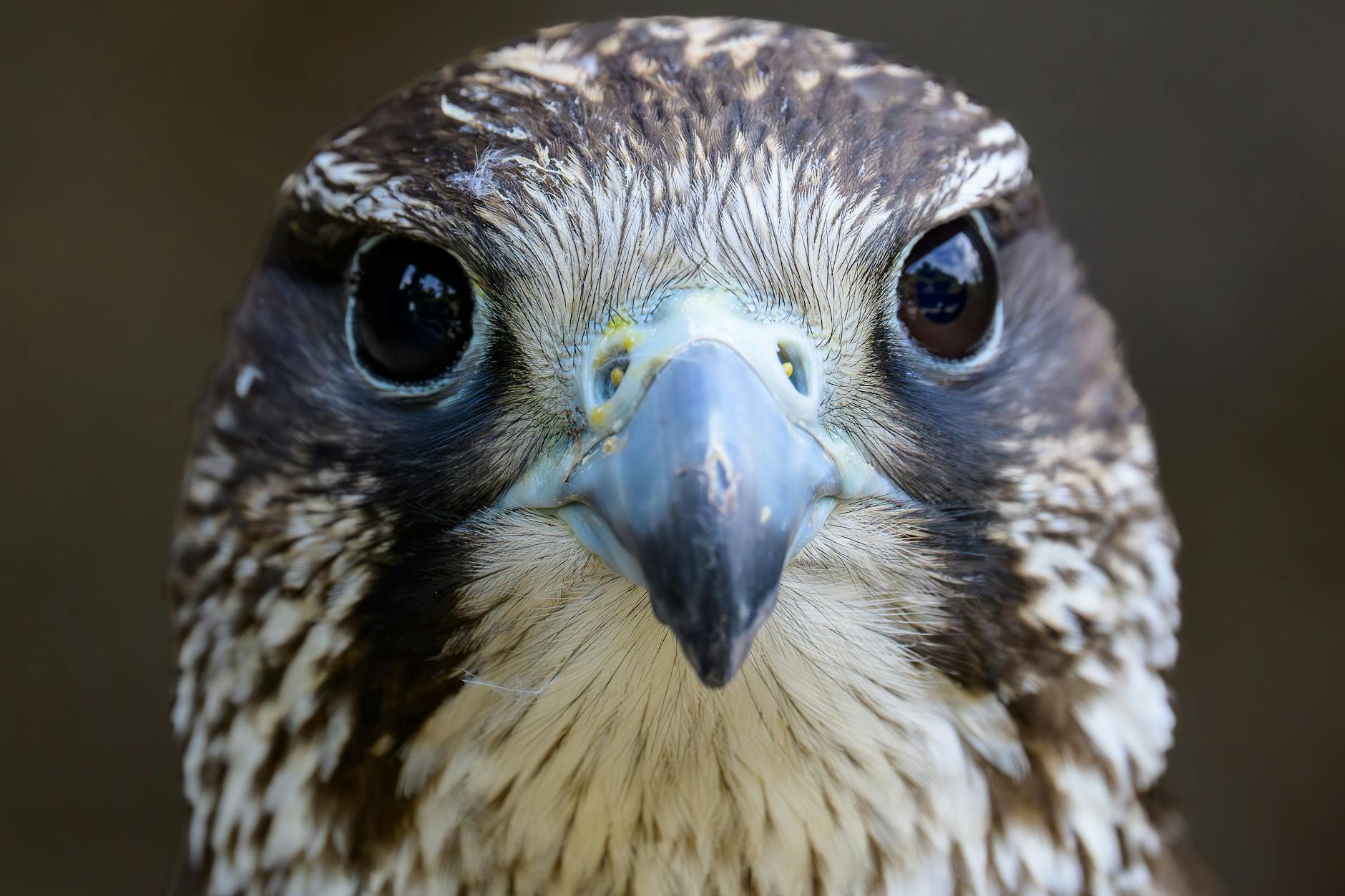
The peregrine falcon is the fastest animal on Earth in a dive reaching speeds exceeding three hundred kilometers per hour in a stoop toward prey and is rightly admired as a pinnacle of aerial predatory design. This speed however creates its own complications as the force required to absorb and redirect such momentum while striking a small fast-moving bird in flight demands extraordinary precision that does not always materialize. Peregrines frequently miss their targets entirely or only graze them and must then either pursue the stunned bird in a secondary chase or abandon the attempt altogether. In urban environments where peregrines have successfully recolonized the bird life they target has steadily adapted to their presence making successful hunting increasingly demanding over generations. The falcon’s speed is a spectacular spectacle but the physics of translating that speed into a successful kill are considerably less reliable than the dive itself appears.
Sloth Bear
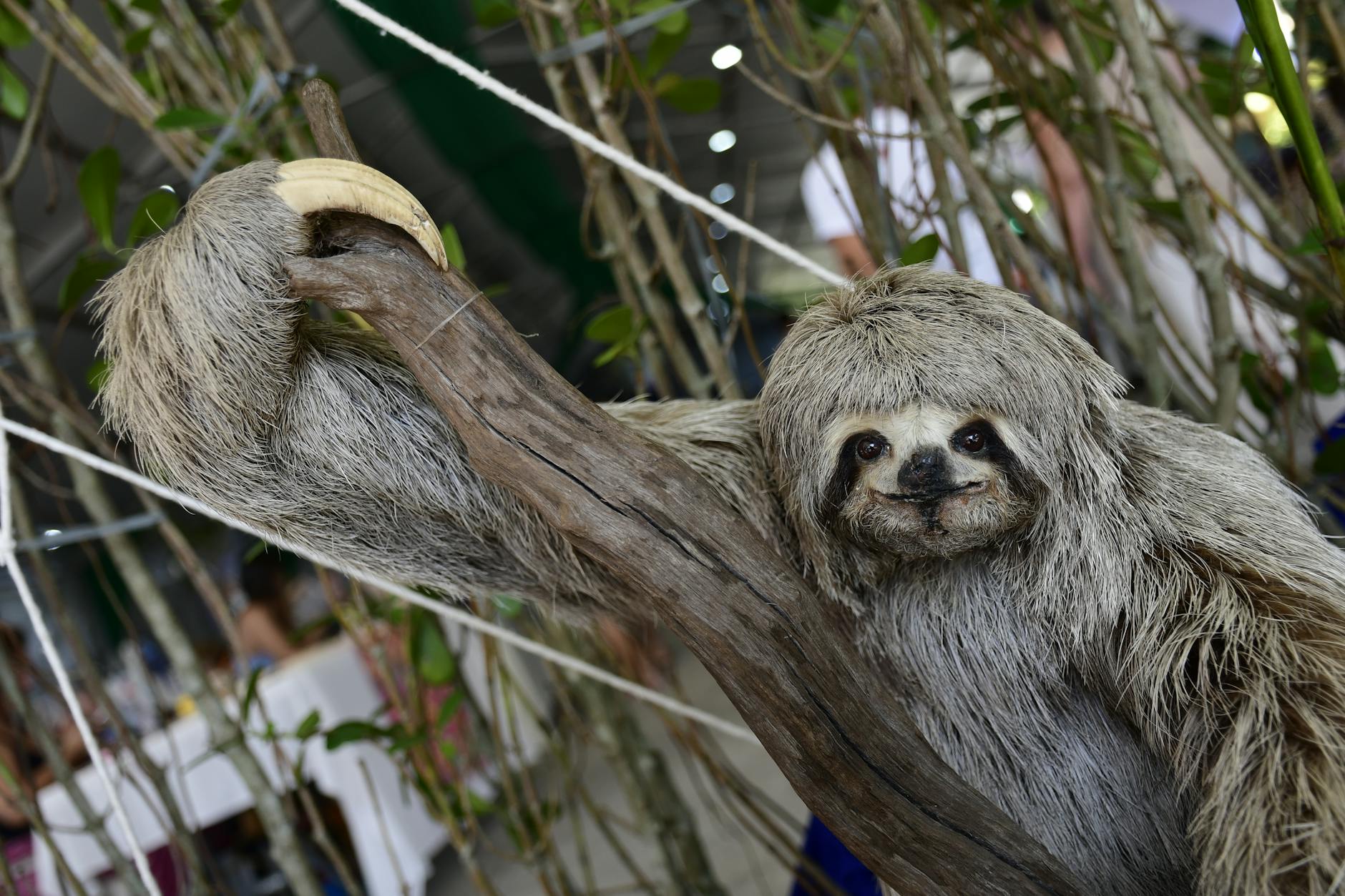
The sloth bear is a shaggy and somewhat comical-looking bear native to the Indian subcontinent primarily known for its extraordinary ability to vacuum up insects through a flexible snout and a gap in its front teeth. When it attempts to hunt larger prey the sloth bear’s performance is considerably less refined and more chaotic than any of its ursine relatives in similar ecological roles. Its poor eyesight and hearing make locating and tracking prey a largely haphazard process and its lumbering gait removes any advantage of speed from the equation. Sloth bears are responsible for more human attacks in India than tigers or leopards but this aggression is almost entirely defensive in nature rather than a reflection of confident predatory intent. The bear is magnificently adapted for insect consumption and a genuinely terrible hunter of anything more ambitious.
King Cobra
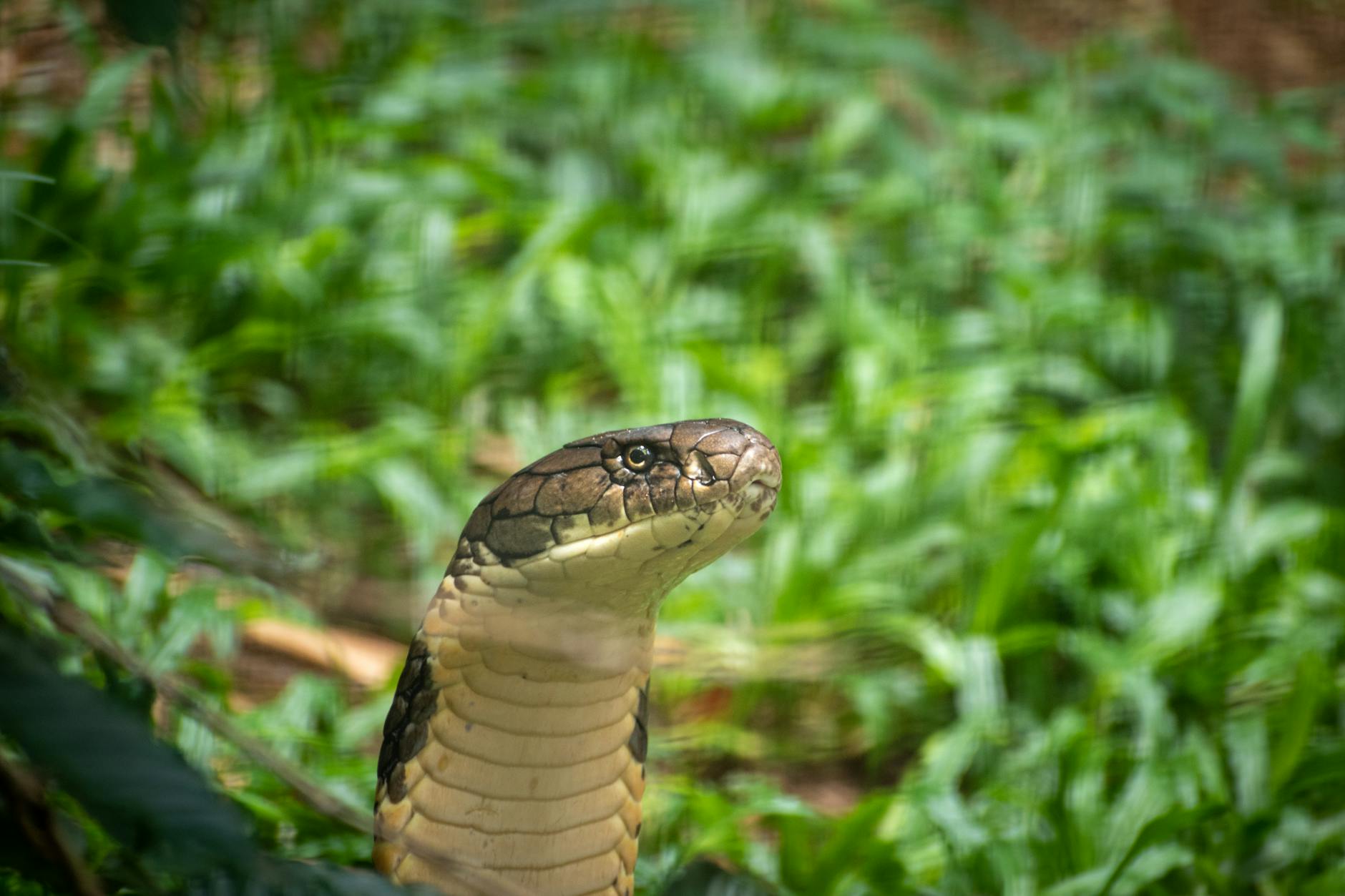
The king cobra is the longest venomous snake in the world reaching lengths of over five meters and carrying enough venom in a single bite to kill an elephant or twenty adult humans. Its dramatic hood spreading behavior and the haunting musical quality of its distinctive hiss have cemented its status as one of the most mythologized predators in Asian cultures for millennia. Despite this fearsome toolkit the king cobra feeds almost exclusively on other snakes including venomous species making its prey base narrow and its hunting opportunities in fragmented habitats increasingly limited. Finding sufficient snake prey requires roaming large territories and as deforestation reduces the snake populations it depends on the king cobra faces growing periods of food scarcity. A predator capable of killing almost any living thing on the planet specializes in a diet that keeps it perpetually close to hunger.
Harpy Eagle
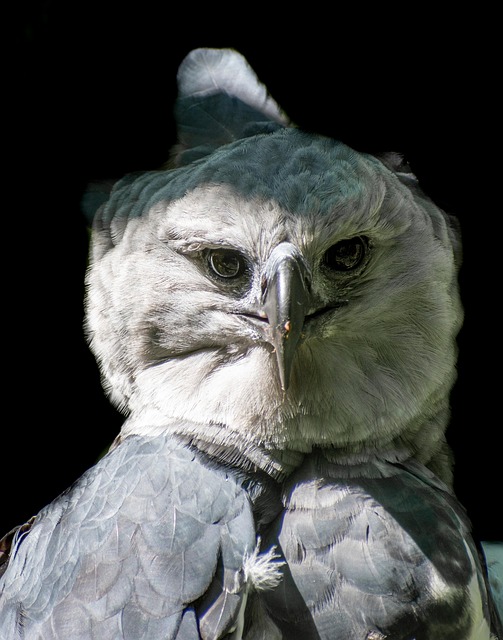
The harpy eagle is the most powerful eagle in the world and one of the apex aerial predators of the South American rainforest with talons the size of grizzly bear claws capable of exerting extraordinary gripping force. It hunts sloths and monkeys in the dense forest canopy where navigating at speed between branches requires constant micro-adjustments that even this highly specialized bird does not always execute successfully. The harpy eagle has an extremely low reproductive rate raising a single chick every two to three years which means hunting failures carry consequences that extend far beyond a single meal. Deforestation has dramatically reduced its range and prey availability across much of its historical territory in Central and South America. For an eagle of such physical magnificence the harpy spends a surprisingly large portion of its time perched and waiting rather than actively and successfully hunting.
Wolverine
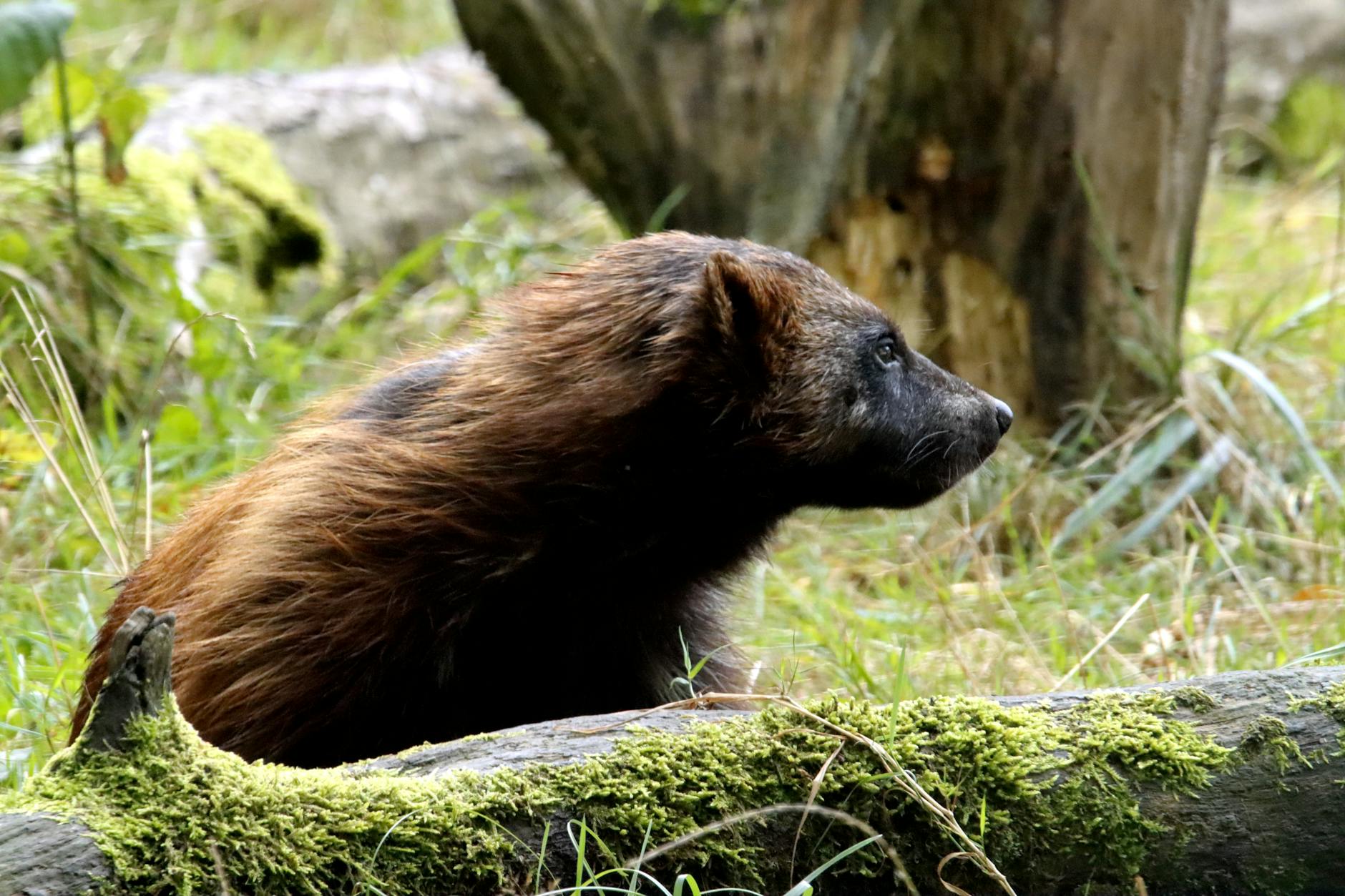
The wolverine is one of the most ferocious animals pound for pound in the Northern Hemisphere capable of driving wolves and bears off kills through sheer aggression and a total apparent indifference to pain. This fearlessness and reputation for violence has made it a favorite subject of hyperbolic wildlife writing but the wolverine’s actual hunting record is considerably less impressive than its attitude suggests. It survives primarily as a scavenger following wolf packs and other predators to feed on their leftovers through deep snowpack seasons when original prey is genuinely scarce. When it does attempt to hunt it typically targets animals that are already injured weakened or trapped by deep snow rather than healthy prey in open conditions. The wolverine is an extraordinary survivor but a remarkably modest hunter given the mythology built around its ferocity.
Moray Eel
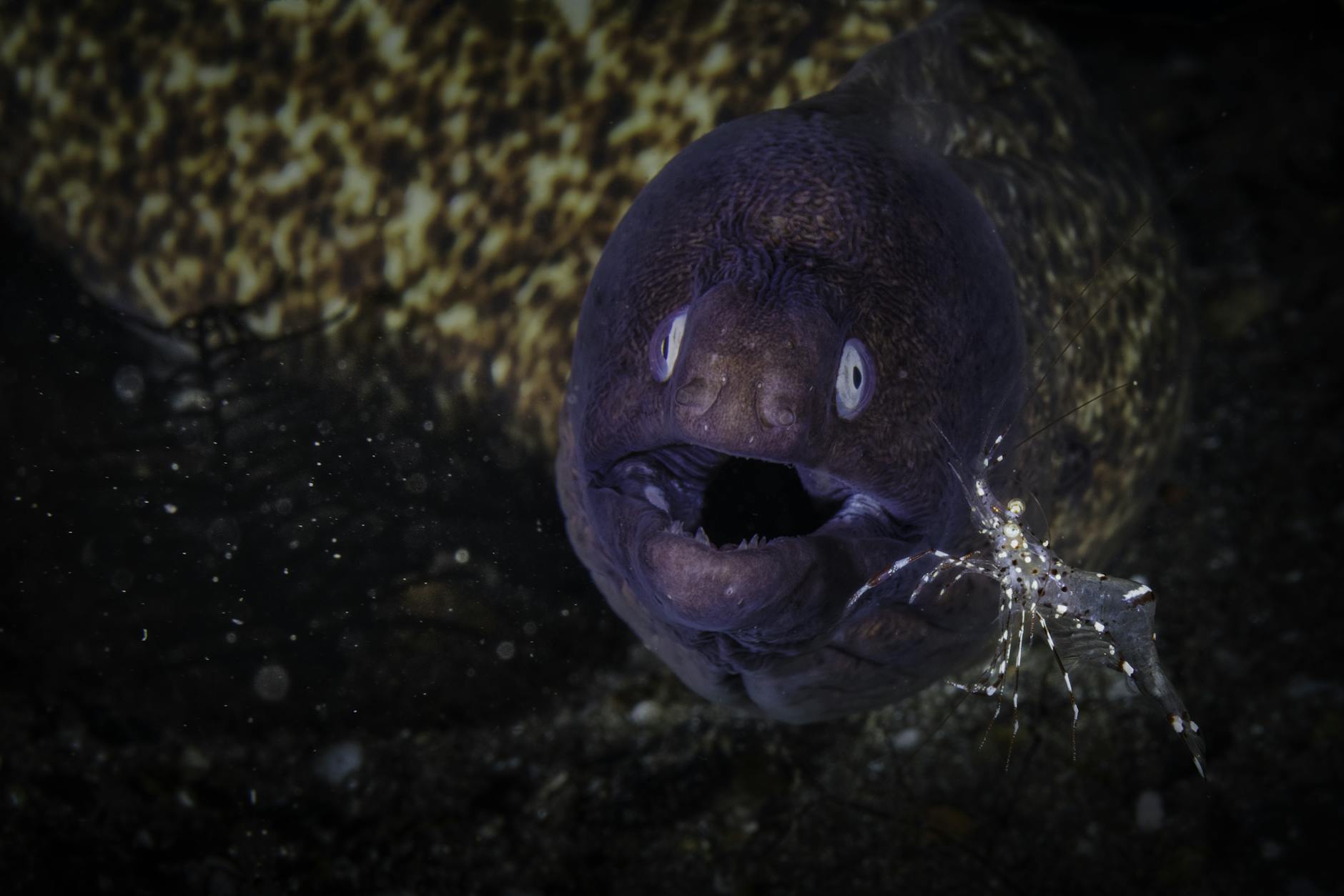
The moray eel lurks in reef crevices across tropical and subtropical oceans with a perpetually open-mouthed expression that projects menace and a body that moves with unsettling sinuousness through tight rock passages. It possesses a second set of jaws inside its throat called pharyngeal jaws that lunge forward to grip prey and pull it inward creating a mechanism that sounds terrifyingly efficient. Fish and octopus passing close enough to a moray’s hiding spot are at genuine risk but the eel’s ambush range is extremely limited and it fails to connect with a large proportion of the animals that venture near its lair. Morays are also highly susceptible to getting their pharyngeal jaws briefly stuck or misdirected on unusual prey shapes causing comical episodes of failed swallowing that undermine the predatory mystique. Cooperative hunting with grouper fish where the two species communicate to flush prey from crevices has been documented but even this teamwork does not produce consistent results.
Barn Owl
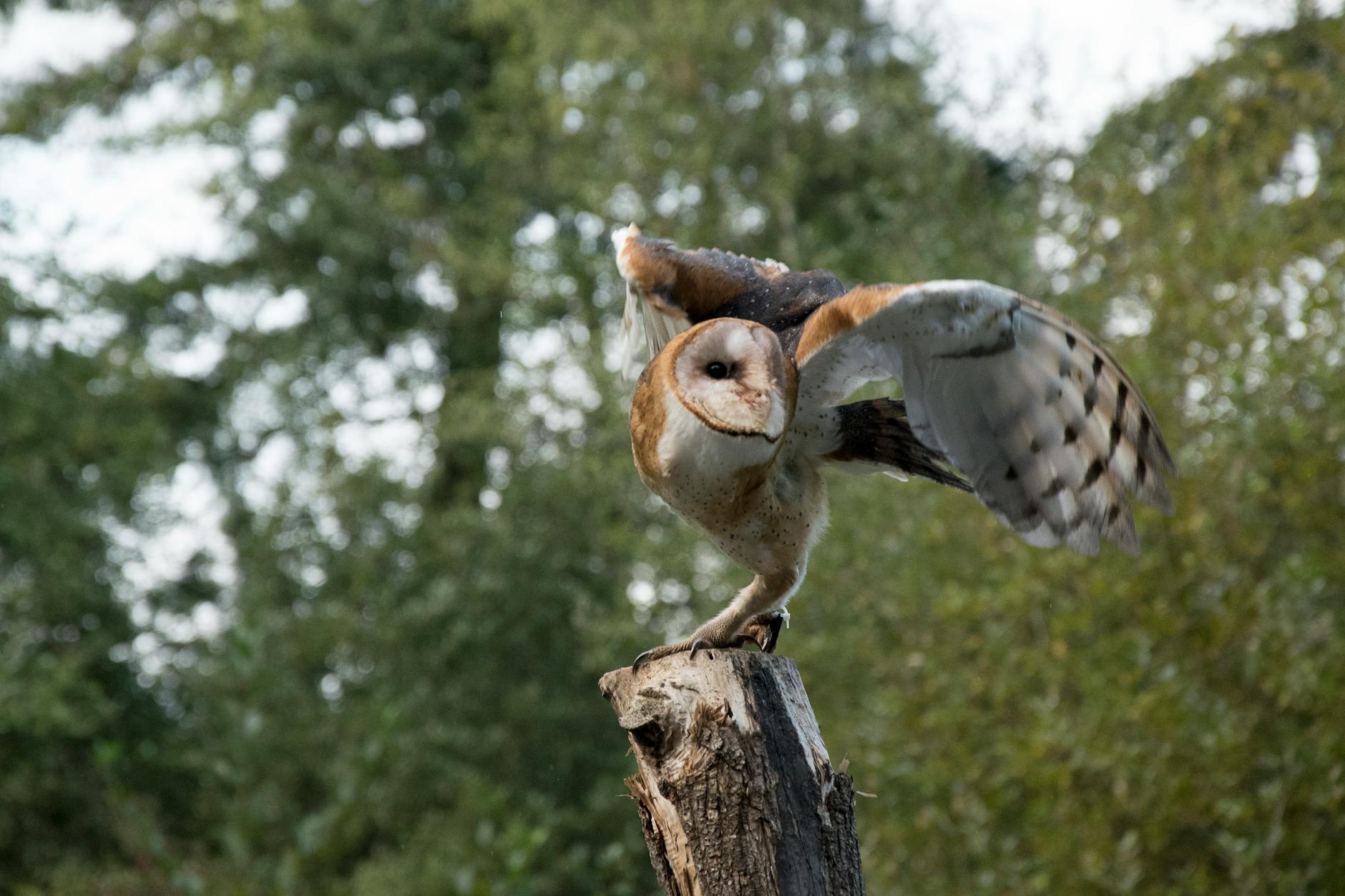
The barn owl is arguably the most acoustically sophisticated hunter in the bird world capable of locating prey in complete darkness purely through sound using asymmetrically placed ears that calculate prey position with extraordinary three-dimensional precision. This adaptation has made the barn owl a symbol of silent deadly efficiency in folk traditions and wildlife media across dozens of cultures worldwide. Yet barn owls have among the highest starvation rates of any bird of prey particularly in winter months when snow cover muffles the sound of small rodents moving beneath the surface and breaks down the acoustic hunting advantage entirely. A single hard winter can kill a significant proportion of a local barn owl population as the birds exhaust their energy reserves hunting without success in changed acoustic conditions. The most sonically advanced hunter in nature is entirely at the mercy of a light dusting of snow.
Secretary Bird
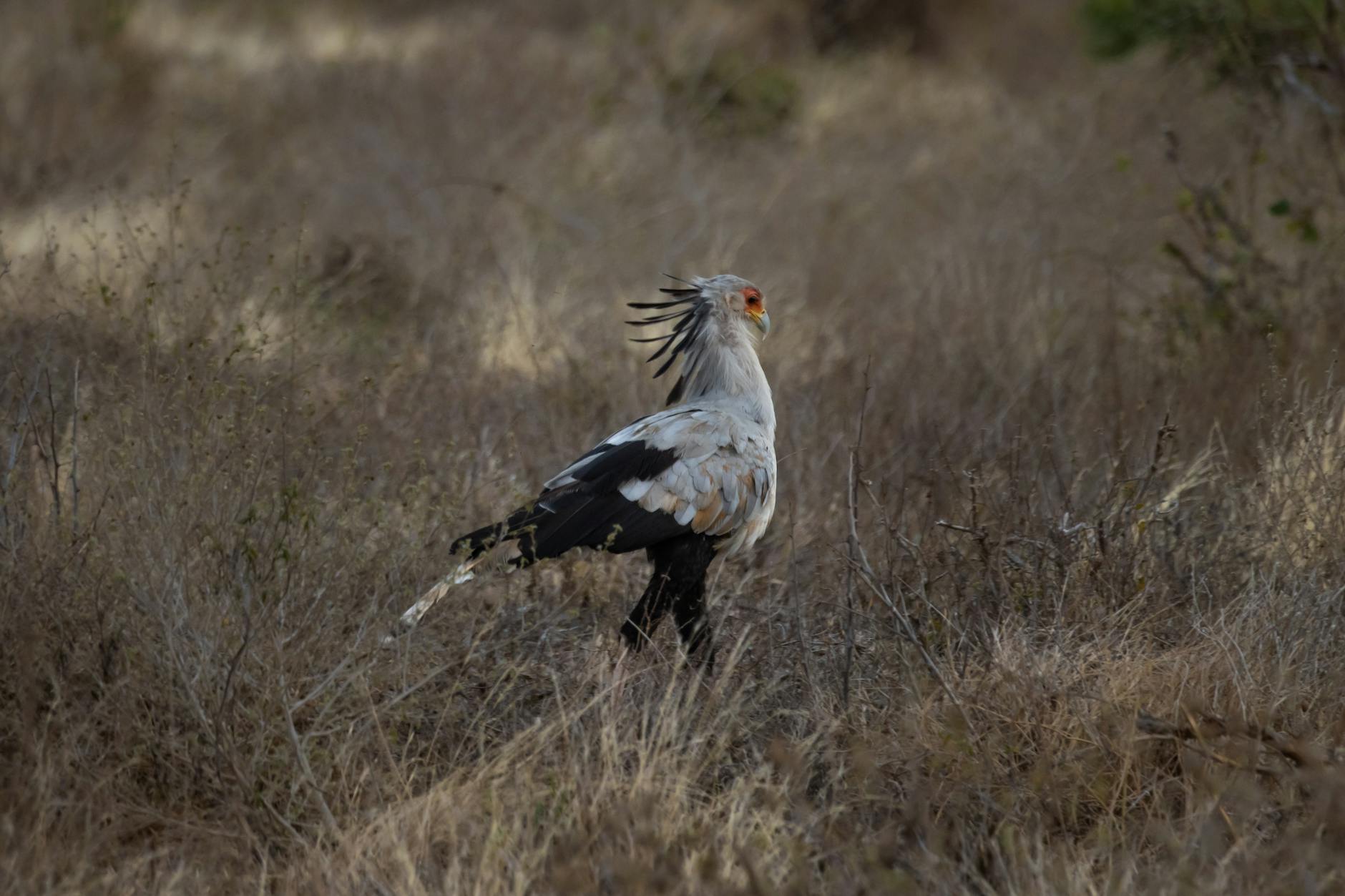
The secretary bird is one of the most visually distinctive raptors on Earth standing nearly a meter and a half tall on long crane-like legs and walking the African savanna upright like a feathered bureaucrat in search of reptiles to stamp on. Its hunting technique involves stomping on snakes and other prey with powerful legs generating enough force to stun or kill animals that would be dangerous for a bird attempting to use its beak at close range. The mechanics are impressive but the accuracy leaves considerable room for improvement as snakes frequently dodge the stamps and escape before a fatal blow connects and the bird must begin its search over again. Secretary birds cover enormous distances on foot each day often with very little to show for the effort and their large territorial requirements make consistent hunting success genuinely difficult to maintain. Despite appearing purpose-built for the job of killing snakes the secretary bird’s actual effectiveness makes it considerably less decisive than its dramatic stomping performance implies.
Cougar
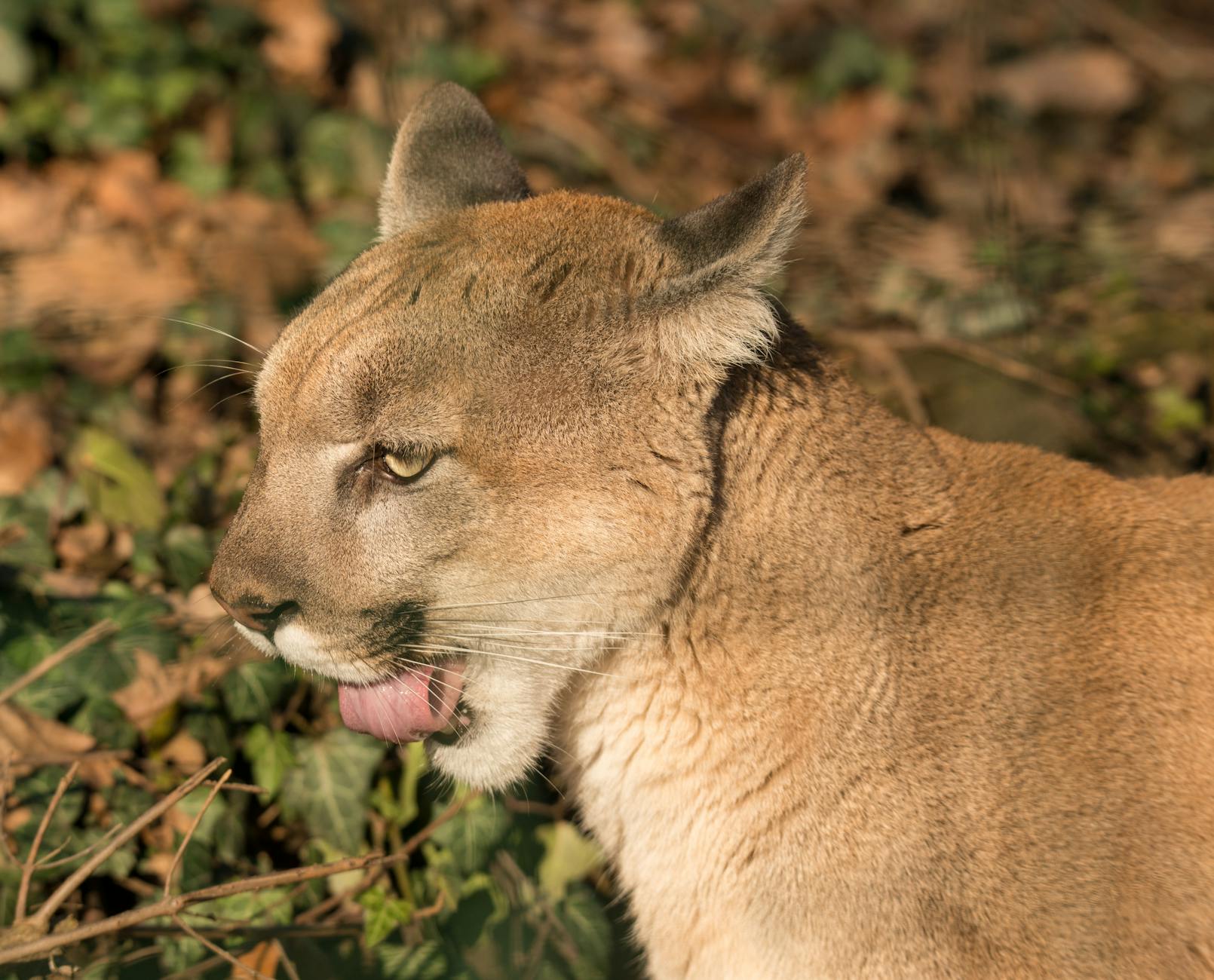
The cougar is the most widely distributed wild land mammal in the Western Hemisphere ranging from the Canadian Yukon to the southern tip of South America and adapting to an extraordinary variety of terrain and prey species across that range. This adaptability has kept it successful where many more specialized predators have declined but it has not made the cougar a particularly efficient hunter in any single environment. Cougars are ambush predators that rely on closing distance undetected before a final explosive lunge and this method fails frequently as deer and other prey often detect the cat’s approach before the optimal strike distance is reached. They must kill large ungulates regularly to meet their caloric needs and drag heavy carcasses to concealed locations to protect them from scavengers making each successful hunt a significant physical undertaking. In areas with high human encroachment cougars spend increasing amounts of their active hours avoiding detection rather than actively hunting creating further pressure on an already demanding feeding strategy.
Piranha
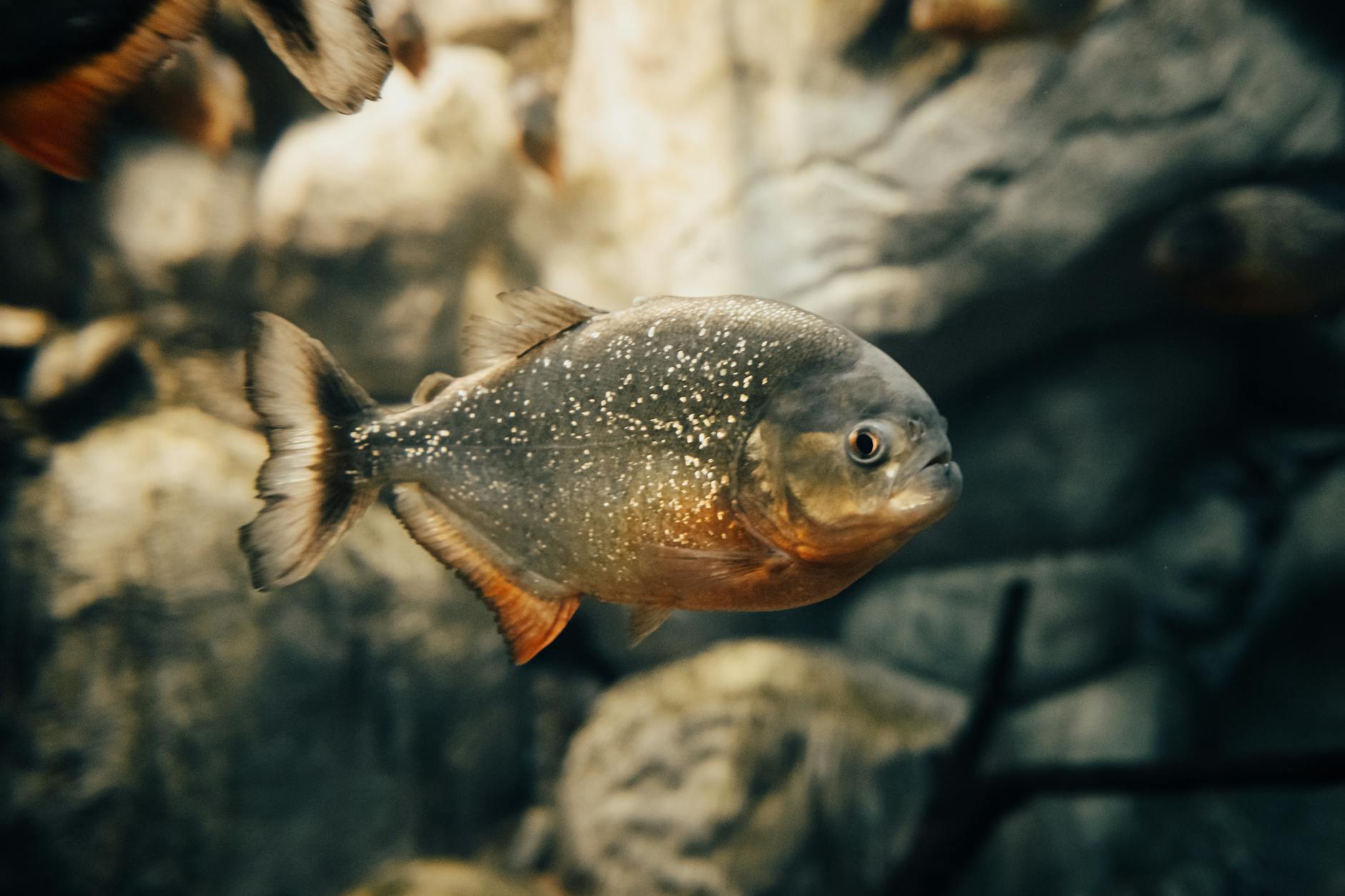
The piranha’s reputation as a frenzied unstoppable killing machine stripping large animals to bone in seconds is one of the most sensationalized predator myths in popular natural history. In reality piranhas spend most of their lives eating plant material fruit seeds and fish smaller than themselves rather than assembling into packs to overwhelm large warm-blooded prey. Feeding frenzies do occur but they are typically triggered by unusual circumstances such as drought conditions that concentrate fish in shrinking pools or the introduction of blood into water where many individuals are already crowded and agitated. A healthy cow or human standing in flowing Amazon water is in very little danger from piranhas under normal conditions despite what decades of horror films have suggested. The piranha is a perfectly competent opportunistic scavenger that has been catastrophically over-promoted into the role of apex aquatic killing machine.
Dragonfly
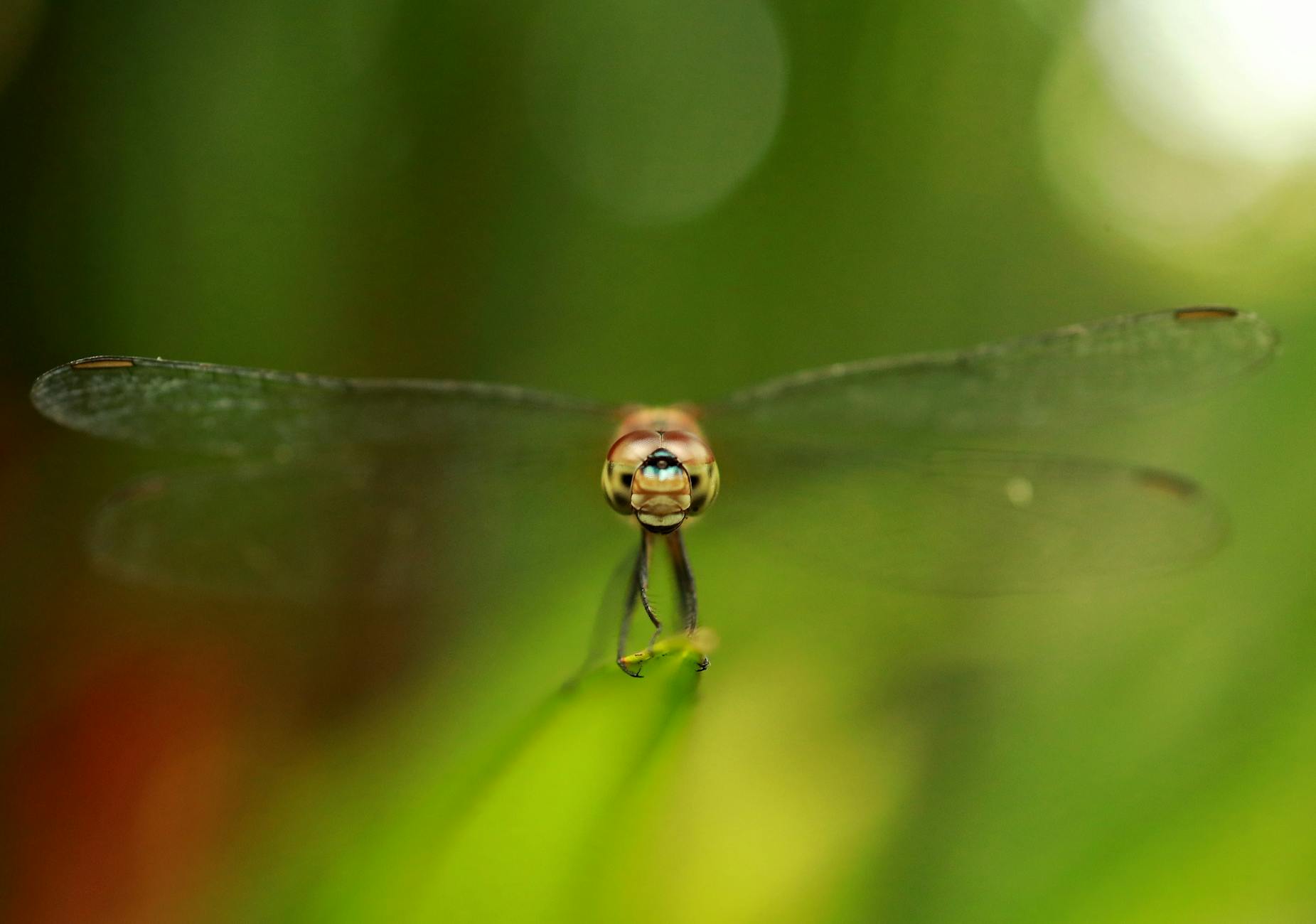
The dragonfly is statistically the most successful hunter in the insect world with some studies documenting catch rates above ninety percent making it considerably more effective than any vertebrate predator on this list. Including it here requires acknowledging that its reputation as a majestic predator is the actual fiction since most humans perceive dragonflies as delicate decorative insects hovering peacefully over garden ponds rather than the extraordinarily lethal aerial interceptors they actually are. The dragonfly uses predictive flight calculations to intercept prey rather than simply chasing it a neurological feat that outperforms most vertebrate predators in raw efficiency. Its four wings operate independently allowing flight maneuvers including backward hovering and sharp directional changes that make it almost impossible for small prey to escape once targeted. The dragonfly belongs on this list purely to correct the opposite misperception since its understated appearance conceals what is by measurable standards one of the most effective hunters ever to exist.
Crocodile Monitor
The crocodile monitor is the longest lizard in the world found in the rainforests and mangroves of New Guinea and nearby islands with a formidable appearance that places it firmly in the imaginative category of fearsome reptilian predators. Despite its size reach and a deeply forked tongue capable of detecting chemical signals at considerable distance the crocodile monitor is a poor and largely opportunistic hunter in practice. It relies heavily on already-dead animals invertebrates eggs and small vertebrates that require minimal effort to subdue rather than actively pursuing and killing prey of substantial size. Its arboreal habits mean that much of its time is spent in trees where hunting opportunities are limited and energy expenditure is high relative to the caloric rewards available. For a lizard that looks like it was designed to inspire fear the crocodile monitor lives a relatively unglamorous life centered on finding things that are already conveniently dead.
Goliath Birdeater
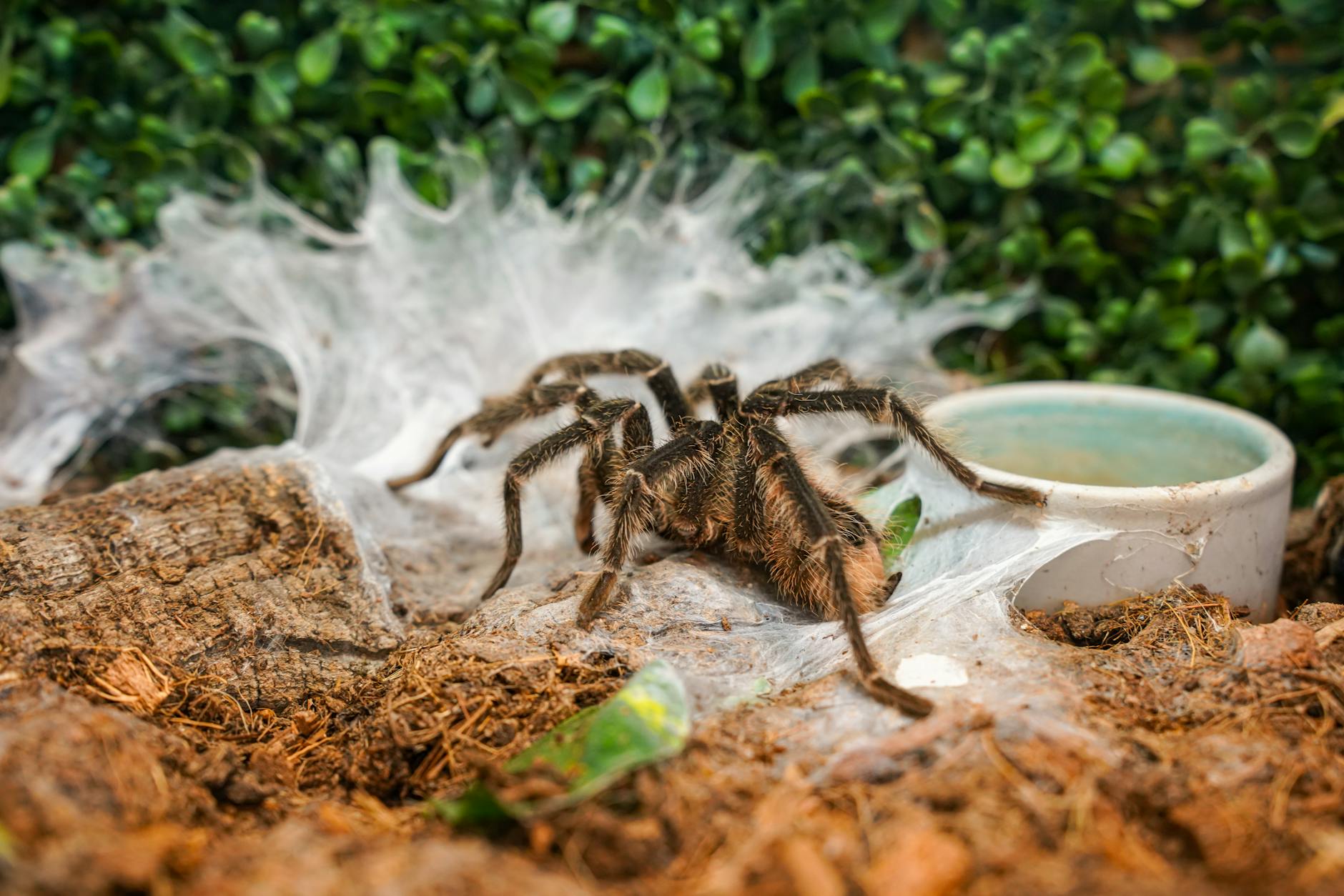
The Goliath birdeater is the largest spider in the world by mass with a leg span approaching thirty centimeters and a name that promises an apex predator of the South American jungle floor capable of taking down birds with casual regularity. The name is technically accurate in that it has been observed eating birds on rare occasions but in practice the Goliath birdeater subsists primarily on earthworms insects and small amphibians that require little active pursuit or complex predatory strategy. Its venom is relatively mild compared to many far smaller spider species and its fangs while large enough to break human skin deliver a bite closer to a wasp sting in its effects on most prey. The dramatic size and hairy appearance of the Goliath birdeater have made it a staple of sensationalist wildlife content but the actual diet and hunting behavior is considerably more modest than the name implies. It is at its core a very large spider with a very misleading reputation.
Cassowary
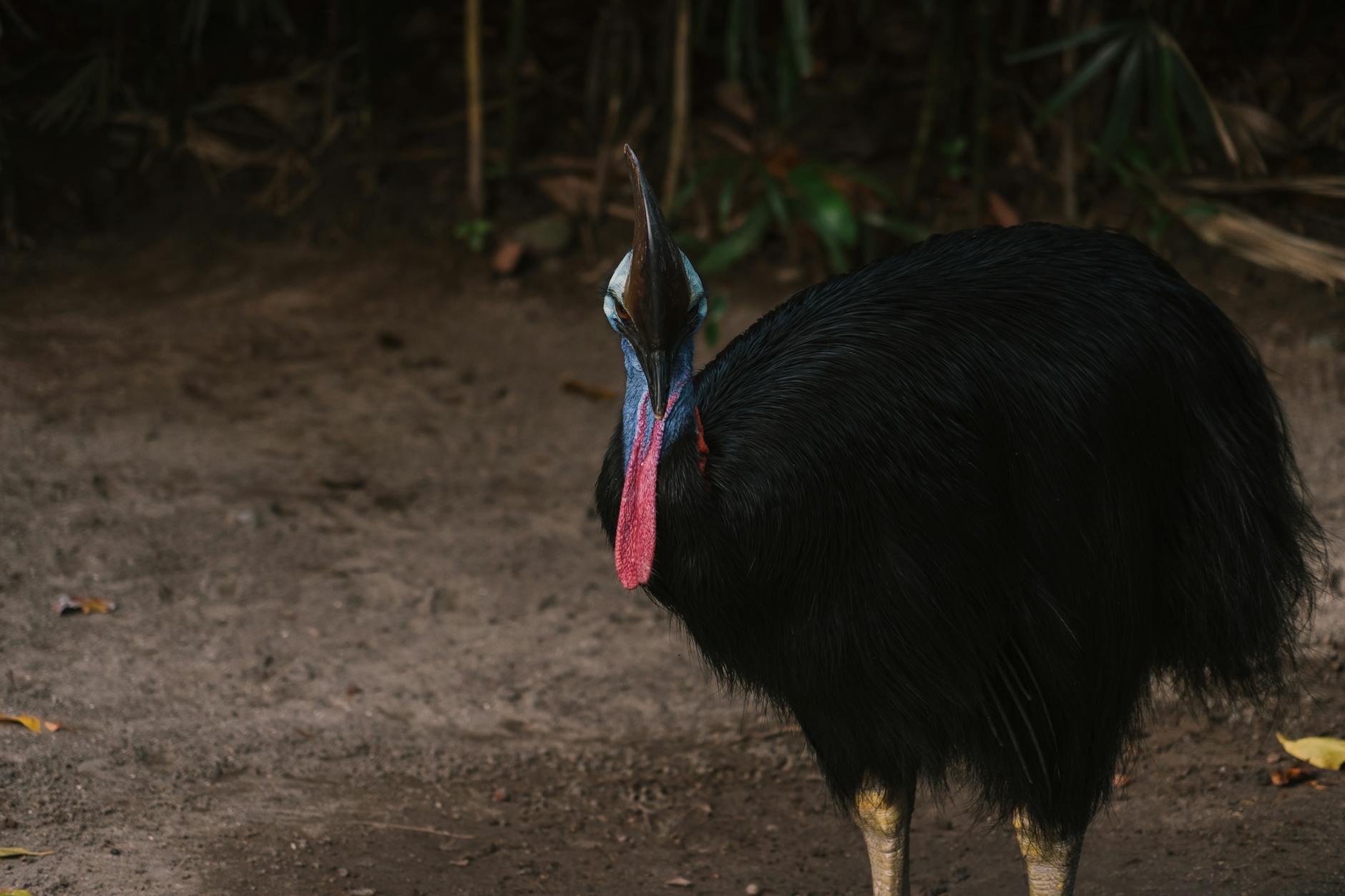
The cassowary is one of the most dangerous birds in the world capable of delivering powerful kicks with a dagger-like inner claw that has been documented killing humans on rare occasions. This capacity for violence combined with a helmet-like casque on the head and iridescent feathers has given the cassowary an intense and well-earned reputation for aggression in the rainforests of New Guinea and northern Australia. However the cassowary is not actually a predator in any meaningful ecological sense since its diet consists almost entirely of fruit with occasional insects snails and fungi consumed opportunistically. Its danger to humans and other animals is essentially defensive rather than predatory making the frightening reputation a product of what it does when cornered rather than what it actually hunts. The cassowary is one of nature’s most formidably armed herbivores presented to the world in the costume of a terrifying predator.
Tasmanian Devil
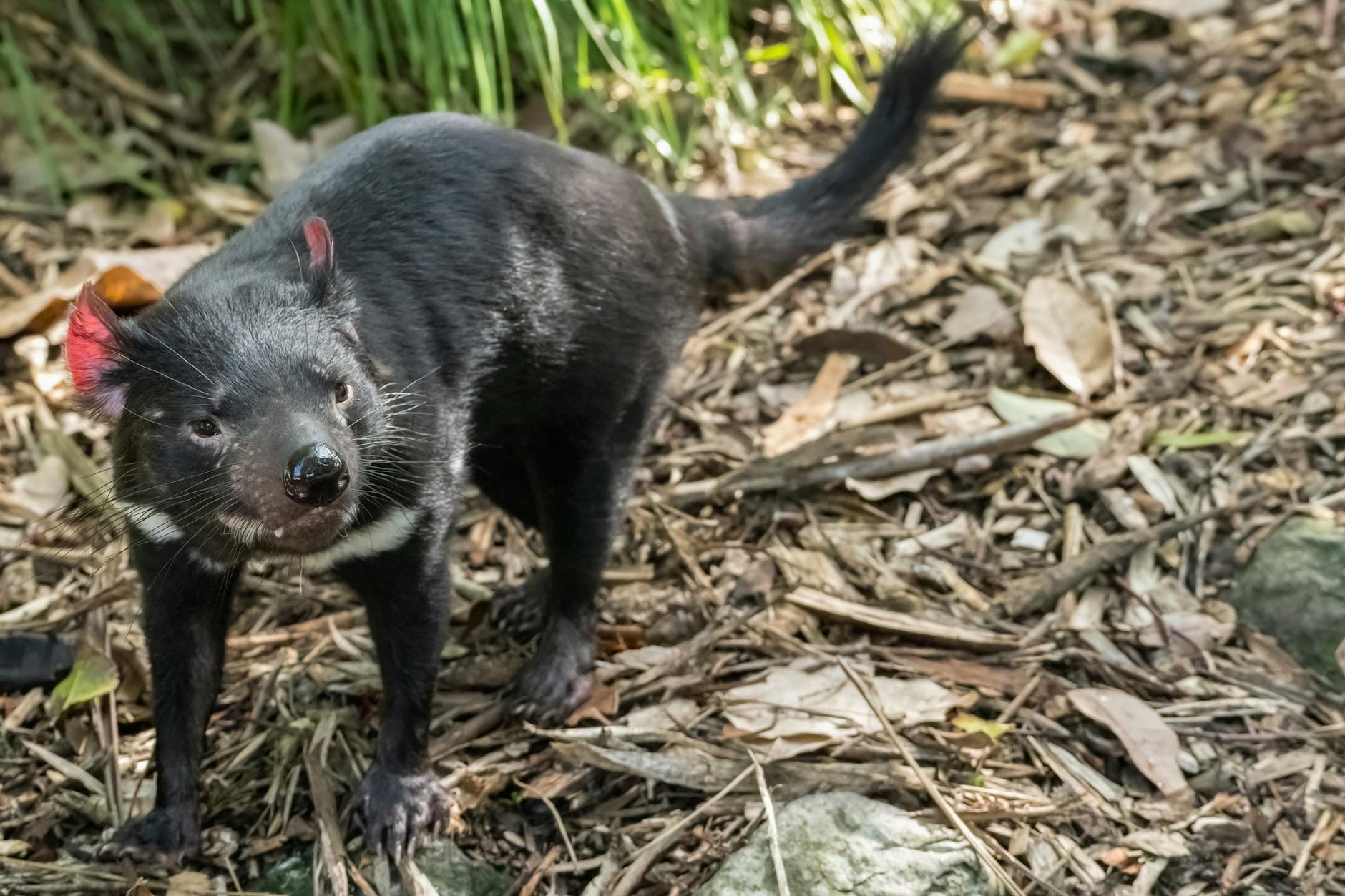
The Tasmanian devil is the world’s largest surviving carnivorous marsupial and produces one of the loudest and most unsettling vocalizations of any animal creating a sound that genuinely seems designed to announce predatory intent to anything within earshot. It possesses the strongest bite relative to body size of any living mammal capable of crushing bone and consuming prey or carcasses entirely including fur and skeleton. Despite these impressive physical credentials the Tasmanian devil is predominantly a scavenger relying on the deaths of other animals for the bulk of its diet rather than hunting live prey with any regularity or consistency. When it does hunt live animals it typically targets small wallabies wombats and birds that are already injured sick or young rather than demonstrating any predatory sophistication against healthy adult prey. The howling aggression that made European settlers genuinely afraid of what lurked in the Tasmanian night turns out to belong primarily to an animal queueing for something already dead.
Gharial
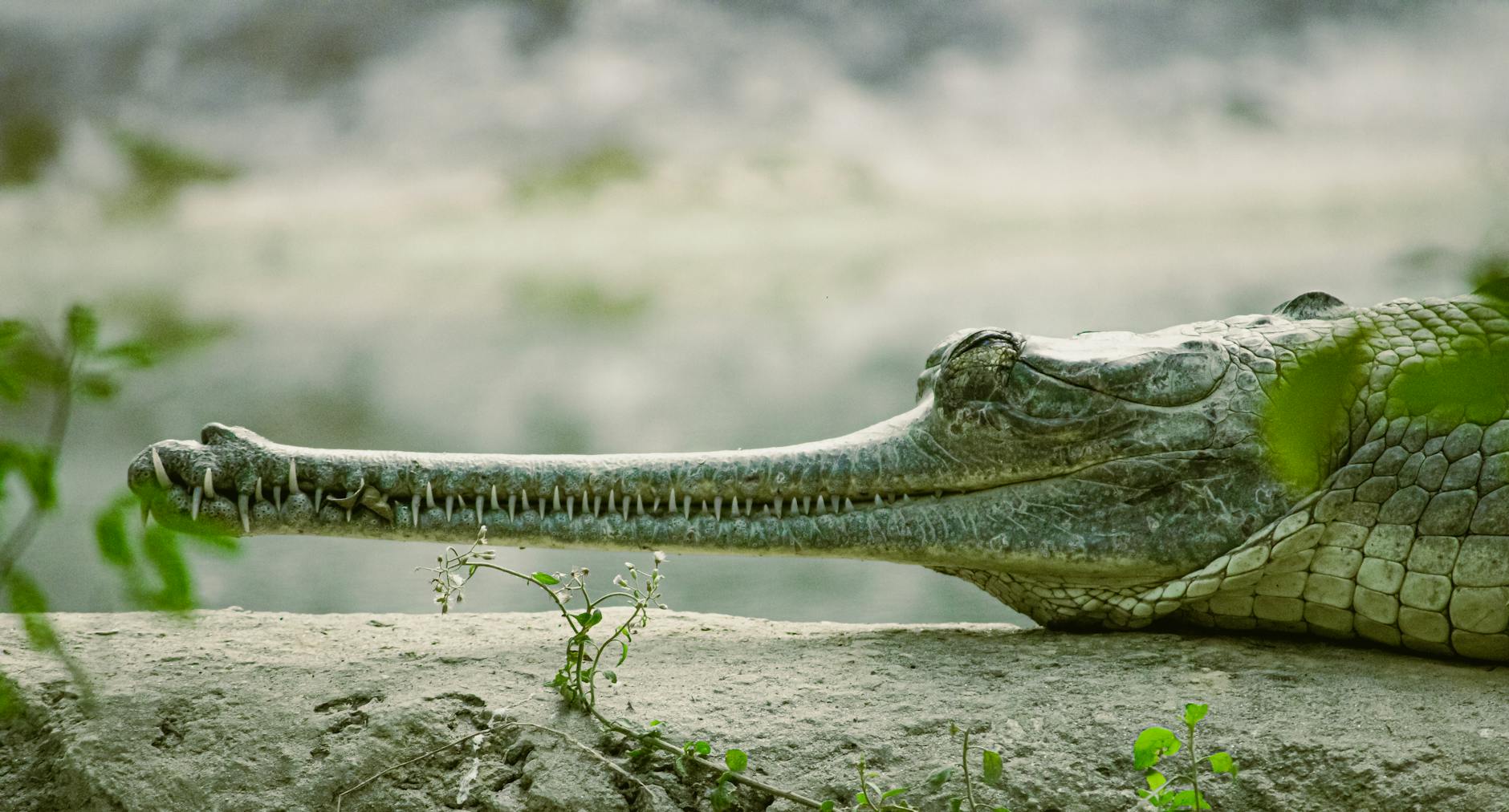
The gharial is one of the largest and most ancient-looking crocodilians on Earth growing to lengths exceeding six meters in the rivers of the Indian subcontinent with a distinctively long narrow snout lined with interlocking teeth that gives it an expression of permanent predatory focus. Its specialized snout is beautifully adapted for catching fish with a fast lateral snap but makes it functionally incapable of tackling the large mammalian prey that most people associate with crocodilian predation. The gharial cannot raise its body high enough off the ground to walk properly on land and is almost entirely aquatic making it dependent on rivers that are increasingly dammed polluted and depleted of the fish stocks it needs. A creature of genuinely prehistoric appearance that inspires immediate wariness turns out to be a highly specialized fish-catcher struggling to find enough fish rather than the all-purpose apex predator its enormous size suggests. The gharial is critically endangered in part because its narrow ecological role offers almost no flexibility in the face of rapid environmental change.
Mantis Shrimp
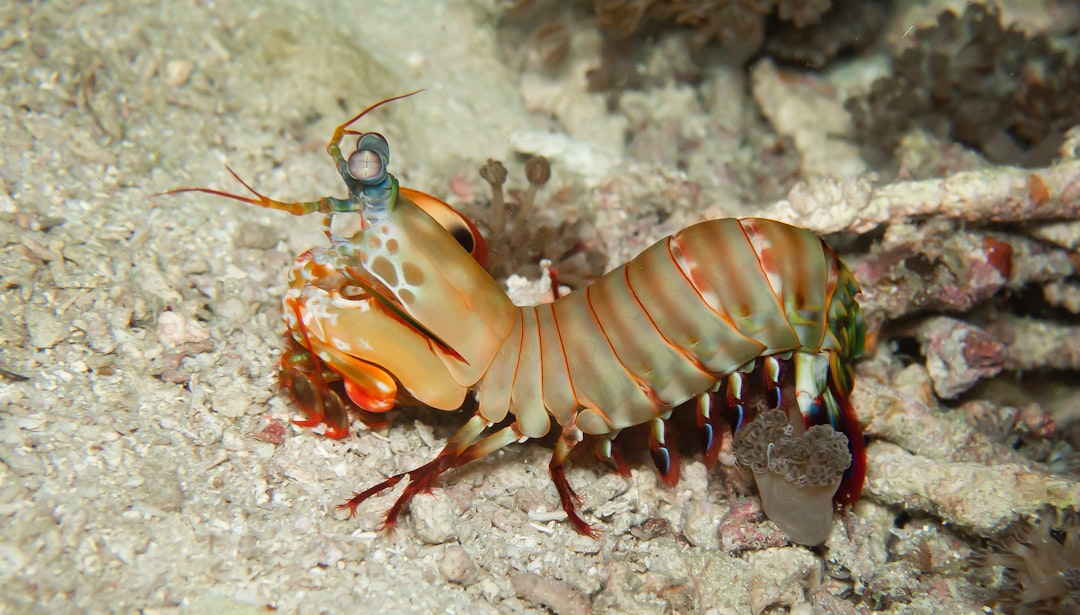
The mantis shrimp possesses one of the most devastating natural weapons in the animal kingdom with club-like appendages capable of striking with the acceleration of a bullet and enough force to break aquarium glass shatter crab shells and reportedly cause cavitation bubbles that generate a secondary shockwave on impact. It also perceives color through sixteen types of photoreceptor cells compared to three in the human eye giving it a sensory experience of the underwater world that is almost impossible to conceptualize. Yet despite this extraordinary weapons system and sensory capability the mantis shrimp is a territorial and largely solitary ambush predator whose actual hunting range extends only to the immediate vicinity of its burrow. Outside of that narrow strike zone the mantis shrimp is remarkably vulnerable and spends most of its life hiding rather than hunting making its fearsome armament a defensive asset as much as an offensive one. For an animal equipped with what amounts to a biological railgun the mantis shrimp leads a surprisingly cautious and limited predatory existence.
Share your thoughts on nature’s most misunderstood hunters in the comments.