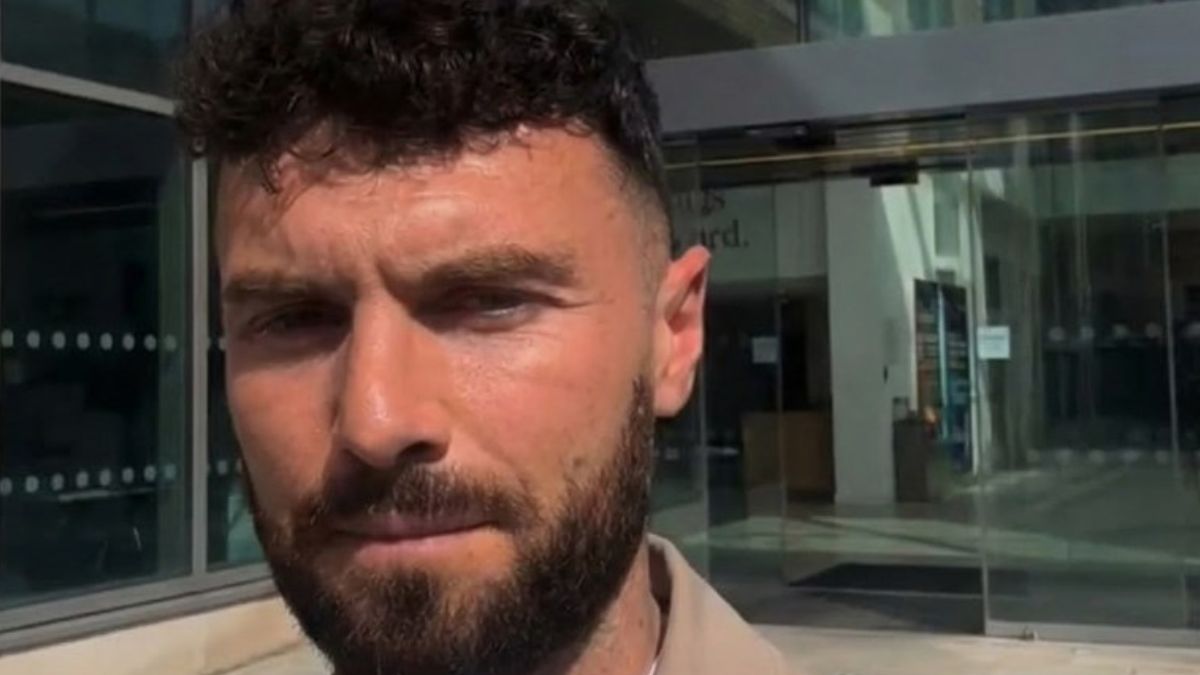
One peaceful afternoon in his garden turned into a life changing moment for Gordon Robb. The 63 year old from Midlothian Scotland had stepped inside for a refreshing cup of tea and to enjoy some music. He then reached for his phone to catch up on emails only to discover that the text made absolutely no sense. The words appeared as though they belonged to a foreign language despite him seeing everything clearly including who had sent the messages.
As the evening progressed Gordon attempted to read incoming text messages from friends. The same confusing situation persisted leaving him unable to comprehend any of the content. He chose to get some sleep believing that rest would resolve the issue by morning. When the problem continued unchanged into the next day he arranged for a routine doctors visit. A relative who had tragically lost her husband to a sudden stroke just weeks earlier insisted that he seek emergency hospital care without delay.
Medical professionals at the hospital quickly identified the cause as a hemorrhagic stroke. This occurs when there is bleeding within the brain and accounts for roughly fifteen percent of stroke incidents. Gordon had none of the standard warning signs that people are usually taught to watch for such as issues with face movement arm strength or speaking clearly. His overall health was excellent as he had remained very active including a challenging hike to the base camp of Mount Everest just two years prior. The isolated difficulty with reading proved to be the only clue to his serious condition.
Gordon later expressed how fortunate he felt to have received timely treatment. He noted that even a group of neurology students who examined him commented that they might have found it challenging to pinpoint the diagnosis based on typical knowledge alone. Paying close attention to any atypical bodily changes can prevent far worse outcomes he emphasized. Without prompt intervention he realized there could have been a dangerous situation developing unnoticed in his brain.
Today Gordon is actively involved in a groundbreaking clinical trial. Researchers from the University of Edinburgh are leading the ASPIRING study which examines the use of blood thinning medications like aspirin and clopidogrel. These drugs aim to lower the chances of additional strokes or heart attacks in survivors of hemorrhagic strokes. Previously such treatments raised concerns about potentially increasing bleeding risks but earlier research from the same team confirmed their safety. Professor Rustam Al Shahi Salman has highlighted the relief in establishing that these options do not heighten dangers.
Participation in the trial brings Gordon both personal reassurance and a sense of contributing to future medical advances. He is among four thousand volunteers from around the world helping gather essential evidence. The findings could transform how doctors manage care for patients like him moving forward. This kind of research underscores the value of ongoing studies in stroke prevention.
Health experts continue to raise awareness about both common and uncommon stroke indicators. Dr Sonya Babu Narayan from the British Heart Foundation points out that familiar tools like the FAST acronym cover many cases yet other signs exist too. Suddenly being unable to interpret written words represents one such less recognized symptom. She advises that whenever you sense something is not right it is crucial to get help immediately.
Several months following the event Gordon has noticed gradual improvements in his reading capabilities. Tasks that once took him ten minutes now require closer to half an hour but progress is steady. He feels incredibly lucky overall and even a bit out of place among other patients in the stroke unit because his physical abilities remained largely intact. Staying vigilant can truly make the difference between a close call and a tragedy.
Share your thoughts on spotting unusual signs of a stroke in the comments.