Teaching children proper etiquette involves more than just ensuring they follow rules during family gatherings or formal events. Manners serve as the social glue that helps young people navigate their world with confidence and respect for those around them. Establishing these habits early in life ensures they become second nature rather than forced behaviors during adulthood. This comprehensive list covers essential social skills ranging from table etiquette to interpersonal communication. Cultivating these fifty behaviors will provide a strong foundation for future social success.
Saying Please

Using this simple word turns a demand into a polite request that respects the other person. Children should learn that asking for help or items requires this specific key to unlock cooperation. It demonstrates humility and acknowledges that the child is not entitled to everything they want immediately. Parents often reinforce this by waiting to hear the word before granting any request. This fundamental habit sets the tone for all future interactions with authority figures and peers.
Saying Thank You

Expressing gratitude acknowledges the effort or kindness extended by another person. This phrase is essential after receiving gifts or help and even during small daily interactions like being served food. It teaches children to value the contributions of others rather than taking them for granted. Regular use of this phrase fosters a positive environment and encourages people to continue being kind. Developing an attitude of gratitude helps children build stronger and more appreciative relationships.
Saying Excuse Me
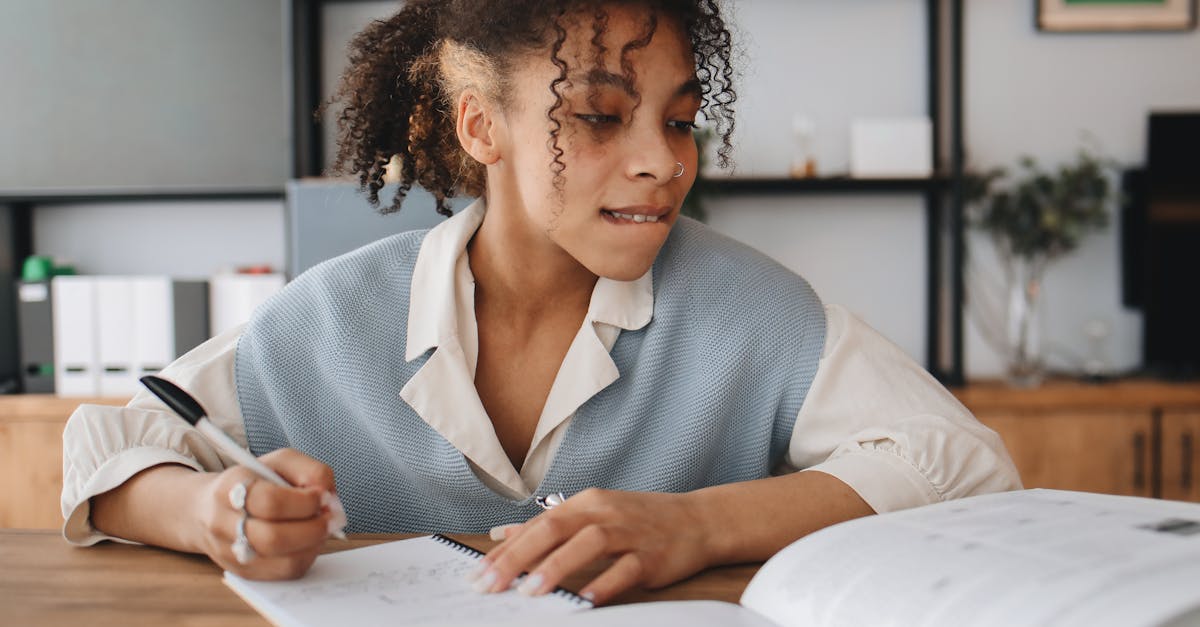
Navigating shared spaces requires children to know how to pass others without causing disruption or offense. This phrase is the appropriate way to ask for attention or to get past someone in a crowded area. It is also the correct response after accidentally bumping into someone or making a bodily noise. Using these words shows an awareness of personal space and a desire to be respectful. It prevents physical interactions from seeming aggressive or rude.
Making Eye Contact

Looking someone in the eyes during conversation signifies attention and respect for the speaker. This skill helps children connect with others and shows confidence in their own communication. It ensures that the child is fully engaged in the interaction rather than being distracted by their surroundings. Shy children may need practice to feel comfortable with this level of direct engagement. Mastering eye contact is a critical component of effective listening and leadership.
No Interrupting

Learning to wait for a pause in conversation teaches patience and respect for the speaker’s thoughts. Children often feel an urgent need to share their ideas but must learn that others deserve to be heard first. Interrupting can make the child appear self-centered or rude to those trying to communicate. Parents can establish a signal that lets the child know they will be heard as soon as the current speaker finishes. This habit fosters better listening skills and more fluid conversations.
Asking Permission

Taking items without asking can lead to conflict and is generally considered disrespectful of ownership. Children must learn to request consent before using a toy that belongs to someone else or taking food from a fridge. This rule reinforces boundaries and the concept that not everything is communal property. It applies to situations outside the home as well as interactions with siblings. Establishing this boundary early prevents misunderstandings and potential theft issues later.
Knocking First

Privacy is a fundamental right that children should learn to respect within the household. Knocking on a closed door and waiting for a response teaches them that they cannot simply barge into any space. This practice is crucial for bathrooms and bedrooms where people expect seclusion. It demonstrates a physical level of respect for boundaries that family members appreciate. Mastering this habit prepares them for respecting office doors and private rooms in adulthood.
Covering Mouth When Sneezing

Hygiene etiquette protects those around the child from germs and illness. Using the crook of the elbow or a tissue to cover a sneeze or cough is the standard recommendation. Children should avoid using their bare hands as this spreads germs to everything they touch afterward. This habit shows consideration for the health and well-being of everyone in the vicinity. It is a vital public health skill that should be reinforced until it becomes a reflex.
No Name-Calling

Using derogatory labels or teasing words can be deeply hurtful and damaging to relationships. Children must understand that words have power and should be used to build others up rather than tear them down. Avoiding name-calling demonstrates emotional maturity and empathy for the feelings of peers. It prevents the development of bullying behaviors that can escalate as children grow older. Kindness in speech is a cornerstone of good character and social acceptance.
Greeting Visitors

When guests arrive at the home a child should acknowledge them with a verbal greeting or a smile. Ignoring a visitor makes the guest feel unwelcome and creates an awkward atmosphere. A simple hello establishes a connection and shows that the child is aware of social dynamics. This small act of politeness helps children overcome shyness and learn to engage with new people. It serves as the first step in hospitality and making others feel comfortable.
Writing Thank You Notes

Receiving a gift warrants a formal acknowledgement beyond a verbal thanks on the spot. Writing a note teaches children to reflect on the generosity of the giver and the value of the item received. It takes time and effort which demonstrates deep appreciation to the recipient of the note. This practice is especially important for birthday presents and holiday gifts from distant relatives. It creates a lasting positive impression and encourages lifelong correspondence habits.
Chewing With Mouth Closed

Table manners are highly visible indicators of a child’s social training and general politeness. Chewing with the mouth closed prevents others from seeing partially eaten food and hearing unpleasant noises. It shows respect for fellow diners and maintains a calm and appetizing environment at the table. Children often need reminders to take smaller bites to make this easier to accomplish. Mastering this skill allows the child to dine in public or at friends’ houses without embarrassment.
Asking to be Excused

Leaving the table should always be preceded by a polite request to step away. Children should not simply wander off when they finish eating while others are still dining. Asking to be excused acknowledges the authority of the host or parent and the communal nature of the meal. It prevents the table from becoming chaotic and signals the formal end of the child’s participation. This ritual reinforces the idea that mealtime is a shared event rather than just a feeding time.
Washing Hands Before Meals

Coming to the table with clean hands is a matter of hygiene and respect for the food being served. It prevents the transfer of dirt and germs to communal serving spoons or shared bread baskets. This habit signals a transition from play or work to the serious business of eating. It ensures that the child is physically ready to handle food and participate in the meal. Regular enforcement turns this sanitary measure into an automatic pre-meal routine.
Not Commenting on Physical Appearance

Children are naturally observant but must learn that vocalizing observations about bodies can be hurtful. Remarks about someone’s weight or skin or physical differences are generally considered impolite. Teaching children to keep these thoughts private prevents accidental insults and social gaffes. It fosters an environment where people are judged by their character rather than their looks. This restraint shows a developing maturity and sensitivity to the feelings of others.
Respecting Elders

Treating older adults with deference acts as a sign of cultural and social respect. This involves using proper titles like Mr. or Mrs. unless told otherwise. Children should learn to offer their seat or open doors for seniors as a gesture of kindness. Listening to stories and advice from elders bridges generational gaps and provides valuable learning opportunities. This traditional manner remains relevant for building community and family cohesion.
Holding Doors Open

Noticing when someone is following closely behind and holding the door is a classic act of courtesy. It prevents the door from slamming in the face of the next person entering or exiting. This simple physical act shows awareness of one’s surroundings and consideration for strangers. It is especially important if the person behind is carrying packages or has a stroller. This habit creates a moment of connection and kindness in public spaces.
Cleaning Up After Yourself
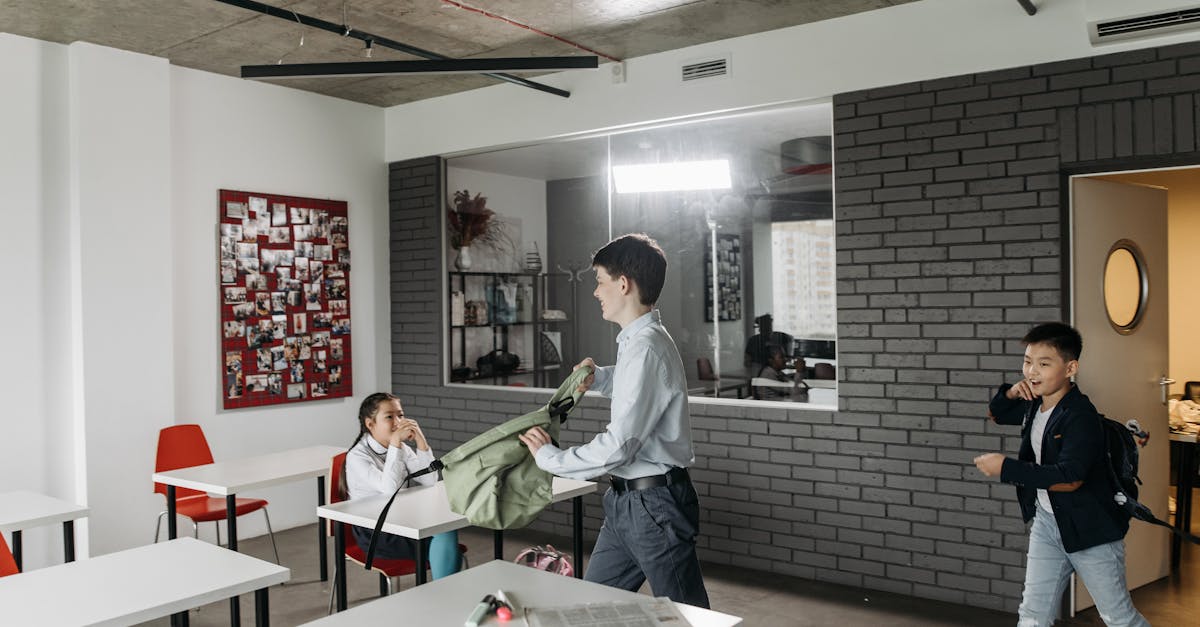
Leaving a mess for others to deal with shows a lack of consideration and responsibility. Children should learn to put away toys and clear their dishes and throw away their trash. This habit ensures that shared spaces remain usable and pleasant for everyone in the home or classroom. Taking ownership of one’s mess fosters independence and reduces the workload on parents and teachers. It reinforces the idea that everyone contributes to the maintenance of the environment.
Introducing Yourself

Meeting new people requires the confidence to state one’s name and perhaps offer a handshake. Children should learn to introduce themselves clearly to new peers or adults in a social setting. This skill breaks the ice and helps facilitate new friendships and connections. It removes the burden from parents to always mediate social interactions for the child. Being proactive in introductions shows social competence and openness.
Answering the Phone Politely
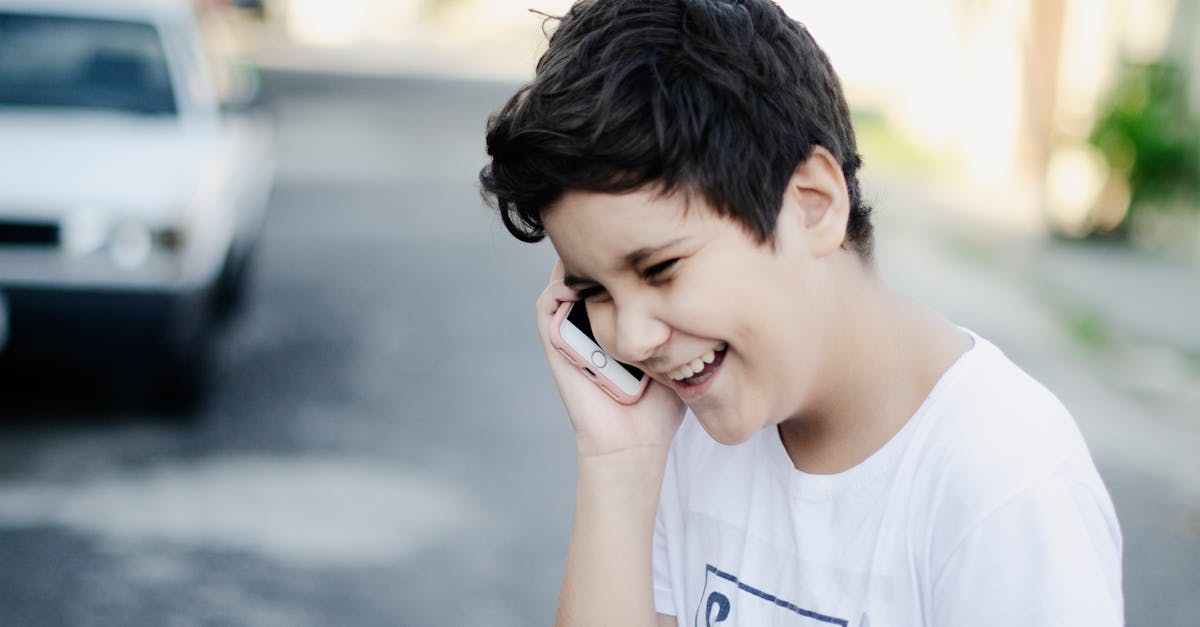
When picking up the telephone a child should speak clearly and greet the caller. A simple hello followed by stating who is speaking helps the caller know they reached the right place. Children need to learn how to take a message if their parent is unavailable. Screaming for a parent or hanging up abruptly is rude and unhelpful to the caller. Proper phone etiquette is a vital communication skill even in the age of mobile devices.
Not Pointing

Pointing a finger at someone is often perceived as aggressive or gossiping behavior. Children should learn to indicate people or things using words rather than gestures that might single someone out. If a gesture is needed an open hand is generally considered more polite than a pointed finger. This rule helps avoid making others feel self-conscious or targeted in public. It encourages the use of descriptive language to identify objects or persons.
Waiting Your Turn
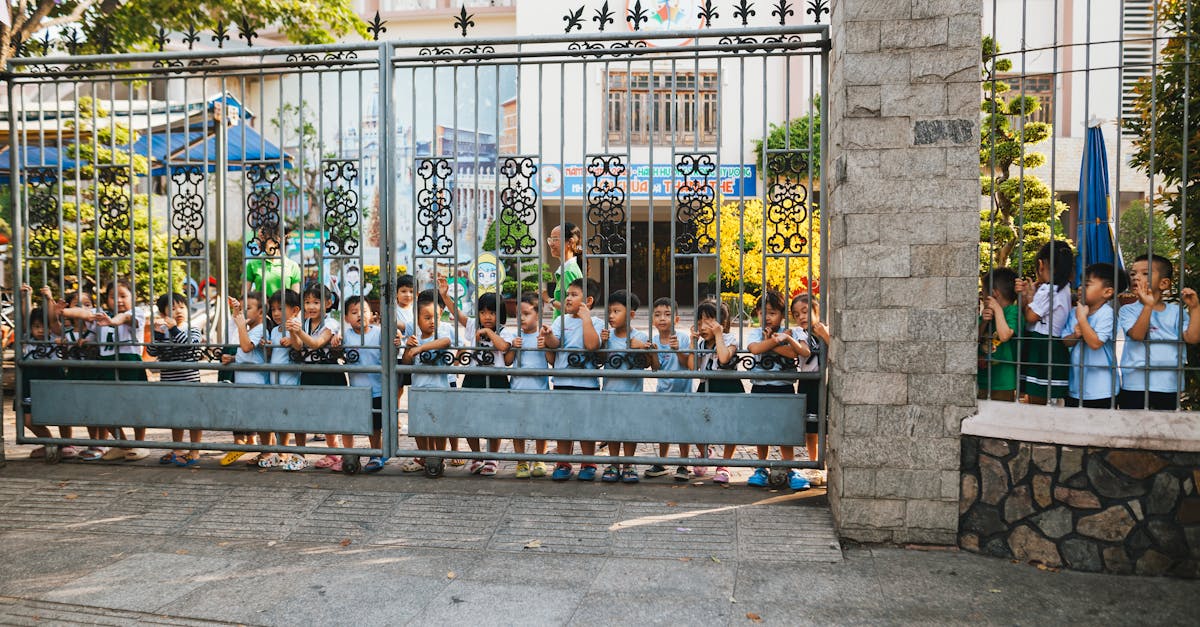
Patience is a virtue that is practiced through waiting in lines or taking turns with toys. Cutting in line or demanding immediate attention is a sign of entitlement that alienates peers. Understanding that everyone gets a turn ensures fairness and smooth social play. This concept applies to speaking in groups as well as playing games or waiting for a slide. Mastering this leads to better cooperation and fewer conflicts on the playground.
Using a Napkin

Wiping one’s mouth and hands on a napkin keeps the face clean and protects clothing. Children should learn to place the napkin in their lap when seated and use it throughout the meal. Using a sleeve or shirt as a wipe is unsanitary and socially unacceptable at the dinner table. The napkin is a tool that helps maintain a tidy appearance while eating messy foods. Proper use demonstrates a readiness for dining in restaurants and formal settings.
Returning Borrowed Items

Respecting the property of others involves returning items in the same condition they were lent. Children must remember to give back toys or books or clothes within a reasonable timeframe. Keeping things indefinitely is akin to stealing and damages trust between friends. Parents can help by creating a designated spot for items that need to be returned to others. This habit builds a reputation for reliability and trustworthiness.
Good Sportsmanship

Playing games involves winning and losing and both must be handled with grace. Children should learn to congratulate the winner and avoid gloating when they win. Throwing tantrums after a loss ruins the fun for everyone involved in the activity. Following the rules and playing fair are more important than the final score. Good sportsmanship ensures that other children will want to include them in future games.
Respecting Privacy
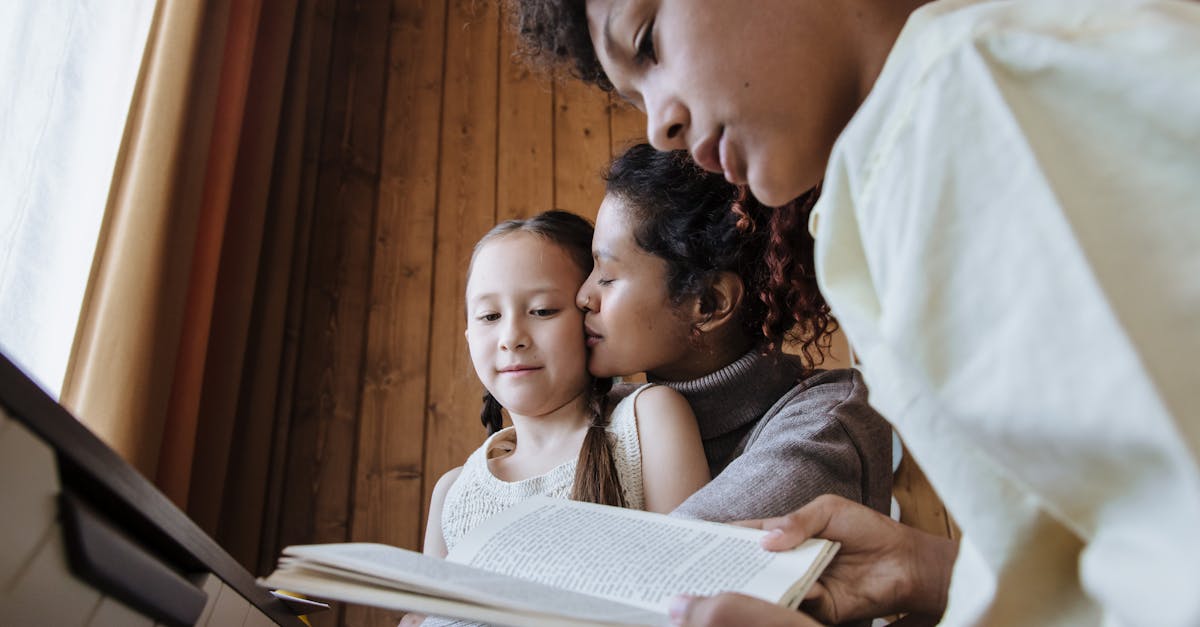
Understanding that people need time alone or have private conversations is part of growing up. Children should learn not to eavesdrop on phone calls or read messages not meant for them. This extends to not opening closed drawers or bags that belong to parents or guests. Respecting these boundaries builds trust within the family unit. It teaches the child that curiosity does not justify invading someone’s personal space.
Offering Help
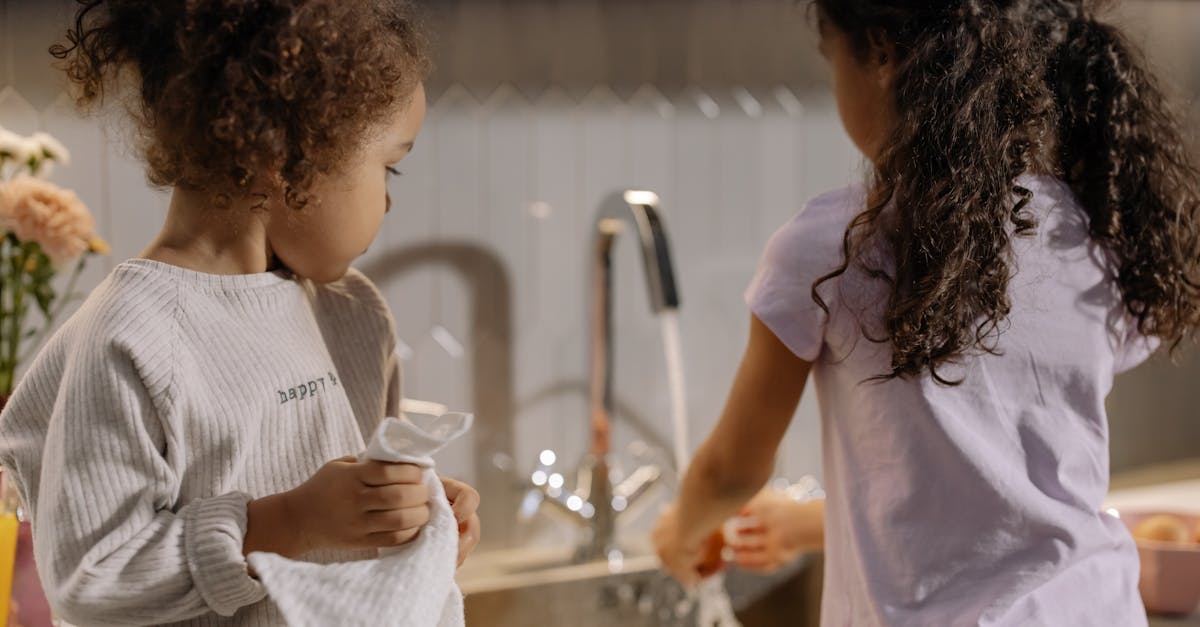
Noticing when someone is struggling with a task and offering assistance is a mark of strong character. This could involve helping a parent carry groceries or assisting a sibling with a chore. Children should learn to be proactive rather than waiting to be asked to help. This spirit of cooperation strengthens family bonds and community relationships. It teaches the child that they have the power to make someone else’s day easier.
Not Reaching Across the Table

Stretching across another person’s plate to grab food is rude and risks knocking over drinks. Children should learn to ask for items to be passed to them by the person closest to the object. This keeps the table orderly and prevents accidents during the meal. The verbal interaction of asking for the salt or butter encourages conversation and cooperation. It creates a civilized dining atmosphere where personal space is respected.
Covering the Mouth When Yawning

A wide open mouth during a yawn can be viewed as unsightly or a sign of extreme boredom. covering the mouth with a hand creates a polite shield that minimizes the visual impact. It signals to others that the child is trying to remain present despite being tired. This small gesture prevents the yawn from seeming disrespectful to the person speaking. It is a simple bodily control habit that shows social awareness.
Using Indoor Voices

Shouting or screaming inside a house or building can be jarring and disruptive to others. Children need to learn to modulate their volume based on their environment. The playground is for loud voices while the library and living room require quieter tones. Controlling volume shows respect for the peace and comfort of those nearby. It is a key part of self-regulation and awareness of the surrounding atmosphere.
Respecting Other People’s Property

Treating items that do not belong to you with extra care is a sign of respect. Children should not jump on furniture at a friend’s house or handle breakable items without permission. This extends to not kicking cars or damaging public property like park benches. Valuing the possessions of others prevents damage and hard feelings. It demonstrates that the child understands the value of things and the effort required to acquire them.
Saying You Are Welcome

Responding to gratitude completes the cycle of a polite interaction. When someone says thank you the child should reply with a polite phrase rather than silence or “no problem.” This acknowledgment validates the gratitude expressed by the other person. It shows that the child was happy to help or give the gift. This small phrase polishes social exchanges and makes them feel finished and positive.
Shaking Hands

A firm handshake is a traditional greeting that conveys confidence and respect in many cultures. Children should learn to offer their hand when meeting adults or finishing a formal agreement. The grip should be firm but not crushing and accompanied by direct eye contact. This physical connection establishes rapport and shows the child is ready for interaction. It is a professional skill that will serve them well throughout life.
Responding When Spoken To

Ignoring a question or a greeting from an adult or peer is considered rude and dismissive. Children should acknowledge when they are addressed even if they do not know the answer. A simple verbal response confirms that they heard the speaker and are engaged. This prevents the other person from feeling ignored or invisible. Communication requires two active participants and the child must play their part.
Refraining from Gossip

Talking about others behind their backs spreads negativity and hurts feelings. Children should be taught that if they cannot say something nice they should say nothing at all. Gossip damages trust and can isolate the child from true friendships. Avoiding rumors shows integrity and proves the child is a safe person to confide in. This habit protects the reputation of others and the character of the child.
Apologizing Sincerely

Saying sorry is only meaningful if it is accompanied by genuine remorse and a change in behavior. Children should learn to look the person in the eye and explain what they are sorry for. A sincere apology helps repair relationships damaged by mistakes or accidents. It requires the humility to admit fault and the desire to make things right. Learning to apologize prevents small grievances from turning into lasting grudges.
Removing Hats Indoors

Traditional etiquette dictates that hats should be removed when entering a home or sitting at a table. While rules have relaxed this gesture remains a sign of respect in many households and formal settings. Taking off a hat allows for better eye contact and shows the child is settling in. It prevents the brim from obscuring the face during conversation. Teaching this rule gives the child the knowledge to navigate formal or traditional environments.
Not Picking the Nose
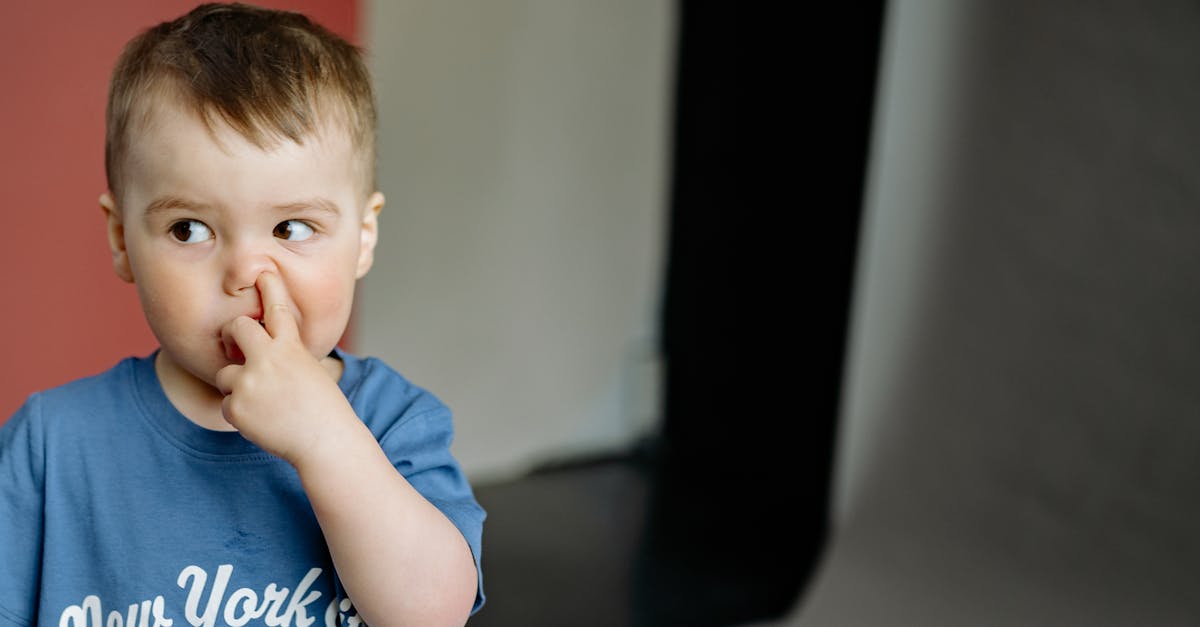
Personal hygiene habits should remain private and never occur in public spaces. Picking the nose is universally considered unsightly and unsanitary by observers. Children need to learn to use a tissue in a restroom if they need to clear their nose. This habit prevents the spread of germs and saves the child from social embarrassment. It is a basic rule of bodily maintenance that affects how others perceive the child.
Flushing the Toilet

Leaving a restroom clean for the next user is a basic courtesy and hygiene requirement. Children must learn to flush every time they use the toilet without exception. This simple act prevents unpleasant odors and sights for the next person entering the room. It shows responsibility for one’s own bodily functions and respect for shared facilities. Parents should reinforce this until it is an automatic conclusion to the bathroom routine.
Saying Goodbye

Leaving a gathering or ending a visit requires a proper farewell to the host and friends. slipping away without a word is often called the Irish exit and can worry or offend the host. A verbal goodbye brings closure to the interaction and allows for final thanks. It leaves a positive final impression on the people remaining. This ritual acknowledges the time spent together and sets the stage for the next meeting.
Giving Up Seats

Offering a seat to an elderly person or pregnant woman or someone with a disability is a high form of courtesy. Children usually have more energy and stamina than adults and can stand more easily. This act of kindness is highly visible and appreciated in public transportation or crowded waiting rooms. It demonstrates empathy and an awareness of the physical needs of others. It teaches the child to prioritize the comfort of those who are more vulnerable.
Keeping Negative Opinions Private

Children should learn that they do not need to voice every dislike regarding food or gifts. Saying something is disgusting or ugly can deeply hurt the feelings of the cook or the giver. It is better to remain silent or find one positive thing to mention. This filter protects relationships and shows social maturity. Honesty is important but it should not be used as a weapon to insult others.
Avoiding Foul Language
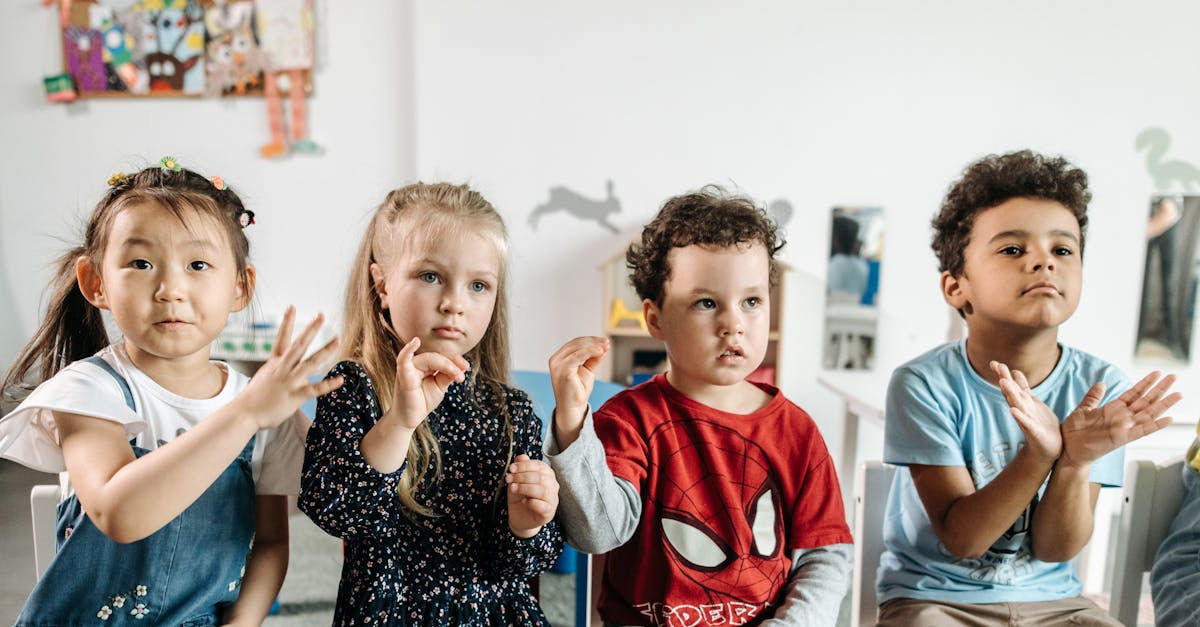
Swearing or using inappropriate words is generally unacceptable for children in social settings. These words can shock adults and get the child in trouble at school or in other homes. Developing a clean vocabulary forces the child to express strong emotions with better words. It prevents the child from sounding uneducated or aggressive. Parents set the standard for this by monitoring their own language and media consumption.
Being Punctual

Arriving on time shows respect for the other person’s schedule and commitments. Children should learn that being late keeps others waiting and can disrupt plans. Learning time management early helps reduce stress for the child and their parents. It creates a reputation for reliability and dependability. Being punctual is a form of non-verbal respect that is valued in school and eventually the workplace.
Asking How Someone Is Doing

Conversation is a two-way street that involves showing interest in the other person’s life. After answering a question about themselves children should learn to ask “and how are you?” This reciprocal question shifts the focus away from the child and balances the dialogue. It makes the other person feel valued and heard during the interaction. This habit builds deeper connections and moves conversation beyond surface level.
Respecting Differences
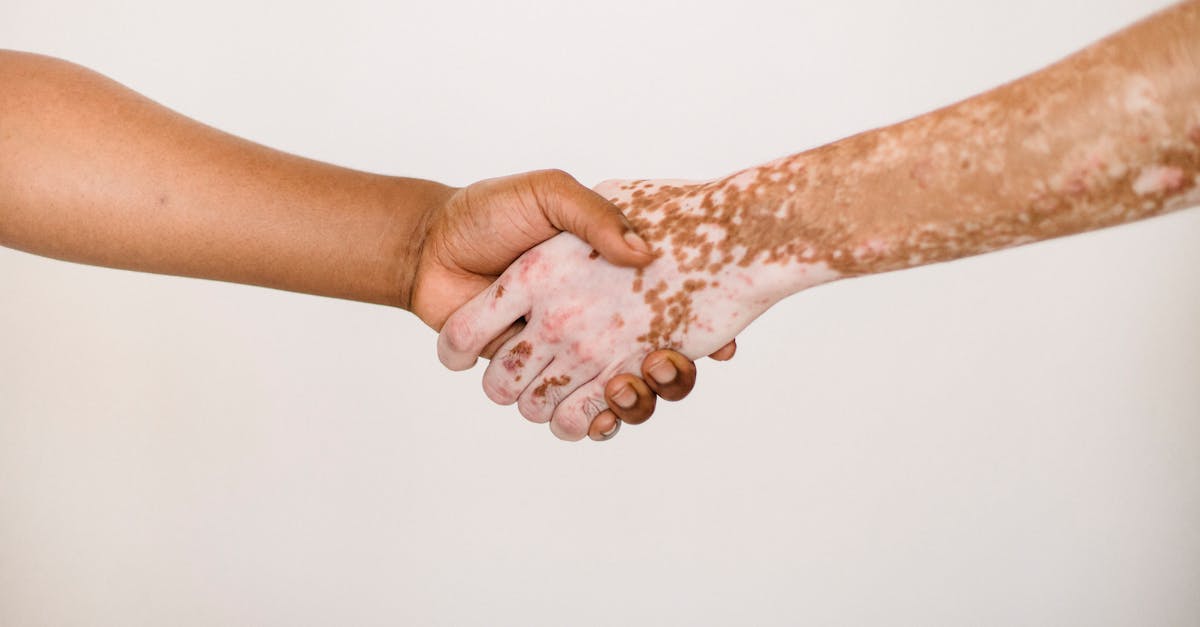
Children will encounter people from various backgrounds and abilities and appearances. It is crucial to teach them to treat everyone with the same level of basic respect. Staring or making loud comments about someone’s wheelchair or clothing is hurtful. Understanding that different does not mean bad is a key life lesson. This manner fosters inclusivity and prevents the child from unintentionally alienating others.
Not Staring

Fixating your gaze on a stranger can make them feel uncomfortable and scrutinized. Children are naturally curious but must learn to observe the world without gawking at people. If they have a question about someone it should be asked privately to a parent later. Breaking the gaze shows respect for the other person’s privacy. This self-control prevents awkward social encounters and potential offense.
Helping with Chores

Participating in household duties teaches that membership in a family involves work as well as play. Children should have age-appropriate tasks like setting the table or feeding a pet. This contribution builds a work ethic and a sense of competence. It prevents the child from viewing parents as servants who exist solely to cater to them. Sharing the workload creates more time for family fun and relaxation.
Being Kind to Animals

How a child treats a vulnerable animal is often a strong indicator of their empathy levels. Gentle petting and no teasing should be strictly enforced rules for all interactions with pets. Children should learn to read animal body language to know when to back away. Cruelty or roughness with animals is never acceptable behavior. Respecting living creatures fosters a compassionate nature that extends to humans as well.
Putting Electronics Away
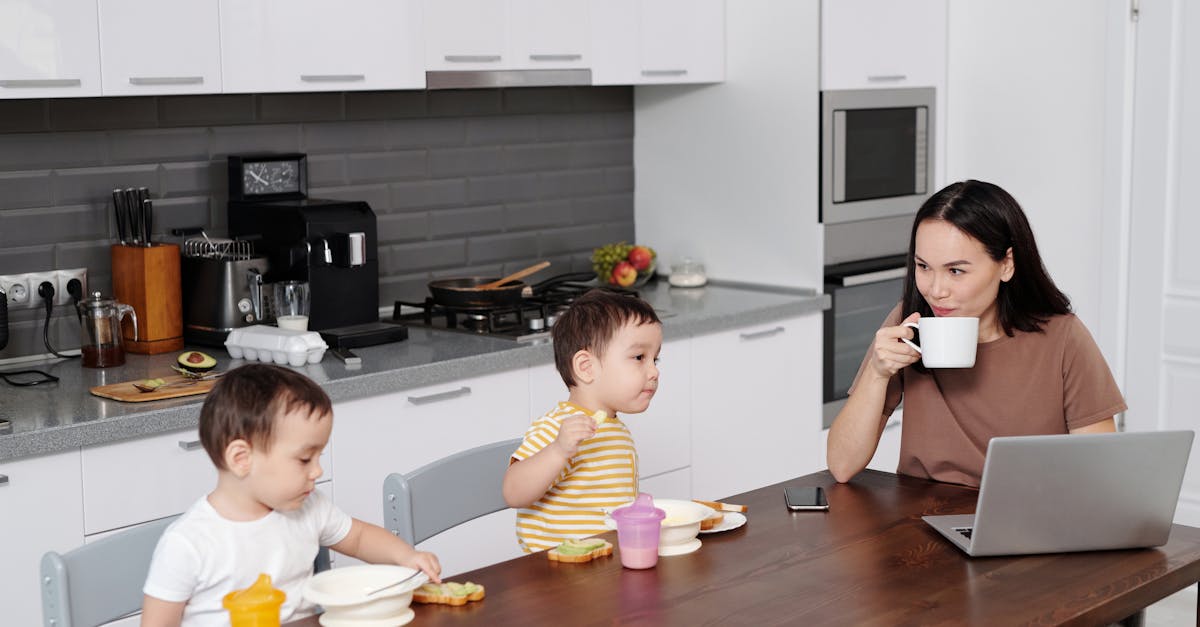
Screens should not compete for attention during face-to-face interactions or family meals. Children should learn to put down tablets and phones when someone is speaking to them. This habit ensures that the child is present in the moment and fully engaged. It signals that the people in the room are more important than the digital world. establishing tech-free zones or times encourages better social development.
Which of these manners do you think is the most challenging to teach, so let us know your experiences in the comments.